Foram encontradas 301.997 questões
Resolva questões gratuitamente!
Junte-se a mais de 4 milhões de concurseiros!


I.O computador da biblioteca apresentou defeito durante a pesquisa escolar.
II.Meu pai trouxe flores para decorar a mesa da cozinha ontem.
III.A fotografia antiga ficou guardada dentro daquela gaveta pequena.
IV.O trem chegou cedo e partiu logo após o embarque.
V.A professora explicou novamente o conteúdo antes da atividade avaliativa.
Em quais das afirmativas há o emprego de pelo menos uma palavra polissílaba?
"Os alunos relêem os capítulos com frequência porque o conteúdo pode cair na avaliação final."
Identifique e assinale a alternativa que contém o termo está indevidamente acentuado:
O texto seguinte servirá de base para responder à questão.
Queda de uma das maiores árvores do Brasil mobiliza moradores de SC
A queda de uma das maiores árvores do Brasil, no município de Caçador, em Santa Catarina, mobilizou uma equipe da Embrapa Florestas para coleta de material genético (DNA) e tentativa de clonagem da árvore, na última quinta-feira (7).
Apelidada carinhosamente de "Pinheirão", a árvore era a quarta maior araucária — Araucaria angustifolia — do país, com 44 metros de altura e 2,45 metros de diâmetro à altura do peito (DAP).
Segundo levantamentos realizados pelo professor Marcelo Scipioni, da Universidade Federal de Santa Catarina (UFSC), não há informações precisas sobre a idade da árvore, nem confirmação sobre quando ocorreu a queda, mas a estimativa é de que tenha acontecido nas últimas semanas.
A árvore estava na Estação Experimental da Embrapa em Caçador, e, em campo, a equipe avaliou a existência de brotações viáveis para o processo de resgate do material genético. "O ideal é que a coleta deste tipo de material seja feita de cinco a dez dias após a queda.
No entanto, a equipe observou brotações ainda viáveis", explicou Ivar Wendling, pesquisador da Embrapa Florestas.
O material seguiu, então, para enxertia em laboratório e deve levar cerca de cem dias para confirmação do sucesso do procedimento. A iniciativa busca preservar e estudar características genéticas raras da espécie, como sua altura e longevidade.
Embora não seja possível estimar a idade da árvore, seu porte monumental a transformou em um ponto de interesse dentro da estação experimental. Mesmo em uma área de acesso restrito, era comum que pesquisadores e funcionários buscassem o local para acompanhar seu desenvolvimento.
De acordo com a Embrapa Florestas, uma situação semelhante já foi enfrentada anteriormente. Em Cruz Machado, no Paraná, uma araucária de grande porte também foi clonada após queda, em trabalho conduzido pela empresa.
https://www.cnnbrasil.com.br/ciencia/queda-de-uma-das-maiores-arvores-do-brasil-mobiliza-moradores-de-sc/
A descrição do "Pinheirão" no texto evidencia que a árvore:
O texto seguinte servirá de base para responder à questão.
Queda de uma das maiores árvores do Brasil mobiliza moradores de SC
A queda de uma das maiores árvores do Brasil, no município de Caçador, em Santa Catarina, mobilizou uma equipe da Embrapa Florestas para coleta de material genético (DNA) e tentativa de clonagem da árvore, na última quinta-feira (7).
Apelidada carinhosamente de "Pinheirão", a árvore era a quarta maior araucária — Araucaria angustifolia — do país, com 44 metros de altura e 2,45 metros de diâmetro à altura do peito (DAP).
Segundo levantamentos realizados pelo professor Marcelo Scipioni, da Universidade Federal de Santa Catarina (UFSC), não há informações precisas sobre a idade da árvore, nem confirmação sobre quando ocorreu a queda, mas a estimativa é de que tenha acontecido nas últimas semanas.
A árvore estava na Estação Experimental da Embrapa em Caçador, e, em campo, a equipe avaliou a existência de brotações viáveis para o processo de resgate do material genético. "O ideal é que a coleta deste tipo de material seja feita de cinco a dez dias após a queda.
No entanto, a equipe observou brotações ainda viáveis", explicou Ivar Wendling, pesquisador da Embrapa Florestas.
O material seguiu, então, para enxertia em laboratório e deve levar cerca de cem dias para confirmação do sucesso do procedimento. A iniciativa busca preservar e estudar características genéticas raras da espécie, como sua altura e longevidade.
Embora não seja possível estimar a idade da árvore, seu porte monumental a transformou em um ponto de interesse dentro da estação experimental. Mesmo em uma área de acesso restrito, era comum que pesquisadores e funcionários buscassem o local para acompanhar seu desenvolvimento.
De acordo com a Embrapa Florestas, uma situação semelhante já foi enfrentada anteriormente. Em Cruz Machado, no Paraná, uma araucária de grande porte também foi clonada após queda, em trabalho conduzido pela empresa.
https://www.cnnbrasil.com.br/ciencia/queda-de-uma-das-maiores-arvores-do-brasil-mobiliza-moradores-de-sc/
Segundo o texto, a principal finalidade da atuação da equipe da Embrapa após a queda da araucária foi:
O texto seguinte servirá de base para responder à questão.
Queda de uma das maiores árvores do Brasil mobiliza moradores de SC
A queda de uma das maiores árvores do Brasil, no município de Caçador, em Santa Catarina, mobilizou uma equipe da Embrapa Florestas para coleta de material genético (DNA) e tentativa de clonagem da árvore, na última quinta-feira (7).
Apelidada carinhosamente de "Pinheirão", a árvore era a quarta maior araucária — Araucaria angustifolia — do país, com 44 metros de altura e 2,45 metros de diâmetro à altura do peito (DAP).
Segundo levantamentos realizados pelo professor Marcelo Scipioni, da Universidade Federal de Santa Catarina (UFSC), não há informações precisas sobre a idade da árvore, nem confirmação sobre quando ocorreu a queda, mas a estimativa é de que tenha acontecido nas últimas semanas.
A árvore estava na Estação Experimental da Embrapa em Caçador, e, em campo, a equipe avaliou a existência de brotações viáveis para o processo de resgate do material genético. "O ideal é que a coleta deste tipo de material seja feita de cinco a dez dias após a queda.
No entanto, a equipe observou brotações ainda viáveis", explicou Ivar Wendling, pesquisador da Embrapa Florestas.
O material seguiu, então, para enxertia em laboratório e deve levar cerca de cem dias para confirmação do sucesso do procedimento. A iniciativa busca preservar e estudar características genéticas raras da espécie, como sua altura e longevidade.
Embora não seja possível estimar a idade da árvore, seu porte monumental a transformou em um ponto de interesse dentro da estação experimental. Mesmo em uma área de acesso restrito, era comum que pesquisadores e funcionários buscassem o local para acompanhar seu desenvolvimento.
De acordo com a Embrapa Florestas, uma situação semelhante já foi enfrentada anteriormente. Em Cruz Machado, no Paraná, uma araucária de grande porte também foi clonada após queda, em trabalho conduzido pela empresa.
https://www.cnnbrasil.com.br/ciencia/queda-de-uma-das-maiores-arvores-do-brasil-mobiliza-moradores-de-sc/
A relação estabelecida entre a araucária e as pessoas que frequentavam a estação experimental pode ser caracterizada como:
O texto seguinte servirá de base para responder à questão.
Queda de uma das maiores árvores do Brasil mobiliza moradores de SC
A queda de uma das maiores árvores do Brasil, no município de Caçador, em Santa Catarina, mobilizou uma equipe da Embrapa Florestas para coleta de material genético (DNA) e tentativa de clonagem da árvore, na última quinta-feira (7).
Apelidada carinhosamente de "Pinheirão", a árvore era a quarta maior araucária — Araucaria angustifolia — do país, com 44 metros de altura e 2,45 metros de diâmetro à altura do peito (DAP).
Segundo levantamentos realizados pelo professor Marcelo Scipioni, da Universidade Federal de Santa Catarina (UFSC), não há informações precisas sobre a idade da árvore, nem confirmação sobre quando ocorreu a queda, mas a estimativa é de que tenha acontecido nas últimas semanas.
A árvore estava na Estação Experimental da Embrapa em Caçador, e, em campo, a equipe avaliou a existência de brotações viáveis para o processo de resgate do material genético. "O ideal é que a coleta deste tipo de material seja feita de cinco a dez dias após a queda.
No entanto, a equipe observou brotações ainda viáveis", explicou Ivar Wendling, pesquisador da Embrapa Florestas.
O material seguiu, então, para enxertia em laboratório e deve levar cerca de cem dias para confirmação do sucesso do procedimento. A iniciativa busca preservar e estudar características genéticas raras da espécie, como sua altura e longevidade.
Embora não seja possível estimar a idade da árvore, seu porte monumental a transformou em um ponto de interesse dentro da estação experimental. Mesmo em uma área de acesso restrito, era comum que pesquisadores e funcionários buscassem o local para acompanhar seu desenvolvimento.
De acordo com a Embrapa Florestas, uma situação semelhante já foi enfrentada anteriormente. Em Cruz Machado, no Paraná, uma araucária de grande porte também foi clonada após queda, em trabalho conduzido pela empresa.
https://www.cnnbrasil.com.br/ciencia/queda-de-uma-das-maiores-arvores-do-brasil-mobiliza-moradores-de-sc/
De acordo com as informações apresentadas no texto, a equipe da Embrapa considerou positiva a existência de brotações viáveis porque:
Coluna 01:
(_) O feliz aluno ficou ainda mais contente com o resultado da avaliação final.
(_) A sala estava clara durante o dia e escura no período da noite.
(_) O pesquisador apresentou um argumento válido e aceitável no debate acadêmico.
(_) O ambiente era silencioso, mas tornou-se barulhento com a chegada do público.
(_) O professor fez uma explicação simples para a fácil compreensão dos alunos.
Coluna 02:
I. Sinônimos
II. Antônimos
Correlacione as colunas e assinale a alternativa com a sequência correta:
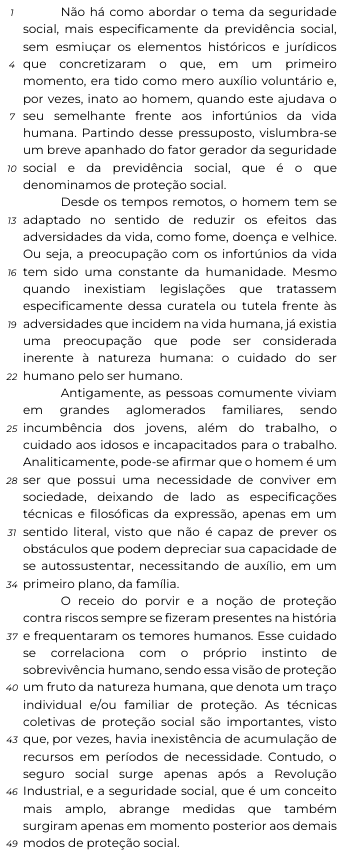
Revista Brasileira de História do Direito (com adaptações).
Revista Brasileira de História do Direito (com adaptações).
I.Seguem anexas ao processo as declarações emitidas pela comissão avaliadora do concurso.
II.É proibida a entrada de pessoas sem identificação nas dependências do laboratório.
III.Os técnicos permaneceram alertas diante das inconsistências verificadas no relatório final.
IV.Havia menas dificuldades operacionais após a atualização dos sistemas administrativos da instituição.
V.As candidatas disseram obrigada pela atenção concedida durante a reunião extraordinária.
Identifique em quais das afirmativas lidas há erro de concordância nominal.
"O secretário acadêmico encaminhou o relatório técnico ao conselho universitário durante a assembleia extraordinária."
Identifique e assinale a alternativa que contém um termo cuja sílaba tônica é proparoxítona.
I.Nunca me informaram os motivos que justificaram a suspensão do procedimento administrativo.
II.Conforme lhe expliquei anteriormente, os documentos serão encaminhados ainda nesta semana.
III.Entregaram-me os resultados da auditoria durante a reunião extraordinária do conselho.
IV.Talvez se confirmem as irregularidades apontadas pelo relatório técnico apresentado ontem.
V.Orgulhar-me-ei das contribuições acadêmicas desenvolvidas pelos pesquisadores da instituição.
Identifique em quais afirmativas há emprego somente de próclise quanto a colocação pronominal.
Coluna 01
(__)Machado de Assis, importante romancista brasileiro, publicou obras centrais do Realismo nacional.
(__)Senhores candidatos, o prazo para entrega dos documentos termina nesta sexta-feira.
(__)A Amazônia, maior floresta tropical do planeta, possui enorme biodiversidade ambiental.
(__)Caros pesquisadores, os resultados preliminares serão divulgados após a revisão metodológica.
(__)Clarice Lispector, escritora reconhecida internacionalmente, influenciou diversas gerações de leitores.
Coluna 02
I.Aposto.
II.Vocativo.
Correlacione as colunas e, em seguida, assinale a alternativa com a sequência correta.
Segundo o texto, a rocha contendo os fósseis encontrados:

 Conheça nossos planos