Questões de Concurso Para letras

Foram encontradas 300.580 questões

Resolva questões gratuitamente!

Junte-se a mais de 4 milhões de concurseiros!

Q4383234 Português

Medo da Eternidade


    Jamais esquecerei o meu aflitivo e dramático contato com a eternidade.  


    Quando eu era muito pequena ainda não tinha provado chicles e mesmo em Recife falava-se pouco deles. Eu nem sabia bem de que espécie de bala ou bombom se tratava. Mesmo o dinheiro que eu tinha não dava para comprar: com o mesmo dinheiro eu lucraria não sei quantas balas. 


    Afinal minha irmã juntou dinheiro, comprou e ao sairmos de casa para a escola me explicou: 


    — Tome cuidado para não perder, porque esta bala nunca se acaba. Dura a vida inteira. 


    — Como não acaba? — Parei um instante na rua, perplexa. 


    — Não acaba nunca, e pronto. 


    Eu estava boba: parecia-me ter sido transportada para o reino de histórias de príncipes e fadas. Peguei a pequena pastilha cor-de-rosa que representava o elixir do longo prazer. Examinei-a, quase não podia acreditar no milagre. Eu que, como outras crianças, às vezes tirava da boca uma bala ainda inteira, para chupar depois, só para fazê-la durar mais. E eis-me com aquela coisa cor-de rosa, de aparência tão inocente, tornando possível o mundo impossível do qual já começara a me dar conta. 


    Com delicadeza, terminei afinal pondo o chicle na boca. 


    — E agora que é que eu faço? — Perguntei para não errar no ritual que certamente deveria haver.


    — Agora chupe o chicle para ir gostando do docinho dele, e só depois que passar o gosto você começa a mastigar. E aí mastiga a vida inteira. A menos que você perca, eu já perdi vários.


    Perder a eternidade? Nunca.


    O adocicado do chicle era bonzinho, não podia dizer que era ótimo. E, ainda perplexa, encaminhávamo-nos para a escola. 


    — Acabou-se o docinho. E agora?


    — Agora mastigue para sempre.


    Assustei-me, não saberia dizer por quê. Comecei a mastigar e em breve tinha na boca aquele puxa-puxa cinzento de borracha que não tinha gosto de nada. Mastigava, mastigava. Mas me sentia contrafeita. Na verdade eu não estava gostando do gosto. E a vantagem de ser bala eterna me enchia de uma espécie de medo, como se tem diante da ideia de eternidade ou de infinito. 


    Eu não quis confessar que não estava à altura da eternidade. Que só me dava aflição. Enquanto isso, eu mastigava obedientemente, sem parar.


    Até que não suportei mais, e, atravessando o portão da escola, dei um jeito de o chicle mastigado cair no chão de areia.


    — Olha só o que me aconteceu! — Disse eu em fingidos espanto e tristeza. — Agora não posso mastigar mais! A bala acabou! 


    — Já lhe disse —  repetiu minha irmã —  que ela não acaba nunca. Mas a gente às vezes perde. Até de noite a gente pode ir mastigando, mas para não engolir no sono a gente prega o chicle na cama. Não fique triste, um dia lhe dou outro, e esse você não perderá.


    Eu estava envergonhada diante da bondade de minha irmã, envergonhada da mentira que pregara dizendo que o chicle caíra na boca por acaso. 


    Mas aliviada. Sem o peso da eternidade sobre mim.


Clarice Lispector  
“Peguei a pequena pastilha cor-de-rosa que representava o “elixir do longo prazer”. A expressão em destaque utilizada no texto assume um tom: 
Alternativas
Q4383233 Português

Medo da Eternidade


    Jamais esquecerei o meu aflitivo e dramático contato com a eternidade.  


    Quando eu era muito pequena ainda não tinha provado chicles e mesmo em Recife falava-se pouco deles. Eu nem sabia bem de que espécie de bala ou bombom se tratava. Mesmo o dinheiro que eu tinha não dava para comprar: com o mesmo dinheiro eu lucraria não sei quantas balas. 


    Afinal minha irmã juntou dinheiro, comprou e ao sairmos de casa para a escola me explicou: 


    — Tome cuidado para não perder, porque esta bala nunca se acaba. Dura a vida inteira. 


    — Como não acaba? — Parei um instante na rua, perplexa. 


    — Não acaba nunca, e pronto. 


    Eu estava boba: parecia-me ter sido transportada para o reino de histórias de príncipes e fadas. Peguei a pequena pastilha cor-de-rosa que representava o elixir do longo prazer. Examinei-a, quase não podia acreditar no milagre. Eu que, como outras crianças, às vezes tirava da boca uma bala ainda inteira, para chupar depois, só para fazê-la durar mais. E eis-me com aquela coisa cor-de rosa, de aparência tão inocente, tornando possível o mundo impossível do qual já começara a me dar conta. 


    Com delicadeza, terminei afinal pondo o chicle na boca. 


    — E agora que é que eu faço? — Perguntei para não errar no ritual que certamente deveria haver.


    — Agora chupe o chicle para ir gostando do docinho dele, e só depois que passar o gosto você começa a mastigar. E aí mastiga a vida inteira. A menos que você perca, eu já perdi vários.


    Perder a eternidade? Nunca.


    O adocicado do chicle era bonzinho, não podia dizer que era ótimo. E, ainda perplexa, encaminhávamo-nos para a escola. 


    — Acabou-se o docinho. E agora?


    — Agora mastigue para sempre.


    Assustei-me, não saberia dizer por quê. Comecei a mastigar e em breve tinha na boca aquele puxa-puxa cinzento de borracha que não tinha gosto de nada. Mastigava, mastigava. Mas me sentia contrafeita. Na verdade eu não estava gostando do gosto. E a vantagem de ser bala eterna me enchia de uma espécie de medo, como se tem diante da ideia de eternidade ou de infinito. 


    Eu não quis confessar que não estava à altura da eternidade. Que só me dava aflição. Enquanto isso, eu mastigava obedientemente, sem parar.


    Até que não suportei mais, e, atravessando o portão da escola, dei um jeito de o chicle mastigado cair no chão de areia.


    — Olha só o que me aconteceu! — Disse eu em fingidos espanto e tristeza. — Agora não posso mastigar mais! A bala acabou! 


    — Já lhe disse —  repetiu minha irmã —  que ela não acaba nunca. Mas a gente às vezes perde. Até de noite a gente pode ir mastigando, mas para não engolir no sono a gente prega o chicle na cama. Não fique triste, um dia lhe dou outro, e esse você não perderá.


    Eu estava envergonhada diante da bondade de minha irmã, envergonhada da mentira que pregara dizendo que o chicle caíra na boca por acaso. 


    Mas aliviada. Sem o peso da eternidade sobre mim.


Clarice Lispector  

A experiência vivida pela narradora:
Alternativas
Q4383232 Português

Medo da Eternidade


    Jamais esquecerei o meu aflitivo e dramático contato com a eternidade.  


    Quando eu era muito pequena ainda não tinha provado chicles e mesmo em Recife falava-se pouco deles. Eu nem sabia bem de que espécie de bala ou bombom se tratava. Mesmo o dinheiro que eu tinha não dava para comprar: com o mesmo dinheiro eu lucraria não sei quantas balas. 


    Afinal minha irmã juntou dinheiro, comprou e ao sairmos de casa para a escola me explicou: 


    — Tome cuidado para não perder, porque esta bala nunca se acaba. Dura a vida inteira. 


    — Como não acaba? — Parei um instante na rua, perplexa. 


    — Não acaba nunca, e pronto. 


    Eu estava boba: parecia-me ter sido transportada para o reino de histórias de príncipes e fadas. Peguei a pequena pastilha cor-de-rosa que representava o elixir do longo prazer. Examinei-a, quase não podia acreditar no milagre. Eu que, como outras crianças, às vezes tirava da boca uma bala ainda inteira, para chupar depois, só para fazê-la durar mais. E eis-me com aquela coisa cor-de rosa, de aparência tão inocente, tornando possível o mundo impossível do qual já começara a me dar conta. 


    Com delicadeza, terminei afinal pondo o chicle na boca. 


    — E agora que é que eu faço? — Perguntei para não errar no ritual que certamente deveria haver.


    — Agora chupe o chicle para ir gostando do docinho dele, e só depois que passar o gosto você começa a mastigar. E aí mastiga a vida inteira. A menos que você perca, eu já perdi vários.


    Perder a eternidade? Nunca.


    O adocicado do chicle era bonzinho, não podia dizer que era ótimo. E, ainda perplexa, encaminhávamo-nos para a escola. 


    — Acabou-se o docinho. E agora?


    — Agora mastigue para sempre.


    Assustei-me, não saberia dizer por quê. Comecei a mastigar e em breve tinha na boca aquele puxa-puxa cinzento de borracha que não tinha gosto de nada. Mastigava, mastigava. Mas me sentia contrafeita. Na verdade eu não estava gostando do gosto. E a vantagem de ser bala eterna me enchia de uma espécie de medo, como se tem diante da ideia de eternidade ou de infinito. 


    Eu não quis confessar que não estava à altura da eternidade. Que só me dava aflição. Enquanto isso, eu mastigava obedientemente, sem parar.


    Até que não suportei mais, e, atravessando o portão da escola, dei um jeito de o chicle mastigado cair no chão de areia.


    — Olha só o que me aconteceu! — Disse eu em fingidos espanto e tristeza. — Agora não posso mastigar mais! A bala acabou! 


    — Já lhe disse —  repetiu minha irmã —  que ela não acaba nunca. Mas a gente às vezes perde. Até de noite a gente pode ir mastigando, mas para não engolir no sono a gente prega o chicle na cama. Não fique triste, um dia lhe dou outro, e esse você não perderá.


    Eu estava envergonhada diante da bondade de minha irmã, envergonhada da mentira que pregara dizendo que o chicle caíra na boca por acaso. 


    Mas aliviada. Sem o peso da eternidade sobre mim.


Clarice Lispector  

Pode-se AFIRMAR que o episódio a que se refere a narradora: 
Alternativas
Q4383013 Inglês
READ TEXT III AND ANSWER NEXT QUESTION.

TEXT III

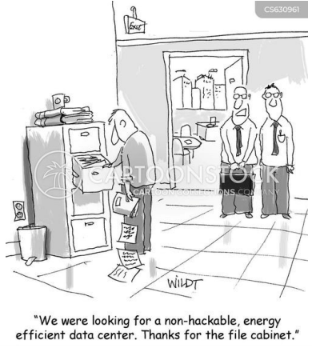
Captura_de tela 2026-10-19 083329.png (312×346)

From: https://images.cartoonstock.com/lowres/computers-file_cabinet-filepaperwork-unhackable-security-CS630961_low.jpg  
In the cartoon, the adjective “non-hackable” refers to a system that cannot be 
Alternativas
Q4383012 Inglês
READ TEXT III AND ANSWER NEXT QUESTION.

TEXT III

Captura_de tela 2026-10-19 083329.png (312×346)

From: https://images.cartoonstock.com/lowres/computers-file_cabinet-filepaperwork-unhackable-security-CS630961_low.jpg  
The phrasal verb “looking for” can be replaced, without significant change of meaning, by  
Alternativas
Q4383011 Inglês
READ TEXT III AND ANSWER NEXT QUESTION.

TEXT III

Captura_de tela 2026-10-19 083329.png (312×346)

From: https://images.cartoonstock.com/lowres/computers-file_cabinet-filepaperwork-unhackable-security-CS630961_low.jpg  
The saying that best expresses the point of this cartoon is  
Alternativas
Q4383010 Inglês
READ TEXT II AND ANSWER NEXT QUESTION.

TEXT II

Captura_de tela 2026-10-19 083338.png (392×270)

From: https://www.rishabhsoft.com/wp-content/uploads/2024/01/Blog\Pros-andCons-of-Cloud-Computing_Image.jpg  
The term “vendor lock-in” indicates the customer is in a situation that is
Alternativas
Q4383009 Inglês
READ TEXT II AND ANSWER NEXT QUESTION.

TEXT II

Captura_de tela 2026-10-19 083338.png (392×270)

From: https://www.rishabhsoft.com/wp-content/uploads/2024/01/Blog\Pros-andCons-of-Cloud-Computing_Image.jpg  
As regards the pros and cons of cloud computing, analyse the assertions below:

I. It may adjust resources depending on the needs.
II. It can reduce spending according to usage.
III. It is immune to all types of cyberattacks.

Choose the correct answer. 
Alternativas
Q4383008 Inglês
READ TEXT I AND ANSWER NEXT QUESTION.

TEXT I

AI is getting better at writing. Humans must get better at editing.

Writing is hard. For Franz Kafka, putting words on the page was a process of “unending torments”. George Orwell said it felt like “a long bout of some painful illness”. Hunter S. Thompson, a journalist, saw it as the opposite of sex: “only good when it’s over”. Now AI has come to the rescue. Large language models (LLMs) eagerly offer reams of text without any pain or torment. Bots can spew out emails (excellently), longer prose (passably) and poetry (poorly). To them, writer’s block is a 500-sheet pack of paper: any user of an LLM can produce as many words in a day as Kafka did in his life.

For human writers this is a blessing and a curse. If you claim to be an author but use AI, you look like a fraud—bot-busting tools like Pangram are good at spotting when someone has had an AI helping hand. […]

If LLMs keep improving, in a few years they could be as good as professional wordsmiths. In the meantime, though, their baggy prose puts a premium on editing skills. After all, even the best writers need a good editor to keep them sharp. Editing is something The Economist deals with day in, day out, so here are our tips for rewriting AI prose.

First, commission well. George R.R. Martin once said the job of editors is to “clip the wings” of writers, and “tell them in which direction to fly”. When it comes to LLMs, that means giving clear instructions about exactly what you want, and asking them to refine their output as many times as necessary. You’ll get less pushback from machines than men. Mr Martin said editors were “the writer’s natural enemy”; AI would probably say “great observation!” and “love the enemy analogy!”  

Second, pay attention to detail. AI writers will make mistakes and offer phrases that sound good but mean nothing. They like to lavish their prose with Latinate words, talking about the “bidirectional flow” and how to “expedite grid enhancements”; remind them that Anglo-Saxon words are often punchier. They like clichéd metaphors: there are lots of “Achilles’ heels”. And AI tends to use the “rule of three” far more than humans. The Economist also likes this rhetorical trick. But whereas we try to group three sensible bits of advice, AI offers such redundant sentences as: “The mystery has been solved—not partially, not ambiguously, but definitively.” Such lines should be cut—definitively.

Finally, know your audience. The editor is an intermediary between writer and reader. LLMs are sycophants and their smarmy tone is often off-key. If you are writing an email to break some bad news to your boss, tell your bot to skip the exclamation marks. AI can be pretentious or pontificating (it was trained on human writing, after all). Most people are short of time, but a verbose AI pins you to the wall like a bore at a party.

“Write drunk, edit sober,” goes the old writers’ maxim. If that’s right, when the AI-human team gets down to work, the AIs will have all the fun.

Adapted from https://www.economist.com/leaders/2026/07/30/ai-is-gettingbetter-at-writing-humans-must-get-better-at-editing 
The action mentioned in “skip the exclamation marks” (6th paragraph) is semantically equivalent to  
Alternativas
Q4383007 Inglês
READ TEXT I AND ANSWER NEXT QUESTION.

TEXT I

AI is getting better at writing. Humans must get better at editing.

Writing is hard. For Franz Kafka, putting words on the page was a process of “unending torments”. George Orwell said it felt like “a long bout of some painful illness”. Hunter S. Thompson, a journalist, saw it as the opposite of sex: “only good when it’s over”. Now AI has come to the rescue. Large language models (LLMs) eagerly offer reams of text without any pain or torment. Bots can spew out emails (excellently), longer prose (passably) and poetry (poorly). To them, writer’s block is a 500-sheet pack of paper: any user of an LLM can produce as many words in a day as Kafka did in his life.

For human writers this is a blessing and a curse. If you claim to be an author but use AI, you look like a fraud—bot-busting tools like Pangram are good at spotting when someone has had an AI helping hand. […]

If LLMs keep improving, in a few years they could be as good as professional wordsmiths. In the meantime, though, their baggy prose puts a premium on editing skills. After all, even the best writers need a good editor to keep them sharp. Editing is something The Economist deals with day in, day out, so here are our tips for rewriting AI prose.

First, commission well. George R.R. Martin once said the job of editors is to “clip the wings” of writers, and “tell them in which direction to fly”. When it comes to LLMs, that means giving clear instructions about exactly what you want, and asking them to refine their output as many times as necessary. You’ll get less pushback from machines than men. Mr Martin said editors were “the writer’s natural enemy”; AI would probably say “great observation!” and “love the enemy analogy!”  

Second, pay attention to detail. AI writers will make mistakes and offer phrases that sound good but mean nothing. They like to lavish their prose with Latinate words, talking about the “bidirectional flow” and how to “expedite grid enhancements”; remind them that Anglo-Saxon words are often punchier. They like clichéd metaphors: there are lots of “Achilles’ heels”. And AI tends to use the “rule of three” far more than humans. The Economist also likes this rhetorical trick. But whereas we try to group three sensible bits of advice, AI offers such redundant sentences as: “The mystery has been solved—not partially, not ambiguously, but definitively.” Such lines should be cut—definitively.

Finally, know your audience. The editor is an intermediary between writer and reader. LLMs are sycophants and their smarmy tone is often off-key. If you are writing an email to break some bad news to your boss, tell your bot to skip the exclamation marks. AI can be pretentious or pontificating (it was trained on human writing, after all). Most people are short of time, but a verbose AI pins you to the wall like a bore at a party.

“Write drunk, edit sober,” goes the old writers’ maxim. If that’s right, when the AI-human team gets down to work, the AIs will have all the fun.

Adapted from https://www.economist.com/leaders/2026/07/30/ai-is-gettingbetter-at-writing-humans-must-get-better-at-editing 
In the sentence “Anglo-Saxon words are often punchier” (5th paragraph), “punchier” indicates that these words tend to be more 
Alternativas
Q4383006 Inglês
READ TEXT I AND ANSWER NEXT QUESTION.

TEXT I

AI is getting better at writing. Humans must get better at editing.

Writing is hard. For Franz Kafka, putting words on the page was a process of “unending torments”. George Orwell said it felt like “a long bout of some painful illness”. Hunter S. Thompson, a journalist, saw it as the opposite of sex: “only good when it’s over”. Now AI has come to the rescue. Large language models (LLMs) eagerly offer reams of text without any pain or torment. Bots can spew out emails (excellently), longer prose (passably) and poetry (poorly). To them, writer’s block is a 500-sheet pack of paper: any user of an LLM can produce as many words in a day as Kafka did in his life.

For human writers this is a blessing and a curse. If you claim to be an author but use AI, you look like a fraud—bot-busting tools like Pangram are good at spotting when someone has had an AI helping hand. […]

If LLMs keep improving, in a few years they could be as good as professional wordsmiths. In the meantime, though, their baggy prose puts a premium on editing skills. After all, even the best writers need a good editor to keep them sharp. Editing is something The Economist deals with day in, day out, so here are our tips for rewriting AI prose.

First, commission well. George R.R. Martin once said the job of editors is to “clip the wings” of writers, and “tell them in which direction to fly”. When it comes to LLMs, that means giving clear instructions about exactly what you want, and asking them to refine their output as many times as necessary. You’ll get less pushback from machines than men. Mr Martin said editors were “the writer’s natural enemy”; AI would probably say “great observation!” and “love the enemy analogy!”  

Second, pay attention to detail. AI writers will make mistakes and offer phrases that sound good but mean nothing. They like to lavish their prose with Latinate words, talking about the “bidirectional flow” and how to “expedite grid enhancements”; remind them that Anglo-Saxon words are often punchier. They like clichéd metaphors: there are lots of “Achilles’ heels”. And AI tends to use the “rule of three” far more than humans. The Economist also likes this rhetorical trick. But whereas we try to group three sensible bits of advice, AI offers such redundant sentences as: “The mystery has been solved—not partially, not ambiguously, but definitively.” Such lines should be cut—definitively.

Finally, know your audience. The editor is an intermediary between writer and reader. LLMs are sycophants and their smarmy tone is often off-key. If you are writing an email to break some bad news to your boss, tell your bot to skip the exclamation marks. AI can be pretentious or pontificating (it was trained on human writing, after all). Most people are short of time, but a verbose AI pins you to the wall like a bore at a party.

“Write drunk, edit sober,” goes the old writers’ maxim. If that’s right, when the AI-human team gets down to work, the AIs will have all the fun.

Adapted from https://www.economist.com/leaders/2026/07/30/ai-is-gettingbetter-at-writing-humans-must-get-better-at-editing 
The word “like” in “bot-busting tools like Pangram are good at spotting” (2nd paragraph) is used in the same way as in 
Alternativas
Q4383005 Inglês
READ TEXT I AND ANSWER NEXT QUESTION.

TEXT I

AI is getting better at writing. Humans must get better at editing.

Writing is hard. For Franz Kafka, putting words on the page was a process of “unending torments”. George Orwell said it felt like “a long bout of some painful illness”. Hunter S. Thompson, a journalist, saw it as the opposite of sex: “only good when it’s over”. Now AI has come to the rescue. Large language models (LLMs) eagerly offer reams of text without any pain or torment. Bots can spew out emails (excellently), longer prose (passably) and poetry (poorly). To them, writer’s block is a 500-sheet pack of paper: any user of an LLM can produce as many words in a day as Kafka did in his life.

For human writers this is a blessing and a curse. If you claim to be an author but use AI, you look like a fraud—bot-busting tools like Pangram are good at spotting when someone has had an AI helping hand. […]

If LLMs keep improving, in a few years they could be as good as professional wordsmiths. In the meantime, though, their baggy prose puts a premium on editing skills. After all, even the best writers need a good editor to keep them sharp. Editing is something The Economist deals with day in, day out, so here are our tips for rewriting AI prose.

First, commission well. George R.R. Martin once said the job of editors is to “clip the wings” of writers, and “tell them in which direction to fly”. When it comes to LLMs, that means giving clear instructions about exactly what you want, and asking them to refine their output as many times as necessary. You’ll get less pushback from machines than men. Mr Martin said editors were “the writer’s natural enemy”; AI would probably say “great observation!” and “love the enemy analogy!”  

Second, pay attention to detail. AI writers will make mistakes and offer phrases that sound good but mean nothing. They like to lavish their prose with Latinate words, talking about the “bidirectional flow” and how to “expedite grid enhancements”; remind them that Anglo-Saxon words are often punchier. They like clichéd metaphors: there are lots of “Achilles’ heels”. And AI tends to use the “rule of three” far more than humans. The Economist also likes this rhetorical trick. But whereas we try to group three sensible bits of advice, AI offers such redundant sentences as: “The mystery has been solved—not partially, not ambiguously, but definitively.” Such lines should be cut—definitively.

Finally, know your audience. The editor is an intermediary between writer and reader. LLMs are sycophants and their smarmy tone is often off-key. If you are writing an email to break some bad news to your boss, tell your bot to skip the exclamation marks. AI can be pretentious or pontificating (it was trained on human writing, after all). Most people are short of time, but a verbose AI pins you to the wall like a bore at a party.

“Write drunk, edit sober,” goes the old writers’ maxim. If that’s right, when the AI-human team gets down to work, the AIs will have all the fun.

Adapted from https://www.economist.com/leaders/2026/07/30/ai-is-gettingbetter-at-writing-humans-must-get-better-at-editing 
“For human writers this is a blessing and a curse” (2nd paragraph) contains a(n) 
Alternativas
Q4383004 Inglês
READ TEXT I AND ANSWER NEXT QUESTION.

TEXT I

AI is getting better at writing. Humans must get better at editing.

Writing is hard. For Franz Kafka, putting words on the page was a process of “unending torments”. George Orwell said it felt like “a long bout of some painful illness”. Hunter S. Thompson, a journalist, saw it as the opposite of sex: “only good when it’s over”. Now AI has come to the rescue. Large language models (LLMs) eagerly offer reams of text without any pain or torment. Bots can spew out emails (excellently), longer prose (passably) and poetry (poorly). To them, writer’s block is a 500-sheet pack of paper: any user of an LLM can produce as many words in a day as Kafka did in his life.

For human writers this is a blessing and a curse. If you claim to be an author but use AI, you look like a fraud—bot-busting tools like Pangram are good at spotting when someone has had an AI helping hand. […]

If LLMs keep improving, in a few years they could be as good as professional wordsmiths. In the meantime, though, their baggy prose puts a premium on editing skills. After all, even the best writers need a good editor to keep them sharp. Editing is something The Economist deals with day in, day out, so here are our tips for rewriting AI prose.

First, commission well. George R.R. Martin once said the job of editors is to “clip the wings” of writers, and “tell them in which direction to fly”. When it comes to LLMs, that means giving clear instructions about exactly what you want, and asking them to refine their output as many times as necessary. You’ll get less pushback from machines than men. Mr Martin said editors were “the writer’s natural enemy”; AI would probably say “great observation!” and “love the enemy analogy!”  

Second, pay attention to detail. AI writers will make mistakes and offer phrases that sound good but mean nothing. They like to lavish their prose with Latinate words, talking about the “bidirectional flow” and how to “expedite grid enhancements”; remind them that Anglo-Saxon words are often punchier. They like clichéd metaphors: there are lots of “Achilles’ heels”. And AI tends to use the “rule of three” far more than humans. The Economist also likes this rhetorical trick. But whereas we try to group three sensible bits of advice, AI offers such redundant sentences as: “The mystery has been solved—not partially, not ambiguously, but definitively.” Such lines should be cut—definitively.

Finally, know your audience. The editor is an intermediary between writer and reader. LLMs are sycophants and their smarmy tone is often off-key. If you are writing an email to break some bad news to your boss, tell your bot to skip the exclamation marks. AI can be pretentious or pontificating (it was trained on human writing, after all). Most people are short of time, but a verbose AI pins you to the wall like a bore at a party.

“Write drunk, edit sober,” goes the old writers’ maxim. If that’s right, when the AI-human team gets down to work, the AIs will have all the fun.

Adapted from https://www.economist.com/leaders/2026/07/30/ai-is-gettingbetter-at-writing-humans-must-get-better-at-editing 
In the first paragraph, the sentence “Now AI has come to the rescue” means that LLMs can 
Alternativas
Q4383003 Inglês
READ TEXT I AND ANSWER NEXT QUESTION.

TEXT I

AI is getting better at writing. Humans must get better at editing.

Writing is hard. For Franz Kafka, putting words on the page was a process of “unending torments”. George Orwell said it felt like “a long bout of some painful illness”. Hunter S. Thompson, a journalist, saw it as the opposite of sex: “only good when it’s over”. Now AI has come to the rescue. Large language models (LLMs) eagerly offer reams of text without any pain or torment. Bots can spew out emails (excellently), longer prose (passably) and poetry (poorly). To them, writer’s block is a 500-sheet pack of paper: any user of an LLM can produce as many words in a day as Kafka did in his life.

For human writers this is a blessing and a curse. If you claim to be an author but use AI, you look like a fraud—bot-busting tools like Pangram are good at spotting when someone has had an AI helping hand. […]

If LLMs keep improving, in a few years they could be as good as professional wordsmiths. In the meantime, though, their baggy prose puts a premium on editing skills. After all, even the best writers need a good editor to keep them sharp. Editing is something The Economist deals with day in, day out, so here are our tips for rewriting AI prose.

First, commission well. George R.R. Martin once said the job of editors is to “clip the wings” of writers, and “tell them in which direction to fly”. When it comes to LLMs, that means giving clear instructions about exactly what you want, and asking them to refine their output as many times as necessary. You’ll get less pushback from machines than men. Mr Martin said editors were “the writer’s natural enemy”; AI would probably say “great observation!” and “love the enemy analogy!”  

Second, pay attention to detail. AI writers will make mistakes and offer phrases that sound good but mean nothing. They like to lavish their prose with Latinate words, talking about the “bidirectional flow” and how to “expedite grid enhancements”; remind them that Anglo-Saxon words are often punchier. They like clichéd metaphors: there are lots of “Achilles’ heels”. And AI tends to use the “rule of three” far more than humans. The Economist also likes this rhetorical trick. But whereas we try to group three sensible bits of advice, AI offers such redundant sentences as: “The mystery has been solved—not partially, not ambiguously, but definitively.” Such lines should be cut—definitively.

Finally, know your audience. The editor is an intermediary between writer and reader. LLMs are sycophants and their smarmy tone is often off-key. If you are writing an email to break some bad news to your boss, tell your bot to skip the exclamation marks. AI can be pretentious or pontificating (it was trained on human writing, after all). Most people are short of time, but a verbose AI pins you to the wall like a bore at a party.

“Write drunk, edit sober,” goes the old writers’ maxim. If that’s right, when the AI-human team gets down to work, the AIs will have all the fun.

Adapted from https://www.economist.com/leaders/2026/07/30/ai-is-gettingbetter-at-writing-humans-must-get-better-at-editing 
In the expression “bout of some painful illness” (1st paragraph), “bout” can be replaced, without significant change in meaning, by  
Alternativas
Q4383002 Inglês
READ TEXT I AND ANSWER NEXT QUESTION.

TEXT I

AI is getting better at writing. Humans must get better at editing.

Writing is hard. For Franz Kafka, putting words on the page was a process of “unending torments”. George Orwell said it felt like “a long bout of some painful illness”. Hunter S. Thompson, a journalist, saw it as the opposite of sex: “only good when it’s over”. Now AI has come to the rescue. Large language models (LLMs) eagerly offer reams of text without any pain or torment. Bots can spew out emails (excellently), longer prose (passably) and poetry (poorly). To them, writer’s block is a 500-sheet pack of paper: any user of an LLM can produce as many words in a day as Kafka did in his life.

For human writers this is a blessing and a curse. If you claim to be an author but use AI, you look like a fraud—bot-busting tools like Pangram are good at spotting when someone has had an AI helping hand. […]

If LLMs keep improving, in a few years they could be as good as professional wordsmiths. In the meantime, though, their baggy prose puts a premium on editing skills. After all, even the best writers need a good editor to keep them sharp. Editing is something The Economist deals with day in, day out, so here are our tips for rewriting AI prose.

First, commission well. George R.R. Martin once said the job of editors is to “clip the wings” of writers, and “tell them in which direction to fly”. When it comes to LLMs, that means giving clear instructions about exactly what you want, and asking them to refine their output as many times as necessary. You’ll get less pushback from machines than men. Mr Martin said editors were “the writer’s natural enemy”; AI would probably say “great observation!” and “love the enemy analogy!”  

Second, pay attention to detail. AI writers will make mistakes and offer phrases that sound good but mean nothing. They like to lavish their prose with Latinate words, talking about the “bidirectional flow” and how to “expedite grid enhancements”; remind them that Anglo-Saxon words are often punchier. They like clichéd metaphors: there are lots of “Achilles’ heels”. And AI tends to use the “rule of three” far more than humans. The Economist also likes this rhetorical trick. But whereas we try to group three sensible bits of advice, AI offers such redundant sentences as: “The mystery has been solved—not partially, not ambiguously, but definitively.” Such lines should be cut—definitively.

Finally, know your audience. The editor is an intermediary between writer and reader. LLMs are sycophants and their smarmy tone is often off-key. If you are writing an email to break some bad news to your boss, tell your bot to skip the exclamation marks. AI can be pretentious or pontificating (it was trained on human writing, after all). Most people are short of time, but a verbose AI pins you to the wall like a bore at a party.

“Write drunk, edit sober,” goes the old writers’ maxim. If that’s right, when the AI-human team gets down to work, the AIs will have all the fun.

Adapted from https://www.economist.com/leaders/2026/07/30/ai-is-gettingbetter-at-writing-humans-must-get-better-at-editing 
Based on Text I, mark the statements below as true (T) or false (F).

( ) The first paragraph refers to authors who assert that writing is an easy task.
( ) At times, the tone of LLM-generated prose can be rather inappropriate.
( ) It is argued that nowadays editing has lost its relevance.

The statements are, respectively, 
Alternativas
Q4383001 Português
ATENÇÃO: O texto a seguir refere-se à próxima questão.


Um Analista de Negócios de TI desempenha um papel crucial em unir a tecnologia e os objetivos empresariais. Este profissional é responsável por garantir que as soluções de TI estejam alinhadas com as necessidades e objetivos empresariais, promovendo assim eficiência e inovação. Dentro da categoria de alinhamento entre TI e negócios, o Analista de Negócios de TI (IT BA) identifica áreas de melhoria, documenta requisitos e garante que as soluções tecnológicas sejam implementadas de forma eficaz para aprimorar os processos estruturais das empresas modernas.  
Entre os adjetivos que aparecem nas opções abaixo, assinale aquele que mostra uma opinião do enunciador, indicando uma qualidade.
Alternativas
Q4383000 Português
ATENÇÃO: O texto a seguir refere-se à próxima questão.


Um Analista de Negócios de TI desempenha um papel crucial em unir a tecnologia e os objetivos empresariais. Este profissional é responsável por garantir que as soluções de TI estejam alinhadas com as necessidades e objetivos empresariais, promovendo assim eficiência e inovação. Dentro da categoria de alinhamento entre TI e negócios, o Analista de Negócios de TI (IT BA) identifica áreas de melhoria, documenta requisitos e garante que as soluções tecnológicas sejam implementadas de forma eficaz para aprimorar os processos estruturais das empresas modernas.  
Pela sua estrutura, esse pequeno texto deve ser classificado, quanto ao seu tipo, como 
Alternativas
Q4382999 Português
ATENÇÃO: O texto a seguir refere-se à próxima questão.

Leia o texto abaixo, sobre gestão e governança.

A governança não se confunde com gestão: enquanto a gestão executa atividades e processos, a governança direciona, define políticas, estabelece prioridades e supervisiona resultados, garantindo que os objetivos organizacionais da empresa sejam alcançados de forma ética e eficiente . Ela envolve a definição de responsabilidades, a alocação de recursos e a criação de mecanismos de controle de atividades e monitoramento. 
Nas opções a seguir, assinale aquela que traz uma função diferente do conectivo de. 
Alternativas
Q4382998 Português
ATENÇÃO: O texto a seguir refere-se à próxima questão.

Leia o texto abaixo, sobre gestão e governança.

A governança não se confunde com gestão: enquanto a gestão executa atividades e processos, a governança direciona, define políticas, estabelece prioridades e supervisiona resultados, garantindo que os objetivos organizacionais da empresa sejam alcançados de forma ética e eficiente . Ela envolve a definição de responsabilidades, a alocação de recursos e a criação de mecanismos de controle de atividades e monitoramento. 
Sobre a estruturação desse texto, assinale a afirmativa correta. 
Alternativas
Q4382997 Português
As frases a seguir mostram um termo sublinhado que se refere a um termo anterior, estabelecendo coesão na frase.

Assinale a opção em que a identificação do antecedente do termo sublinhado está correta

Alternativas
Respostas
241: A
242: C
243: C
244: D
245: A
246: E
247: A
248: B
249: D
250: B
251: C
252: D
253: D
254: B
255: E
256: A
257: B
258: A
259: C
260: C