Questões de Concurso
Para analista de gestão corporativa
Foram encontradas 634 questões
Resolva questões gratuitamente!
Junte-se a mais de 4 milhões de concurseiros!


O gerente de projeto está trabalhando em uma equipe de projeto de uma plataforma de explotação de petróleo que possui a seguinte Estrutura Analítica do Projeto (EAP).
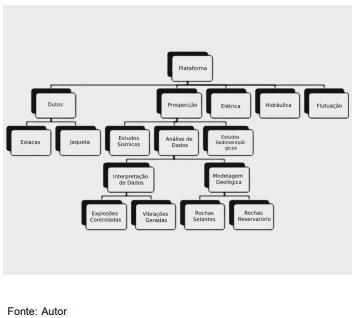
Após uma análise o gerente e sua equipe constataram que o total de pacotes de trabalho, o total de fases e o total de subfases desse projeto contabilizam, respectivamente:
Um especialista deseja criar uma tabela de funcionários em uma planilha do Excel 365 (BR), a partir de uma tabela de cargos pré-existentes, para permitir que na tabela de funcionários seja digitado apenas o código do cargo e o cargo seja relacionado à tabela de cargos, conforme apresentado a seguir:
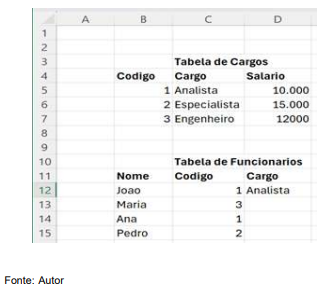
Para isso você deve criar a seguinte fórmula na célula D12 da tabela de funcionários:
Suponha que um cliente deseje comprar um carro no valor de R$100.000,00 em parcelas que caibam no seu orçamento. O vendedor ofereceu o carro para o cliente para ser pago em 24 parcelas de R$5.166,67. O cliente verificou que o valor final do carro será de R$124.000,00, com juros simples cobrados ao mês de 1%, conforme descrito na planilha do Excel 365 (BR).
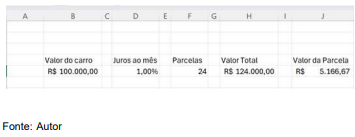
Com o propósito de fixar a parcela no valor de R$ 4.000,00 sem alterar o valor do carro e as taxas de juros, você utiliza a planilha do Excel para ajustar o número de parcelas. Nesse caso, você quer utilizar o comando teste de hipóteses com a opção "atingir meta". Os dados digitados por você na opção atingir meta nos campos "definir célula", "para valor" e "alternando célula" são, respectivamente:
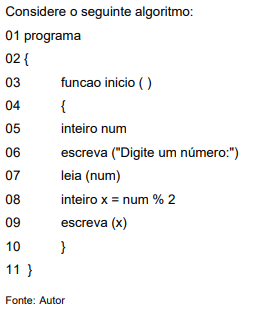
Suponha que você tenha digitado o número 5. O resultado (x) escrito pelo algoritmo é:
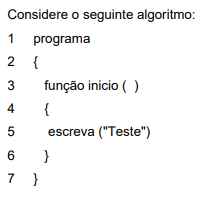
Após observar o algoritmo, você constatou que o trecho de código que se encontra entre chaves, tanto na função início (linha 4 até linha 6) como no programa (linha 2 até linha 7), é um:
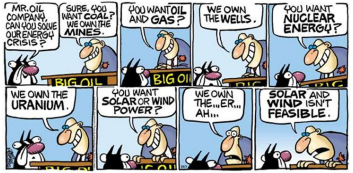
Mother Goose and Grimm cartoon, by Mike Peters
Mother Goose and Grimm cartoon, by Mike Peters
Mother Goose and Grimm cartoon, by Mike Peters
Biden administration, in its last days, proposes new protections for Arctic Alaska land
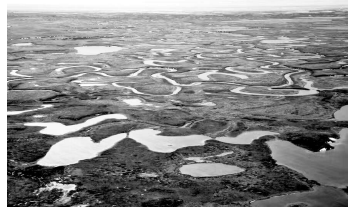
Lakes and connecting streams in the northeastern part of the National Petroleum Reserve in Alaska, June 2014.
Four days before President Joe Biden is set to leave office, his administration recommended that about 3 million more acres in Alaska's western Arctic be protected from development and issued a guideline, effective immediately, requiring additional protections for traditional Native subsistence harvests of fish, caribou and other resources.
The new recommendations and guidance, which apply to the 23-million-acre National Petroleum Reserve in Alaska, run counter to President-elect Donald Trump's expressed plans to expand oil drilling in the Arctic and elsewhere and to overturn Biden administration environmental policies more broadly.
The recommendations for additional land to be protected as part of what are termed "special areas" and the guidance for elevating the importance of subsistence and tribal consultation could be ignored or scrapped by the incoming Trump administration.
The northeastern part of the reserve is the area considered most likely to hold oil and where development has spread in recent years. There is already production in that area, and the most notable production expected in the future is from ConocoPhillips' Willow project. Willow won Biden administration approval in 2023. Production is expected to start by the end of the decade and peak at 180,000 barrels per day; current production from all North Slope fields amounts to less than 470,000 barrels per day.
Like the existing Teshekpuk special area, which holds important habitat for caribou, fish and migratory birds, the village of Nuiqsut is in the general area of the reserve's northeastern corner, where new oil development has occurred. Nuiqsut is so close that oilfield infrastructure can be seen from the village.
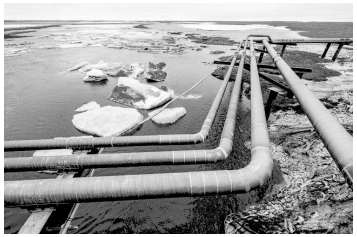
Pipelines extend across the landscape outside Nuiqsut, Alaska, May 2019.
"But at the same time, I think we and our partners have also made it abundantly clear that we're going to keep fighting, and keep fighting for protections in the Western Arctic," she said.
(From ROSEN, Yereth. Biden administration, in its last days, proposes new protections for Arctic Alaska land, Alaska Beacon, January 17, 2025. In alaskabeacon.com/2025/01/17/biden-administration-in-its-last-days-proposes-new-protections-for-arctic-alaska-land/, accessed on February 19th, 202
Biden administration, in its last days, proposes new protections for Arctic Alaska land
Lakes and connecting streams in the northeastern part of the National Petroleum Reserve in Alaska, June 2014.
Four days before President Joe Biden is set to leave office, his administration recommended that about 3 million more acres in Alaska's western Arctic be protected from development and issued a guideline, effective immediately, requiring additional protections for traditional Native subsistence harvests of fish, caribou and other resources.
The new recommendations and guidance, which apply to the 23-million-acre National Petroleum Reserve in Alaska, run counter to President-elect Donald Trump's expressed plans to expand oil drilling in the Arctic and elsewhere and to overturn Biden administration environmental policies more broadly.
The recommendations for additional land to be protected as part of what are termed "special areas" and the guidance for elevating the importance of subsistence and tribal consultation could be ignored or scrapped by the incoming Trump administration.
The northeastern part of the reserve is the area considered most likely to hold oil and where development has spread in recent years. There is already production in that area, and the most notable production expected in the future is from ConocoPhillips' Willow project. Willow won Biden administration approval in 2023. Production is expected to start by the end of the decade and peak at 180,000 barrels per day; current production from all North Slope fields amounts to less than 470,000 barrels per day.
Like the existing Teshekpuk special area, which holds important habitat for caribou, fish and migratory birds, the village of Nuiqsut is in the general area of the reserve's northeastern corner, where new oil development has occurred. Nuiqsut is so close that oilfield infrastructure can be seen from the village.
Pipelines extend across the landscape outside Nuiqsut, Alaska, May 2019.
"But at the same time, I think we and our partners have also made it abundantly clear that we're going to keep fighting, and keep fighting for protections in the Western Arctic," she said.
(From ROSEN, Yereth. Biden administration, in its last days, proposes new protections for Arctic Alaska land, Alaska Beacon, January 17, 2025. In alaskabeacon.com/2025/01/17/biden-administration-in-its-last-days-proposes-new-protections-for-arctic-alaska-land/, accessed on February 19th, 202
Biden administration, in its last days, proposes new protections for Arctic Alaska land
Lakes and connecting streams in the northeastern part of the National Petroleum Reserve in Alaska, June 2014.
Four days before President Joe Biden is set to leave office, his administration recommended that about 3 million more acres in Alaska's western Arctic be protected from development and issued a guideline, effective immediately, requiring additional protections for traditional Native subsistence harvests of fish, caribou and other resources.
The new recommendations and guidance, which apply to the 23-million-acre National Petroleum Reserve in Alaska, run counter to President-elect Donald Trump's expressed plans to expand oil drilling in the Arctic and elsewhere and to overturn Biden administration environmental policies more broadly.
The recommendations for additional land to be protected as part of what are termed "special areas" and the guidance for elevating the importance of subsistence and tribal consultation could be ignored or scrapped by the incoming Trump administration.
The northeastern part of the reserve is the area considered most likely to hold oil and where development has spread in recent years. There is already production in that area, and the most notable production expected in the future is from ConocoPhillips' Willow project. Willow won Biden administration approval in 2023. Production is expected to start by the end of the decade and peak at 180,000 barrels per day; current production from all North Slope fields amounts to less than 470,000 barrels per day.
Like the existing Teshekpuk special area, which holds important habitat for caribou, fish and migratory birds, the village of Nuiqsut is in the general area of the reserve's northeastern corner, where new oil development has occurred. Nuiqsut is so close that oilfield infrastructure can be seen from the village.
Pipelines extend across the landscape outside Nuiqsut, Alaska, May 2019.
"But at the same time, I think we and our partners have also made it abundantly clear that we're going to keep fighting, and keep fighting for protections in the Western Arctic," she said.
(From ROSEN, Yereth. Biden administration, in its last days, proposes new protections for Arctic Alaska land, Alaska Beacon, January 17, 2025. In alaskabeacon.com/2025/01/17/biden-administration-in-its-last-days-proposes-new-protections-for-arctic-alaska-land/, accessed on February 19th, 202
Biden administration, in its last days, proposes new protections for Arctic Alaska land
Lakes and connecting streams in the northeastern part of the National Petroleum Reserve in Alaska, June 2014.
Four days before President Joe Biden is set to leave office, his administration recommended that about 3 million more acres in Alaska's western Arctic be protected from development and issued a guideline, effective immediately, requiring additional protections for traditional Native subsistence harvests of fish, caribou and other resources.
The new recommendations and guidance, which apply to the 23-million-acre National Petroleum Reserve in Alaska, run counter to President-elect Donald Trump's expressed plans to expand oil drilling in the Arctic and elsewhere and to overturn Biden administration environmental policies more broadly.
The recommendations for additional land to be protected as part of what are termed "special areas" and the guidance for elevating the importance of subsistence and tribal consultation could be ignored or scrapped by the incoming Trump administration.
The northeastern part of the reserve is the area considered most likely to hold oil and where development has spread in recent years. There is already production in that area, and the most notable production expected in the future is from ConocoPhillips' Willow project. Willow won Biden administration approval in 2023. Production is expected to start by the end of the decade and peak at 180,000 barrels per day; current production from all North Slope fields amounts to less than 470,000 barrels per day.
Like the existing Teshekpuk special area, which holds important habitat for caribou, fish and migratory birds, the village of Nuiqsut is in the general area of the reserve's northeastern corner, where new oil development has occurred. Nuiqsut is so close that oilfield infrastructure can be seen from the village.
Pipelines extend across the landscape outside Nuiqsut, Alaska, May 2019.
"But at the same time, I think we and our partners have also made it abundantly clear that we're going to keep fighting, and keep fighting for protections in the Western Arctic," she said.
(From ROSEN, Yereth. Biden administration, in its last days, proposes new protections for Arctic Alaska land, Alaska Beacon, January 17, 2025. In alaskabeacon.com/2025/01/17/biden-administration-in-its-last-days-proposes-new-protections-for-arctic-alaska-land/, accessed on February 19th, 202
Biden administration, in its last days, proposes new protections for Arctic Alaska land
Lakes and connecting streams in the northeastern part of the National Petroleum Reserve in Alaska, June 2014.
Four days before President Joe Biden is set to leave office, his administration recommended that about 3 million more acres in Alaska's western Arctic be protected from development and issued a guideline, effective immediately, requiring additional protections for traditional Native subsistence harvests of fish, caribou and other resources.
The new recommendations and guidance, which apply to the 23-million-acre National Petroleum Reserve in Alaska, run counter to President-elect Donald Trump's expressed plans to expand oil drilling in the Arctic and elsewhere and to overturn Biden administration environmental policies more broadly.
The recommendations for additional land to be protected as part of what are termed "special areas" and the guidance for elevating the importance of subsistence and tribal consultation could be ignored or scrapped by the incoming Trump administration.
The northeastern part of the reserve is the area considered most likely to hold oil and where development has spread in recent years. There is already production in that area, and the most notable production expected in the future is from ConocoPhillips' Willow project. Willow won Biden administration approval in 2023. Production is expected to start by the end of the decade and peak at 180,000 barrels per day; current production from all North Slope fields amounts to less than 470,000 barrels per day.
Like the existing Teshekpuk special area, which holds important habitat for caribou, fish and migratory birds, the village of Nuiqsut is in the general area of the reserve's northeastern corner, where new oil development has occurred. Nuiqsut is so close that oilfield infrastructure can be seen from the village.
Pipelines extend across the landscape outside Nuiqsut, Alaska, May 2019.
"But at the same time, I think we and our partners have also made it abundantly clear that we're going to keep fighting, and keep fighting for protections in the Western Arctic," she said.
(From ROSEN, Yereth. Biden administration, in its last days, proposes new protections for Arctic Alaska land, Alaska Beacon, January 17, 2025. In alaskabeacon.com/2025/01/17/biden-administration-in-its-last-days-proposes-new-protections-for-arctic-alaska-land/, accessed on February 19th, 202
Biden administration, in its last days, proposes new protections for Arctic Alaska land
Lakes and connecting streams in the northeastern part of the National Petroleum Reserve in Alaska, June 2014.
Four days before President Joe Biden is set to leave office, his administration recommended that about 3 million more acres in Alaska's western Arctic be protected from development and issued a guideline, effective immediately, requiring additional protections for traditional Native subsistence harvests of fish, caribou and other resources.
The new recommendations and guidance, which apply to the 23-million-acre National Petroleum Reserve in Alaska, run counter to President-elect Donald Trump's expressed plans to expand oil drilling in the Arctic and elsewhere and to overturn Biden administration environmental policies more broadly.
The recommendations for additional land to be protected as part of what are termed "special areas" and the guidance for elevating the importance of subsistence and tribal consultation could be ignored or scrapped by the incoming Trump administration.
The northeastern part of the reserve is the area considered most likely to hold oil and where development has spread in recent years. There is already production in that area, and the most notable production expected in the future is from ConocoPhillips' Willow project. Willow won Biden administration approval in 2023. Production is expected to start by the end of the decade and peak at 180,000 barrels per day; current production from all North Slope fields amounts to less than 470,000 barrels per day.
Like the existing Teshekpuk special area, which holds important habitat for caribou, fish and migratory birds, the village of Nuiqsut is in the general area of the reserve's northeastern corner, where new oil development has occurred. Nuiqsut is so close that oilfield infrastructure can be seen from the village.
Pipelines extend across the landscape outside Nuiqsut, Alaska, May 2019.
"But at the same time, I think we and our partners have also made it abundantly clear that we're going to keep fighting, and keep fighting for protections in the Western Arctic," she said.
(From ROSEN, Yereth. Biden administration, in its last days, proposes new protections for Arctic Alaska land, Alaska Beacon, January 17, 2025. In alaskabeacon.com/2025/01/17/biden-administration-in-its-last-days-proposes-new-protections-for-arctic-alaska-land/, accessed on February 19th, 202
Fadiga visual: a visão na era do excesso de telas
Em uma era em que as telas dominam nossa vida cotidiana, uma epidemia silenciosa se espalha pelo mundo.
A fadiga ocular digital, antes considerada uma condição marginal entre as preocupações com a saúde ocupacional, tornou-se um grande problema de saúde pública, que afeta milhões de pessoas ao redor do mundo.
À medida que nossa dependência de dispositivos digitais para trabalho, educação e interação social só aumenta, há mais riscos à saúde de nossos olhos.
Estudos recentes apresentam um quadro sombrio. Até cinquenta por cento dos usuários de computador desenvolvem a chamada fadiga ocular digital.
Essa condição, caracterizada por uma variedade de sintomas oculares e visuais, como secura, lacrimejamento, coceira, queimação, visão turva ou até dupla, não é apenas um incômodo.
Ela indica problemas crônicos que afetam significativamente a qualidade de vida e a produtividade de um indivíduo.
A pandemia da covid-19 exacerbou essa tendência. Afinal, os confinamentos e as medidas de distanciamento social aumentaram o tempo de tela em uma escala sem precedentes.
Um aumento acentuado no uso de dispositivos digitais durante esse período está correlacionado a um crescimento das doenças na superfície ocular, distúrbios visuais e fadiga ocular digital.
O que acontece com nossos olhos quando olhamos para telas por longos períodos?
A resposta está na biologia complexa do nosso sistema visual. Ao focar em telas digitais, nossa taxa de piscadas diminui e nossos olhos se esforçam demais para focar em objetos próximos por longos períodos.
Piscar menos e manter o foco próximo desencadeia uma série de problemas oculares, desde irritação leve até ressecamento crônico.
Os sintomas da fadiga ocular digital são diversos e muitas vezes insidiosos. Eles variam desde sinais imediatamente perceptíveis, como fadiga ocular, secura e visão turva, até pistas mais sutis, como dores de cabeça e no pescoço.
Embora geralmente temporários, esses sintomas podem se tornar persistentes e debilitantes, se não forem tratados.
Ao contrário da crença popular, a luz azul emitida pelas telas não é a principal causa da vista cansada.
Embora a luz azul possa contribuir para a fadiga ocular e interromper os padrões de sono, não há evidências conclusivas de que ela cause danos oculares permanentes.
Os verdadeiros vilões são a ergonomia ruim, o trabalho por um tempo prolongado com foco próximo e a redução das piscadas.
Como podemos proteger a visão neste mundo centrado nas telas?
A solução está em uma abordagem multifacetada, que combina mudanças comportamentais, ajustes ambientais e, quando necessário, intervenções médicas.
https://www.bbc.com/portuguese/articles/cly569nwr1no.adaptado.
Em uma era em que as telas dominam nossa vida cotidiana, uma epidemia silenciosa se espalha pelo mundo.
A fadiga ocular digital, antes considerada uma condição marginal entre as preocupações com a saúde ocupacional, tornou-se um grande problema de saúde pública, que afeta milhões de pessoas ao redor do mundo.
À medida que nossa dependência de dispositivos digitais para trabalho, educação e interação social só aumenta, há mais riscos à saúde de nossos olhos.
Estudos recentes apresentam um quadro sombrio. Até cinquenta por cento dos usuários de computador desenvolvem a chamada fadiga ocular digital.
Essa condição, caracterizada por uma variedade de sintomas oculares e visuais, como secura, lacrimejamento, coceira, queimação, visão turva ou até dupla, não é apenas um incômodo.
Ela indica problemas crônicos que afetam significativamente a qualidade de vida e a produtividade de um indivíduo.
A pandemia da covid-19 exacerbou essa tendência. Afinal, os confinamentos e as medidas de distanciamento social aumentaram o tempo de tela em uma escala sem precedentes.
Um aumento acentuado no uso de dispositivos digitais durante esse período está correlacionado a um crescimento das doenças na superfície ocular, distúrbios visuais e fadiga ocular digital.
O que acontece com nossos olhos quando olhamos para telas por longos períodos?
A resposta está na biologia complexa do nosso sistema visual. Ao focar em telas digitais, nossa taxa de piscadas diminui e nossos olhos se esforçam demais para focar em objetos próximos por longos períodos.
Piscar menos e manter o foco próximo desencadeia uma série de problemas oculares, desde irritação leve até ressecamento crônico.
Os sintomas da fadiga ocular digital são diversos e muitas vezes insidiosos. Eles variam desde sinais imediatamente perceptíveis, como fadiga ocular, secura e visão turva, até pistas mais sutis, como dores de cabeça e no pescoço.
Embora geralmente temporários, esses sintomas podem se tornar persistentes e debilitantes, se não forem tratados.
Ao contrário da crença popular, a luz azul emitida pelas telas não é a principal causa da vista cansada.
Embora a luz azul possa contribuir para a fadiga ocular e interromper os padrões de sono, não há evidências conclusivas de que ela cause danos oculares permanentes.
Os verdadeiros vilões são a ergonomia ruim, o trabalho por um tempo prolongado com foco próximo e a redução das piscadas.
Como podemos proteger a visão neste mundo centrado nas telas?
A solução está em uma abordagem multifacetada, que combina mudanças comportamentais, ajustes ambientais e, quando necessário, intervenções médicas.
https://www.bbc.com/portuguese/articles/cly569nwr1no.adaptado.
"Piscar" menos e manter o foco próximo "desencadeia" uma série de problemas oculares, desde irritação leve até ressecamento crônico.
Os verbos destacados, nesta frase, comportam-se, respectivamente, como verbos:
Fadiga visual: a visão na era do excesso de telas
Em uma era em que as telas dominam nossa vida cotidiana, uma epidemia silenciosa se espalha pelo mundo.
A fadiga ocular digital, antes considerada uma condição marginal entre as preocupações com a saúde ocupacional, tornou-se um grande problema de saúde pública, que afeta milhões de pessoas ao redor do mundo.
À medida que nossa dependência de dispositivos digitais para trabalho, educação e interação social só aumenta, há mais riscos à saúde de nossos olhos.
Estudos recentes apresentam um quadro sombrio. Até cinquenta por cento dos usuários de computador desenvolvem a chamada fadiga ocular digital.
Essa condição, caracterizada por uma variedade de sintomas oculares e visuais, como secura, lacrimejamento, coceira, queimação, visão turva ou até dupla, não é apenas um incômodo.
Ela indica problemas crônicos que afetam significativamente a qualidade de vida e a produtividade de um indivíduo.
A pandemia da covid-19 exacerbou essa tendência. Afinal, os confinamentos e as medidas de distanciamento social aumentaram o tempo de tela em uma escala sem precedentes.
Um aumento acentuado no uso de dispositivos digitais durante esse período está correlacionado a um crescimento das doenças na superfície ocular, distúrbios visuais e fadiga ocular digital.
O que acontece com nossos olhos quando olhamos para telas por longos períodos?
A resposta está na biologia complexa do nosso sistema visual. Ao focar em telas digitais, nossa taxa de piscadas diminui e nossos olhos se esforçam demais para focar em objetos próximos por longos períodos.
Piscar menos e manter o foco próximo desencadeia uma série de problemas oculares, desde irritação leve até ressecamento crônico.
Os sintomas da fadiga ocular digital são diversos e muitas vezes insidiosos. Eles variam desde sinais imediatamente perceptíveis, como fadiga ocular, secura e visão turva, até pistas mais sutis, como dores de cabeça e no pescoço.
Embora geralmente temporários, esses sintomas podem se tornar persistentes e debilitantes, se não forem tratados.
Ao contrário da crença popular, a luz azul emitida pelas telas não é a principal causa da vista cansada.
Embora a luz azul possa contribuir para a fadiga ocular e interromper os padrões de sono, não há evidências conclusivas de que ela cause danos oculares permanentes.
Os verdadeiros vilões são a ergonomia ruim, o trabalho por um tempo prolongado com foco próximo e a redução das piscadas.
Como podemos proteger a visão neste mundo centrado nas telas?
A solução está em uma abordagem multifacetada, que combina mudanças comportamentais, ajustes ambientais e, quando necessário, intervenções médicas.
https://www.bbc.com/portuguese/articles/cly569nwr1no.adaptado.
Em uma era em que as telas dominam nossa vida cotidiana, uma epidemia silenciosa se espalha pelo mundo.
A fadiga ocular digital, antes considerada uma condição marginal entre as preocupações com a saúde ocupacional, tornou-se um grande problema de saúde pública, que afeta milhões de pessoas ao redor do mundo.
À medida que nossa dependência de dispositivos digitais para trabalho, educação e interação social só aumenta, há mais riscos à saúde de nossos olhos.
Estudos recentes apresentam um quadro sombrio. Até cinquenta por cento dos usuários de computador desenvolvem a chamada fadiga ocular digital.
Essa condição, caracterizada por uma variedade de sintomas oculares e visuais, como secura, lacrimejamento, coceira, queimação, visão turva ou até dupla, não é apenas um incômodo.
Ela indica problemas crônicos que afetam significativamente a qualidade de vida e a produtividade de um indivíduo.
A pandemia da covid-19 exacerbou essa tendência. Afinal, os confinamentos e as medidas de distanciamento social aumentaram o tempo de tela em uma escala sem precedentes.
Um aumento acentuado no uso de dispositivos digitais durante esse período está correlacionado a um crescimento das doenças na superfície ocular, distúrbios visuais e fadiga ocular digital.
O que acontece com nossos olhos quando olhamos para telas por longos períodos?
A resposta está na biologia complexa do nosso sistema visual. Ao focar em telas digitais, nossa taxa de piscadas diminui e nossos olhos se esforçam demais para focar em objetos próximos por longos períodos.
Piscar menos e manter o foco próximo desencadeia uma série de problemas oculares, desde irritação leve até ressecamento crônico.
Os sintomas da fadiga ocular digital são diversos e muitas vezes insidiosos. Eles variam desde sinais imediatamente perceptíveis, como fadiga ocular, secura e visão turva, até pistas mais sutis, como dores de cabeça e no pescoço.
Embora geralmente temporários, esses sintomas podem se tornar persistentes e debilitantes, se não forem tratados.
Ao contrário da crença popular, a luz azul emitida pelas telas não é a principal causa da vista cansada.
Embora a luz azul possa contribuir para a fadiga ocular e interromper os padrões de sono, não há evidências conclusivas de que ela cause danos oculares permanentes.
Os verdadeiros vilões são a ergonomia ruim, o trabalho por um tempo prolongado com foco próximo e a redução das piscadas.
Como podemos proteger a visão neste mundo centrado nas telas?
A solução está em uma abordagem multifacetada, que combina mudanças comportamentais, ajustes ambientais e, quando necessário, intervenções médicas.
https://www.bbc.com/portuguese/articles/cly569nwr1no.adaptado.
"À medida que" nossa dependência de dispositivos digitais para trabalho, educação e interação social só aumenta, há mais riscos à saúde de nossos olhos.
Morfologicamente, o termo destacado, nesta frase, trata-se de:

Considerando uma taxa de juros de 9% ao ano e os seguintes fatores de desconto:
(1,09)² = 1,1881 (1,09)³ = 1,295 (1,09)4 = 1,4116
Calcule o Valor Presente Líquido (VPL) de cada proposta e indique qual delas é a mais vantajosa financeiramente.
A balança comercial de um país reflete a diferença entre exportações e importações de bens, sendo influenciada por uma série de fatores macroeconômicos, entre eles a política cambial. Em regimes de câmbio flutuante, variações na taxa de câmbio impactam diretamente a competitividade dos produtos nacionais no mercado internacional. Uma desvalorização cambial tende a tornar os produtos domésticos mais baratos para compradores externos, ao passo que encarece os produtos importados para os consumidores internos. No entanto, os efeitos dessa dinâmica podem variar de acordo com a elasticidade da demanda por exportações e importações, a capacidade produtiva instalada e o grau de dependência tecnológica do país.
Qual impacto direto uma taxa de câmbio desvalorizada teria na balança comercial de um país?
 Conheça nossos planos