Foram encontradas 21.187 questões
Resolva questões gratuitamente!
Junte-se a mais de 4 milhões de concurseiros!


“O Agente Secreto” abarca imensidão e atualidade da violência brasileira
É tão vasto o horizonte aberto por “O Agente Secreto” que mais justo será fatiá-lo para melhor compreensão. Ele é, entre outras coisas, um filme sobre cinema. Ele começa em 1977, quando “Tubarão”, o longa de Steven Spielberg, estava na cabeça de todo mundo. Os tubarões estavam na cabeça de um menino de cinco ou seis anos, filho de Marcelo — Wagner Moura —, o protagonista do filme.
O tubarão do “Tubarão” não era apenas um peixe. Ele matava suas vítimas. E, quanto mais é perseguido, maior, mais ameaçador, mais horrendo e furioso se torna.
Naquele ano, também, o Brasil já estava saindo da fase mais difícil [...]. Nesse momento, Marcelo volta ao Recife para viver, bem discretamente, numa comunidade de “refugiados” e para encontrar um documento de identificação que, de certa forma, pode comprovar para ele a existência de sua mãe.
A mãe não é sua única perda. Foi criado pelo avô e perdeu a mulher. Sua pesquisa, do tempo em que era professor universitário, foi roubada. Foi difamado por um industrial paulista e é ameaçado de morte por ex-militares, hoje dedicados profissionalmente ao assassinato. O filme explicará tudo isso e por que esses fatos aconteceram.
Como já se pode notar, estamos no território de “Tubarão”, de uma boca cada vez mais imensa que se abre para apanhar o que vier. A diferença fundamental é que “Tubarão” se propõe como um longa de aventura e terror, enquanto “O Agente Secreto” é uma obra de mistério — e terror.
Há mais cinemas na história — e atenção a partir daqui com os “spoilers”.
O sogro de Marcelo — papel de Carlos Francisco — é projecionista do Cine São Luiz, em Recife. É também no prédio onde no passado existiu um cinema que Fernando, o filho de Marcelo, pratica a medicina. Num banco de sangue, isto é, um lugar onde o sangue não existe como perda — jorro vindo de corpos mortos —, mas como regeneração e vida — “O Agente Secreto” não é, afinal, um filme sem esperança.
O cinema, como se sabe, sempre foi um lugar de refúgio — tanto para fugitivos em geral como para namorados. E Marcelo, quando chega a Recife, logo no início do longa, vai para uma comunidade de pessoas que se dizem “refugiadas”.
A presença do cinema é, claro, apenas uma fatia — talvez minguada — da imensidade a que se abre o novo filme de Kleber Mendonça Filho. Ele trata da violência que ora é oficial, ora é particular, [...] da destruição de reputações e do roubo de ideias, do assassinato [...]. Essa máquina infernal existia no passado e não deixou de existir no presente.
“O Agente Secreto” é o longa onde mais evidentes são as ressonâncias de “O Som ao Redor”. Assim como a moderna Recife é o lugar onde sobrevive a antiga exploração dos engenhos em “O Som ao Redor”, o Brasil é o lugar onde práticas iníquas vão se perpetuando sempre adaptadas às condições do presente.
E tudo isso é o que temos a deglutir, pouco a pouco, neste filme realmente imenso, com um elenco admiravelmente equilibrado em torno de um Wagner Moura assombroso.
Muito pessoalmente, devo dizer que nunca me comoveu muito o prêmio do júri que “Bacurau” ganhou alguns anos atrás. O prêmio foi dividido com “Os Miseráveis”, de Ladj Ly, que me parecia muito superior. Desta vez, Kleber ganhou o prêmio de melhor direção, o mesmo que Glauber Rocha levou por “O Dragão da Maldade Contra o Santo Guerreiro”. Não passa vergonha diante de seu predecessor.
Adaptado de: https://www1.folha.uol.com.br/ilustrada/2025/11/oagente-secreto-abarca-imensidao-e-atualidade-da-violenciabrasileira.shtml. Acesso em: 05 jan. 2026.
I. “E, quanto mais é perseguido, maior, mais ameaçador, mais horrendo e furioso se torna.”.
II. “A diferença fundamental é que ‘Tubarão’ se propõe como um longa de aventura e terror [...]”.
III. “O cinema, como se sabe, sempre foi um lugar de refúgio [...]”.
IV. “E Marcelo, quando chega a Recife, logo no início do longa, vai para uma comunidade de pessoas que se dizem ‘refugiadas’.”.
A palavra destacada está empregada como pronome apassivador apenas em
“O Agente Secreto” abarca imensidão e atualidade da violência brasileira
É tão vasto o horizonte aberto por “O Agente Secreto” que mais justo será fatiá-lo para melhor compreensão. Ele é, entre outras coisas, um filme sobre cinema. Ele começa em 1977, quando “Tubarão”, o longa de Steven Spielberg, estava na cabeça de todo mundo. Os tubarões estavam na cabeça de um menino de cinco ou seis anos, filho de Marcelo — Wagner Moura —, o protagonista do filme.
O tubarão do “Tubarão” não era apenas um peixe. Ele matava suas vítimas. E, quanto mais é perseguido, maior, mais ameaçador, mais horrendo e furioso se torna.
Naquele ano, também, o Brasil já estava saindo da fase mais difícil [...]. Nesse momento, Marcelo volta ao Recife para viver, bem discretamente, numa comunidade de “refugiados” e para encontrar um documento de identificação que, de certa forma, pode comprovar para ele a existência de sua mãe.
A mãe não é sua única perda. Foi criado pelo avô e perdeu a mulher. Sua pesquisa, do tempo em que era professor universitário, foi roubada. Foi difamado por um industrial paulista e é ameaçado de morte por ex-militares, hoje dedicados profissionalmente ao assassinato. O filme explicará tudo isso e por que esses fatos aconteceram.
Como já se pode notar, estamos no território de “Tubarão”, de uma boca cada vez mais imensa que se abre para apanhar o que vier. A diferença fundamental é que “Tubarão” se propõe como um longa de aventura e terror, enquanto “O Agente Secreto” é uma obra de mistério — e terror.
Há mais cinemas na história — e atenção a partir daqui com os “spoilers”.
O sogro de Marcelo — papel de Carlos Francisco — é projecionista do Cine São Luiz, em Recife. É também no prédio onde no passado existiu um cinema que Fernando, o filho de Marcelo, pratica a medicina. Num banco de sangue, isto é, um lugar onde o sangue não existe como perda — jorro vindo de corpos mortos —, mas como regeneração e vida — “O Agente Secreto” não é, afinal, um filme sem esperança.
O cinema, como se sabe, sempre foi um lugar de refúgio — tanto para fugitivos em geral como para namorados. E Marcelo, quando chega a Recife, logo no início do longa, vai para uma comunidade de pessoas que se dizem “refugiadas”.
A presença do cinema é, claro, apenas uma fatia — talvez minguada — da imensidade a que se abre o novo filme de Kleber Mendonça Filho. Ele trata da violência que ora é oficial, ora é particular, [...] da destruição de reputações e do roubo de ideias, do assassinato [...]. Essa máquina infernal existia no passado e não deixou de existir no presente.
“O Agente Secreto” é o longa onde mais evidentes são as ressonâncias de “O Som ao Redor”. Assim como a moderna Recife é o lugar onde sobrevive a antiga exploração dos engenhos em “O Som ao Redor”, o Brasil é o lugar onde práticas iníquas vão se perpetuando sempre adaptadas às condições do presente.
E tudo isso é o que temos a deglutir, pouco a pouco, neste filme realmente imenso, com um elenco admiravelmente equilibrado em torno de um Wagner Moura assombroso.
Muito pessoalmente, devo dizer que nunca me comoveu muito o prêmio do júri que “Bacurau” ganhou alguns anos atrás. O prêmio foi dividido com “Os Miseráveis”, de Ladj Ly, que me parecia muito superior. Desta vez, Kleber ganhou o prêmio de melhor direção, o mesmo que Glauber Rocha levou por “O Dragão da Maldade Contra o Santo Guerreiro”. Não passa vergonha diante de seu predecessor.
Adaptado de: https://www1.folha.uol.com.br/ilustrada/2025/11/oagente-secreto-abarca-imensidao-e-atualidade-da-violenciabrasileira.shtml. Acesso em: 05 jan. 2026.
“O Agente Secreto” abarca imensidão e atualidade da violência brasileira
É tão vasto o horizonte aberto por “O Agente Secreto” que mais justo será fatiá-lo para melhor compreensão. Ele é, entre outras coisas, um filme sobre cinema. Ele começa em 1977, quando “Tubarão”, o longa de Steven Spielberg, estava na cabeça de todo mundo. Os tubarões estavam na cabeça de um menino de cinco ou seis anos, filho de Marcelo — Wagner Moura —, o protagonista do filme.
O tubarão do “Tubarão” não era apenas um peixe. Ele matava suas vítimas. E, quanto mais é perseguido, maior, mais ameaçador, mais horrendo e furioso se torna.
Naquele ano, também, o Brasil já estava saindo da fase mais difícil [...]. Nesse momento, Marcelo volta ao Recife para viver, bem discretamente, numa comunidade de “refugiados” e para encontrar um documento de identificação que, de certa forma, pode comprovar para ele a existência de sua mãe.
A mãe não é sua única perda. Foi criado pelo avô e perdeu a mulher. Sua pesquisa, do tempo em que era professor universitário, foi roubada. Foi difamado por um industrial paulista e é ameaçado de morte por ex-militares, hoje dedicados profissionalmente ao assassinato. O filme explicará tudo isso e por que esses fatos aconteceram.
Como já se pode notar, estamos no território de “Tubarão”, de uma boca cada vez mais imensa que se abre para apanhar o que vier. A diferença fundamental é que “Tubarão” se propõe como um longa de aventura e terror, enquanto “O Agente Secreto” é uma obra de mistério — e terror.
Há mais cinemas na história — e atenção a partir daqui com os “spoilers”.
O sogro de Marcelo — papel de Carlos Francisco — é projecionista do Cine São Luiz, em Recife. É também no prédio onde no passado existiu um cinema que Fernando, o filho de Marcelo, pratica a medicina. Num banco de sangue, isto é, um lugar onde o sangue não existe como perda — jorro vindo de corpos mortos —, mas como regeneração e vida — “O Agente Secreto” não é, afinal, um filme sem esperança.
O cinema, como se sabe, sempre foi um lugar de refúgio — tanto para fugitivos em geral como para namorados. E Marcelo, quando chega a Recife, logo no início do longa, vai para uma comunidade de pessoas que se dizem “refugiadas”.
A presença do cinema é, claro, apenas uma fatia — talvez minguada — da imensidade a que se abre o novo filme de Kleber Mendonça Filho. Ele trata da violência que ora é oficial, ora é particular, [...] da destruição de reputações e do roubo de ideias, do assassinato [...]. Essa máquina infernal existia no passado e não deixou de existir no presente.
“O Agente Secreto” é o longa onde mais evidentes são as ressonâncias de “O Som ao Redor”. Assim como a moderna Recife é o lugar onde sobrevive a antiga exploração dos engenhos em “O Som ao Redor”, o Brasil é o lugar onde práticas iníquas vão se perpetuando sempre adaptadas às condições do presente.
E tudo isso é o que temos a deglutir, pouco a pouco, neste filme realmente imenso, com um elenco admiravelmente equilibrado em torno de um Wagner Moura assombroso.
Muito pessoalmente, devo dizer que nunca me comoveu muito o prêmio do júri que “Bacurau” ganhou alguns anos atrás. O prêmio foi dividido com “Os Miseráveis”, de Ladj Ly, que me parecia muito superior. Desta vez, Kleber ganhou o prêmio de melhor direção, o mesmo que Glauber Rocha levou por “O Dragão da Maldade Contra o Santo Guerreiro”. Não passa vergonha diante de seu predecessor.
Adaptado de: https://www1.folha.uol.com.br/ilustrada/2025/11/oagente-secreto-abarca-imensidao-e-atualidade-da-violenciabrasileira.shtml. Acesso em: 05 jan. 2026.
I. “É tão vasto o horizonte aberto por ‘O Agente Secreto’ que mais justo será fatiá-lo [...]”.
II. “Ele começa em 1977, quando ‘Tubarão’, o longa de Steven Spielberg, estava na cabeça de todo mundo.”.
III. “Nesse momento, Marcelo volta ao Recife para viver, bem discretamente, numa comunidade de ‘refugiados’ e para encontrar um documento de identificação que, de certa forma, pode comprovar para ele a existência de sua mãe.”.
Nesses excertos, os termos destacados referem-se, respectivamente, a:
“O Agente Secreto” abarca imensidão e atualidade da violência brasileira
É tão vasto o horizonte aberto por “O Agente Secreto” que mais justo será fatiá-lo para melhor compreensão. Ele é, entre outras coisas, um filme sobre cinema. Ele começa em 1977, quando “Tubarão”, o longa de Steven Spielberg, estava na cabeça de todo mundo. Os tubarões estavam na cabeça de um menino de cinco ou seis anos, filho de Marcelo — Wagner Moura —, o protagonista do filme.
O tubarão do “Tubarão” não era apenas um peixe. Ele matava suas vítimas. E, quanto mais é perseguido, maior, mais ameaçador, mais horrendo e furioso se torna.
Naquele ano, também, o Brasil já estava saindo da fase mais difícil [...]. Nesse momento, Marcelo volta ao Recife para viver, bem discretamente, numa comunidade de “refugiados” e para encontrar um documento de identificação que, de certa forma, pode comprovar para ele a existência de sua mãe.
A mãe não é sua única perda. Foi criado pelo avô e perdeu a mulher. Sua pesquisa, do tempo em que era professor universitário, foi roubada. Foi difamado por um industrial paulista e é ameaçado de morte por ex-militares, hoje dedicados profissionalmente ao assassinato. O filme explicará tudo isso e por que esses fatos aconteceram.
Como já se pode notar, estamos no território de “Tubarão”, de uma boca cada vez mais imensa que se abre para apanhar o que vier. A diferença fundamental é que “Tubarão” se propõe como um longa de aventura e terror, enquanto “O Agente Secreto” é uma obra de mistério — e terror.
Há mais cinemas na história — e atenção a partir daqui com os “spoilers”.
O sogro de Marcelo — papel de Carlos Francisco — é projecionista do Cine São Luiz, em Recife. É também no prédio onde no passado existiu um cinema que Fernando, o filho de Marcelo, pratica a medicina. Num banco de sangue, isto é, um lugar onde o sangue não existe como perda — jorro vindo de corpos mortos —, mas como regeneração e vida — “O Agente Secreto” não é, afinal, um filme sem esperança.
O cinema, como se sabe, sempre foi um lugar de refúgio — tanto para fugitivos em geral como para namorados. E Marcelo, quando chega a Recife, logo no início do longa, vai para uma comunidade de pessoas que se dizem “refugiadas”.
A presença do cinema é, claro, apenas uma fatia — talvez minguada — da imensidade a que se abre o novo filme de Kleber Mendonça Filho. Ele trata da violência que ora é oficial, ora é particular, [...] da destruição de reputações e do roubo de ideias, do assassinato [...]. Essa máquina infernal existia no passado e não deixou de existir no presente.
“O Agente Secreto” é o longa onde mais evidentes são as ressonâncias de “O Som ao Redor”. Assim como a moderna Recife é o lugar onde sobrevive a antiga exploração dos engenhos em “O Som ao Redor”, o Brasil é o lugar onde práticas iníquas vão se perpetuando sempre adaptadas às condições do presente.
E tudo isso é o que temos a deglutir, pouco a pouco, neste filme realmente imenso, com um elenco admiravelmente equilibrado em torno de um Wagner Moura assombroso.
Muito pessoalmente, devo dizer que nunca me comoveu muito o prêmio do júri que “Bacurau” ganhou alguns anos atrás. O prêmio foi dividido com “Os Miseráveis”, de Ladj Ly, que me parecia muito superior. Desta vez, Kleber ganhou o prêmio de melhor direção, o mesmo que Glauber Rocha levou por “O Dragão da Maldade Contra o Santo Guerreiro”. Não passa vergonha diante de seu predecessor.
Adaptado de: https://www1.folha.uol.com.br/ilustrada/2025/11/oagente-secreto-abarca-imensidao-e-atualidade-da-violenciabrasileira.shtml. Acesso em: 05 jan. 2026.
“O Agente Secreto” abarca imensidão e atualidade da violência brasileira
É tão vasto o horizonte aberto por “O Agente Secreto” que mais justo será fatiá-lo para melhor compreensão. Ele é, entre outras coisas, um filme sobre cinema. Ele começa em 1977, quando “Tubarão”, o longa de Steven Spielberg, estava na cabeça de todo mundo. Os tubarões estavam na cabeça de um menino de cinco ou seis anos, filho de Marcelo — Wagner Moura —, o protagonista do filme.
O tubarão do “Tubarão” não era apenas um peixe. Ele matava suas vítimas. E, quanto mais é perseguido, maior, mais ameaçador, mais horrendo e furioso se torna.
Naquele ano, também, o Brasil já estava saindo da fase mais difícil [...]. Nesse momento, Marcelo volta ao Recife para viver, bem discretamente, numa comunidade de “refugiados” e para encontrar um documento de identificação que, de certa forma, pode comprovar para ele a existência de sua mãe.
A mãe não é sua única perda. Foi criado pelo avô e perdeu a mulher. Sua pesquisa, do tempo em que era professor universitário, foi roubada. Foi difamado por um industrial paulista e é ameaçado de morte por ex-militares, hoje dedicados profissionalmente ao assassinato. O filme explicará tudo isso e por que esses fatos aconteceram.
Como já se pode notar, estamos no território de “Tubarão”, de uma boca cada vez mais imensa que se abre para apanhar o que vier. A diferença fundamental é que “Tubarão” se propõe como um longa de aventura e terror, enquanto “O Agente Secreto” é uma obra de mistério — e terror.
Há mais cinemas na história — e atenção a partir daqui com os “spoilers”.
O sogro de Marcelo — papel de Carlos Francisco — é projecionista do Cine São Luiz, em Recife. É também no prédio onde no passado existiu um cinema que Fernando, o filho de Marcelo, pratica a medicina. Num banco de sangue, isto é, um lugar onde o sangue não existe como perda — jorro vindo de corpos mortos —, mas como regeneração e vida — “O Agente Secreto” não é, afinal, um filme sem esperança.
O cinema, como se sabe, sempre foi um lugar de refúgio — tanto para fugitivos em geral como para namorados. E Marcelo, quando chega a Recife, logo no início do longa, vai para uma comunidade de pessoas que se dizem “refugiadas”.
A presença do cinema é, claro, apenas uma fatia — talvez minguada — da imensidade a que se abre o novo filme de Kleber Mendonça Filho. Ele trata da violência que ora é oficial, ora é particular, [...] da destruição de reputações e do roubo de ideias, do assassinato [...]. Essa máquina infernal existia no passado e não deixou de existir no presente.
“O Agente Secreto” é o longa onde mais evidentes são as ressonâncias de “O Som ao Redor”. Assim como a moderna Recife é o lugar onde sobrevive a antiga exploração dos engenhos em “O Som ao Redor”, o Brasil é o lugar onde práticas iníquas vão se perpetuando sempre adaptadas às condições do presente.
E tudo isso é o que temos a deglutir, pouco a pouco, neste filme realmente imenso, com um elenco admiravelmente equilibrado em torno de um Wagner Moura assombroso.
Muito pessoalmente, devo dizer que nunca me comoveu muito o prêmio do júri que “Bacurau” ganhou alguns anos atrás. O prêmio foi dividido com “Os Miseráveis”, de Ladj Ly, que me parecia muito superior. Desta vez, Kleber ganhou o prêmio de melhor direção, o mesmo que Glauber Rocha levou por “O Dragão da Maldade Contra o Santo Guerreiro”. Não passa vergonha diante de seu predecessor.
Adaptado de: https://www1.folha.uol.com.br/ilustrada/2025/11/oagente-secreto-abarca-imensidao-e-atualidade-da-violenciabrasileira.shtml. Acesso em: 05 jan. 2026.
“O Agente Secreto” abarca imensidão e atualidade da violência brasileira
É tão vasto o horizonte aberto por “O Agente Secreto” que mais justo será fatiá-lo para melhor compreensão. Ele é, entre outras coisas, um filme sobre cinema. Ele começa em 1977, quando “Tubarão”, o longa de Steven Spielberg, estava na cabeça de todo mundo. Os tubarões estavam na cabeça de um menino de cinco ou seis anos, filho de Marcelo — Wagner Moura —, o protagonista do filme.
O tubarão do “Tubarão” não era apenas um peixe. Ele matava suas vítimas. E, quanto mais é perseguido, maior, mais ameaçador, mais horrendo e furioso se torna.
Naquele ano, também, o Brasil já estava saindo da fase mais difícil [...]. Nesse momento, Marcelo volta ao Recife para viver, bem discretamente, numa comunidade de “refugiados” e para encontrar um documento de identificação que, de certa forma, pode comprovar para ele a existência de sua mãe.
A mãe não é sua única perda. Foi criado pelo avô e perdeu a mulher. Sua pesquisa, do tempo em que era professor universitário, foi roubada. Foi difamado por um industrial paulista e é ameaçado de morte por ex-militares, hoje dedicados profissionalmente ao assassinato. O filme explicará tudo isso e por que esses fatos aconteceram.
Como já se pode notar, estamos no território de “Tubarão”, de uma boca cada vez mais imensa que se abre para apanhar o que vier. A diferença fundamental é que “Tubarão” se propõe como um longa de aventura e terror, enquanto “O Agente Secreto” é uma obra de mistério — e terror.
Há mais cinemas na história — e atenção a partir daqui com os “spoilers”.
O sogro de Marcelo — papel de Carlos Francisco — é projecionista do Cine São Luiz, em Recife. É também no prédio onde no passado existiu um cinema que Fernando, o filho de Marcelo, pratica a medicina. Num banco de sangue, isto é, um lugar onde o sangue não existe como perda — jorro vindo de corpos mortos —, mas como regeneração e vida — “O Agente Secreto” não é, afinal, um filme sem esperança.
O cinema, como se sabe, sempre foi um lugar de refúgio — tanto para fugitivos em geral como para namorados. E Marcelo, quando chega a Recife, logo no início do longa, vai para uma comunidade de pessoas que se dizem “refugiadas”.
A presença do cinema é, claro, apenas uma fatia — talvez minguada — da imensidade a que se abre o novo filme de Kleber Mendonça Filho. Ele trata da violência que ora é oficial, ora é particular, [...] da destruição de reputações e do roubo de ideias, do assassinato [...]. Essa máquina infernal existia no passado e não deixou de existir no presente.
“O Agente Secreto” é o longa onde mais evidentes são as ressonâncias de “O Som ao Redor”. Assim como a moderna Recife é o lugar onde sobrevive a antiga exploração dos engenhos em “O Som ao Redor”, o Brasil é o lugar onde práticas iníquas vão se perpetuando sempre adaptadas às condições do presente.
E tudo isso é o que temos a deglutir, pouco a pouco, neste filme realmente imenso, com um elenco admiravelmente equilibrado em torno de um Wagner Moura assombroso.
Muito pessoalmente, devo dizer que nunca me comoveu muito o prêmio do júri que “Bacurau” ganhou alguns anos atrás. O prêmio foi dividido com “Os Miseráveis”, de Ladj Ly, que me parecia muito superior. Desta vez, Kleber ganhou o prêmio de melhor direção, o mesmo que Glauber Rocha levou por “O Dragão da Maldade Contra o Santo Guerreiro”. Não passa vergonha diante de seu predecessor.
Adaptado de: https://www1.folha.uol.com.br/ilustrada/2025/11/oagente-secreto-abarca-imensidao-e-atualidade-da-violenciabrasileira.shtml. Acesso em: 05 jan. 2026.
“O Agente Secreto” abarca imensidão e atualidade da violência brasileira
É tão vasto o horizonte aberto por “O Agente Secreto” que mais justo será fatiá-lo para melhor compreensão. Ele é, entre outras coisas, um filme sobre cinema. Ele começa em 1977, quando “Tubarão”, o longa de Steven Spielberg, estava na cabeça de todo mundo. Os tubarões estavam na cabeça de um menino de cinco ou seis anos, filho de Marcelo — Wagner Moura —, o protagonista do filme.
O tubarão do “Tubarão” não era apenas um peixe. Ele matava suas vítimas. E, quanto mais é perseguido, maior, mais ameaçador, mais horrendo e furioso se torna.
Naquele ano, também, o Brasil já estava saindo da fase mais difícil [...]. Nesse momento, Marcelo volta ao Recife para viver, bem discretamente, numa comunidade de “refugiados” e para encontrar um documento de identificação que, de certa forma, pode comprovar para ele a existência de sua mãe.
A mãe não é sua única perda. Foi criado pelo avô e perdeu a mulher. Sua pesquisa, do tempo em que era professor universitário, foi roubada. Foi difamado por um industrial paulista e é ameaçado de morte por ex-militares, hoje dedicados profissionalmente ao assassinato. O filme explicará tudo isso e por que esses fatos aconteceram.
Como já se pode notar, estamos no território de “Tubarão”, de uma boca cada vez mais imensa que se abre para apanhar o que vier. A diferença fundamental é que “Tubarão” se propõe como um longa de aventura e terror, enquanto “O Agente Secreto” é uma obra de mistério — e terror.
Há mais cinemas na história — e atenção a partir daqui com os “spoilers”.
O sogro de Marcelo — papel de Carlos Francisco — é projecionista do Cine São Luiz, em Recife. É também no prédio onde no passado existiu um cinema que Fernando, o filho de Marcelo, pratica a medicina. Num banco de sangue, isto é, um lugar onde o sangue não existe como perda — jorro vindo de corpos mortos —, mas como regeneração e vida — “O Agente Secreto” não é, afinal, um filme sem esperança.
O cinema, como se sabe, sempre foi um lugar de refúgio — tanto para fugitivos em geral como para namorados. E Marcelo, quando chega a Recife, logo no início do longa, vai para uma comunidade de pessoas que se dizem “refugiadas”.
A presença do cinema é, claro, apenas uma fatia — talvez minguada — da imensidade a que se abre o novo filme de Kleber Mendonça Filho. Ele trata da violência que ora é oficial, ora é particular, [...] da destruição de reputações e do roubo de ideias, do assassinato [...]. Essa máquina infernal existia no passado e não deixou de existir no presente.
“O Agente Secreto” é o longa onde mais evidentes são as ressonâncias de “O Som ao Redor”. Assim como a moderna Recife é o lugar onde sobrevive a antiga exploração dos engenhos em “O Som ao Redor”, o Brasil é o lugar onde práticas iníquas vão se perpetuando sempre adaptadas às condições do presente.
E tudo isso é o que temos a deglutir, pouco a pouco, neste filme realmente imenso, com um elenco admiravelmente equilibrado em torno de um Wagner Moura assombroso.
Muito pessoalmente, devo dizer que nunca me comoveu muito o prêmio do júri que “Bacurau” ganhou alguns anos atrás. O prêmio foi dividido com “Os Miseráveis”, de Ladj Ly, que me parecia muito superior. Desta vez, Kleber ganhou o prêmio de melhor direção, o mesmo que Glauber Rocha levou por “O Dragão da Maldade Contra o Santo Guerreiro”. Não passa vergonha diante de seu predecessor.
Adaptado de: https://www1.folha.uol.com.br/ilustrada/2025/11/oagente-secreto-abarca-imensidao-e-atualidade-da-violenciabrasileira.shtml. Acesso em: 05 jan. 2026.
“O Agente Secreto” abarca imensidão e atualidade da violência brasileira
É tão vasto o horizonte aberto por “O Agente Secreto” que mais justo será fatiá-lo para melhor compreensão. Ele é, entre outras coisas, um filme sobre cinema. Ele começa em 1977, quando “Tubarão”, o longa de Steven Spielberg, estava na cabeça de todo mundo. Os tubarões estavam na cabeça de um menino de cinco ou seis anos, filho de Marcelo — Wagner Moura —, o protagonista do filme.
O tubarão do “Tubarão” não era apenas um peixe. Ele matava suas vítimas. E, quanto mais é perseguido, maior, mais ameaçador, mais horrendo e furioso se torna.
Naquele ano, também, o Brasil já estava saindo da fase mais difícil [...]. Nesse momento, Marcelo volta ao Recife para viver, bem discretamente, numa comunidade de “refugiados” e para encontrar um documento de identificação que, de certa forma, pode comprovar para ele a existência de sua mãe.
A mãe não é sua única perda. Foi criado pelo avô e perdeu a mulher. Sua pesquisa, do tempo em que era professor universitário, foi roubada. Foi difamado por um industrial paulista e é ameaçado de morte por ex-militares, hoje dedicados profissionalmente ao assassinato. O filme explicará tudo isso e por que esses fatos aconteceram.
Como já se pode notar, estamos no território de “Tubarão”, de uma boca cada vez mais imensa que se abre para apanhar o que vier. A diferença fundamental é que “Tubarão” se propõe como um longa de aventura e terror, enquanto “O Agente Secreto” é uma obra de mistério — e terror.
Há mais cinemas na história — e atenção a partir daqui com os “spoilers”.
O sogro de Marcelo — papel de Carlos Francisco — é projecionista do Cine São Luiz, em Recife. É também no prédio onde no passado existiu um cinema que Fernando, o filho de Marcelo, pratica a medicina. Num banco de sangue, isto é, um lugar onde o sangue não existe como perda — jorro vindo de corpos mortos —, mas como regeneração e vida — “O Agente Secreto” não é, afinal, um filme sem esperança.
O cinema, como se sabe, sempre foi um lugar de refúgio — tanto para fugitivos em geral como para namorados. E Marcelo, quando chega a Recife, logo no início do longa, vai para uma comunidade de pessoas que se dizem “refugiadas”.
A presença do cinema é, claro, apenas uma fatia — talvez minguada — da imensidade a que se abre o novo filme de Kleber Mendonça Filho. Ele trata da violência que ora é oficial, ora é particular, [...] da destruição de reputações e do roubo de ideias, do assassinato [...]. Essa máquina infernal existia no passado e não deixou de existir no presente.
“O Agente Secreto” é o longa onde mais evidentes são as ressonâncias de “O Som ao Redor”. Assim como a moderna Recife é o lugar onde sobrevive a antiga exploração dos engenhos em “O Som ao Redor”, o Brasil é o lugar onde práticas iníquas vão se perpetuando sempre adaptadas às condições do presente.
E tudo isso é o que temos a deglutir, pouco a pouco, neste filme realmente imenso, com um elenco admiravelmente equilibrado em torno de um Wagner Moura assombroso.
Muito pessoalmente, devo dizer que nunca me comoveu muito o prêmio do júri que “Bacurau” ganhou alguns anos atrás. O prêmio foi dividido com “Os Miseráveis”, de Ladj Ly, que me parecia muito superior. Desta vez, Kleber ganhou o prêmio de melhor direção, o mesmo que Glauber Rocha levou por “O Dragão da Maldade Contra o Santo Guerreiro”. Não passa vergonha diante de seu predecessor.
Adaptado de: https://www1.folha.uol.com.br/ilustrada/2025/11/oagente-secreto-abarca-imensidao-e-atualidade-da-violenciabrasileira.shtml. Acesso em: 05 jan. 2026.
“O Agente Secreto” abarca imensidão e atualidade da violência brasileira
É tão vasto o horizonte aberto por “O Agente Secreto” que mais justo será fatiá-lo para melhor compreensão. Ele é, entre outras coisas, um filme sobre cinema. Ele começa em 1977, quando “Tubarão”, o longa de Steven Spielberg, estava na cabeça de todo mundo. Os tubarões estavam na cabeça de um menino de cinco ou seis anos, filho de Marcelo — Wagner Moura —, o protagonista do filme.
O tubarão do “Tubarão” não era apenas um peixe. Ele matava suas vítimas. E, quanto mais é perseguido, maior, mais ameaçador, mais horrendo e furioso se torna.
Naquele ano, também, o Brasil já estava saindo da fase mais difícil [...]. Nesse momento, Marcelo volta ao Recife para viver, bem discretamente, numa comunidade de “refugiados” e para encontrar um documento de identificação que, de certa forma, pode comprovar para ele a existência de sua mãe.
A mãe não é sua única perda. Foi criado pelo avô e perdeu a mulher. Sua pesquisa, do tempo em que era professor universitário, foi roubada. Foi difamado por um industrial paulista e é ameaçado de morte por ex-militares, hoje dedicados profissionalmente ao assassinato. O filme explicará tudo isso e por que esses fatos aconteceram.
Como já se pode notar, estamos no território de “Tubarão”, de uma boca cada vez mais imensa que se abre para apanhar o que vier. A diferença fundamental é que “Tubarão” se propõe como um longa de aventura e terror, enquanto “O Agente Secreto” é uma obra de mistério — e terror.
Há mais cinemas na história — e atenção a partir daqui com os “spoilers”.
O sogro de Marcelo — papel de Carlos Francisco — é projecionista do Cine São Luiz, em Recife. É também no prédio onde no passado existiu um cinema que Fernando, o filho de Marcelo, pratica a medicina. Num banco de sangue, isto é, um lugar onde o sangue não existe como perda — jorro vindo de corpos mortos —, mas como regeneração e vida — “O Agente Secreto” não é, afinal, um filme sem esperança.
O cinema, como se sabe, sempre foi um lugar de refúgio — tanto para fugitivos em geral como para namorados. E Marcelo, quando chega a Recife, logo no início do longa, vai para uma comunidade de pessoas que se dizem “refugiadas”.
A presença do cinema é, claro, apenas uma fatia — talvez minguada — da imensidade a que se abre o novo filme de Kleber Mendonça Filho. Ele trata da violência que ora é oficial, ora é particular, [...] da destruição de reputações e do roubo de ideias, do assassinato [...]. Essa máquina infernal existia no passado e não deixou de existir no presente.
“O Agente Secreto” é o longa onde mais evidentes são as ressonâncias de “O Som ao Redor”. Assim como a moderna Recife é o lugar onde sobrevive a antiga exploração dos engenhos em “O Som ao Redor”, o Brasil é o lugar onde práticas iníquas vão se perpetuando sempre adaptadas às condições do presente.
E tudo isso é o que temos a deglutir, pouco a pouco, neste filme realmente imenso, com um elenco admiravelmente equilibrado em torno de um Wagner Moura assombroso.
Muito pessoalmente, devo dizer que nunca me comoveu muito o prêmio do júri que “Bacurau” ganhou alguns anos atrás. O prêmio foi dividido com “Os Miseráveis”, de Ladj Ly, que me parecia muito superior. Desta vez, Kleber ganhou o prêmio de melhor direção, o mesmo que Glauber Rocha levou por “O Dragão da Maldade Contra o Santo Guerreiro”. Não passa vergonha diante de seu predecessor.
Adaptado de: https://www1.folha.uol.com.br/ilustrada/2025/11/oagente-secreto-abarca-imensidao-e-atualidade-da-violenciabrasileira.shtml. Acesso em: 05 jan. 2026.
Considerando a análise de determinados elementos linguísticos presentes no texto, informe se é verdadeiro (V) ou falso (F) o que se afirma a seguir e assinale a alternativa com a sequência correta.
( ) Em “O filme explicará tudo isso e por que esses fatos aconteceram.”, a expressão destacada deveria estar empregada na forma “porque”, já que o uso “por que” – separado e sem acento – restringe-se a perguntas.
( ) No trecho “[...] para encontrar um documento de identificação que, de certa forma, pode comprovar para ele a existência de sua mãe.”, os verbos destacados apresentam complementos sem preposição, embora suas regências sejam distintas.
( ) No período: “É também no prédio onde no passado existiu um cinema que Fernando, o filho de Marcelo, pratica a medicina.”, os verbos empregados encontram-se no mesmo tempo verbal.
( ) Em “Essa máquina infernal existia no passado e não deixou de existir no presente. [...] Assim como a moderna Recife é o lugar onde sobrevive a antiga exploração dos engenhos em ‘O Som ao Redor’, as expressões destacadas têm a mesma função sintática.
“O Agente Secreto” abarca imensidão e atualidade da violência brasileira
É tão vasto o horizonte aberto por “O Agente Secreto” que mais justo será fatiá-lo para melhor compreensão. Ele é, entre outras coisas, um filme sobre cinema. Ele começa em 1977, quando “Tubarão”, o longa de Steven Spielberg, estava na cabeça de todo mundo. Os tubarões estavam na cabeça de um menino de cinco ou seis anos, filho de Marcelo — Wagner Moura —, o protagonista do filme.
O tubarão do “Tubarão” não era apenas um peixe. Ele matava suas vítimas. E, quanto mais é perseguido, maior, mais ameaçador, mais horrendo e furioso se torna.
Naquele ano, também, o Brasil já estava saindo da fase mais difícil [...]. Nesse momento, Marcelo volta ao Recife para viver, bem discretamente, numa comunidade de “refugiados” e para encontrar um documento de identificação que, de certa forma, pode comprovar para ele a existência de sua mãe.
A mãe não é sua única perda. Foi criado pelo avô e perdeu a mulher. Sua pesquisa, do tempo em que era professor universitário, foi roubada. Foi difamado por um industrial paulista e é ameaçado de morte por ex-militares, hoje dedicados profissionalmente ao assassinato. O filme explicará tudo isso e por que esses fatos aconteceram.
Como já se pode notar, estamos no território de “Tubarão”, de uma boca cada vez mais imensa que se abre para apanhar o que vier. A diferença fundamental é que “Tubarão” se propõe como um longa de aventura e terror, enquanto “O Agente Secreto” é uma obra de mistério — e terror.
Há mais cinemas na história — e atenção a partir daqui com os “spoilers”.
O sogro de Marcelo — papel de Carlos Francisco — é projecionista do Cine São Luiz, em Recife. É também no prédio onde no passado existiu um cinema que Fernando, o filho de Marcelo, pratica a medicina. Num banco de sangue, isto é, um lugar onde o sangue não existe como perda — jorro vindo de corpos mortos —, mas como regeneração e vida — “O Agente Secreto” não é, afinal, um filme sem esperança.
O cinema, como se sabe, sempre foi um lugar de refúgio — tanto para fugitivos em geral como para namorados. E Marcelo, quando chega a Recife, logo no início do longa, vai para uma comunidade de pessoas que se dizem “refugiadas”.
A presença do cinema é, claro, apenas uma fatia — talvez minguada — da imensidade a que se abre o novo filme de Kleber Mendonça Filho. Ele trata da violência que ora é oficial, ora é particular, [...] da destruição de reputações e do roubo de ideias, do assassinato [...]. Essa máquina infernal existia no passado e não deixou de existir no presente.
“O Agente Secreto” é o longa onde mais evidentes são as ressonâncias de “O Som ao Redor”. Assim como a moderna Recife é o lugar onde sobrevive a antiga exploração dos engenhos em “O Som ao Redor”, o Brasil é o lugar onde práticas iníquas vão se perpetuando sempre adaptadas às condições do presente.
E tudo isso é o que temos a deglutir, pouco a pouco, neste filme realmente imenso, com um elenco admiravelmente equilibrado em torno de um Wagner Moura assombroso.
Muito pessoalmente, devo dizer que nunca me comoveu muito o prêmio do júri que “Bacurau” ganhou alguns anos atrás. O prêmio foi dividido com “Os Miseráveis”, de Ladj Ly, que me parecia muito superior. Desta vez, Kleber ganhou o prêmio de melhor direção, o mesmo que Glauber Rocha levou por “O Dragão da Maldade Contra o Santo Guerreiro”. Não passa vergonha diante de seu predecessor.
Adaptado de: https://www1.folha.uol.com.br/ilustrada/2025/11/oagente-secreto-abarca-imensidao-e-atualidade-da-violenciabrasileira.shtml. Acesso em: 05 jan. 2026.
“O Agente Secreto” abarca imensidão e atualidade da violência brasileira
É tão vasto o horizonte aberto por “O Agente Secreto” que mais justo será fatiá-lo para melhor compreensão. Ele é, entre outras coisas, um filme sobre cinema. Ele começa em 1977, quando “Tubarão”, o longa de Steven Spielberg, estava na cabeça de todo mundo. Os tubarões estavam na cabeça de um menino de cinco ou seis anos, filho de Marcelo — Wagner Moura —, o protagonista do filme.
O tubarão do “Tubarão” não era apenas um peixe. Ele matava suas vítimas. E, quanto mais é perseguido, maior, mais ameaçador, mais horrendo e furioso se torna.
Naquele ano, também, o Brasil já estava saindo da fase mais difícil [...]. Nesse momento, Marcelo volta ao Recife para viver, bem discretamente, numa comunidade de “refugiados” e para encontrar um documento de identificação que, de certa forma, pode comprovar para ele a existência de sua mãe.
A mãe não é sua única perda. Foi criado pelo avô e perdeu a mulher. Sua pesquisa, do tempo em que era professor universitário, foi roubada. Foi difamado por um industrial paulista e é ameaçado de morte por ex-militares, hoje dedicados profissionalmente ao assassinato. O filme explicará tudo isso e por que esses fatos aconteceram.
Como já se pode notar, estamos no território de “Tubarão”, de uma boca cada vez mais imensa que se abre para apanhar o que vier. A diferença fundamental é que “Tubarão” se propõe como um longa de aventura e terror, enquanto “O Agente Secreto” é uma obra de mistério — e terror.
Há mais cinemas na história — e atenção a partir daqui com os “spoilers”.
O sogro de Marcelo — papel de Carlos Francisco — é projecionista do Cine São Luiz, em Recife. É também no prédio onde no passado existiu um cinema que Fernando, o filho de Marcelo, pratica a medicina. Num banco de sangue, isto é, um lugar onde o sangue não existe como perda — jorro vindo de corpos mortos —, mas como regeneração e vida — “O Agente Secreto” não é, afinal, um filme sem esperança.
O cinema, como se sabe, sempre foi um lugar de refúgio — tanto para fugitivos em geral como para namorados. E Marcelo, quando chega a Recife, logo no início do longa, vai para uma comunidade de pessoas que se dizem “refugiadas”.
A presença do cinema é, claro, apenas uma fatia — talvez minguada — da imensidade a que se abre o novo filme de Kleber Mendonça Filho. Ele trata da violência que ora é oficial, ora é particular, [...] da destruição de reputações e do roubo de ideias, do assassinato [...]. Essa máquina infernal existia no passado e não deixou de existir no presente.
“O Agente Secreto” é o longa onde mais evidentes são as ressonâncias de “O Som ao Redor”. Assim como a moderna Recife é o lugar onde sobrevive a antiga exploração dos engenhos em “O Som ao Redor”, o Brasil é o lugar onde práticas iníquas vão se perpetuando sempre adaptadas às condições do presente.
E tudo isso é o que temos a deglutir, pouco a pouco, neste filme realmente imenso, com um elenco admiravelmente equilibrado em torno de um Wagner Moura assombroso.
Muito pessoalmente, devo dizer que nunca me comoveu muito o prêmio do júri que “Bacurau” ganhou alguns anos atrás. O prêmio foi dividido com “Os Miseráveis”, de Ladj Ly, que me parecia muito superior. Desta vez, Kleber ganhou o prêmio de melhor direção, o mesmo que Glauber Rocha levou por “O Dragão da Maldade Contra o Santo Guerreiro”. Não passa vergonha diante de seu predecessor.
Adaptado de: https://www1.folha.uol.com.br/ilustrada/2025/11/oagente-secreto-abarca-imensidao-e-atualidade-da-violenciabrasileira.shtml. Acesso em: 05 jan. 2026.
“O Agente Secreto” abarca imensidão e atualidade da violência brasileira
É tão vasto o horizonte aberto por “O Agente Secreto” que mais justo será fatiá-lo para melhor compreensão. Ele é, entre outras coisas, um filme sobre cinema. Ele começa em 1977, quando “Tubarão”, o longa de Steven Spielberg, estava na cabeça de todo mundo. Os tubarões estavam na cabeça de um menino de cinco ou seis anos, filho de Marcelo — Wagner Moura —, o protagonista do filme.
O tubarão do “Tubarão” não era apenas um peixe. Ele matava suas vítimas. E, quanto mais é perseguido, maior, mais ameaçador, mais horrendo e furioso se torna.
Naquele ano, também, o Brasil já estava saindo da fase mais difícil [...]. Nesse momento, Marcelo volta ao Recife para viver, bem discretamente, numa comunidade de “refugiados” e para encontrar um documento de identificação que, de certa forma, pode comprovar para ele a existência de sua mãe.
A mãe não é sua única perda. Foi criado pelo avô e perdeu a mulher. Sua pesquisa, do tempo em que era professor universitário, foi roubada. Foi difamado por um industrial paulista e é ameaçado de morte por ex-militares, hoje dedicados profissionalmente ao assassinato. O filme explicará tudo isso e por que esses fatos aconteceram.
Como já se pode notar, estamos no território de “Tubarão”, de uma boca cada vez mais imensa que se abre para apanhar o que vier. A diferença fundamental é que “Tubarão” se propõe como um longa de aventura e terror, enquanto “O Agente Secreto” é uma obra de mistério — e terror.
Há mais cinemas na história — e atenção a partir daqui com os “spoilers”.
O sogro de Marcelo — papel de Carlos Francisco — é projecionista do Cine São Luiz, em Recife. É também no prédio onde no passado existiu um cinema que Fernando, o filho de Marcelo, pratica a medicina. Num banco de sangue, isto é, um lugar onde o sangue não existe como perda — jorro vindo de corpos mortos —, mas como regeneração e vida — “O Agente Secreto” não é, afinal, um filme sem esperança.
O cinema, como se sabe, sempre foi um lugar de refúgio — tanto para fugitivos em geral como para namorados. E Marcelo, quando chega a Recife, logo no início do longa, vai para uma comunidade de pessoas que se dizem “refugiadas”.
A presença do cinema é, claro, apenas uma fatia — talvez minguada — da imensidade a que se abre o novo filme de Kleber Mendonça Filho. Ele trata da violência que ora é oficial, ora é particular, [...] da destruição de reputações e do roubo de ideias, do assassinato [...]. Essa máquina infernal existia no passado e não deixou de existir no presente.
“O Agente Secreto” é o longa onde mais evidentes são as ressonâncias de “O Som ao Redor”. Assim como a moderna Recife é o lugar onde sobrevive a antiga exploração dos engenhos em “O Som ao Redor”, o Brasil é o lugar onde práticas iníquas vão se perpetuando sempre adaptadas às condições do presente.
E tudo isso é o que temos a deglutir, pouco a pouco, neste filme realmente imenso, com um elenco admiravelmente equilibrado em torno de um Wagner Moura assombroso.
Muito pessoalmente, devo dizer que nunca me comoveu muito o prêmio do júri que “Bacurau” ganhou alguns anos atrás. O prêmio foi dividido com “Os Miseráveis”, de Ladj Ly, que me parecia muito superior. Desta vez, Kleber ganhou o prêmio de melhor direção, o mesmo que Glauber Rocha levou por “O Dragão da Maldade Contra o Santo Guerreiro”. Não passa vergonha diante de seu predecessor.
Adaptado de: https://www1.folha.uol.com.br/ilustrada/2025/11/oagente-secreto-abarca-imensidao-e-atualidade-da-violenciabrasileira.shtml. Acesso em: 05 jan. 2026.
( ) O texto tem caráter predominantemente expositivo, pois seu objetivo principal é informar o leitor, de forma neutra e objetiva, sobre o enredo, o elenco e a data de lançamento do filme.
( ) Uma função central da resenha crítica é a avaliação, o que fica claro quando o autor analisa elementos do filme (como a metáfora do tubarão) e emite juízos de valor, posicionando a obra em um contexto cinematográfico mais amplo.
( ) A argumentação é um traço essencial desse gênero. Para sustentar sua tese sobre a “imensidão” do filme, o autor seleciona e interpreta evidências textuais, como os símbolos do cinema e do sangue, e estabelece comparações com outros filmes.
( ) A estrutura do texto é livre e associativa, sem preocupação com a persuasão do leitor, uma vez que o gênero resenha prioriza a expressão impressionista e pessoal do autor, a despeito de qualquer tentativa de análise fundamentada.
“O Agente Secreto” abarca imensidão e atualidade da violência brasileira
É tão vasto o horizonte aberto por “O Agente Secreto” que mais justo será fatiá-lo para melhor compreensão. Ele é, entre outras coisas, um filme sobre cinema. Ele começa em 1977, quando “Tubarão”, o longa de Steven Spielberg, estava na cabeça de todo mundo. Os tubarões estavam na cabeça de um menino de cinco ou seis anos, filho de Marcelo — Wagner Moura —, o protagonista do filme.
O tubarão do “Tubarão” não era apenas um peixe. Ele matava suas vítimas. E, quanto mais é perseguido, maior, mais ameaçador, mais horrendo e furioso se torna.
Naquele ano, também, o Brasil já estava saindo da fase mais difícil [...]. Nesse momento, Marcelo volta ao Recife para viver, bem discretamente, numa comunidade de “refugiados” e para encontrar um documento de identificação que, de certa forma, pode comprovar para ele a existência de sua mãe.
A mãe não é sua única perda. Foi criado pelo avô e perdeu a mulher. Sua pesquisa, do tempo em que era professor universitário, foi roubada. Foi difamado por um industrial paulista e é ameaçado de morte por ex-militares, hoje dedicados profissionalmente ao assassinato. O filme explicará tudo isso e por que esses fatos aconteceram.
Como já se pode notar, estamos no território de “Tubarão”, de uma boca cada vez mais imensa que se abre para apanhar o que vier. A diferença fundamental é que “Tubarão” se propõe como um longa de aventura e terror, enquanto “O Agente Secreto” é uma obra de mistério — e terror.
Há mais cinemas na história — e atenção a partir daqui com os “spoilers”.
O sogro de Marcelo — papel de Carlos Francisco — é projecionista do Cine São Luiz, em Recife. É também no prédio onde no passado existiu um cinema que Fernando, o filho de Marcelo, pratica a medicina. Num banco de sangue, isto é, um lugar onde o sangue não existe como perda — jorro vindo de corpos mortos —, mas como regeneração e vida — “O Agente Secreto” não é, afinal, um filme sem esperança.
O cinema, como se sabe, sempre foi um lugar de refúgio — tanto para fugitivos em geral como para namorados. E Marcelo, quando chega a Recife, logo no início do longa, vai para uma comunidade de pessoas que se dizem “refugiadas”.
A presença do cinema é, claro, apenas uma fatia — talvez minguada — da imensidade a que se abre o novo filme de Kleber Mendonça Filho. Ele trata da violência que ora é oficial, ora é particular, [...] da destruição de reputações e do roubo de ideias, do assassinato [...]. Essa máquina infernal existia no passado e não deixou de existir no presente.
“O Agente Secreto” é o longa onde mais evidentes são as ressonâncias de “O Som ao Redor”. Assim como a moderna Recife é o lugar onde sobrevive a antiga exploração dos engenhos em “O Som ao Redor”, o Brasil é o lugar onde práticas iníquas vão se perpetuando sempre adaptadas às condições do presente.
E tudo isso é o que temos a deglutir, pouco a pouco, neste filme realmente imenso, com um elenco admiravelmente equilibrado em torno de um Wagner Moura assombroso.
Muito pessoalmente, devo dizer que nunca me comoveu muito o prêmio do júri que “Bacurau” ganhou alguns anos atrás. O prêmio foi dividido com “Os Miseráveis”, de Ladj Ly, que me parecia muito superior. Desta vez, Kleber ganhou o prêmio de melhor direção, o mesmo que Glauber Rocha levou por “O Dragão da Maldade Contra o Santo Guerreiro”. Não passa vergonha diante de seu predecessor.
Adaptado de: https://www1.folha.uol.com.br/ilustrada/2025/11/oagente-secreto-abarca-imensidao-e-atualidade-da-violenciabrasileira.shtml. Acesso em: 05 jan. 2026.
“O Agente Secreto” abarca imensidão e atualidade da violência brasileira
É tão vasto o horizonte aberto por “O Agente Secreto” que mais justo será fatiá-lo para melhor compreensão. Ele é, entre outras coisas, um filme sobre cinema. Ele começa em 1977, quando “Tubarão”, o longa de Steven Spielberg, estava na cabeça de todo mundo. Os tubarões estavam na cabeça de um menino de cinco ou seis anos, filho de Marcelo — Wagner Moura —, o protagonista do filme.
O tubarão do “Tubarão” não era apenas um peixe. Ele matava suas vítimas. E, quanto mais é perseguido, maior, mais ameaçador, mais horrendo e furioso se torna.
Naquele ano, também, o Brasil já estava saindo da fase mais difícil [...]. Nesse momento, Marcelo volta ao Recife para viver, bem discretamente, numa comunidade de “refugiados” e para encontrar um documento de identificação que, de certa forma, pode comprovar para ele a existência de sua mãe.
A mãe não é sua única perda. Foi criado pelo avô e perdeu a mulher. Sua pesquisa, do tempo em que era professor universitário, foi roubada. Foi difamado por um industrial paulista e é ameaçado de morte por ex-militares, hoje dedicados profissionalmente ao assassinato. O filme explicará tudo isso e por que esses fatos aconteceram.
Como já se pode notar, estamos no território de “Tubarão”, de uma boca cada vez mais imensa que se abre para apanhar o que vier. A diferença fundamental é que “Tubarão” se propõe como um longa de aventura e terror, enquanto “O Agente Secreto” é uma obra de mistério — e terror.
Há mais cinemas na história — e atenção a partir daqui com os “spoilers”.
O sogro de Marcelo — papel de Carlos Francisco — é projecionista do Cine São Luiz, em Recife. É também no prédio onde no passado existiu um cinema que Fernando, o filho de Marcelo, pratica a medicina. Num banco de sangue, isto é, um lugar onde o sangue não existe como perda — jorro vindo de corpos mortos —, mas como regeneração e vida — “O Agente Secreto” não é, afinal, um filme sem esperança.
O cinema, como se sabe, sempre foi um lugar de refúgio — tanto para fugitivos em geral como para namorados. E Marcelo, quando chega a Recife, logo no início do longa, vai para uma comunidade de pessoas que se dizem “refugiadas”.
A presença do cinema é, claro, apenas uma fatia — talvez minguada — da imensidade a que se abre o novo filme de Kleber Mendonça Filho. Ele trata da violência que ora é oficial, ora é particular, [...] da destruição de reputações e do roubo de ideias, do assassinato [...]. Essa máquina infernal existia no passado e não deixou de existir no presente.
“O Agente Secreto” é o longa onde mais evidentes são as ressonâncias de “O Som ao Redor”. Assim como a moderna Recife é o lugar onde sobrevive a antiga exploração dos engenhos em “O Som ao Redor”, o Brasil é o lugar onde práticas iníquas vão se perpetuando sempre adaptadas às condições do presente.
E tudo isso é o que temos a deglutir, pouco a pouco, neste filme realmente imenso, com um elenco admiravelmente equilibrado em torno de um Wagner Moura assombroso.
Muito pessoalmente, devo dizer que nunca me comoveu muito o prêmio do júri que “Bacurau” ganhou alguns anos atrás. O prêmio foi dividido com “Os Miseráveis”, de Ladj Ly, que me parecia muito superior. Desta vez, Kleber ganhou o prêmio de melhor direção, o mesmo que Glauber Rocha levou por “O Dragão da Maldade Contra o Santo Guerreiro”. Não passa vergonha diante de seu predecessor.
Adaptado de: https://www1.folha.uol.com.br/ilustrada/2025/11/oagente-secreto-abarca-imensidao-e-atualidade-da-violenciabrasileira.shtml. Acesso em: 05 jan. 2026.
I. Na analogia estabelecida entre os filmes “O Agente Secreto” e o “Tubarão”, a distinção essencial apontada pelo autor é de gênero: enquanto este é aventura/terror com um animal, aquele é mistério/terror com violências humanas e sociais.
II. O cinema, como o Cine São Luiz, funciona como um pano de fundo histórico e geográfico, cuja principal função é localizar a ação do filme no Recife dos anos 1970.
III. A comunidade de “refugiados” onde Marcelo passa a viver reforça a ideia do cinema como refúgio, criando um paralelo literal entre quem foge da violência política e quem busca abrigo na escuridão de uma sala de projeção.
IV. A ressonância com “O Som ao Redor” desloca o foco da análise, no texto, para uma leitura política que se sobrepõe e diminui a importância do caráter de reflexão sobre o que é fazer cinema, presente em “O Agente Secreto”.
I - Para iniciar a execução de um modelo, deve-se usar o comando ollama run . Por exemplo: ollama run openai
II - Para instalar a ferramenta Ollama em sistema operacional Linux, deve-se abrir o terminal e executar: curl -fsSL https://ollama.com/install.sh | sh (seguindo as instruções no arquivo docs/linux.md).
III - Ollama oferece uma biblioteca de modelos disponíveis em ollama.com/library, em que você pode encontrar diversos modelos, como o Gemma 3, Llama 3.2 etc.
IV – Para instalar a ferramenta Ollama em sistema operacional Windows, deve-se baixar o instalador em https://ollama.com/download/OllamaSetup.exe e executá-lo.
Assinale a alternativa CORRETA sobre instalação e uso da ferramenta Ollama:
Assinale a alternativa CORRETA.
Um programador deseja gerar um JWT em um sistema e transferir para outro com informações do usuário, como por exemplo, uma lista permissões de acesso, sendo importante que o token seja válido nos seguintes cenários:
Cenário 1: Após uma determinada data/hora e até uma determinada hora.
Cenário 2: Após uma determinada data/hora.
Cenário 3: Até uma determinada data/hora.
Considerando as claims temporais definidas pela RFC 7519, assinale a alternativa CORRETA.
Assinale a alternativa que apresenta a anotação CORRETA que deve ser utilizada.
Analise o código Java, a seguir.

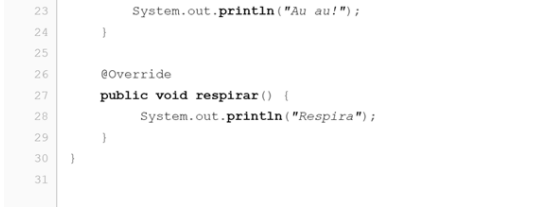
Fonte: dados do elaborador
Considerando a versão Java 25, é CORRETO afirmar que há utilização de:

 Conheça nossos planos