Questões de Concurso
Para professor - inglês
Foram encontradas 31.379 questões
Resolva questões gratuitamente!
Junte-se a mais de 4 milhões de concurseiros!


 https://www.gocomics.com/comics/lists/1626946/peanuts-love Acesso em: 21 de
junho de 2022.
https://www.gocomics.com/comics/lists/1626946/peanuts-love Acesso em: 21 de
junho de 2022.
Here are some ways in which cartoons can be used in the classroom.
I - Identify the figures of speech used in the image.
II - Explore the persuasive techniques the cartoonist has used to convey a message.
III - Create a comic strip on a key issue in your school or community.
IV - Appreciate the color, caricature and art techniques used by the cartoonist.
V - Explore the use of characters, objects and text as a basis for individual creative expression.
I pretend to make a gripe. The lunch at the cafeteria has been disgusting. I hope you are sympathetic and support the students about this subject.
Have a terrific day!
All words in bold are false cognates. The word that is being used INCORRECTLY in the sentences above is
RICHARDS, J. C. & RODGERS, T. Approaches and methods in language teaching. New York: Cambridge University Press, 2001. P. 33
The word “bewildered” expressed in the text may be replaced, without changing the meaning, by the word
According to Asher and James (1982), Methods are the combination of techniques that are used and plasticized by the teachers in the classrooms in order to teach their students and approaches are the philosophies of teachers about language teaching that can be applied in the classrooms by using different techniques of language teaching. For example, if a teacher has an approach that language is the communication and learning a language is in fact learning the meanings, functions and uses of language. So the techniques will be based on the communicative language teaching and task based methods.
According to Freeman (2000), Methods which are taught to the teachers make a base and give them thinking about the applicable techniques and principles according to the situation where they stand. They are clear about their attraction towards certain methods and also think that why have they repelled certain method. The knowledge of method is very necessary because their knowledge is base of teaching.
https://www.ukessays.com/essays/englishlanguage/methods-and-approaches-ofenglish-language-teaching-english-language-essay.php Acesso em: 7 de junho de 2022.
What is the Classic Method of teaching a foreign language?
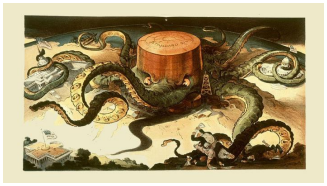
Cartoons can sometimes make a serious point. Benjamin Franklin’s 1754 “Join or Die” began the use of political cartoons. These visuals have been important in history by informing illiterate citizens and conveying a point of view on a political issue. Cartoonists, with a single picture, could insult enemies, celebrate allies, change people’s minds on important issues, and be humorous enough to make an impact on the public’s view. Political cartoons bring humor and exaggeration to past and current issues. I tell my students political cartoons are pictures with a point. We can provide students with the tools and questions they can use to decode and understand political cartoons.
https://blog.socialstudies.com/the-teachers-guide-to-helping-elementary-studentsanalyze-political-cartoons Acesso em: 7 de junho de 2022.
Which of the following does not show the value of political cartoons in the classroom?

The Rolling Stones have dominated Rock 'n' Roll music since the 1960s and were at the forefront of the British Invasion of bands that conquered the US in 1964. They ran neck and neck with The Beatles in the popularity stakes with the late sixties and early seventies considered by many as their Golden Age.
https://www.bournemouth.co.uk/whats-on/therolling-stones-story-2022- p3037643 Acesso em: 7 de junho de 2022.
Using the pre-while-post reading lesson plan, the teacher initiates the lesson
Read the Text and answer the question.
Brown (2007) offers four interconnected characteristics of CLT:
1. Classroom goals are focused on all of the components of CC (communicative competence) and not restricted to grammatical or linguistic competence.
2. Language techniques are designed to engage learners in the pragmatic, authentic, functional use of language for meaningful purposes. Organizational language forms are not the central focus but rather aspects of language that enable the learner to accomplish those purposes.
3. Fluency and accuracy are seen as complimentary principles underlying communicative techniques. At times fluency may have to take on more importance than accuracy in order to keep learners meaningfully engaged in language use.
4. In the communicative classroom, students ultimately have to use the language, productively and receptively, in unrehearsed contexts.
Disponível em: https://nufs-nuas.repo.nii.ac.jp Acesso em: 6 de junho de 2022.
Read the Text and answer the question.
Brown (2007) offers four interconnected characteristics of CLT:
1. Classroom goals are focused on all of the components of CC (communicative competence) and not restricted to grammatical or linguistic competence.
2. Language techniques are designed to engage learners in the pragmatic, authentic, functional use of language for meaningful purposes. Organizational language forms are not the central focus but rather aspects of language that enable the learner to accomplish those purposes.
3. Fluency and accuracy are seen as complimentary principles underlying communicative techniques. At times fluency may have to take on more importance than accuracy in order to keep learners meaningfully engaged in language use.
4. In the communicative classroom, students ultimately have to use the language, productively and receptively, in unrehearsed contexts.
Disponível em: https://nufs-nuas.repo.nii.ac.jp Acesso em: 6 de junho de 2022.
Read the Text and answer the question.
Brown (2007) offers four interconnected characteristics of CLT:
1. Classroom goals are focused on all of the components of CC (communicative competence) and not restricted to grammatical or linguistic competence.
2. Language techniques are designed to engage learners in the pragmatic, authentic, functional use of language for meaningful purposes. Organizational language forms are not the central focus but rather aspects of language that enable the learner to accomplish those purposes.
3. Fluency and accuracy are seen as complimentary principles underlying communicative techniques. At times fluency may have to take on more importance than accuracy in order to keep learners meaningfully engaged in language use.
4. In the communicative classroom, students ultimately have to use the language, productively and receptively, in unrehearsed contexts.
Disponível em: https://nufs-nuas.repo.nii.ac.jp Acesso em: 6 de junho de 2022.
Museu do Ipiranga prorroga gratuidade até 30 de dezembro
O Museu do Ipiranga prorrogou a venda de ingressos gratuitos para visitação até o dia 30 de dezembro. É a segunda vez que a entrada franca é adiada, já que estava prevista para durar os primeiros três meses de inauguração (setembro, outubro e novembro), mas, depois, passou para o dia 6 de dezembro. Para conseguir a reserva, é necessário se programar com antecedência. Novos lotes são abertos todas as sextas-feiras, às 10 h, mas se esgotam dentro de minutos – motivo que levou a gestão a postergar a data mais uma vez. Até o momento, não há disponibilidade de ingressos até o próximo dia 11. Uma dica é ir até o local, próximo ao fim de visitação, e tentar os ingressos remanescentes, que ficam disponíveis quando alguém reserva, mas não comparece.
(Disponível em: https://www.cnnbrasil.com.br.)
Em relação ao Museu do Ipiranga, marque V para as afirmativas verdadeiras e F para as falsas.
( ) Também chamado de Museu Paulista, é um símbolo da Independência, que foi realizada às margens do Riacho do Ipiranga, em 1822.
( ) Além de alguns espaços, sendo um dos primeiros formados pelo saguão, escadaria e salão nobre, com diversas imagens nos entornos, sua bela entrada impressiona pela imensidão. Diversas obras de grande importância como a famosa “Independência ou Morte”, de Pedro Américo, estão disponíveis ao público.
( ) Possui ofícios e correspondências de políticos ligados ao Movimento de Independência, bem como outros momentos importantes da história como a Revolução Constitucionalista de 1932.
A sequência está correta em
FMI parabeniza Ilan Goldfajn por eleição como presidente do BID
A diretora-gerente do Fundo Monetário Internacional (FMI), Kristalina Georgieva, parabenizou o economista Ilan Goldfajn por sua eleição como presidente do Banco Interamericano de Desenvolvimento (BID). Em nota, ela destacou a importância do brasileiro na liderança de programas do organismo para apoiar países da América Latina. Antes de ser indicado como o candidato do Brasil para disputar a presidência do BID, Ilan era diretor do FMI para o Hemisfério Ocidental, mas se licenciou do posto para disputar o pleito.
(Disponível em: https://www.cnnbrasil.com.br.)
Em relação ao Fundo Monetário Internacional (FMI), analise as afirmativas a seguir.
I. Estimula a cooperação monetária global; protege a estabilidade financeira; facilita o comércio internacional; busca promover altos níveis de emprego e crescimento econômico sustentável; bem como a redução da pobreza em todo o mundo.
II. Tem como principal responsabilidade assegurar a estabilidade do sistema monetário internacional – o sistema de taxas de câmbio de pagamentos internacionais – que permite aos países (e seus cidadãos) efetuar transações entre si.
III. Seus empréstimos proporcionam aos países-membros uma margem de manobra para corrigir problemas do balanço de pagamentos. As autoridades nacionais têm estreita cooperação com o FMI.
IV. Presta assistência técnica abrangendo diversas áreas, como administração tributária, gestão de gastos, políticas monetárias e cambiais, supervisão e regulamentação bancária e financeira não abrangendo a política e os quadros legislativos, primando pela soberania de cada país membro.
Está correto o que se afirma apenas em
Quase dois meses após o início do surto de cólera no Haiti, o Fundo das Nações Unidas para Infância, Unicef, está alertando que crianças são, aproximadamente, 40% do número de casos confirmados. Desde o dia 2 de outubro, nove em cada dez casos confirmados de cólera no país foram relatados nas áreas mais afetadas pela desnutrição.
(Disponível em: https://news.un.org. Acesso em: 24/11/2022.)
Em relação aos Objetivos de Desenvolvimento Sustentável das Nações Unidas para que o Brasil atinja as propostas da Agenda 2030 no Brasil, com o intuito de garantir “a todas as pessoas de desfrutarem paz e prosperidade”, marque V para as afirmativas verdadeiras e F para as falsas.
( ) Cidades e comunidades sustentáveis; redução do impacto ambiental negativo per capita das cidades; inclusive, prestando especial atenção à qualidade do ar, gestão de resíduos municipais, dentre outros.
( ) Trabalho decente e crescimento econômico para alcançar níveis mais elevados de produtividade das economias através da diversificação, modernização tecnológica e inovação, inclusive por meio de um foco em setores de alto valor agregado e dos setores intensivos em mão de obra.
( ) Igualdade de gênero extinguindo todas as formas de violência contra todas as mulheres e meninas nas esferas públicas e privadas, incluindo o tráfico e a exploração sexual e de outros tipos.
A sequência está correta em
Gal Costa, uma das maiores cantoras do Brasil, morreu aos 77 anos, em São Paulo. A informação foi confirmada pela assessoria da cantora. Ela havia dado uma pausa em shows, após passar por uma cirurgia para retirar um nódulo na fossa nasal direita. Gal Costa foi uma cantora baiana que é considerada um dos grandes ícones da música popular brasileira. Lançou dezenas de discos de sucesso e gravou canções que marcaram gerações. Iniciou sua carreira na década de 1960. Na década seguinte, tornou-se uma das grandes representantes do Tropicalismo e foi considerada também uma musa hippie.
(Disponível em: https://g1.globo.com/pop-arte/musica/noticia/2022/11/09/gal-costa-morre-aos-77-anos.ghtml. Acesso em: 09/11/2022.)
Sobre o Tropicalismo, assinale a afirmativa INCORRETA.
O professor e o processo de constituição do leitor crítico
A leitura é uma ponte entre o conhecimento sistematizado e o mundo real.
(CATARINO, 2015.)
Iniciamos esta apresentação com a citação de Catarino, na tentativa de valorar a leitura como forma de sistematização da percepção consciente da realidade, uma vez que o leitor, ao ler, imprime seu protagonismo, dando pessoalidade ao que lê, mesmo que não faça nenhum julgamento de valor.
A leitura é um aspecto importante para o indivíduo leitor, daí as dificuldades com a prática de leitura serem das questões mais discutidas no âmbito escolar. O ensino da prática de leitura contribui para a formação de um leitor social e crítico, influenciando no processo de desenvolvimento e entendimento de mundo, pois abrange várias dimensões no processo educativo e ajuda na compreensão crítica, facilitando, assim, a prática diária de interação e de relacionamento com o outro. Por toda essa importância é que se faz fundamental que a escola dê a mesma importância à leitura que dá à gramática, à ortografia e a outros aspectos linguísticos.
Ler ultrapassa ações meramente educativas; ler deve ser uma prática prazerosa, deleitosa, que produza significado e sentido para o aluno/leitor. Para tanto, na escola a leitura deve ter um propósito definido, um objetivo a ser alcançado, para que o aluno, a partir dessas atividades, possa ver o mundo à sua volta em sua magnitude, diferente, vislumbrando o futuro em seu protagonismo. Assim, para que a atividade de leitura em sala de aula tenha sucesso, faz-se relevante a utilização de um amplo universo textual, ou seja, diversos tipos de texto e situações diversificadas que veiculam socialmente.
No cotidiano escolar, a leitura deve se desenvolver de forma crítica, ativa e criativa. No entanto, provocar no aluno o desejo pela leitura não é um papel tão simples [...].
A leitura é indispensável para a vivência e a compreensão do mundo e da sociedade; mesmo assim, parece ser algo ao qual as pessoas não se habituam [...].
A leitura é capaz de conectar diversos mundos e ideias e, uma vez amiudada e íntima, promove a criação de laços com o universo da escrita, facilitando o processo de alfabetização e os avanços de outras disciplinas, já que o livro didático é ainda o principal suporte para a aprendizagem na escola.
(SOARES, Maria Vilani; LIMA, Marília Pereira; MOURA, Rafael Ferro; CARVALHO, Cláudio Rêgo de; CARVALHO, Sângela Medeiros de Lima. O professor e o processo de constituição do leitor crítico. Revista Educação Pública, Rio de Janeiro, v. 22, nº 39, 18 de outubro de 2022. Disponível em: https://educacaopublica.cecierj.edu.br/artigos/22/39/o-professore-o-processo-de-constituicao-do-leitor-critico. Adaptado.)
O professor e o processo de constituição do leitor crítico
A leitura é uma ponte entre o conhecimento sistematizado e o mundo real.
(CATARINO, 2015.)
Iniciamos esta apresentação com a citação de Catarino, na tentativa de valorar a leitura como forma de sistematização da percepção consciente da realidade, uma vez que o leitor, ao ler, imprime seu protagonismo, dando pessoalidade ao que lê, mesmo que não faça nenhum julgamento de valor.
A leitura é um aspecto importante para o indivíduo leitor, daí as dificuldades com a prática de leitura serem das questões mais discutidas no âmbito escolar. O ensino da prática de leitura contribui para a formação de um leitor social e crítico, influenciando no processo de desenvolvimento e entendimento de mundo, pois abrange várias dimensões no processo educativo e ajuda na compreensão crítica, facilitando, assim, a prática diária de interação e de relacionamento com o outro. Por toda essa importância é que se faz fundamental que a escola dê a mesma importância à leitura que dá à gramática, à ortografia e a outros aspectos linguísticos.
Ler ultrapassa ações meramente educativas; ler deve ser uma prática prazerosa, deleitosa, que produza significado e sentido para o aluno/leitor. Para tanto, na escola a leitura deve ter um propósito definido, um objetivo a ser alcançado, para que o aluno, a partir dessas atividades, possa ver o mundo à sua volta em sua magnitude, diferente, vislumbrando o futuro em seu protagonismo. Assim, para que a atividade de leitura em sala de aula tenha sucesso, faz-se relevante a utilização de um amplo universo textual, ou seja, diversos tipos de texto e situações diversificadas que veiculam socialmente.
No cotidiano escolar, a leitura deve se desenvolver de forma crítica, ativa e criativa. No entanto, provocar no aluno o desejo pela leitura não é um papel tão simples [...].
A leitura é indispensável para a vivência e a compreensão do mundo e da sociedade; mesmo assim, parece ser algo ao qual as pessoas não se habituam [...].
A leitura é capaz de conectar diversos mundos e ideias e, uma vez amiudada e íntima, promove a criação de laços com o universo da escrita, facilitando o processo de alfabetização e os avanços de outras disciplinas, já que o livro didático é ainda o principal suporte para a aprendizagem na escola.
(SOARES, Maria Vilani; LIMA, Marília Pereira; MOURA, Rafael Ferro; CARVALHO, Cláudio Rêgo de; CARVALHO, Sângela Medeiros de Lima. O professor e o processo de constituição do leitor crítico. Revista Educação Pública, Rio de Janeiro, v. 22, nº 39, 18 de outubro de 2022. Disponível em: https://educacaopublica.cecierj.edu.br/artigos/22/39/o-professore-o-processo-de-constituicao-do-leitor-critico. Adaptado.)
O professor e o processo de constituição do leitor crítico
A leitura é uma ponte entre o conhecimento sistematizado e o mundo real.
(CATARINO, 2015.)
Iniciamos esta apresentação com a citação de Catarino, na tentativa de valorar a leitura como forma de sistematização da percepção consciente da realidade, uma vez que o leitor, ao ler, imprime seu protagonismo, dando pessoalidade ao que lê, mesmo que não faça nenhum julgamento de valor.
A leitura é um aspecto importante para o indivíduo leitor, daí as dificuldades com a prática de leitura serem das questões mais discutidas no âmbito escolar. O ensino da prática de leitura contribui para a formação de um leitor social e crítico, influenciando no processo de desenvolvimento e entendimento de mundo, pois abrange várias dimensões no processo educativo e ajuda na compreensão crítica, facilitando, assim, a prática diária de interação e de relacionamento com o outro. Por toda essa importância é que se faz fundamental que a escola dê a mesma importância à leitura que dá à gramática, à ortografia e a outros aspectos linguísticos.
Ler ultrapassa ações meramente educativas; ler deve ser uma prática prazerosa, deleitosa, que produza significado e sentido para o aluno/leitor. Para tanto, na escola a leitura deve ter um propósito definido, um objetivo a ser alcançado, para que o aluno, a partir dessas atividades, possa ver o mundo à sua volta em sua magnitude, diferente, vislumbrando o futuro em seu protagonismo. Assim, para que a atividade de leitura em sala de aula tenha sucesso, faz-se relevante a utilização de um amplo universo textual, ou seja, diversos tipos de texto e situações diversificadas que veiculam socialmente.
No cotidiano escolar, a leitura deve se desenvolver de forma crítica, ativa e criativa. No entanto, provocar no aluno o desejo pela leitura não é um papel tão simples [...].
A leitura é indispensável para a vivência e a compreensão do mundo e da sociedade; mesmo assim, parece ser algo ao qual as pessoas não se habituam [...].
A leitura é capaz de conectar diversos mundos e ideias e, uma vez amiudada e íntima, promove a criação de laços com o universo da escrita, facilitando o processo de alfabetização e os avanços de outras disciplinas, já que o livro didático é ainda o principal suporte para a aprendizagem na escola.
(SOARES, Maria Vilani; LIMA, Marília Pereira; MOURA, Rafael Ferro; CARVALHO, Cláudio Rêgo de; CARVALHO, Sângela Medeiros de Lima. O professor e o processo de constituição do leitor crítico. Revista Educação Pública, Rio de Janeiro, v. 22, nº 39, 18 de outubro de 2022. Disponível em: https://educacaopublica.cecierj.edu.br/artigos/22/39/o-professore-o-processo-de-constituicao-do-leitor-critico. Adaptado.)
Considerando as relações de sintaxe entre os termos da oração, pode-se afirmar que há equivalência quanto à função exercida apenas entre os termos destacados:
I. “A leitura é indispensável [...]” (5º§)
II. “[...] ao qual as pessoas não se habituam.” (5º§)
III. “[...] conectar diversos mundos e ideias [...]” (6º§)
IV. “[...] promove a criação de laços com o universo da escrita [...]” (6º§)
A equivalência citada no enunciado pode ser observada em
O professor e o processo de constituição do leitor crítico
A leitura é uma ponte entre o conhecimento sistematizado e o mundo real.
(CATARINO, 2015.)
Iniciamos esta apresentação com a citação de Catarino, na tentativa de valorar a leitura como forma de sistematização da percepção consciente da realidade, uma vez que o leitor, ao ler, imprime seu protagonismo, dando pessoalidade ao que lê, mesmo que não faça nenhum julgamento de valor.
A leitura é um aspecto importante para o indivíduo leitor, daí as dificuldades com a prática de leitura serem das questões mais discutidas no âmbito escolar. O ensino da prática de leitura contribui para a formação de um leitor social e crítico, influenciando no processo de desenvolvimento e entendimento de mundo, pois abrange várias dimensões no processo educativo e ajuda na compreensão crítica, facilitando, assim, a prática diária de interação e de relacionamento com o outro. Por toda essa importância é que se faz fundamental que a escola dê a mesma importância à leitura que dá à gramática, à ortografia e a outros aspectos linguísticos.
Ler ultrapassa ações meramente educativas; ler deve ser uma prática prazerosa, deleitosa, que produza significado e sentido para o aluno/leitor. Para tanto, na escola a leitura deve ter um propósito definido, um objetivo a ser alcançado, para que o aluno, a partir dessas atividades, possa ver o mundo à sua volta em sua magnitude, diferente, vislumbrando o futuro em seu protagonismo. Assim, para que a atividade de leitura em sala de aula tenha sucesso, faz-se relevante a utilização de um amplo universo textual, ou seja, diversos tipos de texto e situações diversificadas que veiculam socialmente.
No cotidiano escolar, a leitura deve se desenvolver de forma crítica, ativa e criativa. No entanto, provocar no aluno o desejo pela leitura não é um papel tão simples [...].
A leitura é indispensável para a vivência e a compreensão do mundo e da sociedade; mesmo assim, parece ser algo ao qual as pessoas não se habituam [...].
A leitura é capaz de conectar diversos mundos e ideias e, uma vez amiudada e íntima, promove a criação de laços com o universo da escrita, facilitando o processo de alfabetização e os avanços de outras disciplinas, já que o livro didático é ainda o principal suporte para a aprendizagem na escola.
(SOARES, Maria Vilani; LIMA, Marília Pereira; MOURA, Rafael Ferro; CARVALHO, Cláudio Rêgo de; CARVALHO, Sângela Medeiros de Lima. O professor e o processo de constituição do leitor crítico. Revista Educação Pública, Rio de Janeiro, v. 22, nº 39, 18 de outubro de 2022. Disponível em: https://educacaopublica.cecierj.edu.br/artigos/22/39/o-professore-o-processo-de-constituicao-do-leitor-critico. Adaptado.)
O professor e o processo de constituição do leitor crítico
A leitura é uma ponte entre o conhecimento sistematizado e o mundo real.
(CATARINO, 2015.)
Iniciamos esta apresentação com a citação de Catarino, na tentativa de valorar a leitura como forma de sistematização da percepção consciente da realidade, uma vez que o leitor, ao ler, imprime seu protagonismo, dando pessoalidade ao que lê, mesmo que não faça nenhum julgamento de valor.
A leitura é um aspecto importante para o indivíduo leitor, daí as dificuldades com a prática de leitura serem das questões mais discutidas no âmbito escolar. O ensino da prática de leitura contribui para a formação de um leitor social e crítico, influenciando no processo de desenvolvimento e entendimento de mundo, pois abrange várias dimensões no processo educativo e ajuda na compreensão crítica, facilitando, assim, a prática diária de interação e de relacionamento com o outro. Por toda essa importância é que se faz fundamental que a escola dê a mesma importância à leitura que dá à gramática, à ortografia e a outros aspectos linguísticos.
Ler ultrapassa ações meramente educativas; ler deve ser uma prática prazerosa, deleitosa, que produza significado e sentido para o aluno/leitor. Para tanto, na escola a leitura deve ter um propósito definido, um objetivo a ser alcançado, para que o aluno, a partir dessas atividades, possa ver o mundo à sua volta em sua magnitude, diferente, vislumbrando o futuro em seu protagonismo. Assim, para que a atividade de leitura em sala de aula tenha sucesso, faz-se relevante a utilização de um amplo universo textual, ou seja, diversos tipos de texto e situações diversificadas que veiculam socialmente.
No cotidiano escolar, a leitura deve se desenvolver de forma crítica, ativa e criativa. No entanto, provocar no aluno o desejo pela leitura não é um papel tão simples [...].
A leitura é indispensável para a vivência e a compreensão do mundo e da sociedade; mesmo assim, parece ser algo ao qual as pessoas não se habituam [...].
A leitura é capaz de conectar diversos mundos e ideias e, uma vez amiudada e íntima, promove a criação de laços com o universo da escrita, facilitando o processo de alfabetização e os avanços de outras disciplinas, já que o livro didático é ainda o principal suporte para a aprendizagem na escola.
(SOARES, Maria Vilani; LIMA, Marília Pereira; MOURA, Rafael Ferro; CARVALHO, Cláudio Rêgo de; CARVALHO, Sângela Medeiros de Lima. O professor e o processo de constituição do leitor crítico. Revista Educação Pública, Rio de Janeiro, v. 22, nº 39, 18 de outubro de 2022. Disponível em: https://educacaopublica.cecierj.edu.br/artigos/22/39/o-professore-o-processo-de-constituicao-do-leitor-critico. Adaptado.)
No discurso apresentado no texto, é possível identificar que ora os enunciados apresentam informações que remetem a fatos, ora apresentam opiniões relativas a esses fatos que remetem a pontos de vista. Leia e analise os segmentos destacados a seguir, marque O para o segmento que apresenta expressão de uma opinião ou posicionamento do enunciador e F para o segmento que apresenta a expressão de um fato, de modo objetivo.
( ) “Iniciamos esta apresentação com a citação de Catarino, [...]” (1º§)
( ) “[...] o livro didático é ainda o principal suporte para a aprendizagem na escola.” (6º§)
( ) “A leitura é indispensável para a vivência e a compreensão do mundo e da sociedade; [...]” (5º§)
A sequência está correta em
O professor e o processo de constituição do leitor crítico
A leitura é uma ponte entre o conhecimento sistematizado e o mundo real.
(CATARINO, 2015.)
Iniciamos esta apresentação com a citação de Catarino, na tentativa de valorar a leitura como forma de sistematização da percepção consciente da realidade, uma vez que o leitor, ao ler, imprime seu protagonismo, dando pessoalidade ao que lê, mesmo que não faça nenhum julgamento de valor.
A leitura é um aspecto importante para o indivíduo leitor, daí as dificuldades com a prática de leitura serem das questões mais discutidas no âmbito escolar. O ensino da prática de leitura contribui para a formação de um leitor social e crítico, influenciando no processo de desenvolvimento e entendimento de mundo, pois abrange várias dimensões no processo educativo e ajuda na compreensão crítica, facilitando, assim, a prática diária de interação e de relacionamento com o outro. Por toda essa importância é que se faz fundamental que a escola dê a mesma importância à leitura que dá à gramática, à ortografia e a outros aspectos linguísticos.
Ler ultrapassa ações meramente educativas; ler deve ser uma prática prazerosa, deleitosa, que produza significado e sentido para o aluno/leitor. Para tanto, na escola a leitura deve ter um propósito definido, um objetivo a ser alcançado, para que o aluno, a partir dessas atividades, possa ver o mundo à sua volta em sua magnitude, diferente, vislumbrando o futuro em seu protagonismo. Assim, para que a atividade de leitura em sala de aula tenha sucesso, faz-se relevante a utilização de um amplo universo textual, ou seja, diversos tipos de texto e situações diversificadas que veiculam socialmente.
No cotidiano escolar, a leitura deve se desenvolver de forma crítica, ativa e criativa. No entanto, provocar no aluno o desejo pela leitura não é um papel tão simples [...].
A leitura é indispensável para a vivência e a compreensão do mundo e da sociedade; mesmo assim, parece ser algo ao qual as pessoas não se habituam [...].
A leitura é capaz de conectar diversos mundos e ideias e, uma vez amiudada e íntima, promove a criação de laços com o universo da escrita, facilitando o processo de alfabetização e os avanços de outras disciplinas, já que o livro didático é ainda o principal suporte para a aprendizagem na escola.
(SOARES, Maria Vilani; LIMA, Marília Pereira; MOURA, Rafael Ferro; CARVALHO, Cláudio Rêgo de; CARVALHO, Sângela Medeiros de Lima. O professor e o processo de constituição do leitor crítico. Revista Educação Pública, Rio de Janeiro, v. 22, nº 39, 18 de outubro de 2022. Disponível em: https://educacaopublica.cecierj.edu.br/artigos/22/39/o-professore-o-processo-de-constituicao-do-leitor-critico. Adaptado.)

 Conheça nossos planos