Questões de Concurso
Para técnico em informática
Foram encontradas 10.143 questões
Resolva questões gratuitamente!
Junte-se a mais de 4 milhões de concurseiros!


Q34874
Auditoria
De acordo com os padrões de auditoria emitidos pela INTOSAI, quando o Tribunal de Contas do Estado verifica se a celebração de um contrato, entre uma entidade governamental e uma organização sem fins lucrativos, respeitou as exigências quanto às características destas últimas, o que está realizando é
Q34873
Auditoria
O Código de Ética estabelecido pela INTOSAI (International Organisation of Supreme Audit Institutions) determina que o valor central que um auditor, no setor público, deve possuir é a
Q34872
Auditoria Governamental
Em relação à Declaração de Lima sobre auditoria no setor público, considere:
I. Os serviços de auditoria interna, necessariamente, estão subordinados ao chefe do departamento governamental no qual foram estabelecidos, enquanto a auditoria externa não faz parte da estrutura organizacional das instituições que serão auditadas.
II. A auditoria de performance está orientada para o exame do desempenho, economia, eficiência e efetividade da administração pública, cobrindo apenas as operações específicas relacionadas à administração financeira e à contabilidade das entidades governamentais.
III. Os relatórios de auditoria devem apresentar os fatos e suas avaliações de maneira clara e objetiva, limitando-se ao essencial. A redação dos relatórios deve ser precisa e de fácil entendimento.
IV. A auditoria de recursos de processamento eletrônico de dados deve abranger aspectos, tais como: uso econômico de equipamentos de processamento de dados, utilização de pessoal com habilidade apropriada, prevenção de mau uso e utilidade da informação produzida.
Está correto o que se afirma APENAS em
I. Os serviços de auditoria interna, necessariamente, estão subordinados ao chefe do departamento governamental no qual foram estabelecidos, enquanto a auditoria externa não faz parte da estrutura organizacional das instituições que serão auditadas.
II. A auditoria de performance está orientada para o exame do desempenho, economia, eficiência e efetividade da administração pública, cobrindo apenas as operações específicas relacionadas à administração financeira e à contabilidade das entidades governamentais.
III. Os relatórios de auditoria devem apresentar os fatos e suas avaliações de maneira clara e objetiva, limitando-se ao essencial. A redação dos relatórios deve ser precisa e de fácil entendimento.
IV. A auditoria de recursos de processamento eletrônico de dados deve abranger aspectos, tais como: uso econômico de equipamentos de processamento de dados, utilização de pessoal com habilidade apropriada, prevenção de mau uso e utilidade da informação produzida.
Está correto o que se afirma APENAS em
Q34871
Gerência de Projetos
A secretaria de saúde de um governo municipal avaliou o risco de sinistros relacionados a sua frota de ambulâncias e resolveu contratar um seguro de automóveis. Neste caso, a resposta ao risco pela administração foi de
Q34870
Segurança da Informação
De acordo com a estrutura conceitual do COSO (The Committee of Sponsoring Organizations of the Treadway Commission), um dos componentes de gerenciamento de riscos corporativos é a identificação de eventos, os quais podem ser definidos como incidentes ou ocorrências geradas com base em fontes internas ou externas e que afetam a implementação de estratégias ou a realização dos objetivos de uma organização. Um exemplo de evento gerado por fatores externos econômicos é
Q34869
Segurança da Informação
Entre os responsáveis pelo gerenciamento de riscos de uma organização estão os
Q34868
Português
Texto associado
Informática e educação
O termo informática resulta da aglutinação dos vocábulos
informação e automática, traduzindo-se conceitualmente
como "conjunto de conhecimentos e técnicas ligados ao tratamento
racional e automático de informação, o qual se encontra
associado à utilização de computadores e respectivos programas".
Como ferramenta de trabalho, a informática contribui inequivocamente
para a elevação da produtividade, diminuição de
custos e otimização da qualidade dos serviços. Já como ferramenta
cultural ou de entretenimento, suas possibilidades são
quase infinitas.
Não há como deixar de usar os recursos da informática
nos processos educativos. Ela coloca à disposição dos interessados
um sem-número de opções e campos de pesquisa, para
muito além de um simples adestramento tecnológico. Ela já está
configurando os paradigmas de um novo tempo e de um novo
universo a ser explorado. Entre outras vantagens, ressalte-se a
rápida e efetiva troca de informações entre especialistas e não
especialistas, a transação de experiências em tempo real, a
abertura de um diálogo imediato entre pontos distanciados no
espaço. Para além da simples estupefação tecnológica, que
toma de assalto aos mais ingênuos, a informática oferece uma
transposição jamais vista dos limites físicos convencionais.
Mas essa nova maravilha não deixa de ser uma ferramenta
que, por maior alcance que tenha, estará sempre
associada ao uso que dela se faça. Dependendo de seu
emprego, tanto pode tornar-se a expressão da mais alta criação
humana como a do nosso gênio destrutivo. Assim, há que
capacitar os educandos em geral não apenas no que diz
respeito à competência técnica, como também à preservação
da crítica e da ética.
Os educadores costumam dividir-se, diante dos recursos
da Internet: há quem considere abominável a facilidade das
"pesquisas prontas", que dispensam o jovem de um maior
esforço; mas há quem julgue essa abundância de material um
oportuno e novo desafio para os critérios de seleção do que
seja ou não relevante. É bom lembrar a advertência de um
velho professor: quem acredita que o computador efetivamente
"pensa", ao menos certifique-se de que ele o faz para nós, e
não por nós.
(Baseado em matéria da Revista Espaço Acadêmico, n. 85,
junho/2008)
O termo informática resulta da aglutinação dos vocábulos
informação e automática, traduzindo-se conceitualmente
como "conjunto de conhecimentos e técnicas ligados ao tratamento
racional e automático de informação, o qual se encontra
associado à utilização de computadores e respectivos programas".
Como ferramenta de trabalho, a informática contribui inequivocamente
para a elevação da produtividade, diminuição de
custos e otimização da qualidade dos serviços. Já como ferramenta
cultural ou de entretenimento, suas possibilidades são
quase infinitas.
Não há como deixar de usar os recursos da informática
nos processos educativos. Ela coloca à disposição dos interessados
um sem-número de opções e campos de pesquisa, para
muito além de um simples adestramento tecnológico. Ela já está
configurando os paradigmas de um novo tempo e de um novo
universo a ser explorado. Entre outras vantagens, ressalte-se a
rápida e efetiva troca de informações entre especialistas e não
especialistas, a transação de experiências em tempo real, a
abertura de um diálogo imediato entre pontos distanciados no
espaço. Para além da simples estupefação tecnológica, que
toma de assalto aos mais ingênuos, a informática oferece uma
transposição jamais vista dos limites físicos convencionais.
Mas essa nova maravilha não deixa de ser uma ferramenta
que, por maior alcance que tenha, estará sempre
associada ao uso que dela se faça. Dependendo de seu
emprego, tanto pode tornar-se a expressão da mais alta criação
humana como a do nosso gênio destrutivo. Assim, há que
capacitar os educandos em geral não apenas no que diz
respeito à competência técnica, como também à preservação
da crítica e da ética.
Os educadores costumam dividir-se, diante dos recursos
da Internet: há quem considere abominável a facilidade das
"pesquisas prontas", que dispensam o jovem de um maior
esforço; mas há quem julgue essa abundância de material um
oportuno e novo desafio para os critérios de seleção do que
seja ou não relevante. É bom lembrar a advertência de um
velho professor: quem acredita que o computador efetivamente
"pensa", ao menos certifique-se de que ele o faz para nós, e
não por nós.
(Baseado em matéria da Revista Espaço Acadêmico, n. 85,
junho/2008)
Transpondo-se para a voz passiva a frase Ela já está configurando os paradigmas de uma nova época, a forma verbal resultante será
Q34867
Português
Texto associado
Informática e educação
O termo informática resulta da aglutinação dos vocábulos
informação e automática, traduzindo-se conceitualmente
como "conjunto de conhecimentos e técnicas ligados ao tratamento
racional e automático de informação, o qual se encontra
associado à utilização de computadores e respectivos programas".
Como ferramenta de trabalho, a informática contribui inequivocamente
para a elevação da produtividade, diminuição de
custos e otimização da qualidade dos serviços. Já como ferramenta
cultural ou de entretenimento, suas possibilidades são
quase infinitas.
Não há como deixar de usar os recursos da informática
nos processos educativos. Ela coloca à disposição dos interessados
um sem-número de opções e campos de pesquisa, para
muito além de um simples adestramento tecnológico. Ela já está
configurando os paradigmas de um novo tempo e de um novo
universo a ser explorado. Entre outras vantagens, ressalte-se a
rápida e efetiva troca de informações entre especialistas e não
especialistas, a transação de experiências em tempo real, a
abertura de um diálogo imediato entre pontos distanciados no
espaço. Para além da simples estupefação tecnológica, que
toma de assalto aos mais ingênuos, a informática oferece uma
transposição jamais vista dos limites físicos convencionais.
Mas essa nova maravilha não deixa de ser uma ferramenta
que, por maior alcance que tenha, estará sempre
associada ao uso que dela se faça. Dependendo de seu
emprego, tanto pode tornar-se a expressão da mais alta criação
humana como a do nosso gênio destrutivo. Assim, há que
capacitar os educandos em geral não apenas no que diz
respeito à competência técnica, como também à preservação
da crítica e da ética.
Os educadores costumam dividir-se, diante dos recursos
da Internet: há quem considere abominável a facilidade das
"pesquisas prontas", que dispensam o jovem de um maior
esforço; mas há quem julgue essa abundância de material um
oportuno e novo desafio para os critérios de seleção do que
seja ou não relevante. É bom lembrar a advertência de um
velho professor: quem acredita que o computador efetivamente
"pensa", ao menos certifique-se de que ele o faz para nós, e
não por nós.
(Baseado em matéria da Revista Espaço Acadêmico, n. 85,
junho/2008)
O termo informática resulta da aglutinação dos vocábulos
informação e automática, traduzindo-se conceitualmente
como "conjunto de conhecimentos e técnicas ligados ao tratamento
racional e automático de informação, o qual se encontra
associado à utilização de computadores e respectivos programas".
Como ferramenta de trabalho, a informática contribui inequivocamente
para a elevação da produtividade, diminuição de
custos e otimização da qualidade dos serviços. Já como ferramenta
cultural ou de entretenimento, suas possibilidades são
quase infinitas.
Não há como deixar de usar os recursos da informática
nos processos educativos. Ela coloca à disposição dos interessados
um sem-número de opções e campos de pesquisa, para
muito além de um simples adestramento tecnológico. Ela já está
configurando os paradigmas de um novo tempo e de um novo
universo a ser explorado. Entre outras vantagens, ressalte-se a
rápida e efetiva troca de informações entre especialistas e não
especialistas, a transação de experiências em tempo real, a
abertura de um diálogo imediato entre pontos distanciados no
espaço. Para além da simples estupefação tecnológica, que
toma de assalto aos mais ingênuos, a informática oferece uma
transposição jamais vista dos limites físicos convencionais.
Mas essa nova maravilha não deixa de ser uma ferramenta
que, por maior alcance que tenha, estará sempre
associada ao uso que dela se faça. Dependendo de seu
emprego, tanto pode tornar-se a expressão da mais alta criação
humana como a do nosso gênio destrutivo. Assim, há que
capacitar os educandos em geral não apenas no que diz
respeito à competência técnica, como também à preservação
da crítica e da ética.
Os educadores costumam dividir-se, diante dos recursos
da Internet: há quem considere abominável a facilidade das
"pesquisas prontas", que dispensam o jovem de um maior
esforço; mas há quem julgue essa abundância de material um
oportuno e novo desafio para os critérios de seleção do que
seja ou não relevante. É bom lembrar a advertência de um
velho professor: quem acredita que o computador efetivamente
"pensa", ao menos certifique-se de que ele o faz para nós, e
não por nós.
(Baseado em matéria da Revista Espaço Acadêmico, n. 85,
junho/2008)
Sem prejuízo para a correção e o sentido, pode-se substituir o elemento sublinhado pelo indicado entre parênteses em:
Q34866
Português
Texto associado
Informática e educação
O termo informática resulta da aglutinação dos vocábulos
informação e automática, traduzindo-se conceitualmente
como "conjunto de conhecimentos e técnicas ligados ao tratamento
racional e automático de informação, o qual se encontra
associado à utilização de computadores e respectivos programas".
Como ferramenta de trabalho, a informática contribui inequivocamente
para a elevação da produtividade, diminuição de
custos e otimização da qualidade dos serviços. Já como ferramenta
cultural ou de entretenimento, suas possibilidades são
quase infinitas.
Não há como deixar de usar os recursos da informática
nos processos educativos. Ela coloca à disposição dos interessados
um sem-número de opções e campos de pesquisa, para
muito além de um simples adestramento tecnológico. Ela já está
configurando os paradigmas de um novo tempo e de um novo
universo a ser explorado. Entre outras vantagens, ressalte-se a
rápida e efetiva troca de informações entre especialistas e não
especialistas, a transação de experiências em tempo real, a
abertura de um diálogo imediato entre pontos distanciados no
espaço. Para além da simples estupefação tecnológica, que
toma de assalto aos mais ingênuos, a informática oferece uma
transposição jamais vista dos limites físicos convencionais.
Mas essa nova maravilha não deixa de ser uma ferramenta
que, por maior alcance que tenha, estará sempre
associada ao uso que dela se faça. Dependendo de seu
emprego, tanto pode tornar-se a expressão da mais alta criação
humana como a do nosso gênio destrutivo. Assim, há que
capacitar os educandos em geral não apenas no que diz
respeito à competência técnica, como também à preservação
da crítica e da ética.
Os educadores costumam dividir-se, diante dos recursos
da Internet: há quem considere abominável a facilidade das
"pesquisas prontas", que dispensam o jovem de um maior
esforço; mas há quem julgue essa abundância de material um
oportuno e novo desafio para os critérios de seleção do que
seja ou não relevante. É bom lembrar a advertência de um
velho professor: quem acredita que o computador efetivamente
"pensa", ao menos certifique-se de que ele o faz para nós, e
não por nós.
(Baseado em matéria da Revista Espaço Acadêmico, n. 85,
junho/2008)
O termo informática resulta da aglutinação dos vocábulos
informação e automática, traduzindo-se conceitualmente
como "conjunto de conhecimentos e técnicas ligados ao tratamento
racional e automático de informação, o qual se encontra
associado à utilização de computadores e respectivos programas".
Como ferramenta de trabalho, a informática contribui inequivocamente
para a elevação da produtividade, diminuição de
custos e otimização da qualidade dos serviços. Já como ferramenta
cultural ou de entretenimento, suas possibilidades são
quase infinitas.
Não há como deixar de usar os recursos da informática
nos processos educativos. Ela coloca à disposição dos interessados
um sem-número de opções e campos de pesquisa, para
muito além de um simples adestramento tecnológico. Ela já está
configurando os paradigmas de um novo tempo e de um novo
universo a ser explorado. Entre outras vantagens, ressalte-se a
rápida e efetiva troca de informações entre especialistas e não
especialistas, a transação de experiências em tempo real, a
abertura de um diálogo imediato entre pontos distanciados no
espaço. Para além da simples estupefação tecnológica, que
toma de assalto aos mais ingênuos, a informática oferece uma
transposição jamais vista dos limites físicos convencionais.
Mas essa nova maravilha não deixa de ser uma ferramenta
que, por maior alcance que tenha, estará sempre
associada ao uso que dela se faça. Dependendo de seu
emprego, tanto pode tornar-se a expressão da mais alta criação
humana como a do nosso gênio destrutivo. Assim, há que
capacitar os educandos em geral não apenas no que diz
respeito à competência técnica, como também à preservação
da crítica e da ética.
Os educadores costumam dividir-se, diante dos recursos
da Internet: há quem considere abominável a facilidade das
"pesquisas prontas", que dispensam o jovem de um maior
esforço; mas há quem julgue essa abundância de material um
oportuno e novo desafio para os critérios de seleção do que
seja ou não relevante. É bom lembrar a advertência de um
velho professor: quem acredita que o computador efetivamente
"pensa", ao menos certifique-se de que ele o faz para nós, e
não por nós.
(Baseado em matéria da Revista Espaço Acadêmico, n. 85,
junho/2008)
Está correto o emprego de ambos os elementos sublinhados na frase:
Q34865
Português
Texto associado
Informática e educação
O termo informática resulta da aglutinação dos vocábulos
informação e automática, traduzindo-se conceitualmente
como "conjunto de conhecimentos e técnicas ligados ao tratamento
racional e automático de informação, o qual se encontra
associado à utilização de computadores e respectivos programas".
Como ferramenta de trabalho, a informática contribui inequivocamente
para a elevação da produtividade, diminuição de
custos e otimização da qualidade dos serviços. Já como ferramenta
cultural ou de entretenimento, suas possibilidades são
quase infinitas.
Não há como deixar de usar os recursos da informática
nos processos educativos. Ela coloca à disposição dos interessados
um sem-número de opções e campos de pesquisa, para
muito além de um simples adestramento tecnológico. Ela já está
configurando os paradigmas de um novo tempo e de um novo
universo a ser explorado. Entre outras vantagens, ressalte-se a
rápida e efetiva troca de informações entre especialistas e não
especialistas, a transação de experiências em tempo real, a
abertura de um diálogo imediato entre pontos distanciados no
espaço. Para além da simples estupefação tecnológica, que
toma de assalto aos mais ingênuos, a informática oferece uma
transposição jamais vista dos limites físicos convencionais.
Mas essa nova maravilha não deixa de ser uma ferramenta
que, por maior alcance que tenha, estará sempre
associada ao uso que dela se faça. Dependendo de seu
emprego, tanto pode tornar-se a expressão da mais alta criação
humana como a do nosso gênio destrutivo. Assim, há que
capacitar os educandos em geral não apenas no que diz
respeito à competência técnica, como também à preservação
da crítica e da ética.
Os educadores costumam dividir-se, diante dos recursos
da Internet: há quem considere abominável a facilidade das
"pesquisas prontas", que dispensam o jovem de um maior
esforço; mas há quem julgue essa abundância de material um
oportuno e novo desafio para os critérios de seleção do que
seja ou não relevante. É bom lembrar a advertência de um
velho professor: quem acredita que o computador efetivamente
"pensa", ao menos certifique-se de que ele o faz para nós, e
não por nós.
(Baseado em matéria da Revista Espaço Acadêmico, n. 85,
junho/2008)
O termo informática resulta da aglutinação dos vocábulos
informação e automática, traduzindo-se conceitualmente
como "conjunto de conhecimentos e técnicas ligados ao tratamento
racional e automático de informação, o qual se encontra
associado à utilização de computadores e respectivos programas".
Como ferramenta de trabalho, a informática contribui inequivocamente
para a elevação da produtividade, diminuição de
custos e otimização da qualidade dos serviços. Já como ferramenta
cultural ou de entretenimento, suas possibilidades são
quase infinitas.
Não há como deixar de usar os recursos da informática
nos processos educativos. Ela coloca à disposição dos interessados
um sem-número de opções e campos de pesquisa, para
muito além de um simples adestramento tecnológico. Ela já está
configurando os paradigmas de um novo tempo e de um novo
universo a ser explorado. Entre outras vantagens, ressalte-se a
rápida e efetiva troca de informações entre especialistas e não
especialistas, a transação de experiências em tempo real, a
abertura de um diálogo imediato entre pontos distanciados no
espaço. Para além da simples estupefação tecnológica, que
toma de assalto aos mais ingênuos, a informática oferece uma
transposição jamais vista dos limites físicos convencionais.
Mas essa nova maravilha não deixa de ser uma ferramenta
que, por maior alcance que tenha, estará sempre
associada ao uso que dela se faça. Dependendo de seu
emprego, tanto pode tornar-se a expressão da mais alta criação
humana como a do nosso gênio destrutivo. Assim, há que
capacitar os educandos em geral não apenas no que diz
respeito à competência técnica, como também à preservação
da crítica e da ética.
Os educadores costumam dividir-se, diante dos recursos
da Internet: há quem considere abominável a facilidade das
"pesquisas prontas", que dispensam o jovem de um maior
esforço; mas há quem julgue essa abundância de material um
oportuno e novo desafio para os critérios de seleção do que
seja ou não relevante. É bom lembrar a advertência de um
velho professor: quem acredita que o computador efetivamente
"pensa", ao menos certifique-se de que ele o faz para nós, e
não por nós.
(Baseado em matéria da Revista Espaço Acadêmico, n. 85,
junho/2008)
As normas de concordância verbal estão plenamente respeitadas na frase:
Q34862
Português
Texto associado
Informática e educação
O termo informática resulta da aglutinação dos vocábulos
informação e automática, traduzindo-se conceitualmente
como "conjunto de conhecimentos e técnicas ligados ao tratamento
racional e automático de informação, o qual se encontra
associado à utilização de computadores e respectivos programas".
Como ferramenta de trabalho, a informática contribui inequivocamente
para a elevação da produtividade, diminuição de
custos e otimização da qualidade dos serviços. Já como ferramenta
cultural ou de entretenimento, suas possibilidades são
quase infinitas.
Não há como deixar de usar os recursos da informática
nos processos educativos. Ela coloca à disposição dos interessados
um sem-número de opções e campos de pesquisa, para
muito além de um simples adestramento tecnológico. Ela já está
configurando os paradigmas de um novo tempo e de um novo
universo a ser explorado. Entre outras vantagens, ressalte-se a
rápida e efetiva troca de informações entre especialistas e não
especialistas, a transação de experiências em tempo real, a
abertura de um diálogo imediato entre pontos distanciados no
espaço. Para além da simples estupefação tecnológica, que
toma de assalto aos mais ingênuos, a informática oferece uma
transposição jamais vista dos limites físicos convencionais.
Mas essa nova maravilha não deixa de ser uma ferramenta
que, por maior alcance que tenha, estará sempre
associada ao uso que dela se faça. Dependendo de seu
emprego, tanto pode tornar-se a expressão da mais alta criação
humana como a do nosso gênio destrutivo. Assim, há que
capacitar os educandos em geral não apenas no que diz
respeito à competência técnica, como também à preservação
da crítica e da ética.
Os educadores costumam dividir-se, diante dos recursos
da Internet: há quem considere abominável a facilidade das
"pesquisas prontas", que dispensam o jovem de um maior
esforço; mas há quem julgue essa abundância de material um
oportuno e novo desafio para os critérios de seleção do que
seja ou não relevante. É bom lembrar a advertência de um
velho professor: quem acredita que o computador efetivamente
"pensa", ao menos certifique-se de que ele o faz para nós, e
não por nós.
(Baseado em matéria da Revista Espaço Acadêmico, n. 85,
junho/2008)
O termo informática resulta da aglutinação dos vocábulos
informação e automática, traduzindo-se conceitualmente
como "conjunto de conhecimentos e técnicas ligados ao tratamento
racional e automático de informação, o qual se encontra
associado à utilização de computadores e respectivos programas".
Como ferramenta de trabalho, a informática contribui inequivocamente
para a elevação da produtividade, diminuição de
custos e otimização da qualidade dos serviços. Já como ferramenta
cultural ou de entretenimento, suas possibilidades são
quase infinitas.
Não há como deixar de usar os recursos da informática
nos processos educativos. Ela coloca à disposição dos interessados
um sem-número de opções e campos de pesquisa, para
muito além de um simples adestramento tecnológico. Ela já está
configurando os paradigmas de um novo tempo e de um novo
universo a ser explorado. Entre outras vantagens, ressalte-se a
rápida e efetiva troca de informações entre especialistas e não
especialistas, a transação de experiências em tempo real, a
abertura de um diálogo imediato entre pontos distanciados no
espaço. Para além da simples estupefação tecnológica, que
toma de assalto aos mais ingênuos, a informática oferece uma
transposição jamais vista dos limites físicos convencionais.
Mas essa nova maravilha não deixa de ser uma ferramenta
que, por maior alcance que tenha, estará sempre
associada ao uso que dela se faça. Dependendo de seu
emprego, tanto pode tornar-se a expressão da mais alta criação
humana como a do nosso gênio destrutivo. Assim, há que
capacitar os educandos em geral não apenas no que diz
respeito à competência técnica, como também à preservação
da crítica e da ética.
Os educadores costumam dividir-se, diante dos recursos
da Internet: há quem considere abominável a facilidade das
"pesquisas prontas", que dispensam o jovem de um maior
esforço; mas há quem julgue essa abundância de material um
oportuno e novo desafio para os critérios de seleção do que
seja ou não relevante. É bom lembrar a advertência de um
velho professor: quem acredita que o computador efetivamente
"pensa", ao menos certifique-se de que ele o faz para nós, e
não por nós.
(Baseado em matéria da Revista Espaço Acadêmico, n. 85,
junho/2008)
Considerando-se o contexto, traduz-se corretamente o sentido de um segmento em:
Q34861
Português
Texto associado
Informática e educação
O termo informática resulta da aglutinação dos vocábulos
informação e automática, traduzindo-se conceitualmente
como "conjunto de conhecimentos e técnicas ligados ao tratamento
racional e automático de informação, o qual se encontra
associado à utilização de computadores e respectivos programas".
Como ferramenta de trabalho, a informática contribui inequivocamente
para a elevação da produtividade, diminuição de
custos e otimização da qualidade dos serviços. Já como ferramenta
cultural ou de entretenimento, suas possibilidades são
quase infinitas.
Não há como deixar de usar os recursos da informática
nos processos educativos. Ela coloca à disposição dos interessados
um sem-número de opções e campos de pesquisa, para
muito além de um simples adestramento tecnológico. Ela já está
configurando os paradigmas de um novo tempo e de um novo
universo a ser explorado. Entre outras vantagens, ressalte-se a
rápida e efetiva troca de informações entre especialistas e não
especialistas, a transação de experiências em tempo real, a
abertura de um diálogo imediato entre pontos distanciados no
espaço. Para além da simples estupefação tecnológica, que
toma de assalto aos mais ingênuos, a informática oferece uma
transposição jamais vista dos limites físicos convencionais.
Mas essa nova maravilha não deixa de ser uma ferramenta
que, por maior alcance que tenha, estará sempre
associada ao uso que dela se faça. Dependendo de seu
emprego, tanto pode tornar-se a expressão da mais alta criação
humana como a do nosso gênio destrutivo. Assim, há que
capacitar os educandos em geral não apenas no que diz
respeito à competência técnica, como também à preservação
da crítica e da ética.
Os educadores costumam dividir-se, diante dos recursos
da Internet: há quem considere abominável a facilidade das
"pesquisas prontas", que dispensam o jovem de um maior
esforço; mas há quem julgue essa abundância de material um
oportuno e novo desafio para os critérios de seleção do que
seja ou não relevante. É bom lembrar a advertência de um
velho professor: quem acredita que o computador efetivamente
"pensa", ao menos certifique-se de que ele o faz para nós, e
não por nós.
(Baseado em matéria da Revista Espaço Acadêmico, n. 85,
junho/2008)
O termo informática resulta da aglutinação dos vocábulos
informação e automática, traduzindo-se conceitualmente
como "conjunto de conhecimentos e técnicas ligados ao tratamento
racional e automático de informação, o qual se encontra
associado à utilização de computadores e respectivos programas".
Como ferramenta de trabalho, a informática contribui inequivocamente
para a elevação da produtividade, diminuição de
custos e otimização da qualidade dos serviços. Já como ferramenta
cultural ou de entretenimento, suas possibilidades são
quase infinitas.
Não há como deixar de usar os recursos da informática
nos processos educativos. Ela coloca à disposição dos interessados
um sem-número de opções e campos de pesquisa, para
muito além de um simples adestramento tecnológico. Ela já está
configurando os paradigmas de um novo tempo e de um novo
universo a ser explorado. Entre outras vantagens, ressalte-se a
rápida e efetiva troca de informações entre especialistas e não
especialistas, a transação de experiências em tempo real, a
abertura de um diálogo imediato entre pontos distanciados no
espaço. Para além da simples estupefação tecnológica, que
toma de assalto aos mais ingênuos, a informática oferece uma
transposição jamais vista dos limites físicos convencionais.
Mas essa nova maravilha não deixa de ser uma ferramenta
que, por maior alcance que tenha, estará sempre
associada ao uso que dela se faça. Dependendo de seu
emprego, tanto pode tornar-se a expressão da mais alta criação
humana como a do nosso gênio destrutivo. Assim, há que
capacitar os educandos em geral não apenas no que diz
respeito à competência técnica, como também à preservação
da crítica e da ética.
Os educadores costumam dividir-se, diante dos recursos
da Internet: há quem considere abominável a facilidade das
"pesquisas prontas", que dispensam o jovem de um maior
esforço; mas há quem julgue essa abundância de material um
oportuno e novo desafio para os critérios de seleção do que
seja ou não relevante. É bom lembrar a advertência de um
velho professor: quem acredita que o computador efetivamente
"pensa", ao menos certifique-se de que ele o faz para nós, e
não por nós.
(Baseado em matéria da Revista Espaço Acadêmico, n. 85,
junho/2008)
Representa-se, no contexto, uma relação de oposição entre os segmentos:
Q34860
Português
Texto associado
Informática e educação
O termo informática resulta da aglutinação dos vocábulos
informação e automática, traduzindo-se conceitualmente
como "conjunto de conhecimentos e técnicas ligados ao tratamento
racional e automático de informação, o qual se encontra
associado à utilização de computadores e respectivos programas".
Como ferramenta de trabalho, a informática contribui inequivocamente
para a elevação da produtividade, diminuição de
custos e otimização da qualidade dos serviços. Já como ferramenta
cultural ou de entretenimento, suas possibilidades são
quase infinitas.
Não há como deixar de usar os recursos da informática
nos processos educativos. Ela coloca à disposição dos interessados
um sem-número de opções e campos de pesquisa, para
muito além de um simples adestramento tecnológico. Ela já está
configurando os paradigmas de um novo tempo e de um novo
universo a ser explorado. Entre outras vantagens, ressalte-se a
rápida e efetiva troca de informações entre especialistas e não
especialistas, a transação de experiências em tempo real, a
abertura de um diálogo imediato entre pontos distanciados no
espaço. Para além da simples estupefação tecnológica, que
toma de assalto aos mais ingênuos, a informática oferece uma
transposição jamais vista dos limites físicos convencionais.
Mas essa nova maravilha não deixa de ser uma ferramenta
que, por maior alcance que tenha, estará sempre
associada ao uso que dela se faça. Dependendo de seu
emprego, tanto pode tornar-se a expressão da mais alta criação
humana como a do nosso gênio destrutivo. Assim, há que
capacitar os educandos em geral não apenas no que diz
respeito à competência técnica, como também à preservação
da crítica e da ética.
Os educadores costumam dividir-se, diante dos recursos
da Internet: há quem considere abominável a facilidade das
"pesquisas prontas", que dispensam o jovem de um maior
esforço; mas há quem julgue essa abundância de material um
oportuno e novo desafio para os critérios de seleção do que
seja ou não relevante. É bom lembrar a advertência de um
velho professor: quem acredita que o computador efetivamente
"pensa", ao menos certifique-se de que ele o faz para nós, e
não por nós.
(Baseado em matéria da Revista Espaço Acadêmico, n. 85,
junho/2008)
O termo informática resulta da aglutinação dos vocábulos
informação e automática, traduzindo-se conceitualmente
como "conjunto de conhecimentos e técnicas ligados ao tratamento
racional e automático de informação, o qual se encontra
associado à utilização de computadores e respectivos programas".
Como ferramenta de trabalho, a informática contribui inequivocamente
para a elevação da produtividade, diminuição de
custos e otimização da qualidade dos serviços. Já como ferramenta
cultural ou de entretenimento, suas possibilidades são
quase infinitas.
Não há como deixar de usar os recursos da informática
nos processos educativos. Ela coloca à disposição dos interessados
um sem-número de opções e campos de pesquisa, para
muito além de um simples adestramento tecnológico. Ela já está
configurando os paradigmas de um novo tempo e de um novo
universo a ser explorado. Entre outras vantagens, ressalte-se a
rápida e efetiva troca de informações entre especialistas e não
especialistas, a transação de experiências em tempo real, a
abertura de um diálogo imediato entre pontos distanciados no
espaço. Para além da simples estupefação tecnológica, que
toma de assalto aos mais ingênuos, a informática oferece uma
transposição jamais vista dos limites físicos convencionais.
Mas essa nova maravilha não deixa de ser uma ferramenta
que, por maior alcance que tenha, estará sempre
associada ao uso que dela se faça. Dependendo de seu
emprego, tanto pode tornar-se a expressão da mais alta criação
humana como a do nosso gênio destrutivo. Assim, há que
capacitar os educandos em geral não apenas no que diz
respeito à competência técnica, como também à preservação
da crítica e da ética.
Os educadores costumam dividir-se, diante dos recursos
da Internet: há quem considere abominável a facilidade das
"pesquisas prontas", que dispensam o jovem de um maior
esforço; mas há quem julgue essa abundância de material um
oportuno e novo desafio para os critérios de seleção do que
seja ou não relevante. É bom lembrar a advertência de um
velho professor: quem acredita que o computador efetivamente
"pensa", ao menos certifique-se de que ele o faz para nós, e
não por nós.
(Baseado em matéria da Revista Espaço Acadêmico, n. 85,
junho/2008)
Atente para as seguintes afirmações:
I. A maior vantagem, nos domínios da informática, consiste no aprimoramento do desempenho e do raciocínio técnico do usuário.
II. Assim como ocorre com todos os tipos de ferramenta, o uso da informática é em si mesmo neutro, independente da finalidade.
III. A divisão dos educadores quanto aos recursos da Internet espelha diferentes posições diante do material já "acabado" e facilmente acessível.
Em relação ao texto, está correto o que se afirma em
I. A maior vantagem, nos domínios da informática, consiste no aprimoramento do desempenho e do raciocínio técnico do usuário.
II. Assim como ocorre com todos os tipos de ferramenta, o uso da informática é em si mesmo neutro, independente da finalidade.
III. A divisão dos educadores quanto aos recursos da Internet espelha diferentes posições diante do material já "acabado" e facilmente acessível.
Em relação ao texto, está correto o que se afirma em
Q34859
Português
Texto associado
Informática e educação
O termo informática resulta da aglutinação dos vocábulos
informação e automática, traduzindo-se conceitualmente
como "conjunto de conhecimentos e técnicas ligados ao tratamento
racional e automático de informação, o qual se encontra
associado à utilização de computadores e respectivos programas".
Como ferramenta de trabalho, a informática contribui inequivocamente
para a elevação da produtividade, diminuição de
custos e otimização da qualidade dos serviços. Já como ferramenta
cultural ou de entretenimento, suas possibilidades são
quase infinitas.
Não há como deixar de usar os recursos da informática
nos processos educativos. Ela coloca à disposição dos interessados
um sem-número de opções e campos de pesquisa, para
muito além de um simples adestramento tecnológico. Ela já está
configurando os paradigmas de um novo tempo e de um novo
universo a ser explorado. Entre outras vantagens, ressalte-se a
rápida e efetiva troca de informações entre especialistas e não
especialistas, a transação de experiências em tempo real, a
abertura de um diálogo imediato entre pontos distanciados no
espaço. Para além da simples estupefação tecnológica, que
toma de assalto aos mais ingênuos, a informática oferece uma
transposição jamais vista dos limites físicos convencionais.
Mas essa nova maravilha não deixa de ser uma ferramenta
que, por maior alcance que tenha, estará sempre
associada ao uso que dela se faça. Dependendo de seu
emprego, tanto pode tornar-se a expressão da mais alta criação
humana como a do nosso gênio destrutivo. Assim, há que
capacitar os educandos em geral não apenas no que diz
respeito à competência técnica, como também à preservação
da crítica e da ética.
Os educadores costumam dividir-se, diante dos recursos
da Internet: há quem considere abominável a facilidade das
"pesquisas prontas", que dispensam o jovem de um maior
esforço; mas há quem julgue essa abundância de material um
oportuno e novo desafio para os critérios de seleção do que
seja ou não relevante. É bom lembrar a advertência de um
velho professor: quem acredita que o computador efetivamente
"pensa", ao menos certifique-se de que ele o faz para nós, e
não por nós.
(Baseado em matéria da Revista Espaço Acadêmico, n. 85,
junho/2008)
O termo informática resulta da aglutinação dos vocábulos
informação e automática, traduzindo-se conceitualmente
como "conjunto de conhecimentos e técnicas ligados ao tratamento
racional e automático de informação, o qual se encontra
associado à utilização de computadores e respectivos programas".
Como ferramenta de trabalho, a informática contribui inequivocamente
para a elevação da produtividade, diminuição de
custos e otimização da qualidade dos serviços. Já como ferramenta
cultural ou de entretenimento, suas possibilidades são
quase infinitas.
Não há como deixar de usar os recursos da informática
nos processos educativos. Ela coloca à disposição dos interessados
um sem-número de opções e campos de pesquisa, para
muito além de um simples adestramento tecnológico. Ela já está
configurando os paradigmas de um novo tempo e de um novo
universo a ser explorado. Entre outras vantagens, ressalte-se a
rápida e efetiva troca de informações entre especialistas e não
especialistas, a transação de experiências em tempo real, a
abertura de um diálogo imediato entre pontos distanciados no
espaço. Para além da simples estupefação tecnológica, que
toma de assalto aos mais ingênuos, a informática oferece uma
transposição jamais vista dos limites físicos convencionais.
Mas essa nova maravilha não deixa de ser uma ferramenta
que, por maior alcance que tenha, estará sempre
associada ao uso que dela se faça. Dependendo de seu
emprego, tanto pode tornar-se a expressão da mais alta criação
humana como a do nosso gênio destrutivo. Assim, há que
capacitar os educandos em geral não apenas no que diz
respeito à competência técnica, como também à preservação
da crítica e da ética.
Os educadores costumam dividir-se, diante dos recursos
da Internet: há quem considere abominável a facilidade das
"pesquisas prontas", que dispensam o jovem de um maior
esforço; mas há quem julgue essa abundância de material um
oportuno e novo desafio para os critérios de seleção do que
seja ou não relevante. É bom lembrar a advertência de um
velho professor: quem acredita que o computador efetivamente
"pensa", ao menos certifique-se de que ele o faz para nós, e
não por nós.
(Baseado em matéria da Revista Espaço Acadêmico, n. 85,
junho/2008)
De forma sucinta e correta, indica-se a função desempenhada por um ou mais parágrafos na estruturação do texto em:
Ano: 2010
Banca:
FCC
Órgão:
TCM-PA
Provas:
FCC - 2010 - TCM-PA - Técnico de Controle Externo
|
FCC - 2010 - TCM-PA - Técnico em Informática |
Q30691
Administração Financeira e Orçamentária
Considere os dados abaixo, extraídos do Balanço Patrimonial de 31/12/X1 da Prefeitura WZ:
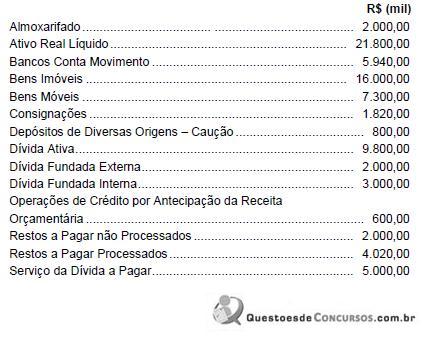
De acordo com a Lei nº 4.320/64, o Ativo Permanente era, em milhares de reais,
De acordo com a Lei nº 4.320/64, o Ativo Permanente era, em milhares de reais,
Q1237422
Matemática
João fez o percurso de Pinhais a Maringá em 5 horas, numa velocidade média de 120 km/h. No percurso de volta, João decidiu diminuir sua velocidade média para 100 km/h. O tempo médio de viagem foi
Q1229263
Português
TEXTO: Igualdade de oportunidades
Se todos os jovens brasileiros tivessem estudado em boas escolas, com as mesmas oportunidades, muitos dos que passaram no vestibular teriam sido desclassificados, perdendo a proteção de escolas especiais desde a infância. É como se houvesse dois caminhos definidos pela renda: um deles leva à universidade, outro não.
Aqueles que têm o privilégio de acessar o caminho da universidade, no final têm que saltar o muro do vestibular, e disputar com companheiros de estrada, usando o próprio talento. Mas os que são empurrados para o outro caminho ficam impedidos de desenvolver seus talentos e de disputar o vestibular, e vão cair na vala comum dos deseducados.
A democracia das oportunidades desiguais é injusta e estúpida. Injusta porque usa seus recursos para atender diferentemente aos seus membros; estúpida porque desperdiça o seu potencial, excluindo e desestimulando talentos. A riqueza intelectual da universidade fica prejudicada pela exclusão de talentos não desenvolvidos e pela acomodação diante da falta de concorrência entre todos.
Diferentemente da universidade, que faz parte da democracia das oportunidades desiguais, o futebol é uma atividade de oportunidades iguais. Desde cedo, toda e qualquer criança das cidades brasileiras, desde que alimentada, tem chances iguais de brincar com a bola em campos improvisados. (...)
O futebol é o setor das oportunidades iguais, por isso é eficiente (o Brasil tem tantos craques e nenhum Prêmio Nobel), e justo (o Brasil tem “tantos” craques de origem pobre e tão poucos pobres entre os cientistas).
Não brincando com livros, computadores, sem escolas nem professores valorizados, formados e dedicados, a imensa maioria de nossas crianças fica sem oportunidades, sem possibilidade de desenvolver seu potencial.
Nossos Prêmios Nobel morreram sem saber ler, sem aprender matemática. E sem participar do democrático campeonato de talento e das oportunidades iguais. A democracia se diferencia da loteria porque esta só pode beneficiar a poucos, nunca a todos, e depende da sorte, não do mérito. A democracia é o regime das oportunidades iguais. E a escola é o ninho onde se constrói a democracia, oferecendo oportunidades iguais a todos. (Cristovam Buarque. http://www.brazil-brasil.com/ fragmento)
O sentido original do texto e a correção gramatical serão mantidos se substituirmos:
Se todos os jovens brasileiros tivessem estudado em boas escolas, com as mesmas oportunidades, muitos dos que passaram no vestibular teriam sido desclassificados, perdendo a proteção de escolas especiais desde a infância. É como se houvesse dois caminhos definidos pela renda: um deles leva à universidade, outro não.
Aqueles que têm o privilégio de acessar o caminho da universidade, no final têm que saltar o muro do vestibular, e disputar com companheiros de estrada, usando o próprio talento. Mas os que são empurrados para o outro caminho ficam impedidos de desenvolver seus talentos e de disputar o vestibular, e vão cair na vala comum dos deseducados.
A democracia das oportunidades desiguais é injusta e estúpida. Injusta porque usa seus recursos para atender diferentemente aos seus membros; estúpida porque desperdiça o seu potencial, excluindo e desestimulando talentos. A riqueza intelectual da universidade fica prejudicada pela exclusão de talentos não desenvolvidos e pela acomodação diante da falta de concorrência entre todos.
Diferentemente da universidade, que faz parte da democracia das oportunidades desiguais, o futebol é uma atividade de oportunidades iguais. Desde cedo, toda e qualquer criança das cidades brasileiras, desde que alimentada, tem chances iguais de brincar com a bola em campos improvisados. (...)
O futebol é o setor das oportunidades iguais, por isso é eficiente (o Brasil tem tantos craques e nenhum Prêmio Nobel), e justo (o Brasil tem “tantos” craques de origem pobre e tão poucos pobres entre os cientistas).
Não brincando com livros, computadores, sem escolas nem professores valorizados, formados e dedicados, a imensa maioria de nossas crianças fica sem oportunidades, sem possibilidade de desenvolver seu potencial.
Nossos Prêmios Nobel morreram sem saber ler, sem aprender matemática. E sem participar do democrático campeonato de talento e das oportunidades iguais. A democracia se diferencia da loteria porque esta só pode beneficiar a poucos, nunca a todos, e depende da sorte, não do mérito. A democracia é o regime das oportunidades iguais. E a escola é o ninho onde se constrói a democracia, oferecendo oportunidades iguais a todos. (Cristovam Buarque. http://www.brazil-brasil.com/ fragmento)
O sentido original do texto e a correção gramatical serão mantidos se substituirmos:
Q1229128
Português
TEXTO: Igualdade de oportunidades
Se todos os jovens brasileiros tivessem estudado em boas escolas, com as mesmas oportunidades, muitos dos que passaram no vestibular teriam sido desclassificados, perdendo a proteção de escolas especiais desde a infância. É como se houvesse dois caminhos definidos pela renda: um deles leva à universidade, outro não.
Aqueles que têm o privilégio de acessar o caminho da universidade, no final têm que saltar o muro do vestibular, e disputar com companheiros de estrada, usando o próprio talento. Mas os que são empurrados para o outro caminho ficam impedidos de desenvolver seus talentos e de disputar o vestibular, e vão cair na vala comum dos deseducados.
A democracia das oportunidades desiguais é injusta e estúpida. Injusta porque usa seus recursos para atender diferentemente aos seus membros; estúpida porque desperdiça o seu potencial, excluindo e desestimulando talentos. A riqueza intelectual da universidade fica prejudicada pela exclusão de talentos não desenvolvidos e pela acomodação diante da falta de concorrência entre todos.
Diferentemente da universidade, que faz parte da democracia das oportunidades desiguais, o futebol é uma atividade de oportunidades iguais. Desde cedo, toda e qualquer criança das cidades brasileiras, desde que alimentada, tem chances iguais de brincar com a bola em campos improvisados. (...)
O futebol é o setor das oportunidades iguais, por isso é eficiente (o Brasil tem tantos craques e nenhum Prêmio Nobel), e justo (o Brasil tem “tantos” craques de origem pobre e tão poucos pobres entre os cientistas).
Não brincando com livros, computadores, sem escolas nem professores valorizados, formados e dedicados, a imensa maioria de nossas crianças fica sem oportunidades, sem possibilidade de desenvolver seu potencial.
Nossos Prêmios Nobel morreram sem saber ler, sem aprender matemática. E sem participar do democrático campeonato de talento e das oportunidades iguais. A democracia se diferencia da loteria porque esta só pode beneficiar a poucos, nunca a todos, e depende da sorte, não do mérito. A democracia é o regime das oportunidades iguais. E a escola é o ninho onde se constrói a democracia, oferecendo oportunidades iguais a todos.
(Cristovam Buarque. http://www.brazil-brasil.com/ fragmento)
A correção gramatical do texto será mantida caso se substitua o trecho “onde se constrói a democracia” por:
Se todos os jovens brasileiros tivessem estudado em boas escolas, com as mesmas oportunidades, muitos dos que passaram no vestibular teriam sido desclassificados, perdendo a proteção de escolas especiais desde a infância. É como se houvesse dois caminhos definidos pela renda: um deles leva à universidade, outro não.
Aqueles que têm o privilégio de acessar o caminho da universidade, no final têm que saltar o muro do vestibular, e disputar com companheiros de estrada, usando o próprio talento. Mas os que são empurrados para o outro caminho ficam impedidos de desenvolver seus talentos e de disputar o vestibular, e vão cair na vala comum dos deseducados.
A democracia das oportunidades desiguais é injusta e estúpida. Injusta porque usa seus recursos para atender diferentemente aos seus membros; estúpida porque desperdiça o seu potencial, excluindo e desestimulando talentos. A riqueza intelectual da universidade fica prejudicada pela exclusão de talentos não desenvolvidos e pela acomodação diante da falta de concorrência entre todos.
Diferentemente da universidade, que faz parte da democracia das oportunidades desiguais, o futebol é uma atividade de oportunidades iguais. Desde cedo, toda e qualquer criança das cidades brasileiras, desde que alimentada, tem chances iguais de brincar com a bola em campos improvisados. (...)
O futebol é o setor das oportunidades iguais, por isso é eficiente (o Brasil tem tantos craques e nenhum Prêmio Nobel), e justo (o Brasil tem “tantos” craques de origem pobre e tão poucos pobres entre os cientistas).
Não brincando com livros, computadores, sem escolas nem professores valorizados, formados e dedicados, a imensa maioria de nossas crianças fica sem oportunidades, sem possibilidade de desenvolver seu potencial.
Nossos Prêmios Nobel morreram sem saber ler, sem aprender matemática. E sem participar do democrático campeonato de talento e das oportunidades iguais. A democracia se diferencia da loteria porque esta só pode beneficiar a poucos, nunca a todos, e depende da sorte, não do mérito. A democracia é o regime das oportunidades iguais. E a escola é o ninho onde se constrói a democracia, oferecendo oportunidades iguais a todos.
(Cristovam Buarque. http://www.brazil-brasil.com/ fragmento)
A correção gramatical do texto será mantida caso se substitua o trecho “onde se constrói a democracia” por:
Q1229116
Português
TEXTO: Igualdade de oportunidades
Se todos os jovens brasileiros tivessem estudado em boas escolas, com as mesmas oportunidades, muitos dos que passaram no vestibular teriam sido desclassificados, perdendo a proteção de escolas especiais desde a infância. É como se houvesse dois caminhos definidos pela renda: um deles leva à universidade, outro não.
Aqueles que têm o privilégio de acessar o caminho da universidade, no final têm que saltar o muro do vestibular, e disputar com companheiros de estrada, usando o próprio talento. Mas os que são empurrados para o outro caminho ficam impedidos de desenvolver seus talentos e de disputar o vestibular, e vão cair na vala comum dos deseducados.
A democracia das oportunidades desiguais é injusta e estúpida. Injusta porque usa seus recursos para atender diferentemente aos seus membros; estúpida porque desperdiça o seu potencial, excluindo e desestimulando talentos. A riqueza intelectual da universidade fica prejudicada pela exclusão de talentos não desenvolvidos e pela acomodação diante da falta de concorrência entre todos.
Diferentemente da universidade, que faz parte da democracia das oportunidades desiguais, o futebol é uma atividade de oportunidades iguais. Desde cedo, toda e qualquer criança das cidades brasileiras, desde que alimentada, tem chances iguais de brincar com a bola em campos improvisados. (...)
O futebol é o setor das oportunidades iguais, por isso é eficiente (o Brasil tem tantos craques e nenhum Prêmio Nobel), e justo (o Brasil tem “tantos” craques de origem pobre e tão poucos pobres entre os cientistas).
Não brincando com livros, computadores, sem escolas nem professores valorizados, formados e dedicados, a imensa maioria de nossas crianças fica sem oportunidades, sem possibilidade de desenvolver seu potencial.
Nossos Prêmios Nobel morreram sem saber ler, sem aprender matemática. E sem participar do democrático campeonato de talento e das oportunidades iguais. A democracia se diferencia da loteria porque esta só pode beneficiar a poucos, nunca a todos, e depende da sorte, não do mérito. A democracia é o regime das oportunidades iguais. E a escola é o ninho onde se constrói a democracia, oferecendo oportunidades iguais a todos.
(Cristovam Buarque. http://www.brazil-brasil.com/ fragmento)
No trecho “Diferentemente da universidade, que faz parte da democracia das oportunidades desiguais, o futebol é uma atividade de oportunidades iguais”, as vírgulas foram usadas para:
Se todos os jovens brasileiros tivessem estudado em boas escolas, com as mesmas oportunidades, muitos dos que passaram no vestibular teriam sido desclassificados, perdendo a proteção de escolas especiais desde a infância. É como se houvesse dois caminhos definidos pela renda: um deles leva à universidade, outro não.
Aqueles que têm o privilégio de acessar o caminho da universidade, no final têm que saltar o muro do vestibular, e disputar com companheiros de estrada, usando o próprio talento. Mas os que são empurrados para o outro caminho ficam impedidos de desenvolver seus talentos e de disputar o vestibular, e vão cair na vala comum dos deseducados.
A democracia das oportunidades desiguais é injusta e estúpida. Injusta porque usa seus recursos para atender diferentemente aos seus membros; estúpida porque desperdiça o seu potencial, excluindo e desestimulando talentos. A riqueza intelectual da universidade fica prejudicada pela exclusão de talentos não desenvolvidos e pela acomodação diante da falta de concorrência entre todos.
Diferentemente da universidade, que faz parte da democracia das oportunidades desiguais, o futebol é uma atividade de oportunidades iguais. Desde cedo, toda e qualquer criança das cidades brasileiras, desde que alimentada, tem chances iguais de brincar com a bola em campos improvisados. (...)
O futebol é o setor das oportunidades iguais, por isso é eficiente (o Brasil tem tantos craques e nenhum Prêmio Nobel), e justo (o Brasil tem “tantos” craques de origem pobre e tão poucos pobres entre os cientistas).
Não brincando com livros, computadores, sem escolas nem professores valorizados, formados e dedicados, a imensa maioria de nossas crianças fica sem oportunidades, sem possibilidade de desenvolver seu potencial.
Nossos Prêmios Nobel morreram sem saber ler, sem aprender matemática. E sem participar do democrático campeonato de talento e das oportunidades iguais. A democracia se diferencia da loteria porque esta só pode beneficiar a poucos, nunca a todos, e depende da sorte, não do mérito. A democracia é o regime das oportunidades iguais. E a escola é o ninho onde se constrói a democracia, oferecendo oportunidades iguais a todos.
(Cristovam Buarque. http://www.brazil-brasil.com/ fragmento)
No trecho “Diferentemente da universidade, que faz parte da democracia das oportunidades desiguais, o futebol é uma atividade de oportunidades iguais”, as vírgulas foram usadas para:
Q1209811
Raciocínio Lógico
Seja K um número natural. Marque a alternativa verdadeira:

 Conheça nossos planos