Questões de Concurso
Para cemig - mg
Foram encontradas 1.765 questões
Resolva questões gratuitamente!
Junte-se a mais de 4 milhões de concurseiros!


I. As subestações podem ser abrigadas ao tempo. Quanto à sua posição em relação ao solo, podem ser instaladas na superfície, abaixo da superfície do solo ou acima da superfície do solo.
II. As subestações podem ou não ser parte integrante de outras edificações.
III. As subestações devem ter características de construção definitiva, ser de materiais incombustíveis e de estabilidade adequada.
Pela Norma Regulamentadora 14039 (ABNT), é CORRETO o que se afirma em:
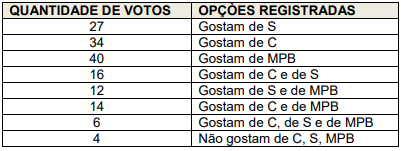
Considerando os dados dessa tabela, é CORRETO afirmar que:
Texto II
Razões da pós-modernidade
Carlos Alberto Sanches, professor, perito e consultor em Redação – [31/03/2014 - 21h06]
Foi nos anos 60 que surgiu o que se chama de “pós-modernidade”, na abalizada opinião de Frederic Jameson, como “uma lógica cultural” do capitalismo tardio, filho bastardo do liberalismo dos séculos 18 e 19. O tema é controverso, 28 pois está associado a uma discussão sobre sua emergência funesta no pós-guerra. É que ocorre nesse período um profundo desencanto no homem contemporâneo, especialmente no que toca à diluição e abalo de seus valores axiológicos, como verdade, razão, legitimidade, universalidade, sujeito e progresso etc. Os sonhos se esvaneceram, juntamente com os valores e alicerces da vida: a “estética”, a “ética” e a “ciência”, e as repercussões que isso provocou na produção cultural: literatura, arte, filosofia, arquitetura, economia, moral etc.
Há, sem dúvida, uma crise cultural que desemboca, talvez, em uma crise de modernidade. Ou a constatação de que, rompida a modernidade, destroçada por guerras devastadoras, produto da “gaia ciência” libertadora, leva a outra ruptura: morreu a pós-modernidade e deixou órfã a cultura contemporânea?
Seria o caso de se falar em posteridade na pós-modernidade? Max Weber, já no início do século 19, menciona a chegada da modernidade trocada pela “racionalização intelectualista”, que produz o “desencanto do mundo”. Habermas o reinterpreta, dizendo que a civilização se desagrega, especialmente no que toca aos conceitos da verdade, da coerência das leis, da autenticidade do belo, ou seja, como questões de conhecimento...
Jean Francois Lyotard, em seu livro A condição pós-moderna, de 1979, enfoca a legitimação do conhecimento na cultura contemporânea. Para ele, “o pós-moderno enquanto condição de cultura, nesta era pós-industrial, é marcado pela incredulidade face ao metadiscurso filosófico – metafísico, com suas pretensões atemporais e universalizantes”. É como se disséssemos, fazendo coro, mais tarde, com John Lennon, que “o sonho acabou” (ego trip). A razão, como ponto nevrálgico da cultura moderna, não leva a nada, a não ser à certeza de que o racionalismo iluminista, que vai entronizar a ciência como uma mola propulsora para a criação de uma sociedade justa, valorizadora do indivíduo, vai apenas produzir o desencanto, via progresso e com as suas descobertas, cantadas em prosa e verso, que nos deixaram um legado brutal: as grandes tragédias do século 20: guerras atrozes, a bomba atômica, crise ecológica, a corrida armamentista...
A frustração é enorme, porque o iluminismo afirmara que somente as luzes da razão poderiam colocar o homem como gerador de sua história. Mas tudo não passou de um sonho, um sonho de verão (parodiando Shakespeare). Habermas coloca nessa época, o século 18, o gatilho que vai acionar essa desilusão da pós-modernidade. A ciência prometia dar segurança ao homem e lhe deu mais desgraças. Entendamos aqui também a racionalidade (o primado da razão cartesiana) 29 como cúmplice dessa falcatrua da modernidade e, portanto, da atual pós-modernidade.
O mesmo filósofo fala em “desastre da modernidade”, um tipo de doença que produziu uma patologia social chamada de “império da ciência”, despótico e tirânico, que “digere” as esferas estético-expressivas e as religiosas-morais. Harvey põe o dedo na ferida ao dizer que o projeto do Iluminismo já era, na origem, uma “patranha”, na medida em que disparava um discurso redentor para o homem com as luzes da razão, em troca da lenta e gradual perda de sua liberdade.
A partir dos anos 50 e, ocorrido agora o definitivo desencanto com a ciência e suas tragédias (algumas delas), pode-se falar em um processo de sua desaceleração. O nosso futuro virou uma incerteza. A razão, além de não nos responder às grandes questões que prometeu responder, engendra novas e terríveis perguntas, que chegam até hoje, vagando sobre a incerteza de nossos precários destinos. Eu falaria, metaforicamente, do homem moderno acorrentado (o Prometeu) ao consumo desenfreado de coisas (res) para compensar suas frustrações e angústias. A vida se tornou absurda e difícil de ser vivida, face a esse “mal-estar” do homem ocidental. Daí surgem as grandes doenças psicossociais de hoje: a frustração, o relativismo e o niilismo, cujas sementes já estavam no bojo do Iluminismo, a face sinistra de sua moeda. Não há mais nenhuma certeza, porque a razão não foi capaz de dar ao homem alguns dos mais gratos dos bens: sua segurança e bem-estar. Não há mais certezas, apenas a percepção de que é preciso repensar criticamente a ciência, que nunca nos ofereceu um caminho para a felicidade, o que provoca um forte movimento de busca de liberdade. O mundo está sem ordem e valores, como disse Dostoievski: “Se Deus não existe, tudo é permitido”.
A incerteza do mundo moderno e a impossibilidade de organizar nossas vidas levam Giddens a dizer que “não há nada de misterioso no surgimento dos fundamentalismos, a radicalização para as angústias do homem”. Restou-nos o refúgio nos grandes espetáculos, como os do Coliseu antigo: o pão e o circo, para preencher o vazio da vida.
Na sua esteira de satanização social, o capitalismo engendra, então, a sociedade de consumo, para levar o cidadão ao ópio do consumo (esquecer-se das desilusões) nas “estações orbitais” dos shoppings, ou templos das compras, onde os bens nos consomem e a produção, sempre crescente, implica a criação em massa (ou em série) de novos consumidores. Temos uma parafernália de bens, mas são em sua maioria coisas inúteis, que a razão / ciência nos deu; mas, em troca, sofremos dos males do século, entre eles a elisão de nossa individualidade. 30 Foi uma troca desvantajosa. É o que Campbell chama do sonho que gera o “signomercadoria”, que nos remete ao antigo sonho do Romantismo, da realização dos ideais.
Trocamos o orgasmo reprodutor instintivo pelo prazer lúdico-frenético de consumir, sem saber que somos consumidos. Gememos de prazer ao comprar, mas choramos de dor face à nossa solidão, cercados pela panaceia da ciência e da razão, que nos entope de placebos, mas não de remédios para a cura dos males dessa longínqua luz racional, que se acende lá no Iluminismo e que vem, sob outras formas, até hoje. A televisão nos anestesia com a estética da imagem. Para Baudrillard, ela é o nosso mundo, como o mundo saído da tela do grande filme O Vidiota (o alienado no mundo virtual da tevê), cujo magistral intérprete foi Peter Sellers.
Enquanto nos deleitamos com essa vida esquizofrênica e lúdica, deixamos
no caixa do capitalismo tardio (iluminista / racional) o nosso mais precioso bem: a
individualidade. Só nos sobrou a estética, segundo Jameson, ou a “colonização
pela estética” que afeta diferentes aspectos da cultura, como a estética, a ética, a
teórica, além da moral política.
A pós-modernidade talvez seja uma reação a esse quadro desolador. Bauman fala em pós-modernidade como a forma atual da modernidade longínqua. Já Giddens fala em modernidade tardia ou “modernidade radicalizada”: a cultura atual. Por certo que a atual discussão sobre o pós-moderno implica um processo de revisão e questionamento desse estado de coisas, em que o homem não passa de um res nulius, como as matronas romanas.
A cultura moderna, ou pós-modernista, não tem uma razão para produzir sua autocrítica, mas muitas razões, devido à sua prolongada irracionalidade do “modo de vida global”, segundo Jameson. O que se pode dizer é que não há uma razão, mas muitas razões para reordenar criticamente os descaminhos da pós-modernidade, sem esquecermos que a irracionalidade continua nos rondando.
http://www.gazetadopovo.com.br/opiniao/artigos/razoes-da-pos-modernidade-8bs4bc7sv5e06z8trfk0pv80e. Acesso em 21/01/18.
Texto I
Do moderno ao pós-moderno
Frei Betto / 14/05/2017 - 06h00
Texto II
Razões da pós-modernidade
Carlos Alberto Sanches, professor, perito e consultor em Redação – [31/03/2014 - 21h06]
Foi nos anos 60 que surgiu o que se chama de “pós-modernidade”, na abalizada opinião de Frederic Jameson, como “uma lógica cultural” do capitalismo tardio, filho bastardo do liberalismo dos séculos 18 e 19. O tema é controverso, 28 pois está associado a uma discussão sobre sua emergência funesta no pós-guerra. É que ocorre nesse período um profundo desencanto no homem contemporâneo, especialmente no que toca à diluição e abalo de seus valores axiológicos, como verdade, razão, legitimidade, universalidade, sujeito e progresso etc. Os sonhos se esvaneceram, juntamente com os valores e alicerces da vida: a “estética”, a “ética” e a “ciência”, e as repercussões que isso provocou na produção cultural: literatura, arte, filosofia, arquitetura, economia, moral etc.
Há, sem dúvida, uma crise cultural que desemboca, talvez, em uma crise de modernidade. Ou a constatação de que, rompida a modernidade, destroçada por guerras devastadoras, produto da “gaia ciência” libertadora, leva a outra ruptura: morreu a pós-modernidade e deixou órfã a cultura contemporânea?
Seria o caso de se falar em posteridade na pós-modernidade? Max Weber, já no início do século 19, menciona a chegada da modernidade trocada pela “racionalização intelectualista”, que produz o “desencanto do mundo”. Habermas o reinterpreta, dizendo que a civilização se desagrega, especialmente no que toca aos conceitos da verdade, da coerência das leis, da autenticidade do belo, ou seja, como questões de conhecimento...
Jean Francois Lyotard, em seu livro A condição pós-moderna, de 1979, enfoca a legitimação do conhecimento na cultura contemporânea. Para ele, “o pós-moderno enquanto condição de cultura, nesta era pós-industrial, é marcado pela incredulidade face ao metadiscurso filosófico – metafísico, com suas pretensões atemporais e universalizantes”. É como se disséssemos, fazendo coro, mais tarde, com John Lennon, que “o sonho acabou” (ego trip). A razão, como ponto nevrálgico da cultura moderna, não leva a nada, a não ser à certeza de que o racionalismo iluminista, que vai entronizar a ciência como uma mola propulsora para a criação de uma sociedade justa, valorizadora do indivíduo, vai apenas produzir o desencanto, via progresso e com as suas descobertas, cantadas em prosa e verso, que nos deixaram um legado brutal: as grandes tragédias do século 20: guerras atrozes, a bomba atômica, crise ecológica, a corrida armamentista...
A frustração é enorme, porque o iluminismo afirmara que somente as luzes da razão poderiam colocar o homem como gerador de sua história. Mas tudo não passou de um sonho, um sonho de verão (parodiando Shakespeare). Habermas coloca nessa época, o século 18, o gatilho que vai acionar essa desilusão da pós-modernidade. A ciência prometia dar segurança ao homem e lhe deu mais desgraças. Entendamos aqui também a racionalidade (o primado da razão cartesiana) 29 como cúmplice dessa falcatrua da modernidade e, portanto, da atual pós-modernidade.
O mesmo filósofo fala em “desastre da modernidade”, um tipo de doença que produziu uma patologia social chamada de “império da ciência”, despótico e tirânico, que “digere” as esferas estético-expressivas e as religiosas-morais. Harvey põe o dedo na ferida ao dizer que o projeto do Iluminismo já era, na origem, uma “patranha”, na medida em que disparava um discurso redentor para o homem com as luzes da razão, em troca da lenta e gradual perda de sua liberdade.
A partir dos anos 50 e, ocorrido agora o definitivo desencanto com a ciência e suas tragédias (algumas delas), pode-se falar em um processo de sua desaceleração. O nosso futuro virou uma incerteza. A razão, além de não nos responder às grandes questões que prometeu responder, engendra novas e terríveis perguntas, que chegam até hoje, vagando sobre a incerteza de nossos precários destinos. Eu falaria, metaforicamente, do homem moderno acorrentado (o Prometeu) ao consumo desenfreado de coisas (res) para compensar suas frustrações e angústias. A vida se tornou absurda e difícil de ser vivida, face a esse “mal-estar” do homem ocidental. Daí surgem as grandes doenças psicossociais de hoje: a frustração, o relativismo e o niilismo, cujas sementes já estavam no bojo do Iluminismo, a face sinistra de sua moeda. Não há mais nenhuma certeza, porque a razão não foi capaz de dar ao homem alguns dos mais gratos dos bens: sua segurança e bem-estar. Não há mais certezas, apenas a percepção de que é preciso repensar criticamente a ciência, que nunca nos ofereceu um caminho para a felicidade, o que provoca um forte movimento de busca de liberdade. O mundo está sem ordem e valores, como disse Dostoievski: “Se Deus não existe, tudo é permitido”.
A incerteza do mundo moderno e a impossibilidade de organizar nossas vidas levam Giddens a dizer que “não há nada de misterioso no surgimento dos fundamentalismos, a radicalização para as angústias do homem”. Restou-nos o refúgio nos grandes espetáculos, como os do Coliseu antigo: o pão e o circo, para preencher o vazio da vida.
Na sua esteira de satanização social, o capitalismo engendra, então, a sociedade de consumo, para levar o cidadão ao ópio do consumo (esquecer-se das desilusões) nas “estações orbitais” dos shoppings, ou templos das compras, onde os bens nos consomem e a produção, sempre crescente, implica a criação em massa (ou em série) de novos consumidores. Temos uma parafernália de bens, mas são em sua maioria coisas inúteis, que a razão / ciência nos deu; mas, em troca, sofremos dos males do século, entre eles a elisão de nossa individualidade. 30 Foi uma troca desvantajosa. É o que Campbell chama do sonho que gera o “signomercadoria”, que nos remete ao antigo sonho do Romantismo, da realização dos ideais.
Trocamos o orgasmo reprodutor instintivo pelo prazer lúdico-frenético de consumir, sem saber que somos consumidos. Gememos de prazer ao comprar, mas choramos de dor face à nossa solidão, cercados pela panaceia da ciência e da razão, que nos entope de placebos, mas não de remédios para a cura dos males dessa longínqua luz racional, que se acende lá no Iluminismo e que vem, sob outras formas, até hoje. A televisão nos anestesia com a estética da imagem. Para Baudrillard, ela é o nosso mundo, como o mundo saído da tela do grande filme O Vidiota (o alienado no mundo virtual da tevê), cujo magistral intérprete foi Peter Sellers.
Enquanto nos deleitamos com essa vida esquizofrênica e lúdica, deixamos no caixa do capitalismo tardio (iluminista / racional) o nosso mais precioso bem: a individualidade. Só nos sobrou a estética, segundo Jameson, ou a “colonização pela estética” que afeta diferentes aspectos da cultura, como a estética, a ética, a teórica, além da moral política.
A pós-modernidade talvez seja uma reação a esse quadro desolador. Bauman fala em pós-modernidade como a forma atual da modernidade longínqua. Já Giddens fala em modernidade tardia ou “modernidade radicalizada”: a cultura atual. Por certo que a atual discussão sobre o pós-moderno implica um processo de revisão e questionamento desse estado de coisas, em que o homem não passa de um res nulius, como as matronas romanas.
A cultura moderna, ou pós-modernista, não tem uma razão para produzir sua autocrítica, mas muitas razões, devido à sua prolongada irracionalidade do “modo de vida global”, segundo Jameson. O que se pode dizer é que não há uma razão, mas muitas razões para reordenar criticamente os descaminhos da pós-modernidade, sem esquecermos que a irracionalidade continua nos rondando.
http://www.gazetadopovo.com.br/opiniao/artigos/razoes-da-pos-modernidade-8bs4bc7sv5e06z8trfk0pv80e. Acesso em 21/01/18.
O SAP Customer Care and Services (CCS) é responsável por mapear os processos comerciais de uma empresa que gerencia Eletricidade, Gás, Água ou Resíduos. São Módulos do CCS:
I – Gerenciamento de Dispositivos (DM).
II – Faturamento (Billing).
III – Gerenciamento da Manutenção (PM).
IV – Serviços ao Cliente (CS).
Estão CORRETAS apenas as afirmativas:
São características do SAP MM (Material Management):
I. Fazer uma requisição de compras de uma mercadoria qualquer.
II. Realizar a venda e a distribuição de produtos.
III. Transformar uma requisição de compras em um pedido de compras.
IV. Atualizar o estoque com a entrada de novas mercadorias.
Está CORRETO apenas o que se afirma em:
Cada módulo do SAP ERP é responsável por executar mais de mil processos de negócios, baseados nas práticas diárias de cada organização. Sobre alguns dos módulos SAP ERP e sua descrição resumida, correlacione as colunas a seguir:
Módulos
I. SD
II. MM
III. FI
IV. HR
V. PS
Descrição Descrição
( ) Monitoramento de Suprimentos e Estoque
( ) Monitoramento de Vendas e Distribuição
( ) Monitoramento do Ciclo de Vida dos Projetos
( ) Monitoramento da Contabilidade Financeira
( ) Monitoramento de Recursos Humanos
Está CORRETA a seguinte sequência de respostas:
Analise as afirmativas abaixo sobre as ferramentas da área de conhecimento “Gerenciamento da Qualidade do Projeto”, de acordo com o PMBOK 5ª Edição.
I. Amostragem estatística tem como objetivo analisar todos os indivíduos de uma população para chegar a conclusões sobre toda a população.
II. Análise das solicitações de mudança aprovadas tem como objetivo fazer uma revisão para garantir que todas as mudanças aprovadas foram implementadas.
III. Análise de custo-benefício leva em consideração o menor retrabalho, a maior produtividade, custos mais baixos, aumento da satisfação das partes interessadas e aumento de lucratividade.
Está CORRETO apenas o que se afirma em:
Considere que um projeto tenha:
• “Orçamento no Término” (ONT): 120
• “Índice de Desempenho de Custos” (IDC): 0,80
• “Índice de Desempenho de Prazos” (IDP): 1,20
Qual é a “Estimativa no Término” (ENT) desse projeto?
Analise as afirmativas abaixo sobre as abordagens e estratégias de testes de software.
I. Teste de fumaça pode ser caracterizado como uma estratégia de integração constante, em ambiente de produção, para avaliar os mecanismos de proteção e segurança do software construído.
II. Teste de regressão consiste em executar novamente algum subconjunto de testes que já foram conduzidos para garantir que as modificações do software não propagaram efeitos colaterais indesejáveis.
III. Teste de estresse tem o objetivo de submeter o sistema a situações anormais como, por exemplo, uma carga de trabalho excessiva.
Está CORRETO o que se afirma em:
Em relação aos protocolos TCP e UDP da camada de transporte, julgue os itens a seguir, marcando com (V) a assertiva verdadeira e com (F) a assertiva falsa.
( ) TCP controla a velocidade de escrita do emissor e leitura do receptor.
( ) UDP trata internamente a quebra de mensagens.
( ) TCP trata duplicidade e ordenação das mensagens.
( ) UDP faz retransmissão de mensagens não confirmadas pelo receptor.
A sequência CORRETA, de cima para baixo, é:
Analise as afirmativas abaixo sobre a estrutura de aplicações Android.
I. Uma “Atividade” (Activity) corresponde a uma unidade de interação do usuário ou uma unidade de execução.
II. Um “Intento” (Intent) representa uma descrição abstrata de uma operação que uma atividade requer que outra desempenhe.
III. Uma “Tarefa” (Task) representa uma cadeia de atividades que podem se estender por mais de um aplicativo.
Estão CORRETAS as afirmativas:
Em relação às tecnologias de desenvolvimento para Web, correlacione as colunas a seguir considerando a definição mais adequada:
Tecnologia
I. JSON
II. XSTL
III. XHTML
IV. jQuery
Definição
( ) Linguagem que combina tags HTML com regras XML.
( ) Linguagem para definição de folhas de estilo para apresentação de documentos XML nos navegadores.
( ) Biblioteca de funções JavaScript que torna o desenvolvimento Web mais simples e mais produtivo.
( ) Padrão para transporte de dados em aplicações Web, podendo substituir o XML.
Está CORRETA a seguinte sequência de respostas:
Analise o seguinte código escrito na linguagem Java:
public class CalculoRecursivo {
public long calculo(long numero){
if (numero <= 1) return 1;
else return numero * calculo(numero - 1);
}
public void exibeCalculo() {
for (int i = 0; i <= 5; i++)
System.out.printf("Posição [%d]: %d\n", i,
calculo(i));
}
public static void main(String[] args) {
CalculoRecursivo c = new CalculoRecursivo();
c.exibeCalculo();
}
}
ssinale o conteúdo o que será exibido na última linha da saída do programa:

 Conheça nossos planos