Foram encontradas 2.286 questões
Resolva questões gratuitamente!
Junte-se a mais de 4 milhões de concurseiros!


O texto seguinte servirá de base para responder à questão.
Vianden Castle History
(1º§) The rocky outcrop above the modern town of Vianden was first fortified in late antiquity. Excavations at the foot of the castle chapel in 1994 led to the discovery that parts of the crumbling masonry of the Late Antique tower must have existed in Merovingian times and that this square building, the only surviving structure from the period known as Late Antiquity, was incorporated into the first medieval castle.
(2º§) The first fortification was built at the beginning of Late Antiquity on the castle hill at an ancient crossroads, where a branch of the great Roman road Reims-Cologne through the Ardennes and the valley of Our led to the valley of the Sauer and through Echternach to Bitburg and Trier, at that time a thriving metropolis.
(3º§) After the Vianden fort was abandoned around 430/440 AD, the Roman Tower seems to have been sufficiently usable to remain a decisive element in the subsequent periods of castle building up to the High Middle Ages.
(4º§) The first medieval fortification was erected on the rocky spur overlooking Vianden around the year 1000. The main part of this fortification consisted of an oval ring wall. This defensive wall, meticulously reinforced with small slabs of slate, was exactly one meter wide. As with the ancient wall, this special construction technique allowed archaeologists to retrace it virtually its entire length. The old late antique moat also remained in use during this period. The entire inner surface of the fortification was leveled by filling the lower defensive wall with stones and earth. This complex also included a hall, used for administrative purposes, and a chapel, which was installed in the remains of the late antique tower.
(5º§) Vianden Castle was extensively rebuilt around 1170. The remains of the wooden scaffolding found in the new residential tower made it possible to determine the date of construction using the three-ring dating technique.
(6º§) Important architectural contributions were made, in Gothic style, between the 13th and 14th centuries by the Counts of Vianden. In 1417 the castle became a possession of the Orange-Nassau family who made changes in the Renaissance style. The castle was long in the possession of the grand-ducal family until it became state property in 1977. After this date, it was restored and shines in its former glory. Today, Vianden Castle is one of the most important architectural monuments in Europe being one of the largest and most beautiful feudal residences of the Romanesque and Gothic periods. In the entrance area there is a modern interactive visitor center.
https://www.histouring.com/en/historical-places/vianden-castle/
O texto seguinte servirá de base para responder à questão.
Vianden Castle History
(1º§) The rocky outcrop above the modern town of Vianden was first fortified in late antiquity. Excavations at the foot of the castle chapel in 1994 led to the discovery that parts of the crumbling masonry of the Late Antique tower must have existed in Merovingian times and that this square building, the only surviving structure from the period known as Late Antiquity, was incorporated into the first medieval castle.
(2º§) The first fortification was built at the beginning of Late Antiquity on the castle hill at an ancient crossroads, where a branch of the great Roman road Reims-Cologne through the Ardennes and the valley of Our led to the valley of the Sauer and through Echternach to Bitburg and Trier, at that time a thriving metropolis.
(3º§) After the Vianden fort was abandoned around 430/440 AD, the Roman Tower seems to have been sufficiently usable to remain a decisive element in the subsequent periods of castle building up to the High Middle Ages.
(4º§) The first medieval fortification was erected on the rocky spur overlooking Vianden around the year 1000. The main part of this fortification consisted of an oval ring wall. This defensive wall, meticulously reinforced with small slabs of slate, was exactly one meter wide. As with the ancient wall, this special construction technique allowed archaeologists to retrace it virtually its entire length. The old late antique moat also remained in use during this period. The entire inner surface of the fortification was leveled by filling the lower defensive wall with stones and earth. This complex also included a hall, used for administrative purposes, and a chapel, which was installed in the remains of the late antique tower.
(5º§) Vianden Castle was extensively rebuilt around 1170. The remains of the wooden scaffolding found in the new residential tower made it possible to determine the date of construction using the three-ring dating technique.
(6º§) Important architectural contributions were made, in Gothic style, between the 13th and 14th centuries by the Counts of Vianden. In 1417 the castle became a possession of the Orange-Nassau family who made changes in the Renaissance style. The castle was long in the possession of the grand-ducal family until it became state property in 1977. After this date, it was restored and shines in its former glory. Today, Vianden Castle is one of the most important architectural monuments in Europe being one of the largest and most beautiful feudal residences of the Romanesque and Gothic periods. In the entrance area there is a modern interactive visitor center.
https://www.histouring.com/en/historical-places/vianden-castle/
O texto seguinte servirá de base para responder à questão.
Vianden Castle History
(1º§) The rocky outcrop above the modern town of Vianden was first fortified in late antiquity. Excavations at the foot of the castle chapel in 1994 led to the discovery that parts of the crumbling masonry of the Late Antique tower must have existed in Merovingian times and that this square building, the only surviving structure from the period known as Late Antiquity, was incorporated into the first medieval castle.
(2º§) The first fortification was built at the beginning of Late Antiquity on the castle hill at an ancient crossroads, where a branch of the great Roman road Reims-Cologne through the Ardennes and the valley of Our led to the valley of the Sauer and through Echternach to Bitburg and Trier, at that time a thriving metropolis.
(3º§) After the Vianden fort was abandoned around 430/440 AD, the Roman Tower seems to have been sufficiently usable to remain a decisive element in the subsequent periods of castle building up to the High Middle Ages.
(4º§) The first medieval fortification was erected on the rocky spur overlooking Vianden around the year 1000. The main part of this fortification consisted of an oval ring wall. This defensive wall, meticulously reinforced with small slabs of slate, was exactly one meter wide. As with the ancient wall, this special construction technique allowed archaeologists to retrace it virtually its entire length. The old late antique moat also remained in use during this period. The entire inner surface of the fortification was leveled by filling the lower defensive wall with stones and earth. This complex also included a hall, used for administrative purposes, and a chapel, which was installed in the remains of the late antique tower.
(5º§) Vianden Castle was extensively rebuilt around 1170. The remains of the wooden scaffolding found in the new residential tower made it possible to determine the date of construction using the three-ring dating technique.
(6º§) Important architectural contributions were made, in Gothic style, between the 13th and 14th centuries by the Counts of Vianden. In 1417 the castle became a possession of the Orange-Nassau family who made changes in the Renaissance style. The castle was long in the possession of the grand-ducal family until it became state property in 1977. After this date, it was restored and shines in its former glory. Today, Vianden Castle is one of the most important architectural monuments in Europe being one of the largest and most beautiful feudal residences of the Romanesque and Gothic periods. In the entrance area there is a modern interactive visitor center.
https://www.histouring.com/en/historical-places/vianden-castle/
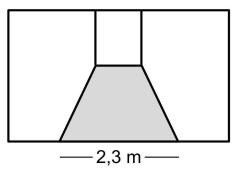 Quanto será pago para fazer esse revestimento?
 Vygotsky foi um dos pioneiros a defender a ideia de que a aprendizagem pode ocorrer por meio da interação com os outros. Por exemplo, uma criança não precisa necessariamente tocar na chama de uma vela para compreender seus efeitos; esse conhecimento pode ser adquirido através do conselho materno. Quando a criança associa a imagem mental da vela ao perigo de queimadura, ocorre um processo de internalização do conhecimento, e ela não mais depende das advertências maternas para evitar acidentes.
Vygotsky ressalta que a interação direta entre indivíduos desempenha um papel crucial no processo de internalização. No ambiente escolar, argumentava que a aquisição de conhecimento não se limita à relação entre alunos e educadores. Ele defendia que a aprendizagem é uma atividade colaborativa e que as interações entre os próprios alunos devem ser valorizadas e incentivadas nas salas de aula.
Fonte: (https://www.inteligenciadevida.com.br/pt/conteudo/pensadores-que-inspiram-vygotsky-e-o-desenvolvimentodas-criancas/.adaptado.)
Com base no texto fornecido sobre as ideias de Vygotsky em relação à aprendizagem e interação social, qual é seu papel crucial para interação entre os indivíduos no processo de conhecimento?
O construtivismo entende o sujeito como um ser que constrói ativamente os seus conhecimentos, protagonista de sua aprendizagem. Emília Ferreiro trouxe essas ideias construtivistas para entender como a criança entende essa relação com a escrita − área que o próprio Piaget não tinha explorado muito.
Fonte: (https://www.cenpec.org.br/noticias/como-emiliaferreiro-revolucionou-a-alfabetizacao.adaptado.)
Com base no texto fornecido sobre a abordagem construtivista de Emília Ferreiro, qual é o principal ponto destacado em relação à aprendizagem das crianças?
Fonte: (https://www.bbc.com/portuguese/articles/c51jkl0y9nlo.adaptado.)
Assinale a opção correta quanto à nova pontuação sem alteração do sentido original da frase.

 Conheça nossos planos