Questões de Concurso
Para prefeitura de conceição do canindé - pi
Foram encontradas 991 questões
Resolva questões gratuitamente!
Junte-se a mais de 4 milhões de concurseiros!


I. Exercer ação supletiva e redistributiva em relação às suas escolas.
II. Assumir o transporte escolar de todas as escolas que funcionam em seu território.
III. Elaborar planos educacionais que abranjam tanto a zona urbana e rural quanto interurbana.
IV. Oferecer o ensino fundamental e, com prioridade, a educação infantil em creches e pré-escolas.
Assinale:
( ) Garantia do direito à educação e à aprendizagem ao longo da vida.
( ) Piso salarial profissional nacional para os profissionais da educação escolar pública, nos termos da constituição estadual.
( ) Gratuidade do ensino público em estabelecimentos oficiais e comunitários.
( ) Igualdade de condições para o acesso e permanência na escola.
A sequência correta do preenchimento dos parênteses, de cima para baixo, é:
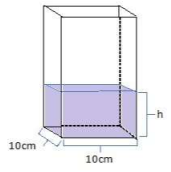
 encontramos: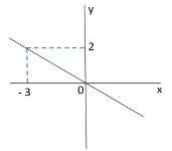
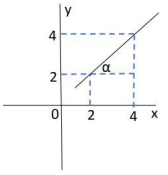
De acordo com a reta “r” no plano cartesiano abaixo, podemos afirmar que o ângulo α é:
Dados: log 2 = 0,30 e log 1,1 = 0,041.
ESTUDO ERRADO (Gabriel O Pensador) Adaptado
1 Atenção pra chamada! Aderbal?
2 Presente!
3 Aninha?
4 Eu!
5 Breno?
6 Aqui!
7 Carol?
8 Presente!
9 Douglas?
10 Alô!
11 Fernandinha?
12 Tô aqui
13 Geraldo?
14 Eu!
15 Itamarzinho?
16 Faltou
17 Juquinha?
18 Eu tô aqui pra quê?
19 Será que é pra aprender?
20 Ou será que é pra sentar, me acomodar e obedecer?
21 Tô tentando passar de ano pro meu pai não me bater
22 Sem recreio de saco cheio porque eu não fiz o dever
23 A professora já tá de marcação porque sempre me pega
24 Disfarçando, espiando, colando toda prova dos colegas
25 E ela esfrega na minha cara um zero bem redondo
26 E quando chega o boletim lá em casa eu me escondo 27 Eu quero jogar botão, videogame, bola de gude
28 Mas meus pais só querem que eu vá pra aula! E estude!
29 Então dessa vez eu vou estudar até decorar cumpádi
30 Pra me dar bem e minha mãe deixar ficar acordado até mais tarde
31 Ou quem sabe aumentar minha mesada
32 Pra eu comprar mais revistinha (do Cascão?)
33 Não. De mulher pelada 34 A diversão é limitada e o meu pai não tem tempo pra nada
35 E a entrada no cinema é censurada (vai pra casa pirralhada!) 36 A rua é perigosa então eu vejo televisão
37 (Tá lá mais um corpo estendido no chão)
38 Na hora do jornal eu desligo porque eu nem sei nem o que é inflação
39 Ué não te ensinaram?
40 Não, a maioria das matérias que eles dão eu acho inútil
41 Em vão, pouco interessantes, eu fico pu
42 Tô cansado de estudar, de madrugar, que sacrilégio (Vai pro colégio!) 43 Então eu fui relendo tudo até a prova começar
44 Voltei louco pra contar
45 Manhê! Tirei um dez na prova
46 Me dei bem, tirei um cem e eu quero ver quem me reprova
47 Decorei toda lição
48 Não errei nenhuma questão
49 Não aprendi nada de bom
50 Mas tirei dez (boa filhão!)
51 Quase tudo que aprendi, amanhã eu já esqueci
52 Decorei, copiei, memorizei, mas não entendi
53 Quase tudo que aprendi, amanhã eu já esqueci
54 Decorei, copiei, memorizei, mas não entendi
55 Decoreba: Esse é o método de ensino
56 Eles me tratam como ameba e assim eu não raciocino
57 Não aprendo as causas e consequências só decoro os fatos
58 Desse jeito até história fica chato
59 Mas os velhos me disseram que o porquê é o segredo
60 Então quando eu num entendo nada, eu levanto o dedo
61 Porque eu quero usar a mente pra ficar inteligente
62 Eu sei que ainda não sou gente grande, mas eu já sou gente
63 E sei que o estudo é uma coisa boa
64 O problema é que sem motivação a gente enjoa
65 O sistema bota um monte de abobrinha no programa...
Extraído de https://www.letras.mus.br/gabriel-pensador/66375/
A Base Nacional Comum Curricular (BNCC) é um documento de caráter X que define o conjunto orgânico e progressivo de aprendizagens Y que todos os alunos devem desenvolver ao longo das etapas e modalidades da Educação Básica, de modo a que tenham assegurados seus direitos de aprendizagem e Z, em conformidade com o que preceitua o Plano Nacional de Educação – PNE (Brasil, 2018, p. 7).
ESTUDO ERRADO (Gabriel O Pensador) Adaptado
1 Atenção pra chamada! Aderbal?
2 Presente!
3 Aninha?
4 Eu!
5 Breno?
6 Aqui!
7 Carol?
8 Presente!
9 Douglas?
10 Alô!
11 Fernandinha?
12 Tô aqui
13 Geraldo?
14 Eu!
15 Itamarzinho?
16 Faltou
17 Juquinha?
18 Eu tô aqui pra quê?
19 Será que é pra aprender?
20 Ou será que é pra sentar, me acomodar e obedecer?
21 Tô tentando passar de ano pro meu pai não me bater
22 Sem recreio de saco cheio porque eu não fiz o dever
23 A professora já tá de marcação porque sempre me pega
24 Disfarçando, espiando, colando toda prova dos colegas
25 E ela esfrega na minha cara um zero bem redondo
26 E quando chega o boletim lá em casa eu me escondo 27 Eu quero jogar botão, videogame, bola de gude
28 Mas meus pais só querem que eu vá pra aula! E estude!
29 Então dessa vez eu vou estudar até decorar cumpádi
30 Pra me dar bem e minha mãe deixar ficar acordado até mais tarde
31 Ou quem sabe aumentar minha mesada
32 Pra eu comprar mais revistinha (do Cascão?)
33 Não. De mulher pelada 34 A diversão é limitada e o meu pai não tem tempo pra nada
35 E a entrada no cinema é censurada (vai pra casa pirralhada!) 36 A rua é perigosa então eu vejo televisão
37 (Tá lá mais um corpo estendido no chão)
38 Na hora do jornal eu desligo porque eu nem sei nem o que é inflação
39 Ué não te ensinaram?
40 Não, a maioria das matérias que eles dão eu acho inútil
41 Em vão, pouco interessantes, eu fico pu
42 Tô cansado de estudar, de madrugar, que sacrilégio (Vai pro colégio!) 43 Então eu fui relendo tudo até a prova começar
44 Voltei louco pra contar
45 Manhê! Tirei um dez na prova
46 Me dei bem, tirei um cem e eu quero ver quem me reprova
47 Decorei toda lição
48 Não errei nenhuma questão
49 Não aprendi nada de bom
50 Mas tirei dez (boa filhão!)
51 Quase tudo que aprendi, amanhã eu já esqueci
52 Decorei, copiei, memorizei, mas não entendi
53 Quase tudo que aprendi, amanhã eu já esqueci
54 Decorei, copiei, memorizei, mas não entendi
55 Decoreba: Esse é o método de ensino
56 Eles me tratam como ameba e assim eu não raciocino
57 Não aprendo as causas e consequências só decoro os fatos
58 Desse jeito até história fica chato
59 Mas os velhos me disseram que o porquê é o segredo
60 Então quando eu num entendo nada, eu levanto o dedo
61 Porque eu quero usar a mente pra ficar inteligente
62 Eu sei que ainda não sou gente grande, mas eu já sou gente
63 E sei que o estudo é uma coisa boa
64 O problema é que sem motivação a gente enjoa
65 O sistema bota um monte de abobrinha no programa...
Extraído de https://www.letras.mus.br/gabriel-pensador/66375/
Importância do planejamento escolar
“O planejamento é um processo de racionalização, organização e coordenação da ação docente, articulando a atividade escolar e a problemática do contexto social. A escola, os professores e os alunos são integrantes da dinâmica das relações sociais; (...)”
LIBÂNEO, José Carlos. Didática. 2.ed. São Paulo: Cortez, 2013. p.246
De acordo com Libâneo há três modalidades de planejamento, articuladas entre si, assinale a opção que contém corretamente estas.
ESTUDO ERRADO (Gabriel O Pensador) Adaptado
1 Atenção pra chamada! Aderbal?
2 Presente!
3 Aninha?
4 Eu!
5 Breno?
6 Aqui!
7 Carol?
8 Presente!
9 Douglas?
10 Alô!
11 Fernandinha?
12 Tô aqui
13 Geraldo?
14 Eu!
15 Itamarzinho?
16 Faltou
17 Juquinha?
18 Eu tô aqui pra quê?
19 Será que é pra aprender?
20 Ou será que é pra sentar, me acomodar e obedecer?
21 Tô tentando passar de ano pro meu pai não me bater
22 Sem recreio de saco cheio porque eu não fiz o dever
23 A professora já tá de marcação porque sempre me pega
24 Disfarçando, espiando, colando toda prova dos colegas
25 E ela esfrega na minha cara um zero bem redondo
26 E quando chega o boletim lá em casa eu me escondo 27 Eu quero jogar botão, videogame, bola de gude
28 Mas meus pais só querem que eu vá pra aula! E estude!
29 Então dessa vez eu vou estudar até decorar cumpádi
30 Pra me dar bem e minha mãe deixar ficar acordado até mais tarde
31 Ou quem sabe aumentar minha mesada
32 Pra eu comprar mais revistinha (do Cascão?)
33 Não. De mulher pelada 34 A diversão é limitada e o meu pai não tem tempo pra nada
35 E a entrada no cinema é censurada (vai pra casa pirralhada!) 36 A rua é perigosa então eu vejo televisão
37 (Tá lá mais um corpo estendido no chão)
38 Na hora do jornal eu desligo porque eu nem sei nem o que é inflação
39 Ué não te ensinaram?
40 Não, a maioria das matérias que eles dão eu acho inútil
41 Em vão, pouco interessantes, eu fico pu
42 Tô cansado de estudar, de madrugar, que sacrilégio (Vai pro colégio!) 43 Então eu fui relendo tudo até a prova começar
44 Voltei louco pra contar
45 Manhê! Tirei um dez na prova
46 Me dei bem, tirei um cem e eu quero ver quem me reprova
47 Decorei toda lição
48 Não errei nenhuma questão
49 Não aprendi nada de bom
50 Mas tirei dez (boa filhão!)
51 Quase tudo que aprendi, amanhã eu já esqueci
52 Decorei, copiei, memorizei, mas não entendi
53 Quase tudo que aprendi, amanhã eu já esqueci
54 Decorei, copiei, memorizei, mas não entendi
55 Decoreba: Esse é o método de ensino
56 Eles me tratam como ameba e assim eu não raciocino
57 Não aprendo as causas e consequências só decoro os fatos
58 Desse jeito até história fica chato
59 Mas os velhos me disseram que o porquê é o segredo
60 Então quando eu num entendo nada, eu levanto o dedo
61 Porque eu quero usar a mente pra ficar inteligente
62 Eu sei que ainda não sou gente grande, mas eu já sou gente
63 E sei que o estudo é uma coisa boa
64 O problema é que sem motivação a gente enjoa
65 O sistema bota um monte de abobrinha no programa...
Extraído de https://www.letras.mus.br/gabriel-pensador/66375/
A avaliação escolar
“A avaliação é uma tarefa didática necessária e permanente do trabalho docente, que deve acompanhar passo a passo o processo de ensino e aprendizagem.
LIBÂNEO, José Carlos. Didática. 2.ed. São Paulo: Cortez, 2013. p.216.
Sobre a importância do processo de avaliação só não é verdadeiro o que se afirma na opção:
ESTUDO ERRADO (Gabriel O Pensador) Adaptado
1 Atenção pra chamada! Aderbal?
2 Presente!
3 Aninha?
4 Eu!
5 Breno?
6 Aqui!
7 Carol?
8 Presente!
9 Douglas?
10 Alô!
11 Fernandinha?
12 Tô aqui
13 Geraldo?
14 Eu!
15 Itamarzinho?
16 Faltou
17 Juquinha?
18 Eu tô aqui pra quê?
19 Será que é pra aprender?
20 Ou será que é pra sentar, me acomodar e obedecer?
21 Tô tentando passar de ano pro meu pai não me bater
22 Sem recreio de saco cheio porque eu não fiz o dever
23 A professora já tá de marcação porque sempre me pega
24 Disfarçando, espiando, colando toda prova dos colegas
25 E ela esfrega na minha cara um zero bem redondo
26 E quando chega o boletim lá em casa eu me escondo 27 Eu quero jogar botão, videogame, bola de gude
28 Mas meus pais só querem que eu vá pra aula! E estude!
29 Então dessa vez eu vou estudar até decorar cumpádi
30 Pra me dar bem e minha mãe deixar ficar acordado até mais tarde
31 Ou quem sabe aumentar minha mesada
32 Pra eu comprar mais revistinha (do Cascão?)
33 Não. De mulher pelada 34 A diversão é limitada e o meu pai não tem tempo pra nada
35 E a entrada no cinema é censurada (vai pra casa pirralhada!) 36 A rua é perigosa então eu vejo televisão
37 (Tá lá mais um corpo estendido no chão)
38 Na hora do jornal eu desligo porque eu nem sei nem o que é inflação
39 Ué não te ensinaram?
40 Não, a maioria das matérias que eles dão eu acho inútil
41 Em vão, pouco interessantes, eu fico pu
42 Tô cansado de estudar, de madrugar, que sacrilégio (Vai pro colégio!) 43 Então eu fui relendo tudo até a prova começar
44 Voltei louco pra contar
45 Manhê! Tirei um dez na prova
46 Me dei bem, tirei um cem e eu quero ver quem me reprova
47 Decorei toda lição
48 Não errei nenhuma questão
49 Não aprendi nada de bom
50 Mas tirei dez (boa filhão!)
51 Quase tudo que aprendi, amanhã eu já esqueci
52 Decorei, copiei, memorizei, mas não entendi
53 Quase tudo que aprendi, amanhã eu já esqueci
54 Decorei, copiei, memorizei, mas não entendi
55 Decoreba: Esse é o método de ensino
56 Eles me tratam como ameba e assim eu não raciocino
57 Não aprendo as causas e consequências só decoro os fatos
58 Desse jeito até história fica chato
59 Mas os velhos me disseram que o porquê é o segredo
60 Então quando eu num entendo nada, eu levanto o dedo
61 Porque eu quero usar a mente pra ficar inteligente
62 Eu sei que ainda não sou gente grande, mas eu já sou gente
63 E sei que o estudo é uma coisa boa
64 O problema é que sem motivação a gente enjoa
65 O sistema bota um monte de abobrinha no programa...
Extraído de https://www.letras.mus.br/gabriel-pensador/66375/
I. A Didática é o principal ramo de estudos da Pedagogia. Ela investiga os fundamentos, condições e modos de realização da instrução e do ensino.
II. A Didática e as metodologias específicas das matérias de ensino formam uma unidade, mantendo entre si relações recíprocas.
III. Cabe à Didática converter objetivos sociopolíticos e pedagógicos em objetivos de ensino, selecionar conteúdos e métodos em função desses objetivos, estabelecer os vínculos entre ensino e aprendizagem.
Só é verdadeiro o que se afirma em:

 Conheça nossos planos