Foram encontradas 1.290 questões

Resolva questões gratuitamente!

Junte-se a mais de 4 milhões de concurseiros!

Q3544946 Português
'Ato jurídico perfeito e acabado'

1 Waldir Maranhão, o intrépido, fez das suas nesta semana. Logo depois que o nobilíssimo deputado perpetrou o que perpetrou, começou um desfile de opiniões e pareceres de juristas, políticos etc. Muitos deles disseram mais ou menos isto: "Waldir Maranhão alterou um ato jurídico perfeito e acabado".

2 Tomada ao pé da letra (mas muuuuito ao pé da letra), a expressão "perfeito e acabado" é pleonástica, redundante. O caro leitor já sabe do que estou falando? No uso efetivo da língua, sabemos todos que "perfeito" significa "em que não há defeito". É essa a primeira definição do "Houaiss" para "perfeito". A versão eletrônica do "Aulete" diz quase a mesma coisa: "Livre de defeito, que só possui boas qualidades".

3 Então por que será que afirmei que, ao pé da letra, mas muuuuito ao pé da letra, a construção "perfeito e acabado" é redundante?

4 Vamos pensar. "Beijado" é o particípio do verbo "beijar", certo? E "sofrido"? É do verbo "sofrer", assim como "resistido" é do verbo "resistir". Mais um pouquinho: "desfeito" é o particípio de "desfazer", assim como "refeito" é o de "refazer". E "perfeito"? É o particípio do verbo... Ou não é particípio coisa nenhuma? Sim, "perfeito" vem ao mundo como particípio (do verbo...).

5 De que verbo, caro leitor? Quer um empurrão? Vamos lá: "fazer/feito", "desfazer/desfeito", "refazer/refeito", "satisfazer/satisfeito"... Já sabe? Lá vai: "perfeito" é o particípio do verbo "perfazer", que significa...

6 Vamos ao "Houaiss", que dá estas três definições: "1. Tornar completo o número ou o valor de; 2. Dar conclusão a; terminar de fazer; 3. pôr em execução, fazer, realizar".

7 Os mais velhos certamente se lembram do uso de "perfazer" em frases como "Essa despesa perfaz X reais". Hoje em dia, pouco se ouve ou lê esse verbo, de cuja formação faz parte o prefixo latino "per-", o mesmo que se encontra, com os seus diversos matizes semânticos, em "perseguir", "pernoitar", "perdurar", "perpétuo", "perturbar" etc.

8 Por acaso nesse meio-tempo o caro leitor se lembrou dos nomes dos pretéritos do indicativo (imperfeito, perfeito e mais-que-perfeito)? 

9 O pretérito perfeito assim se chama porque expressa um fato acabado, totalmente concluído: "O intrépido Waldir Maranhão anulou a sessão da Câmara de 17 de abril e logo depois anulou essa anulação".

10 A forma verbal "anulou", do pretérito perfeito do indicativo, expressa fato passado totalmente concluído, por isso mesmo perfeito. A esta altura, é provável que muita gente já esteja esperando que a conversa se estenda aos outros pretéritos do modo indicativo (o imperfeito e o "assustador" mais-que-perfeito).

11 Vamos lá, pois. Compare estas frases: "A literatura a fazia voar"; "A literatura a fez voar". Que diferença há entre "fazia " e "fez"? Ambas se referem a fatos passados, mas a primeira indica processos repetidos, cujo término não se conhece, enquanto a segunda se refere a um processo totalmente concluído. Se "fez" é do pretérito perfeito, "fazia" só pode ser do imperfeito.

12 E o mais-que-perfeito? Dou uma dica: "fizera" equivale a "tinha/havia feito", assim como "lera" equivale a "tinha/havia lido". Veja: "Quando cheguei, ela já resolvera (= 'tinha/havia resolvido') o problema". Como se vê, o mais-queperfeito expressa fato passado, mais velho que outro, ambos já totalmente concluídos, isto é, perfeitos. É isso.

Extraído de: https://www1.folha.uol.com.br/colunas/pasquale/2016/05/1770272- ato-juridico-perfeito-e-acabado.shtml
Sobre o vocábulo “perfeito” no texto só é verdadeiro o que se afirma na opção:
Alternativas
Q3544945 Português
'Ato jurídico perfeito e acabado'

1 Waldir Maranhão, o intrépido, fez das suas nesta semana. Logo depois que o nobilíssimo deputado perpetrou o que perpetrou, começou um desfile de opiniões e pareceres de juristas, políticos etc. Muitos deles disseram mais ou menos isto: "Waldir Maranhão alterou um ato jurídico perfeito e acabado".

2 Tomada ao pé da letra (mas muuuuito ao pé da letra), a expressão "perfeito e acabado" é pleonástica, redundante. O caro leitor já sabe do que estou falando? No uso efetivo da língua, sabemos todos que "perfeito" significa "em que não há defeito". É essa a primeira definição do "Houaiss" para "perfeito". A versão eletrônica do "Aulete" diz quase a mesma coisa: "Livre de defeito, que só possui boas qualidades".

3 Então por que será que afirmei que, ao pé da letra, mas muuuuito ao pé da letra, a construção "perfeito e acabado" é redundante?

4 Vamos pensar. "Beijado" é o particípio do verbo "beijar", certo? E "sofrido"? É do verbo "sofrer", assim como "resistido" é do verbo "resistir". Mais um pouquinho: "desfeito" é o particípio de "desfazer", assim como "refeito" é o de "refazer". E "perfeito"? É o particípio do verbo... Ou não é particípio coisa nenhuma? Sim, "perfeito" vem ao mundo como particípio (do verbo...).

5 De que verbo, caro leitor? Quer um empurrão? Vamos lá: "fazer/feito", "desfazer/desfeito", "refazer/refeito", "satisfazer/satisfeito"... Já sabe? Lá vai: "perfeito" é o particípio do verbo "perfazer", que significa...

6 Vamos ao "Houaiss", que dá estas três definições: "1. Tornar completo o número ou o valor de; 2. Dar conclusão a; terminar de fazer; 3. pôr em execução, fazer, realizar".

7 Os mais velhos certamente se lembram do uso de "perfazer" em frases como "Essa despesa perfaz X reais". Hoje em dia, pouco se ouve ou lê esse verbo, de cuja formação faz parte o prefixo latino "per-", o mesmo que se encontra, com os seus diversos matizes semânticos, em "perseguir", "pernoitar", "perdurar", "perpétuo", "perturbar" etc.

8 Por acaso nesse meio-tempo o caro leitor se lembrou dos nomes dos pretéritos do indicativo (imperfeito, perfeito e mais-que-perfeito)? 

9 O pretérito perfeito assim se chama porque expressa um fato acabado, totalmente concluído: "O intrépido Waldir Maranhão anulou a sessão da Câmara de 17 de abril e logo depois anulou essa anulação".

10 A forma verbal "anulou", do pretérito perfeito do indicativo, expressa fato passado totalmente concluído, por isso mesmo perfeito. A esta altura, é provável que muita gente já esteja esperando que a conversa se estenda aos outros pretéritos do modo indicativo (o imperfeito e o "assustador" mais-que-perfeito).

11 Vamos lá, pois. Compare estas frases: "A literatura a fazia voar"; "A literatura a fez voar". Que diferença há entre "fazia " e "fez"? Ambas se referem a fatos passados, mas a primeira indica processos repetidos, cujo término não se conhece, enquanto a segunda se refere a um processo totalmente concluído. Se "fez" é do pretérito perfeito, "fazia" só pode ser do imperfeito.

12 E o mais-que-perfeito? Dou uma dica: "fizera" equivale a "tinha/havia feito", assim como "lera" equivale a "tinha/havia lido". Veja: "Quando cheguei, ela já resolvera (= 'tinha/havia resolvido') o problema". Como se vê, o mais-queperfeito expressa fato passado, mais velho que outro, ambos já totalmente concluídos, isto é, perfeitos. É isso.

Extraído de: https://www1.folha.uol.com.br/colunas/pasquale/2016/05/1770272- ato-juridico-perfeito-e-acabado.shtml
Já a expressão “pleonástica” (2§), se relaciona no texto com: 
Alternativas
Q3544944 Português
'Ato jurídico perfeito e acabado'

1 Waldir Maranhão, o intrépido, fez das suas nesta semana. Logo depois que o nobilíssimo deputado perpetrou o que perpetrou, começou um desfile de opiniões e pareceres de juristas, políticos etc. Muitos deles disseram mais ou menos isto: "Waldir Maranhão alterou um ato jurídico perfeito e acabado".

2 Tomada ao pé da letra (mas muuuuito ao pé da letra), a expressão "perfeito e acabado" é pleonástica, redundante. O caro leitor já sabe do que estou falando? No uso efetivo da língua, sabemos todos que "perfeito" significa "em que não há defeito". É essa a primeira definição do "Houaiss" para "perfeito". A versão eletrônica do "Aulete" diz quase a mesma coisa: "Livre de defeito, que só possui boas qualidades".

3 Então por que será que afirmei que, ao pé da letra, mas muuuuito ao pé da letra, a construção "perfeito e acabado" é redundante?

4 Vamos pensar. "Beijado" é o particípio do verbo "beijar", certo? E "sofrido"? É do verbo "sofrer", assim como "resistido" é do verbo "resistir". Mais um pouquinho: "desfeito" é o particípio de "desfazer", assim como "refeito" é o de "refazer". E "perfeito"? É o particípio do verbo... Ou não é particípio coisa nenhuma? Sim, "perfeito" vem ao mundo como particípio (do verbo...).

5 De que verbo, caro leitor? Quer um empurrão? Vamos lá: "fazer/feito", "desfazer/desfeito", "refazer/refeito", "satisfazer/satisfeito"... Já sabe? Lá vai: "perfeito" é o particípio do verbo "perfazer", que significa...

6 Vamos ao "Houaiss", que dá estas três definições: "1. Tornar completo o número ou o valor de; 2. Dar conclusão a; terminar de fazer; 3. pôr em execução, fazer, realizar".

7 Os mais velhos certamente se lembram do uso de "perfazer" em frases como "Essa despesa perfaz X reais". Hoje em dia, pouco se ouve ou lê esse verbo, de cuja formação faz parte o prefixo latino "per-", o mesmo que se encontra, com os seus diversos matizes semânticos, em "perseguir", "pernoitar", "perdurar", "perpétuo", "perturbar" etc.

8 Por acaso nesse meio-tempo o caro leitor se lembrou dos nomes dos pretéritos do indicativo (imperfeito, perfeito e mais-que-perfeito)? 

9 O pretérito perfeito assim se chama porque expressa um fato acabado, totalmente concluído: "O intrépido Waldir Maranhão anulou a sessão da Câmara de 17 de abril e logo depois anulou essa anulação".

10 A forma verbal "anulou", do pretérito perfeito do indicativo, expressa fato passado totalmente concluído, por isso mesmo perfeito. A esta altura, é provável que muita gente já esteja esperando que a conversa se estenda aos outros pretéritos do modo indicativo (o imperfeito e o "assustador" mais-que-perfeito).

11 Vamos lá, pois. Compare estas frases: "A literatura a fazia voar"; "A literatura a fez voar". Que diferença há entre "fazia " e "fez"? Ambas se referem a fatos passados, mas a primeira indica processos repetidos, cujo término não se conhece, enquanto a segunda se refere a um processo totalmente concluído. Se "fez" é do pretérito perfeito, "fazia" só pode ser do imperfeito.

12 E o mais-que-perfeito? Dou uma dica: "fizera" equivale a "tinha/havia feito", assim como "lera" equivale a "tinha/havia lido". Veja: "Quando cheguei, ela já resolvera (= 'tinha/havia resolvido') o problema". Como se vê, o mais-queperfeito expressa fato passado, mais velho que outro, ambos já totalmente concluídos, isto é, perfeitos. É isso.

Extraído de: https://www1.folha.uol.com.br/colunas/pasquale/2016/05/1770272- ato-juridico-perfeito-e-acabado.shtml
De acordo com o texto, é possível deduzir que o sentido da expressão em destaque “perfeito e acabado” está relacionado a(o): 
Alternativas
Q3544943 Português
'Ato jurídico perfeito e acabado'

1 Waldir Maranhão, o intrépido, fez das suas nesta semana. Logo depois que o nobilíssimo deputado perpetrou o que perpetrou, começou um desfile de opiniões e pareceres de juristas, políticos etc. Muitos deles disseram mais ou menos isto: "Waldir Maranhão alterou um ato jurídico perfeito e acabado".

2 Tomada ao pé da letra (mas muuuuito ao pé da letra), a expressão "perfeito e acabado" é pleonástica, redundante. O caro leitor já sabe do que estou falando? No uso efetivo da língua, sabemos todos que "perfeito" significa "em que não há defeito". É essa a primeira definição do "Houaiss" para "perfeito". A versão eletrônica do "Aulete" diz quase a mesma coisa: "Livre de defeito, que só possui boas qualidades".

3 Então por que será que afirmei que, ao pé da letra, mas muuuuito ao pé da letra, a construção "perfeito e acabado" é redundante?

4 Vamos pensar. "Beijado" é o particípio do verbo "beijar", certo? E "sofrido"? É do verbo "sofrer", assim como "resistido" é do verbo "resistir". Mais um pouquinho: "desfeito" é o particípio de "desfazer", assim como "refeito" é o de "refazer". E "perfeito"? É o particípio do verbo... Ou não é particípio coisa nenhuma? Sim, "perfeito" vem ao mundo como particípio (do verbo...).

5 De que verbo, caro leitor? Quer um empurrão? Vamos lá: "fazer/feito", "desfazer/desfeito", "refazer/refeito", "satisfazer/satisfeito"... Já sabe? Lá vai: "perfeito" é o particípio do verbo "perfazer", que significa...

6 Vamos ao "Houaiss", que dá estas três definições: "1. Tornar completo o número ou o valor de; 2. Dar conclusão a; terminar de fazer; 3. pôr em execução, fazer, realizar".

7 Os mais velhos certamente se lembram do uso de "perfazer" em frases como "Essa despesa perfaz X reais". Hoje em dia, pouco se ouve ou lê esse verbo, de cuja formação faz parte o prefixo latino "per-", o mesmo que se encontra, com os seus diversos matizes semânticos, em "perseguir", "pernoitar", "perdurar", "perpétuo", "perturbar" etc.

8 Por acaso nesse meio-tempo o caro leitor se lembrou dos nomes dos pretéritos do indicativo (imperfeito, perfeito e mais-que-perfeito)? 

9 O pretérito perfeito assim se chama porque expressa um fato acabado, totalmente concluído: "O intrépido Waldir Maranhão anulou a sessão da Câmara de 17 de abril e logo depois anulou essa anulação".

10 A forma verbal "anulou", do pretérito perfeito do indicativo, expressa fato passado totalmente concluído, por isso mesmo perfeito. A esta altura, é provável que muita gente já esteja esperando que a conversa se estenda aos outros pretéritos do modo indicativo (o imperfeito e o "assustador" mais-que-perfeito).

11 Vamos lá, pois. Compare estas frases: "A literatura a fazia voar"; "A literatura a fez voar". Que diferença há entre "fazia " e "fez"? Ambas se referem a fatos passados, mas a primeira indica processos repetidos, cujo término não se conhece, enquanto a segunda se refere a um processo totalmente concluído. Se "fez" é do pretérito perfeito, "fazia" só pode ser do imperfeito.

12 E o mais-que-perfeito? Dou uma dica: "fizera" equivale a "tinha/havia feito", assim como "lera" equivale a "tinha/havia lido". Veja: "Quando cheguei, ela já resolvera (= 'tinha/havia resolvido') o problema". Como se vê, o mais-queperfeito expressa fato passado, mais velho que outro, ambos já totalmente concluídos, isto é, perfeitos. É isso.

Extraído de: https://www1.folha.uol.com.br/colunas/pasquale/2016/05/1770272- ato-juridico-perfeito-e-acabado.shtml
A intencionalidade do gênero a que o texto está circunscrito foi corretamente mencionado na opção:
Alternativas
Q3544942 Português
'Ato jurídico perfeito e acabado'

1 Waldir Maranhão, o intrépido, fez das suas nesta semana. Logo depois que o nobilíssimo deputado perpetrou o que perpetrou, começou um desfile de opiniões e pareceres de juristas, políticos etc. Muitos deles disseram mais ou menos isto: "Waldir Maranhão alterou um ato jurídico perfeito e acabado".

2 Tomada ao pé da letra (mas muuuuito ao pé da letra), a expressão "perfeito e acabado" é pleonástica, redundante. O caro leitor já sabe do que estou falando? No uso efetivo da língua, sabemos todos que "perfeito" significa "em que não há defeito". É essa a primeira definição do "Houaiss" para "perfeito". A versão eletrônica do "Aulete" diz quase a mesma coisa: "Livre de defeito, que só possui boas qualidades".

3 Então por que será que afirmei que, ao pé da letra, mas muuuuito ao pé da letra, a construção "perfeito e acabado" é redundante?

4 Vamos pensar. "Beijado" é o particípio do verbo "beijar", certo? E "sofrido"? É do verbo "sofrer", assim como "resistido" é do verbo "resistir". Mais um pouquinho: "desfeito" é o particípio de "desfazer", assim como "refeito" é o de "refazer". E "perfeito"? É o particípio do verbo... Ou não é particípio coisa nenhuma? Sim, "perfeito" vem ao mundo como particípio (do verbo...).

5 De que verbo, caro leitor? Quer um empurrão? Vamos lá: "fazer/feito", "desfazer/desfeito", "refazer/refeito", "satisfazer/satisfeito"... Já sabe? Lá vai: "perfeito" é o particípio do verbo "perfazer", que significa...

6 Vamos ao "Houaiss", que dá estas três definições: "1. Tornar completo o número ou o valor de; 2. Dar conclusão a; terminar de fazer; 3. pôr em execução, fazer, realizar".

7 Os mais velhos certamente se lembram do uso de "perfazer" em frases como "Essa despesa perfaz X reais". Hoje em dia, pouco se ouve ou lê esse verbo, de cuja formação faz parte o prefixo latino "per-", o mesmo que se encontra, com os seus diversos matizes semânticos, em "perseguir", "pernoitar", "perdurar", "perpétuo", "perturbar" etc.

8 Por acaso nesse meio-tempo o caro leitor se lembrou dos nomes dos pretéritos do indicativo (imperfeito, perfeito e mais-que-perfeito)? 

9 O pretérito perfeito assim se chama porque expressa um fato acabado, totalmente concluído: "O intrépido Waldir Maranhão anulou a sessão da Câmara de 17 de abril e logo depois anulou essa anulação".

10 A forma verbal "anulou", do pretérito perfeito do indicativo, expressa fato passado totalmente concluído, por isso mesmo perfeito. A esta altura, é provável que muita gente já esteja esperando que a conversa se estenda aos outros pretéritos do modo indicativo (o imperfeito e o "assustador" mais-que-perfeito).

11 Vamos lá, pois. Compare estas frases: "A literatura a fazia voar"; "A literatura a fez voar". Que diferença há entre "fazia " e "fez"? Ambas se referem a fatos passados, mas a primeira indica processos repetidos, cujo término não se conhece, enquanto a segunda se refere a um processo totalmente concluído. Se "fez" é do pretérito perfeito, "fazia" só pode ser do imperfeito.

12 E o mais-que-perfeito? Dou uma dica: "fizera" equivale a "tinha/havia feito", assim como "lera" equivale a "tinha/havia lido". Veja: "Quando cheguei, ela já resolvera (= 'tinha/havia resolvido') o problema". Como se vê, o mais-queperfeito expressa fato passado, mais velho que outro, ambos já totalmente concluídos, isto é, perfeitos. É isso.

Extraído de: https://www1.folha.uol.com.br/colunas/pasquale/2016/05/1770272- ato-juridico-perfeito-e-acabado.shtml
O texto é composto por sequências textuais do tipo:
Alternativas
Q3544751 Legislação dos Municípios do Estado do Pará
De acordo com as disposições do Anexo III da Lei Municipal nº 14.899/94 do Município de Santarém-PA, o cargo de Auxiliar Técnico em Radiologia é classificado na Carreira de:
Alternativas
Q3544750 Gestão de Pessoas
De acordo com as disposições da Lei Municipal nº 14.899/94 do Município de Santarém-PA, assinale a alternativa correta:
I. A promoção do desenvolvimento do servidor, através da oferta de programas de capacitação profissional e de um sistema de carreira que estimule o desenvolvimento técnico gerencial.
II. Institucionalizar o sistema de mérito, como critério de promoção e acesso.
III. Implementar uma política de treinamento e desenvolvimento de Recursos Humanos. São objetivos do Plano de Cargos, Carreiras e Vencimentos da Administração Pública Municipal de Santarém-PA, apenas:
Alternativas
Q3544745 Pedagogia
Considerando os princípios que servem de fundamentos pedagógicos para a BNCC (Brasil, 2018), julgue os enunciados abaixo, assinalando-os com C se estiverem corretos e com E se estiverem errados:
( ) Foco no desenvolvimento de competências.
( ) Promoção da igualdade, diversidade e equidade.
( ) Compromisso com a educação integral.
( ) Ênfase em habilidades focais.
Está correta a sequência indicada em:
Alternativas
Q3544741 Pedagogia
Select the correct statement(s) regarding teaching English as a foreign language.
I. Grammar and vocabulary are the sole focus of effective English language teaching.
II. Incorporating communicative practice helps students use English in real-life situations.
III. Cultural understanding is an important component of language learning.
IV. Teaching methods should adapt to the diverse needs and proficiency levels of students.
V. Assessment should be limited to written tests to evaluate students' language skills.
The correct alternatives are: 
Alternativas
Q3544740 Inglês
Acoording the Audiolingual Method in language teaching, which of the following is correct? 
Alternativas
Q3544739 Inglês
“The ability to engage and manage high-quality assessment procedures has turned into a sine qua non for the educators at any level of instructional practice. Nonetheless, effective assessment demands mastering the professional knowledge and abilities involved in the process. The field of evaluation and assessment has developed many essential notions, rules, and methods to bridge the gap between theory and practice. Some of these are briefly presented here as they should become a mandatory part of the academician's professional armamentarium. “

Davis, John McE., et al., editors. Useful Assessment and Evaluation in Language Education. Georgetown University Press, 2018. JSTOR, https://doi.org/10.2307/j.ctvvngrq. Accessed 10 jul. 2024.
The assessment is important in language teaching because:
Alternativas
Q3544738 Inglês
Which of the following is a key principle of Communicative Language Teaching (CLT)? 
Alternativas
Q3544737 Inglês

TEXT 2

Best language learning apps in 2024, tested by our editors


By Wayne Rash, CNN Underscored

Updated 6:31 PM EST, Fri December 29, 2023 


IStock


1. If you’re traveling soon to a place where you don’t know the language well (or at all), then you’ll want to download a language learning app to your smartphone before you embark on your journey. These apps can help you whether you’re on your latest family vacation, an unforgettable trip with friends or even a honeymoon.


2. “I always advise clients who book trips with us to use a language learning app if they don’t already know the language where they’re going. I’ve done it myself on my vacations,” says travel agent Liz Harnos, co-owner of Burr Travel, a Northport, New York-based travel agency. “These apps can help you learn enough that you’ll be able to order food, ask for directions and other basic things during your trip.”


3. Even if you have no travel plans in the near future and you just want to learn a new language for your own betterment, then using a language learning app on your smartphone or laptop can be the right choice for you. To find the best one, we tested five candidates over the course of five weeks. On our list were the premium (i.e., paid) versions of Babbel, Busuu Premium Plus, Memrise, Rosetta Stone and Super Duolingo. We tested each of them for easy of setup, design and features.


4. We learned two important things during testing: 1) some of the apps are easier to use than others, and 2) these apps can teach you the basics for up to 38 different languages, depending on the app. When all our testing was done, we found that Rosetta Stone emerged as the winner because of its easy-to-use design and the way it presented its lessons in the most logical manner.


RASH, W.; UNDERSCORED, C. N. N. Best language learning apps in 2023, tested by our editors. Disponível em:https://edition.cnn.com/cnn-underscored/reviews/best-language-learning-apps 
In the text 2, which verb tense is primarily used in the sentence “We tested each of them for ease of setup, design and features” in the article “Best language learning apps in 2024”? 
Alternativas
Q3544736 Inglês

TEXT 2

Best language learning apps in 2024, tested by our editors


By Wayne Rash, CNN Underscored

Updated 6:31 PM EST, Fri December 29, 2023 


IStock


1. If you’re traveling soon to a place where you don’t know the language well (or at all), then you’ll want to download a language learning app to your smartphone before you embark on your journey. These apps can help you whether you’re on your latest family vacation, an unforgettable trip with friends or even a honeymoon.


2. “I always advise clients who book trips with us to use a language learning app if they don’t already know the language where they’re going. I’ve done it myself on my vacations,” says travel agent Liz Harnos, co-owner of Burr Travel, a Northport, New York-based travel agency. “These apps can help you learn enough that you’ll be able to order food, ask for directions and other basic things during your trip.”


3. Even if you have no travel plans in the near future and you just want to learn a new language for your own betterment, then using a language learning app on your smartphone or laptop can be the right choice for you. To find the best one, we tested five candidates over the course of five weeks. On our list were the premium (i.e., paid) versions of Babbel, Busuu Premium Plus, Memrise, Rosetta Stone and Super Duolingo. We tested each of them for easy of setup, design and features.


4. We learned two important things during testing: 1) some of the apps are easier to use than others, and 2) these apps can teach you the basics for up to 38 different languages, depending on the app. When all our testing was done, we found that Rosetta Stone emerged as the winner because of its easy-to-use design and the way it presented its lessons in the most logical manner.


RASH, W.; UNDERSCORED, C. N. N. Best language learning apps in 2023, tested by our editors. Disponível em:https://edition.cnn.com/cnn-underscored/reviews/best-language-learning-apps 

In the text2, the sentence “Best language learning apps in 2024,” which of the following pronouns is used to refer to the apps mentioned? 
Alternativas
Q3544735 Inglês

TEXT 2

Best language learning apps in 2024, tested by our editors


By Wayne Rash, CNN Underscored

Updated 6:31 PM EST, Fri December 29, 2023 


IStock


1. If you’re traveling soon to a place where you don’t know the language well (or at all), then you’ll want to download a language learning app to your smartphone before you embark on your journey. These apps can help you whether you’re on your latest family vacation, an unforgettable trip with friends or even a honeymoon.


2. “I always advise clients who book trips with us to use a language learning app if they don’t already know the language where they’re going. I’ve done it myself on my vacations,” says travel agent Liz Harnos, co-owner of Burr Travel, a Northport, New York-based travel agency. “These apps can help you learn enough that you’ll be able to order food, ask for directions and other basic things during your trip.”


3. Even if you have no travel plans in the near future and you just want to learn a new language for your own betterment, then using a language learning app on your smartphone or laptop can be the right choice for you. To find the best one, we tested five candidates over the course of five weeks. On our list were the premium (i.e., paid) versions of Babbel, Busuu Premium Plus, Memrise, Rosetta Stone and Super Duolingo. We tested each of them for easy of setup, design and features.


4. We learned two important things during testing: 1) some of the apps are easier to use than others, and 2) these apps can teach you the basics for up to 38 different languages, depending on the app. When all our testing was done, we found that Rosetta Stone emerged as the winner because of its easy-to-use design and the way it presented its lessons in the most logical manner.


RASH, W.; UNDERSCORED, C. N. N. Best language learning apps in 2023, tested by our editors. Disponível em:https://edition.cnn.com/cnn-underscored/reviews/best-language-learning-apps 

Based on the text 2, identify the alternative with the correct type of subject in the sentence: "These apps can help you whether you’re on your latest family vacation, an unforgettable trip with friends or even a honeymoon." 
Alternativas
Q3544734 Inglês

TEXT 2

Best language learning apps in 2024, tested by our editors


By Wayne Rash, CNN Underscored

Updated 6:31 PM EST, Fri December 29, 2023 


IStock


1. If you’re traveling soon to a place where you don’t know the language well (or at all), then you’ll want to download a language learning app to your smartphone before you embark on your journey. These apps can help you whether you’re on your latest family vacation, an unforgettable trip with friends or even a honeymoon.


2. “I always advise clients who book trips with us to use a language learning app if they don’t already know the language where they’re going. I’ve done it myself on my vacations,” says travel agent Liz Harnos, co-owner of Burr Travel, a Northport, New York-based travel agency. “These apps can help you learn enough that you’ll be able to order food, ask for directions and other basic things during your trip.”


3. Even if you have no travel plans in the near future and you just want to learn a new language for your own betterment, then using a language learning app on your smartphone or laptop can be the right choice for you. To find the best one, we tested five candidates over the course of five weeks. On our list were the premium (i.e., paid) versions of Babbel, Busuu Premium Plus, Memrise, Rosetta Stone and Super Duolingo. We tested each of them for easy of setup, design and features.


4. We learned two important things during testing: 1) some of the apps are easier to use than others, and 2) these apps can teach you the basics for up to 38 different languages, depending on the app. When all our testing was done, we found that Rosetta Stone emerged as the winner because of its easy-to-use design and the way it presented its lessons in the most logical manner.


RASH, W.; UNDERSCORED, C. N. N. Best language learning apps in 2023, tested by our editors. Disponível em:https://edition.cnn.com/cnn-underscored/reviews/best-language-learning-apps 

In the text 2, the sentence “We tested each of them for easy of setup, design, and features,” the sentence in bold can be replaced by? 
Alternativas
Q3544733 Inglês

TEXT 2

Best language learning apps in 2024, tested by our editors


By Wayne Rash, CNN Underscored

Updated 6:31 PM EST, Fri December 29, 2023 


IStock


1. If you’re traveling soon to a place where you don’t know the language well (or at all), then you’ll want to download a language learning app to your smartphone before you embark on your journey. These apps can help you whether you’re on your latest family vacation, an unforgettable trip with friends or even a honeymoon.


2. “I always advise clients who book trips with us to use a language learning app if they don’t already know the language where they’re going. I’ve done it myself on my vacations,” says travel agent Liz Harnos, co-owner of Burr Travel, a Northport, New York-based travel agency. “These apps can help you learn enough that you’ll be able to order food, ask for directions and other basic things during your trip.”


3. Even if you have no travel plans in the near future and you just want to learn a new language for your own betterment, then using a language learning app on your smartphone or laptop can be the right choice for you. To find the best one, we tested five candidates over the course of five weeks. On our list were the premium (i.e., paid) versions of Babbel, Busuu Premium Plus, Memrise, Rosetta Stone and Super Duolingo. We tested each of them for easy of setup, design and features.


4. We learned two important things during testing: 1) some of the apps are easier to use than others, and 2) these apps can teach you the basics for up to 38 different languages, depending on the app. When all our testing was done, we found that Rosetta Stone emerged as the winner because of its easy-to-use design and the way it presented its lessons in the most logical manner.


RASH, W.; UNDERSCORED, C. N. N. Best language learning apps in 2023, tested by our editors. Disponível em:https://edition.cnn.com/cnn-underscored/reviews/best-language-learning-apps 

Based on the text2, which of the following statements is not an antonym pair found in the description of the language learning apps?
Alternativas
Q3544732 Inglês

TEXT 2

Best language learning apps in 2024, tested by our editors


By Wayne Rash, CNN Underscored

Updated 6:31 PM EST, Fri December 29, 2023 


IStock


1. If you’re traveling soon to a place where you don’t know the language well (or at all), then you’ll want to download a language learning app to your smartphone before you embark on your journey. These apps can help you whether you’re on your latest family vacation, an unforgettable trip with friends or even a honeymoon.


2. “I always advise clients who book trips with us to use a language learning app if they don’t already know the language where they’re going. I’ve done it myself on my vacations,” says travel agent Liz Harnos, co-owner of Burr Travel, a Northport, New York-based travel agency. “These apps can help you learn enough that you’ll be able to order food, ask for directions and other basic things during your trip.”


3. Even if you have no travel plans in the near future and you just want to learn a new language for your own betterment, then using a language learning app on your smartphone or laptop can be the right choice for you. To find the best one, we tested five candidates over the course of five weeks. On our list were the premium (i.e., paid) versions of Babbel, Busuu Premium Plus, Memrise, Rosetta Stone and Super Duolingo. We tested each of them for easy of setup, design and features.


4. We learned two important things during testing: 1) some of the apps are easier to use than others, and 2) these apps can teach you the basics for up to 38 different languages, depending on the app. When all our testing was done, we found that Rosetta Stone emerged as the winner because of its easy-to-use design and the way it presented its lessons in the most logical manner.


RASH, W.; UNDERSCORED, C. N. N. Best language learning apps in 2023, tested by our editors. Disponível em:https://edition.cnn.com/cnn-underscored/reviews/best-language-learning-apps 

According to the text 2, which of the following statements is incorrect about the language learning apps tested by the editors?
Alternativas
Q3544731 Inglês
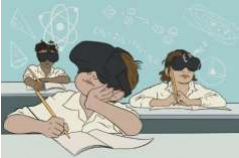
How technology is reinventing Education

Stanford Graduate School of Education Dean Dan Schwartz and other education scholars weigh in on what’s next for some of the technology trends taking center stage in the classroom. 


Image credit: Claire Scully


1. New advances in technology are upending education, from the recent debut of new artificial intelligence (AI) chatbots like ChatGPT to the growing accessibility of virtual-reality tools that expand the boundaries of the classroom. For educators, at the heart of it all is the hope that every learner gets an equal chance to develop the skills they need to succeed. But that promise is not without its pitfalls.

2. “Technology is a game-changer for education – it offers the prospect of universal access to high-quality learning experiences, and it creates fundamentally new ways of teaching,” said Dan Schwartz, dean of Stanford Graduate School of Education (GSE), who is also a professor of educational technology at the GSE and faculty director of the Stanford Accelerator for Learning. “But there are a lot of ways we teach that aren’t great, and a big fear with AI in particular is that we just get more efficient at teaching badly. This is a moment to pay attention, to do things differently.”

3. For K-12 schools, this year also marks the end of the Elementary and Secondary School Emergency Relief (ESSER) funding program, which has provided pandemic recovery funds that many districts used to invest in educational software and systems. With these funds running out in September 2024, schools are trying to determine their best use of technology as they face the prospect of diminishing resources.

4. Here, Schwartz and other Stanford education scholars weigh in on some of the technology trends taking center stage in the classroom this year.

SPECTOR, C. How technology is reinventing education | Stanford Report. Disponível em: <https://news.stanford.edu/stories/2024/02/technology-in-education>.
The word "pitfalls" in the first paragraph of the Text 1, means:
Alternativas
Q3544730 Inglês
How technology is reinventing Education

Stanford Graduate School of Education Dean Dan Schwartz and other education scholars weigh in on what’s next for some of the technology trends taking center stage in the classroom. 


Image credit: Claire Scully


1. New advances in technology are upending education, from the recent debut of new artificial intelligence (AI) chatbots like ChatGPT to the growing accessibility of virtual-reality tools that expand the boundaries of the classroom. For educators, at the heart of it all is the hope that every learner gets an equal chance to develop the skills they need to succeed. But that promise is not without its pitfalls.

2. “Technology is a game-changer for education – it offers the prospect of universal access to high-quality learning experiences, and it creates fundamentally new ways of teaching,” said Dan Schwartz, dean of Stanford Graduate School of Education (GSE), who is also a professor of educational technology at the GSE and faculty director of the Stanford Accelerator for Learning. “But there are a lot of ways we teach that aren’t great, and a big fear with AI in particular is that we just get more efficient at teaching badly. This is a moment to pay attention, to do things differently.”

3. For K-12 schools, this year also marks the end of the Elementary and Secondary School Emergency Relief (ESSER) funding program, which has provided pandemic recovery funds that many districts used to invest in educational software and systems. With these funds running out in September 2024, schools are trying to determine their best use of technology as they face the prospect of diminishing resources.

4. Here, Schwartz and other Stanford education scholars weigh in on some of the technology trends taking center stage in the classroom this year.

SPECTOR, C. How technology is reinventing education | Stanford Report. Disponível em: <https://news.stanford.edu/stories/2024/02/technology-in-education>.
Choose the phrasal verb from the Text 1 "How technology is reinventing Education" can be replaced by “deal with” correctly in context? 
Alternativas
Respostas
121: C
122: B
123: D
124: E
125: A
126: X
127: X
128: X
129: B
130: C
131: B
132: C
133: B
134: C
135: A
136: B
137: E
138: D
139: E
140: E