Questões de Concurso
Para prefeitura de cuparaque - mg
Foram encontradas 357 questões
Resolva questões gratuitamente!
Junte-se a mais de 4 milhões de concurseiros!


Text II:
The Future of the Planet

Our planet is facing serious environmental problems. Climate change is causing extreme weather, ice is melting in the polar regions, and many species are disappearing. Governments and individuals must work together to reduce pollution and protect natural resources. Renewable energy, recycling, and education are key to building a sustainable future. The choices we make today will determine the world we live in tomorrow.
(Fonte: Linguapress – texto autêntico adaptado para uso educacional)
Text I:
Urbanization and Its Challenges
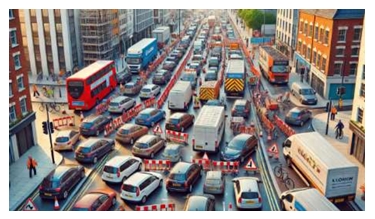
In the last century, urbanization has accelerated at an unprecedented pace. Cities around the world have grown rapidly, attracting people from rural areas seeking better opportunities. While urban centers provide access to jobs, education, and healthcare, they also present significant challenges. Overcrowding, gridlock, pollution, and insufficient housing are common problems. Moreover, social inequality is often more visible in urban areas, where wealthy neighborhoods exist alongside impoverished communities. Urban planners argue that sustainable development, public transportation, and inclusive policies are essential to create cities that can support both economic growth and quality of life.
(Text elaborated exclusive for this test)
Text I:
Urbanization and Its Challenges
In the last century, urbanization has accelerated at an unprecedented pace. Cities around the world have grown rapidly, attracting people from rural areas seeking better opportunities. While urban centers provide access to jobs, education, and healthcare, they also present significant challenges. Overcrowding, gridlock, pollution, and insufficient housing are common problems. Moreover, social inequality is often more visible in urban areas, where wealthy neighborhoods exist alongside impoverished communities. Urban planners argue that sustainable development, public transportation, and inclusive policies are essential to create cities that can support both economic growth and quality of life.
(Text elaborated exclusive for this test)
Text I:
Urbanization and Its Challenges
In the last century, urbanization has accelerated at an unprecedented pace. Cities around the world have grown rapidly, attracting people from rural areas seeking better opportunities. While urban centers provide access to jobs, education, and healthcare, they also present significant challenges. Overcrowding, gridlock, pollution, and insufficient housing are common problems. Moreover, social inequality is often more visible in urban areas, where wealthy neighborhoods exist alongside impoverished communities. Urban planners argue that sustainable development, public transportation, and inclusive policies are essential to create cities that can support both economic growth and quality of life.
(Text elaborated exclusive for this test)
Text I:
Urbanization and Its Challenges
In the last century, urbanization has accelerated at an unprecedented pace. Cities around the world have grown rapidly, attracting people from rural areas seeking better opportunities. While urban centers provide access to jobs, education, and healthcare, they also present significant challenges. Overcrowding, gridlock, pollution, and insufficient housing are common problems. Moreover, social inequality is often more visible in urban areas, where wealthy neighborhoods exist alongside impoverished communities. Urban planners argue that sustainable development, public transportation, and inclusive policies are essential to create cities that can support both economic growth and quality of life.
(Text elaborated exclusive for this test)
Text I:
Urbanization and Its Challenges
In the last century, urbanization has accelerated at an unprecedented pace. Cities around the world have grown rapidly, attracting people from rural areas seeking better opportunities. While urban centers provide access to jobs, education, and healthcare, they also present significant challenges. Overcrowding, gridlock, pollution, and insufficient housing are common problems. Moreover, social inequality is often more visible in urban areas, where wealthy neighborhoods exist alongside impoverished communities. Urban planners argue that sustainable development, public transportation, and inclusive policies are essential to create cities that can support both economic growth and quality of life.
(Text elaborated exclusive for this test)
Text I:
Urbanization and Its Challenges
In the last century, urbanization has accelerated at an unprecedented pace. Cities around the world have grown rapidly, attracting people from rural areas seeking better opportunities. While urban centers provide access to jobs, education, and healthcare, they also present significant challenges. Overcrowding, gridlock, pollution, and insufficient housing are common problems. Moreover, social inequality is often more visible in urban areas, where wealthy neighborhoods exist alongside impoverished communities. Urban planners argue that sustainable development, public transportation, and inclusive policies are essential to create cities that can support both economic growth and quality of life.
(Text elaborated exclusive for this test)
Text I:
Urbanization and Its Challenges
In the last century, urbanization has accelerated at an unprecedented pace. Cities around the world have grown rapidly, attracting people from rural areas seeking better opportunities. While urban centers provide access to jobs, education, and healthcare, they also present significant challenges. Overcrowding, gridlock, pollution, and insufficient housing are common problems. Moreover, social inequality is often more visible in urban areas, where wealthy neighborhoods exist alongside impoverished communities. Urban planners argue that sustainable development, public transportation, and inclusive policies are essential to create cities that can support both economic growth and quality of life.
(Text elaborated exclusive for this test)
Analise as afirmativas a seguir sobre currículo e cultura escolar e assinale a alternativa que indica aquelas corretas.
I. O currículo incorpora saberes e referências culturais do território com participação de estudantes, famílias e comunidade.
II. A BNCC define direitos de aprendizagem e orienta currículos com autonomia para incluir escolhas regionais e locais.
III. Projetos interdisciplinares promovem cultura escolar em diálogo com o território e utilizam avaliação com critérios compartilhados.
IV. A BNCC determina sequência única e uniforme de conteúdos e métodos por disciplina.
Estão CORRETAS as afirmativas:
( ) Avaliação diagnóstica define promoção final e encerra o processo avaliativo do período.
( ) Registros de percurso apoiam decisões de ensino ao longo do período e favorecem ajustes de rota.
( ) Autoavaliação guiada favorece metacognição e engajamento dos estudantes em projetos e práticas.
( ) Peso principal recai sobre teste único aplicado ao fim do bimestre, com foco em nota e posição no ranking.
( ) Critérios de avaliação transparentes orientam critérios de qualidade e reduzem dúvidas na leitura dos resultados.
A sequência CORRETA é:
I. Em ginástica escolar, progressões iniciam com amplitude elevada e saltos a partir de alturas consideráveis, priorizando variação antes de estabilizar padrões.
II. Em dança, criação coletiva e repertórios locais ampliam sentido e favorecem autoria em apresentações e processos.
III. Em jogos, desafios táticos em espaço reduzido promovem leitura de jogo e transferência para contextos formais.
IV. Em capoeira, rodas formativas isoladas da prática corporal favorecem apropriação do jogo no cotidiano.
V. Em avaliação, registros de percurso e autoavaliação guiada fortalecem replanejamento e devolutivas formativas.
Estão CORRETAS as afirmativas:

 Conheça nossos planos