Foram encontradas 2.947 questões
Resolva questões gratuitamente!
Junte-se a mais de 4 milhões de concurseiros!


O Estado do Pará se prepara para receber a 30ª Conferência da ONU sobre Mudanças Climáticas, a ser realizada em Belém (PA), em novembro de 2025. De acordo com estimativas da Fundação Getúlio Vargas (FGV), é esperado um fluxo de mais de 40 mil visitantes durante os principais dias da Conferência.
www.gov.br. Acesso em: 18 abr. 2024.
O evento em destaque, que buscará discutir a questão climática global, é conhecido como
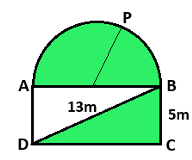
A área destacada na figura será usada para recreação de crianças e deverá ser coberta por grama sintética. Quantos m2 de grama serão necessários para cobrir o espaço infantil? Considere π = 3.
Observe a imagem da cabana a seguir.

Fonte: turkrazzi.com
A forma geométrica dessa cabana é a de um(a)
O texto abaixo, da escritora Martha Medeiros, serve de base para a questão. Portanto, leia-o, atentamente, antes de responder a elas.
Na terra do “Se”
Se quem luta por um mundo melhor soubesse que toda revolução começa por revolucionar antes a si próprio.
Se aqueles que vivem intoxicando sua família e seus amigos com reclamações fechassem um pouco a boca e abrissem suas cabeças, reconhecendo que são responsáveis por tudo o que lhes acontece.
Se as diferenças fossem aceitas naturalmente e só nos defendêssemos contra quem nos faz mal.
Se todas as religiões fossem fiéis a seus preceitos, enaltecendo apenas o amor e a paz, sem se envolver com as escolhas particulares de devotos.
Se a gente percebesse que tudo o que é feito em nome do amor (e isso não inclui o ciúme e a posse) tem 100% de chance de gerar boas reações e resultados positivos.
Se as pessoas fossem seguras o suficiente para tolerar opiniões contrárias às suas sem precisar agredir e despejar sua raiva.
Se fôssemos mais divertidos para nos vestir e mobiliar nossa casa, e menos reféns de convencionalismo.
Se não tivéssemos tanto medo da solidão e não fizéssemos tanta besteira para evitá-la.
Se todos lessem bons livros.
Se as pessoas soubessem que quase sempre vale mais a pena gastar dinheiro com coisas que não vão para dentro dos armários, como viagens, filmes e festas para celebrar a vida.
Se valorizássemos o cachorro-quente tanto quanto o caviar.
Se mudássemos o foco e concluíssemos que a infelicidade não existe, o que existe são apenas momentos infelizes.
Se percebêssemos a diferença entre ter uma vida sensacional e uma vida sensacionalista.
Se acreditássemos que uma pessoa é sempre mais valiosa do que uma instituição: é a instituição que deve servir a ela, e não o contrário.
Se quem não tem bom humor reconhecesse sua falta e fizesse dessa busca a mais importante da sua vida.
Se as pessoas não se manifestassem agressivamente contra tudo só para tentar provar que são inteligentes.
Se fôssemos mais feras em tudo e menos preguiçosos.
Se em vez de lutar para não envelhecer, lutássemos para não emburrecer.
Se.
https://mpenhahist.blogspot.com/p/textos-interessantes.html/texto levemente modificado por Márcia Rebêlo e capturado em 25/04/2024
O texto abaixo, da escritora Martha Medeiros, serve de base para a questão. Portanto, leia-o, atentamente, antes de responder a elas.
Na terra do “Se”
Se quem luta por um mundo melhor soubesse que toda revolução começa por revolucionar antes a si próprio.
Se aqueles que vivem intoxicando sua família e seus amigos com reclamações fechassem um pouco a boca e abrissem suas cabeças, reconhecendo que são responsáveis por tudo o que lhes acontece.
Se as diferenças fossem aceitas naturalmente e só nos defendêssemos contra quem nos faz mal.
Se todas as religiões fossem fiéis a seus preceitos, enaltecendo apenas o amor e a paz, sem se envolver com as escolhas particulares de devotos.
Se a gente percebesse que tudo o que é feito em nome do amor (e isso não inclui o ciúme e a posse) tem 100% de chance de gerar boas reações e resultados positivos.
Se as pessoas fossem seguras o suficiente para tolerar opiniões contrárias às suas sem precisar agredir e despejar sua raiva.
Se fôssemos mais divertidos para nos vestir e mobiliar nossa casa, e menos reféns de convencionalismo.
Se não tivéssemos tanto medo da solidão e não fizéssemos tanta besteira para evitá-la.
Se todos lessem bons livros.
Se as pessoas soubessem que quase sempre vale mais a pena gastar dinheiro com coisas que não vão para dentro dos armários, como viagens, filmes e festas para celebrar a vida.
Se valorizássemos o cachorro-quente tanto quanto o caviar.
Se mudássemos o foco e concluíssemos que a infelicidade não existe, o que existe são apenas momentos infelizes.
Se percebêssemos a diferença entre ter uma vida sensacional e uma vida sensacionalista.
Se acreditássemos que uma pessoa é sempre mais valiosa do que uma instituição: é a instituição que deve servir a ela, e não o contrário.
Se quem não tem bom humor reconhecesse sua falta e fizesse dessa busca a mais importante da sua vida.
Se as pessoas não se manifestassem agressivamente contra tudo só para tentar provar que são inteligentes.
Se fôssemos mais feras em tudo e menos preguiçosos.
Se em vez de lutar para não envelhecer, lutássemos para não emburrecer.
Se.
https://mpenhahist.blogspot.com/p/textos-interessantes.html/texto levemente modificado por Márcia Rebêlo e capturado em 25/04/2024
O texto abaixo, da escritora Martha Medeiros, serve de base para a questão. Portanto, leia-o, atentamente, antes de responder a elas.
Na terra do “Se”
Se quem luta por um mundo melhor soubesse que toda revolução começa por revolucionar antes a si próprio.
Se aqueles que vivem intoxicando sua família e seus amigos com reclamações fechassem um pouco a boca e abrissem suas cabeças, reconhecendo que são responsáveis por tudo o que lhes acontece.
Se as diferenças fossem aceitas naturalmente e só nos defendêssemos contra quem nos faz mal.
Se todas as religiões fossem fiéis a seus preceitos, enaltecendo apenas o amor e a paz, sem se envolver com as escolhas particulares de devotos.
Se a gente percebesse que tudo o que é feito em nome do amor (e isso não inclui o ciúme e a posse) tem 100% de chance de gerar boas reações e resultados positivos.
Se as pessoas fossem seguras o suficiente para tolerar opiniões contrárias às suas sem precisar agredir e despejar sua raiva.
Se fôssemos mais divertidos para nos vestir e mobiliar nossa casa, e menos reféns de convencionalismo.
Se não tivéssemos tanto medo da solidão e não fizéssemos tanta besteira para evitá-la.
Se todos lessem bons livros.
Se as pessoas soubessem que quase sempre vale mais a pena gastar dinheiro com coisas que não vão para dentro dos armários, como viagens, filmes e festas para celebrar a vida.
Se valorizássemos o cachorro-quente tanto quanto o caviar.
Se mudássemos o foco e concluíssemos que a infelicidade não existe, o que existe são apenas momentos infelizes.
Se percebêssemos a diferença entre ter uma vida sensacional e uma vida sensacionalista.
Se acreditássemos que uma pessoa é sempre mais valiosa do que uma instituição: é a instituição que deve servir a ela, e não o contrário.
Se quem não tem bom humor reconhecesse sua falta e fizesse dessa busca a mais importante da sua vida.
Se as pessoas não se manifestassem agressivamente contra tudo só para tentar provar que são inteligentes.
Se fôssemos mais feras em tudo e menos preguiçosos.
Se em vez de lutar para não envelhecer, lutássemos para não emburrecer.
Se.
https://mpenhahist.blogspot.com/p/textos-interessantes.html/texto levemente modificado por Márcia Rebêlo e capturado em 25/04/2024
O texto abaixo, da escritora Martha Medeiros, serve de base para a questão. Portanto, leia-o, atentamente, antes de responder a elas.
Na terra do “Se”
Se quem luta por um mundo melhor soubesse que toda revolução começa por revolucionar antes a si próprio.
Se aqueles que vivem intoxicando sua família e seus amigos com reclamações fechassem um pouco a boca e abrissem suas cabeças, reconhecendo que são responsáveis por tudo o que lhes acontece.
Se as diferenças fossem aceitas naturalmente e só nos defendêssemos contra quem nos faz mal.
Se todas as religiões fossem fiéis a seus preceitos, enaltecendo apenas o amor e a paz, sem se envolver com as escolhas particulares de devotos.
Se a gente percebesse que tudo o que é feito em nome do amor (e isso não inclui o ciúme e a posse) tem 100% de chance de gerar boas reações e resultados positivos.
Se as pessoas fossem seguras o suficiente para tolerar opiniões contrárias às suas sem precisar agredir e despejar sua raiva.
Se fôssemos mais divertidos para nos vestir e mobiliar nossa casa, e menos reféns de convencionalismo.
Se não tivéssemos tanto medo da solidão e não fizéssemos tanta besteira para evitá-la.
Se todos lessem bons livros.
Se as pessoas soubessem que quase sempre vale mais a pena gastar dinheiro com coisas que não vão para dentro dos armários, como viagens, filmes e festas para celebrar a vida.
Se valorizássemos o cachorro-quente tanto quanto o caviar.
Se mudássemos o foco e concluíssemos que a infelicidade não existe, o que existe são apenas momentos infelizes.
Se percebêssemos a diferença entre ter uma vida sensacional e uma vida sensacionalista.
Se acreditássemos que uma pessoa é sempre mais valiosa do que uma instituição: é a instituição que deve servir a ela, e não o contrário.
Se quem não tem bom humor reconhecesse sua falta e fizesse dessa busca a mais importante da sua vida.
Se as pessoas não se manifestassem agressivamente contra tudo só para tentar provar que são inteligentes.
Se fôssemos mais feras em tudo e menos preguiçosos.
Se em vez de lutar para não envelhecer, lutássemos para não emburrecer.
Se.
https://mpenhahist.blogspot.com/p/textos-interessantes.html/texto levemente modificado por Márcia Rebêlo e capturado em 25/04/2024
O período composto é formado por duas ou mais orações e cada oração possui uma determinada classificação. Sendo assim, analise o seguinte trecho: “Se mudássemos o foco e concluíssemos que a infelicidade não existe ,.. ”.
Marque a assertiva que apresenta a correta classificação da oração grifada no período em questão.
O texto abaixo, da escritora Martha Medeiros, serve de base para a questão. Portanto, leia-o, atentamente, antes de responder a elas.
Na terra do “Se”
Se quem luta por um mundo melhor soubesse que toda revolução começa por revolucionar antes a si próprio.
Se aqueles que vivem intoxicando sua família e seus amigos com reclamações fechassem um pouco a boca e abrissem suas cabeças, reconhecendo que são responsáveis por tudo o que lhes acontece.
Se as diferenças fossem aceitas naturalmente e só nos defendêssemos contra quem nos faz mal.
Se todas as religiões fossem fiéis a seus preceitos, enaltecendo apenas o amor e a paz, sem se envolver com as escolhas particulares de devotos.
Se a gente percebesse que tudo o que é feito em nome do amor (e isso não inclui o ciúme e a posse) tem 100% de chance de gerar boas reações e resultados positivos.
Se as pessoas fossem seguras o suficiente para tolerar opiniões contrárias às suas sem precisar agredir e despejar sua raiva.
Se fôssemos mais divertidos para nos vestir e mobiliar nossa casa, e menos reféns de convencionalismo.
Se não tivéssemos tanto medo da solidão e não fizéssemos tanta besteira para evitá-la.
Se todos lessem bons livros.
Se as pessoas soubessem que quase sempre vale mais a pena gastar dinheiro com coisas que não vão para dentro dos armários, como viagens, filmes e festas para celebrar a vida.
Se valorizássemos o cachorro-quente tanto quanto o caviar.
Se mudássemos o foco e concluíssemos que a infelicidade não existe, o que existe são apenas momentos infelizes.
Se percebêssemos a diferença entre ter uma vida sensacional e uma vida sensacionalista.
Se acreditássemos que uma pessoa é sempre mais valiosa do que uma instituição: é a instituição que deve servir a ela, e não o contrário.
Se quem não tem bom humor reconhecesse sua falta e fizesse dessa busca a mais importante da sua vida.
Se as pessoas não se manifestassem agressivamente contra tudo só para tentar provar que são inteligentes.
Se fôssemos mais feras em tudo e menos preguiçosos.
Se em vez de lutar para não envelhecer, lutássemos para não emburrecer.
Se.
https://mpenhahist.blogspot.com/p/textos-interessantes.html/texto levemente modificado por Márcia Rebêlo e capturado em 25/04/2024
O texto abaixo, da escritora Martha Medeiros, serve de base para a questão. Portanto, leia-o, atentamente, antes de responder a elas.
Na terra do “Se”
Se quem luta por um mundo melhor soubesse que toda revolução começa por revolucionar antes a si próprio.
Se aqueles que vivem intoxicando sua família e seus amigos com reclamações fechassem um pouco a boca e abrissem suas cabeças, reconhecendo que são responsáveis por tudo o que lhes acontece.
Se as diferenças fossem aceitas naturalmente e só nos defendêssemos contra quem nos faz mal.
Se todas as religiões fossem fiéis a seus preceitos, enaltecendo apenas o amor e a paz, sem se envolver com as escolhas particulares de devotos.
Se a gente percebesse que tudo o que é feito em nome do amor (e isso não inclui o ciúme e a posse) tem 100% de chance de gerar boas reações e resultados positivos.
Se as pessoas fossem seguras o suficiente para tolerar opiniões contrárias às suas sem precisar agredir e despejar sua raiva.
Se fôssemos mais divertidos para nos vestir e mobiliar nossa casa, e menos reféns de convencionalismo.
Se não tivéssemos tanto medo da solidão e não fizéssemos tanta besteira para evitá-la.
Se todos lessem bons livros.
Se as pessoas soubessem que quase sempre vale mais a pena gastar dinheiro com coisas que não vão para dentro dos armários, como viagens, filmes e festas para celebrar a vida.
Se valorizássemos o cachorro-quente tanto quanto o caviar.
Se mudássemos o foco e concluíssemos que a infelicidade não existe, o que existe são apenas momentos infelizes.
Se percebêssemos a diferença entre ter uma vida sensacional e uma vida sensacionalista.
Se acreditássemos que uma pessoa é sempre mais valiosa do que uma instituição: é a instituição que deve servir a ela, e não o contrário.
Se quem não tem bom humor reconhecesse sua falta e fizesse dessa busca a mais importante da sua vida.
Se as pessoas não se manifestassem agressivamente contra tudo só para tentar provar que são inteligentes.
Se fôssemos mais feras em tudo e menos preguiçosos.
Se em vez de lutar para não envelhecer, lutássemos para não emburrecer.
Se.
https://mpenhahist.blogspot.com/p/textos-interessantes.html/texto levemente modificado por Márcia Rebêlo e capturado em 25/04/2024
Analise as seguintes passagens, retiradas do texto, e, após, marque a assertiva correta.
I. Em: “...tolerar opiniões contrárias às suas sem precisar agredir e despejar sua raiva”, temos um caso de crase obrigatória.
II. O trecho seguinte foi elaborado no sentido conotativo: “Se todos lessem bons livros”.
III. Ao usar o termo “feras”, na passagem a seguir, a autora faz uso de metáfora: “Se fôssemos mais feras em tudo e menos preguiçosos”.
IV. No título, há a presença de uma contração da preposição “em” com o artigo definido “a”, formando, portanto, o “na”.
Quais informações, acima mencionadas, estão corretas?
O texto abaixo, da escritora Martha Medeiros, serve de base para a questão. Portanto, leia-o, atentamente, antes de responder a elas.
Na terra do “Se”
Se quem luta por um mundo melhor soubesse que toda revolução começa por revolucionar antes a si próprio.
Se aqueles que vivem intoxicando sua família e seus amigos com reclamações fechassem um pouco a boca e abrissem suas cabeças, reconhecendo que são responsáveis por tudo o que lhes acontece.
Se as diferenças fossem aceitas naturalmente e só nos defendêssemos contra quem nos faz mal.
Se todas as religiões fossem fiéis a seus preceitos, enaltecendo apenas o amor e a paz, sem se envolver com as escolhas particulares de devotos.
Se a gente percebesse que tudo o que é feito em nome do amor (e isso não inclui o ciúme e a posse) tem 100% de chance de gerar boas reações e resultados positivos.
Se as pessoas fossem seguras o suficiente para tolerar opiniões contrárias às suas sem precisar agredir e despejar sua raiva.
Se fôssemos mais divertidos para nos vestir e mobiliar nossa casa, e menos reféns de convencionalismo.
Se não tivéssemos tanto medo da solidão e não fizéssemos tanta besteira para evitá-la.
Se todos lessem bons livros.
Se as pessoas soubessem que quase sempre vale mais a pena gastar dinheiro com coisas que não vão para dentro dos armários, como viagens, filmes e festas para celebrar a vida.
Se valorizássemos o cachorro-quente tanto quanto o caviar.
Se mudássemos o foco e concluíssemos que a infelicidade não existe, o que existe são apenas momentos infelizes.
Se percebêssemos a diferença entre ter uma vida sensacional e uma vida sensacionalista.
Se acreditássemos que uma pessoa é sempre mais valiosa do que uma instituição: é a instituição que deve servir a ela, e não o contrário.
Se quem não tem bom humor reconhecesse sua falta e fizesse dessa busca a mais importante da sua vida.
Se as pessoas não se manifestassem agressivamente contra tudo só para tentar provar que são inteligentes.
Se fôssemos mais feras em tudo e menos preguiçosos.
Se em vez de lutar para não envelhecer, lutássemos para não emburrecer.
Se.
https://mpenhahist.blogspot.com/p/textos-interessantes.html/texto levemente modificado por Márcia Rebêlo e capturado em 25/04/2024
O texto abaixo, da escritora Martha Medeiros, serve de base para a questão. Portanto, leia-o, atentamente, antes de responder a elas.
Na terra do “Se”
Se quem luta por um mundo melhor soubesse que toda revolução começa por revolucionar antes a si próprio.
Se aqueles que vivem intoxicando sua família e seus amigos com reclamações fechassem um pouco a boca e abrissem suas cabeças, reconhecendo que são responsáveis por tudo o que lhes acontece.
Se as diferenças fossem aceitas naturalmente e só nos defendêssemos contra quem nos faz mal.
Se todas as religiões fossem fiéis a seus preceitos, enaltecendo apenas o amor e a paz, sem se envolver com as escolhas particulares de devotos.
Se a gente percebesse que tudo o que é feito em nome do amor (e isso não inclui o ciúme e a posse) tem 100% de chance de gerar boas reações e resultados positivos.
Se as pessoas fossem seguras o suficiente para tolerar opiniões contrárias às suas sem precisar agredir e despejar sua raiva.
Se fôssemos mais divertidos para nos vestir e mobiliar nossa casa, e menos reféns de convencionalismo.
Se não tivéssemos tanto medo da solidão e não fizéssemos tanta besteira para evitá-la.
Se todos lessem bons livros.
Se as pessoas soubessem que quase sempre vale mais a pena gastar dinheiro com coisas que não vão para dentro dos armários, como viagens, filmes e festas para celebrar a vida.
Se valorizássemos o cachorro-quente tanto quanto o caviar.
Se mudássemos o foco e concluíssemos que a infelicidade não existe, o que existe são apenas momentos infelizes.
Se percebêssemos a diferença entre ter uma vida sensacional e uma vida sensacionalista.
Se acreditássemos que uma pessoa é sempre mais valiosa do que uma instituição: é a instituição que deve servir a ela, e não o contrário.
Se quem não tem bom humor reconhecesse sua falta e fizesse dessa busca a mais importante da sua vida.
Se as pessoas não se manifestassem agressivamente contra tudo só para tentar provar que são inteligentes.
Se fôssemos mais feras em tudo e menos preguiçosos.
Se em vez de lutar para não envelhecer, lutássemos para não emburrecer.
Se.
https://mpenhahist.blogspot.com/p/textos-interessantes.html/texto levemente modificado por Márcia Rebêlo e capturado em 25/04/2024
O texto abaixo, da escritora Martha Medeiros, serve de base para a questão. Portanto, leia-o, atentamente, antes de responder a elas.
Na terra do “Se”
Se quem luta por um mundo melhor soubesse que toda revolução começa por revolucionar antes a si próprio.
Se aqueles que vivem intoxicando sua família e seus amigos com reclamações fechassem um pouco a boca e abrissem suas cabeças, reconhecendo que são responsáveis por tudo o que lhes acontece.
Se as diferenças fossem aceitas naturalmente e só nos defendêssemos contra quem nos faz mal.
Se todas as religiões fossem fiéis a seus preceitos, enaltecendo apenas o amor e a paz, sem se envolver com as escolhas particulares de devotos.
Se a gente percebesse que tudo o que é feito em nome do amor (e isso não inclui o ciúme e a posse) tem 100% de chance de gerar boas reações e resultados positivos.
Se as pessoas fossem seguras o suficiente para tolerar opiniões contrárias às suas sem precisar agredir e despejar sua raiva.
Se fôssemos mais divertidos para nos vestir e mobiliar nossa casa, e menos reféns de convencionalismo.
Se não tivéssemos tanto medo da solidão e não fizéssemos tanta besteira para evitá-la.
Se todos lessem bons livros.
Se as pessoas soubessem que quase sempre vale mais a pena gastar dinheiro com coisas que não vão para dentro dos armários, como viagens, filmes e festas para celebrar a vida.
Se valorizássemos o cachorro-quente tanto quanto o caviar.
Se mudássemos o foco e concluíssemos que a infelicidade não existe, o que existe são apenas momentos infelizes.
Se percebêssemos a diferença entre ter uma vida sensacional e uma vida sensacionalista.
Se acreditássemos que uma pessoa é sempre mais valiosa do que uma instituição: é a instituição que deve servir a ela, e não o contrário.
Se quem não tem bom humor reconhecesse sua falta e fizesse dessa busca a mais importante da sua vida.
Se as pessoas não se manifestassem agressivamente contra tudo só para tentar provar que são inteligentes.
Se fôssemos mais feras em tudo e menos preguiçosos.
Se em vez de lutar para não envelhecer, lutássemos para não emburrecer.
Se.
https://mpenhahist.blogspot.com/p/textos-interessantes.html/texto levemente modificado por Márcia Rebêlo e capturado em 25/04/2024

 Conheça nossos planos