Foram encontradas 17.024 questões
Resolva questões gratuitamente!
Junte-se a mais de 4 milhões de concurseiros!


“João passa no concurso e não resgata seu dinheiro da poupança”.
Dessa forma, é necessariamente verdadeiro que:
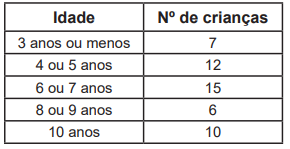
A animadora sorteará dois brindes entre essas crianças, sendo que a mesma criança não pode ganhar dois brindes. A probabilidade de serem sorteadas uma criança com três anos ou menos e outra com 10 anos é igual a:
Fonte: https://agenciadenoticias.ibge.gov.br/pt/agencia-home.html. Acesso em 7/8/2023.
Uma proposição logicamente equivalente à negação da afirmação feita é a seguinte:
Observe a tabela-verdade a seguir, na qual P, Q e R são proposições.
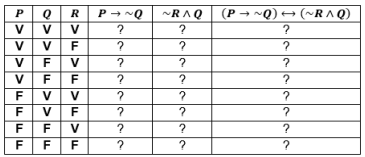
Ao se trocar corretamente todos os símbolos de interrogação pelos
valores lógicos V (verdadeiro) ou F (falso), o número de valores
lógicos F obtido nas três últimas colunas da tabela é igual a:
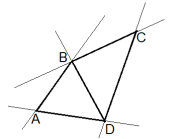
Sabe-se que
 125 m,
  139 m e
 132 m e que os
comprimentos de BD e CD, em metros, são iguais aos maiores
números inteiros possíveis. A medida, em metros, do trecho CD
é igual a
132 m e que os
comprimentos de BD e CD, em metros, são iguais aos maiores
números inteiros possíveis. A medida, em metros, do trecho CD
é igual a - Jonas obteve face com número 2 em 1/3 dos seus lançamentos e face com número 6 nos demais.
- Rafael realizou cinco lançamentos, e o total de pontos obtidos por ele foi o menor possível;
- Fábio realizou a metade dos lançamentos de Jonas, obtendo face com número 4 em todos esses lançamentos.
- A soma dos pontos obtidos por Jonas, Fábio e Rafael foi 50.
Dessa forma, o total de lançamentos realizados pelos três rapazes é igual a:
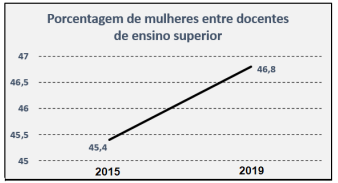
(Fonte: Sinopse estatística da educação superior 2019. Brasília, DF: Instituto Nacional de Estudos e Pesquisas Educacionais Anísio Teixeira – INEP, 2020)
Considerando que a variação desse percentual se deu de forma linear, o percentual de mulheres entre docentes do ensino superior no ano de 2016 correspondeu a:
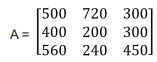
A razão entre a produção da fábrica 1 no mês 2 e a produção da fábrica 3 no mês 1 corresponde a:
Texto IV

Fonte: Will Leite. Disponível em: www.wiltirando.com.br
Acesso em 26 jul. 2023.
Texto III

Fonte: THAVES, Bob. Frank & Ernest. Zero Hora, Porto Alegre, 3 set. 1999.
Sentença 1: “As palavras que inventamos são interessantes”.
Sentença 2: “Vamos inventar sintaxe agora”.
Podemos afirmar que também está na ordem direta:
Texto II
A importância da informação estatística para as políticas
sociais no Brasil: breve reflexão sobre a experiência do
passado para considerar no presente
O Brasil seria diferente do que é hoje se não fossem as informações produzidas pelo IBGE e por outras instituições do Sistema Estatístico Nacional. Com todas as iniquidades sociais que ainda persistem no país, o quadro seria seguramente pior caso não houvesse informações estatísticas levantadas há mais de 80 anos ou quase 150 anos, se forem considerados os esforços de realização do primeiro Censo Demográfico em 1872, no final do Império, quase 20 anos depois do planejado, pelas resistências da elite latifundiária e escravocrata da época. Não há como não reconhecer que parte das conquistas republicanas de universalização da educação básica, do acesso à água, redução da pobreza, promoção do desenvolvimento regional, ampliação da cobertura do emprego formal e da previdência pelo vasto território brasileiro deve-se à disponibilidade de informação estatística de boa qualidade e cobertura levantada pelo IBGE e outras instituições como o Instituto Nacional de Estudos e Pesquisas Educacionais, os departamentos de estatísticas e pesquisas dos Ministérios e órgãos subnacionais de planejamento e estatística.
É claro que a efetividade das políticas sociais depende de uma série extensa de fatores, mas a informação estatística cumpre papel instrumental relevante em todas as fases de implementação de um programa público, da formulação à avaliação do mesmo (HOWLET et al., 2013). Políticas sociais são muito intensivas em informação no processo de seu desenho e implementação. Elas se estruturam como sistemas complexos, articulando programas de natureza universal com ações redistributivas em várias áreas setoriais, operados por agentes em diferentes níveis federativos de governo, em contextos desiguais em termos de capacidade de gestão e de perfil socioeconômico de públicos-alvo. Como discutido em Jannuzi (2016), para que essas políticas e programas sociais consigam cumprir seus objetivos específicos e contribuir para maior efetividade social da ação pública, é necessário produzir informação e estudos de diferentes naturezas – levantamentos diagnósticos detalhados, sistemas de indicadores de monitoramento de ações, pesquisas de avaliação de processos e de resultados de programas, investigação de potenciais impactos e externalidades negativas –, valendo-se de uma combinação plural de metodologias (quali, quanti e participativas), com abordagem de diferentes sujeitos envolvidos (beneficiários, usuários, técnicos na ponta e gestores).
Entre tais levantamentos figuram, em especial, os Censos Demográficos, a cinquentenária Pesquisa Nacional por Amostra de Domicílios (PNAD, e agora PNAD-Contínua) e as edições, há 20 anos, da Pesquisa de Informações Básicas Municipais (Munic). Essas pesquisas parecem se constituir nos levantamentos estatísticos mais impactantes para a formulação e avaliação de políticas sociais no Brasil. Há certamente outras pesquisas importantes a serem mencionadas, como as Estatísticas do Registro Civil, as Pesquisas de Orçamento Familiar, a Pesquisa Mensal de Emprego, a Economia Informal Urbana e, mais recentemente, a Pesquisa Nacional de Saúde, cujas contribuições precisam ser resgatadas em outros textos e estudos.
Os Censos têm permitido o desvelamento dos bolsões de pobreza e outras iniquidades no território nacional, nos municípios e seus bairros. As PNAD (e PNAD-C) possibilitam acompanhar os efeitos – e defeitos – de políticas e programas nas mais variadas áreas setoriais, tais como trabalho, educação, saúde, previdência e assistência social, entre as principais. As Munic e, desde 2012, as Pesquisas de Informações Básicas Estatuais (Estadic) têm viabilizado o dimensionamento da capacidade subnacional de gestão de políticas, de equipamentos públicos e de atendimento de serviços sociais. As três pesquisas se destacam pelo conjunto integrado de informações que proporcionam, pela abrangência temática, regularidade e cobertura territorial. Essas características garantiram a produção de dados cruciais para identificação de demandas sociais, elaboração de diagnósticos, formulação de políticas e programas e avaliação da efetividade dos mesmos ao longo das últimas décadas.
É o que se procura resgatar de forma breve e ensaística nesse texto, como subsídio para o debate acerca do mérito e dificuldades de financiamento do Censo 2020, dos suplementos temáticos das PNAD-C, Munic e outras pesquisas do Sistema Estatístico. Trata-se de um debate que precisa ser realizado com perspectiva histórica e pluralidade de visões acerca do uso da informação estatística para o Estado e sociedade no país. Não são pouco gravosas as consequências da eventual descontinuidade de séries históricas de longa data ou a decisão de adiar a captação de dados acerca de novas questões da agenda social no país.
Fonte: JANUZZI, P. M. A importância da informação estatística para as políticas sociais no Brasil: breve reflexão sobre a experiência do passado para considerar no presente. “Revista Brasileira de Estudos de População”, V. 35, N. 1, 2018, p. 1-10. (adaptado)
Disponível em: https://www.scielo.br/j/rbepop/a/77qbqWdQWx3b5gg7wLVmtsF/?lang=pt#
Acesso em 26 jul. 2023.
Texto II
A importância da informação estatística para as políticas
sociais no Brasil: breve reflexão sobre a experiência do
passado para considerar no presente
O Brasil seria diferente do que é hoje se não fossem as informações produzidas pelo IBGE e por outras instituições do Sistema Estatístico Nacional. Com todas as iniquidades sociais que ainda persistem no país, o quadro seria seguramente pior caso não houvesse informações estatísticas levantadas há mais de 80 anos ou quase 150 anos, se forem considerados os esforços de realização do primeiro Censo Demográfico em 1872, no final do Império, quase 20 anos depois do planejado, pelas resistências da elite latifundiária e escravocrata da época. Não há como não reconhecer que parte das conquistas republicanas de universalização da educação básica, do acesso à água, redução da pobreza, promoção do desenvolvimento regional, ampliação da cobertura do emprego formal e da previdência pelo vasto território brasileiro deve-se à disponibilidade de informação estatística de boa qualidade e cobertura levantada pelo IBGE e outras instituições como o Instituto Nacional de Estudos e Pesquisas Educacionais, os departamentos de estatísticas e pesquisas dos Ministérios e órgãos subnacionais de planejamento e estatística.
É claro que a efetividade das políticas sociais depende de uma série extensa de fatores, mas a informação estatística cumpre papel instrumental relevante em todas as fases de implementação de um programa público, da formulação à avaliação do mesmo (HOWLET et al., 2013). Políticas sociais são muito intensivas em informação no processo de seu desenho e implementação. Elas se estruturam como sistemas complexos, articulando programas de natureza universal com ações redistributivas em várias áreas setoriais, operados por agentes em diferentes níveis federativos de governo, em contextos desiguais em termos de capacidade de gestão e de perfil socioeconômico de públicos-alvo. Como discutido em Jannuzi (2016), para que essas políticas e programas sociais consigam cumprir seus objetivos específicos e contribuir para maior efetividade social da ação pública, é necessário produzir informação e estudos de diferentes naturezas – levantamentos diagnósticos detalhados, sistemas de indicadores de monitoramento de ações, pesquisas de avaliação de processos e de resultados de programas, investigação de potenciais impactos e externalidades negativas –, valendo-se de uma combinação plural de metodologias (quali, quanti e participativas), com abordagem de diferentes sujeitos envolvidos (beneficiários, usuários, técnicos na ponta e gestores).
Entre tais levantamentos figuram, em especial, os Censos Demográficos, a cinquentenária Pesquisa Nacional por Amostra de Domicílios (PNAD, e agora PNAD-Contínua) e as edições, há 20 anos, da Pesquisa de Informações Básicas Municipais (Munic). Essas pesquisas parecem se constituir nos levantamentos estatísticos mais impactantes para a formulação e avaliação de políticas sociais no Brasil. Há certamente outras pesquisas importantes a serem mencionadas, como as Estatísticas do Registro Civil, as Pesquisas de Orçamento Familiar, a Pesquisa Mensal de Emprego, a Economia Informal Urbana e, mais recentemente, a Pesquisa Nacional de Saúde, cujas contribuições precisam ser resgatadas em outros textos e estudos.
Os Censos têm permitido o desvelamento dos bolsões de pobreza e outras iniquidades no território nacional, nos municípios e seus bairros. As PNAD (e PNAD-C) possibilitam acompanhar os efeitos – e defeitos – de políticas e programas nas mais variadas áreas setoriais, tais como trabalho, educação, saúde, previdência e assistência social, entre as principais. As Munic e, desde 2012, as Pesquisas de Informações Básicas Estatuais (Estadic) têm viabilizado o dimensionamento da capacidade subnacional de gestão de políticas, de equipamentos públicos e de atendimento de serviços sociais. As três pesquisas se destacam pelo conjunto integrado de informações que proporcionam, pela abrangência temática, regularidade e cobertura territorial. Essas características garantiram a produção de dados cruciais para identificação de demandas sociais, elaboração de diagnósticos, formulação de políticas e programas e avaliação da efetividade dos mesmos ao longo das últimas décadas.
É o que se procura resgatar de forma breve e ensaística nesse texto, como subsídio para o debate acerca do mérito e dificuldades de financiamento do Censo 2020, dos suplementos temáticos das PNAD-C, Munic e outras pesquisas do Sistema Estatístico. Trata-se de um debate que precisa ser realizado com perspectiva histórica e pluralidade de visões acerca do uso da informação estatística para o Estado e sociedade no país. Não são pouco gravosas as consequências da eventual descontinuidade de séries históricas de longa data ou a decisão de adiar a captação de dados acerca de novas questões da agenda social no país.
Fonte: JANUZZI, P. M. A importância da informação estatística para as políticas sociais no Brasil: breve reflexão sobre a experiência do passado para considerar no presente. “Revista Brasileira de Estudos de População”, V. 35, N. 1, 2018, p. 1-10. (adaptado)
Disponível em: https://www.scielo.br/j/rbepop/a/77qbqWdQWx3b5gg7wLVmtsF/?lang=pt#
Acesso em 26 jul. 2023.
Texto II
A importância da informação estatística para as políticas
sociais no Brasil: breve reflexão sobre a experiência do
passado para considerar no presente
O Brasil seria diferente do que é hoje se não fossem as informações produzidas pelo IBGE e por outras instituições do Sistema Estatístico Nacional. Com todas as iniquidades sociais que ainda persistem no país, o quadro seria seguramente pior caso não houvesse informações estatísticas levantadas há mais de 80 anos ou quase 150 anos, se forem considerados os esforços de realização do primeiro Censo Demográfico em 1872, no final do Império, quase 20 anos depois do planejado, pelas resistências da elite latifundiária e escravocrata da época. Não há como não reconhecer que parte das conquistas republicanas de universalização da educação básica, do acesso à água, redução da pobreza, promoção do desenvolvimento regional, ampliação da cobertura do emprego formal e da previdência pelo vasto território brasileiro deve-se à disponibilidade de informação estatística de boa qualidade e cobertura levantada pelo IBGE e outras instituições como o Instituto Nacional de Estudos e Pesquisas Educacionais, os departamentos de estatísticas e pesquisas dos Ministérios e órgãos subnacionais de planejamento e estatística.
É claro que a efetividade das políticas sociais depende de uma série extensa de fatores, mas a informação estatística cumpre papel instrumental relevante em todas as fases de implementação de um programa público, da formulação à avaliação do mesmo (HOWLET et al., 2013). Políticas sociais são muito intensivas em informação no processo de seu desenho e implementação. Elas se estruturam como sistemas complexos, articulando programas de natureza universal com ações redistributivas em várias áreas setoriais, operados por agentes em diferentes níveis federativos de governo, em contextos desiguais em termos de capacidade de gestão e de perfil socioeconômico de públicos-alvo. Como discutido em Jannuzi (2016), para que essas políticas e programas sociais consigam cumprir seus objetivos específicos e contribuir para maior efetividade social da ação pública, é necessário produzir informação e estudos de diferentes naturezas – levantamentos diagnósticos detalhados, sistemas de indicadores de monitoramento de ações, pesquisas de avaliação de processos e de resultados de programas, investigação de potenciais impactos e externalidades negativas –, valendo-se de uma combinação plural de metodologias (quali, quanti e participativas), com abordagem de diferentes sujeitos envolvidos (beneficiários, usuários, técnicos na ponta e gestores).
Entre tais levantamentos figuram, em especial, os Censos Demográficos, a cinquentenária Pesquisa Nacional por Amostra de Domicílios (PNAD, e agora PNAD-Contínua) e as edições, há 20 anos, da Pesquisa de Informações Básicas Municipais (Munic). Essas pesquisas parecem se constituir nos levantamentos estatísticos mais impactantes para a formulação e avaliação de políticas sociais no Brasil. Há certamente outras pesquisas importantes a serem mencionadas, como as Estatísticas do Registro Civil, as Pesquisas de Orçamento Familiar, a Pesquisa Mensal de Emprego, a Economia Informal Urbana e, mais recentemente, a Pesquisa Nacional de Saúde, cujas contribuições precisam ser resgatadas em outros textos e estudos.
Os Censos têm permitido o desvelamento dos bolsões de pobreza e outras iniquidades no território nacional, nos municípios e seus bairros. As PNAD (e PNAD-C) possibilitam acompanhar os efeitos – e defeitos – de políticas e programas nas mais variadas áreas setoriais, tais como trabalho, educação, saúde, previdência e assistência social, entre as principais. As Munic e, desde 2012, as Pesquisas de Informações Básicas Estatuais (Estadic) têm viabilizado o dimensionamento da capacidade subnacional de gestão de políticas, de equipamentos públicos e de atendimento de serviços sociais. As três pesquisas se destacam pelo conjunto integrado de informações que proporcionam, pela abrangência temática, regularidade e cobertura territorial. Essas características garantiram a produção de dados cruciais para identificação de demandas sociais, elaboração de diagnósticos, formulação de políticas e programas e avaliação da efetividade dos mesmos ao longo das últimas décadas.
É o que se procura resgatar de forma breve e ensaística nesse texto, como subsídio para o debate acerca do mérito e dificuldades de financiamento do Censo 2020, dos suplementos temáticos das PNAD-C, Munic e outras pesquisas do Sistema Estatístico. Trata-se de um debate que precisa ser realizado com perspectiva histórica e pluralidade de visões acerca do uso da informação estatística para o Estado e sociedade no país. Não são pouco gravosas as consequências da eventual descontinuidade de séries históricas de longa data ou a decisão de adiar a captação de dados acerca de novas questões da agenda social no país.
Fonte: JANUZZI, P. M. A importância da informação estatística para as políticas sociais no Brasil: breve reflexão sobre a experiência do passado para considerar no presente. “Revista Brasileira de Estudos de População”, V. 35, N. 1, 2018, p. 1-10. (adaptado)
Disponível em: https://www.scielo.br/j/rbepop/a/77qbqWdQWx3b5gg7wLVmtsF/?lang=pt#
Acesso em 26 jul. 2023.
A alternativa em que está sublinhada uma palavra da mesma classe que a destacada na frase acima é:
Texto II
A importância da informação estatística para as políticas
sociais no Brasil: breve reflexão sobre a experiência do
passado para considerar no presente
O Brasil seria diferente do que é hoje se não fossem as informações produzidas pelo IBGE e por outras instituições do Sistema Estatístico Nacional. Com todas as iniquidades sociais que ainda persistem no país, o quadro seria seguramente pior caso não houvesse informações estatísticas levantadas há mais de 80 anos ou quase 150 anos, se forem considerados os esforços de realização do primeiro Censo Demográfico em 1872, no final do Império, quase 20 anos depois do planejado, pelas resistências da elite latifundiária e escravocrata da época. Não há como não reconhecer que parte das conquistas republicanas de universalização da educação básica, do acesso à água, redução da pobreza, promoção do desenvolvimento regional, ampliação da cobertura do emprego formal e da previdência pelo vasto território brasileiro deve-se à disponibilidade de informação estatística de boa qualidade e cobertura levantada pelo IBGE e outras instituições como o Instituto Nacional de Estudos e Pesquisas Educacionais, os departamentos de estatísticas e pesquisas dos Ministérios e órgãos subnacionais de planejamento e estatística.
É claro que a efetividade das políticas sociais depende de uma série extensa de fatores, mas a informação estatística cumpre papel instrumental relevante em todas as fases de implementação de um programa público, da formulação à avaliação do mesmo (HOWLET et al., 2013). Políticas sociais são muito intensivas em informação no processo de seu desenho e implementação. Elas se estruturam como sistemas complexos, articulando programas de natureza universal com ações redistributivas em várias áreas setoriais, operados por agentes em diferentes níveis federativos de governo, em contextos desiguais em termos de capacidade de gestão e de perfil socioeconômico de públicos-alvo. Como discutido em Jannuzi (2016), para que essas políticas e programas sociais consigam cumprir seus objetivos específicos e contribuir para maior efetividade social da ação pública, é necessário produzir informação e estudos de diferentes naturezas – levantamentos diagnósticos detalhados, sistemas de indicadores de monitoramento de ações, pesquisas de avaliação de processos e de resultados de programas, investigação de potenciais impactos e externalidades negativas –, valendo-se de uma combinação plural de metodologias (quali, quanti e participativas), com abordagem de diferentes sujeitos envolvidos (beneficiários, usuários, técnicos na ponta e gestores).
Entre tais levantamentos figuram, em especial, os Censos Demográficos, a cinquentenária Pesquisa Nacional por Amostra de Domicílios (PNAD, e agora PNAD-Contínua) e as edições, há 20 anos, da Pesquisa de Informações Básicas Municipais (Munic). Essas pesquisas parecem se constituir nos levantamentos estatísticos mais impactantes para a formulação e avaliação de políticas sociais no Brasil. Há certamente outras pesquisas importantes a serem mencionadas, como as Estatísticas do Registro Civil, as Pesquisas de Orçamento Familiar, a Pesquisa Mensal de Emprego, a Economia Informal Urbana e, mais recentemente, a Pesquisa Nacional de Saúde, cujas contribuições precisam ser resgatadas em outros textos e estudos.
Os Censos têm permitido o desvelamento dos bolsões de pobreza e outras iniquidades no território nacional, nos municípios e seus bairros. As PNAD (e PNAD-C) possibilitam acompanhar os efeitos – e defeitos – de políticas e programas nas mais variadas áreas setoriais, tais como trabalho, educação, saúde, previdência e assistência social, entre as principais. As Munic e, desde 2012, as Pesquisas de Informações Básicas Estatuais (Estadic) têm viabilizado o dimensionamento da capacidade subnacional de gestão de políticas, de equipamentos públicos e de atendimento de serviços sociais. As três pesquisas se destacam pelo conjunto integrado de informações que proporcionam, pela abrangência temática, regularidade e cobertura territorial. Essas características garantiram a produção de dados cruciais para identificação de demandas sociais, elaboração de diagnósticos, formulação de políticas e programas e avaliação da efetividade dos mesmos ao longo das últimas décadas.
É o que se procura resgatar de forma breve e ensaística nesse texto, como subsídio para o debate acerca do mérito e dificuldades de financiamento do Censo 2020, dos suplementos temáticos das PNAD-C, Munic e outras pesquisas do Sistema Estatístico. Trata-se de um debate que precisa ser realizado com perspectiva histórica e pluralidade de visões acerca do uso da informação estatística para o Estado e sociedade no país. Não são pouco gravosas as consequências da eventual descontinuidade de séries históricas de longa data ou a decisão de adiar a captação de dados acerca de novas questões da agenda social no país.
Fonte: JANUZZI, P. M. A importância da informação estatística para as políticas sociais no Brasil: breve reflexão sobre a experiência do passado para considerar no presente. “Revista Brasileira de Estudos de População”, V. 35, N. 1, 2018, p. 1-10. (adaptado)
Disponível em: https://www.scielo.br/j/rbepop/a/77qbqWdQWx3b5gg7wLVmtsF/?lang=pt#
Acesso em 26 jul. 2023.
Texto II
A importância da informação estatística para as políticas
sociais no Brasil: breve reflexão sobre a experiência do
passado para considerar no presente
O Brasil seria diferente do que é hoje se não fossem as informações produzidas pelo IBGE e por outras instituições do Sistema Estatístico Nacional. Com todas as iniquidades sociais que ainda persistem no país, o quadro seria seguramente pior caso não houvesse informações estatísticas levantadas há mais de 80 anos ou quase 150 anos, se forem considerados os esforços de realização do primeiro Censo Demográfico em 1872, no final do Império, quase 20 anos depois do planejado, pelas resistências da elite latifundiária e escravocrata da época. Não há como não reconhecer que parte das conquistas republicanas de universalização da educação básica, do acesso à água, redução da pobreza, promoção do desenvolvimento regional, ampliação da cobertura do emprego formal e da previdência pelo vasto território brasileiro deve-se à disponibilidade de informação estatística de boa qualidade e cobertura levantada pelo IBGE e outras instituições como o Instituto Nacional de Estudos e Pesquisas Educacionais, os departamentos de estatísticas e pesquisas dos Ministérios e órgãos subnacionais de planejamento e estatística.
É claro que a efetividade das políticas sociais depende de uma série extensa de fatores, mas a informação estatística cumpre papel instrumental relevante em todas as fases de implementação de um programa público, da formulação à avaliação do mesmo (HOWLET et al., 2013). Políticas sociais são muito intensivas em informação no processo de seu desenho e implementação. Elas se estruturam como sistemas complexos, articulando programas de natureza universal com ações redistributivas em várias áreas setoriais, operados por agentes em diferentes níveis federativos de governo, em contextos desiguais em termos de capacidade de gestão e de perfil socioeconômico de públicos-alvo. Como discutido em Jannuzi (2016), para que essas políticas e programas sociais consigam cumprir seus objetivos específicos e contribuir para maior efetividade social da ação pública, é necessário produzir informação e estudos de diferentes naturezas – levantamentos diagnósticos detalhados, sistemas de indicadores de monitoramento de ações, pesquisas de avaliação de processos e de resultados de programas, investigação de potenciais impactos e externalidades negativas –, valendo-se de uma combinação plural de metodologias (quali, quanti e participativas), com abordagem de diferentes sujeitos envolvidos (beneficiários, usuários, técnicos na ponta e gestores).
Entre tais levantamentos figuram, em especial, os Censos Demográficos, a cinquentenária Pesquisa Nacional por Amostra de Domicílios (PNAD, e agora PNAD-Contínua) e as edições, há 20 anos, da Pesquisa de Informações Básicas Municipais (Munic). Essas pesquisas parecem se constituir nos levantamentos estatísticos mais impactantes para a formulação e avaliação de políticas sociais no Brasil. Há certamente outras pesquisas importantes a serem mencionadas, como as Estatísticas do Registro Civil, as Pesquisas de Orçamento Familiar, a Pesquisa Mensal de Emprego, a Economia Informal Urbana e, mais recentemente, a Pesquisa Nacional de Saúde, cujas contribuições precisam ser resgatadas em outros textos e estudos.
Os Censos têm permitido o desvelamento dos bolsões de pobreza e outras iniquidades no território nacional, nos municípios e seus bairros. As PNAD (e PNAD-C) possibilitam acompanhar os efeitos – e defeitos – de políticas e programas nas mais variadas áreas setoriais, tais como trabalho, educação, saúde, previdência e assistência social, entre as principais. As Munic e, desde 2012, as Pesquisas de Informações Básicas Estatuais (Estadic) têm viabilizado o dimensionamento da capacidade subnacional de gestão de políticas, de equipamentos públicos e de atendimento de serviços sociais. As três pesquisas se destacam pelo conjunto integrado de informações que proporcionam, pela abrangência temática, regularidade e cobertura territorial. Essas características garantiram a produção de dados cruciais para identificação de demandas sociais, elaboração de diagnósticos, formulação de políticas e programas e avaliação da efetividade dos mesmos ao longo das últimas décadas.
É o que se procura resgatar de forma breve e ensaística nesse texto, como subsídio para o debate acerca do mérito e dificuldades de financiamento do Censo 2020, dos suplementos temáticos das PNAD-C, Munic e outras pesquisas do Sistema Estatístico. Trata-se de um debate que precisa ser realizado com perspectiva histórica e pluralidade de visões acerca do uso da informação estatística para o Estado e sociedade no país. Não são pouco gravosas as consequências da eventual descontinuidade de séries históricas de longa data ou a decisão de adiar a captação de dados acerca de novas questões da agenda social no país.
Fonte: JANUZZI, P. M. A importância da informação estatística para as políticas sociais no Brasil: breve reflexão sobre a experiência do passado para considerar no presente. “Revista Brasileira de Estudos de População”, V. 35, N. 1, 2018, p. 1-10. (adaptado)
Disponível em: https://www.scielo.br/j/rbepop/a/77qbqWdQWx3b5gg7wLVmtsF/?lang=pt#
Acesso em 26 jul. 2023.
Texto II
A importância da informação estatística para as políticas
sociais no Brasil: breve reflexão sobre a experiência do
passado para considerar no presente
O Brasil seria diferente do que é hoje se não fossem as informações produzidas pelo IBGE e por outras instituições do Sistema Estatístico Nacional. Com todas as iniquidades sociais que ainda persistem no país, o quadro seria seguramente pior caso não houvesse informações estatísticas levantadas há mais de 80 anos ou quase 150 anos, se forem considerados os esforços de realização do primeiro Censo Demográfico em 1872, no final do Império, quase 20 anos depois do planejado, pelas resistências da elite latifundiária e escravocrata da época. Não há como não reconhecer que parte das conquistas republicanas de universalização da educação básica, do acesso à água, redução da pobreza, promoção do desenvolvimento regional, ampliação da cobertura do emprego formal e da previdência pelo vasto território brasileiro deve-se à disponibilidade de informação estatística de boa qualidade e cobertura levantada pelo IBGE e outras instituições como o Instituto Nacional de Estudos e Pesquisas Educacionais, os departamentos de estatísticas e pesquisas dos Ministérios e órgãos subnacionais de planejamento e estatística.
É claro que a efetividade das políticas sociais depende de uma série extensa de fatores, mas a informação estatística cumpre papel instrumental relevante em todas as fases de implementação de um programa público, da formulação à avaliação do mesmo (HOWLET et al., 2013). Políticas sociais são muito intensivas em informação no processo de seu desenho e implementação. Elas se estruturam como sistemas complexos, articulando programas de natureza universal com ações redistributivas em várias áreas setoriais, operados por agentes em diferentes níveis federativos de governo, em contextos desiguais em termos de capacidade de gestão e de perfil socioeconômico de públicos-alvo. Como discutido em Jannuzi (2016), para que essas políticas e programas sociais consigam cumprir seus objetivos específicos e contribuir para maior efetividade social da ação pública, é necessário produzir informação e estudos de diferentes naturezas – levantamentos diagnósticos detalhados, sistemas de indicadores de monitoramento de ações, pesquisas de avaliação de processos e de resultados de programas, investigação de potenciais impactos e externalidades negativas –, valendo-se de uma combinação plural de metodologias (quali, quanti e participativas), com abordagem de diferentes sujeitos envolvidos (beneficiários, usuários, técnicos na ponta e gestores).
Entre tais levantamentos figuram, em especial, os Censos Demográficos, a cinquentenária Pesquisa Nacional por Amostra de Domicílios (PNAD, e agora PNAD-Contínua) e as edições, há 20 anos, da Pesquisa de Informações Básicas Municipais (Munic). Essas pesquisas parecem se constituir nos levantamentos estatísticos mais impactantes para a formulação e avaliação de políticas sociais no Brasil. Há certamente outras pesquisas importantes a serem mencionadas, como as Estatísticas do Registro Civil, as Pesquisas de Orçamento Familiar, a Pesquisa Mensal de Emprego, a Economia Informal Urbana e, mais recentemente, a Pesquisa Nacional de Saúde, cujas contribuições precisam ser resgatadas em outros textos e estudos.
Os Censos têm permitido o desvelamento dos bolsões de pobreza e outras iniquidades no território nacional, nos municípios e seus bairros. As PNAD (e PNAD-C) possibilitam acompanhar os efeitos – e defeitos – de políticas e programas nas mais variadas áreas setoriais, tais como trabalho, educação, saúde, previdência e assistência social, entre as principais. As Munic e, desde 2012, as Pesquisas de Informações Básicas Estatuais (Estadic) têm viabilizado o dimensionamento da capacidade subnacional de gestão de políticas, de equipamentos públicos e de atendimento de serviços sociais. As três pesquisas se destacam pelo conjunto integrado de informações que proporcionam, pela abrangência temática, regularidade e cobertura territorial. Essas características garantiram a produção de dados cruciais para identificação de demandas sociais, elaboração de diagnósticos, formulação de políticas e programas e avaliação da efetividade dos mesmos ao longo das últimas décadas.
É o que se procura resgatar de forma breve e ensaística nesse texto, como subsídio para o debate acerca do mérito e dificuldades de financiamento do Censo 2020, dos suplementos temáticos das PNAD-C, Munic e outras pesquisas do Sistema Estatístico. Trata-se de um debate que precisa ser realizado com perspectiva histórica e pluralidade de visões acerca do uso da informação estatística para o Estado e sociedade no país. Não são pouco gravosas as consequências da eventual descontinuidade de séries históricas de longa data ou a decisão de adiar a captação de dados acerca de novas questões da agenda social no país.
Fonte: JANUZZI, P. M. A importância da informação estatística para as políticas sociais no Brasil: breve reflexão sobre a experiência do passado para considerar no presente. “Revista Brasileira de Estudos de População”, V. 35, N. 1, 2018, p. 1-10. (adaptado)
Disponível em: https://www.scielo.br/j/rbepop/a/77qbqWdQWx3b5gg7wLVmtsF/?lang=pt#
Acesso em 26 jul. 2023.

 Conheça nossos planos