In Text V, the fragment “sometimes heartbreaking, sometimes ...
Próximas questões
Com base no mesmo assunto
Ano: 2026
Banca:
FGV
Órgão:
SEDUC-SP
Prova:
FGV - 2026 - SEDUC-SP - Professor de Ensino Fundamental e Ensino Médio – Inglês |
Q4246832
Inglês
Texto associado
READ TEXTS V AND VI AND ANSWER THE QUESTION THAT
FOLLOW.
TEXT V
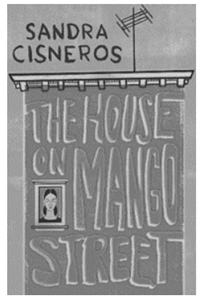
Acclaimed by critics, beloved by readers of all ages, taught
everywhere from inner-city grade schools to universities across the
country, and translated all over the world, The House on Mango
Street is the remarkable story of Esperanza Cordero.
Told in a series of vignettes – sometimes heartbreaking, sometimes
deeply joyous – it is the story of a young Latina girl growing up in
Chicago, inventing for herself who and what she will become. Few
other books in our time have touched so many readers.
From: https://www.amazon.com.br/dp/0679734775
TEXT VI
They always told us that one day we would move into a house, a
real house that would be ours for always so we wouldn't have to
move each year. And our house would have running water and
pipes that worked. And inside it would have real stairs, not hallway
stairs, but stairs inside like the houses on T.V. And we'd have a
basement and at least three washrooms so when we took a bath
we wouldn't have to tell everybody. Our house would be white with
trees around it, a great big yard and grass growing without a fence.
This was the house Papa talked about when he held a lottery ticket
and this was the house Mama dreamed up in the stories she told
us before we went to bed.
From: CISNEROS, Sandra. The House on Mango Street. New York: Vintage Books,
1991. p. 4.
In Text V, the fragment “sometimes heartbreaking, sometimes
deeply joyous” signals a
 Conheça nossos planos