🎯 Saiba o que estudar

Avançado com Treinador a partir de R$ 0,76/dia

Questões de Concurso Público Prefeitura de Peruíbe - SP 2023 para Professor de Educação Básica II (Língua Estrangeira Moderna - Inglês)

Questões Discursivas

Foram encontradas 50 questões

Q4227838 Inglês
Leia o texto para responder à questão.

    Through practice and experience in an increasingly wide range of communicative contexts and events, learners gradually expand their communicative competence, consisting of grammatical competence, discourse competence, sociocultural competence and strategic competence. All these components are interrelated. An increase in one component interacts with other components to produce a corresponding increase in overall communicative competence.

    Grammatical competence refers to sentence-level grammatical form, the ability to recognize the lexical, morphological, syntactic and phonological feature of a language and to make use of these features to interpret and form words and whole sentences. One demonstrates grammatical competence not by stating a rule but by using a rule in the interpretation, expression or negotiation of meaning.

    Discourse competence is concerned not with isolated words or phrases but with the interconnectedness of a series of utterances, written words and/or phrases to build a text, a meaningful whole. Two familiar concepts to talk about discourse competence are text coherence and cohesion. Text coherence is the relation of all sentences or utterances in a text to a single global proposition. Local connections or structural links between individual sentences provide cohesion. Sociocultural competence extends well beyond linguistic forms and is an interdisciplinary field of inquiry having to do with the social rules of language use.

    Sociocultural competence requires an understanding of the social context where language is used: the roles of the participants, the information they share, and the function of the interation. And although we are far from an adequate description of sociocultural rules of appropriateness, we use them to communicate successfully in many different contexts of situation. Sociocultural competence also includes a willingness to suspend judgement and take into consideration the possibility of cultural differences in convention and use. Thus the importance of the term cultural flexibility or cultural awareness.

    The ‘’ideal native speaker,’’ someone who knows a language perfectly and uses it appropriately in all social interactions, exists in theory only. None of us knows all there is to know of English in its many manifestations, both around the world and in our own backyards. Communicative competence is always relative. The coping strategies we use in unfamiliar contexts, with constraints due to imperfect knowledge of rules or limiting factors in their application such as fatigue or distraction, are represented as strategic competence. With practice and experience, we gain in grammatical, discourse, and socio-cultural competence. The relative importance of strategic competence thus decreases. However, the effective use of coping strategies is important for communicative competence in all contexts and distinguishes highly competent communicators from those who are less so.


(Sandra J. Savignon. Communicative language teaching for the
twenty-first century. IN: Marianne Celce-Murcia. Teaching English as a
second or foreign language. Boston, Massachusstes: Heinle&Heinle.
3rd edition. 2002. Adaptado)
A course grounded on the idea that simply teaching students to use a language rule is not enough, and dedicates a considerable amount of time and effort to stating the rule, would be following
Alternativas
Q4227839 Inglês
Leia o texto para responder à questão.

    Through practice and experience in an increasingly wide range of communicative contexts and events, learners gradually expand their communicative competence, consisting of grammatical competence, discourse competence, sociocultural competence and strategic competence. All these components are interrelated. An increase in one component interacts with other components to produce a corresponding increase in overall communicative competence.

    Grammatical competence refers to sentence-level grammatical form, the ability to recognize the lexical, morphological, syntactic and phonological feature of a language and to make use of these features to interpret and form words and whole sentences. One demonstrates grammatical competence not by stating a rule but by using a rule in the interpretation, expression or negotiation of meaning.

    Discourse competence is concerned not with isolated words or phrases but with the interconnectedness of a series of utterances, written words and/or phrases to build a text, a meaningful whole. Two familiar concepts to talk about discourse competence are text coherence and cohesion. Text coherence is the relation of all sentences or utterances in a text to a single global proposition. Local connections or structural links between individual sentences provide cohesion. Sociocultural competence extends well beyond linguistic forms and is an interdisciplinary field of inquiry having to do with the social rules of language use.

    Sociocultural competence requires an understanding of the social context where language is used: the roles of the participants, the information they share, and the function of the interation. And although we are far from an adequate description of sociocultural rules of appropriateness, we use them to communicate successfully in many different contexts of situation. Sociocultural competence also includes a willingness to suspend judgement and take into consideration the possibility of cultural differences in convention and use. Thus the importance of the term cultural flexibility or cultural awareness.

    The ‘’ideal native speaker,’’ someone who knows a language perfectly and uses it appropriately in all social interactions, exists in theory only. None of us knows all there is to know of English in its many manifestations, both around the world and in our own backyards. Communicative competence is always relative. The coping strategies we use in unfamiliar contexts, with constraints due to imperfect knowledge of rules or limiting factors in their application such as fatigue or distraction, are represented as strategic competence. With practice and experience, we gain in grammatical, discourse, and socio-cultural competence. The relative importance of strategic competence thus decreases. However, the effective use of coping strategies is important for communicative competence in all contexts and distinguishes highly competent communicators from those who are less so.


(Sandra J. Savignon. Communicative language teaching for the
twenty-first century. IN: Marianne Celce-Murcia. Teaching English as a
second or foreign language. Boston, Massachusstes: Heinle&Heinle.
3rd edition. 2002. Adaptado)
According to the second paragraph, grammatical competence helps interpretation of words. Thus in the phrase “whole sentences” (paragraph 2), grammatical structure helps identify the underlined word as an adjective; in “a meaningful whole” (paragraph 3), the underlined word is a noun. Sentence structure allows the identification of the word “quiet” as a noun in alternative:
Alternativas
Q4227840 Inglês
Leia o texto para responder à questão.

    Through practice and experience in an increasingly wide range of communicative contexts and events, learners gradually expand their communicative competence, consisting of grammatical competence, discourse competence, sociocultural competence and strategic competence. All these components are interrelated. An increase in one component interacts with other components to produce a corresponding increase in overall communicative competence.

    Grammatical competence refers to sentence-level grammatical form, the ability to recognize the lexical, morphological, syntactic and phonological feature of a language and to make use of these features to interpret and form words and whole sentences. One demonstrates grammatical competence not by stating a rule but by using a rule in the interpretation, expression or negotiation of meaning.

    Discourse competence is concerned not with isolated words or phrases but with the interconnectedness of a series of utterances, written words and/or phrases to build a text, a meaningful whole. Two familiar concepts to talk about discourse competence are text coherence and cohesion. Text coherence is the relation of all sentences or utterances in a text to a single global proposition. Local connections or structural links between individual sentences provide cohesion. Sociocultural competence extends well beyond linguistic forms and is an interdisciplinary field of inquiry having to do with the social rules of language use.

    Sociocultural competence requires an understanding of the social context where language is used: the roles of the participants, the information they share, and the function of the interation. And although we are far from an adequate description of sociocultural rules of appropriateness, we use them to communicate successfully in many different contexts of situation. Sociocultural competence also includes a willingness to suspend judgement and take into consideration the possibility of cultural differences in convention and use. Thus the importance of the term cultural flexibility or cultural awareness.

    The ‘’ideal native speaker,’’ someone who knows a language perfectly and uses it appropriately in all social interactions, exists in theory only. None of us knows all there is to know of English in its many manifestations, both around the world and in our own backyards. Communicative competence is always relative. The coping strategies we use in unfamiliar contexts, with constraints due to imperfect knowledge of rules or limiting factors in their application such as fatigue or distraction, are represented as strategic competence. With practice and experience, we gain in grammatical, discourse, and socio-cultural competence. The relative importance of strategic competence thus decreases. However, the effective use of coping strategies is important for communicative competence in all contexts and distinguishes highly competent communicators from those who are less so.


(Sandra J. Savignon. Communicative language teaching for the
twenty-first century. IN: Marianne Celce-Murcia. Teaching English as a
second or foreign language. Boston, Massachusstes: Heinle&Heinle.
3rd edition. 2002. Adaptado)
At the lexical level, competence includes the recognition and use of longer stretches of language such as the underlined expression in “an interdisciplinary field of inquiry having to do with the social rules of language use”. The same meaning for the expression is found in alternative:
Alternativas
Q4227841 Linguística
Leia o texto para responder à questão.

    Through practice and experience in an increasingly wide range of communicative contexts and events, learners gradually expand their communicative competence, consisting of grammatical competence, discourse competence, sociocultural competence and strategic competence. All these components are interrelated. An increase in one component interacts with other components to produce a corresponding increase in overall communicative competence.

    Grammatical competence refers to sentence-level grammatical form, the ability to recognize the lexical, morphological, syntactic and phonological feature of a language and to make use of these features to interpret and form words and whole sentences. One demonstrates grammatical competence not by stating a rule but by using a rule in the interpretation, expression or negotiation of meaning.

    Discourse competence is concerned not with isolated words or phrases but with the interconnectedness of a series of utterances, written words and/or phrases to build a text, a meaningful whole. Two familiar concepts to talk about discourse competence are text coherence and cohesion. Text coherence is the relation of all sentences or utterances in a text to a single global proposition. Local connections or structural links between individual sentences provide cohesion. Sociocultural competence extends well beyond linguistic forms and is an interdisciplinary field of inquiry having to do with the social rules of language use.

    Sociocultural competence requires an understanding of the social context where language is used: the roles of the participants, the information they share, and the function of the interation. And although we are far from an adequate description of sociocultural rules of appropriateness, we use them to communicate successfully in many different contexts of situation. Sociocultural competence also includes a willingness to suspend judgement and take into consideration the possibility of cultural differences in convention and use. Thus the importance of the term cultural flexibility or cultural awareness.

    The ‘’ideal native speaker,’’ someone who knows a language perfectly and uses it appropriately in all social interactions, exists in theory only. None of us knows all there is to know of English in its many manifestations, both around the world and in our own backyards. Communicative competence is always relative. The coping strategies we use in unfamiliar contexts, with constraints due to imperfect knowledge of rules or limiting factors in their application such as fatigue or distraction, are represented as strategic competence. With practice and experience, we gain in grammatical, discourse, and socio-cultural competence. The relative importance of strategic competence thus decreases. However, the effective use of coping strategies is important for communicative competence in all contexts and distinguishes highly competent communicators from those who are less so.


(Sandra J. Savignon. Communicative language teaching for the
twenty-first century. IN: Marianne Celce-Murcia. Teaching English as a
second or foreign language. Boston, Massachusstes: Heinle&Heinle.
3rd edition. 2002. Adaptado)
No trecho do quarto parágrafo “ Sociocultural competence requires an understanding of the social context where language is used”, the underlined word can be correctly replaced by
Alternativas
Q4227842 Inglês
Leia o texto para responder à questão.

    Through practice and experience in an increasingly wide range of communicative contexts and events, learners gradually expand their communicative competence, consisting of grammatical competence, discourse competence, sociocultural competence and strategic competence. All these components are interrelated. An increase in one component interacts with other components to produce a corresponding increase in overall communicative competence.

    Grammatical competence refers to sentence-level grammatical form, the ability to recognize the lexical, morphological, syntactic and phonological feature of a language and to make use of these features to interpret and form words and whole sentences. One demonstrates grammatical competence not by stating a rule but by using a rule in the interpretation, expression or negotiation of meaning.

    Discourse competence is concerned not with isolated words or phrases but with the interconnectedness of a series of utterances, written words and/or phrases to build a text, a meaningful whole. Two familiar concepts to talk about discourse competence are text coherence and cohesion. Text coherence is the relation of all sentences or utterances in a text to a single global proposition. Local connections or structural links between individual sentences provide cohesion. Sociocultural competence extends well beyond linguistic forms and is an interdisciplinary field of inquiry having to do with the social rules of language use.

    Sociocultural competence requires an understanding of the social context where language is used: the roles of the participants, the information they share, and the function of the interation. And although we are far from an adequate description of sociocultural rules of appropriateness, we use them to communicate successfully in many different contexts of situation. Sociocultural competence also includes a willingness to suspend judgement and take into consideration the possibility of cultural differences in convention and use. Thus the importance of the term cultural flexibility or cultural awareness.

    The ‘’ideal native speaker,’’ someone who knows a language perfectly and uses it appropriately in all social interactions, exists in theory only. None of us knows all there is to know of English in its many manifestations, both around the world and in our own backyards. Communicative competence is always relative. The coping strategies we use in unfamiliar contexts, with constraints due to imperfect knowledge of rules or limiting factors in their application such as fatigue or distraction, are represented as strategic competence. With practice and experience, we gain in grammatical, discourse, and socio-cultural competence. The relative importance of strategic competence thus decreases. However, the effective use of coping strategies is important for communicative competence in all contexts and distinguishes highly competent communicators from those who are less so.


(Sandra J. Savignon. Communicative language teaching for the
twenty-first century. IN: Marianne Celce-Murcia. Teaching English as a
second or foreign language. Boston, Massachusstes: Heinle&Heinle.
3rd edition. 2002. Adaptado)
A word with a silent gh, as in “through” (line 1), is also found in alternative:
Alternativas
Q4227843 Inglês
Leia o texto para responder à questão.

    Through practice and experience in an increasingly wide range of communicative contexts and events, learners gradually expand their communicative competence, consisting of grammatical competence, discourse competence, sociocultural competence and strategic competence. All these components are interrelated. An increase in one component interacts with other components to produce a corresponding increase in overall communicative competence.

    Grammatical competence refers to sentence-level grammatical form, the ability to recognize the lexical, morphological, syntactic and phonological feature of a language and to make use of these features to interpret and form words and whole sentences. One demonstrates grammatical competence not by stating a rule but by using a rule in the interpretation, expression or negotiation of meaning.

    Discourse competence is concerned not with isolated words or phrases but with the interconnectedness of a series of utterances, written words and/or phrases to build a text, a meaningful whole. Two familiar concepts to talk about discourse competence are text coherence and cohesion. Text coherence is the relation of all sentences or utterances in a text to a single global proposition. Local connections or structural links between individual sentences provide cohesion. Sociocultural competence extends well beyond linguistic forms and is an interdisciplinary field of inquiry having to do with the social rules of language use.

    Sociocultural competence requires an understanding of the social context where language is used: the roles of the participants, the information they share, and the function of the interation. And although we are far from an adequate description of sociocultural rules of appropriateness, we use them to communicate successfully in many different contexts of situation. Sociocultural competence also includes a willingness to suspend judgement and take into consideration the possibility of cultural differences in convention and use. Thus the importance of the term cultural flexibility or cultural awareness.

    The ‘’ideal native speaker,’’ someone who knows a language perfectly and uses it appropriately in all social interactions, exists in theory only. None of us knows all there is to know of English in its many manifestations, both around the world and in our own backyards. Communicative competence is always relative. The coping strategies we use in unfamiliar contexts, with constraints due to imperfect knowledge of rules or limiting factors in their application such as fatigue or distraction, are represented as strategic competence. With practice and experience, we gain in grammatical, discourse, and socio-cultural competence. The relative importance of strategic competence thus decreases. However, the effective use of coping strategies is important for communicative competence in all contexts and distinguishes highly competent communicators from those who are less so.


(Sandra J. Savignon. Communicative language teaching for the
twenty-first century. IN: Marianne Celce-Murcia. Teaching English as a
second or foreign language. Boston, Massachusstes: Heinle&Heinle.
3rd edition. 2002. Adaptado)
In the first sentence from the third paragraph “Discourse competence is concerned not with isolated words or phrases but with the interconnectedness of a series of utterances, written words and/or phrases to build a text, a meaningful whole.”, the underlined word functions as a cohesive device, and the expression “to build” can be replaced, with no change in meaning, by
Alternativas
Q4227844 Inglês
Leia o texto para responder à questão.

    Through practice and experience in an increasingly wide range of communicative contexts and events, learners gradually expand their communicative competence, consisting of grammatical competence, discourse competence, sociocultural competence and strategic competence. All these components are interrelated. An increase in one component interacts with other components to produce a corresponding increase in overall communicative competence.

    Grammatical competence refers to sentence-level grammatical form, the ability to recognize the lexical, morphological, syntactic and phonological feature of a language and to make use of these features to interpret and form words and whole sentences. One demonstrates grammatical competence not by stating a rule but by using a rule in the interpretation, expression or negotiation of meaning.

    Discourse competence is concerned not with isolated words or phrases but with the interconnectedness of a series of utterances, written words and/or phrases to build a text, a meaningful whole. Two familiar concepts to talk about discourse competence are text coherence and cohesion. Text coherence is the relation of all sentences or utterances in a text to a single global proposition. Local connections or structural links between individual sentences provide cohesion. Sociocultural competence extends well beyond linguistic forms and is an interdisciplinary field of inquiry having to do with the social rules of language use.

    Sociocultural competence requires an understanding of the social context where language is used: the roles of the participants, the information they share, and the function of the interation. And although we are far from an adequate description of sociocultural rules of appropriateness, we use them to communicate successfully in many different contexts of situation. Sociocultural competence also includes a willingness to suspend judgement and take into consideration the possibility of cultural differences in convention and use. Thus the importance of the term cultural flexibility or cultural awareness.

    The ‘’ideal native speaker,’’ someone who knows a language perfectly and uses it appropriately in all social interactions, exists in theory only. None of us knows all there is to know of English in its many manifestations, both around the world and in our own backyards. Communicative competence is always relative. The coping strategies we use in unfamiliar contexts, with constraints due to imperfect knowledge of rules or limiting factors in their application such as fatigue or distraction, are represented as strategic competence. With practice and experience, we gain in grammatical, discourse, and socio-cultural competence. The relative importance of strategic competence thus decreases. However, the effective use of coping strategies is important for communicative competence in all contexts and distinguishes highly competent communicators from those who are less so.


(Sandra J. Savignon. Communicative language teaching for the
twenty-first century. IN: Marianne Celce-Murcia. Teaching English as a
second or foreign language. Boston, Massachusstes: Heinle&Heinle.
3rd edition. 2002. Adaptado)
In the fourth paragraph, the discourse markers “although” and “thus” indicate, respectively,
Alternativas
Q4227845 Inglês
Leia o texto para responder à questão.

    Through practice and experience in an increasingly wide range of communicative contexts and events, learners gradually expand their communicative competence, consisting of grammatical competence, discourse competence, sociocultural competence and strategic competence. All these components are interrelated. An increase in one component interacts with other components to produce a corresponding increase in overall communicative competence.

    Grammatical competence refers to sentence-level grammatical form, the ability to recognize the lexical, morphological, syntactic and phonological feature of a language and to make use of these features to interpret and form words and whole sentences. One demonstrates grammatical competence not by stating a rule but by using a rule in the interpretation, expression or negotiation of meaning.

    Discourse competence is concerned not with isolated words or phrases but with the interconnectedness of a series of utterances, written words and/or phrases to build a text, a meaningful whole. Two familiar concepts to talk about discourse competence are text coherence and cohesion. Text coherence is the relation of all sentences or utterances in a text to a single global proposition. Local connections or structural links between individual sentences provide cohesion. Sociocultural competence extends well beyond linguistic forms and is an interdisciplinary field of inquiry having to do with the social rules of language use.

    Sociocultural competence requires an understanding of the social context where language is used: the roles of the participants, the information they share, and the function of the interation. And although we are far from an adequate description of sociocultural rules of appropriateness, we use them to communicate successfully in many different contexts of situation. Sociocultural competence also includes a willingness to suspend judgement and take into consideration the possibility of cultural differences in convention and use. Thus the importance of the term cultural flexibility or cultural awareness.

    The ‘’ideal native speaker,’’ someone who knows a language perfectly and uses it appropriately in all social interactions, exists in theory only. None of us knows all there is to know of English in its many manifestations, both around the world and in our own backyards. Communicative competence is always relative. The coping strategies we use in unfamiliar contexts, with constraints due to imperfect knowledge of rules or limiting factors in their application such as fatigue or distraction, are represented as strategic competence. With practice and experience, we gain in grammatical, discourse, and socio-cultural competence. The relative importance of strategic competence thus decreases. However, the effective use of coping strategies is important for communicative competence in all contexts and distinguishes highly competent communicators from those who are less so.


(Sandra J. Savignon. Communicative language teaching for the
twenty-first century. IN: Marianne Celce-Murcia. Teaching English as a
second or foreign language. Boston, Massachusstes: Heinle&Heinle.
3rd edition. 2002. Adaptado)
In the first sentence in the last paragraph “The ‘’ideal native speaker”, someone who knows a language perfectly and uses it appropriately in all social interaction, exists in theory only.”, the underlined fragment plays the role of
Alternativas
Q4227846 Inglês
Leia o texto para responder à questão.

    Through practice and experience in an increasingly wide range of communicative contexts and events, learners gradually expand their communicative competence, consisting of grammatical competence, discourse competence, sociocultural competence and strategic competence. All these components are interrelated. An increase in one component interacts with other components to produce a corresponding increase in overall communicative competence.

    Grammatical competence refers to sentence-level grammatical form, the ability to recognize the lexical, morphological, syntactic and phonological feature of a language and to make use of these features to interpret and form words and whole sentences. One demonstrates grammatical competence not by stating a rule but by using a rule in the interpretation, expression or negotiation of meaning.

    Discourse competence is concerned not with isolated words or phrases but with the interconnectedness of a series of utterances, written words and/or phrases to build a text, a meaningful whole. Two familiar concepts to talk about discourse competence are text coherence and cohesion. Text coherence is the relation of all sentences or utterances in a text to a single global proposition. Local connections or structural links between individual sentences provide cohesion. Sociocultural competence extends well beyond linguistic forms and is an interdisciplinary field of inquiry having to do with the social rules of language use.

    Sociocultural competence requires an understanding of the social context where language is used: the roles of the participants, the information they share, and the function of the interation. And although we are far from an adequate description of sociocultural rules of appropriateness, we use them to communicate successfully in many different contexts of situation. Sociocultural competence also includes a willingness to suspend judgement and take into consideration the possibility of cultural differences in convention and use. Thus the importance of the term cultural flexibility or cultural awareness.

    The ‘’ideal native speaker,’’ someone who knows a language perfectly and uses it appropriately in all social interactions, exists in theory only. None of us knows all there is to know of English in its many manifestations, both around the world and in our own backyards. Communicative competence is always relative. The coping strategies we use in unfamiliar contexts, with constraints due to imperfect knowledge of rules or limiting factors in their application such as fatigue or distraction, are represented as strategic competence. With practice and experience, we gain in grammatical, discourse, and socio-cultural competence. The relative importance of strategic competence thus decreases. However, the effective use of coping strategies is important for communicative competence in all contexts and distinguishes highly competent communicators from those who are less so.


(Sandra J. Savignon. Communicative language teaching for the
twenty-first century. IN: Marianne Celce-Murcia. Teaching English as a
second or foreign language. Boston, Massachusstes: Heinle&Heinle.
3rd edition. 2002. Adaptado)
In the sentence from the last paragraph, “None of us knows all there is to know of English in its many manifestations, both around the world and in our own backyards.”, the underlined cohesive device refers to
Alternativas
Q4227847 Inglês
Leia o texto para responder à questão.

    Through practice and experience in an increasingly wide range of communicative contexts and events, learners gradually expand their communicative competence, consisting of grammatical competence, discourse competence, sociocultural competence and strategic competence. All these components are interrelated. An increase in one component interacts with other components to produce a corresponding increase in overall communicative competence.

    Grammatical competence refers to sentence-level grammatical form, the ability to recognize the lexical, morphological, syntactic and phonological feature of a language and to make use of these features to interpret and form words and whole sentences. One demonstrates grammatical competence not by stating a rule but by using a rule in the interpretation, expression or negotiation of meaning.

    Discourse competence is concerned not with isolated words or phrases but with the interconnectedness of a series of utterances, written words and/or phrases to build a text, a meaningful whole. Two familiar concepts to talk about discourse competence are text coherence and cohesion. Text coherence is the relation of all sentences or utterances in a text to a single global proposition. Local connections or structural links between individual sentences provide cohesion. Sociocultural competence extends well beyond linguistic forms and is an interdisciplinary field of inquiry having to do with the social rules of language use.

    Sociocultural competence requires an understanding of the social context where language is used: the roles of the participants, the information they share, and the function of the interation. And although we are far from an adequate description of sociocultural rules of appropriateness, we use them to communicate successfully in many different contexts of situation. Sociocultural competence also includes a willingness to suspend judgement and take into consideration the possibility of cultural differences in convention and use. Thus the importance of the term cultural flexibility or cultural awareness.

    The ‘’ideal native speaker,’’ someone who knows a language perfectly and uses it appropriately in all social interactions, exists in theory only. None of us knows all there is to know of English in its many manifestations, both around the world and in our own backyards. Communicative competence is always relative. The coping strategies we use in unfamiliar contexts, with constraints due to imperfect knowledge of rules or limiting factors in their application such as fatigue or distraction, are represented as strategic competence. With practice and experience, we gain in grammatical, discourse, and socio-cultural competence. The relative importance of strategic competence thus decreases. However, the effective use of coping strategies is important for communicative competence in all contexts and distinguishes highly competent communicators from those who are less so.


(Sandra J. Savignon. Communicative language teaching for the
twenty-first century. IN: Marianne Celce-Murcia. Teaching English as a
second or foreign language. Boston, Massachusstes: Heinle&Heinle.
3rd edition. 2002. Adaptado)
A competência sociocultural considera, entre outros fatores, o contexto social em que os falantes estão envolvidos, e a relação entre eles. Nesse sentido, mostra-se socioculturalmente adequada a fala contida na alternativa:
Alternativas
Q4227848 Inglês
Leia o texto para responder à questão.

    Through practice and experience in an increasingly wide range of communicative contexts and events, learners gradually expand their communicative competence, consisting of grammatical competence, discourse competence, sociocultural competence and strategic competence. All these components are interrelated. An increase in one component interacts with other components to produce a corresponding increase in overall communicative competence.

    Grammatical competence refers to sentence-level grammatical form, the ability to recognize the lexical, morphological, syntactic and phonological feature of a language and to make use of these features to interpret and form words and whole sentences. One demonstrates grammatical competence not by stating a rule but by using a rule in the interpretation, expression or negotiation of meaning.

    Discourse competence is concerned not with isolated words or phrases but with the interconnectedness of a series of utterances, written words and/or phrases to build a text, a meaningful whole. Two familiar concepts to talk about discourse competence are text coherence and cohesion. Text coherence is the relation of all sentences or utterances in a text to a single global proposition. Local connections or structural links between individual sentences provide cohesion. Sociocultural competence extends well beyond linguistic forms and is an interdisciplinary field of inquiry having to do with the social rules of language use.

    Sociocultural competence requires an understanding of the social context where language is used: the roles of the participants, the information they share, and the function of the interation. And although we are far from an adequate description of sociocultural rules of appropriateness, we use them to communicate successfully in many different contexts of situation. Sociocultural competence also includes a willingness to suspend judgement and take into consideration the possibility of cultural differences in convention and use. Thus the importance of the term cultural flexibility or cultural awareness.

    The ‘’ideal native speaker,’’ someone who knows a language perfectly and uses it appropriately in all social interactions, exists in theory only. None of us knows all there is to know of English in its many manifestations, both around the world and in our own backyards. Communicative competence is always relative. The coping strategies we use in unfamiliar contexts, with constraints due to imperfect knowledge of rules or limiting factors in their application such as fatigue or distraction, are represented as strategic competence. With practice and experience, we gain in grammatical, discourse, and socio-cultural competence. The relative importance of strategic competence thus decreases. However, the effective use of coping strategies is important for communicative competence in all contexts and distinguishes highly competent communicators from those who are less so.


(Sandra J. Savignon. Communicative language teaching for the
twenty-first century. IN: Marianne Celce-Murcia. Teaching English as a
second or foreign language. Boston, Massachusstes: Heinle&Heinle.
3rd edition. 2002. Adaptado)
 “Coping strategies”, as mentioned in the last paragraph, refer to
Alternativas
Q4227849 Inglês
Leia o texto para responder à questão.

    Through practice and experience in an increasingly wide range of communicative contexts and events, learners gradually expand their communicative competence, consisting of grammatical competence, discourse competence, sociocultural competence and strategic competence. All these components are interrelated. An increase in one component interacts with other components to produce a corresponding increase in overall communicative competence.

    Grammatical competence refers to sentence-level grammatical form, the ability to recognize the lexical, morphological, syntactic and phonological feature of a language and to make use of these features to interpret and form words and whole sentences. One demonstrates grammatical competence not by stating a rule but by using a rule in the interpretation, expression or negotiation of meaning.

    Discourse competence is concerned not with isolated words or phrases but with the interconnectedness of a series of utterances, written words and/or phrases to build a text, a meaningful whole. Two familiar concepts to talk about discourse competence are text coherence and cohesion. Text coherence is the relation of all sentences or utterances in a text to a single global proposition. Local connections or structural links between individual sentences provide cohesion. Sociocultural competence extends well beyond linguistic forms and is an interdisciplinary field of inquiry having to do with the social rules of language use.

    Sociocultural competence requires an understanding of the social context where language is used: the roles of the participants, the information they share, and the function of the interation. And although we are far from an adequate description of sociocultural rules of appropriateness, we use them to communicate successfully in many different contexts of situation. Sociocultural competence also includes a willingness to suspend judgement and take into consideration the possibility of cultural differences in convention and use. Thus the importance of the term cultural flexibility or cultural awareness.

    The ‘’ideal native speaker,’’ someone who knows a language perfectly and uses it appropriately in all social interactions, exists in theory only. None of us knows all there is to know of English in its many manifestations, both around the world and in our own backyards. Communicative competence is always relative. The coping strategies we use in unfamiliar contexts, with constraints due to imperfect knowledge of rules or limiting factors in their application such as fatigue or distraction, are represented as strategic competence. With practice and experience, we gain in grammatical, discourse, and socio-cultural competence. The relative importance of strategic competence thus decreases. However, the effective use of coping strategies is important for communicative competence in all contexts and distinguishes highly competent communicators from those who are less so.


(Sandra J. Savignon. Communicative language teaching for the
twenty-first century. IN: Marianne Celce-Murcia. Teaching English as a
second or foreign language. Boston, Massachusstes: Heinle&Heinle.
3rd edition. 2002. Adaptado)
 As to the development of oral communicative competence, communicative language teaching advocates
Alternativas
Q4227850 Inglês

Leia o texto para responder à questão.


    Assessment is perhaps one of the least understood areas of language teaching and learning. Students may see tests as a threat to their competence because they are afraid they will not perform well. Teachers often do not like to construct tests and are not altogether satisfied with the results when they do.


     A more constructive view of language testing exists when (a) testing is undertood as an opportunity for interaction between teacher and student; (b) students are judged on the basis of the knowledge they have; (c) the criteria for success on the test are clear to students; (d) students receive a grade for their performance on a set of tests representing different testing methods (not just one!); (e) the tests are intended to help students improve their skills; (f) the results are discussed.


    The seminal efforts by Canalle e Swain (1980) to operationalize Hymes’ (1972) communicative competence have provided a relevant set of criteria for describing tests. Tests should be seen as tapping one or more of the four components making up the construct of communicative competence: grammatical, discourse, sociolinguistic and strategic competence.


(Andrew D.Cohen. Second language Assessment. IN: Marianne

Cerce-Murcia(ed). Teaching English as a second or foreign language.

Boston, Massachusstes: Heinle&Heinle. 2nd edition. 2001. Adaptado)

In the fragment from the first paragraph, “Teachers often do not like to construct tests and are not altogether satisfied with the results”, the underlined word means
Alternativas
Q4227851 Pedagogia

Leia o texto para responder à questão.


    Assessment is perhaps one of the least understood areas of language teaching and learning. Students may see tests as a threat to their competence because they are afraid they will not perform well. Teachers often do not like to construct tests and are not altogether satisfied with the results when they do.


     A more constructive view of language testing exists when (a) testing is undertood as an opportunity for interaction between teacher and student; (b) students are judged on the basis of the knowledge they have; (c) the criteria for success on the test are clear to students; (d) students receive a grade for their performance on a set of tests representing different testing methods (not just one!); (e) the tests are intended to help students improve their skills; (f) the results are discussed.


    The seminal efforts by Canalle e Swain (1980) to operationalize Hymes’ (1972) communicative competence have provided a relevant set of criteria for describing tests. Tests should be seen as tapping one or more of the four components making up the construct of communicative competence: grammatical, discourse, sociolinguistic and strategic competence.


(Andrew D.Cohen. Second language Assessment. IN: Marianne

Cerce-Murcia(ed). Teaching English as a second or foreign language.

Boston, Massachusstes: Heinle&Heinle. 2nd edition. 2001. Adaptado)

In the second paragraph, criteria (e) and (f) will be most precisely followed by a teacher concerned with
Alternativas
Q4227852 Inglês

Leia o texto para responder à questão.


    Assessment is perhaps one of the least understood areas of language teaching and learning. Students may see tests as a threat to their competence because they are afraid they will not perform well. Teachers often do not like to construct tests and are not altogether satisfied with the results when they do.


     A more constructive view of language testing exists when (a) testing is undertood as an opportunity for interaction between teacher and student; (b) students are judged on the basis of the knowledge they have; (c) the criteria for success on the test are clear to students; (d) students receive a grade for their performance on a set of tests representing different testing methods (not just one!); (e) the tests are intended to help students improve their skills; (f) the results are discussed.


    The seminal efforts by Canalle e Swain (1980) to operationalize Hymes’ (1972) communicative competence have provided a relevant set of criteria for describing tests. Tests should be seen as tapping one or more of the four components making up the construct of communicative competence: grammatical, discourse, sociolinguistic and strategic competence.


(Andrew D.Cohen. Second language Assessment. IN: Marianne

Cerce-Murcia(ed). Teaching English as a second or foreign language.

Boston, Massachusstes: Heinle&Heinle. 2nd edition. 2001. Adaptado)

When preparing a reading test, a teacher who follows strict structuralist views of language and language learning will give priority to test items which evaluate, for example, the ability to
Alternativas
Q4227853 Inglês

Leia o texto para responder à questão.


    Assessment is perhaps one of the least understood areas of language teaching and learning. Students may see tests as a threat to their competence because they are afraid they will not perform well. Teachers often do not like to construct tests and are not altogether satisfied with the results when they do.


     A more constructive view of language testing exists when (a) testing is undertood as an opportunity for interaction between teacher and student; (b) students are judged on the basis of the knowledge they have; (c) the criteria for success on the test are clear to students; (d) students receive a grade for their performance on a set of tests representing different testing methods (not just one!); (e) the tests are intended to help students improve their skills; (f) the results are discussed.


    The seminal efforts by Canalle e Swain (1980) to operationalize Hymes’ (1972) communicative competence have provided a relevant set of criteria for describing tests. Tests should be seen as tapping one or more of the four components making up the construct of communicative competence: grammatical, discourse, sociolinguistic and strategic competence.


(Andrew D.Cohen. Second language Assessment. IN: Marianne

Cerce-Murcia(ed). Teaching English as a second or foreign language.

Boston, Massachusstes: Heinle&Heinle. 2nd edition. 2001. Adaptado)

A avaliação da competência comunicativa deverá
Alternativas
Q4227854 Inglês

Leia o texto para responder à questão.


    Assessment is perhaps one of the least understood areas of language teaching and learning. Students may see tests as a threat to their competence because they are afraid they will not perform well. Teachers often do not like to construct tests and are not altogether satisfied with the results when they do.


     A more constructive view of language testing exists when (a) testing is undertood as an opportunity for interaction between teacher and student; (b) students are judged on the basis of the knowledge they have; (c) the criteria for success on the test are clear to students; (d) students receive a grade for their performance on a set of tests representing different testing methods (not just one!); (e) the tests are intended to help students improve their skills; (f) the results are discussed.


    The seminal efforts by Canalle e Swain (1980) to operationalize Hymes’ (1972) communicative competence have provided a relevant set of criteria for describing tests. Tests should be seen as tapping one or more of the four components making up the construct of communicative competence: grammatical, discourse, sociolinguistic and strategic competence.


(Andrew D.Cohen. Second language Assessment. IN: Marianne

Cerce-Murcia(ed). Teaching English as a second or foreign language.

Boston, Massachusstes: Heinle&Heinle. 2nd edition. 2001. Adaptado)

Leia o cartum.
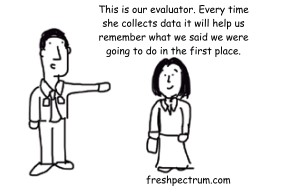

Captura_de tela 2026-08-10 154148.jpg (296×192)


In the cartoon, the words of the character on the left reflect the need to meet the following criterion for test writing, according to the excerpt from Cohen’s article:

Alternativas
Q4227855 Inglês

Leia o texto para responder à questão.


Canada: Educating in and for climate emergency 


    Climate change is the most urgent crisis facing our planet today. Youth have repeatedly called for action on tackling this crisis, including the implementation of climate change curricula in schools.


    Canadian students are among those demanding improvement to the sparse and inconsistent delivery of climate change education. A study published in 2019 found that only about half of Canada’s ministries of education and about 60 per cent of school divisions in the country had sustainabilityspecific policy, with this understood to include governance, curriculum, facilities, research, and community outreach. When climate change topics are taught, key concepts are often missing such as the scientific consensus that humans are causing climate change, or a focus on impacts or solutions.


    A recent countrywide survey of 4,035 respondents across the country highlighted the consequences of inadequate climate change education in schools. One-third of Canadians failed a 10-question knowledge quiz. Only around half knew greenhouse gases were the main cause of climate change. Few responded correctly that the average temperature has already increased by more than one degree Celsius. Despite their gaps in knowledge, the majority of survey respondents agreed that we are experiencing a climate emergency and that climate change education should be a high priority.


    Ten percent of survey respondents were educators (406 people), and among this group, half said a lack of time is a barrier when attempting to include climate change education within the classroom. In fact, respected international organizations have noted that implementing climate change education in schools cannot continue to fall on the shoulders of overburdened teachers.


    The traditional way of teaching doesn’t work for complex topics like climate change. Teachers need to shift towards student-directed inquiry and active, real-world learning. It’s not enough to simply quote scientific facts, as a focus on “doom and gloom” can intensify eco-anxiety. Best practices for climate change education include the opportunity to take personal and collective action.


(Karen S. Acton. http://theconversation.com, 07.03.2023. Adaptado)

The discussions in the text rest on information deriving largely from
Alternativas
Q4227856 Inglês

Leia o texto para responder à questão.


Canada: Educating in and for climate emergency 


    Climate change is the most urgent crisis facing our planet today. Youth have repeatedly called for action on tackling this crisis, including the implementation of climate change curricula in schools.


    Canadian students are among those demanding improvement to the sparse and inconsistent delivery of climate change education. A study published in 2019 found that only about half of Canada’s ministries of education and about 60 per cent of school divisions in the country had sustainabilityspecific policy, with this understood to include governance, curriculum, facilities, research, and community outreach. When climate change topics are taught, key concepts are often missing such as the scientific consensus that humans are causing climate change, or a focus on impacts or solutions.


    A recent countrywide survey of 4,035 respondents across the country highlighted the consequences of inadequate climate change education in schools. One-third of Canadians failed a 10-question knowledge quiz. Only around half knew greenhouse gases were the main cause of climate change. Few responded correctly that the average temperature has already increased by more than one degree Celsius. Despite their gaps in knowledge, the majority of survey respondents agreed that we are experiencing a climate emergency and that climate change education should be a high priority.


    Ten percent of survey respondents were educators (406 people), and among this group, half said a lack of time is a barrier when attempting to include climate change education within the classroom. In fact, respected international organizations have noted that implementing climate change education in schools cannot continue to fall on the shoulders of overburdened teachers.


    The traditional way of teaching doesn’t work for complex topics like climate change. Teachers need to shift towards student-directed inquiry and active, real-world learning. It’s not enough to simply quote scientific facts, as a focus on “doom and gloom” can intensify eco-anxiety. Best practices for climate change education include the opportunity to take personal and collective action.


(Karen S. Acton. http://theconversation.com, 07.03.2023. Adaptado)

In the sentence from the first paragraph “Youth have repeatedly called for action on tackling this crisis, including improved climate change education.”, the underlined fragment means that youth, repeatedly, have
Alternativas
Q4227857 Inglês

Leia o texto para responder à questão.


Canada: Educating in and for climate emergency 


    Climate change is the most urgent crisis facing our planet today. Youth have repeatedly called for action on tackling this crisis, including the implementation of climate change curricula in schools.


    Canadian students are among those demanding improvement to the sparse and inconsistent delivery of climate change education. A study published in 2019 found that only about half of Canada’s ministries of education and about 60 per cent of school divisions in the country had sustainabilityspecific policy, with this understood to include governance, curriculum, facilities, research, and community outreach. When climate change topics are taught, key concepts are often missing such as the scientific consensus that humans are causing climate change, or a focus on impacts or solutions.


    A recent countrywide survey of 4,035 respondents across the country highlighted the consequences of inadequate climate change education in schools. One-third of Canadians failed a 10-question knowledge quiz. Only around half knew greenhouse gases were the main cause of climate change. Few responded correctly that the average temperature has already increased by more than one degree Celsius. Despite their gaps in knowledge, the majority of survey respondents agreed that we are experiencing a climate emergency and that climate change education should be a high priority.


    Ten percent of survey respondents were educators (406 people), and among this group, half said a lack of time is a barrier when attempting to include climate change education within the classroom. In fact, respected international organizations have noted that implementing climate change education in schools cannot continue to fall on the shoulders of overburdened teachers.


    The traditional way of teaching doesn’t work for complex topics like climate change. Teachers need to shift towards student-directed inquiry and active, real-world learning. It’s not enough to simply quote scientific facts, as a focus on “doom and gloom” can intensify eco-anxiety. Best practices for climate change education include the opportunity to take personal and collective action.


(Karen S. Acton. http://theconversation.com, 07.03.2023. Adaptado)

According to the second paragraph, Canadian students believe the climate change education they have received is
Alternativas
Respostas
21: A
22: D
23: A
24: C
25: B
26: E
27: B
28: A
29: C
30: D
31: E
32: B
33: A
34: B
35: C
36: D
37: E
38: C
39: B
40: D