Questões de Concurso
Comentadas sobre aspectos linguísticos | linguistic aspects em inglês
Foram encontradas 841 questões


NO MAN'S LAND
Mystery of world's only stretch of unclaimed land with NO laws that farmer tried to seize to make daughter a princess
Hidden deep in the African desert lies one of the strangest pieces of land on Earth — not for its beauty, wealth, or strategic value, but because no country wants it.
Bir Tawil is a 2,060-square-kilometre patch of barren desert between Egypt and Sudan, which remains an unusual geopolitical anomaly after decades of being unclaimed.
Those daring to go there face a tough journey, driving through remote desert roads past relics of gold mines and, at times, crossing paths with armed gangs and bandits.
Bir Tawil has long been a quirky favourite for small, often tongue-in-cheek, self-declared "countries" - usually founded by ordinary people across the globe.
With no laws, the land has even drawn would-be "kings," including a US dad who trekked there to fulfil his young daughter's wish of becoming a princess.
Jeremiah Heaton, a Virginia farmer, planted a flag and declared Bir Tawil the "Kingdom of North Sudan" so that his daughter Emily could have a royal title. While the move had no legal bearing, it sparked global interest and debate over land claims and the nature of sovereignty.
As the dad tells it, Emily had casually asked if she could be a princess, and Heaton, wanting to make her dream come true, started looking for a way to make that happen. While most parents might have gently explained the impracticality of such a request, Heaton took it as a challenge. He began researching unclaimed land where he could theoretically establish a kingdom for Emily, at the time aged six.
In June 2014, Heaton headed to northeastern Africa, reaching Bir Tawil after a challenging journey through the desert. With a homemade blue flag bearing a crown symbol and the name "Heaton," he ceremoniously planted it in the sand, declaring Bir Tawil the "Kingdom of North Sudan" and himself its king. He immediately proclaimed Emily to be a princess, therefore "granting" her the royal title she had wished for.
In 2017, Suyash Dixit, an IT entrepreneur from Indore, India, also claimed Bir Tawil as his own, naming it the "Kingdom of Dixit." After a challenging journey across the desert, he planted a flag, declared himself king, and even "appointed" his father as prime minister. He posted his claim and experience on social media, where it garnered significant attention and sparked a wave of jokes and memes.
There are rumours, though largely unsubstantiated, that Bir Tawil contains hidden gold deposits.
While Egypt and Sudan have both had ancient ties to gold mining, particularly in the Nubian Desert, Bir Tawil itself is rarely studied or mined. These rumours, however, have attracted a few treasure hunters and adventurers over the years, hoping to uncover hidden riches in the desert.
Some have even joked about Bir Tawil as a potential "backup homeland" for populations affected by natural disasters. While obviously impractical, the idea underscores the paradox of unclaimed land in a time when territorial disputes are common.
Despite several stunts and theories, Bir Tawil remains unclaimed due to a unique border dispute between Egypt and Sudan.
The journey to Bir Tawil is lengthy and can take anywhere from two days to a week, depending on the starting point, route, and conditions. Due to its isolation and extreme desert environment, the journey requires careful planning, local knowledge, and permission from authorities in Egypt or Sudan.
Most travellers begin in Aswan, Egypt, or Khartoum, Sudan, as these are the nearest large cities with transportation infrastructure. From Aswan, the trip typically involves a long desert drive heading southward toward the Egypt-Sudan border.
Both countries monitor the border area closely, with visitors needing permits and a good guide familiar with the region. Egypt, in particular, restricts movement near the border, especially in sensitive zones close to the Hala'ib Triangle.
The trip to Bir Tawil from either Egypt or Sudan covers hundreds of kilometres across remote, rugged desert terrain. Explorers often follow dirt tracks used by nomadic tribes, miners, or military patrols, though few roads are mapped or maintained. The drive can take days and usually involves off-road vehicles capable of handling deep sand and rough trails.
There are no towns, water sources, or services along the way, so travellers must bring ample water, food, fuel, and spare parts. And to make matters worse, armed gangs, smugglers, and bandits often prey upon those venturing in the desert, particularly along less-monitored routes.
The origins of this unclaimed desert stretch back to British colonial rule in the late 19th and early 20th centuries, when overlapping boundary lines inadvertently left Bir Tawil in a legal limbo.
In 1899, while both Egypt and Sudan were under British administration, a formal border was established along the 22nd parallel north. This placed Bir Tawil, an arid and resource-poor patch of desert, in Egyptian territory, while a more valuable area, the Hala'ib Triangle, was assigned to Sudan.
But in 1902, the British changed the boundary to fit the local tribes' movements, putting Bir Tawil in Sudan instead and giving Egypt control over the fertile Hala'ib Triangle.
When Egypt and Sudan became independent, each country wanted the Hala'ib Triangle because it has good land and access to the Red Sea.
Egypt claims it based on the 1899 line, while Sudan uses the 1902 line to support its claim. Bir Tawil, a barren desert with no resources, has no value to either country.
To claim the Hala'ib Triangle, each country must reject Bir Tawil — because they can't claim both under their chosen boundary line. So by claiming Hala'ib, they essentially "give away" Bir Tawil, leaving it unwanted.
The territory is therefore unclaimed because Egypt and Sudan only want the valuable land next to it, not Bir Tawil itself.
For now, Bir Tawil endures as a strange relic of colonial history and an unlikely symbol of modern-day geopolitics — a land still ungoverned and, in all likelihood, destined to remain unclaimed.
Source:
https://www.thesun.co.uk/news/30658172/bir-tawil-land-that-bel ongs-to-no-nation/ (adapted)
https://www.thesun.co.uk/news/30658172/bir-tawil-land-that-belongs-to-no-nation/
NO MAN'S LAND
Mystery of world's only stretch of unclaimed land with NO laws that farmer tried to seize to make daughter a princess
Hidden deep in the African desert lies one of the strangest pieces of land on Earth — not for its beauty, wealth, or strategic value, but because no country wants it.
Bir Tawil is a 2,060-square-kilometre patch of barren desert between Egypt and Sudan, which remains an unusual geopolitical anomaly after decades of being unclaimed.
Those daring to go there face a tough journey, driving through remote desert roads past relics of gold mines and, at times, crossing paths with armed gangs and bandits.
Bir Tawil has long been a quirky favourite for small, often tongue-in-cheek, self-declared "countries" - usually founded by ordinary people across the globe.
With no laws, the land has even drawn would-be "kings," including a US dad who trekked there to fulfil his young daughter's wish of becoming a princess.
Jeremiah Heaton, a Virginia farmer, planted a flag and declared Bir Tawil the "Kingdom of North Sudan" so that his daughter Emily could have a royal title. While the move had no legal bearing, it sparked global interest and debate over land claims and the nature of sovereignty.
As the dad tells it, Emily had casually asked if she could be a princess, and Heaton, wanting to make her dream come true, started looking for a way to make that happen. While most parents might have gently explained the impracticality of such a request, Heaton took it as a challenge. He began researching unclaimed land where he could theoretically establish a kingdom for Emily, at the time aged six.
In June 2014, Heaton headed to northeastern Africa, reaching Bir Tawil after a challenging journey through the desert. With a homemade blue flag bearing a crown symbol and the name "Heaton," he ceremoniously planted it in the sand, declaring Bir Tawil the "Kingdom of North Sudan" and himself its king. He immediately proclaimed Emily to be a princess, therefore "granting" her the royal title she had wished for.
In 2017, Suyash Dixit, an IT entrepreneur from Indore, India, also claimed Bir Tawil as his own, naming it the "Kingdom of Dixit." After a challenging journey across the desert, he planted a flag, declared himself king, and even "appointed" his father as prime minister. He posted his claim and experience on social media, where it garnered significant attention and sparked a wave of jokes and memes.
There are rumours, though largely unsubstantiated, that Bir Tawil contains hidden gold deposits.
While Egypt and Sudan have both had ancient ties to gold mining, particularly in the Nubian Desert, Bir Tawil itself is rarely studied or mined. These rumours, however, have attracted a few treasure hunters and adventurers over the years, hoping to uncover hidden riches in the desert.
Some have even joked about Bir Tawil as a potential "backup homeland" for populations affected by natural disasters. While obviously impractical, the idea underscores the paradox of unclaimed land in a time when territorial disputes are common.
Despite several stunts and theories, Bir Tawil remains unclaimed due to a unique border dispute between Egypt and Sudan.
The journey to Bir Tawil is lengthy and can take anywhere from two days to a week, depending on the starting point, route, and conditions. Due to its isolation and extreme desert environment, the journey requires careful planning, local knowledge, and permission from authorities in Egypt or Sudan.
Most travellers begin in Aswan, Egypt, or Khartoum, Sudan, as these are the nearest large cities with transportation infrastructure. From Aswan, the trip typically involves a long desert drive heading southward toward the Egypt-Sudan border.
Both countries monitor the border area closely, with visitors needing permits and a good guide familiar with the region. Egypt, in particular, restricts movement near the border, especially in sensitive zones close to the Hala'ib Triangle.
The trip to Bir Tawil from either Egypt or Sudan covers hundreds of kilometres across remote, rugged desert terrain. Explorers often follow dirt tracks used by nomadic tribes, miners, or military patrols, though few roads are mapped or maintained. The drive can take days and usually involves off-road vehicles capable of handling deep sand and rough trails.
There are no towns, water sources, or services along the way, so travellers must bring ample water, food, fuel, and spare parts. And to make matters worse, armed gangs, smugglers, and bandits often prey upon those venturing in the desert, particularly along less-monitored routes.
The origins of this unclaimed desert stretch back to British colonial rule in the late 19th and early 20th centuries, when overlapping boundary lines inadvertently left Bir Tawil in a legal limbo.
In 1899, while both Egypt and Sudan were under British administration, a formal border was established along the 22nd parallel north. This placed Bir Tawil, an arid and resource-poor patch of desert, in Egyptian territory, while a more valuable area, the Hala'ib Triangle, was assigned to Sudan.
But in 1902, the British changed the boundary to fit the local tribes' movements, putting Bir Tawil in Sudan instead and giving Egypt control over the fertile Hala'ib Triangle.
When Egypt and Sudan became independent, each country wanted the Hala'ib Triangle because it has good land and access to the Red Sea.
Egypt claims it based on the 1899 line, while Sudan uses the 1902 line to support its claim. Bir Tawil, a barren desert with no resources, has no value to either country.
To claim the Hala'ib Triangle, each country must reject Bir Tawil — because they can't claim both under their chosen boundary line. So by claiming Hala'ib, they essentially "give away" Bir Tawil, leaving it unwanted.
The territory is therefore unclaimed because Egypt and Sudan only want the valuable land next to it, not Bir Tawil itself.
For now, Bir Tawil endures as a strange relic of colonial history and an unlikely symbol of modern-day geopolitics — a land still ungoverned and, in all likelihood, destined to remain unclaimed.
Source:
https://www.thesun.co.uk/news/30658172/bir-tawil-land-that-bel ongs-to-no-nation/ (adapted)
https://www.thesun.co.uk/news/30658172/bir-tawil-land-that-belongs-to-no-nation/
The teacher presents the following sentences to her students for analysis:
I'll read the book tomorrow.
He read the book yesterday.
The wind blew fiercely through the open window.
She had to wind the clock before going to bed.
After discussing the examples, the teacher asks the students:
Which of the following activities would best help learners understand and differentiate homophones and homographs in practical language use?
Magi Richani is the founder of San Francisco-based Nobell Foods, a startup company developing a new kind of cheese made from soybeans. She says plant-based cheese not only accommodates people who can’t consume dairy, but it also could be key to more sustainable food production worldwide. “The reality is that when you raise an animal for food, it’s not just the animals, you are actually growing crops, you are clearing land, and you’re raising the animal for years so it builds biomass,” Richani explained. “It’s an extremely inefficient supply chain.”
Nobell is particularly focused on creating plant-based casein, which is a protein produced when a cow gives birth and is present in the milk for its offspring. It is the ingredient that gives dairy cheese its unique stretchy texture. If Nobell is able to go to market and have the kind of impact it’s hoping to, then plant-based cheese could help us stretch toward a more sustainable future.
Internet: <newsweek.com> (adapted).
Based on the ideas presented in the previous text as well as its linguistic aspects, judge the following item.
The words “stretch” (last sentence of the text) and “stretchy” (second sentence of the last paragraph), although similar, convey different meanings: “stretchy” refers to a concrete sensation, whereas “stretch” is used in a metaphorical abstract way.
Considering the lexical-grammatical aspects of the English language, evaluate the following item.
The sentence "less people attended the event" is grammatically correct because "less" is commonly used with countable nouns.
Considering the lexical-grammatical aspects of the English language, evaluate the following item.
In English, the verbs "suggest" and "recommend" are followed by the infinitive form of the verb, as in "I suggest to go."
Considering the lexical-grammatical aspects of the English language, evaluate the following item.
The word "advice" is countable, so it's correct to say "an advice" when referring to a piece of advice.
Considering the lexical-grammatical aspects of the English language, evaluate the following item.
The correct way to use "neither" in a sentence is always with a plural verb, as in "Neither of them are available."
Considering the lexical-grammatical aspects of the English language, evaluate the following item.
It is correct to use "a" before words that start with a vowel sound, as in "a apple."
“The professional of Teaching English as a Foreign Language”
Author: Anderson Francisco Guimarães Maia
Em uma atividade de sala, a professora pediu aos alunos que marcassem em suas agendas seus planos para a semana seguinte. Em seguida, eles deveriam sentar-se com um colega e simular um diálogo. Para realizar a atividade, ela escreveu na lousa o seguinte diálogo, a partir do qual os alunos deveriam usar corretamente um repertório linguístico aprendido para preencher a lacuna.
Aluno A: What __________ (do) on Monday/Tuesday/Wednesday…?
Aluno B: I ____________ (play soccer/go dancing/do my homework…) on Monday/Tuesday/Wednesday…
Para que os alunos sejam bem-sucedidos nessa atividade, é preciso que eles saibam usar corretamente qual tempo verbal?
How do most teachers use micro-dictations?
However ‘small’ they are, micro-dictations have great value! They can help students notice connected speech, which is what usually blocks their understanding in a listening lesson. The teacher reads the sentences or plays the recording. They repeat each sentence a few times. Example: He must have gone out.
Students listen and write what they hear.
The teacher now writes the sentence on the whiteboard and asks students to compare it to theirs.
Finally, the teacher asks: which part was difficult to understand and why?
TSATERI, Rachel. World of better learning. Disponível em: https://www.cambridge.org/elt/blog/2023/06/11/using-micro-dictations-to-helpstudents-notice-connected-speech/. Acesso em: 12 jul. 2024. Adaptado.
O texto acima discorre sobre como os professores podem usar micro-dictations. Qual das estratégias abaixo corresponde a uma técnica de micro-dictation?
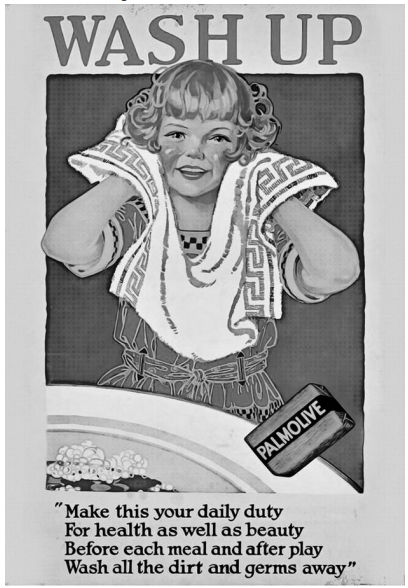
Multidict.net. Advertising language. Multidict.net, 2024. Disponível em: https://multidict.net/clilstore/page.php?id=5243. Acesso em: 12 jul. 2024.
Uma das formas de identificar a função social de um texto é a partir dos recursos linguísticos usados. O anúncio publicitário acima tem a função social de induzir o leitor a ter um certo comportamento, que é alcançada, também, pelo uso de
Chunks
Chunks are groups of words that can be found together in language.
They can be words that always go together, such as fixed collocations, or that commonly do, such as certain grammatical structures that follow rules. A listener or reader uses their knowledge of chunks to help them predict meaning and therefore be able to process language in real time. Chunks include lexical phrases, set phrases, and fixed phrases.
Example
'Utter disaster', 'by the way', 'encourage + someone + infinitive', 'dependent + on' are all examples of chunks.
In the classroom
Areas of work such as idioms, collocations and verb patterns all focus on types of chunks. Learners can be encouraged to identify and record lexical and grammatical chunks as they find them.
British Council. Chunks. British Council, 2024. Disponível em: https://www.teachingenglish.org.uk/professional-development/teachers/knowingsubject/c/chunks. Acesso em: 12 jul. 2024.
O texto acima traz informações sobre ‘language chunks’ que podem ser úteis para uma abordagem lexical da língua inglesa. Em qual alternativa a expressão destacada é um exemplo de ‘language chunk’?
Atenção! Leia o texto a seguir para responder à próxima questão.
Ain't It Fun
I don't mind
Letting you down easy, but just give it time
If it don't hurt now then just wait, just wait a while
You're not the big fish in the pond no more
You are what they're feeding on
So what are you gonna do
When the world don't orbit around you?
So what are you gonna do
When the world don't orbit around you?
Ain't it fun?
Living in the real world
Ain't it good?
Being all alone
Where you're from
You might be the one who's running things
Where you can ring anybody's bell and get what you want
See it's easy to ignore trouble
When you're living in a bubble
(…)
WILLIAMS, Hayley; YORK, Taylor. Ain’t it fun. Disponível em: https://www.musixmatch.com/lyrics/Paramore/Ain-t-It-Fun. Acesso em: 12 jul. 2024. Adaptado.
Atenção! Leia o poema a seguir para responder à questão.
Twinkle, Twinkle, Little Star
Twinkle, twinkle, little star,
How I wonder what you are!
Up above the world so high,
Like a diamond in the sky.
When the blazing sun is gone,
When he nothing shines upon,
Then you show your little light,
Twinkle, twinkle, all the night.
Then the traveler in the dark
Thanks you for your tiny spark,
How could he see where to go,
If you did not twinkle so?
In the dark blue sky you keep,
Often through my curtains peep
For you never shut your eye,
Till the sun is in the sky.
As your bright and tiny spark
Lights the traveler in the dark,
Though I know not what you are,
Twinkle, twinkle, little star.
TAYLOR, Jane. Twinkle, Twinkle, Little Star. Disponível em: https://www.classicalmusic.com/articles/what-are-the-lyrics-to-twinkle-twinkle-little-star. Acesso em: 11 jul. 2024. Adaptado.
In the dark blue sky you keep, And often through my curtains peep, For you never shut your eye Till the sun is in the sky.
A estrofe vencedora do concurso, cujo criador seguiu corretamente as exigências indicadas, foi

 Conheça nossos planos