Questões de Vestibular
Nível médio
Foram encontradas 71.618 questões
Resolva questões gratuitamente!
Junte-se a mais de 4 milhões de concurseiros!


A produção de soja em 2019, nos principais estados produtores do Brasil, tem uma previsão de redução em relação à produção de 2018. O gráfico a seguir mostra essa previsão de redução de maneira aproximada.
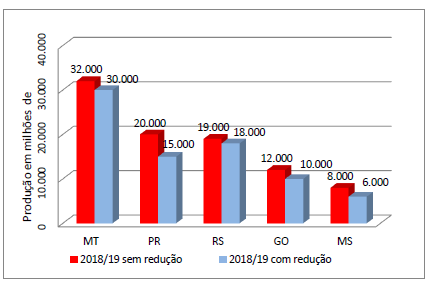
Disponível em: https://coopadapsementes.com.br/site/impactos-da-estiagem-na-producao-da-soja/. Acesso em: 16 set. 2019. (Adaptado).
Caso a previsão de redução se confirme, a média de redução entre os estados de Mato Grosso, Rio Grande do Sul e Goiás, em milhões de toneladas, será aproximadamente igual a
Leia o poema e observe a imagem a seguir para responder à questão.
Pensem nas crianças
Mudas telepáticas
Pensem nas meninas
Cegas inexatas
Pensem nas mulheres
Rotas alteradas
Pensem nas feridas
Como rosas cálidas
Mas oh não se esqueçam
Da rosa da rosa
Da rosa de Hiroxima
A rosa hereditária
A rosa radioativa
Estúpida e inválida
A rosa com cirrose
A antirrosa atômica
Sem cor sem perfume
Sem rosa sem nada.
MORAES, Vinícius de. Rosa de Hiroxima. In: Antologia poética. São Paulo:Companhia das Letras, 1992. p.196

Leia o poema e observe a imagem a seguir para responder à questão.
Pensem nas crianças
Mudas telepáticas
Pensem nas meninas
Cegas inexatas
Pensem nas mulheres
Rotas alteradas
Pensem nas feridas
Como rosas cálidas
Mas oh não se esqueçam
Da rosa da rosa
Da rosa de Hiroxima
A rosa hereditária
A rosa radioativa
Estúpida e inválida
A rosa com cirrose
A antirrosa atômica
Sem cor sem perfume
Sem rosa sem nada.
MORAES, Vinícius de. Rosa de Hiroxima. In: Antologia poética. São Paulo:Companhia das Letras, 1992. p.196
Leia o poema e observe a imagem a seguir para responder à questão.
Pensem nas crianças
Mudas telepáticas
Pensem nas meninas
Cegas inexatas
Pensem nas mulheres
Rotas alteradas
Pensem nas feridas
Como rosas cálidas
Mas oh não se esqueçam
Da rosa da rosa
Da rosa de Hiroxima
A rosa hereditária
A rosa radioativa
Estúpida e inválida
A rosa com cirrose
A antirrosa atômica
Sem cor sem perfume
Sem rosa sem nada.
MORAES, Vinícius de. Rosa de Hiroxima. In: Antologia poética. São Paulo:Companhia das Letras, 1992. p.196
Leia o fragmento e observe a imagem a seguir para responder à questão.
Daí a pouco, em volta das bicas era um zumzum crescente; uma aglomeração tumultuosa de machos e fêmeas. Uns, após outros, lavavam a cara, incomodamente, debaixo do fio d’água que escorria da altura e uns cinco palmos. O chão inundava-se. As mulheres precisavam já prender as saias entre as coxas para não as molhar; via-selhes a tostada nudez dos braços e do pescoço, que elas despiam, suspendendo o cabelo todo para o alto do casco; os homens, esses não se preocupavam em não molhar o pelo, ao contrário metiam a cabeça bem debaixo da água e esfregavam com força as ventas e as barbas, fossando e fungando contra as palmas da mão.
AZEVEDO, Aluísio de. O cortiço. São Paulo: FTD, 1993.p. 41.
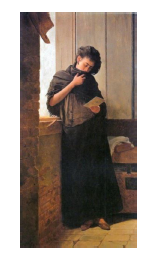
JÚNIOR, Almeida. Saudade. Óleo sobre tela 1899. Disponível em: https://arteeartistas.com.br/saudade-almeidajunior/. Acesso em: 16 out. 2019. Tanto na pintura quanto no fragmento apresentados verificam-se características do
Observe a tirinha a seguir.
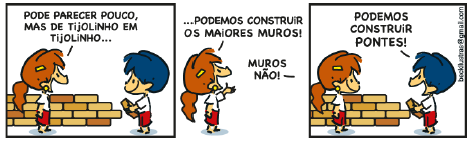
Disponível em: https://tirasarmandinho.tumblr.com/. Acesso em: 30 ago. 2019.
O sentido global da tirinha é constituído a partir de uma relação
Leia o texto a seguir para responder à questão.
“Há quem, como Habermas, continue a apoiar o projeto, se bem que com forte dose de ceticismo quanto às suas metas, com muita angústia quanto à relação entre meios e fins e com certo pessimismo no tocante à possiblidade de realizar tal projeto nas condições econômicas e políticas contemporâneas”. (Linhas 30-33).
O constituinte sintático introduzido por “se bem que” estabelece com o trecho anterior uma relação de
Leia o texto a seguir para responder à questão.
“O século XX – com seus campos de concentração e esquadrões da morte, seu militarismo e duas guerras mundiais, sua ameaça de aniquilação nuclear e sua experiência de Hiroshima e Nagasaki – certamente deitou por terra esse otimismo”. (Linhas 16-18).
O travessão duplo é usado no período com a função de
Leia o texto a seguir para responder à questão.
Leia o texto a seguir para responder à questão.
Observe o infográfico a seguir para responder à questão.
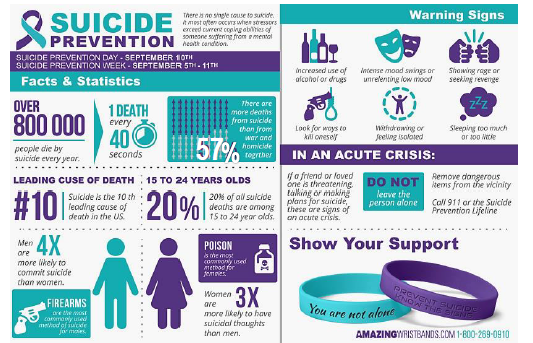
Disponível: https://morgan6062.com/2018/06/09/suicide-prevention-hotlines/. Acesso em: 08 out. 2019
According the information expressed in the image and data, Suicide Prevention, we verify that
Leia o texto a seguir para responder à questão.
Forest fires: the good and the bad
Every year it seems like there’s another disastrous wildfire in the American West. In 2018, nearly 9 million acres were burned in the US alone. Uncontrolled fires often started accidentally by people, rampage and decimate forests. F
or most people, a forest fire is synonymous with disaster. But there are some kinds of forest fires that actually benefit the environment.
A controlled burn is a wildfire that people set intentionally for a specific purpose. Well-thought-out and wellmanaged controlled burns can be incredibly beneficial for forest management—in part because they can help stop an out-of-control wildfire. The technique is called backburning, and it involves setting a controlled fire in the path of the approaching wildfire. All the flammable material is burnt up and extinguished. When the wildfire approaches, there’s no more fuel left for it to keep going, and it dies out.
Controlled burns are also used to prevent forest fires. Even before human involvement, natural, low-intensity wildfires occurred every few years to burn up fuel, plant debris, and dead trees, making way for young, healthy trees and vegetation to thrive. That new growth in turn supports forest wildlife. Forest managers are now replicating this natural strategy when appropriate, starting manageable, slow-burning fires to make room for new life that will help keep the forest healthy in the long term.
The same method is one of WWF’s strategies for maintaining grassland habitats in the Northern Great Plains. Working with partners such as the U.S. Fish and Wildlife Service, WWF has intentionally burned hundreds of acres of prairie land to revitalize these key habitats. The fire burns off tall, aggressive vegetation that isn’t as hospitable to wildlife, and makes room for new growth that attracts bison, birds, and prairie dogs.
This doesn’t mean all intentional wildfires are good – far from it. Many of the fires intentionally set for agriculture and land clearing are at best ill-advised, and at worst devastating. Slash and burn fires are set every day to destroy large sections of forests. Of course, these forests don’t just remove trees; they kill and displace wildlife, alter water cycles and soil fertility, and endanger the lives and livelihoods of local communities. They also can rage out of control. In 1997, fires set intentionally to clear forests in Indonesia escalated into one of the largest wildfires in recorded history. Hundreds of people died; millions of acres burned; already at-risk species like orangutans perished by the hundreds; and a smoke and ash haze hung over southeast Asia for months, reducing visibility and causing acute health conditions.
That’s exactly why WWF helps governments around the world crack down on slash and burn deforestation. WWF also works with farmers and companies to stop unnecessary agricultural burns. And when our scientists think fire could be the best solution for revitalizing wild areas, we bring the right experts to the table to study the situation and come up with a plan.
All fire is risky. To minimize that risk as much as possible, controlled burns must be well-considered, wellplanned, and ignited and maintained by trained professionals. The bottom line? Fire can be a tool for conservation, but only when used the right way.
Disponível em: https://www.worldwildlife.org/stories/forest-fires-the-good-and-the-bad. Acesso em: 08 out. 2019
Leia o texto a seguir para responder à questão.
Forest fires: the good and the bad
Every year it seems like there’s another disastrous wildfire in the American West. In 2018, nearly 9 million acres were burned in the US alone. Uncontrolled fires often started accidentally by people, rampage and decimate forests. F
or most people, a forest fire is synonymous with disaster. But there are some kinds of forest fires that actually benefit the environment.
A controlled burn is a wildfire that people set intentionally for a specific purpose. Well-thought-out and wellmanaged controlled burns can be incredibly beneficial for forest management—in part because they can help stop an out-of-control wildfire. The technique is called backburning, and it involves setting a controlled fire in the path of the approaching wildfire. All the flammable material is burnt up and extinguished. When the wildfire approaches, there’s no more fuel left for it to keep going, and it dies out.
Controlled burns are also used to prevent forest fires. Even before human involvement, natural, low-intensity wildfires occurred every few years to burn up fuel, plant debris, and dead trees, making way for young, healthy trees and vegetation to thrive. That new growth in turn supports forest wildlife. Forest managers are now replicating this natural strategy when appropriate, starting manageable, slow-burning fires to make room for new life that will help keep the forest healthy in the long term.
The same method is one of WWF’s strategies for maintaining grassland habitats in the Northern Great Plains. Working with partners such as the U.S. Fish and Wildlife Service, WWF has intentionally burned hundreds of acres of prairie land to revitalize these key habitats. The fire burns off tall, aggressive vegetation that isn’t as hospitable to wildlife, and makes room for new growth that attracts bison, birds, and prairie dogs.
This doesn’t mean all intentional wildfires are good – far from it. Many of the fires intentionally set for agriculture and land clearing are at best ill-advised, and at worst devastating. Slash and burn fires are set every day to destroy large sections of forests. Of course, these forests don’t just remove trees; they kill and displace wildlife, alter water cycles and soil fertility, and endanger the lives and livelihoods of local communities. They also can rage out of control. In 1997, fires set intentionally to clear forests in Indonesia escalated into one of the largest wildfires in recorded history. Hundreds of people died; millions of acres burned; already at-risk species like orangutans perished by the hundreds; and a smoke and ash haze hung over southeast Asia for months, reducing visibility and causing acute health conditions.
That’s exactly why WWF helps governments around the world crack down on slash and burn deforestation. WWF also works with farmers and companies to stop unnecessary agricultural burns. And when our scientists think fire could be the best solution for revitalizing wild areas, we bring the right experts to the table to study the situation and come up with a plan.
All fire is risky. To minimize that risk as much as possible, controlled burns must be well-considered, wellplanned, and ignited and maintained by trained professionals. The bottom line? Fire can be a tool for conservation, but only when used the right way.
Disponível em: https://www.worldwildlife.org/stories/forest-fires-the-good-and-the-bad. Acesso em: 08 out. 2019
Leia o texto a seguir para responder à questão.
Forest fires: the good and the bad
Every year it seems like there’s another disastrous wildfire in the American West. In 2018, nearly 9 million acres were burned in the US alone. Uncontrolled fires often started accidentally by people, rampage and decimate forests. F
or most people, a forest fire is synonymous with disaster. But there are some kinds of forest fires that actually benefit the environment.
A controlled burn is a wildfire that people set intentionally for a specific purpose. Well-thought-out and wellmanaged controlled burns can be incredibly beneficial for forest management—in part because they can help stop an out-of-control wildfire. The technique is called backburning, and it involves setting a controlled fire in the path of the approaching wildfire. All the flammable material is burnt up and extinguished. When the wildfire approaches, there’s no more fuel left for it to keep going, and it dies out.
Controlled burns are also used to prevent forest fires. Even before human involvement, natural, low-intensity wildfires occurred every few years to burn up fuel, plant debris, and dead trees, making way for young, healthy trees and vegetation to thrive. That new growth in turn supports forest wildlife. Forest managers are now replicating this natural strategy when appropriate, starting manageable, slow-burning fires to make room for new life that will help keep the forest healthy in the long term.
The same method is one of WWF’s strategies for maintaining grassland habitats in the Northern Great Plains. Working with partners such as the U.S. Fish and Wildlife Service, WWF has intentionally burned hundreds of acres of prairie land to revitalize these key habitats. The fire burns off tall, aggressive vegetation that isn’t as hospitable to wildlife, and makes room for new growth that attracts bison, birds, and prairie dogs.
This doesn’t mean all intentional wildfires are good – far from it. Many of the fires intentionally set for agriculture and land clearing are at best ill-advised, and at worst devastating. Slash and burn fires are set every day to destroy large sections of forests. Of course, these forests don’t just remove trees; they kill and displace wildlife, alter water cycles and soil fertility, and endanger the lives and livelihoods of local communities. They also can rage out of control. In 1997, fires set intentionally to clear forests in Indonesia escalated into one of the largest wildfires in recorded history. Hundreds of people died; millions of acres burned; already at-risk species like orangutans perished by the hundreds; and a smoke and ash haze hung over southeast Asia for months, reducing visibility and causing acute health conditions.
That’s exactly why WWF helps governments around the world crack down on slash and burn deforestation. WWF also works with farmers and companies to stop unnecessary agricultural burns. And when our scientists think fire could be the best solution for revitalizing wild areas, we bring the right experts to the table to study the situation and come up with a plan.
All fire is risky. To minimize that risk as much as possible, controlled burns must be well-considered, wellplanned, and ignited and maintained by trained professionals. The bottom line? Fire can be a tool for conservation, but only when used the right way.
Disponível em: https://www.worldwildlife.org/stories/forest-fires-the-good-and-the-bad. Acesso em: 08 out. 2019

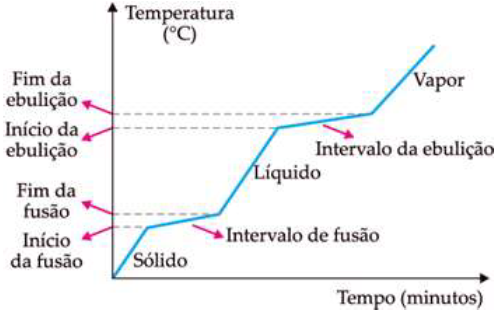
O gráfico indica a mudança de estado físico, por alteração na temperatura, de uma liga metálica de ouro/cobre. A análise gráfica permite concluir que
 http://www.marco.eng.br/cinetica/trabalhodealunos/CineticaBasica/Figuras/influ
encia/infl001.gif. Acesso em 12.fev.2019.
http://www.marco.eng.br/cinetica/trabalhodealunos/CineticaBasica/Figuras/influ
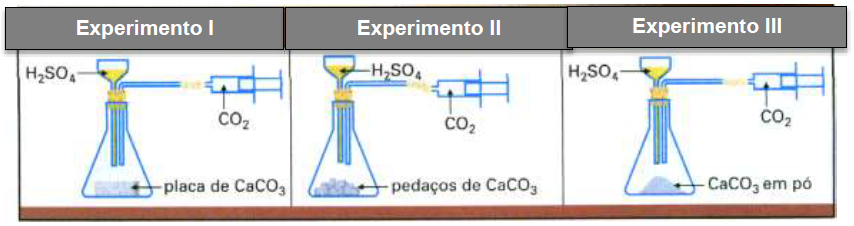
encia/infl001.gif. Acesso em 12.fev.2019. Os experimentos ilustrados utilizaram, nas três situações, quantidades iguais de massa de carbonato de cálcio e mesma concentração e volumes de ácido sulfúrico. Na seringa, foi coletado o gás carbônico como um dos produtos dessa reação.
A partir desses experimentos, deduz-se que, após reação total nos três casos,
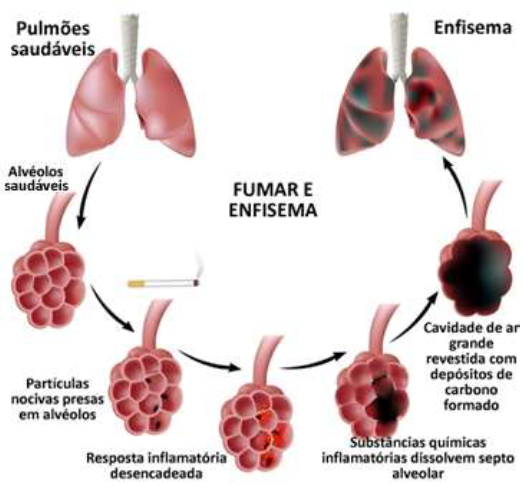
A figura ilustra os efeitos do uso contínuo do cigarro que contém vários materiais, dentre eles: o monóxido de carbono (CO), que possui alta afinidade com a hemoglobina do sangue; a amônia (NH3), que auxilia na liberação da nicotina; o alcatrão, um resíduo negro composto por centenas de substâncias químicas que ficam impregnadas nos pulmões e a nicotina, essa última representada pela fórmula estrutural abaixo, que eleva a pressão arterial e causa dependência química e doenças pulmonares.
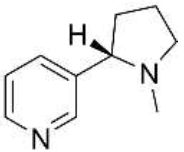
Um estudante, a partir da análise da figura e das informações acima, concluiu que
No dia 11 de fevereiro, comemora-se o Dia Internacional das Mulheres e Meninas na
Ciência, data estabelecida pela Assembleia Geral da ONU em reconhecimento ao trabalho feminino
para o desenvolvimento científico. Dentre tantas mulheres que contribuíram para a ciência no século
XX, a física nuclear austríaca Lise Meitner (1878-1968) se destacou por suas descobertas e pela
Teoria da Fissão Nuclear, sendo, inclusive, considerada a mãe da era atômica.
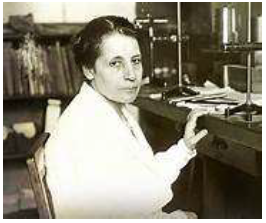 https://www.thefamouspeople.com/profiles/images/lise-meitner-3.jpg. Acesso em 02.fev.2019.
 A teoria que deu o título de mãe da era atômica à Lise Meitner consiste no
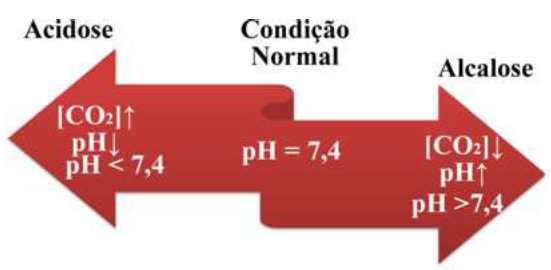
O gás carbônico, dissolvido no sangue, estabelece o seguinte equilíbrio químico:
CO2 + H2O ⇄ H2CO3 ⇄ H+ + HCO3 -
Uma pessoa fumante, com respiração deficiente em função de enfisema pulmonar, possui a transferência de gás carbônico reduzida para o exterior. Nessa situação, pode ocorrer
A espuma, utilizada na fabricação contêineres do CT do Flamengo,
 Conheça nossos planos