Questões de Vestibular
Foram encontradas 75.429 questões
Resolva questões gratuitamente!
Junte-se a mais de 4 milhões de concurseiros!


Nas olimpíadas de inverno, dentre várias modalidades esportivas, há o salto com esqui, que consiste em esquiar por uma rampa íngreme e saltar o mais longe possível. A eslovena Ursa Bogataj foi a medalhista de ouro nas Olimpíadas de Pequim 2022, saltando 108 m. A distância alcançada pela desportista, nesse salto, é equivalente ao gramado do famoso estádio do Maracanã, no Rio de Janeiro, de uma ponta a outra.
Imagine que a eslovena recebe um novo desafio: saltar numa pista de esqui que liga dois picos, com as seguintes medidas da pista: comprimento de 800 m; inclinação θ = 30°; H = 100 m; h = 82 m. A desportista eslovena parte do repouso do pico mais alto, sem usar os bastões, em direção ao pico mais baixo, conforme mostra a imagem.
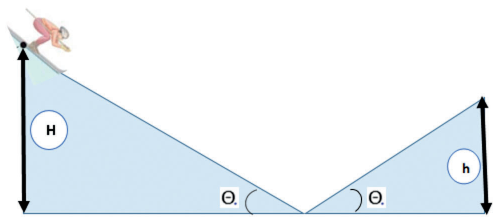
Qual o valor do coeficiente de atrito dinâmico entre a neve e os esquis, para que a esquiadora pare, exatamente,
no pico mais baixo? Considere cos 30° = 0,9
Como habitante do planeta Terra, sabemos que o Sol é de suma importância para a manutenção da vida em nosso planeta. Esse axioma é cantado também pelos cancioneiros populares. A letra da canção do Bumba meu Boi, da Maioba, Se não existisse o Sol, tem o seguinte trecho:
Se não existisse o Sol
Como seria pra Terra se aquecer
E se não existisse o mar
Como seria pra natureza sobreviver [...]
Na realidade, na perspectiva da Física, se não existisse o Sol, a Terra seria totalmente congelada e, sem a massa do Sol, não haveria a força gravitacional para manter todos os planetas “presos” em órbitas. Tanto a Terra quanto a lua e os demais planetas sairiam “voando” espaço afora.
Sabe-se que a força de atração entre a Terra e o Sol é vinte vezes maior que a força de atração entre Marte e o
Sol. Por sua vez, a massa da Terra é nove vezes maior que a massa de Marte. Utilizando o Sol como referencial,
a razão entre os quadrados dos raios das órbitas de Marte e da Terra é
Na obra Canaã, dentre as temáticas discutidas pelos imigrantes alemães, está a questão das raças e da miscigenação. O personagem Lentz afirma que
“Não acredito que da fusão com espécies radicalmente incapazes resulte uma raça sobre que se possa desenvolver a civilização. Será sempre uma cultura inferior, civilização de mulatos, eternos escravos em revoltas e quedas. Enquanto não se eliminar a raça que é o produto de tal fusão, a civilização será sempre um misterioso artifício, todos os minutos rotos pelo sensualismo, pela bestialidade e pelo servilismo inato do negro. O problema social para o progresso de uma região como o Brasil está na substituição de uma raça híbrida, como a dos mulatos, por europeus. A imigração não é simplesmente para o futuro da região do País um caso de simples estética, é antes de tudo uma questão complexa, que interessa o futuro humano.”
ARANHA, G.. Canaã. Rio de Janeiro: Nova Fronteira, 1982.
O recorte do diálogo de Lentz apresenta visão sobre os resultados da miscigenação no Brasil que se contrapõe
à perspectiva sociológica de
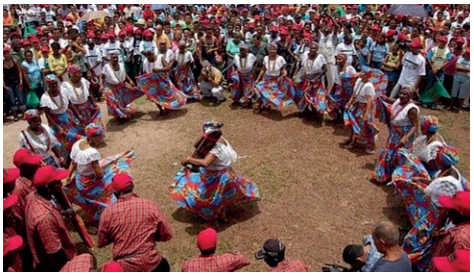
O Tambor de Crioula do Maranhão é uma forma de expressão de matriz afro-brasileira que envolve dança circular, canto e percussão de tambores. Seja ao ar livre, nas praças, no interior de terreiros, ou associado a outros eventos e manifestações. [...] Reconhecido em 2007 como Patrimônio Imaterial da Cultura Brasileira pelo Instituto de Patrimônio Histórico e Artístico Nacional (Iphan). [...] Trazida para o estado por escravizados de diversas regiões africanas nos séculos XVIII e XIX, como divertimento ou uma forma de louvor e de pagar promessa a São Benedito. Ao ser reconhecido como Patrimônio Cultural Imaterial Brasileiro, pelo Iphan, o Tambor de Crioula conquistou um lugar de destaque, dentre as expressões culturais brasileiras.
https://portalcapoeira.com/geral/cultura-e-cidadania/tambor-de-crioula-do-maranhao-e-reconhecido-como-patrimonio-imaterial/
Essa manifestação cultural maranhense foi reconhecida como cultura imaterial por
Leia o gráfico sobre taxa de pobreza por grupo étnico-racial e gênero.
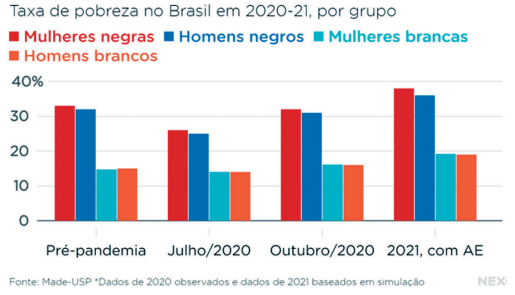
Agora, analise as assertivas abaixo, considerando os dados apresentados no gráfico.
I) As pessoas negras encontram-se nos grupos com maior percentual de pobres, em todos os contextos pesquisados, expressando as desigualdades econômicas e sociais entre brancos e negros.
II) O grupo com maior percentual de empobrecimento, no contexto pandêmico de 2021, é o das mulheres negras, expressando que esse grupo sofre ainda mais as desigualdades econômicas e sociais, em virtude do gênero.
III) O percentual de homens brancos, entre os pobres, apresenta uma leve redução em 2021, quando comparado aos contextos anteriores, expressando a vantagem econômica dos homens sobre as mulheres.
IV) As mulheres brancas apresentam gradativo aumento no percentual de empobrecimento, a partir de outubro de 2020, expressando os efeitos do crescimento econômico direcionado, apenas, para os homens brancos.
Estão corretas as assertivas
Leia a matéria jornalística sobre caso de racismo, sofrido por expoente jogador de futebol, no Rio de Janeiro.
Gabigol depõe ao TJD e diz que não pretende deixar caso de racismo passar impune.
O jogador do Flamengo Gabriel Barbosa, o Gabigol, prestou depoimento de forma virtual ao Tribunal de Justiça Desportiva do Rio de Janeiro (TJD-RJ), na tarde desta sexta-feira (18), no inquérito que investiga as ofensas racistas contra o jogador. O atleta falou por cerca de uma hora, se mostrou indignado e afirmou que não pretende deixar o caso passar impune. No depoimento, ao qual a CNN teve acesso, Gabigol narrou os fatos ocorridos na partida, realizada no dia 6 de fevereiro, contra o Fluminense, no estádio Nilton Santos, o Engenhão. Ele disse que “no intervalo da partida, ainda em direção ao túnel que dá acesso ao vestiário, ouviu diversos xingamentos e palavras ofensivas, em especial gritos de ‘macaco”, direcionados a ele.
https://www.cnnbrasil.com.br/esporte/gabigol-depoe-ao-tjd-e-diz-que-nao-pretende-deixar-caso-de-racismo-passar-impune
Ao relacionar o caso recente de racismo, apresentado na matéria jornalística, à interpretação do sociólogo
Florestan Fernandes de que a sociedade brasileira não se configura como uma democracia racial, é correto
afirmar que
No conto A Escrava, de 1887, Maria Firmina dos Reis expressa sua visão diante da escravidão negra no Brasil, a exemplo do seguinte fragmento:
“Por qualquer modo que encaremos a escravidão, ela é, e sempre será um grande mal. Dela a decadência do comércio; porque o comércio, e a lavoura caminham de mãos dadas, e o escravo não pode fazer florescer a lavoura; porque o seu trabalho é forçado. Ele não tem futuro; o seu trabalho não é indenizado.”
REIS, M. F. dos. A Escrava (conto). In: Literafro, 2001. Disponível em:http://www.letras.ufmg.br/literafro/autoras/24-textos-das-autoras/977-maria-firmina-dos-reis-a-escrava. Adaptado.
Uma das principais características do trabalho escravo, criticamente denunciado no fragmento acima, é
Segundo Silvio Almeida, em O que é Racismo estrutural?, existem três aspectos do racismo: o individual, o institucional e o estrutural. O racismo individual são atos efetivados pelos indivíduos que discriminam outras pessoas de raça diferente; o racismo institucional é a discriminação racial de instituições privadas e públicas dominadas por um tipo de raça, em ambiente institucional, no qual o poder de um grupo persevera; o racismo estrutural já é mais abrangente, caracterizando-se por uma sociedade que tem toda sua estrutura social, pessoas e instituições, de modo a privilegiar, apenas, uma classe.
A relação adequada entre tipo de racismo e a situação de discriminação é a seguinte:
A filósofa americana Angela Davis, discípula de Theodor Adorno e de Herbert Marcuse, desenvolveu uma filosofia prática para a transformação da realidade pela militância no combate às injustiças, principalmente, ao racismo aplicado às mulheres negras, constituído pelo capitalismo que produz um sistema discriminatório negativo a esse grupo.
O pensamento feminista de Angela Davis está contemplado na seguinte assertiva:
Para Hannah Arendt, o racismo é o fenômeno de fortalecimento da ideologia política do imperialismo europeu do século XVIII até o século XX, confirmado, principalmente, pela corrida territorial europeia para África. Esse predomínio da raça branca no território africano foi fundamentado a partir da utilização de teorias científicas que justificassem a aplicação da política imperialista e totalitarista na prescrição de uma ideologia supremacista.
A relação darwinismo e racismo, segundo Hannah Arendt, foi produzida, a partir da contribuição da teoria do darwinismo que
O filósofo camaronês, Achille Mbembe, descreve que o avanço do neoliberalismo produz o fim do trabalho, criando o sujeito sem trabalho (“Já não há trabalhadores propriamente dito”) que gera uma “humanidade supérflua”, um ser totalmente abandonado, inútil para o sistema capitalista. De modo que os indivíduos se veem diante de uma “vida psíquica”, prisioneira de uma patologia de sintomas como memória artificial e modelados pela neurociência e neuroeconomia, originando um novo sujeito humano que só tem uma possibilidade, o sujeito “empreendedor de si mesmo”. A pessoa neoliberal se caracteriza por ser um “sujeito do mercado e da dívida”, ou seja, uma “forma abstrata já pronta”. Ele fica puramente dependente de elaborar uma reconstrução de sua “vida íntima” para se ofertar ao mercado como uma mercadoria. Por isso, o homem novo é composto de capitalismo e animalismo, conceitos cindidos em outros tempos, agora motivados a se conectarem.
MEMBE, A.. Crítica da razão negra. São Paulo: N-1, 2018. Adaptado.
Segundo Achille Mbembe, o racismo, no neoliberalismo,
Estudos contemporâneos sobre o racismo delineiam uma conexão genealógica entre escravidão grega e o racismo, conforme a charge.
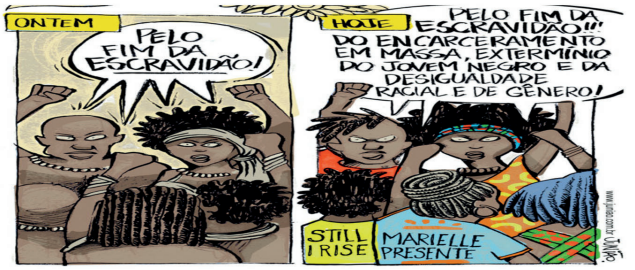
A relação entre os dois conceitos está contemplada na seguinte afirmativa:
Analise a imagem a seguir para responder à questão.
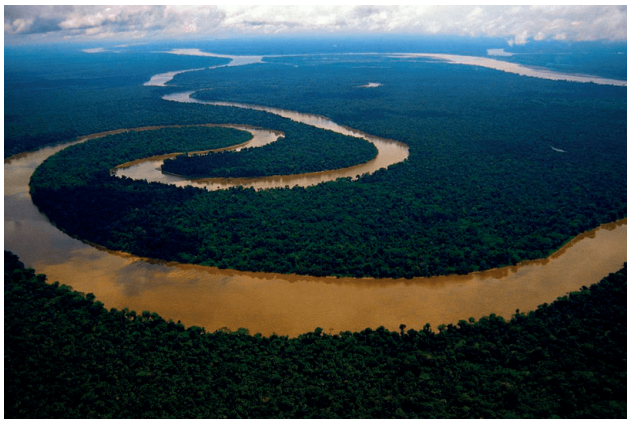
https://www.meteorologiaenred.com/wp-content/uploads/2021/11/meandro-del-amazonas-1024x682.png
A paisagem geomorfológica retratada na imagem reporta-se a uma área de
Leia o texto e analise o gráfico para responder à questão.
A Produção da Extração Vegetal e da Silvicultura (PEVS) é publicada, anualmente, pelo IBGE, desde 1986. O Instituto Maranhense de Estudos Socioeconômicos e Cartográficos apresenta as PEVS, no Maranhão, comparativamente entre os anos de 1998 e 2018, mostrando que, mesmo com pequena participação na economia estadual, os valores agregados de extrativismo e silvicultura têm aumentado desde 2013 com maior vigor, principalmente, por conta da celulose. A atividade participou com 3,2% no Valor Adicionado Bruto do setor primário no Maranhão, ao passo que, apesar de alternar produtos, o extrativismo vegetal mantém praticamente os patamares percentuais
IMESC. Produção da extração vegetal e da silvicultura: o que mudou no Maranhão nos últimos 20 anos?. São Luís: IMESC, 2019.IBGE. PEVS -
No Nordeste, o Maranhão é o estado que mais produz, em valor, produtos da Extração Vegetal, conforme o gráfico construído a partir dos dados do IBGE.
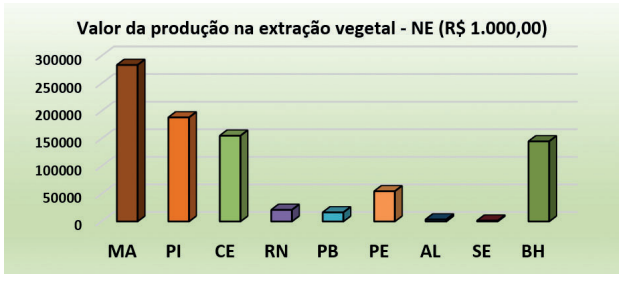
No que se refere aos produtos do extrativismo vegetal maranhense, alguns deles têm relação direta com a situação paisagística transicional entre Caatinga, Cerrado e Amazônia, caracterizadora do estado do Maranhão. Os três produtos extraídos, com representatividade econômica, no Maranhão, são
O texto a seguir foi publicado no Diário do Nordeste, antes de deflagrada a guerra entre Rússia e Ucrânia.
Uma ameaça de guerra entre Rússia e Ucrânia veio à tona. Moscou vem sendo acusado de preparar uma invasão militar ao vizinho pró-ocidente. O país mobilizou mais de 100.000 soldados na fronteira com a Ucrânia, o que gera temores de uma invasão iminente.
A rivalidade entre os países tem raízes históricas. Rússia e Ucrânia compartilham como origem o chamado Rus de Kiev, um principado que existiu entre os séculos IX e XIII. Essa entidade abrangia a Rússia contemporânea, a Ucrânia e Belarus. Moscou considera esta área como seu berço.
Donbass, onde está localizada uma bacia mineira e industrial, é economicamente vital para a Ucrânia. A região fica ao leste do país e é o epicentro do conflito entre as forças de Kiev e os separatistas pró-russos apoiados por Moscou desde 2014.
Uma batalha cultural entre Kiev e Moscou também está no centro do conflito. Há argumentos de que a região, juntamente com grande parte do leste da Ucrânia, é povoada por uma população de língua russa que precisa ser protegida do nacionalismo ucraniano.
Segundo informações da agência de notícias AFP, a russofilia da região deve-se, no entanto, à russificação forçada e ao repovoamento da região após a Segunda Guerra Mundial, com a chegada de centenas de milhares de trabalhadores russos.
https://diariodonordeste.verdesmares.com.br/ultima-hora/mundo/russia-e-ucrania-entenda-a-rivalidade-e-o-risco-de-guerra-entre-paises-1.3184974
O expansionismo russo sobre a Ucrânia coloca a União Europeia-UE em uma situação paradoxal e de conflito de interesses, uma vez que
A charge ilustra um problema causado ao ambiente pelas atividades humanas que atuam diretamente sobre a dinâmica atmosférica da Terra.
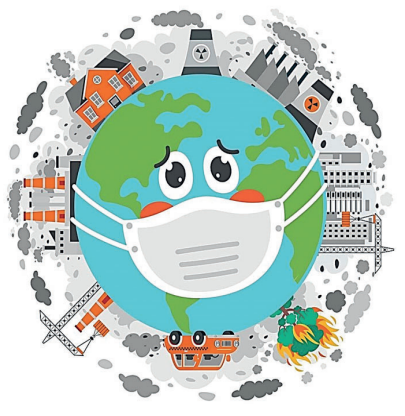
O problema causado e a ação na atmosfera são, respectivamente,
A charge faz referência à crise energética de 2021, que elevou os valores do quilowatt balizados por bandeiras de cores que passaram ao patamar mais elevado, o vermelho.
Naquele momento, os reservatórios das usinas hidrelétricas estavam em níveis baixíssimos, mesmo sem aumento do consumo de energia elétrica, já que o país passava por retração do mercado, aumento da inflação e diminuição da produção por causa da pandemia causada pelo Sars-Cov-2.
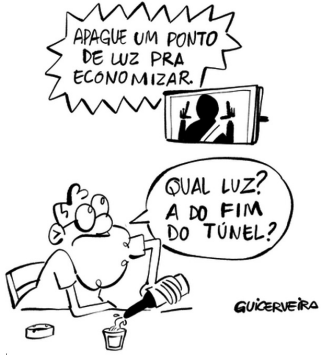
https://web.facebook.com/guilhermecerveira
A crise retratada na charge tem como justificativa as seguintes causas:
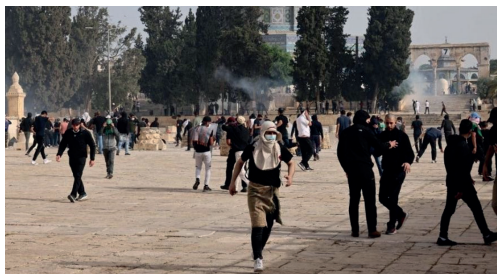
As características das disputas territoriais e dos conflitos que envolvem a Questão Palestina são
Analise a imagem abaixo e leia a notícia a seguir.
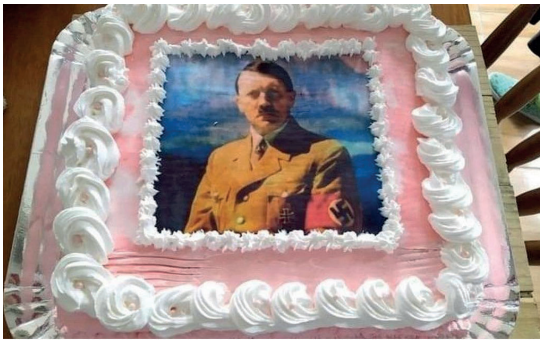
Estudante comemora aniversário com bolo com imagem de Hitler e UFPel encaminha caso às autoridades policiais
“Após uma estudante do curso de História da Universidade Federal de Pelotas (UFPel) postar nas redes sociais fotos comemorando aniversário de 24 anos com um bolo confeitado com um retrato de Adolf Hitler, como mostrou a coluna de Ancelmo Gois, a instituição encaminhou o caso às autoridades policiais ‘para as providências adequadas’.”
O Globo 18/10/2021
https://oglobo.globo.com/brasil/estudante-comemora-aniversario-com-bolo-com-imagem-de-hitler-ufpel-encaminha-caso-as-autoridades-policiais-25240744
As manifestações de apologia ao Nazismo causam muita preocupação e são combatidas pelas instituições brasileiras, além de repudiadas pela sociedade, em razão do perigo que representam as ideias desse regime totalitário.
Sobre os preceitos básicos da ideologia nazista, surgida na Alemanha, após a primeira guerra mundial, e
colocada em prática como política de estado no governo de Adolf Hitler, é correto afirmar que
Os conflitos em relação à Independência se fizeram presentes em todo o país. Leia o texto a seguir que serve de base para responder à questão.
Convém ressaltar: os conflitos em torno da Independência não foram restritos só ao Maranhão, pois outras províncias, como Piauí, Pará, Bahia e Cisplatina (Uruguai) também não acataram o grito do Ipiranga, configurando o que foi denominado pela historiografia “Guerras de Independência”, caracterizadas por um processo de luta nas províncias: contraditoriamente ao que se afirma, nos livros didáticos, que a Independência foi um ato passivo, ou “pacífico”.
BOTELHO, J. Conhecendo e debatendo a História do Maranhão. 3.ed. São Luís: Gráfica e Editora Impacto, 2019.
A concordância oficial do Maranhão à Independência do Brasil ocorreu, em 28 de julho de 1823, com uma cerimônia no Palácio dos Leões. As características do processo de Independência no Maranhão são as seguintes:

 Conheça nossos planos