Questões de Vestibular
Comentadas
Foram encontradas 36.754 questões
Resolva questões gratuitamente!
Junte-se a mais de 4 milhões de concurseiros!


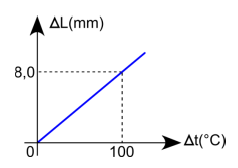
Se essa barra possuir inicialmente 5,0 metros, o seu coeficiente de dilatação, em 10-5 °C-1, será de
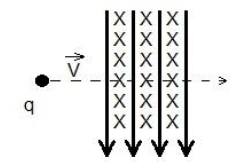
Durante a passagem pelos campos a partícula não sofre desvio. Isso acontece porque
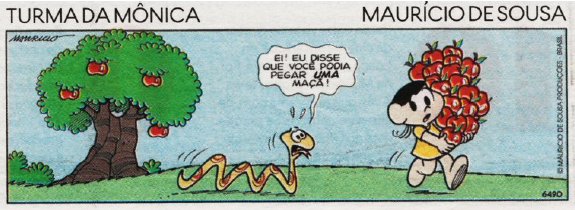
Jornal O Popular, p. M7, 09 mar. 2017.
Há entre a tirinha de Maurício de Sousa e a conhecida narrativa do Éden, da tradição judaico-cristã, uma relação
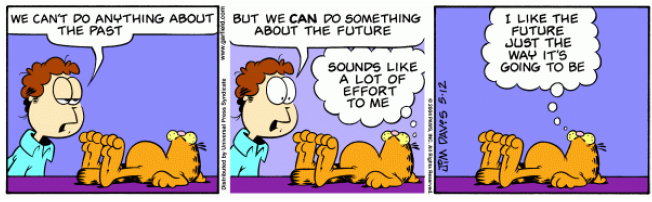
Disponível em: <http://images.ucomics.com/comics/ga/2004/ga040512.gif> Acesso em: 21 fev. 2017.
Considerando-se os aspectos linguísticos da charge, percebe-se que
Which recipe is an example of a vegan dish?
IS A VEGAN DIET HEALTHY?
By Mary Lynch
As a registered nutritionist, the question “Is the vegan diet healthy?” is one I get all the time, especially at this time of year.
Frustratingly, the answer is that it depends as much on what you eat as with any other diet. Someone living purely on ready salted crisps or chips, for example, would be technically following a vegan diet, but it would in no way be healthy.
However, research shows that there are potential benefits to a vegan diet. A recent study indicated that the average vegan diet is higher in vitamin C and fibre, and lower in saturated fat than one containing meat. In addition, statistics show that vegans have a lower BMI (height-to-weight ratio) than meat eaters – in other words, they are skinnier.
You see, a diet without any meat or dairy products is likely to contain a lot less saturated fat, which is related to increased cholesterol levels and increased risk of heart disease. We also know that fat contains more calories per gram than other foods, and so vegans may consume fewer calories as a result. Finally, a vegan diet is generally thought to contain more cereals, fruits, vegetables, nuts and seeds than a non¬vegan diet.
Sounds great right? Not quite. In terms of micronutrients, a vegan diet is actually more susceptible to being nutritionally poor. A vegan diet is naturally low in calcium, vitamin D, iron, vitamin B12, zinc and omega-3 fatty acids. Therefore, if you follow a vegan diet it is essential that you get enough of these nutrients through specific vegan food sources – and may even need to take additional supplements. We have many recipes suitable for vegans that can help, just check out our vegan section. In our features we also have this traditional hummus recipe, which contains tahini – a good source of calcium, zinc and iron, which are all micronutrients hard to get a hold of on a vegan diet.
So there you have it: going vegan does not necessarily mean you are going to be healthier. In fact, I think that much of the improvement in diets among vegans is a result of education rather than going meat free. In other words, if someone chooses to go vegan they are more likely to care about what they are eating and therefore are more likely to educate themselves on the types of foods they should and should not be eating.
From: https://goo.gl/AwDYY7. Accessed on 03/22/2017.
The suffix –y in the words healthy (1st paragraph) and fatty (5th paragraph) gives the idea of:
IS A VEGAN DIET HEALTHY?
By Mary Lynch
As a registered nutritionist, the question “Is the vegan diet healthy?” is one I get all the time, especially at this time of year.
Frustratingly, the answer is that it depends as much on what you eat as with any other diet. Someone living purely on ready salted crisps or chips, for example, would be technically following a vegan diet, but it would in no way be healthy.
However, research shows that there are potential benefits to a vegan diet. A recent study indicated that the average vegan diet is higher in vitamin C and fibre, and lower in saturated fat than one containing meat. In addition, statistics show that vegans have a lower BMI (height-to-weight ratio) than meat eaters – in other words, they are skinnier.
You see, a diet without any meat or dairy products is likely to contain a lot less saturated fat, which is related to increased cholesterol levels and increased risk of heart disease. We also know that fat contains more calories per gram than other foods, and so vegans may consume fewer calories as a result. Finally, a vegan diet is generally thought to contain more cereals, fruits, vegetables, nuts and seeds than a non¬vegan diet.
Sounds great right? Not quite. In terms of micronutrients, a vegan diet is actually more susceptible to being nutritionally poor. A vegan diet is naturally low in calcium, vitamin D, iron, vitamin B12, zinc and omega-3 fatty acids. Therefore, if you follow a vegan diet it is essential that you get enough of these nutrients through specific vegan food sources – and may even need to take additional supplements. We have many recipes suitable for vegans that can help, just check out our vegan section. In our features we also have this traditional hummus recipe, which contains tahini – a good source of calcium, zinc and iron, which are all micronutrients hard to get a hold of on a vegan diet.
So there you have it: going vegan does not necessarily mean you are going to be healthier. In fact, I think that much of the improvement in diets among vegans is a result of education rather than going meat free. In other words, if someone chooses to go vegan they are more likely to care about what they are eating and therefore are more likely to educate themselves on the types of foods they should and should not be eating.
From: https://goo.gl/AwDYY7. Accessed on 03/22/2017.
IS A VEGAN DIET HEALTHY?
By Mary Lynch
As a registered nutritionist, the question “Is the vegan diet healthy?” is one I get all the time, especially at this time of year.
Frustratingly, the answer is that it depends as much on what you eat as with any other diet. Someone living purely on ready salted crisps or chips, for example, would be technically following a vegan diet, but it would in no way be healthy.
However, research shows that there are potential benefits to a vegan diet. A recent study indicated that the average vegan diet is higher in vitamin C and fibre, and lower in saturated fat than one containing meat. In addition, statistics show that vegans have a lower BMI (height-to-weight ratio) than meat eaters – in other words, they are skinnier.
You see, a diet without any meat or dairy products is likely to contain a lot less saturated fat, which is related to increased cholesterol levels and increased risk of heart disease. We also know that fat contains more calories per gram than other foods, and so vegans may consume fewer calories as a result. Finally, a vegan diet is generally thought to contain more cereals, fruits, vegetables, nuts and seeds than a non¬vegan diet.
Sounds great right? Not quite. In terms of micronutrients, a vegan diet is actually more susceptible to being nutritionally poor. A vegan diet is naturally low in calcium, vitamin D, iron, vitamin B12, zinc and omega-3 fatty acids. Therefore, if you follow a vegan diet it is essential that you get enough of these nutrients through specific vegan food sources – and may even need to take additional supplements. We have many recipes suitable for vegans that can help, just check out our vegan section. In our features we also have this traditional hummus recipe, which contains tahini – a good source of calcium, zinc and iron, which are all micronutrients hard to get a hold of on a vegan diet.
So there you have it: going vegan does not necessarily mean you are going to be healthier. In fact, I think that much of the improvement in diets among vegans is a result of education rather than going meat free. In other words, if someone chooses to go vegan they are more likely to care about what they are eating and therefore are more likely to educate themselves on the types of foods they should and should not be eating.
From: https://goo.gl/AwDYY7. Accessed on 03/22/2017.
IS A VEGAN DIET HEALTHY?
By Mary Lynch
As a registered nutritionist, the question “Is the vegan diet healthy?” is one I get all the time, especially at this time of year.
Frustratingly, the answer is that it depends as much on what you eat as with any other diet. Someone living purely on ready salted crisps or chips, for example, would be technically following a vegan diet, but it would in no way be healthy.
However, research shows that there are potential benefits to a vegan diet. A recent study indicated that the average vegan diet is higher in vitamin C and fibre, and lower in saturated fat than one containing meat. In addition, statistics show that vegans have a lower BMI (height-to-weight ratio) than meat eaters – in other words, they are skinnier.
You see, a diet without any meat or dairy products is likely to contain a lot less saturated fat, which is related to increased cholesterol levels and increased risk of heart disease. We also know that fat contains more calories per gram than other foods, and so vegans may consume fewer calories as a result. Finally, a vegan diet is generally thought to contain more cereals, fruits, vegetables, nuts and seeds than a non¬vegan diet.
Sounds great right? Not quite. In terms of micronutrients, a vegan diet is actually more susceptible to being nutritionally poor. A vegan diet is naturally low in calcium, vitamin D, iron, vitamin B12, zinc and omega-3 fatty acids. Therefore, if you follow a vegan diet it is essential that you get enough of these nutrients through specific vegan food sources – and may even need to take additional supplements. We have many recipes suitable for vegans that can help, just check out our vegan section. In our features we also have this traditional hummus recipe, which contains tahini – a good source of calcium, zinc and iron, which are all micronutrients hard to get a hold of on a vegan diet.
So there you have it: going vegan does not necessarily mean you are going to be healthier. In fact, I think that much of the improvement in diets among vegans is a result of education rather than going meat free. In other words, if someone chooses to go vegan they are more likely to care about what they are eating and therefore are more likely to educate themselves on the types of foods they should and should not be eating.
From: https://goo.gl/AwDYY7. Accessed on 03/22/2017.
IS A VEGAN DIET HEALTHY?
By Mary Lynch
As a registered nutritionist, the question “Is the vegan diet healthy?” is one I get all the time, especially at this time of year.
Frustratingly, the answer is that it depends as much on what you eat as with any other diet. Someone living purely on ready salted crisps or chips, for example, would be technically following a vegan diet, but it would in no way be healthy.
However, research shows that there are potential benefits to a vegan diet. A recent study indicated that the average vegan diet is higher in vitamin C and fibre, and lower in saturated fat than one containing meat. In addition, statistics show that vegans have a lower BMI (height-to-weight ratio) than meat eaters – in other words, they are skinnier.
You see, a diet without any meat or dairy products is likely to contain a lot less saturated fat, which is related to increased cholesterol levels and increased risk of heart disease. We also know that fat contains more calories per gram than other foods, and so vegans may consume fewer calories as a result. Finally, a vegan diet is generally thought to contain more cereals, fruits, vegetables, nuts and seeds than a non¬vegan diet.
Sounds great right? Not quite. In terms of micronutrients, a vegan diet is actually more susceptible to being nutritionally poor. A vegan diet is naturally low in calcium, vitamin D, iron, vitamin B12, zinc and omega-3 fatty acids. Therefore, if you follow a vegan diet it is essential that you get enough of these nutrients through specific vegan food sources – and may even need to take additional supplements. We have many recipes suitable for vegans that can help, just check out our vegan section. In our features we also have this traditional hummus recipe, which contains tahini – a good source of calcium, zinc and iron, which are all micronutrients hard to get a hold of on a vegan diet.
So there you have it: going vegan does not necessarily mean you are going to be healthier. In fact, I think that much of the improvement in diets among vegans is a result of education rather than going meat free. In other words, if someone chooses to go vegan they are more likely to care about what they are eating and therefore are more likely to educate themselves on the types of foods they should and should not be eating.
From: https://goo.gl/AwDYY7. Accessed on 03/22/2017.
VEGAN VS VEGETARIAN – WHAT’S THE DIFFERENCE?
By Alina Petre
Vegetarian diets have reportedly been around since as early as 700 B.C. Several typesexist and individuals may practice them for a variety of reasons, including health, ethics, environmentalism and religion. Vegan diets are a little more recent, but are getting a good amount of press.
What is a vegetarian diet?
According to the Vegetarian Society, a vegetarian is someone who does not eat any meat, poultry, game, fish, shellfish or by-products of animal slaughter. Vegetarian diets contain various levels of fruits, vegetables, grains, pulses, nuts and seeds. The inclusion of dairy and eggs depends on the type of diet you follow.
The most common types of vegetarians include:
• Lacto-ovo vegetarians: Vegetarians who avoid all animal flesh, but do consume dairy and egg products.
• Lacto vegetarians: Vegetarians who avoid animal flesh and eggs, but do consume dairy products.
• Ovo vegetarians: Vegetarians who avoid all animal products except eggs.
• Vegans: Vegetarians who avoid all animal and animal-derived products.
Those who do not eat meat or poultry but do consume fish are considered pescatarians, whereas part-time vegetarians are often referred to as flexitarians.
Although sometimes considered vegetarians, pescatarians and flexitarians do eat animal flesh. Therefore, they do not technically fall under the definition of vegetarianism.
From: https://goo.gl/n9yEy1. Accessed on 03/22/2017
VEGAN VS VEGETARIAN – WHAT’S THE DIFFERENCE?
By Alina Petre
Vegetarian diets have reportedly been around since as early as 700 B.C. Several typesexist and individuals may practice them for a variety of reasons, including health, ethics, environmentalism and religion. Vegan diets are a little more recent, but are getting a good amount of press.
What is a vegetarian diet?
According to the Vegetarian Society, a vegetarian is someone who does not eat any meat, poultry, game, fish, shellfish or by-products of animal slaughter. Vegetarian diets contain various levels of fruits, vegetables, grains, pulses, nuts and seeds. The inclusion of dairy and eggs depends on the type of diet you follow.
The most common types of vegetarians include:
• Lacto-ovo vegetarians: Vegetarians who avoid all animal flesh, but do consume dairy and egg products.
• Lacto vegetarians: Vegetarians who avoid animal flesh and eggs, but do consume dairy products.
• Ovo vegetarians: Vegetarians who avoid all animal products except eggs.
• Vegans: Vegetarians who avoid all animal and animal-derived products.
Those who do not eat meat or poultry but do consume fish are considered pescatarians, whereas part-time vegetarians are often referred to as flexitarians.
Although sometimes considered vegetarians, pescatarians and flexitarians do eat animal flesh. Therefore, they do not technically fall under the definition of vegetarianism.
From: https://goo.gl/n9yEy1. Accessed on 03/22/2017
VEGAN VS VEGETARIAN – WHAT’S THE DIFFERENCE?
By Alina Petre
Vegetarian diets have reportedly been around since as early as 700 B.C. Several typesexist and individuals may practice them for a variety of reasons, including health, ethics, environmentalism and religion. Vegan diets are a little more recent, but are getting a good amount of press.
What is a vegetarian diet?
According to the Vegetarian Society, a vegetarian is someone who does not eat any meat, poultry, game, fish, shellfish or by-products of animal slaughter. Vegetarian diets contain various levels of fruits, vegetables, grains, pulses, nuts and seeds. The inclusion of dairy and eggs depends on the type of diet you follow.
The most common types of vegetarians include:
• Lacto-ovo vegetarians: Vegetarians who avoid all animal flesh, but do consume dairy and egg products.
• Lacto vegetarians: Vegetarians who avoid animal flesh and eggs, but do consume dairy products.
• Ovo vegetarians: Vegetarians who avoid all animal products except eggs.
• Vegans: Vegetarians who avoid all animal and animal-derived products.
Those who do not eat meat or poultry but do consume fish are considered pescatarians, whereas part-time vegetarians are often referred to as flexitarians.
Although sometimes considered vegetarians, pescatarians and flexitarians do eat animal flesh. Therefore, they do not technically fall under the definition of vegetarianism.
From: https://goo.gl/n9yEy1. Accessed on 03/22/2017
VEGAN VS VEGETARIAN – WHAT’S THE DIFFERENCE?
By Alina Petre
Vegetarian diets have reportedly been around since as early as 700 B.C. Several typesexist and individuals may practice them for a variety of reasons, including health, ethics, environmentalism and religion. Vegan diets are a little more recent, but are getting a good amount of press.
What is a vegetarian diet?
According to the Vegetarian Society, a vegetarian is someone who does not eat any meat, poultry, game, fish, shellfish or by-products of animal slaughter. Vegetarian diets contain various levels of fruits, vegetables, grains, pulses, nuts and seeds. The inclusion of dairy and eggs depends on the type of diet you follow.
The most common types of vegetarians include:
• Lacto-ovo vegetarians: Vegetarians who avoid all animal flesh, but do consume dairy and egg products.
• Lacto vegetarians: Vegetarians who avoid animal flesh and eggs, but do consume dairy products.
• Ovo vegetarians: Vegetarians who avoid all animal products except eggs.
• Vegans: Vegetarians who avoid all animal and animal-derived products.
Those who do not eat meat or poultry but do consume fish are considered pescatarians, whereas part-time vegetarians are often referred to as flexitarians.
Although sometimes considered vegetarians, pescatarians and flexitarians do eat animal flesh. Therefore, they do not technically fall under the definition of vegetarianism.
From: https://goo.gl/n9yEy1. Accessed on 03/22/2017
VEGAN VS VEGETARIAN – WHAT’S THE DIFFERENCE?
By Alina Petre
Vegetarian diets have reportedly been around since as early as 700 B.C. Several typesexist and individuals may practice them for a variety of reasons, including health, ethics, environmentalism and religion. Vegan diets are a little more recent, but are getting a good amount of press.
What is a vegetarian diet?
According to the Vegetarian Society, a vegetarian is someone who does not eat any meat, poultry, game, fish, shellfish or by-products of animal slaughter. Vegetarian diets contain various levels of fruits, vegetables, grains, pulses, nuts and seeds. The inclusion of dairy and eggs depends on the type of diet you follow.
The most common types of vegetarians include:
• Lacto-ovo vegetarians: Vegetarians who avoid all animal flesh, but do consume dairy and egg products.
• Lacto vegetarians: Vegetarians who avoid animal flesh and eggs, but do consume dairy products.
• Ovo vegetarians: Vegetarians who avoid all animal products except eggs.
• Vegans: Vegetarians who avoid all animal and animal-derived products.
Those who do not eat meat or poultry but do consume fish are considered pescatarians, whereas part-time vegetarians are often referred to as flexitarians.
Although sometimes considered vegetarians, pescatarians and flexitarians do eat animal flesh. Therefore, they do not technically fall under the definition of vegetarianism.
From: https://goo.gl/n9yEy1. Accessed on 03/22/2017
 Conheça nossos planos