Questões de Vestibular
Comentadas
Foram encontradas 36.754 questões
Resolva questões gratuitamente!
Junte-se a mais de 4 milhões de concurseiros!


Remissão
Tua memória, pasto de poesia,
tua poesia, pasto dos vulgares,
vão se engastando numa coisa fria
a que tu chamas: vida, e seus pesares.
Mas, pesares de quê? perguntaria,
se esse travo de angústia nos cantares,
se o que dorme na base da elegia
vai correndo e secando pelos ares,
e nada resta, mesmo, do que escreves
e te forçou ao exílio das palavras,
senão contentamento de escrever,
enquanto o tempo, em suas formas breves
ou longas, que sutil interpretavas,
se evapora no fundo de teu ser?
Carlos Drummond de Andrade, Claro enigma.
Vindos do norte, da fronteira velha-de-guerra, bem montados, bem enroupados, bem apessoados, chegaram uns oito homens, que de longe se via que eram valentões: primeiro surgiu um, dianteiro, escoteiro, que percorreu, de ponta a ponta, o povoado, pedindo água à porta de uma casa, pedindo pousada em outra, espiando muito para tudo e fazendo pergunta e pergunta; depois, então, apareceram os outros, equipados com um despropósito de armas – carabinas, novinhas quase; garruchas, de um e de dois canos; revólveres de boas marcas; facas, punhais, quicés de cabos esculpidos; porretes e facões, – e transportando um excesso de breves nos pescoços.
O bando desfilou em formação espaçada, o chefe no meio. E o chefe – o mais forte e o mais alto de todos, com um lenço azul enrolado no chapéu de couro, com dentes brancos limados em acume, de olhar dominador e tosse rosnada, mas sorriso bonito e mansinho de moça – era o homem mais afamado dos dois sertões do rio: célebre do Jequitinhonha à Serra das Araras, da beira do Jequitaí à barra do Verde Grande, do Rio Gavião até nos Montes Claros, de Carinhanha até Paracatu; maior do que Antônio Dó ou Indalécio; o arranca-toco, o treme-terra, o come-brasa, o pega-à-unha, o fecha-treta, o tira-prosa, o parte-ferro, o rompe-racha, o rompe-e-arrasa: Seu Joãozinho Bem-Bem.
João Guimarães Rosa, “A hora e vez de Augusto Matraga”, in Sagarana.
PARDAIS NOVOS
Um dia o meu telefone, instalado à cabeceira de minha cama, retiniu violentamente às sete da manhã. Estremunhado tomei do receptor e ouvi do outro lado uma voz que dizia: “Mestre, sou um pardal novo. Posso ler-lhe uns versos para que o senhor me dê a sua opinião?” Ponderei com mau humor ao pardal que aquilo não eram horas para consultas de tal natureza, que ele me telefonasse mais tarde. O pardal não telefonou de novo: veio às nove e meia ao meu apartamento.
Mal o vi, percebi que não se tratava de pardal novo. Ele mesmo como que concordou que o não era, pois perguntando-lhe eu a idade, hesitou contrafeito para responder que tinha 35 anos. Ainda por cima era um pardal velho!
Desde esse dia passei a chamar de pardais novos os rapazes que me procuram para mostrar-me os seus primeiros ensaios de voo no céu da poesia. Dizem eles que desejam saber se têm realmente queda para o ofício, se vale a pena persistir etc. Fico sempre embaraçado para dar qualquer conselho. A menos que se seja um Rimbaud ou, mais modestamente, um Castro Alves, que poesia se pode fazer antes dos vinte anos? Como Mallarmé afirmou certa vez que todo verso é um esforço para o estilo, acabo aconselhando ao pardal que vá fazendo os seus versinhos, sem se preocupar com a opinião de ninguém, inclusive a minha.
(...)
Manuel Bandeira, Melhores crônicas. Global Editora.
“PIMBA NA GORDUCHINHA”* DATOU
Empolgação já não basta. Comentaristas usam cada vez mais estatísticas e termos técnicos para traduzir o que acontece em campo.
Por tradição, a tarefa de comentar uma partida de futebol sempre foi o oposto disso. A “crônica esportiva” pontificada por lendas como Nelson Rodrigues e Armando Nogueira, entre muitos outros, evocava heróis em campo e fazia da genialidade individual, do empenho coletivo e do imponderável instituições que comandavam o jogo. O belo texto valia tanto quanto – ou mais – que a observação de treinos e jogos. “O padrão para falar de futebol no Brasil costumava abordar aspectos como a qualidade individual do jogador e fatores emocionais”, afirma Carlos Eduardo Mansur, do jornal O Globo. “O desafio hoje é estudar o jogo taticamente.” Não havia no passado, obviamente, a ideia nem os recursos técnicos para compilar dados, que hoje sustentam as análises feitas durante os 90 minutos.
O uso de softwares que ajudam a dissecar partidas em números se difundiu nos clubes e transbordou para as redações. Crescem grupos dedicados à tabulação e análise de dados. Estatísticas individuais e coletivas, como o número de finalizações de um atacante e a média de posse de bola de uma equipe, são dados prosaicos em palestras de treinadores e programas de TV, blogs ou jornais.
Detratores desse modelo, no entanto, consideram essa tendência um modismo, uma chatice. “Há preconceito de quem ouve e exagero de quem usa”, afirma o comentarista PVC [Paulo Vinícius Coelho]. Excessos ou modismos à parte, não há como fugir da realidade. O uso de dados e estatísticas por clubes europeus para elaborar estratégias e jogadas é antigo e há anos chegou aos brasileiros, com maior ou menor simpatia. Não existe futebol bem jogado, em alto nível, sem isso.
A tarefa de dissecar o jogo por números e dados ajuda a entender, mas não esgota o futebol, que, por sua dinâmica, segue como um esporte dos mais imprevisíveis.
Rafael Oliveira, Época, 29.01.2018. Adaptado.
* "ripa na chulipa e pimba na gorduchinha": bordão criado pelo narrador de futebol Osmar Santos e popularizado nos anos 1980.
“PIMBA NA GORDUCHINHA”* DATOU
Empolgação já não basta. Comentaristas usam cada vez mais estatísticas e termos técnicos para traduzir o que acontece em campo.
Por tradição, a tarefa de comentar uma partida de futebol sempre foi o oposto disso. A “crônica esportiva” pontificada por lendas como Nelson Rodrigues e Armando Nogueira, entre muitos outros, evocava heróis em campo e fazia da genialidade individual, do empenho coletivo e do imponderável instituições que comandavam o jogo. O belo texto valia tanto quanto – ou mais – que a observação de treinos e jogos. “O padrão para falar de futebol no Brasil costumava abordar aspectos como a qualidade individual do jogador e fatores emocionais”, afirma Carlos Eduardo Mansur, do jornal O Globo. “O desafio hoje é estudar o jogo taticamente.” Não havia no passado, obviamente, a ideia nem os recursos técnicos para compilar dados, que hoje sustentam as análises feitas durante os 90 minutos.
O uso de softwares que ajudam a dissecar partidas em números se difundiu nos clubes e transbordou para as redações. Crescem grupos dedicados à tabulação e análise de dados. Estatísticas individuais e coletivas, como o número de finalizações de um atacante e a média de posse de bola de uma equipe, são dados prosaicos em palestras de treinadores e programas de TV, blogs ou jornais.
Detratores desse modelo, no entanto, consideram essa tendência um modismo, uma chatice. “Há preconceito de quem ouve e exagero de quem usa”, afirma o comentarista PVC [Paulo Vinícius Coelho]. Excessos ou modismos à parte, não há como fugir da realidade. O uso de dados e estatísticas por clubes europeus para elaborar estratégias e jogadas é antigo e há anos chegou aos brasileiros, com maior ou menor simpatia. Não existe futebol bem jogado, em alto nível, sem isso.
A tarefa de dissecar o jogo por números e dados ajuda a entender, mas não esgota o futebol, que, por sua dinâmica, segue como um esporte dos mais imprevisíveis.
Rafael Oliveira, Época, 29.01.2018. Adaptado.
* "ripa na chulipa e pimba na gorduchinha": bordão criado pelo narrador de futebol Osmar Santos e popularizado nos anos 1980.
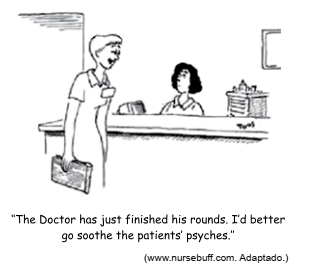
Compared to the previous text “Why so few nurses are men”, the cartoon
Why so few nurses are men

Ask health professionals in any country what the biggest problem in their health-care system is and one of the most common answers is the shortage of nurses. In ageing rich countries, demand for nursing care is becoming increasingly insatiable. Britain’s National Health Service, for example, has 40,000-odd nurse vacancies. Poor countries struggle with the emigration of nurses for greener pastures. One obvious solution seems neglected: recruit more men. Typically, just 5-10% of nurses registered in a given country are men. Why so few?
Views of nursing as a “woman’s job” have deep roots. Florence Nightingale, who established the principles of modern nursing in the 1860s, insisted that men’s “hard and horny” hands were “not fitted to touch, bathe and dress wounded limbs”. In Britain the Royal College of Nursing, the profession’s union, did not even admit men as members until 1960. Some nursing schools in America started admitting men only in 1982, after a Supreme Court ruling forced them to. Senior nurse titles such as “sister” (a ward manager) and “matron” (which in some countries is used for men as well) do not help matters. Unsurprisingly, some older people do not even know that men can be nurses too. Male nurses often encounter patients who assume they are doctors.
Another problem is that beliefs about what a nursing job entails are often outdated – in ways that may be particularly off-putting for men. In films, nurses are commonly portrayed as the helpers of heroic male doctors. In fact, nurses do most of their work independently and are the first responders to patients in crisis. To dispel myths, nurse-recruitment campaigns display nursing as a professional job with career progression, specialisms like anaesthetics, cardiology or emergency care, and use for skills related to technology, innovation and leadership. However, attracting men without playing to gender stereotypes can be tricky. “Are you man enough to be a nurse?”, the slogan of an American campaign, was involved in controversy.
Nursing is not a career many boys aspire to, or are encouraged to consider. Only two-fifths of British parents say they would be proud if their son became a nurse. Because of all this, men who go into nursing are usually already closely familiar with the job. Some are following in the career footsteps of their mothers. Others decide that the job would suit them after they see a male nurse care for a relative or they themselves get care from a male nurse when hospitalised. Although many gender stereotypes about jobs and caring have crumbled, nursing has, so far, remained unaffected.
(www.economist.com, 22.08.2018. Adaptado.)
Why so few nurses are men
Ask health professionals in any country what the biggest problem in their health-care system is and one of the most common answers is the shortage of nurses. In ageing rich countries, demand for nursing care is becoming increasingly insatiable. Britain’s National Health Service, for example, has 40,000-odd nurse vacancies. Poor countries struggle with the emigration of nurses for greener pastures. One obvious solution seems neglected: recruit more men. Typically, just 5-10% of nurses registered in a given country are men. Why so few?
Views of nursing as a “woman’s job” have deep roots. Florence Nightingale, who established the principles of modern nursing in the 1860s, insisted that men’s “hard and horny” hands were “not fitted to touch, bathe and dress wounded limbs”. In Britain the Royal College of Nursing, the profession’s union, did not even admit men as members until 1960. Some nursing schools in America started admitting men only in 1982, after a Supreme Court ruling forced them to. Senior nurse titles such as “sister” (a ward manager) and “matron” (which in some countries is used for men as well) do not help matters. Unsurprisingly, some older people do not even know that men can be nurses too. Male nurses often encounter patients who assume they are doctors.
Another problem is that beliefs about what a nursing job entails are often outdated – in ways that may be particularly off-putting for men. In films, nurses are commonly portrayed as the helpers of heroic male doctors. In fact, nurses do most of their work independently and are the first responders to patients in crisis. To dispel myths, nurse-recruitment campaigns display nursing as a professional job with career progression, specialisms like anaesthetics, cardiology or emergency care, and use for skills related to technology, innovation and leadership. However, attracting men without playing to gender stereotypes can be tricky. “Are you man enough to be a nurse?”, the slogan of an American campaign, was involved in controversy.
Nursing is not a career many boys aspire to, or are encouraged to consider. Only two-fifths of British parents say they would be proud if their son became a nurse. Because of all this, men who go into nursing are usually already closely familiar with the job. Some are following in the career footsteps of their mothers. Others decide that the job would suit them after they see a male nurse care for a relative or they themselves get care from a male nurse when hospitalised. Although many gender stereotypes about jobs and caring have crumbled, nursing has, so far, remained unaffected.
(www.economist.com, 22.08.2018. Adaptado.)
Why so few nurses are men
Ask health professionals in any country what the biggest problem in their health-care system is and one of the most common answers is the shortage of nurses. In ageing rich countries, demand for nursing care is becoming increasingly insatiable. Britain’s National Health Service, for example, has 40,000-odd nurse vacancies. Poor countries struggle with the emigration of nurses for greener pastures. One obvious solution seems neglected: recruit more men. Typically, just 5-10% of nurses registered in a given country are men. Why so few?
Views of nursing as a “woman’s job” have deep roots. Florence Nightingale, who established the principles of modern nursing in the 1860s, insisted that men’s “hard and horny” hands were “not fitted to touch, bathe and dress wounded limbs”. In Britain the Royal College of Nursing, the profession’s union, did not even admit men as members until 1960. Some nursing schools in America started admitting men only in 1982, after a Supreme Court ruling forced them to. Senior nurse titles such as “sister” (a ward manager) and “matron” (which in some countries is used for men as well) do not help matters. Unsurprisingly, some older people do not even know that men can be nurses too. Male nurses often encounter patients who assume they are doctors.
Another problem is that beliefs about what a nursing job entails are often outdated – in ways that may be particularly off-putting for men. In films, nurses are commonly portrayed as the helpers of heroic male doctors. In fact, nurses do most of their work independently and are the first responders to patients in crisis. To dispel myths, nurse-recruitment campaigns display nursing as a professional job with career progression, specialisms like anaesthetics, cardiology or emergency care, and use for skills related to technology, innovation and leadership. However, attracting men without playing to gender stereotypes can be tricky. “Are you man enough to be a nurse?”, the slogan of an American campaign, was involved in controversy.
Nursing is not a career many boys aspire to, or are encouraged to consider. Only two-fifths of British parents say they would be proud if their son became a nurse. Because of all this, men who go into nursing are usually already closely familiar with the job. Some are following in the career footsteps of their mothers. Others decide that the job would suit them after they see a male nurse care for a relative or they themselves get care from a male nurse when hospitalised. Although many gender stereotypes about jobs and caring have crumbled, nursing has, so far, remained unaffected.
(www.economist.com, 22.08.2018. Adaptado.)
Why so few nurses are men
Ask health professionals in any country what the biggest problem in their health-care system is and one of the most common answers is the shortage of nurses. In ageing rich countries, demand for nursing care is becoming increasingly insatiable. Britain’s National Health Service, for example, has 40,000-odd nurse vacancies. Poor countries struggle with the emigration of nurses for greener pastures. One obvious solution seems neglected: recruit more men. Typically, just 5-10% of nurses registered in a given country are men. Why so few?
Views of nursing as a “woman’s job” have deep roots. Florence Nightingale, who established the principles of modern nursing in the 1860s, insisted that men’s “hard and horny” hands were “not fitted to touch, bathe and dress wounded limbs”. In Britain the Royal College of Nursing, the profession’s union, did not even admit men as members until 1960. Some nursing schools in America started admitting men only in 1982, after a Supreme Court ruling forced them to. Senior nurse titles such as “sister” (a ward manager) and “matron” (which in some countries is used for men as well) do not help matters. Unsurprisingly, some older people do not even know that men can be nurses too. Male nurses often encounter patients who assume they are doctors.
Another problem is that beliefs about what a nursing job entails are often outdated – in ways that may be particularly off-putting for men. In films, nurses are commonly portrayed as the helpers of heroic male doctors. In fact, nurses do most of their work independently and are the first responders to patients in crisis. To dispel myths, nurse-recruitment campaigns display nursing as a professional job with career progression, specialisms like anaesthetics, cardiology or emergency care, and use for skills related to technology, innovation and leadership. However, attracting men without playing to gender stereotypes can be tricky. “Are you man enough to be a nurse?”, the slogan of an American campaign, was involved in controversy.
Nursing is not a career many boys aspire to, or are encouraged to consider. Only two-fifths of British parents say they would be proud if their son became a nurse. Because of all this, men who go into nursing are usually already closely familiar with the job. Some are following in the career footsteps of their mothers. Others decide that the job would suit them after they see a male nurse care for a relative or they themselves get care from a male nurse when hospitalised. Although many gender stereotypes about jobs and caring have crumbled, nursing has, so far, remained unaffected.
(www.economist.com, 22.08.2018. Adaptado.)
Why so few nurses are men
Ask health professionals in any country what the biggest problem in their health-care system is and one of the most common answers is the shortage of nurses. In ageing rich countries, demand for nursing care is becoming increasingly insatiable. Britain’s National Health Service, for example, has 40,000-odd nurse vacancies. Poor countries struggle with the emigration of nurses for greener pastures. One obvious solution seems neglected: recruit more men. Typically, just 5-10% of nurses registered in a given country are men. Why so few?
Views of nursing as a “woman’s job” have deep roots. Florence Nightingale, who established the principles of modern nursing in the 1860s, insisted that men’s “hard and horny” hands were “not fitted to touch, bathe and dress wounded limbs”. In Britain the Royal College of Nursing, the profession’s union, did not even admit men as members until 1960. Some nursing schools in America started admitting men only in 1982, after a Supreme Court ruling forced them to. Senior nurse titles such as “sister” (a ward manager) and “matron” (which in some countries is used for men as well) do not help matters. Unsurprisingly, some older people do not even know that men can be nurses too. Male nurses often encounter patients who assume they are doctors.
Another problem is that beliefs about what a nursing job entails are often outdated – in ways that may be particularly off-putting for men. In films, nurses are commonly portrayed as the helpers of heroic male doctors. In fact, nurses do most of their work independently and are the first responders to patients in crisis. To dispel myths, nurse-recruitment campaigns display nursing as a professional job with career progression, specialisms like anaesthetics, cardiology or emergency care, and use for skills related to technology, innovation and leadership. However, attracting men without playing to gender stereotypes can be tricky. “Are you man enough to be a nurse?”, the slogan of an American campaign, was involved in controversy.
Nursing is not a career many boys aspire to, or are encouraged to consider. Only two-fifths of British parents say they would be proud if their son became a nurse. Because of all this, men who go into nursing are usually already closely familiar with the job. Some are following in the career footsteps of their mothers. Others decide that the job would suit them after they see a male nurse care for a relative or they themselves get care from a male nurse when hospitalised. Although many gender stereotypes about jobs and caring have crumbled, nursing has, so far, remained unaffected.
(www.economist.com, 22.08.2018. Adaptado.)
Why so few nurses are men
Ask health professionals in any country what the biggest problem in their health-care system is and one of the most common answers is the shortage of nurses. In ageing rich countries, demand for nursing care is becoming increasingly insatiable. Britain’s National Health Service, for example, has 40,000-odd nurse vacancies. Poor countries struggle with the emigration of nurses for greener pastures. One obvious solution seems neglected: recruit more men. Typically, just 5-10% of nurses registered in a given country are men. Why so few?
Views of nursing as a “woman’s job” have deep roots. Florence Nightingale, who established the principles of modern nursing in the 1860s, insisted that men’s “hard and horny” hands were “not fitted to touch, bathe and dress wounded limbs”. In Britain the Royal College of Nursing, the profession’s union, did not even admit men as members until 1960. Some nursing schools in America started admitting men only in 1982, after a Supreme Court ruling forced them to. Senior nurse titles such as “sister” (a ward manager) and “matron” (which in some countries is used for men as well) do not help matters. Unsurprisingly, some older people do not even know that men can be nurses too. Male nurses often encounter patients who assume they are doctors.
Another problem is that beliefs about what a nursing job entails are often outdated – in ways that may be particularly off-putting for men. In films, nurses are commonly portrayed as the helpers of heroic male doctors. In fact, nurses do most of their work independently and are the first responders to patients in crisis. To dispel myths, nurse-recruitment campaigns display nursing as a professional job with career progression, specialisms like anaesthetics, cardiology or emergency care, and use for skills related to technology, innovation and leadership. However, attracting men without playing to gender stereotypes can be tricky. “Are you man enough to be a nurse?”, the slogan of an American campaign, was involved in controversy.
Nursing is not a career many boys aspire to, or are encouraged to consider. Only two-fifths of British parents say they would be proud if their son became a nurse. Because of all this, men who go into nursing are usually already closely familiar with the job. Some are following in the career footsteps of their mothers. Others decide that the job would suit them after they see a male nurse care for a relative or they themselves get care from a male nurse when hospitalised. Although many gender stereotypes about jobs and caring have crumbled, nursing has, so far, remained unaffected.
(www.economist.com, 22.08.2018. Adaptado.)
Why so few nurses are men
Ask health professionals in any country what the biggest problem in their health-care system is and one of the most common answers is the shortage of nurses. In ageing rich countries, demand for nursing care is becoming increasingly insatiable. Britain’s National Health Service, for example, has 40,000-odd nurse vacancies. Poor countries struggle with the emigration of nurses for greener pastures. One obvious solution seems neglected: recruit more men. Typically, just 5-10% of nurses registered in a given country are men. Why so few?
Views of nursing as a “woman’s job” have deep roots. Florence Nightingale, who established the principles of modern nursing in the 1860s, insisted that men’s “hard and horny” hands were “not fitted to touch, bathe and dress wounded limbs”. In Britain the Royal College of Nursing, the profession’s union, did not even admit men as members until 1960. Some nursing schools in America started admitting men only in 1982, after a Supreme Court ruling forced them to. Senior nurse titles such as “sister” (a ward manager) and “matron” (which in some countries is used for men as well) do not help matters. Unsurprisingly, some older people do not even know that men can be nurses too. Male nurses often encounter patients who assume they are doctors.
Another problem is that beliefs about what a nursing job entails are often outdated – in ways that may be particularly off-putting for men. In films, nurses are commonly portrayed as the helpers of heroic male doctors. In fact, nurses do most of their work independently and are the first responders to patients in crisis. To dispel myths, nurse-recruitment campaigns display nursing as a professional job with career progression, specialisms like anaesthetics, cardiology or emergency care, and use for skills related to technology, innovation and leadership. However, attracting men without playing to gender stereotypes can be tricky. “Are you man enough to be a nurse?”, the slogan of an American campaign, was involved in controversy.
Nursing is not a career many boys aspire to, or are encouraged to consider. Only two-fifths of British parents say they would be proud if their son became a nurse. Because of all this, men who go into nursing are usually already closely familiar with the job. Some are following in the career footsteps of their mothers. Others decide that the job would suit them after they see a male nurse care for a relative or they themselves get care from a male nurse when hospitalised. Although many gender stereotypes about jobs and caring have crumbled, nursing has, so far, remained unaffected.
(www.economist.com, 22.08.2018. Adaptado.)
Why so few nurses are men
Ask health professionals in any country what the biggest problem in their health-care system is and one of the most common answers is the shortage of nurses. In ageing rich countries, demand for nursing care is becoming increasingly insatiable. Britain’s National Health Service, for example, has 40,000-odd nurse vacancies. Poor countries struggle with the emigration of nurses for greener pastures. One obvious solution seems neglected: recruit more men. Typically, just 5-10% of nurses registered in a given country are men. Why so few?
Views of nursing as a “woman’s job” have deep roots. Florence Nightingale, who established the principles of modern nursing in the 1860s, insisted that men’s “hard and horny” hands were “not fitted to touch, bathe and dress wounded limbs”. In Britain the Royal College of Nursing, the profession’s union, did not even admit men as members until 1960. Some nursing schools in America started admitting men only in 1982, after a Supreme Court ruling forced them to. Senior nurse titles such as “sister” (a ward manager) and “matron” (which in some countries is used for men as well) do not help matters. Unsurprisingly, some older people do not even know that men can be nurses too. Male nurses often encounter patients who assume they are doctors.
Another problem is that beliefs about what a nursing job entails are often outdated – in ways that may be particularly off-putting for men. In films, nurses are commonly portrayed as the helpers of heroic male doctors. In fact, nurses do most of their work independently and are the first responders to patients in crisis. To dispel myths, nurse-recruitment campaigns display nursing as a professional job with career progression, specialisms like anaesthetics, cardiology or emergency care, and use for skills related to technology, innovation and leadership. However, attracting men without playing to gender stereotypes can be tricky. “Are you man enough to be a nurse?”, the slogan of an American campaign, was involved in controversy.
Nursing is not a career many boys aspire to, or are encouraged to consider. Only two-fifths of British parents say they would be proud if their son became a nurse. Because of all this, men who go into nursing are usually already closely familiar with the job. Some are following in the career footsteps of their mothers. Others decide that the job would suit them after they see a male nurse care for a relative or they themselves get care from a male nurse when hospitalised. Although many gender stereotypes about jobs and caring have crumbled, nursing has, so far, remained unaffected.
(www.economist.com, 22.08.2018. Adaptado.)
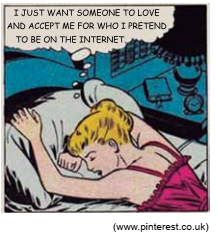
The woman
Words that define the presente
At a time when the world is changing more quickly than ever before, we need a new vocabulary to help us grasp what’s happening.

Catfishing. This word would make more sense if it referred to fishing for cats, but in fact, it refers to people who construct false identities online. Whether out of boredom, loneliness or malice, they lure other people into continued messaging correspondence, thereby building false relationships with them (the apparent source of the term “catfish” is a 2010 documentary called Catfish, whose verity, ironically enough, has been questioned).
There are two ways of looking at this: 1) The internet/ cyberspace is wonderful, because it gives people the freedom to augment or totally change their identities, and this is a marvellous new dawn for human expression, a new step in human evolution. 2) Nah, it’s a false dawn, because the internet is essentially a libertarian arena, and, as such, an amoral one (lots of “freedoms” but with no attendant social obligations); it is a new jungle where we must watch our backs and struggle for survival, surely a backward step in evolution. I lean toward the latter.
(Cameron Laux. www.bbc.com, 08.08.2018. Adaptado.)
Words that define the presente
At a time when the world is changing more quickly than ever before, we need a new vocabulary to help us grasp what’s happening.
Catfishing. This word would make more sense if it referred to fishing for cats, but in fact, it refers to people who construct false identities online. Whether out of boredom, loneliness or malice, they lure other people into continued messaging correspondence, thereby building false relationships with them (the apparent source of the term “catfish” is a 2010 documentary called Catfish, whose verity, ironically enough, has been questioned).
There are two ways of looking at this: 1) The internet/ cyberspace is wonderful, because it gives people the freedom to augment or totally change their identities, and this is a marvellous new dawn for human expression, a new step in human evolution. 2) Nah, it’s a false dawn, because the internet is essentially a libertarian arena, and, as such, an amoral one (lots of “freedoms” but with no attendant social obligations); it is a new jungle where we must watch our backs and struggle for survival, surely a backward step in evolution. I lean toward the latter.
(Cameron Laux. www.bbc.com, 08.08.2018. Adaptado.)
Words that define the presente
At a time when the world is changing more quickly than ever before, we need a new vocabulary to help us grasp what’s happening.
Catfishing. This word would make more sense if it referred to fishing for cats, but in fact, it refers to people who construct false identities online. Whether out of boredom, loneliness or malice, they lure other people into continued messaging correspondence, thereby building false relationships with them (the apparent source of the term “catfish” is a 2010 documentary called Catfish, whose verity, ironically enough, has been questioned).
There are two ways of looking at this: 1) The internet/ cyberspace is wonderful, because it gives people the freedom to augment or totally change their identities, and this is a marvellous new dawn for human expression, a new step in human evolution. 2) Nah, it’s a false dawn, because the internet is essentially a libertarian arena, and, as such, an amoral one (lots of “freedoms” but with no attendant social obligations); it is a new jungle where we must watch our backs and struggle for survival, surely a backward step in evolution. I lean toward the latter.
(Cameron Laux. www.bbc.com, 08.08.2018. Adaptado.)
Words that define the presente
At a time when the world is changing more quickly than ever before, we need a new vocabulary to help us grasp what’s happening.
Catfishing. This word would make more sense if it referred to fishing for cats, but in fact, it refers to people who construct false identities online. Whether out of boredom, loneliness or malice, they lure other people into continued messaging correspondence, thereby building false relationships with them (the apparent source of the term “catfish” is a 2010 documentary called Catfish, whose verity, ironically enough, has been questioned).
There are two ways of looking at this: 1) The internet/ cyberspace is wonderful, because it gives people the freedom to augment or totally change their identities, and this is a marvellous new dawn for human expression, a new step in human evolution. 2) Nah, it’s a false dawn, because the internet is essentially a libertarian arena, and, as such, an amoral one (lots of “freedoms” but with no attendant social obligations); it is a new jungle where we must watch our backs and struggle for survival, surely a backward step in evolution. I lean toward the latter.
(Cameron Laux. www.bbc.com, 08.08.2018. Adaptado.)
 Conheça nossos planos