Foram encontradas 36.755 questões

Resolva questões gratuitamente!

Junte-se a mais de 4 milhões de concurseiros!

Ano: 2018 Banca: VUNESP Órgão: UNIVESP Prova: VUNESP - 2018 - UNIVESP - Vestibular |
Q1686616 Geografia

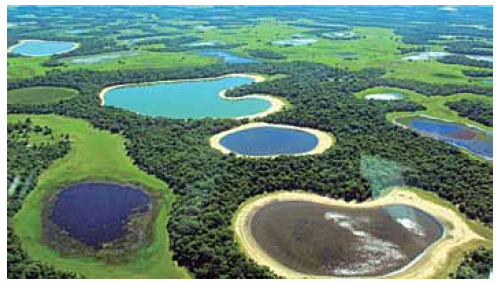
Imagem associada para resolução da questão

(www.cidadessustentaveis.org.br)


Uma característica do bioma do Pantanal em destaque na imagem é a presença de

Alternativas
Ano: 2018 Banca: VUNESP Órgão: UNIVESP Prova: VUNESP - 2018 - UNIVESP - Vestibular |
Q1686615 Geografia

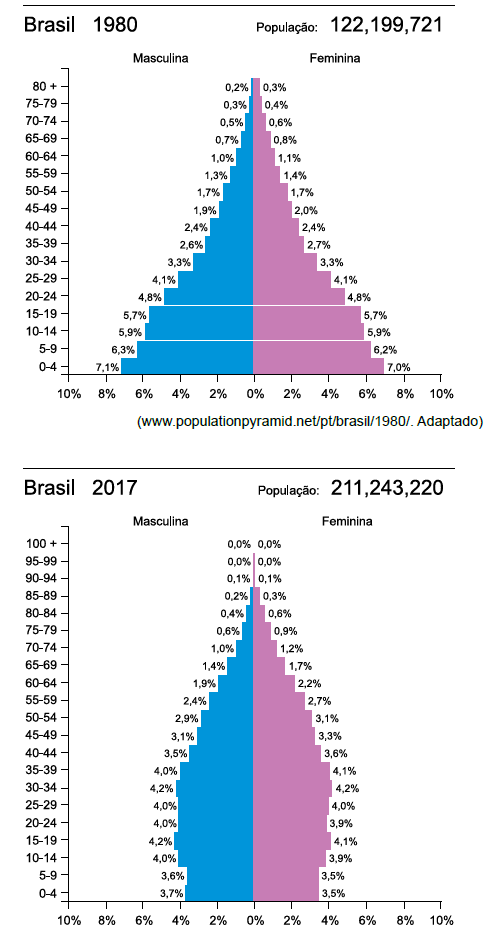
Observe os gráficos.

Imagem associada para resolução da questão

(www.populationpyramid.net/pt/brasil/2017/. Adaptado)


Com base na estrutura da pirâmide etária nos períodos selecionados e na dinâmica demográfica do Brasil, é correto afirmar que
Alternativas
Ano: 2018 Banca: VUNESP Órgão: UNIVESP Prova: VUNESP - 2018 - UNIVESP - Vestibular |
Q1686614 Geografia

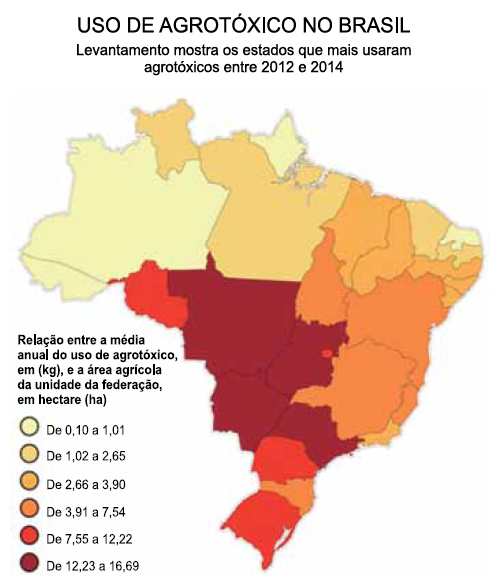
Imagem associada para resolução da questão

(https://noticias.uol.com.br. Adaptado)


A região brasileira que apresenta os maiores indicadores de utilização de agrotóxicos proporcionais à área agrícola corresponde ao

Alternativas
Ano: 2018 Banca: VUNESP Órgão: UNIVESP Prova: VUNESP - 2018 - UNIVESP - Vestibular |
Q1686613 Atualidades
A Venezuela está enfrentando uma grave crise institucional e econômica, com a presença de distúrbios sociais e instabilidade política. Considerando que a economia do país possui enorme dependência das exportações de petróleo, uma das razões dos problemas econômicos do país diz respeito à
Alternativas
Ano: 2018 Banca: VUNESP Órgão: UNIVESP Prova: VUNESP - 2018 - UNIVESP - Vestibular |
Q1686612 Atualidades

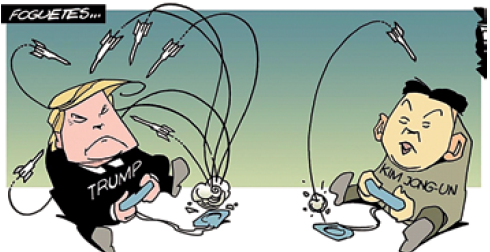
Analise a charge a seguir.

Imagem associada para resolução da questão

(https://chicoandrade.com.br)


A charge ironiza o seguinte aspecto das relações internacionais na atualidade:

Alternativas
Ano: 2018 Banca: VUNESP Órgão: UNIVESP Prova: VUNESP - 2018 - UNIVESP - Vestibular |
Q1686611 Atualidades
O problema da identidade nacional foi sem dúvida o grande fator de votação pela saída da União Europeia. No caso inglês foi equacionado com a atitude anti-imigrante. O elemento inquietante neste debate é a total ausência do problema da desigualdade social que tem subido no Reino Unido, assim como em todo o mundo ocidental, desde os anos de 1980. (www.publico.pt. Adaptado)
De acordo com o excerto, uma das causas da escolha do Reino Unido de deixar a União Europeia está fundamentada
Alternativas
Ano: 2018 Banca: VUNESP Órgão: UNIVESP Prova: VUNESP - 2018 - UNIVESP - Vestibular |
Q1686610 História
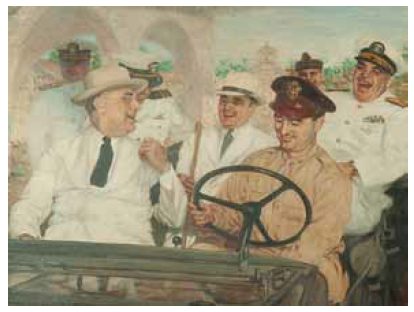
Imagem associada para resolução da questão
A imagem retrata o encontro entre Getúlio Vargas e Franklin D. Roosevelt na cidade de Natal (RN) no ano de 1943. Tal encontro simboliza
Alternativas
Ano: 2018 Banca: VUNESP Órgão: UNIVESP Prova: VUNESP - 2018 - UNIVESP - Vestibular |
Q1686609 História
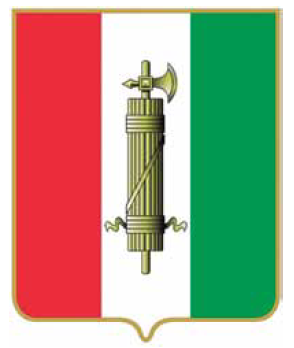
Imagem associada para resolução da questão
O símbolo do Partido Fascista italiano, reproduzido parcialmente na imagem, é constituído por um feixe de varas em torno de um machado. Tal símbolo busca representar um aspecto da ideologia fascista, corretamente compreendido como a
Alternativas
Ano: 2018 Banca: VUNESP Órgão: UNIVESP Prova: VUNESP - 2018 - UNIVESP - Vestibular |
Q1686608 Conhecimentos Gerais
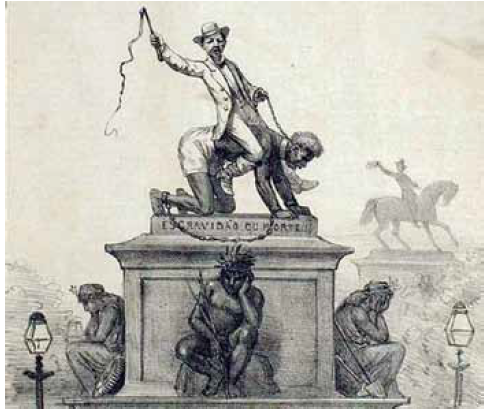
Imagem associada para resolução da questão
“Projeto de uma estátua equestre para o ilustre chefe do Partido Liberal”
A charge, publicada na Revista Illustrada no ano de 1880, faz uma crítica
Alternativas
Ano: 2018 Banca: VUNESP Órgão: UNIVESP Prova: VUNESP - 2018 - UNIVESP - Vestibular |
Q1686607 História
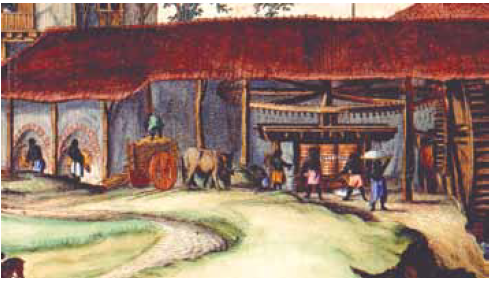
Imagem associada para resolução da questão Moenda
O detalhe da gravura “Engenho de Itamaracá” (1647), de Frans Post, pintor holandês que esteve no Brasil no século XVII, coloca em evidência o principal produto de interesse dos holandeses à época da ocupação no Nordeste. Tal produto pode ser corretamente identificado como
Alternativas
Ano: 2018 Banca: VUNESP Órgão: UNIVESP Prova: VUNESP - 2018 - UNIVESP - Vestibular |
Q1686606 Geografia

Observe os mapas a seguir para responder à questão.


MAPA 1
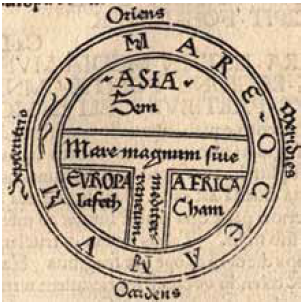
Imagem associada para resolução da questão

Mapa “TO” produzido no século VII


MAPA 2
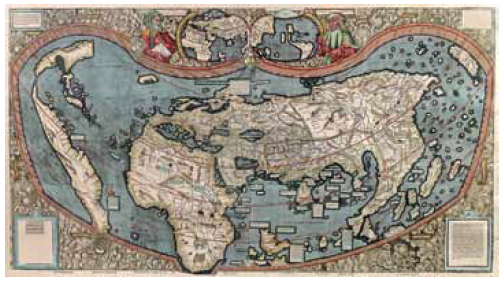
Imagem associada para resolução da questão

Mapa múndi do início do século XVI


Os dois mapas foram produzidos em contextos históricos distintos. Acerca das transformações ocorridas entre os séculos VII e XVI, é correto identificar

Alternativas
Ano: 2018 Banca: VUNESP Órgão: UNIVESP Prova: VUNESP - 2018 - UNIVESP - Vestibular |
Q1686605 História
No mundo islâmico medieval, se mantinham numerosos elementos não muçulmanos na população e, dentre eles, judeus e cristãos se beneficiavam de um estatuto particular: “povos da Bíblia”. Eram considerados como sendo crentes do mesmo deus, ainda que lhes faltasse a revelação suprema e derradeira, a de Maomé. (George Tate. O Oriente das Cruzadas. Rio de Janeiro: Objetiva, 2008. Adaptado)
O trecho apresenta uma característica fundamental do mundo árabe islâmico no contexto da expansão muçulmana, corretamente identificada como
Alternativas
Ano: 2018 Banca: VUNESP Órgão: UNIVESP Prova: VUNESP - 2018 - UNIVESP - Vestibular |
Q1686604 História
A caminhada de Atenas em direção à democracia não aconteceu de uma hora para outra. A trajetória política dos atenienses até o regime de maior participação popular da Antiguidade foi marcada por várias e longas etapas. Para que se chegasse à democracia foi preciso muita luta popular. Isso foi possível, entre outros motivos, graças à ampliação do comércio marítimo ateniense, o que fortaleceu os comerciantes. Os próprios camponeses conseguiram ampliar sua participação social devido, também, ao seu crescente papel econômico em uma Atenas cada vez mais voltada para o mundo exterior. (Pedro Paulo Funari. Grécia e Roma. São Paulo: Contexto, 2011. Adaptado)
A “caminhada” mencionada no trecho representou uma perda gradual de poder por parte
Alternativas
Ano: 2018 Banca: VUNESP Órgão: UNIVESP Prova: VUNESP - 2018 - UNIVESP - Vestibular |
Q1686603 Inglês
Leia o texto para responder a questão.

Modern-day slavery: an explainer
Photograph: Mario Tama/Getty

What is modern-day slavery?
   About 150 years after most countries banned slavery – Brazil was the last to abolish its participation in the transatlantic slave trade, in 1888 – millions of men, women and children are still enslaved. Contemporary slavery takes many forms, from women forced into prostitution, to child slavery in agriculture supply chains or whole families working for nothing to pay off generational debts. Slavery thrives on every continent and in almost every country. Forced labour, people trafficking, debt bondage and child marriage are all forms of modern-day slavery that affect the world’s most vulnerable people.

How is slavery defined?
  Slavery is prohibited under the 1948 Universal Declaration of Human Rights, which states: “No one shall be held in slavery or servitude: slavery and the slave trade shall be prohibited in all their forms.”
  Definitions of modern-day slavery are mainly taken from the 1956 UN supplementary convention, which says: “debt bondage, serfdom, forced marriage and the delivery of a child for the exploitation of that child are all slavery-like practices and require criminalisation and abolishment”. The 1930 Forced Labour Convention defines forced labour as “all work or service which is exacted from any person under the menace of any penalty and for which the said person has not offered himself voluntarily”. As contemporary systems of slavery have evolved, new definitions, including trafficking and distinguishing child slavery from child labour, have developed. 

How many people are enslaved across the world?
  Due to its illegality, data on modern-day slavery is difficult to collate. The UN’s International Labour Organisation (ILO) estimates that about 21 million people are in forced labour at any point in time. The ILO says this estimate includes trafficking and other forms of modern slavery. The only exceptions are trafficking for organ removal, forced marriage and adoption, unless the last two practices result in forced labour. The ILO calculates that 90% of the 21 million are exploited by individuals or companies, while 10% are forced to work by the state, rebel military groups, or in prisons under conditions that violate ILO standards. Sexual exploitation accounts for 22% of slaves.

(www.theguardian.com/global-development/2013/apr/03/modern-day-slavery-explainer. Adaptado)
No trecho do quarto parágrafo unless the last two practices result in forced labour – o termo em destaque indica ideia de
Alternativas
Ano: 2018 Banca: VUNESP Órgão: UNIVESP Prova: VUNESP - 2018 - UNIVESP - Vestibular |
Q1686602 Inglês
Leia o texto para responder a questão.

Modern-day slavery: an explainer
Photograph: Mario Tama/Getty

What is modern-day slavery?
   About 150 years after most countries banned slavery – Brazil was the last to abolish its participation in the transatlantic slave trade, in 1888 – millions of men, women and children are still enslaved. Contemporary slavery takes many forms, from women forced into prostitution, to child slavery in agriculture supply chains or whole families working for nothing to pay off generational debts. Slavery thrives on every continent and in almost every country. Forced labour, people trafficking, debt bondage and child marriage are all forms of modern-day slavery that affect the world’s most vulnerable people.

How is slavery defined?
  Slavery is prohibited under the 1948 Universal Declaration of Human Rights, which states: “No one shall be held in slavery or servitude: slavery and the slave trade shall be prohibited in all their forms.”
  Definitions of modern-day slavery are mainly taken from the 1956 UN supplementary convention, which says: “debt bondage, serfdom, forced marriage and the delivery of a child for the exploitation of that child are all slavery-like practices and require criminalisation and abolishment”. The 1930 Forced Labour Convention defines forced labour as “all work or service which is exacted from any person under the menace of any penalty and for which the said person has not offered himself voluntarily”. As contemporary systems of slavery have evolved, new definitions, including trafficking and distinguishing child slavery from child labour, have developed. 

How many people are enslaved across the world?
  Due to its illegality, data on modern-day slavery is difficult to collate. The UN’s International Labour Organisation (ILO) estimates that about 21 million people are in forced labour at any point in time. The ILO says this estimate includes trafficking and other forms of modern slavery. The only exceptions are trafficking for organ removal, forced marriage and adoption, unless the last two practices result in forced labour. The ILO calculates that 90% of the 21 million are exploited by individuals or companies, while 10% are forced to work by the state, rebel military groups, or in prisons under conditions that violate ILO standards. Sexual exploitation accounts for 22% of slaves.

(www.theguardian.com/global-development/2013/apr/03/modern-day-slavery-explainer. Adaptado)
De acordo com o quarto parágrafo, a ILO estima que
Alternativas
Ano: 2018 Banca: VUNESP Órgão: UNIVESP Prova: VUNESP - 2018 - UNIVESP - Vestibular |
Q1686601 Inglês
Leia o texto para responder a questão.

Modern-day slavery: an explainer
Photograph: Mario Tama/Getty

What is modern-day slavery?
   About 150 years after most countries banned slavery – Brazil was the last to abolish its participation in the transatlantic slave trade, in 1888 – millions of men, women and children are still enslaved. Contemporary slavery takes many forms, from women forced into prostitution, to child slavery in agriculture supply chains or whole families working for nothing to pay off generational debts. Slavery thrives on every continent and in almost every country. Forced labour, people trafficking, debt bondage and child marriage are all forms of modern-day slavery that affect the world’s most vulnerable people.

How is slavery defined?
  Slavery is prohibited under the 1948 Universal Declaration of Human Rights, which states: “No one shall be held in slavery or servitude: slavery and the slave trade shall be prohibited in all their forms.”
  Definitions of modern-day slavery are mainly taken from the 1956 UN supplementary convention, which says: “debt bondage, serfdom, forced marriage and the delivery of a child for the exploitation of that child are all slavery-like practices and require criminalisation and abolishment”. The 1930 Forced Labour Convention defines forced labour as “all work or service which is exacted from any person under the menace of any penalty and for which the said person has not offered himself voluntarily”. As contemporary systems of slavery have evolved, new definitions, including trafficking and distinguishing child slavery from child labour, have developed. 

How many people are enslaved across the world?
  Due to its illegality, data on modern-day slavery is difficult to collate. The UN’s International Labour Organisation (ILO) estimates that about 21 million people are in forced labour at any point in time. The ILO says this estimate includes trafficking and other forms of modern slavery. The only exceptions are trafficking for organ removal, forced marriage and adoption, unless the last two practices result in forced labour. The ILO calculates that 90% of the 21 million are exploited by individuals or companies, while 10% are forced to work by the state, rebel military groups, or in prisons under conditions that violate ILO standards. Sexual exploitation accounts for 22% of slaves.

(www.theguardian.com/global-development/2013/apr/03/modern-day-slavery-explainer. Adaptado)
No trecho do terceiro parágrafo As contemporary systems of slavery have evolved – o termo em destaque equivale, em português, a
Alternativas
Ano: 2018 Banca: VUNESP Órgão: UNIVESP Prova: VUNESP - 2018 - UNIVESP - Vestibular |
Q1686600 Inglês
Leia o texto para responder a questão.

Modern-day slavery: an explainer
Photograph: Mario Tama/Getty

What is modern-day slavery?
   About 150 years after most countries banned slavery – Brazil was the last to abolish its participation in the transatlantic slave trade, in 1888 – millions of men, women and children are still enslaved. Contemporary slavery takes many forms, from women forced into prostitution, to child slavery in agriculture supply chains or whole families working for nothing to pay off generational debts. Slavery thrives on every continent and in almost every country. Forced labour, people trafficking, debt bondage and child marriage are all forms of modern-day slavery that affect the world’s most vulnerable people.

How is slavery defined?
  Slavery is prohibited under the 1948 Universal Declaration of Human Rights, which states: “No one shall be held in slavery or servitude: slavery and the slave trade shall be prohibited in all their forms.”
  Definitions of modern-day slavery are mainly taken from the 1956 UN supplementary convention, which says: “debt bondage, serfdom, forced marriage and the delivery of a child for the exploitation of that child are all slavery-like practices and require criminalisation and abolishment”. The 1930 Forced Labour Convention defines forced labour as “all work or service which is exacted from any person under the menace of any penalty and for which the said person has not offered himself voluntarily”. As contemporary systems of slavery have evolved, new definitions, including trafficking and distinguishing child slavery from child labour, have developed. 

How many people are enslaved across the world?
  Due to its illegality, data on modern-day slavery is difficult to collate. The UN’s International Labour Organisation (ILO) estimates that about 21 million people are in forced labour at any point in time. The ILO says this estimate includes trafficking and other forms of modern slavery. The only exceptions are trafficking for organ removal, forced marriage and adoption, unless the last two practices result in forced labour. The ILO calculates that 90% of the 21 million are exploited by individuals or companies, while 10% are forced to work by the state, rebel military groups, or in prisons under conditions that violate ILO standards. Sexual exploitation accounts for 22% of slaves.

(www.theguardian.com/global-development/2013/apr/03/modern-day-slavery-explainer. Adaptado)
De acordo com o terceiro parágrafo, a Convenção Suplementar das Nações Unidas de 1956 inclui como escravidão moderna
Alternativas
Ano: 2018 Banca: VUNESP Órgão: UNIVESP Prova: VUNESP - 2018 - UNIVESP - Vestibular |
Q1686599 Inglês
Leia o texto para responder a questão.

Modern-day slavery: an explainer
Photograph: Mario Tama/Getty

What is modern-day slavery?
   About 150 years after most countries banned slavery – Brazil was the last to abolish its participation in the transatlantic slave trade, in 1888 – millions of men, women and children are still enslaved. Contemporary slavery takes many forms, from women forced into prostitution, to child slavery in agriculture supply chains or whole families working for nothing to pay off generational debts. Slavery thrives on every continent and in almost every country. Forced labour, people trafficking, debt bondage and child marriage are all forms of modern-day slavery that affect the world’s most vulnerable people.

How is slavery defined?
  Slavery is prohibited under the 1948 Universal Declaration of Human Rights, which states: “No one shall be held in slavery or servitude: slavery and the slave trade shall be prohibited in all their forms.”
  Definitions of modern-day slavery are mainly taken from the 1956 UN supplementary convention, which says: “debt bondage, serfdom, forced marriage and the delivery of a child for the exploitation of that child are all slavery-like practices and require criminalisation and abolishment”. The 1930 Forced Labour Convention defines forced labour as “all work or service which is exacted from any person under the menace of any penalty and for which the said person has not offered himself voluntarily”. As contemporary systems of slavery have evolved, new definitions, including trafficking and distinguishing child slavery from child labour, have developed. 

How many people are enslaved across the world?
  Due to its illegality, data on modern-day slavery is difficult to collate. The UN’s International Labour Organisation (ILO) estimates that about 21 million people are in forced labour at any point in time. The ILO says this estimate includes trafficking and other forms of modern slavery. The only exceptions are trafficking for organ removal, forced marriage and adoption, unless the last two practices result in forced labour. The ILO calculates that 90% of the 21 million are exploited by individuals or companies, while 10% are forced to work by the state, rebel military groups, or in prisons under conditions that violate ILO standards. Sexual exploitation accounts for 22% of slaves.

(www.theguardian.com/global-development/2013/apr/03/modern-day-slavery-explainer. Adaptado)
No trecho do terceiro parágrafo – all work or service which is exacted from any person under the menace of any penalty and for which the said person has not offered himself voluntarily – o termo em destaque se refere a
Alternativas
Ano: 2018 Banca: VUNESP Órgão: UNIVESP Prova: VUNESP - 2018 - UNIVESP - Vestibular |
Q1686598 Inglês
Leia o texto para responder a questão.

Modern-day slavery: an explainer
Photograph: Mario Tama/Getty

What is modern-day slavery?
   About 150 years after most countries banned slavery – Brazil was the last to abolish its participation in the transatlantic slave trade, in 1888 – millions of men, women and children are still enslaved. Contemporary slavery takes many forms, from women forced into prostitution, to child slavery in agriculture supply chains or whole families working for nothing to pay off generational debts. Slavery thrives on every continent and in almost every country. Forced labour, people trafficking, debt bondage and child marriage are all forms of modern-day slavery that affect the world’s most vulnerable people.

How is slavery defined?
  Slavery is prohibited under the 1948 Universal Declaration of Human Rights, which states: “No one shall be held in slavery or servitude: slavery and the slave trade shall be prohibited in all their forms.”
  Definitions of modern-day slavery are mainly taken from the 1956 UN supplementary convention, which says: “debt bondage, serfdom, forced marriage and the delivery of a child for the exploitation of that child are all slavery-like practices and require criminalisation and abolishment”. The 1930 Forced Labour Convention defines forced labour as “all work or service which is exacted from any person under the menace of any penalty and for which the said person has not offered himself voluntarily”. As contemporary systems of slavery have evolved, new definitions, including trafficking and distinguishing child slavery from child labour, have developed. 

How many people are enslaved across the world?
  Due to its illegality, data on modern-day slavery is difficult to collate. The UN’s International Labour Organisation (ILO) estimates that about 21 million people are in forced labour at any point in time. The ILO says this estimate includes trafficking and other forms of modern slavery. The only exceptions are trafficking for organ removal, forced marriage and adoption, unless the last two practices result in forced labour. The ILO calculates that 90% of the 21 million are exploited by individuals or companies, while 10% are forced to work by the state, rebel military groups, or in prisons under conditions that violate ILO standards. Sexual exploitation accounts for 22% of slaves.

(www.theguardian.com/global-development/2013/apr/03/modern-day-slavery-explainer. Adaptado)
Leia o primeiro parágrafo, em que se responde à pergunta “What is modern-day slavery?”. De acordo com esse parágrafo, uma das formas que a escravidão moderna assume é
Alternativas
Ano: 2018 Banca: VUNESP Órgão: UNIVESP Prova: VUNESP - 2018 - UNIVESP - Vestibular |
Q1686597 Português
Leia o poema de A rosa do povo, livro de Carlos Drummond de Andrade publicado em 1945, para responder a questão.

Notícias
Entre mim e os mortos há o mar
e os telegramas.
Há anos que nenhum navio parte
nem chega. Mas sempre os telegramas
frios, duros, sem conforto.

Na praia, e sem poder sair.
Volto, os telegramas vêm comigo.
Não se calam, a casa é pequena
para um homem e tantas notícias.

Vejo-te no escuro, cidade enigmática.
Chamas com urgência, estou paralisado.
De ti para mim, apelos,
de mim para ti, silêncio.
Mas no escuro nos visitamos.

Escuto vocês todos, irmãos sombrios.
No pão, no couro, na superfície
macia das coisas sem raiva,
sinto vozes amigas, recados
furtivos, mensagens em código.

Os telegramas vieram no vento.
Quanto sertão, quanta renúncia atravessaram!
Todo homem sozinho devia fazer uma canoa
e remar para onde os telegramas estão chamando.

(Poesia 1930-62. São Paulo, Cosac Naif, 2012)
O eu lírico expressa um sentimento de impotência, o qual se evidencia no verso
Alternativas
Respostas
11041: E
11042: B
11043: C
11044: C
11045: A
11046: D
11047: B
11048: C
11049: C
11050: D
11051: A
11052: E
11053: D
11054: C
11055: D
11056: A
11057: E
11058: C
11059: B
11060: A