Questões de Vestibular FCM/SANTA CASA 2023 para Vestibular - Medicina
Foram encontradas 80 questões


Ano: 2023
Banca:
VUNESP
Órgão:
FCM/SANTA CASA
Prova:
VUNESP - 2023 - FCM/SANTA CASA - Vestibular - Medicina |
Q4149738
Português
Examine o cartum de Richard Bittencourt, o Fí, publicado em
sua conta do Instagram em 13.05.2023.
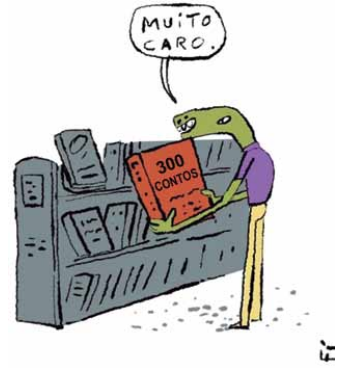
Para obter seu efeito de humor, o cartum explora o seguinte recurso expressivo:
Para obter seu efeito de humor, o cartum explora o seguinte recurso expressivo:
Ano: 2023
Banca:
VUNESP
Órgão:
FCM/SANTA CASA
Prova:
VUNESP - 2023 - FCM/SANTA CASA - Vestibular - Medicina |
Q4149739
Português
Texto associado
Para responder às questões de 02 a 06, leia a crônica “Médicos e monstros”, de Moacyr Scliar, publicada originalmente
no jornal Zero Hora, em 20.08.1997.
Sentenças judiciais nem sempre têm sido muito felizes
no que diz respeito aos direitos humanos, mas este 20 de
agosto marca o quinquagésimo aniversário de uma decisão
jurídica que se tornaria um marco não apenas na história da
justiça como na da ética médica. Naquela data o Tribunal de
Nuremberg condenou 23 médicos nazistas por participação
em atividades de genocídio.
O número não chega a ser impressionante. E os réus
eram, na verdade, figuras secundárias. Ali não estava, por
exemplo, Adolf Eichmann, que injetava corante nos olhos
de crianças para torná-los arianamente azuis, ou que matou
uma criança com suas próprias mãos para confirmar o diagnóstico de tuberculose, posto em dúvida por colegas. Como
outros, ele tinha escapado — para ser alcançado depois pelo
longo braço da justiça israelense.
Importante, contudo, foi a sentença. Porque, anexo a
ela, estava um documento que depois se tornaria conhecido
como o Código de Nuremberg. Em sua defesa, os médicos
nazis haviam alegado que estavam agindo em nome da ciência; para evitar que essa afrontosa alegação servisse de desculpa em crimes posteriores, o Código de Nuremberg estabeleceu vários princípios. Que hoje nos parecem óbvios: um experimento médico só pode ser feito com o consentimento
da pessoa; deve proporcionar resultados que beneficiem a
humanidade; deve evitar qualquer sofrimento. Que os doutores nazistas tenham violado princípios tão básicos mostra a
que ponto chegaram em sua degradação. Mas não só eles,
obviamente; em Tuskegee, no Alabama, médicos deixaram
de usar a penicilina em pacientes negros com sífilis para observar como evoluiria a doença não tratada (um conhecimento, diga-se de passagem, há muito registrado nos manuais
clínicos).
Robert Louis Stevenson criou as figuras de Dr. Jekyll e
Mr. Hyde, o médico e o monstro, para simbolizar o antagonismo entre o bem e o mal. Nos doutores nazistas esse antagonismo desapareceu: eram médicos e eram monstros. Diante
da enorme quantidade de pessoas indefesas, a medicina optou pela extrema crueldade das experiências sem sentido,
da tortura impiedosa, das câmaras de gás. Uma experiência
que os médicos da ditadura, por exemplo, herdaram e que
praticaram — inclusive aqui no Brasil — até há muito pouco
tempo.
Cinquenta anos depois da sentença do Tribunal de
Nuremberg, é necessário lembrar, ainda uma vez, que a
medicina surgiu, única e exclusivamente, para ajudar o ser
humano. Qualquer ser humano.
(Moacyr Scliar. A nossa frágil condição humana, 2017.)
De acordo com o cronista,
Ano: 2023
Banca:
VUNESP
Órgão:
FCM/SANTA CASA
Prova:
VUNESP - 2023 - FCM/SANTA CASA - Vestibular - Medicina |
Q4149740
Português
Texto associado
Para responder às questões de 02 a 06, leia a crônica “Médicos e monstros”, de Moacyr Scliar, publicada originalmente
no jornal Zero Hora, em 20.08.1997.
Sentenças judiciais nem sempre têm sido muito felizes
no que diz respeito aos direitos humanos, mas este 20 de
agosto marca o quinquagésimo aniversário de uma decisão
jurídica que se tornaria um marco não apenas na história da
justiça como na da ética médica. Naquela data o Tribunal de
Nuremberg condenou 23 médicos nazistas por participação
em atividades de genocídio.
O número não chega a ser impressionante. E os réus
eram, na verdade, figuras secundárias. Ali não estava, por
exemplo, Adolf Eichmann, que injetava corante nos olhos
de crianças para torná-los arianamente azuis, ou que matou
uma criança com suas próprias mãos para confirmar o diagnóstico de tuberculose, posto em dúvida por colegas. Como
outros, ele tinha escapado — para ser alcançado depois pelo
longo braço da justiça israelense.
Importante, contudo, foi a sentença. Porque, anexo a
ela, estava um documento que depois se tornaria conhecido
como o Código de Nuremberg. Em sua defesa, os médicos
nazis haviam alegado que estavam agindo em nome da ciência; para evitar que essa afrontosa alegação servisse de desculpa em crimes posteriores, o Código de Nuremberg estabeleceu vários princípios. Que hoje nos parecem óbvios: um experimento médico só pode ser feito com o consentimento
da pessoa; deve proporcionar resultados que beneficiem a
humanidade; deve evitar qualquer sofrimento. Que os doutores nazistas tenham violado princípios tão básicos mostra a
que ponto chegaram em sua degradação. Mas não só eles,
obviamente; em Tuskegee, no Alabama, médicos deixaram
de usar a penicilina em pacientes negros com sífilis para observar como evoluiria a doença não tratada (um conhecimento, diga-se de passagem, há muito registrado nos manuais
clínicos).
Robert Louis Stevenson criou as figuras de Dr. Jekyll e
Mr. Hyde, o médico e o monstro, para simbolizar o antagonismo entre o bem e o mal. Nos doutores nazistas esse antagonismo desapareceu: eram médicos e eram monstros. Diante
da enorme quantidade de pessoas indefesas, a medicina optou pela extrema crueldade das experiências sem sentido,
da tortura impiedosa, das câmaras de gás. Uma experiência
que os médicos da ditadura, por exemplo, herdaram e que
praticaram — inclusive aqui no Brasil — até há muito pouco
tempo.
Cinquenta anos depois da sentença do Tribunal de
Nuremberg, é necessário lembrar, ainda uma vez, que a
medicina surgiu, única e exclusivamente, para ajudar o ser
humano. Qualquer ser humano.
(Moacyr Scliar. A nossa frágil condição humana, 2017.)
Entendendo-se a intertextualidade como a superposição
de um texto literário a outro, tal procedimento está bem
exemplificado
Ano: 2023
Banca:
VUNESP
Órgão:
FCM/SANTA CASA
Prova:
VUNESP - 2023 - FCM/SANTA CASA - Vestibular - Medicina |
Q4149741
Português
Texto associado
Para responder às questões de 02 a 06, leia a crônica “Médicos e monstros”, de Moacyr Scliar, publicada originalmente
no jornal Zero Hora, em 20.08.1997.
Sentenças judiciais nem sempre têm sido muito felizes
no que diz respeito aos direitos humanos, mas este 20 de
agosto marca o quinquagésimo aniversário de uma decisão
jurídica que se tornaria um marco não apenas na história da
justiça como na da ética médica. Naquela data o Tribunal de
Nuremberg condenou 23 médicos nazistas por participação
em atividades de genocídio.
O número não chega a ser impressionante. E os réus
eram, na verdade, figuras secundárias. Ali não estava, por
exemplo, Adolf Eichmann, que injetava corante nos olhos
de crianças para torná-los arianamente azuis, ou que matou
uma criança com suas próprias mãos para confirmar o diagnóstico de tuberculose, posto em dúvida por colegas. Como
outros, ele tinha escapado — para ser alcançado depois pelo
longo braço da justiça israelense.
Importante, contudo, foi a sentença. Porque, anexo a
ela, estava um documento que depois se tornaria conhecido
como o Código de Nuremberg. Em sua defesa, os médicos
nazis haviam alegado que estavam agindo em nome da ciência; para evitar que essa afrontosa alegação servisse de desculpa em crimes posteriores, o Código de Nuremberg estabeleceu vários princípios. Que hoje nos parecem óbvios: um experimento médico só pode ser feito com o consentimento
da pessoa; deve proporcionar resultados que beneficiem a
humanidade; deve evitar qualquer sofrimento. Que os doutores nazistas tenham violado princípios tão básicos mostra a
que ponto chegaram em sua degradação. Mas não só eles,
obviamente; em Tuskegee, no Alabama, médicos deixaram
de usar a penicilina em pacientes negros com sífilis para observar como evoluiria a doença não tratada (um conhecimento, diga-se de passagem, há muito registrado nos manuais
clínicos).
Robert Louis Stevenson criou as figuras de Dr. Jekyll e
Mr. Hyde, o médico e o monstro, para simbolizar o antagonismo entre o bem e o mal. Nos doutores nazistas esse antagonismo desapareceu: eram médicos e eram monstros. Diante
da enorme quantidade de pessoas indefesas, a medicina optou pela extrema crueldade das experiências sem sentido,
da tortura impiedosa, das câmaras de gás. Uma experiência
que os médicos da ditadura, por exemplo, herdaram e que
praticaram — inclusive aqui no Brasil — até há muito pouco
tempo.
Cinquenta anos depois da sentença do Tribunal de
Nuremberg, é necessário lembrar, ainda uma vez, que a
medicina surgiu, única e exclusivamente, para ajudar o ser
humano. Qualquer ser humano.
(Moacyr Scliar. A nossa frágil condição humana, 2017.)
Para evitar a sua repetição, garantindo assim uma maior
coesão textual, verifica-se no primeiro parágrafo da crônica
a omissão do substantivo
Ano: 2023
Banca:
VUNESP
Órgão:
FCM/SANTA CASA
Prova:
VUNESP - 2023 - FCM/SANTA CASA - Vestibular - Medicina |
Q4149742
Português
Texto associado
Para responder às questões de 02 a 06, leia a crônica “Médicos e monstros”, de Moacyr Scliar, publicada originalmente
no jornal Zero Hora, em 20.08.1997.
Sentenças judiciais nem sempre têm sido muito felizes
no que diz respeito aos direitos humanos, mas este 20 de
agosto marca o quinquagésimo aniversário de uma decisão
jurídica que se tornaria um marco não apenas na história da
justiça como na da ética médica. Naquela data o Tribunal de
Nuremberg condenou 23 médicos nazistas por participação
em atividades de genocídio.
O número não chega a ser impressionante. E os réus
eram, na verdade, figuras secundárias. Ali não estava, por
exemplo, Adolf Eichmann, que injetava corante nos olhos
de crianças para torná-los arianamente azuis, ou que matou
uma criança com suas próprias mãos para confirmar o diagnóstico de tuberculose, posto em dúvida por colegas. Como
outros, ele tinha escapado — para ser alcançado depois pelo
longo braço da justiça israelense.
Importante, contudo, foi a sentença. Porque, anexo a
ela, estava um documento que depois se tornaria conhecido
como o Código de Nuremberg. Em sua defesa, os médicos
nazis haviam alegado que estavam agindo em nome da ciência; para evitar que essa afrontosa alegação servisse de desculpa em crimes posteriores, o Código de Nuremberg estabeleceu vários princípios. Que hoje nos parecem óbvios: um experimento médico só pode ser feito com o consentimento
da pessoa; deve proporcionar resultados que beneficiem a
humanidade; deve evitar qualquer sofrimento. Que os doutores nazistas tenham violado princípios tão básicos mostra a
que ponto chegaram em sua degradação. Mas não só eles,
obviamente; em Tuskegee, no Alabama, médicos deixaram
de usar a penicilina em pacientes negros com sífilis para observar como evoluiria a doença não tratada (um conhecimento, diga-se de passagem, há muito registrado nos manuais
clínicos).
Robert Louis Stevenson criou as figuras de Dr. Jekyll e
Mr. Hyde, o médico e o monstro, para simbolizar o antagonismo entre o bem e o mal. Nos doutores nazistas esse antagonismo desapareceu: eram médicos e eram monstros. Diante
da enorme quantidade de pessoas indefesas, a medicina optou pela extrema crueldade das experiências sem sentido,
da tortura impiedosa, das câmaras de gás. Uma experiência
que os médicos da ditadura, por exemplo, herdaram e que
praticaram — inclusive aqui no Brasil — até há muito pouco
tempo.
Cinquenta anos depois da sentença do Tribunal de
Nuremberg, é necessário lembrar, ainda uma vez, que a
medicina surgiu, única e exclusivamente, para ajudar o ser
humano. Qualquer ser humano.
(Moacyr Scliar. A nossa frágil condição humana, 2017.)
Em “Importante, contudo, foi a sentença.” (3o
parágrafo), o
termo sublinhado pode ser substituído, sem prejuízo para o
sentido do texto, por:
Ano: 2023
Banca:
VUNESP
Órgão:
FCM/SANTA CASA
Prova:
VUNESP - 2023 - FCM/SANTA CASA - Vestibular - Medicina |
Q4149743
Português
Texto associado
Para responder às questões de 02 a 06, leia a crônica “Médicos e monstros”, de Moacyr Scliar, publicada originalmente
no jornal Zero Hora, em 20.08.1997.
Sentenças judiciais nem sempre têm sido muito felizes
no que diz respeito aos direitos humanos, mas este 20 de
agosto marca o quinquagésimo aniversário de uma decisão
jurídica que se tornaria um marco não apenas na história da
justiça como na da ética médica. Naquela data o Tribunal de
Nuremberg condenou 23 médicos nazistas por participação
em atividades de genocídio.
O número não chega a ser impressionante. E os réus
eram, na verdade, figuras secundárias. Ali não estava, por
exemplo, Adolf Eichmann, que injetava corante nos olhos
de crianças para torná-los arianamente azuis, ou que matou
uma criança com suas próprias mãos para confirmar o diagnóstico de tuberculose, posto em dúvida por colegas. Como
outros, ele tinha escapado — para ser alcançado depois pelo
longo braço da justiça israelense.
Importante, contudo, foi a sentença. Porque, anexo a
ela, estava um documento que depois se tornaria conhecido
como o Código de Nuremberg. Em sua defesa, os médicos
nazis haviam alegado que estavam agindo em nome da ciência; para evitar que essa afrontosa alegação servisse de desculpa em crimes posteriores, o Código de Nuremberg estabeleceu vários princípios. Que hoje nos parecem óbvios: um experimento médico só pode ser feito com o consentimento
da pessoa; deve proporcionar resultados que beneficiem a
humanidade; deve evitar qualquer sofrimento. Que os doutores nazistas tenham violado princípios tão básicos mostra a
que ponto chegaram em sua degradação. Mas não só eles,
obviamente; em Tuskegee, no Alabama, médicos deixaram
de usar a penicilina em pacientes negros com sífilis para observar como evoluiria a doença não tratada (um conhecimento, diga-se de passagem, há muito registrado nos manuais
clínicos).
Robert Louis Stevenson criou as figuras de Dr. Jekyll e
Mr. Hyde, o médico e o monstro, para simbolizar o antagonismo entre o bem e o mal. Nos doutores nazistas esse antagonismo desapareceu: eram médicos e eram monstros. Diante
da enorme quantidade de pessoas indefesas, a medicina optou pela extrema crueldade das experiências sem sentido,
da tortura impiedosa, das câmaras de gás. Uma experiência
que os médicos da ditadura, por exemplo, herdaram e que
praticaram — inclusive aqui no Brasil — até há muito pouco
tempo.
Cinquenta anos depois da sentença do Tribunal de
Nuremberg, é necessário lembrar, ainda uma vez, que a
medicina surgiu, única e exclusivamente, para ajudar o ser
humano. Qualquer ser humano.
(Moacyr Scliar. A nossa frágil condição humana, 2017.)
Retoma uma expressão mencionada anteriormente no texto
a palavra sublinhada em:
Ano: 2023
Banca:
VUNESP
Órgão:
FCM/SANTA CASA
Prova:
VUNESP - 2023 - FCM/SANTA CASA - Vestibular - Medicina |
Q4149744
Literatura
Texto associado
Para responder à questão, leia o poema da escritora portuguesa Florbela Espanca, publicado originalmente
em 1919.
Vaidade
Sonho que sou a Poetisa eleita,
Aquela que diz tudo e tudo sabe,
Que tem a inspiração pura e perfeita,
Que reúne num verso a imensidade!
Sonho que um verso meu tem claridade
Para encher todo o mundo! E que deleita
Mesmo aqueles que morrem de saudade!
Mesmo os de alma profunda e insatisfeita!
Sonho que sou Alguém cá neste mundo...
Aquela de saber vasto e profundo
Aos pés de quem a terra anda curvada!
E quando mais no céu eu vou sonhando,
E quando mais no alto ando voando,
Acordo do meu sonho... E não sou nada!...
(Florbela Espanca. Poemas, 1996.)
As duas primeiras estrofes do poema caracterizam-se, sobretudo, pelo seu teor
Ano: 2023
Banca:
VUNESP
Órgão:
FCM/SANTA CASA
Prova:
VUNESP - 2023 - FCM/SANTA CASA - Vestibular - Medicina |
Q4149745
Literatura
Texto associado
Para responder à questão, leia o poema da escritora portuguesa Florbela Espanca, publicado originalmente
em 1919.
Vaidade
Sonho que sou a Poetisa eleita,
Aquela que diz tudo e tudo sabe,
Que tem a inspiração pura e perfeita,
Que reúne num verso a imensidade!
Sonho que um verso meu tem claridade
Para encher todo o mundo! E que deleita
Mesmo aqueles que morrem de saudade!
Mesmo os de alma profunda e insatisfeita!
Sonho que sou Alguém cá neste mundo...
Aquela de saber vasto e profundo
Aos pés de quem a terra anda curvada!
E quando mais no céu eu vou sonhando,
E quando mais no alto ando voando,
Acordo do meu sonho... E não sou nada!...
(Florbela Espanca. Poemas, 1996.)
Tendo em vista as escolhas formais mobilizadas pela escritora, como o emprego do gênero soneto e de versos decassílabos, o poema aproxima-se da estética
Ano: 2023
Banca:
VUNESP
Órgão:
FCM/SANTA CASA
Prova:
VUNESP - 2023 - FCM/SANTA CASA - Vestibular - Medicina |
Q4149746
Português
Texto associado
Para responder à questão, leia o poema da escritora portuguesa Florbela Espanca, publicado originalmente
em 1919.
Vaidade
Sonho que sou a Poetisa eleita,
Aquela que diz tudo e tudo sabe,
Que tem a inspiração pura e perfeita,
Que reúne num verso a imensidade!
Sonho que um verso meu tem claridade
Para encher todo o mundo! E que deleita
Mesmo aqueles que morrem de saudade!
Mesmo os de alma profunda e insatisfeita!
Sonho que sou Alguém cá neste mundo...
Aquela de saber vasto e profundo
Aos pés de quem a terra anda curvada!
E quando mais no céu eu vou sonhando,
E quando mais no alto ando voando,
Acordo do meu sonho... E não sou nada!...
(Florbela Espanca. Poemas, 1996.)
O núcleo do sujeito do verbo “deleita” (2a
estrofe) é
Ano: 2023
Banca:
VUNESP
Órgão:
FCM/SANTA CASA
Prova:
VUNESP - 2023 - FCM/SANTA CASA - Vestibular - Medicina |
Q4149747
Literatura
An anti-rational movement of imaginative liberation in
European art and literature in the 1920s and 1930s, launched
by André Breton. This movement seeks to break down the
boundaries between rationality and irrationality, exploring
the resources and revolutionary energies of dreams,
hallucinations, and sexual desire. Influenced both by the
symbolists and by Freud’s theories of the unconscious, this
movement experimented with automatic writing and with
the free association of random images brought together in
surprising juxtaposition.
(Chris Baldick. The Concise Oxford Dictionary of Literary Terms, 2001. Adaptado.)
Uma obra representativa da vanguarda artística retratada no texto está reproduzida em:
(Chris Baldick. The Concise Oxford Dictionary of Literary Terms, 2001. Adaptado.)
Uma obra representativa da vanguarda artística retratada no texto está reproduzida em:
Ano: 2023
Banca:
VUNESP
Órgão:
FCM/SANTA CASA
Prova:
VUNESP - 2023 - FCM/SANTA CASA - Vestibular - Medicina |
Q4149748
Inglês
Texto associado
Some of the world’s leading artificial intelligence (AI)
researchers are calling for a pause on research into AI,
claiming that safety issues must first be urgently addressed.
If not, the outcomes could be devastating for humanity.
Others say any pause in development would not only be
impractical to enforce on a global scale, but could also stand
in the way of advances that could both improve and save
lives.
The AI that is currently available already has the power
to radically alter society, in new ways that we are seeing
every day. So how might it progress over the coming years?
Are we on the brink of an artificial intelligence-powered
utopia or dystopia?
Firstly, technology has been automating jobs since the
Industrial Revolution, though never before has it happened
on this scale. Everyone from truck drivers to voice over artists
are at risk of being replaced by AI. A recent study found that
just over 30 jobs are considered safe from automation in the
near future. They range from mechanics to athletes, though
they represent just a sliver of the current labour market.
While new jobs will be created, there is a significant chance
that the majority of the population will be left jobless. This
could either lead to:
Utopia: A new leisure class emerges, living off a
universal basic income funded by taxes on robots and the
companies that operate them.
Dystopia: Mass unemployment results in social unrest,
similar to the way laid off factory workers trashed the
machines that replaced them. With so many jobs at risk and
the potential for huge wealth inequality, some fear it could
ultimately result in societal collapse.
Secondly, artificial intelligence is already contributing
to major scientific advances, dramatically accelerating
the time it takes to make discoveries. It has been used to
invent millions of materials that did not previously exist, find
potential drug molecules 1,000 times faster than previous
methods, and improve our understanding of the universe.
This could either lead to:
Utopia: Cancer and all other life-threatening diseases
are cured, leading to a new age of health and prosperity.
Scientists are already using AI tools to make breakthroughs
in longevity medicine, which aims to end or even reverse
ageing.
Dystopia: The same AI-enabled technology could
be used for malevolent purposes, creating entirely new
diseases and viruses. These could be used as bioweapons,
capable of devastating populations that don’t have access to
cures or the tech needed to develop them.
(Anthony Cuthbertson. www.independent.co.uk, 03.05.2023. Adaptado.)
The text aims to
Ano: 2023
Banca:
VUNESP
Órgão:
FCM/SANTA CASA
Prova:
VUNESP - 2023 - FCM/SANTA CASA - Vestibular - Medicina |
Q4149749
Inglês
Texto associado
Some of the world’s leading artificial intelligence (AI)
researchers are calling for a pause on research into AI,
claiming that safety issues must first be urgently addressed.
If not, the outcomes could be devastating for humanity.
Others say any pause in development would not only be
impractical to enforce on a global scale, but could also stand
in the way of advances that could both improve and save
lives.
The AI that is currently available already has the power
to radically alter society, in new ways that we are seeing
every day. So how might it progress over the coming years?
Are we on the brink of an artificial intelligence-powered
utopia or dystopia?
Firstly, technology has been automating jobs since the
Industrial Revolution, though never before has it happened
on this scale. Everyone from truck drivers to voice over artists
are at risk of being replaced by AI. A recent study found that
just over 30 jobs are considered safe from automation in the
near future. They range from mechanics to athletes, though
they represent just a sliver of the current labour market.
While new jobs will be created, there is a significant chance
that the majority of the population will be left jobless. This
could either lead to:
Utopia: A new leisure class emerges, living off a
universal basic income funded by taxes on robots and the
companies that operate them.
Dystopia: Mass unemployment results in social unrest,
similar to the way laid off factory workers trashed the
machines that replaced them. With so many jobs at risk and
the potential for huge wealth inequality, some fear it could
ultimately result in societal collapse.
Secondly, artificial intelligence is already contributing
to major scientific advances, dramatically accelerating
the time it takes to make discoveries. It has been used to
invent millions of materials that did not previously exist, find
potential drug molecules 1,000 times faster than previous
methods, and improve our understanding of the universe.
This could either lead to:
Utopia: Cancer and all other life-threatening diseases
are cured, leading to a new age of health and prosperity.
Scientists are already using AI tools to make breakthroughs
in longevity medicine, which aims to end or even reverse
ageing.
Dystopia: The same AI-enabled technology could
be used for malevolent purposes, creating entirely new
diseases and viruses. These could be used as bioweapons,
capable of devastating populations that don’t have access to
cures or the tech needed to develop them.
(Anthony Cuthbertson. www.independent.co.uk, 03.05.2023. Adaptado.)
No contexto apresentado pelo texto, a frase que indica uma
situação hipotética é:
Ano: 2023
Banca:
VUNESP
Órgão:
FCM/SANTA CASA
Prova:
VUNESP - 2023 - FCM/SANTA CASA - Vestibular - Medicina |
Q4149750
Inglês
Texto associado
Some of the world’s leading artificial intelligence (AI)
researchers are calling for a pause on research into AI,
claiming that safety issues must first be urgently addressed.
If not, the outcomes could be devastating for humanity.
Others say any pause in development would not only be
impractical to enforce on a global scale, but could also stand
in the way of advances that could both improve and save
lives.
The AI that is currently available already has the power
to radically alter society, in new ways that we are seeing
every day. So how might it progress over the coming years?
Are we on the brink of an artificial intelligence-powered
utopia or dystopia?
Firstly, technology has been automating jobs since the
Industrial Revolution, though never before has it happened
on this scale. Everyone from truck drivers to voice over artists
are at risk of being replaced by AI. A recent study found that
just over 30 jobs are considered safe from automation in the
near future. They range from mechanics to athletes, though
they represent just a sliver of the current labour market.
While new jobs will be created, there is a significant chance
that the majority of the population will be left jobless. This
could either lead to:
Utopia: A new leisure class emerges, living off a
universal basic income funded by taxes on robots and the
companies that operate them.
Dystopia: Mass unemployment results in social unrest,
similar to the way laid off factory workers trashed the
machines that replaced them. With so many jobs at risk and
the potential for huge wealth inequality, some fear it could
ultimately result in societal collapse.
Secondly, artificial intelligence is already contributing
to major scientific advances, dramatically accelerating
the time it takes to make discoveries. It has been used to
invent millions of materials that did not previously exist, find
potential drug molecules 1,000 times faster than previous
methods, and improve our understanding of the universe.
This could either lead to:
Utopia: Cancer and all other life-threatening diseases
are cured, leading to a new age of health and prosperity.
Scientists are already using AI tools to make breakthroughs
in longevity medicine, which aims to end or even reverse
ageing.
Dystopia: The same AI-enabled technology could
be used for malevolent purposes, creating entirely new
diseases and viruses. These could be used as bioweapons,
capable of devastating populations that don’t have access to
cures or the tech needed to develop them.
(Anthony Cuthbertson. www.independent.co.uk, 03.05.2023. Adaptado.)
According to the text, in a utopian future empowered by
artificial intelligence, AI could be
Ano: 2023
Banca:
VUNESP
Órgão:
FCM/SANTA CASA
Prova:
VUNESP - 2023 - FCM/SANTA CASA - Vestibular - Medicina |
Q4149751
Inglês
Texto associado
Some of the world’s leading artificial intelligence (AI)
researchers are calling for a pause on research into AI,
claiming that safety issues must first be urgently addressed.
If not, the outcomes could be devastating for humanity.
Others say any pause in development would not only be
impractical to enforce on a global scale, but could also stand
in the way of advances that could both improve and save
lives.
The AI that is currently available already has the power
to radically alter society, in new ways that we are seeing
every day. So how might it progress over the coming years?
Are we on the brink of an artificial intelligence-powered
utopia or dystopia?
Firstly, technology has been automating jobs since the
Industrial Revolution, though never before has it happened
on this scale. Everyone from truck drivers to voice over artists
are at risk of being replaced by AI. A recent study found that
just over 30 jobs are considered safe from automation in the
near future. They range from mechanics to athletes, though
they represent just a sliver of the current labour market.
While new jobs will be created, there is a significant chance
that the majority of the population will be left jobless. This
could either lead to:
Utopia: A new leisure class emerges, living off a
universal basic income funded by taxes on robots and the
companies that operate them.
Dystopia: Mass unemployment results in social unrest,
similar to the way laid off factory workers trashed the
machines that replaced them. With so many jobs at risk and
the potential for huge wealth inequality, some fear it could
ultimately result in societal collapse.
Secondly, artificial intelligence is already contributing
to major scientific advances, dramatically accelerating
the time it takes to make discoveries. It has been used to
invent millions of materials that did not previously exist, find
potential drug molecules 1,000 times faster than previous
methods, and improve our understanding of the universe.
This could either lead to:
Utopia: Cancer and all other life-threatening diseases
are cured, leading to a new age of health and prosperity.
Scientists are already using AI tools to make breakthroughs
in longevity medicine, which aims to end or even reverse
ageing.
Dystopia: The same AI-enabled technology could
be used for malevolent purposes, creating entirely new
diseases and viruses. These could be used as bioweapons,
capable of devastating populations that don’t have access to
cures or the tech needed to develop them.
(Anthony Cuthbertson. www.independent.co.uk, 03.05.2023. Adaptado.)
No trecho do terceiro parágrafo “though never before has it
happened on this scale”, o termo sublinhado expressa, no
contexto apresentado, ideia de
Ano: 2023
Banca:
VUNESP
Órgão:
FCM/SANTA CASA
Prova:
VUNESP - 2023 - FCM/SANTA CASA - Vestibular - Medicina |
Q4149752
Inglês
Texto associado
Some of the world’s leading artificial intelligence (AI)
researchers are calling for a pause on research into AI,
claiming that safety issues must first be urgently addressed.
If not, the outcomes could be devastating for humanity.
Others say any pause in development would not only be
impractical to enforce on a global scale, but could also stand
in the way of advances that could both improve and save
lives.
The AI that is currently available already has the power
to radically alter society, in new ways that we are seeing
every day. So how might it progress over the coming years?
Are we on the brink of an artificial intelligence-powered
utopia or dystopia?
Firstly, technology has been automating jobs since the
Industrial Revolution, though never before has it happened
on this scale. Everyone from truck drivers to voice over artists
are at risk of being replaced by AI. A recent study found that
just over 30 jobs are considered safe from automation in the
near future. They range from mechanics to athletes, though
they represent just a sliver of the current labour market.
While new jobs will be created, there is a significant chance
that the majority of the population will be left jobless. This
could either lead to:
Utopia: A new leisure class emerges, living off a
universal basic income funded by taxes on robots and the
companies that operate them.
Dystopia: Mass unemployment results in social unrest,
similar to the way laid off factory workers trashed the
machines that replaced them. With so many jobs at risk and
the potential for huge wealth inequality, some fear it could
ultimately result in societal collapse.
Secondly, artificial intelligence is already contributing
to major scientific advances, dramatically accelerating
the time it takes to make discoveries. It has been used to
invent millions of materials that did not previously exist, find
potential drug molecules 1,000 times faster than previous
methods, and improve our understanding of the universe.
This could either lead to:
Utopia: Cancer and all other life-threatening diseases
are cured, leading to a new age of health and prosperity.
Scientists are already using AI tools to make breakthroughs
in longevity medicine, which aims to end or even reverse
ageing.
Dystopia: The same AI-enabled technology could
be used for malevolent purposes, creating entirely new
diseases and viruses. These could be used as bioweapons,
capable of devastating populations that don’t have access to
cures or the tech needed to develop them.
(Anthony Cuthbertson. www.independent.co.uk, 03.05.2023. Adaptado.)
O termo “while”, no trecho do terceiro parágrafo “While new
jobs will be created, there is a significant chance that the
majority of the population will be left jobless”, é empregado
com o mesmo sentido em:
Ano: 2023
Banca:
VUNESP
Órgão:
FCM/SANTA CASA
Prova:
VUNESP - 2023 - FCM/SANTA CASA - Vestibular - Medicina |
Q4149753
Inglês
Texto associado
Some of the world’s leading artificial intelligence (AI)
researchers are calling for a pause on research into AI,
claiming that safety issues must first be urgently addressed.
If not, the outcomes could be devastating for humanity.
Others say any pause in development would not only be
impractical to enforce on a global scale, but could also stand
in the way of advances that could both improve and save
lives.
The AI that is currently available already has the power
to radically alter society, in new ways that we are seeing
every day. So how might it progress over the coming years?
Are we on the brink of an artificial intelligence-powered
utopia or dystopia?
Firstly, technology has been automating jobs since the
Industrial Revolution, though never before has it happened
on this scale. Everyone from truck drivers to voice over artists
are at risk of being replaced by AI. A recent study found that
just over 30 jobs are considered safe from automation in the
near future. They range from mechanics to athletes, though
they represent just a sliver of the current labour market.
While new jobs will be created, there is a significant chance
that the majority of the population will be left jobless. This
could either lead to:
Utopia: A new leisure class emerges, living off a
universal basic income funded by taxes on robots and the
companies that operate them.
Dystopia: Mass unemployment results in social unrest,
similar to the way laid off factory workers trashed the
machines that replaced them. With so many jobs at risk and
the potential for huge wealth inequality, some fear it could
ultimately result in societal collapse.
Secondly, artificial intelligence is already contributing
to major scientific advances, dramatically accelerating
the time it takes to make discoveries. It has been used to
invent millions of materials that did not previously exist, find
potential drug molecules 1,000 times faster than previous
methods, and improve our understanding of the universe.
This could either lead to:
Utopia: Cancer and all other life-threatening diseases
are cured, leading to a new age of health and prosperity.
Scientists are already using AI tools to make breakthroughs
in longevity medicine, which aims to end or even reverse
ageing.
Dystopia: The same AI-enabled technology could
be used for malevolent purposes, creating entirely new
diseases and viruses. These could be used as bioweapons,
capable of devastating populations that don’t have access to
cures or the tech needed to develop them.
(Anthony Cuthbertson. www.independent.co.uk, 03.05.2023. Adaptado.)
No terceiro parágrafo, a expressão “be left jobless” pode ser
associada ao seguinte trecho do texto:
Ano: 2023
Banca:
VUNESP
Órgão:
FCM/SANTA CASA
Prova:
VUNESP - 2023 - FCM/SANTA CASA - Vestibular - Medicina |
Q4149754
Inglês
Texto associado
Some of the world’s leading artificial intelligence (AI)
researchers are calling for a pause on research into AI,
claiming that safety issues must first be urgently addressed.
If not, the outcomes could be devastating for humanity.
Others say any pause in development would not only be
impractical to enforce on a global scale, but could also stand
in the way of advances that could both improve and save
lives.
The AI that is currently available already has the power
to radically alter society, in new ways that we are seeing
every day. So how might it progress over the coming years?
Are we on the brink of an artificial intelligence-powered
utopia or dystopia?
Firstly, technology has been automating jobs since the
Industrial Revolution, though never before has it happened
on this scale. Everyone from truck drivers to voice over artists
are at risk of being replaced by AI. A recent study found that
just over 30 jobs are considered safe from automation in the
near future. They range from mechanics to athletes, though
they represent just a sliver of the current labour market.
While new jobs will be created, there is a significant chance
that the majority of the population will be left jobless. This
could either lead to:
Utopia: A new leisure class emerges, living off a
universal basic income funded by taxes on robots and the
companies that operate them.
Dystopia: Mass unemployment results in social unrest,
similar to the way laid off factory workers trashed the
machines that replaced them. With so many jobs at risk and
the potential for huge wealth inequality, some fear it could
ultimately result in societal collapse.
Secondly, artificial intelligence is already contributing
to major scientific advances, dramatically accelerating
the time it takes to make discoveries. It has been used to
invent millions of materials that did not previously exist, find
potential drug molecules 1,000 times faster than previous
methods, and improve our understanding of the universe.
This could either lead to:
Utopia: Cancer and all other life-threatening diseases
are cured, leading to a new age of health and prosperity.
Scientists are already using AI tools to make breakthroughs
in longevity medicine, which aims to end or even reverse
ageing.
Dystopia: The same AI-enabled technology could
be used for malevolent purposes, creating entirely new
diseases and viruses. These could be used as bioweapons,
capable of devastating populations that don’t have access to
cures or the tech needed to develop them.
(Anthony Cuthbertson. www.independent.co.uk, 03.05.2023. Adaptado.)
In the excerpt from the seventh paragraph “which aims to end
or even reverse ageing”, the underlined word refers to
Ano: 2023
Banca:
VUNESP
Órgão:
FCM/SANTA CASA
Prova:
VUNESP - 2023 - FCM/SANTA CASA - Vestibular - Medicina |
Q4149755
Inglês
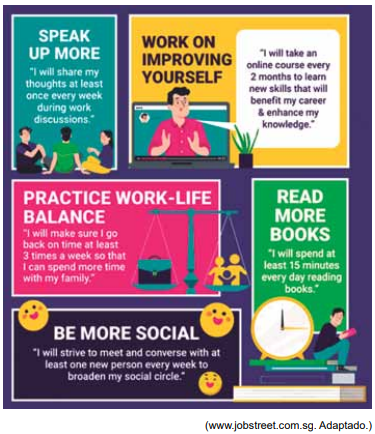
The main purpose of the infographic is to present
Ano: 2023
Banca:
VUNESP
Órgão:
FCM/SANTA CASA
Prova:
VUNESP - 2023 - FCM/SANTA CASA - Vestibular - Medicina |
Q4149756
Inglês
In the section “Be more social”, the expression “I will strive”
means to
Ano: 2023
Banca:
VUNESP
Órgão:
FCM/SANTA CASA
Prova:
VUNESP - 2023 - FCM/SANTA CASA - Vestibular - Medicina |
Q4149757
Inglês
Leia a tirinha de Jim Davis.
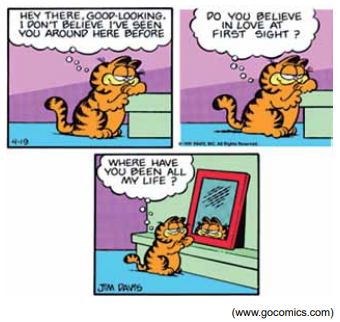
Na tirinha, o gato se mostra

 Conheça nossos planos