Questões de Vestibular
Comentadas sobre vocabulário | vocabulary em inglês
Foram encontradas 225 questões


TEXTO 8
IX
Horas depois, teve Rubião um pensamento horrível. Podiam crer que ele próprio incitara o amigo à viagem, para o fim de o matar mais depressa, e entrar na posse do legado, se é que realmente estava incluso no testamento. Sentiu remorsos. Por que não empregou todas as forças, para contê-lo? Viu o cadáver do Quincas Borba, pálido, hediondo, fitando nele um olhar vingativo; resolveu, se acaso o fatal desfecho se desse em viagem, abrir mão do legado.
Pela sua parte o cão vivia farejando, ganindo, querendo fugir; não podia dormir quieto, levantava-se muitas vezes, à noite, percorria a casa, e tornava ao seu canto. De manhã, Rubião chamava-o à cama, e o cão acudia alegre; imaginava que era o próprio dono; via depois que não era, mas aceitava as carícias, e fazia-lhe outras, como se Rubião tivesse de levar as suas ao amigo, ou trazê-lo para ali. Demais, havia-se-lhe afeiçoado também, e para ele era a ponte que o ligava à existência anterior. Não comeu durante os primeiros dias. Suportando menos a sede, Rubião pôde alcançar que bebesse leite; foi a única alimentação por algum tempo. Mais tarde, passava as horas, calado, triste, enrolado em si mesmo, ou então com o corpo estendido e a cabeça entre as mãos.
Quando o médico voltou, ficou espantado da temeridade do doente; deviam tê-lo impedido de sair; a morte era certa.
— Certa?
— Mais tarde ou mais cedo. Levou o tal cachorro?
— Não, senhor, está comigo; pediu que cuidasse dele, e chorou, olhe que chorou que foi um nunca acabar. Verdade é, disse ainda Rubião para defender o enfermo, verdade é que o cachorro merece a estima do dono; parece gente.
O médico tirou o largo chapéu de palha para concertar a fita; depois sorriu. Gente? Com que então parecia gente? Rubião insistia, depois explicava; não era gente como a outra gente, mas tinha coisas de sentimento, e até de juízo. Olhe, ia contar-lhe uma...
— Não, homem, não, logo, logo, vou a um doente de erisipela... Se vierem cartas dele, e não forem reservadas, desejo vê-las, ouviu? E lembranças ao cachorro, concluiu saindo.
Algumas pessoas começaram a mofar do Rubião e da singular incumbência de guardar um cão em vez de ser o cão que o guardasse a ele. Vinha a risota, choviam as alcunhas. Em que havia de dar o professor! sentinela de cachorro! Rubião tinha medo da opinião pública. Com efeito, parecia-lhe ridículo; fugia aos olhos estranhos, olhava com fastio para o animal, dava-se ao diabo, arrenegava da vida. Não tivesse a esperança de um legado, pequeno que fosse. Era impossível que lhe não deixasse uma lembrança.
(ASSIS, Machado de. Quincas Borba. São Paulo: Ática, 2011. p. 30-31.)
(Available at http://c.merriam-webster.com/medlineplus/erysipelas., accessed on July 14th, 2016.)
Choose the appropriate alternative:
TEXTO 4
Não desejei a morte de minha filha. Ou desejei? Aí é que reside a dúvida, é onde habita o nó que nada nem ninguém no mundo tem o poder de desatar. O inconsciente, desculpe-me a vulgaridade do termo, minha filha, é uma merda. Sendo autônomo, o inconsciente age por si, sem pedir licença nem se revelar. Desejei ou não a morte de minha filha, hein? Você pode responder a essa pergunta? Alguém pode? Eu não posso. Busquei na fonte a resposta e ela não veio. Como minha filha havia feito, busquei nas águas do Cristal a cura imediata para uma dor que parecia infinda. A ferida tinha sido cavada pelas águas, então elas que tratassem de cicatrizá-la. O rio recusou meu corpo, mas não a dor. Nem o aconselhamento. Pediu tempo, apenas. Permaneci plantada no barranco, juntando ao seu caudal minhas lágrimas secas. Disseram que eu tinha enlouquecido, talvez tivesse mesmo. Em diálogo profundo, as águas me fizeram compreender verdades para as quais eu nunca havia me atinado. Todo rio tem seu leito, suas margens, seu limite, toda vez que ele avança além de seu leito original provoca estragos, descalabros. O rio de nossa vida não é diferente. Ele também está sujeito a limitações intransponíveis. Existe você e você; seu campo de visão, a capacidade de administrar o próprio caudal. Tem a hora de abrir e a hora de fechar as comportas. Felicidade ou dor, a escolha é sua, depende do grau de intensidade que você der a cada coisa. Hoje posso dizer que me conheço um pouquinho, mesmo assim, perguntas continuam sem resposta.
(BARROS, Adelice da Silveira. Mesa dos inocentes. Goiânia: Kelps, 2010. p. 23.)
In Barros’s paragraph, there is a lot of emphasis on liquidity, that is, the state of being liquid. For example, tear, water, river. Read the sentences below:
I - There are lots of water lilies on the surface of river and lakes.
II - The village is famous for its spectacular waterfalls.
III - Can you tell me where the water fountain is? I am thirsty.
IV - According to authorities, the water supply for the summer will be normal.
Choose the ones which are related to this state. The best alternative is:
Leia o texto para responder à questão.
Disparity in life spans of the rich and the poor is growing
Sabrina Tavernise
February 12, 2016

Experts have long known that rich people generally live longer than poor people. But a growing body of data shows a more disturbing pattern: Despite big advances in medicine, technology and education, the longevity gap between high-income and low-income Americans has been widening sharply.
The poor are losing ground not only in income, but also in years of life, the most basic measure of well-being. In the early 1970s, a 60-year-old man in the top half of the earnings ladder could expect to live 1.2 years longer than a man of the same age in the bottom half, according to an analysis by the Social Security Administration. Fast-forward to 2001, and he could expect to live 5.8 years longer than his poorer counterpart.
New research released this month contains even more jarring numbers. Looking at the extreme ends of the income spectrum, economists at the Brookings Institution found that for men born in 1920, there was a six-year difference in life expectancy between the top 10 percent of earners and the bottom 10 percent. For men born in 1950, that difference had more than doubled, to 14 years. For women, the gap grew to 13 years, from 4.7 years. “There has been this huge spreading out,” said Gary Burtless, one of the authors of the study.
The growing chasm is alarming policy makers, and has surfaced in the presidential campaign. During a Democratic debate, Senator Bernie Sanders and Hillary Clinton expressed concern over shortening life spans for some Americans. “This may be the next frontier of the inequality discussion,” said Peter Orszag, a former Obama administration official now at Citigroup, who was among the first to highlight the pattern. The causes are still being investigated, but public health researchers say that deep declines in smoking among the affluent and educated may partly explain the difference.
Overall, according to the Brookings study, life expectancy for the bottom 10 percent of wage earners improved by just 3 percent for men born in 1950 compared with those born in 1920. For the top 10 percent, though, it jumped by about 28 percent. (The researchers used a common measure – life expectancy at age 50 – and included data from 1984 to 2012.)
(www.nytimes.com. Adaptado.)
Considere o excerto a seguir, retirado do site do jornal britânico The Guardian, para responder à questão.
Homeopaths believe that illness-causing substances can, in minute doses, treat people who are unwell. By diluting these substances in water or alcohol, homeopaths claim the resulting mixture retains a “memory” of the original substance that triggers a healing response in the body.
These claims have been widely disproven by multiple studies, but the National Health and Medical Research Council (NHMRC) has for the first time thoroughly reviewed 225 research papers on homeopathy to come up with its position statement, released on Wednesday: Homeopathy is not effective for treating any health condition.
(Adaptado de www.theguardian.com - acesso em 12/03/2015)
SPEAKING two languages rather than just one has obvious practical benefits in an increasingly globalized world. But in recent years, scientists have begun to show that the advantages of bilingualism are even more fundamental than being able to converse with a wider range of people. Being bilingual, it turns out, makes you smarter. It can have a profound effect on your brain, improving cognitive skills not related to language and even shielding against dementia in old age.
This view of bilingualism is remarkably different from the understanding of bilingualism through much of the 20th century. Researchers, educators and policy makers long considered a second language to be an interference, cognitively speaking, that hindered a child’s academic and intellectual development.
They were not wrong about the interference: there is ample evidence that in a bilingual’s brain both language systems are active even when he is using only one language, thus creating situations in which one system obstructs the other. But this interference, researchers are finding out, isn’t so much a handicap as a blessing in disguise. It forces the brain to resolve internal conflict, giving the mind a workout that strengthens its cognitive muscles.
The collective evidence from a number of such studies suggests that the bilingual experience improves the brain’s so-called executive function — a command system that directs the attention processes that we use for planning, solving problems and performing various other mentally demanding tasks. These processes include ignoring distractions to stay focused, switching attention willfully from one thing to another and holding information in mind — like remembering a sequence of directions while driving.
The bilingual experience appears to influence the brain from infancy to old age. Nobody ever doubted the power of language. But who would have imagined that the words we hear and the sentences we speak might be leaving such a deep imprint?
Towards the end of his eventful life, Jean Monnet, a remarkable figure of the twentieth century, reasoned that, had he been able to start all over again, he would have begun with culture. A founding father of what was later to become the European Union, he expressed that belated belief in the pre-eminent role of culture as a part of greater civilization after he had tried for several decades to build a prosperous Europe in economic terms in the aftermath of a devastating war.
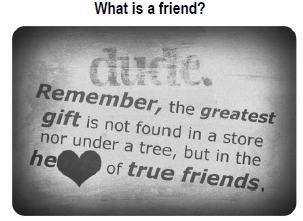
A friend is someone who brings out the best in you;
Good friends are always happy to help when you run into a
problem;
A friend is someone who cheers you up when you’re feeling
bad;
True friends don’t drift apart even after many years of
separation;
A real friend will always stand up for you when others
are putting you down;
Never be afraid to open up and ask a friend for advice. A true
friend will never turn you down;
Make new friends but hang on to the old ones;
Good friends are hard to come by, harder to leave, and
impossible to do without.
file:///j:/top%2010%20reasons%20why%20learning%20english
É extremamente comum em inglês combinações de verbos
com partículas adverbiais ou preposicionais. Essas
combinações são geralmente chamadas de verbos frasais
(phrasal verbs), preposicionados ou de duas palavras. No
texto, encontram-se vários exemplos de verbos frasais
negritados. A correlação correta entre o verbo e seu sentido
está contemplada em
Text 3
Al Capone
Born in 1899 in Brooklyn, New York, to poor immigrant parents, Al Capone went on to become the most infamous gangster in American history. In 1920 during the height of Prohibition, Capone’s multi-million dollar Chicago operation in bootlegging, prostitution and gambling dominated the organized crime scene. Capone was responsible for many brutal acts of violence, mainly against other gangsters. The most famous of these was the St. Valentine’s Day Massacre in 1929, in which he ordered the assassination of seven rivals. Capone was never indicted for his racketeering but was finally brought to justice for income-tax evasion in 1931. After serving six-and-a-half years, Capone was released. He died in 1947 in Miami. Capone’s life captured the public imagination, and his gangster persona has been immortalized in the many movies and books inspired by his exploits.
(Excerpt from the site: http://www.history.com/topics/alcapone. Researched on: October 2015)
Text 3
Al Capone
Born in 1899 in Brooklyn, New York, to poor immigrant parents, Al Capone went on to become the most infamous gangster in American history. In 1920 during the height of Prohibition, Capone’s multi-million dollar Chicago operation in bootlegging, prostitution and gambling dominated the organized crime scene. Capone was responsible for many brutal acts of violence, mainly against other gangsters. The most famous of these was the St. Valentine’s Day Massacre in 1929, in which he ordered the assassination of seven rivals. Capone was never indicted for his racketeering but was finally brought to justice for income-tax evasion in 1931. After serving six-and-a-half years, Capone was released. He died in 1947 in Miami. Capone’s life captured the public imagination, and his gangster persona has been immortalized in the many movies and books inspired by his exploits.
(Excerpt from the site: http://www.history.com/topics/alcapone. Researched on: October 2015)
Leia o texto para responder à questão.
W.H.O. calls ‘vaccine hesitancy’ an increasing concern globally
Rick Gladstone
August 18, 2015
The World Health Organization warned Tuesday of what it called the growing problem of “vaccine hesitancy,” when people delay or refuse vaccines for themselves or their children. In a statement on its website, the organization called the problem “a growing challenge for countries seeking to close the immunization gap.” Globally, the organization said, one in five children still do not receive routine lifesaving immunizations, and 1.5 million children die each year of diseases that could have been thwarted by vaccines.
(www.nytimes.com)
Atenção: Para responder à questão, considere o texto abaixo.
The colors of the rainbow so pretty in the sky
Are also on the faces of people passing .. I...
I see friends ..II.. hands
Saying, "how do you do?"
They're really saying,
I love you.
TEXTO 8
Aos 60 anos, Rossmarc foi confinado na cadeia Raimundo Pessoa em Manaus, dividindo uma cela com 80 detentos. Dormia no chão junto de uma fossa sanitária. Para manter-se vivo usava toda a sua inteligência para fazer acordos com os detentos. Lá havia de tudo: drogados, jagunços, pseudomissionários, contrabandistas etc. Fora vítima do advogado. Com toda a lábia, nunca fora a Brasília defender Rossmarc. Por não ter apresentado a defesa, foi condenado a 13 anos de prisão. O advogado sumira, Rossmarc perdera o prazo para recorrer. Como era estrangeiro, os juízes temiam que fugisse do Brasil. O juiz ordenou sua prisão imediata. A cela, com oitenta detentos, fervilhava, era mais do que o inferno. Depressivo, mantinha-se tartamudo num canto, remoendo sua história, recordando-se dos bons tempos em que navegava pelos rios da Amazônia com seus amigos primatas.
Visitas? Só a de Pássaro Azul. Mudara-se também para Manaus e, sem nada dizer a Rossmarc, para obter dinheiro, prostituía-se num cabaré. Estava mais magra e algumas rugas se mostravam em seu rosto antes reluzente, agora de cor negra desgastada. Com o intuito de obter dinheiro, tanto para Rossmarc pagar as contas de dois viciados em crack no presídio, como para as custas de um advogado inexperiente, pouco se alimentava e ao redor dos olhos manchas entumecidas apareciam, deixando-a como alguém que consumia droga em exagero. As noitadas no cabaré enfumaçado e fedorento deixavam-na enfraquecida. Mas não deixara de amar o biólogo holandês. Quando fugira do quilombola, naquela noite, jurara amor eterno e não estava disposta a quebrar o juramento.
Enquanto Pássaro Azul se prostituía para obter os escassos recursos, Rossmarc, espremido entre os oitenta detentos, procurava desesperadamente uma luz no fim do túnel. Lembrava-se dos amigos influentes, de jornalistas, de políticos, e cada vez que Pássaro Azul o visitava, ele implorava que procurasse essas pessoas. Pássaro Azul corria atrás, mas sequer era recebida. Quem daria ouvidos a uma negra que se dizia íntima de Rossmarc, o biólogo que cometera crimes de biopirataria? Na visita seguinte, Rossmarc indagava:
— E dai, procurou aquela pessoa?
Para não magoar o amado, ela respondia que todos estavam muito interessados em sua causa. Dizia, entretanto, sem entusiasmo, com os olhos acuados e baixos, para não ver o rosto magro e chupado de Rossmarc. Entregava-lhe o pouco dinheiro que economizava, fruto da prostituição, e saia de lá com os olhos rasos d’água, tolhendo os soluços.
Numa noite no cabaré, Pássaro Azul conheceu um homem gordo e vesgo, que usava correntões de ouro. Dizia-se dono de um garimpo no meio da selva. Bebia e fumava muito, ria alto, com gargalhadas por vezes irritantes. Entre todas as raparigas, escolheu Pássaro Azul, que lhe fez todas as vontades, pervertendo-se de forma baixa e vil. Foram três noitadas intermináveis, mas Pássaro Azul aprendera a administrar a bebida. Não era tola, como as demais, que se embebedavam a ponto de caírem e serem arrastadas. Era carinhosa com o fazendeiro e saciava-lhe todos os caprichos. Não o abandonava, sentava em seu colo gordo e fazia-lhe agrados fingidos. Dava-lhe mais bebida e um composto de viagra, e o rosto gordo se avermelhava como de um leão enraivecido. Então, ela o puxava para o quarto sórdido. Na cama, enfrentava como guerreira o monte de carne e ossos, trepando sobre suas grandes papadas balofas e cavalgando, como uma guerreira. O homem resfolegava, gritava, gemia, uivava, mas Pássaro Azul não parava aquela louca cavalgada.
[...]
(GONÇALVES, David. Sangue verde. Joinville:
Sucesso Pocket, 2014. p. 217-218.)
In Text 8, Gonçalves refers to different professions, such as, lawyer, judge, biologist and journalist. Read the following definitions and match the most appropriate word from the sequence given below:
1. lawyer 2. biologist 3. journalist 4. judge
5. defence lawyer 6. prosecution lawyer
I- Someone who tries to prove in court that someone is not guilty.
II- Someone who tries to prove in court that someone is guilty.
III-The official in control of a court who decides how criminals should be punished.
IV- Someone whose job is to advise people about laws, write formal agreements, or represent people in court.
V- Someone who studies or works in biology.
VI- Someone who writes news reports for newspapers, magazines.
Choose the best sequence:
TEXTO 6
Rápido, rápido
Sofro – sofri – de progéria, uma doença na qual o organismo corre doidamente para a velhice e a morte. Doidamente talvez não seja a palavra, mas não me ocorre outra e não tenho tempo de procurar no dicionário – nós, os da progéria, somos pessoas de um desmesurado senso de urgência. Estabelecer prioridades é, para nós, um processo tão vital como respirar. Para nós, dez minutos equivalem a um ano. Façam a conta, vocês que têm tempo, vocês que pensam que têm tempo. Enquanto isso, eu vou escrevendo aqui – e só espero poder terminar. Cada letra minha equivale a páginas inteiras de vocês. Façam a conta, vocês. Enquanto isso, e resumindo:
8h15min – Estou nascendo. Sou o primeiro filho – que azar! – e o parto é longo, difícil. Respiro, e já vou dizendo as primeiras palavras (coisas muito simples, naturalmente: mamã, papá) para grande surpresa de todos! Maior surpresa eles têm quando me colocam no berço – desço meia hora depois, rindo e pedindo comida! Rindo! Àquela hora,
8h45min – eu ainda podia rir.
9h20min – Já fui amamentado, já passei da fase oral – meus pais (ele, dono de um pequeno armazém; ela, de prendas domésticas) já aceitaram, ao menos em parte, a realidade, depois que o pediatra (está aí uma especialidade que não me serve) lhes explicou o diagnóstico e o prognóstico. E já estou com dentes! Em poucos minutos (de acordo com o relógio de meu pai, bem entendido) tenho sarampo, varicela, essas coisas todas.
Meus pais me matriculam na escola, não se dando conta que às 10h40min, quando a sineta bater para o recreio, já terei idade para concluir o primeiro grau. Vou para a escola de patinete; já na esquina, porém, abandono o brinquedo que parece-me então muito infantil. Volto-me, e lá estão os meus pais chorando, pobre gente.
10h20min – Não posso esperar o recreio; peço licença à professora e saio. Vou ao banheiro; a seiva da vida circula impaciente em minhas veias. Manipulo-me. Meu desejo tem nome: Mara, da oitava série. Por enquanto é mais velha do que eu. Lá pelas onze horas poderia namorá-la – mas então, já não estarei no colégio. Ali, me foge o doce pássaro da juventude.
[...]
(SCLIAR, Moacyr. Melhores contos. 6. ed. São Paulo: Global, 2003. p. 54-55.)
In Text 6, the character has a disease called progeria. The abstract that follows is a research about Hutchinson– Gilford progeria syndrome. Choose the best sequence of words to complete the text:
Hutchinson–Gilford progeria syndrome (HGPS) is an extremely rare 1 ____________ that causes premature, rapid aging shortly 2 ____________ birth. Recently, de novo point mutations in the Lmna 3 ____________ have been found in individuals with HGPS. Lmna encodes lamin A and C, the A-type lamins, which are an important 4 ____________ of the nuclear envelope. The most common HGPS 5 ____________ is located at codon 608 (G608G). This mutation creates a cryptic splice site within exon 11, 6 ____________ deletes a proteolytic cleavage site within the expressed mutant lamin A. Incomplete processing of prelamin A results in nuclear lamina abnormalities that can be observed in 7 ____________ studies of HGPS cells. [...]
(Pollex, RL; Hegele, RA. Hutchinson–Gilford progeria
syndrome. Clinical Genetics, Denmark, v. 66, n. 5, p. 375-
381, nov. 2004. Available on: http://www.ingentaconnect.
com/search/article?option1=tka&value1=PROGERIA&pa
geSize=10&index=1. Accessed on: July 14th, 2015.)
TEXTO 2
VI
Para entenderes bem o que é a morte e a vida, basta contar-te como morreu minha avó.
— Como foi?
— Senta-te.
Rubião obedeceu, dando ao rosto o maior interesse possível, enquanto Quincas Borba continuava a andar.
— Foi no Rio de Janeiro, começou ele, defronte da Capela Imperial, que era então Real, em dia de grande festa; minha avó saiu, atravessou o adro, para ir ter à cadeirinha, que a esperava no Largo do Paço. Gente como formiga. O povo queria ver entrar as grandes senhoras nas suas ricas traquitanas. No momento em que minha avó saía do adro para ir à cadeirinha, um pouco distante, aconteceu espantar-se uma das bestas de uma sege; a besta disparou, a outra imitou-a, confusão, tumulto, minha avó caiu, e tanto as mulas como a sege passaram-lhe por cima. Foi levada em braços para uma botica da Rua Direita, veio um sangrador, mas era tarde; tinha a cabeça rachada, uma perna e o ombro partidos, era toda sangue; expirou minutos depois.
— Foi realmente uma desgraça, disse Rubião.
— Não.
— Não?
— Ouve o resto. Aqui está como se tinha passado o caso. O dono da sege estava no adro, e tinha fome, muita fome, porque era tarde, e almoçara cedo e pouco. Dali pôde fazer sinal ao cocheiro; este fustigou as mulas para ir buscar o patrão. A sege no meio do caminho achou um obstáculo e derribou-o; esse obstáculo era minha avó. O primeiro ato dessa série de atos foi um movimento de conservação: Humanitas tinha fome. Se em vez de minha avó, fosse um rato ou um cão, é certo que minha avó não morreria, mas o fato era o mesmo; Humanitas precisa comer. Se em vez de um rato ou de um cão, fosse um poeta, Byron ou Gonçalves Dias diferia o caso no sentido de dar matéria a muitos necrológios; mas o fundo subsistia. O universo ainda não parou por lhe faltarem alguns poemas mortos em flor na cabeça de um varão ilustre ou obscuro; mas Humanitas (e isto importa, antes de tudo) Humanitas precisa comer.
Rubião escutava, com a alma nos olhos, sinceramente desejoso de entender; mas não dava pela necessidade a que o amigo atribuía a morte da avó. Seguramente o dono da sege, por muito tarde que chegasse à casa, não morria de fome, ao passo que a boa senhora morreu de verdade, e para sempre. Explicou-lhe, como pôde, essas dúvidas, e acabou perguntando-lhe:
— E que Humanitas é esse?
— Humanitas é o princípio. Mas não, não digo nada, tu não és capaz de entender isto, meu caro Rubião; falemos de outra coisa.
— Diga sempre.
Quincas Borba, que não deixara de andar, parou alguns instantes.
— Queres ser meu discípulo?
— Quero.
— Bem, irás entendendo aos poucos a minha filosofia; no dia em que a houveres penetrado inteiramente, ah! nesse dia terás o maior prazer da vida, porque não há vinho que embriague como a verdade. Crê-me, o Humanitismo é o remate das coisas; e eu, que o formulei, sou o maior homem do mundo. Olha, vês como o meu bom Quincas Borba está olhando para mim? Não é ele, é Humanitas...
— Mas que Humanitas é esse?
— Humanitas é o principio. Há nas coisas todas certa substância recôndita e idêntica, um princípio único, universal, eterno, comum, indivisível e indestrutível, — ou, para usar a linguagem do grande Camões:
Uma verdade que nas coisas anda,
Que mora no visíbil e invisíbil.
Pois essa sustância ou verdade, esse princípio indestrutível é que é Humanitas. Assim lhe chamo, porque resume o universo, e o universo é o homem. Vais entendendo?
— Pouco; mas, ainda assim, como é que a morte de sua avó...
— Não há morte. O encontro de duas expansões, ou a expansão de duas formas, pode determinar a supressão de uma delas; mas, rigorosamente, não há morte, há vida, porque a supressão de uma é a condição da sobrevivência da outra, e a destruição não atinge o princípio universal e comum. Daí o carácter conservador e benéfico da guerra. Supõe tu um campo de batatas e duas tribos famintas. As batatas apenas chegam para alimentar uma das tribos, que assim adquire forças para transpor a montanha e ir à outra vertente, onde há batatas em abundância; mas, se as duas tribos dividirem em paz as batatas do campo, não chegam a nutrir-se suficientemente e morrem de inanição. A paz, nesse caso, é a destruição; a guerra é a conservação. Uma das tribos extermina a outra e recolhe os despojos. Daí a alegria da vitória, os hinos, aclamações, recompensas públicas e todos os demais efeitos das ações bélicas. Se a guerra não fosse isso, tais demonstrações não chegariam a dar-se, pelo motivo real de que o homem só comemora e ama o que lhe é aprazível ou vantajoso, e pelo motivo racional de que nenhuma pessoa canoniza uma ação que virtualmente a destrói. Ao vencido, ódio ou compaixão; ao vencedor, as batatas.
— Mas a opinião do exterminado?
— Não há exterminado. Desaparece o fenômeno; a substância é a mesma. Nunca viste ferver água? Hás de lembrar-te que as bolhas fazem-se e desfazem-se de contínuo, e tudo fica na mesma água. Os indivíduos são essas bolhas transitórias.
— Bem; a opinião da bolha...
— Bolha não tem opinião. Aparentemente, há nada mais contristador que uma dessas terríveis pestes que devastam um ponto do globo? E, todavia, esse suposto mal é um benefício, não só porque elimina os organismos fracos, incapazes de resistência, como porque dá lugar à observação, à descoberta da droga curativa. A higiene é filha de podridões seculares; devemo-la a milhões de corrompidos e infectos. Nada se perde, tudo é ganho. Repito, as bolhas ficam na água. Vês este livro? É Dom Quixote. Se eu destruir o meu exemplar, não elimino a obra, que continua eterna nos exemplares subsistentes e nas edições posteriores. Eterna e bela, belamente eterna, como este mundo divino e supradivino.
(ASSIS, Machado de. Quincas Borba. 18. ed. São
Paulo: Ática, 2011. p. 26-28.)
We’ve modified our behavior so we can text and walk
Texting – or checking social media or reading/responding to mail or reading the news or checking the weather or watching a video – while walking is a pretty common phenomenon. It’s so common that most people who own a mobile device have become texting walkers.
Research suggests that these texters adopt protective measures to minimize the risk of accidents when walking. They’re less likely to trip because they shorten their step length, reduce step frequency, lengthen the time during which both feet are in contact with the ground, and increase obstacle clearance height. Taken together this creates an exaggerated image of walking, but it apparently slows the walker enough so that he registers some of what is happening around him and can compensate for it.
(Adaptado de http://blogs.scientificamerican.com/anthropology-in-practice/we-ve-modified-our-behavior-so-we-can-text-and-walk/.)
By Jeremy Warner
3 Sep 2015
When in trouble, shoot the messenger. This timehonoured approach to dealing with unwelcome news was much in evidence in China this week when nearly 200 people were rounded up and criminally charged with spreading “false" rumours about the stock market and the economy, or otherwise profiting from their travails.
One luckless financial journalist was ritually paraded on state TV, tearfully confessing his “crimes". Meanwhile, the head of the Chinese desk of one London-based hedge fund group was summoned to a “meeting" with regulators, and hasn't been heard of since. Her Chinese husband says “she's gone on holiday". We can only hope it is not to the re-indoctrination of the asbestos mines. Despite the massive progress of recent decades, old habits die hard.
China was meant to have embraced free market reform, yet these latest actions suggest an altogether different approach. Roughly summarised, it amounts to: “Reform good, but woe betide the free market if it doesn't do what the high command wants it to." When the stock market was going up, the Chinese authorities were perfectly happy to tolerate what, to virtually all Western observers, looked like a dangerously speculative bubble, vaingloriously believing it to be a fair reflection of the wondrous successes of the Chinese economy.
The first rule of stock market investment – that share prices can go down as well as up – seems to have been almost wholly forgotten in the scramble for instant riches. When, inevitably, the stock market crashed, the authorities threw the kitchen sink at the problem, but they failed to halt the carnage. This was an even ruder awakening – for it demonstrated to an already disillusioned public that policy-makers were no longer in control of events. Perhaps they hadn't noticed, but there are today more Chinese with stock trading accounts – some 90 million – than there are members of the Communist Party – “just" 80 million. In any case, powerless before the storm, the authorities have instead turned to scapegoating.
Apparently more liberal, advanced economies, it ought to be said, are by no means averse to this kind of behaviour either. A few years back, Italian prosecutors charged nine employees of Standard & Poor's and Fitch Rating with market abuse for daring to downgrade Italy's credit rating, while it is still commonplace in France to blame Anglo-Saxon speculators and their cronies in the London press for any financial or economic setback.
Nor are Western governments and central bankers averse to a little market manipulation when it suits them. What is “quantitative easing" other than money printing to prop up asset prices, including stocks and shares? Chinese refusal to accept the judgments of “Mr Market", it might be argued, is just a more extreme version of the same thing. Small wonder that European officials sometimes look longingly across at the state-directed capitalism practised in China, and pronounce it a model we might perhaps aspire to ourselves.
As recent events have demonstrated, we should not. China's stock market crash is not the work of malicious financial journalists and short-selling hedge funds, but a signal of difficult time ahead and perhaps even of an economic roadcrash to come. After nearly 35 years of spectacular progress, the Chinese economy faces multiple challenges on many fronts which are not going to be solved by denying harsh realities and imprisoning journalists.
The progress of recent decades belies an industrial sector which in truth has become quite seriously uncompetitive by international standards. Many of China's factories need completely retooling to keep up with developments in robotics and other forms of mechanisation. Yet if industry is to get less labour intensive, this only further steepens the challenge of employment creation.
It is reckoned that China needs to create some 20 million jobs a year just to keep pace with employment demand as the population shifts from land to town, eight million of them in high-end professions to cater for the country's burgeoning output of graduates. China's modernisation has created a monster which it is struggling to feed.
As the export-growth story waned, China compensated by unleashing a massive investment boom, which internal demand is now struggling to keep up with, rendering many of the country's shiny new constructs uneconomic and overburdened with bad debts.
The Chinese leadership looks to growth in consumption and service industries to plug the gap, but these new sources of demand can't do so without further free-market reform, which in turn requires further loosening of the shackles of political control. Without growth, the Communist Party loses its political legitimacy, yet the old growth model is broken, and to achieve a new one, the authorities must cede the very power and influence that sustains them. Rumour-mongering journalists and short-selling speculators can only be blamed for so long.
(http://www.telegraph.co.uk. Adapted)

 Conheça nossos planos