Questões de Vestibular Comentadas sobre inglês
Foram encontradas 2.807 questões


( ) The author agrees with the presence of the Brazilian army in the streets. ( ) The #Movimentos movement was created to include the input of the population in the issue of drug violence. ( ) The author thinks it’s important to talk about the relationship between violence and drugs. ( ) The author knows what motivates people in the midst of fear. ( ) Brazil is investing in research and prevention mechanisms in public health services.
The correct sequence, from top to bottom is:
Big Ben’s Culture
Big Ben is a focus of New Year celebrations in the UK, with radio and TV stations tuning to its chimes to welcome the 'official' start of the year. Similarly, on Remembrance Day, the chimes of Big Ben are broadcast to mark the 11th hour of the 11th day of the 11th month and the start of two minutes silence.
For many years ITN's "News at Ten" began with an opening sequence which featured Big Ben with the chimes punctuating the announcement of the news headlines. This has since been dropped, but all ITV1 and ITV News Channel bulletins still use a graphic based on the Westminster clock face. Big Ben can also be heard striking the hour before some news bulletins on BBC Radio 4 and the BBC World Service, a practice that began on December 31, 1923.
The clock features in John Buchan's spy novel The Thirty-Nine Steps and makes for a memorable climax in Don Sharp's 1978 film version, although not in Alfred Hitchcock's 1935 original adaptation. A similar scene is recreated in the 2003 film, Shanghai Knights which culminates with Jackie Chan hanging from the hands of the clock. The clock also appears in the animated cartoon Basil, the Great Mouse Detective.
An earlier film climax on the clock face of Big Ben appears in Will Hay's 1943 film My Learned Friend, although the scene is more slapstick than thriller. Available in: <http://saberingles.com.ar/reading/big-ben.html> Access in: julho de 2015.
( ) People can watch and listen to Big Ben’s chimes for New Year celebrations on radio and TV stations in the UK. ( ) All news channels start with an opening sequence from Big Ben’s chimes. ( ) Big Ben is featured in Alfred Hitchcock’s The Thirty-nine Steps. ( ) You can see Big Ben in the Great Mouse Detective. ( ) A thriller scene from My Learned Friend shows the face of Big Ben.
The CORRECT alternative is:
Zika virus makes Rio Olympics a threat in Brazil and abroad, health expert says
Amir Attaran calls for postponement or moving of Games and says biggest risk is spreading the virus to countries without adequate healthcare infrastructure. As Brazil reels from a spiraling political crisis and its deepest recession in decades, a public health specialist in Canada has added to the country’s woes with a high-profile call for the 2016 summer Olympics – slated to kick off in Rio de Janeiro in early August – to be postponed or moved due to the Zika outbreak. Speaking to the Guardian on Thursday, Attaran described the idea of going ahead with the games as both “indescribably foolish” and “monstrously unethical”. The potential risks to visitors range from brain-damaged children to death in rare instances, he added. “Is this what the Olympics stand for?” Adapted from: http://www.theguardian.com/world/2016/may/12/rio-olympics-zika-amir-attaran-public-health-threat
Coca-Cola history began in 1886 when the curiosity of an Atlanta pharmacist, Dr. John S. Pemberton, led him to create a distinctive tasting soft drink that could be sold at soda fountains. He created a flavored syrup, took it to his neighborhood pharmacy, where it was mixed with carbonated water and deemed “excellent” by those who sampled it. Dr. Pemberton’s partner and bookkeeper, Frank M. Robinson, is credited with naming the beverage “Coca-Cola” as well as designing the trademarked, distinct script, still used today. Prior to his death in 1888, just two years after creating what was to become the world’s #1-selling sparkling beverage, Dr. Pemberton sold portions of his business to various parties, with the majority of the interest sold to Atlanta businessman, Asa G. Candler. Under Mr. Candler’s leadership, distribution of Coca-Cola expanded to soda fountains beyond Atlanta. In 1894, impressed by the growing demand for Coca-Cola and the desire to make the beverage portable, Joseph Biedenharn installed bottling machinery in the rear of his Mississippi soda fountain, becoming the first to put Coca-Cola in bottles. Large scale bottling was made possible just five years later, when in 1899, three enterprising businessmen in Chattanooga, Tennessee secured exclusive rights to bottle and sell Coca-Cola. The three entrepreneurs purchased the bottling rights from Asa Candler for just $1. Benjamin Thomas, Joseph Whitehead and John Lupton developed what became the Coca-Cola worldwide bottling system. Available in: <http://www.worldofcoca-cola.com/coca-cola-facts/coca-cola-history/> Access in: agosto de 2014.
Select the alternative that is TRUE according to the text.
TEXTO
Brazil has declared an end to its public health emergency over the Zika virus, 18 months after a surge in cases drew headlines around the world.
The mosquito-borne virus was not considered a major health threat until the 2015 outbreak revealed that Zika can lead to severe birth defects. One of those defects, microcephaly, causes babies to be born with skulls much smaller than expected.
Photos of babies with the defect spread panic around the globe as the virus was reported in dozens of countries. Many would-be travellers cancelled their trips to Zika-infected places. The concern spread even more widely when health officials said it could also be transmitted through sexual contact with an infected person.
The health scare came just as Brazil, the epicentre of the outbreak, was preparing to host the 2016 Olympics, fuelling concerns the Games could help spread the virus. One athlete, a Spanish wind surfer, said she got Zika while training in Brazil ahead of the Games.
In response to the outbreak, Brazil launched a mosquito-eradication campaign. The health ministry said those efforts have helped to dramatically reduce cases of Zika. Between January and mid-April, 95% fewer cases were recorded than during the same period last year. The incidence of microcephaly has fallen as well.
The World Health Organization (WHO) lifted its own international emergency in November, even while saying the virus remained a threat.
“The end of the emergency doesn’t mean the end of surveillance or assistance” to affected families, said Adeilson Cavalcante, the secretary for health surveillance at Brazil’s health ministry. “The health ministry and other organisations involved in this area will maintain a policy of fighting Zika, dengue and chikungunya.”
All three diseases are carried by the Aedes aegypti mosquito.
But the WHO has warned that Zika is “here to stay,” even when cases of it fall off, and that fighting the disease will be an ongoing battle.
(Fonte: Associated Press, Friday 12 May 2017 10.18 BST.
Last modified on Friday 12 May 2017 22.00 BST)
TEXTO
Brazil has declared an end to its public health emergency over the Zika virus, 18 months after a surge in cases drew headlines around the world.
The mosquito-borne virus was not considered a major health threat until the 2015 outbreak revealed that Zika can lead to severe birth defects. One of those defects, microcephaly, causes babies to be born with skulls much smaller than expected.
Photos of babies with the defect spread panic around the globe as the virus was reported in dozens of countries. Many would-be travellers cancelled their trips to Zika-infected places. The concern spread even more widely when health officials said it could also be transmitted through sexual contact with an infected person.
The health scare came just as Brazil, the epicentre of the outbreak, was preparing to host the 2016 Olympics, fuelling concerns the Games could help spread the virus. One athlete, a Spanish wind surfer, said she got Zika while training in Brazil ahead of the Games.
In response to the outbreak, Brazil launched a mosquito-eradication campaign. The health ministry said those efforts have helped to dramatically reduce cases of Zika. Between January and mid-April, 95% fewer cases were recorded than during the same period last year. The incidence of microcephaly has fallen as well.
The World Health Organization (WHO) lifted its own international emergency in November, even while saying the virus remained a threat.
“The end of the emergency doesn’t mean the end of surveillance or assistance” to affected families, said Adeilson Cavalcante, the secretary for health surveillance at Brazil’s health ministry. “The health ministry and other organisations involved in this area will maintain a policy of fighting Zika, dengue and chikungunya.”
All three diseases are carried by the Aedes aegypti mosquito.
But the WHO has warned that Zika is “here to stay,” even when cases of it fall off, and that fighting the disease will be an ongoing battle.
(Fonte: Associated Press, Friday 12 May 2017 10.18 BST.
Last modified on Friday 12 May 2017 22.00 BST)
I was launched by the Brazilian Government;
ll was launched by WHO;
lll helped to reduce the incidence of microcephaly;
lV helped to save the lives of five athletes;
V helped to reduce cases of Zika.
TEXTO
Brazil has declared an end to its public health emergency over the Zika virus, 18 months after a surge in cases drew headlines around the world.
The mosquito-borne virus was not considered a major health threat until the 2015 outbreak revealed that Zika can lead to severe birth defects. One of those defects, microcephaly, causes babies to be born with skulls much smaller than expected.
Photos of babies with the defect spread panic around the globe as the virus was reported in dozens of countries. Many would-be travellers cancelled their trips to Zika-infected places. The concern spread even more widely when health officials said it could also be transmitted through sexual contact with an infected person.
The health scare came just as Brazil, the epicentre of the outbreak, was preparing to host the 2016 Olympics, fuelling concerns the Games could help spread the virus. One athlete, a Spanish wind surfer, said she got Zika while training in Brazil ahead of the Games.
In response to the outbreak, Brazil launched a mosquito-eradication campaign. The health ministry said those efforts have helped to dramatically reduce cases of Zika. Between January and mid-April, 95% fewer cases were recorded than during the same period last year. The incidence of microcephaly has fallen as well.
The World Health Organization (WHO) lifted its own international emergency in November, even while saying the virus remained a threat.
“The end of the emergency doesn’t mean the end of surveillance or assistance” to affected families, said Adeilson Cavalcante, the secretary for health surveillance at Brazil’s health ministry. “The health ministry and other organisations involved in this area will maintain a policy of fighting Zika, dengue and chikungunya.”
All three diseases are carried by the Aedes aegypti mosquito.
But the WHO has warned that Zika is “here to stay,” even when cases of it fall off, and that fighting the disease will be an ongoing battle.
(Fonte: Associated Press, Friday 12 May 2017 10.18 BST.
Last modified on Friday 12 May 2017 22.00 BST)
TEXTO
Brazil has declared an end to its public health emergency over the Zika virus, 18 months after a surge in cases drew headlines around the world.
The mosquito-borne virus was not considered a major health threat until the 2015 outbreak revealed that Zika can lead to severe birth defects. One of those defects, microcephaly, causes babies to be born with skulls much smaller than expected.
Photos of babies with the defect spread panic around the globe as the virus was reported in dozens of countries. Many would-be travellers cancelled their trips to Zika-infected places. The concern spread even more widely when health officials said it could also be transmitted through sexual contact with an infected person.
The health scare came just as Brazil, the epicentre of the outbreak, was preparing to host the 2016 Olympics, fuelling concerns the Games could help spread the virus. One athlete, a Spanish wind surfer, said she got Zika while training in Brazil ahead of the Games.
In response to the outbreak, Brazil launched a mosquito-eradication campaign. The health ministry said those efforts have helped to dramatically reduce cases of Zika. Between January and mid-April, 95% fewer cases were recorded than during the same period last year. The incidence of microcephaly has fallen as well.
The World Health Organization (WHO) lifted its own international emergency in November, even while saying the virus remained a threat.
“The end of the emergency doesn’t mean the end of surveillance or assistance” to affected families, said Adeilson Cavalcante, the secretary for health surveillance at Brazil’s health ministry. “The health ministry and other organisations involved in this area will maintain a policy of fighting Zika, dengue and chikungunya.”
All three diseases are carried by the Aedes aegypti mosquito.
But the WHO has warned that Zika is “here to stay,” even when cases of it fall off, and that fighting the disease will be an ongoing battle.
(Fonte: Associated Press, Friday 12 May 2017 10.18 BST.
Last modified on Friday 12 May 2017 22.00 BST)
Choose the correct alternative to complete the sentence:
The World Health Organization (WHO)…
TEXTO
Brazil has declared an end to its public health emergency over the Zika virus, 18 months after a surge in cases drew headlines around the world.
The mosquito-borne virus was not considered a major health threat until the 2015 outbreak revealed that Zika can lead to severe birth defects. One of those defects, microcephaly, causes babies to be born with skulls much smaller than expected.
Photos of babies with the defect spread panic around the globe as the virus was reported in dozens of countries. Many would-be travellers cancelled their trips to Zika-infected places. The concern spread even more widely when health officials said it could also be transmitted through sexual contact with an infected person.
The health scare came just as Brazil, the epicentre of the outbreak, was preparing to host the 2016 Olympics, fuelling concerns the Games could help spread the virus. One athlete, a Spanish wind surfer, said she got Zika while training in Brazil ahead of the Games.
In response to the outbreak, Brazil launched a mosquito-eradication campaign. The health ministry said those efforts have helped to dramatically reduce cases of Zika. Between January and mid-April, 95% fewer cases were recorded than during the same period last year. The incidence of microcephaly has fallen as well.
The World Health Organization (WHO) lifted its own international emergency in November, even while saying the virus remained a threat.
“The end of the emergency doesn’t mean the end of surveillance or assistance” to affected families, said Adeilson Cavalcante, the secretary for health surveillance at Brazil’s health ministry. “The health ministry and other organisations involved in this area will maintain a policy of fighting Zika, dengue and chikungunya.”
All three diseases are carried by the Aedes aegypti mosquito.
But the WHO has warned that Zika is “here to stay,” even when cases of it fall off, and that fighting the disease will be an ongoing battle.
(Fonte: Associated Press, Friday 12 May 2017 10.18 BST.
Last modified on Friday 12 May 2017 22.00 BST)
TEXTO
Brazil has declared an end to its public health emergency over the Zika virus, 18 months after a surge in cases drew headlines around the world.
The mosquito-borne virus was not considered a major health threat until the 2015 outbreak revealed that Zika can lead to severe birth defects. One of those defects, microcephaly, causes babies to be born with skulls much smaller than expected.
Photos of babies with the defect spread panic around the globe as the virus was reported in dozens of countries. Many would-be travellers cancelled their trips to Zika-infected places. The concern spread even more widely when health officials said it could also be transmitted through sexual contact with an infected person.
The health scare came just as Brazil, the epicentre of the outbreak, was preparing to host the 2016 Olympics, fuelling concerns the Games could help spread the virus. One athlete, a Spanish wind surfer, said she got Zika while training in Brazil ahead of the Games.
In response to the outbreak, Brazil launched a mosquito-eradication campaign. The health ministry said those efforts have helped to dramatically reduce cases of Zika. Between January and mid-April, 95% fewer cases were recorded than during the same period last year. The incidence of microcephaly has fallen as well.
The World Health Organization (WHO) lifted its own international emergency in November, even while saying the virus remained a threat.
“The end of the emergency doesn’t mean the end of surveillance or assistance” to affected families, said Adeilson Cavalcante, the secretary for health surveillance at Brazil’s health ministry. “The health ministry and other organisations involved in this area will maintain a policy of fighting Zika, dengue and chikungunya.”
All three diseases are carried by the Aedes aegypti mosquito.
But the WHO has warned that Zika is “here to stay,” even when cases of it fall off, and that fighting the disease will be an ongoing battle.
(Fonte: Associated Press, Friday 12 May 2017 10.18 BST.
Last modified on Friday 12 May 2017 22.00 BST)
Anna Karenina
By Leo Tolstoy - PART ONE - Chapter 1
Happy families are all alike; every unhappy family is unhappy in its own way.
Everything was in confusion in the Oblonskys’ house. The wife had discovered that the husband was carrying on an intrigue with a French girl, who had been a governess in their family, and she had announced to her husband that she could not go on living in the same house with him. This position of affairs had now lasted three days, and not only the husband and wife themselves, but all the members of their family and household, were painfully conscious of it. Every person in the house felt that there was no sense in their living together, and that the stray people brought together by chance in any inn had more in common with one another than they, the members of the family and household of the Oblonskys. The wife did not leave her own room, the husband had not been at home for three days. The children ran wild all over the house; the English governess quarreled with the housekeeper, and wrote to a friend asking her to look out for a new situation for her; the man-cook had walked off the day before just at dinner time; the kitchen-maid, and the coachman had given warning.
1994, Ramdom House, Inc.
Russia covered up a nuclear disaster in Kazakhstan in the 1950s that was FOUR TIMES worse than Chernobyl reveals secret report
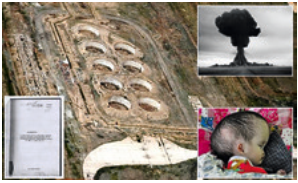
Fallout from a Soviet nuclear weapons test at Semipalatinsk in August 1956 resulted in more than 600 people in a town over 100 miles (175 km) away ending up in hospital with radiation sickness. The secret report (bottom left) was recently found at the test facility, where the first Soviet nuclear test was conducted on August 29, 1949 (top right). Between 1949 and 1989 some 456 nuclear tests were carried out, and children in the region are still being born with birth defects to this day (bottom right).
http://www.dailymail.co.uk/sciencetech/article-4346408/Russia-covered-nuclear-disaster-worse-Chernobyl.html Acessado em 14/03/2017 - Adaptado para fins educacionais.
• As informações contidas na notícia permitem afirmar que:
Free Cone Day 2017, create some buzz

This year, Hӓagen-Dazz® is dedicating Free Cone Day to some of our hardest workers – the honey bees. So, this May 9th, we won’t just be giving away free ice cream, we’ll be giving our flying friends some much needed recognition – and we’re inviting our fans to join us.
In exchange for the free treat, Hӓagen-Dazz® hopes “guests will pay it forward by planting wildflowers native to their region to help keep bees buzzing,” the company said in a news release.
• Relacionando-se figura e texto escrito, percebe-se que o objetivo da promoção da Hӓagen-Dazz®
este ano é

• The headline that better suits the text and
the photo above is:
• As sentenças abaixo apresentam notícias e as fotos as ilustram. Escolha a alternativa que apresenta a relação correta entre as notícias e as fotos.
1. The newly renovated bathrooms at Bryant Park, which The Times has described as the “Tiffany’s of public restrooms,” reopened last month after a $280,000 makeover.
2. The internal investigator at Rikers Island was placed on modified duty in response to accusations that he had spied on city investigators.
3. A witness gives an account of what happened when a homeless man fell onto the subway tracks.
4. The water crises on Long Island has resulted in “dead rivers, closed beaches, harmful algal blooms.”


 Conheça nossos planos