Questões de Vestibular Comentadas sobre inglês
Foram encontradas 2.807 questões


Read the comic strip bellow and answer question:
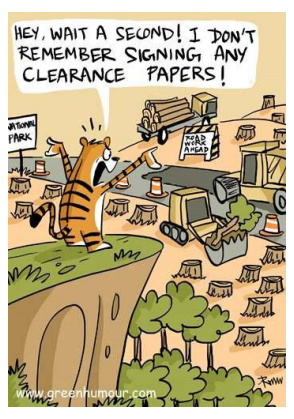
According to the comic strip, choose the best alternative:
Read the text and answer question
How to Make Friends While Traveling Solo
Even in the best cases, traveling alone can get lonely. Here’s how to connect safely with the people you meet along the way.
Select the alternative that gives the correct meanings for these words from the text:
A – Feature
B – Nearby
C – Environment
Read the text and answer question
How to Make Friends While Traveling Solo
Even in the best cases, traveling alone can get lonely. Here’s how to connect safely with the people you meet along the way.
I. Walking tours are free because you don’t have to pay anything for them. II. Airbnb Experiences also provides a way to interact with people through a local guest. III. Social Travels Apps can connect you to local people so that they can help you plan your trips and join local groups.
Read the text and answer question
How to Make Friends While Traveling Solo
Even in the best cases, traveling alone can get lonely. Here’s how to connect safely with the people you meet along the way.
Read the text below and answer question
Is it really possible that plant-based foods such as the Impossible Whopper are healthful?
By Cara Rosenbloom September 9, 2019
With many American consumers interested in reducing their consumption of animal products without becoming vegetarian or vegan, the food industry has come up with a new craze: plant-based. Look around your grocery store, and you’ll see a growing number of dairy, egg and meat substitutes bearing this label.
But the industry has taken liberties with the definition of “plant-based.” Rather than focusing on whole foods such as vegetables, fruits, legumes and nuts, which is what health professionals mean when they recommend “plant-based eating,” food manufacturers are developing ultra-processed burgers out of pea or soy protein, methylcellulose and maltodextrin, and liquid “eggs” out of mung bean protein isolate and gellan gum. Then they crown this ultra-processed food with an undeserved health halo.
(…)
Plant-based ultra-processed products such as these are formulated to taste like the real deal. Thus, consumers can feel virtuous or principled for choosing plants over meat without sacrificing too much flavor. But is there any value to plant-based products that have been crushed, extruded and shaped into facsimiles of the foods they are replacing? Let’s look at that question through several lenses — considering nutrients, how processed the food is and how producing the food affects the planet.
When I was in nutrition school, the health value of food was mostly calculated based on the presence of desirable nutrients, such as fiber and vitamins, and on the absence of negative nutrients, such as sodium or trans fat. If you compare ultra-processed plant-based foods and similar animal-based foods solely on their nutrients, you’ll find they are roughly the same.
Plant-based foods are purposely formulated to mimic animal-based foods, so plant-based milk is enriched with calcium and vitamin D to mimic cow’s milk, while veggie burgers are rich in protein and made with iron and zinc to imitate beef. But they aren’t always made to reduce the presence of less-healthy nutrients. Sometimes, the processed plant-based food will have more sodium than the processed animal-based food, and sometimes the animal food will be higher in calories or saturated fat.
(…)
Using the term “plant-based” on fast food labels is just another attempt by marketers to re-brand junk food. True plant-based eating doesn’t mean opting for an Impossible Whopper in the drive-through or scrambling up some 15-ingredient “egg alternative.” It means a diet that includes nourishing options such as black beans, broccoli and brown rice. We’re always looking for some magical way to eat junky food and achieve health. Don’t be fooled by this plant-based pretense.
Adapted from the digital edition of The Washington Post: www.washingtonpost.com
Choose the alternative that best contains the idea of this sentence from the text:
“Using the term “plant-based” on fast food labels is just another attempt by marketers to re-brand junk food.”
Read the text below and answer question
Is it really possible that plant-based foods such as the Impossible Whopper are healthful?
By Cara Rosenbloom September 9, 2019
With many American consumers interested in reducing their consumption of animal products without becoming vegetarian or vegan, the food industry has come up with a new craze: plant-based. Look around your grocery store, and you’ll see a growing number of dairy, egg and meat substitutes bearing this label.
But the industry has taken liberties with the definition of “plant-based.” Rather than focusing on whole foods such as vegetables, fruits, legumes and nuts, which is what health professionals mean when they recommend “plant-based eating,” food manufacturers are developing ultra-processed burgers out of pea or soy protein, methylcellulose and maltodextrin, and liquid “eggs” out of mung bean protein isolate and gellan gum. Then they crown this ultra-processed food with an undeserved health halo.
(…)
Plant-based ultra-processed products such as these are formulated to taste like the real deal. Thus, consumers can feel virtuous or principled for choosing plants over meat without sacrificing too much flavor. But is there any value to plant-based products that have been crushed, extruded and shaped into facsimiles of the foods they are replacing? Let’s look at that question through several lenses — considering nutrients, how processed the food is and how producing the food affects the planet.
When I was in nutrition school, the health value of food was mostly calculated based on the presence of desirable nutrients, such as fiber and vitamins, and on the absence of negative nutrients, such as sodium or trans fat. If you compare ultra-processed plant-based foods and similar animal-based foods solely on their nutrients, you’ll find they are roughly the same.
Plant-based foods are purposely formulated to mimic animal-based foods, so plant-based milk is enriched with calcium and vitamin D to mimic cow’s milk, while veggie burgers are rich in protein and made with iron and zinc to imitate beef. But they aren’t always made to reduce the presence of less-healthy nutrients. Sometimes, the processed plant-based food will have more sodium than the processed animal-based food, and sometimes the animal food will be higher in calories or saturated fat.
(…)
Using the term “plant-based” on fast food labels is just another attempt by marketers to re-brand junk food. True plant-based eating doesn’t mean opting for an Impossible Whopper in the drive-through or scrambling up some 15-ingredient “egg alternative.” It means a diet that includes nourishing options such as black beans, broccoli and brown rice. We’re always looking for some magical way to eat junky food and achieve health. Don’t be fooled by this plant-based pretense.
Adapted from the digital edition of The Washington Post: www.washingtonpost.com
Read the text below and answer question
Is it really possible that plant-based foods such as the Impossible Whopper are healthful?
By Cara Rosenbloom September 9, 2019
With many American consumers interested in reducing their consumption of animal products without becoming vegetarian or vegan, the food industry has come up with a new craze: plant-based. Look around your grocery store, and you’ll see a growing number of dairy, egg and meat substitutes bearing this label.
But the industry has taken liberties with the definition of “plant-based.” Rather than focusing on whole foods such as vegetables, fruits, legumes and nuts, which is what health professionals mean when they recommend “plant-based eating,” food manufacturers are developing ultra-processed burgers out of pea or soy protein, methylcellulose and maltodextrin, and liquid “eggs” out of mung bean protein isolate and gellan gum. Then they crown this ultra-processed food with an undeserved health halo.
(…)
Plant-based ultra-processed products such as these are formulated to taste like the real deal. Thus, consumers can feel virtuous or principled for choosing plants over meat without sacrificing too much flavor. But is there any value to plant-based products that have been crushed, extruded and shaped into facsimiles of the foods they are replacing? Let’s look at that question through several lenses — considering nutrients, how processed the food is and how producing the food affects the planet.
When I was in nutrition school, the health value of food was mostly calculated based on the presence of desirable nutrients, such as fiber and vitamins, and on the absence of negative nutrients, such as sodium or trans fat. If you compare ultra-processed plant-based foods and similar animal-based foods solely on their nutrients, you’ll find they are roughly the same.
Plant-based foods are purposely formulated to mimic animal-based foods, so plant-based milk is enriched with calcium and vitamin D to mimic cow’s milk, while veggie burgers are rich in protein and made with iron and zinc to imitate beef. But they aren’t always made to reduce the presence of less-healthy nutrients. Sometimes, the processed plant-based food will have more sodium than the processed animal-based food, and sometimes the animal food will be higher in calories or saturated fat.
(…)
Using the term “plant-based” on fast food labels is just another attempt by marketers to re-brand junk food. True plant-based eating doesn’t mean opting for an Impossible Whopper in the drive-through or scrambling up some 15-ingredient “egg alternative.” It means a diet that includes nourishing options such as black beans, broccoli and brown rice. We’re always looking for some magical way to eat junky food and achieve health. Don’t be fooled by this plant-based pretense.
Adapted from the digital edition of The Washington Post: www.washingtonpost.com
Read the text below to answer question:
Woman in India admits poisoning six family members with cyanide
Murders took place over 14-year period and each victim ate a meal prepared by the killer
Read the text below to answer question:
Woman in India admits poisoning six family members with cyanide
Murders took place over 14-year period and each victim ate a meal prepared by the killer
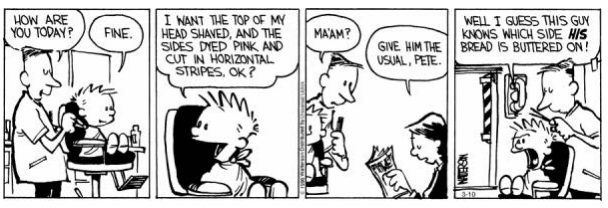

SOURCE: http://www.englishact.com.br/2018/04/calvin-and-hobbes-comic-strips.html access on Oct 7th, 2019.
From the strip we can infer that:
Read the text and asnwer questions:
HOME
They rose up like men. We saw them. Like men they stood.
We shouldn’t have been anywhere near that place. Like most farmland outside Lotus, Georgia, this here one had plenty scary warning signs. The threats hung from wire mesh fences with wooden stakes every fifty or so feet. But when we saw a crawl space that some animal had dug—a coyote maybe, or a coon dog—we couldn’t resist. Just kids we were. The grass was shoulder high for her and waist high for me so, looking out for snakes, we crawled through it on our bellies. The reward was worth the harm grass juice and clouds of gnats did to our eyes, because there right in front of us, about fifty yards off, they stood like men. Their raised hooves crashing and striking, their manes tossing back from wild white eyes. They bit each other like dogs but when they stood, reared up on their hind legs, their forelegs around the withers of the other, we held our breath in wonder. One was rust-colored, the other deep black, both sunny with sweat. The neighs were not as frightening as the silence following a kick of hind legs into the lifted lips of the opponent. Nearby, colts and mares, indifferent, nibbled grass or looked away. Then it stopped. The rust-colored one dropped his head and pawed the ground while the winner loped off in an arc, nudging the mares before him.
As we elbowed back through the grass looking for the dug-out place, avoiding the line of parked trucks beyond, we lost our way. Although it took forever to re-sight the fence, neither of us panicked until we heard voices, urgent but low. I grabbed her arm and put a finger to my lips. Never lifting our heads, just peeping through the grass, we saw them pull a body from a wheelbarrow and throw it into a hole already waiting. One foot stuck up over the edge and quivered, as though it could get out, as though with a little effort it could break through the dirt being shoveled in. We could not see the faces of the men doing the burying, only their trousers; but we saw the edge of a spade drive the jerking foot down to join the rest of itself. When she saw that black foot with its creamy pink and mud-streaked sole being whacked into the grave, her whole body began to shake. I hugged her shoulders tight and tried to pull her trembling into my own bones because, as a brother four years older, I thought I could handle it. The men were long gone and the moon was a cantaloupe by the time we felt safe enough to disturb even one blade of grass and move on our stomachs, searching for the scooped-out part under the fence. When we got home we expected to be whipped or at least scolded for staying out so late, but the grown-ups did not notice us. Some disturbance had their attention.
Since you’re set on telling my story, whatever you think and whatever you write down, know this: I really forgot about the burial. I only remembered the horses. They were so beautiful. So brutal. And they stood like men.
SOURCE: Excerpted from MORRISON, Toni. Home (2012), Harmondsworth: Penguin, 2012.
grabbed quivered whacked scolded
Read the text and asnwer questions:
HOME
They rose up like men. We saw them. Like men they stood.
We shouldn’t have been anywhere near that place. Like most farmland outside Lotus, Georgia, this here one had plenty scary warning signs. The threats hung from wire mesh fences with wooden stakes every fifty or so feet. But when we saw a crawl space that some animal had dug—a coyote maybe, or a coon dog—we couldn’t resist. Just kids we were. The grass was shoulder high for her and waist high for me so, looking out for snakes, we crawled through it on our bellies. The reward was worth the harm grass juice and clouds of gnats did to our eyes, because there right in front of us, about fifty yards off, they stood like men. Their raised hooves crashing and striking, their manes tossing back from wild white eyes. They bit each other like dogs but when they stood, reared up on their hind legs, their forelegs around the withers of the other, we held our breath in wonder. One was rust-colored, the other deep black, both sunny with sweat. The neighs were not as frightening as the silence following a kick of hind legs into the lifted lips of the opponent. Nearby, colts and mares, indifferent, nibbled grass or looked away. Then it stopped. The rust-colored one dropped his head and pawed the ground while the winner loped off in an arc, nudging the mares before him.
As we elbowed back through the grass looking for the dug-out place, avoiding the line of parked trucks beyond, we lost our way. Although it took forever to re-sight the fence, neither of us panicked until we heard voices, urgent but low. I grabbed her arm and put a finger to my lips. Never lifting our heads, just peeping through the grass, we saw them pull a body from a wheelbarrow and throw it into a hole already waiting. One foot stuck up over the edge and quivered, as though it could get out, as though with a little effort it could break through the dirt being shoveled in. We could not see the faces of the men doing the burying, only their trousers; but we saw the edge of a spade drive the jerking foot down to join the rest of itself. When she saw that black foot with its creamy pink and mud-streaked sole being whacked into the grave, her whole body began to shake. I hugged her shoulders tight and tried to pull her trembling into my own bones because, as a brother four years older, I thought I could handle it. The men were long gone and the moon was a cantaloupe by the time we felt safe enough to disturb even one blade of grass and move on our stomachs, searching for the scooped-out part under the fence. When we got home we expected to be whipped or at least scolded for staying out so late, but the grown-ups did not notice us. Some disturbance had their attention.
Since you’re set on telling my story, whatever you think and whatever you write down, know this: I really forgot about the burial. I only remembered the horses. They were so beautiful. So brutal. And they stood like men.
SOURCE: Excerpted from MORRISON, Toni. Home (2012), Harmondsworth: Penguin, 2012.
Read the text and asnwer questions:
HOME
They rose up like men. We saw them. Like men they stood.
We shouldn’t have been anywhere near that place. Like most farmland outside Lotus, Georgia, this here one had plenty scary warning signs. The threats hung from wire mesh fences with wooden stakes every fifty or so feet. But when we saw a crawl space that some animal had dug—a coyote maybe, or a coon dog—we couldn’t resist. Just kids we were. The grass was shoulder high for her and waist high for me so, looking out for snakes, we crawled through it on our bellies. The reward was worth the harm grass juice and clouds of gnats did to our eyes, because there right in front of us, about fifty yards off, they stood like men. Their raised hooves crashing and striking, their manes tossing back from wild white eyes. They bit each other like dogs but when they stood, reared up on their hind legs, their forelegs around the withers of the other, we held our breath in wonder. One was rust-colored, the other deep black, both sunny with sweat. The neighs were not as frightening as the silence following a kick of hind legs into the lifted lips of the opponent. Nearby, colts and mares, indifferent, nibbled grass or looked away. Then it stopped. The rust-colored one dropped his head and pawed the ground while the winner loped off in an arc, nudging the mares before him.
As we elbowed back through the grass looking for the dug-out place, avoiding the line of parked trucks beyond, we lost our way. Although it took forever to re-sight the fence, neither of us panicked until we heard voices, urgent but low. I grabbed her arm and put a finger to my lips. Never lifting our heads, just peeping through the grass, we saw them pull a body from a wheelbarrow and throw it into a hole already waiting. One foot stuck up over the edge and quivered, as though it could get out, as though with a little effort it could break through the dirt being shoveled in. We could not see the faces of the men doing the burying, only their trousers; but we saw the edge of a spade drive the jerking foot down to join the rest of itself. When she saw that black foot with its creamy pink and mud-streaked sole being whacked into the grave, her whole body began to shake. I hugged her shoulders tight and tried to pull her trembling into my own bones because, as a brother four years older, I thought I could handle it. The men were long gone and the moon was a cantaloupe by the time we felt safe enough to disturb even one blade of grass and move on our stomachs, searching for the scooped-out part under the fence. When we got home we expected to be whipped or at least scolded for staying out so late, but the grown-ups did not notice us. Some disturbance had their attention.
Since you’re set on telling my story, whatever you think and whatever you write down, know this: I really forgot about the burial. I only remembered the horses. They were so beautiful. So brutal. And they stood like men.
SOURCE: Excerpted from MORRISON, Toni. Home (2012), Harmondsworth: Penguin, 2012.

 Conheça nossos planos