Questões de Vestibular Sobre inglês

Foram encontradas 6.380 questões

Q3857486 Inglês

Leia o texto para responder à questão.


Dr. Mariangela Hungria will receive the $500,000 award for her work to utilize biological processes to sustainably improve crop1 nutrition, yields2 and productivity. The scientist whose discoveries helped Brazil become a global agricultural powerhouse has been named the 2025 World Food Prize Laureate.


Dr. Mariangela Hungria, a microbiologist from São Paulo, has developed dozens of biological seed and soil treatments that help crops source nutrients through soil bacteria, significantly increasing yields of major crops while also reducing the need for synthetic fertilizer. Her products are estimated to have been used across more than 40 million hectares in Brazil, saving farmers up to US$40 billion a year in costs while avoiding more than 180 million metric tons of CO2 equivalent emissions per year.


Dr. Hungria’s work has helped improve yields of wheat, corn, rice, common beans, and other major crops, including soybean, which is now Brazil’s top agricultural export. Over her 40-year career with the Brazilian Agricultural Research Corporation (Embrapa), national soybean production increased from 15 million tons in 1979 to an anticipated 173 million tons in the next harvest3 in 2025.


Dr. Hungria, who overcame prejudices against women and young mothers in academia to be named one of the 100 most powerful women in agriculture in Brazil by Forbes magazine in 2021, said she was inspired by Dr. Norman Borlaug, the father of the Green Revolution and founder of the World Food Prize. “I like to say that he made the Green Revolution possible, and we had this great opportunity to start a ‘micro green revolution’ — a green revolution, but with microorganisms,” she added. “I can’t quite believe I am now receiving the World Food Prize. Many people questioned me and my abilities throughout my career but I believed in what I was doing and persevered. The role of women in agriculture, from farming to science, deserves more recognition. I hope my achievement inspires others to pursue their passions in science.”


(www.worldfoodprize.org, 13.05.2025. Adaptado.)


1crop: cultivated plant that is grown as food, especially grain, fruit or vegetable.


2yields: the full amounts of an agricultural product.


3harvest: the crops that are cut and collected.

According to the fourth paragraph, during her career, Dr. Hungria had to face
Alternativas
Q3857485 Inglês

Leia o texto para responder à questão.


Dr. Mariangela Hungria will receive the $500,000 award for her work to utilize biological processes to sustainably improve crop1 nutrition, yields2 and productivity. The scientist whose discoveries helped Brazil become a global agricultural powerhouse has been named the 2025 World Food Prize Laureate.


Dr. Mariangela Hungria, a microbiologist from São Paulo, has developed dozens of biological seed and soil treatments that help crops source nutrients through soil bacteria, significantly increasing yields of major crops while also reducing the need for synthetic fertilizer. Her products are estimated to have been used across more than 40 million hectares in Brazil, saving farmers up to US$40 billion a year in costs while avoiding more than 180 million metric tons of CO2 equivalent emissions per year.


Dr. Hungria’s work has helped improve yields of wheat, corn, rice, common beans, and other major crops, including soybean, which is now Brazil’s top agricultural export. Over her 40-year career with the Brazilian Agricultural Research Corporation (Embrapa), national soybean production increased from 15 million tons in 1979 to an anticipated 173 million tons in the next harvest3 in 2025.


Dr. Hungria, who overcame prejudices against women and young mothers in academia to be named one of the 100 most powerful women in agriculture in Brazil by Forbes magazine in 2021, said she was inspired by Dr. Norman Borlaug, the father of the Green Revolution and founder of the World Food Prize. “I like to say that he made the Green Revolution possible, and we had this great opportunity to start a ‘micro green revolution’ — a green revolution, but with microorganisms,” she added. “I can’t quite believe I am now receiving the World Food Prize. Many people questioned me and my abilities throughout my career but I believed in what I was doing and persevered. The role of women in agriculture, from farming to science, deserves more recognition. I hope my achievement inspires others to pursue their passions in science.”


(www.worldfoodprize.org, 13.05.2025. Adaptado.)


1crop: cultivated plant that is grown as food, especially grain, fruit or vegetable.


2yields: the full amounts of an agricultural product.


3harvest: the crops that are cut and collected.

In the excerpt from the fourth paragraph “this great opportunity to start a ‘micro green revolution’ — a green revolution, but with microorganisms”, the underlined phrase
Alternativas
Q3857484 Inglês

Leia o texto para responder à questão.


Dr. Mariangela Hungria will receive the $500,000 award for her work to utilize biological processes to sustainably improve crop1 nutrition, yields2 and productivity. The scientist whose discoveries helped Brazil become a global agricultural powerhouse has been named the 2025 World Food Prize Laureate.


Dr. Mariangela Hungria, a microbiologist from São Paulo, has developed dozens of biological seed and soil treatments that help crops source nutrients through soil bacteria, significantly increasing yields of major crops while also reducing the need for synthetic fertilizer. Her products are estimated to have been used across more than 40 million hectares in Brazil, saving farmers up to US$40 billion a year in costs while avoiding more than 180 million metric tons of CO2 equivalent emissions per year.


Dr. Hungria’s work has helped improve yields of wheat, corn, rice, common beans, and other major crops, including soybean, which is now Brazil’s top agricultural export. Over her 40-year career with the Brazilian Agricultural Research Corporation (Embrapa), national soybean production increased from 15 million tons in 1979 to an anticipated 173 million tons in the next harvest3 in 2025.


Dr. Hungria, who overcame prejudices against women and young mothers in academia to be named one of the 100 most powerful women in agriculture in Brazil by Forbes magazine in 2021, said she was inspired by Dr. Norman Borlaug, the father of the Green Revolution and founder of the World Food Prize. “I like to say that he made the Green Revolution possible, and we had this great opportunity to start a ‘micro green revolution’ — a green revolution, but with microorganisms,” she added. “I can’t quite believe I am now receiving the World Food Prize. Many people questioned me and my abilities throughout my career but I believed in what I was doing and persevered. The role of women in agriculture, from farming to science, deserves more recognition. I hope my achievement inspires others to pursue their passions in science.”


(www.worldfoodprize.org, 13.05.2025. Adaptado.)


1crop: cultivated plant that is grown as food, especially grain, fruit or vegetable.


2yields: the full amounts of an agricultural product.


3harvest: the crops that are cut and collected.

According to the fourth paragraph, Dr. Hungria partly attributes her success to


Alternativas
Q3857483 Inglês

Leia o texto para responder à questão.


Dr. Mariangela Hungria will receive the $500,000 award for her work to utilize biological processes to sustainably improve crop1 nutrition, yields2 and productivity. The scientist whose discoveries helped Brazil become a global agricultural powerhouse has been named the 2025 World Food Prize Laureate.


Dr. Mariangela Hungria, a microbiologist from São Paulo, has developed dozens of biological seed and soil treatments that help crops source nutrients through soil bacteria, significantly increasing yields of major crops while also reducing the need for synthetic fertilizer. Her products are estimated to have been used across more than 40 million hectares in Brazil, saving farmers up to US$40 billion a year in costs while avoiding more than 180 million metric tons of CO2 equivalent emissions per year.


Dr. Hungria’s work has helped improve yields of wheat, corn, rice, common beans, and other major crops, including soybean, which is now Brazil’s top agricultural export. Over her 40-year career with the Brazilian Agricultural Research Corporation (Embrapa), national soybean production increased from 15 million tons in 1979 to an anticipated 173 million tons in the next harvest3 in 2025.


Dr. Hungria, who overcame prejudices against women and young mothers in academia to be named one of the 100 most powerful women in agriculture in Brazil by Forbes magazine in 2021, said she was inspired by Dr. Norman Borlaug, the father of the Green Revolution and founder of the World Food Prize. “I like to say that he made the Green Revolution possible, and we had this great opportunity to start a ‘micro green revolution’ — a green revolution, but with microorganisms,” she added. “I can’t quite believe I am now receiving the World Food Prize. Many people questioned me and my abilities throughout my career but I believed in what I was doing and persevered. The role of women in agriculture, from farming to science, deserves more recognition. I hope my achievement inspires others to pursue their passions in science.”


(www.worldfoodprize.org, 13.05.2025. Adaptado.)


1crop: cultivated plant that is grown as food, especially grain, fruit or vegetable.


2yields: the full amounts of an agricultural product.


3harvest: the crops that are cut and collected.

De acordo com o texto, a cultura agrícola que foi mais impactada pela pesquisa da Dra. Mariangela Hungria é a
Alternativas
Q3857482 Inglês

Leia o texto para responder à questão.


Dr. Mariangela Hungria will receive the $500,000 award for her work to utilize biological processes to sustainably improve crop1 nutrition, yields2 and productivity. The scientist whose discoveries helped Brazil become a global agricultural powerhouse has been named the 2025 World Food Prize Laureate.


Dr. Mariangela Hungria, a microbiologist from São Paulo, has developed dozens of biological seed and soil treatments that help crops source nutrients through soil bacteria, significantly increasing yields of major crops while also reducing the need for synthetic fertilizer. Her products are estimated to have been used across more than 40 million hectares in Brazil, saving farmers up to US$40 billion a year in costs while avoiding more than 180 million metric tons of CO2 equivalent emissions per year.


Dr. Hungria’s work has helped improve yields of wheat, corn, rice, common beans, and other major crops, including soybean, which is now Brazil’s top agricultural export. Over her 40-year career with the Brazilian Agricultural Research Corporation (Embrapa), national soybean production increased from 15 million tons in 1979 to an anticipated 173 million tons in the next harvest3 in 2025.


Dr. Hungria, who overcame prejudices against women and young mothers in academia to be named one of the 100 most powerful women in agriculture in Brazil by Forbes magazine in 2021, said she was inspired by Dr. Norman Borlaug, the father of the Green Revolution and founder of the World Food Prize. “I like to say that he made the Green Revolution possible, and we had this great opportunity to start a ‘micro green revolution’ — a green revolution, but with microorganisms,” she added. “I can’t quite believe I am now receiving the World Food Prize. Many people questioned me and my abilities throughout my career but I believed in what I was doing and persevered. The role of women in agriculture, from farming to science, deserves more recognition. I hope my achievement inspires others to pursue their passions in science.”


(www.worldfoodprize.org, 13.05.2025. Adaptado.)


1crop: cultivated plant that is grown as food, especially grain, fruit or vegetable.


2yields: the full amounts of an agricultural product.


3harvest: the crops that are cut and collected.

No trecho do segundo parágrafo “saving farmers up to US$40 billion a year in costs while avoiding more than 180 million metric tons of CO2 equivalent emissions per year”, o termo sublinhado indica

Alternativas
Q3857481 Inglês

Leia o texto para responder à questão.


Dr. Mariangela Hungria will receive the $500,000 award for her work to utilize biological processes to sustainably improve crop1 nutrition, yields2 and productivity. The scientist whose discoveries helped Brazil become a global agricultural powerhouse has been named the 2025 World Food Prize Laureate.


Dr. Mariangela Hungria, a microbiologist from São Paulo, has developed dozens of biological seed and soil treatments that help crops source nutrients through soil bacteria, significantly increasing yields of major crops while also reducing the need for synthetic fertilizer. Her products are estimated to have been used across more than 40 million hectares in Brazil, saving farmers up to US$40 billion a year in costs while avoiding more than 180 million metric tons of CO2 equivalent emissions per year.


Dr. Hungria’s work has helped improve yields of wheat, corn, rice, common beans, and other major crops, including soybean, which is now Brazil’s top agricultural export. Over her 40-year career with the Brazilian Agricultural Research Corporation (Embrapa), national soybean production increased from 15 million tons in 1979 to an anticipated 173 million tons in the next harvest3 in 2025.


Dr. Hungria, who overcame prejudices against women and young mothers in academia to be named one of the 100 most powerful women in agriculture in Brazil by Forbes magazine in 2021, said she was inspired by Dr. Norman Borlaug, the father of the Green Revolution and founder of the World Food Prize. “I like to say that he made the Green Revolution possible, and we had this great opportunity to start a ‘micro green revolution’ — a green revolution, but with microorganisms,” she added. “I can’t quite believe I am now receiving the World Food Prize. Many people questioned me and my abilities throughout my career but I believed in what I was doing and persevered. The role of women in agriculture, from farming to science, deserves more recognition. I hope my achievement inspires others to pursue their passions in science.”


(www.worldfoodprize.org, 13.05.2025. Adaptado.)


1crop: cultivated plant that is grown as food, especially grain, fruit or vegetable.


2yields: the full amounts of an agricultural product.


3harvest: the crops that are cut and collected.

According to the text, Dr. Hungria’s research showed positive results in
Alternativas
Q3857480 Inglês

Examine o cartaz para responder à questão.
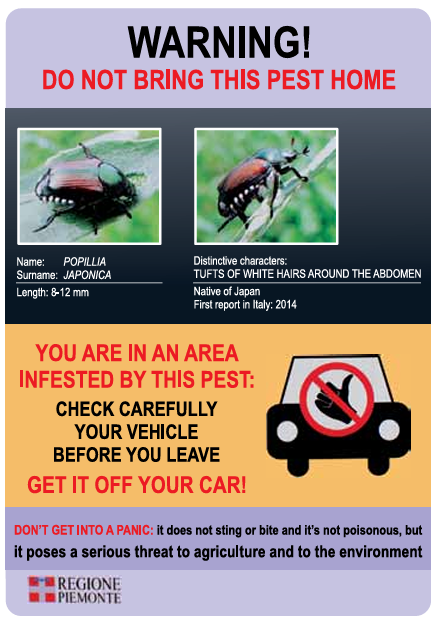

(https://commons.wikimedia.org. Adaptado.)

In the excerpt from the poster “Do not bring this pest home”, the underlined word refers to
Alternativas
Q3857479 Inglês

Examine o cartaz para responder à questão.


(https://commons.wikimedia.org. Adaptado.)

The main purpose of the poster is to


Alternativas
Ano: 2025 Banca: FGV Órgão: FEMPAR Prova: FGV - 2025 - FEMPAR - Vestibular - Medicina |
Q3840976 Inglês

Read Text III below and answer the  question that follow it.


Text III


Q24_25.png (312×341)


From:https://images.baklol.com/08753e49e68e27620affe1eb2c60c1441450870314. JPG
The sentence in the third panel implies that: 
Alternativas
Ano: 2025 Banca: FGV Órgão: FEMPAR Prova: FGV - 2025 - FEMPAR - Vestibular - Medicina |
Q3840975 Inglês

Read Text III below and answer the  question that follow it.


Text III


Q24_25.png (312×341)


From:https://images.baklol.com/08753e49e68e27620affe1eb2c60c1441450870314. JPG

In the second panel, the phone
Alternativas
Ano: 2025 Banca: FGV Órgão: FEMPAR Prova: FGV - 2025 - FEMPAR - Vestibular - Medicina |
Q3840974 Inglês
Read Text II below and answer the question that follow it.

Text II


Q20_23.png (336×158)

From: https://cdn.quotesgram.com/img/31/9/1932969763-Thoreau-empathyquote.jpg
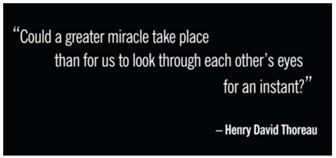
The phrasal verb “take place” in this poster means to 
Alternativas
Ano: 2025 Banca: FGV Órgão: FEMPAR Prova: FGV - 2025 - FEMPAR - Vestibular - Medicina |
Q3840973 Inglês
Read Text II below and answer the question that follow it.

Text II


Q20_23.png (336×158)

From: https://cdn.quotesgram.com/img/31/9/1932969763-Thoreau-empathyquote.jpg
The opposite of “greater” in this context is
Alternativas
Ano: 2025 Banca: FGV Órgão: FEMPAR Prova: FGV - 2025 - FEMPAR - Vestibular - Medicina |
Q3840972 Inglês
Read Text II below and answer the question that follow it.

Text II


Q20_23.png (336×158)

From: https://cdn.quotesgram.com/img/31/9/1932969763-Thoreau-empathyquote.jpg
The function of the question proposed in this poster is to 
Alternativas
Ano: 2025 Banca: FGV Órgão: FEMPAR Prova: FGV - 2025 - FEMPAR - Vestibular - Medicina |
Q3840971 Inglês
Read Text II below and answer the question that follow it.

Text II


Q20_23.png (336×158)

From: https://cdn.quotesgram.com/img/31/9/1932969763-Thoreau-empathyquote.jpg
This quotation implies that one should be 
Alternativas
Ano: 2025 Banca: FGV Órgão: FEMPAR Prova: FGV - 2025 - FEMPAR - Vestibular - Medicina |
Q3840970 Inglês
Read Text I below and answer the  question that follow it.


Text I


Jonathan Haidt: How to make the 'anxious generation' happy again


Academics researching wellbeing have for a long time almost unanimously agreed on one thing: over the typical lifetime, happiness tends to follow a U-shaped curve, peaking at 30, plummeting at age 50, before spiking again after 70. It’s a pattern replicated using data going back as far as the 1970s in almost 150 countries.

But around 2011, researchers noticed an astonishing reversal in this trend. “This empirical regularity has been replaced by a monotonic decrease in ill-being by age,” they reported in an NBER working paper. In plain English, younger people today are unhappier, both compared to previous generations and to their older peers. Or, to quote the title of the most recent book from Jonathan Haidt, Professor of Ethical Leadership at New York University, they are the anxious generation […].

Today, rather than playing with their friends, kids stay at home on their devices. Instead of hearing chatter and laughter in the corridor of schools, we hear the gentle tapping of screens. The social isolation many of us experienced during pandemic-induced lockdowns was nothing new for children, Haidt said. “They began social distancing as soon as they got smartphones.”

The good news for parents is that, while this trend is worrying, it is not inevitable. There are things we can do. “We can turn this around with four new norms,” Haidt proposed.

The first norm is a commitment to not give our children a smartphone until they are at least 14. “Give them a flip-phone if you want to, so they can call and text you,” he said. “But don’t give the entire world access to your child.” The second is to not allow our children to use social media until they are at least 16. “Social media is wildly inappropriate for children — you have strangers trying to talk to them, cyberbullying, explosive drama.”

The third norm is that schools should be a phone-free environment. “All schools need to be phone free from bell to bell — from the morning when kids arrive to the end when they leave,” Haidt explained.

And finally, the fourth norm involves going back to a time where parents felt more comfortable letting their kids walk to the shops or play outside with friends. “The fourth norm is to give them much more independence in the real world,” he said. “Ultimately, our mission is to restore childhood: the kind of wonderful, fun, exciting childhood we all had, which was full of conflicts, failures, exploration, adventure, risk-taking, thrills and all those emotions that you experienced not with your parents, but when you were out, away from your secure home base.”


Adapted from https://www.weforum.org/stories/2025/01/jonathan-haidt-digitaltechnology-social-media-childhood/
When the author argues that the trend “is not inevitable” (4th paragraph), he means that it is 
Alternativas
Ano: 2025 Banca: FGV Órgão: FEMPAR Prova: FGV - 2025 - FEMPAR - Vestibular - Medicina |
Q3840969 Inglês
Read Text I below and answer the  question that follow it.


Text I


Jonathan Haidt: How to make the 'anxious generation' happy again


Academics researching wellbeing have for a long time almost unanimously agreed on one thing: over the typical lifetime, happiness tends to follow a U-shaped curve, peaking at 30, plummeting at age 50, before spiking again after 70. It’s a pattern replicated using data going back as far as the 1970s in almost 150 countries.

But around 2011, researchers noticed an astonishing reversal in this trend. “This empirical regularity has been replaced by a monotonic decrease in ill-being by age,” they reported in an NBER working paper. In plain English, younger people today are unhappier, both compared to previous generations and to their older peers. Or, to quote the title of the most recent book from Jonathan Haidt, Professor of Ethical Leadership at New York University, they are the anxious generation […].

Today, rather than playing with their friends, kids stay at home on their devices. Instead of hearing chatter and laughter in the corridor of schools, we hear the gentle tapping of screens. The social isolation many of us experienced during pandemic-induced lockdowns was nothing new for children, Haidt said. “They began social distancing as soon as they got smartphones.”

The good news for parents is that, while this trend is worrying, it is not inevitable. There are things we can do. “We can turn this around with four new norms,” Haidt proposed.

The first norm is a commitment to not give our children a smartphone until they are at least 14. “Give them a flip-phone if you want to, so they can call and text you,” he said. “But don’t give the entire world access to your child.” The second is to not allow our children to use social media until they are at least 16. “Social media is wildly inappropriate for children — you have strangers trying to talk to them, cyberbullying, explosive drama.”

The third norm is that schools should be a phone-free environment. “All schools need to be phone free from bell to bell — from the morning when kids arrive to the end when they leave,” Haidt explained.

And finally, the fourth norm involves going back to a time where parents felt more comfortable letting their kids walk to the shops or play outside with friends. “The fourth norm is to give them much more independence in the real world,” he said. “Ultimately, our mission is to restore childhood: the kind of wonderful, fun, exciting childhood we all had, which was full of conflicts, failures, exploration, adventure, risk-taking, thrills and all those emotions that you experienced not with your parents, but when you were out, away from your secure home base.”


Adapted from https://www.weforum.org/stories/2025/01/jonathan-haidt-digitaltechnology-social-media-childhood/

The word “chatter” (3rd paragraph) is a reference to the sound produced by the kids’: 

Alternativas
Ano: 2025 Banca: FGV Órgão: FEMPAR Prova: FGV - 2025 - FEMPAR - Vestibular - Medicina |
Q3840968 Inglês
Read Text I below and answer the  question that follow it.


Text I


Jonathan Haidt: How to make the 'anxious generation' happy again


Academics researching wellbeing have for a long time almost unanimously agreed on one thing: over the typical lifetime, happiness tends to follow a U-shaped curve, peaking at 30, plummeting at age 50, before spiking again after 70. It’s a pattern replicated using data going back as far as the 1970s in almost 150 countries.

But around 2011, researchers noticed an astonishing reversal in this trend. “This empirical regularity has been replaced by a monotonic decrease in ill-being by age,” they reported in an NBER working paper. In plain English, younger people today are unhappier, both compared to previous generations and to their older peers. Or, to quote the title of the most recent book from Jonathan Haidt, Professor of Ethical Leadership at New York University, they are the anxious generation […].

Today, rather than playing with their friends, kids stay at home on their devices. Instead of hearing chatter and laughter in the corridor of schools, we hear the gentle tapping of screens. The social isolation many of us experienced during pandemic-induced lockdowns was nothing new for children, Haidt said. “They began social distancing as soon as they got smartphones.”

The good news for parents is that, while this trend is worrying, it is not inevitable. There are things we can do. “We can turn this around with four new norms,” Haidt proposed.

The first norm is a commitment to not give our children a smartphone until they are at least 14. “Give them a flip-phone if you want to, so they can call and text you,” he said. “But don’t give the entire world access to your child.” The second is to not allow our children to use social media until they are at least 16. “Social media is wildly inappropriate for children — you have strangers trying to talk to them, cyberbullying, explosive drama.”

The third norm is that schools should be a phone-free environment. “All schools need to be phone free from bell to bell — from the morning when kids arrive to the end when they leave,” Haidt explained.

And finally, the fourth norm involves going back to a time where parents felt more comfortable letting their kids walk to the shops or play outside with friends. “The fourth norm is to give them much more independence in the real world,” he said. “Ultimately, our mission is to restore childhood: the kind of wonderful, fun, exciting childhood we all had, which was full of conflicts, failures, exploration, adventure, risk-taking, thrills and all those emotions that you experienced not with your parents, but when you were out, away from your secure home base.”


Adapted from https://www.weforum.org/stories/2025/01/jonathan-haidt-digitaltechnology-social-media-childhood/
The phrase “as soon as” in “as soon as they got smartphones” (3rd paragraph) indicates 
Alternativas
Ano: 2025 Banca: FGV Órgão: FEMPAR Prova: FGV - 2025 - FEMPAR - Vestibular - Medicina |
Q3840967 Inglês
Read Text I below and answer the  question that follow it.


Text I


Jonathan Haidt: How to make the 'anxious generation' happy again


Academics researching wellbeing have for a long time almost unanimously agreed on one thing: over the typical lifetime, happiness tends to follow a U-shaped curve, peaking at 30, plummeting at age 50, before spiking again after 70. It’s a pattern replicated using data going back as far as the 1970s in almost 150 countries.

But around 2011, researchers noticed an astonishing reversal in this trend. “This empirical regularity has been replaced by a monotonic decrease in ill-being by age,” they reported in an NBER working paper. In plain English, younger people today are unhappier, both compared to previous generations and to their older peers. Or, to quote the title of the most recent book from Jonathan Haidt, Professor of Ethical Leadership at New York University, they are the anxious generation […].

Today, rather than playing with their friends, kids stay at home on their devices. Instead of hearing chatter and laughter in the corridor of schools, we hear the gentle tapping of screens. The social isolation many of us experienced during pandemic-induced lockdowns was nothing new for children, Haidt said. “They began social distancing as soon as they got smartphones.”

The good news for parents is that, while this trend is worrying, it is not inevitable. There are things we can do. “We can turn this around with four new norms,” Haidt proposed.

The first norm is a commitment to not give our children a smartphone until they are at least 14. “Give them a flip-phone if you want to, so they can call and text you,” he said. “But don’t give the entire world access to your child.” The second is to not allow our children to use social media until they are at least 16. “Social media is wildly inappropriate for children — you have strangers trying to talk to them, cyberbullying, explosive drama.”

The third norm is that schools should be a phone-free environment. “All schools need to be phone free from bell to bell — from the morning when kids arrive to the end when they leave,” Haidt explained.

And finally, the fourth norm involves going back to a time where parents felt more comfortable letting their kids walk to the shops or play outside with friends. “The fourth norm is to give them much more independence in the real world,” he said. “Ultimately, our mission is to restore childhood: the kind of wonderful, fun, exciting childhood we all had, which was full of conflicts, failures, exploration, adventure, risk-taking, thrills and all those emotions that you experienced not with your parents, but when you were out, away from your secure home base.”


Adapted from https://www.weforum.org/stories/2025/01/jonathan-haidt-digitaltechnology-social-media-childhood/
Based on Text I, mark the statements below as true (T) or false (F).

( ) Happiness among young people has increased compared to previous years.
( ) Today, children prefer playing with their friends at school to using a smartphone.
( ) According to Haidt, social media is harmful to children.

The statements are, respectively: 

Alternativas
Ano: 2025 Banca: CECIERJ Órgão: CEDERJ Prova: CECIERJ - 2025 - CEDERJ - Vestibular - Segundo Semestre |
Q3776532 Inglês
Bill Gates and his vision of the future of jobs with AI

By Clément Pessaux

April 29, 2025


According to Bill Gates, artificial intelligence is about to redefine the job market. Among the professions likely to be widely replaced, Gates directly mentions doctors and teachers. Why these specific sectors? AI has the ability to take on complex tasks such as medical diagnosis or personalized learning, making these services more accessible. In fact, in some developing countries where access to education and healthcare remains limited, such advancements could transform daily life.

But this progress raises concerns. Can we really do without human empathy in these fields? And what about the judgment or sensitivity that a machine can never fully reproduce?

On the other hand, there are professions that AI does not seem ready to replace. Gates specifically mentions energy experts, biologists, and developers. These jobs require specialized expertise, as well as creativity and constant adaptability in the face of environmental or technological challenges.

Creativity, strategic thinking, and empathy remain areas where humans will always have the upper hand. Although he recognizes the immense potential of AI, Gates also emphasizes the limits and the need to think about its deployment by keeping humans at the center of priorities.


Available at: https://3dvf.com/en/bill-gates-predicts-ai-willreplace-humans-in-almost-all-fields-except-these-jobs/ Access: 03 may 2025. Adapted.
In the sentence “But this progress raises concerns.”, the connector “but” expresses:
Alternativas
Ano: 2025 Banca: CECIERJ Órgão: CEDERJ Prova: CECIERJ - 2025 - CEDERJ - Vestibular - Segundo Semestre |
Q3776531 Inglês
Bill Gates and his vision of the future of jobs with AI

By Clément Pessaux

April 29, 2025


According to Bill Gates, artificial intelligence is about to redefine the job market. Among the professions likely to be widely replaced, Gates directly mentions doctors and teachers. Why these specific sectors? AI has the ability to take on complex tasks such as medical diagnosis or personalized learning, making these services more accessible. In fact, in some developing countries where access to education and healthcare remains limited, such advancements could transform daily life.

But this progress raises concerns. Can we really do without human empathy in these fields? And what about the judgment or sensitivity that a machine can never fully reproduce?

On the other hand, there are professions that AI does not seem ready to replace. Gates specifically mentions energy experts, biologists, and developers. These jobs require specialized expertise, as well as creativity and constant adaptability in the face of environmental or technological challenges.

Creativity, strategic thinking, and empathy remain areas where humans will always have the upper hand. Although he recognizes the immense potential of AI, Gates also emphasizes the limits and the need to think about its deployment by keeping humans at the center of priorities.


Available at: https://3dvf.com/en/bill-gates-predicts-ai-willreplace-humans-in-almost-all-fields-except-these-jobs/ Access: 03 may 2025. Adapted.
According to Bill Gates, teachers and doctors are jobs that will likely be replaced by AI due to:
Alternativas
Respostas
121: E
122: A
123: D
124: D
125: C
126: B
127: E
128: E
129: E
130: A
131: A
132: E
133: A
134: D
135: B
136: B
137: C
138: D
139: D
140: A