🎯 Saiba o que estudar

Avançado com Treinador a partir de R$ 0,76/dia

Questões de Vestibular Sobre inglês

Questões Discursivas

Foram encontradas 6.365 questões

Ano: 2016 Banca: IF Sul Rio-Grandense Órgão: IF Sul Rio-Grandense Prova: IF Sul Rio-Grandense - 2016 - IF Sul Rio-Grandense - Vestibular Segundo Semestre Língua Inglesa |
Q1341566 Inglês

INSTRUÇÃO: Responda à questão com base no texto abaixo.


Disponível em: https://www.gov.uk/government/news/impact-of-smartphones-on-behaviour-in-lessons-to-be-reviewed. Acesso em: 13 set. 2015


O trecho “Teachers, however, have reported that the growing number of children...” (l. 08 e 09) apresenta uma oração na mesma voz e tempo verbal de:
I - “has already called for more schools” (l.15)
II - “we have given teachers more power” (l.18)
III - “That is why we have taken the decision” (l.21)
IV- “we hear of lessons being disrupted” (l. 27 e 28)
V - “they can be easilly distracted” (l.30)

Quais estão corretas?
Alternativas
Ano: 2016 Banca: IF Sul Rio-Grandense Órgão: IF Sul Rio-Grandense Prova: IF Sul Rio-Grandense - 2016 - IF Sul Rio-Grandense - Vestibular Segundo Semestre Língua Inglesa |
Q1341565 Inglês

INSTRUÇÃO: Responda à questão com base no texto abaixo.


Disponível em: https://www.gov.uk/government/news/impact-of-smartphones-on-behaviour-in-lessons-to-be-reviewed. Acesso em: 13 set. 2015


A única alternativa que NÃO apresenta um sinônimo para “ban”, como na sentença “One third of schools ban mobile phones...” (l. 35) é
Alternativas
Ano: 2016 Banca: IF Sul Rio-Grandense Órgão: IF Sul Rio-Grandense Prova: IF Sul Rio-Grandense - 2016 - IF Sul Rio-Grandense - Vestibular Segundo Semestre Língua Inglesa |
Q1341564 Inglês

INSTRUÇÃO: Responda à questão com base no texto abaixo.


Disponível em: https://www.gov.uk/government/news/impact-of-smartphones-on-behaviour-in-lessons-to-be-reviewed. Acesso em: 13 set. 2015


De acordo com o texto, é INCORRETO afirmar que
Alternativas
Ano: 2016 Banca: IF Sul Rio-Grandense Órgão: IF Sul Rio-Grandense Prova: IF Sul Rio-Grandense - 2016 - IF Sul Rio-Grandense - Vestibular Primeiro Semestre - Língua Inglesa |
Q1341488 Inglês
Marque a opção na qual a palavra “Period” (linha 21) é empregada com o mesmo significado do texto.
Alternativas
Ano: 2016 Banca: IF Sul Rio-Grandense Órgão: IF Sul Rio-Grandense Prova: IF Sul Rio-Grandense - 2016 - IF Sul Rio-Grandense - Vestibular Primeiro Semestre - Língua Inglesa |
Q1341487 Inglês
Assinale a alternativa que contém três palavras pertencentes à mesma classe gramatical.
Alternativas
Ano: 2016 Banca: IF Sul Rio-Grandense Órgão: IF Sul Rio-Grandense Prova: IF Sul Rio-Grandense - 2016 - IF Sul Rio-Grandense - Vestibular Primeiro Semestre - Língua Inglesa |
Q1341486 Inglês
Considere as seguintes afirmativas sobre algumas palavras e expressões usadas no texto.

I - “However” (linha 09) poderia ser substituída, sem prejuízo de significado, por “Moreover”.
II - “Don’t take my word for it” (linha 12) equivale à “Não precisa acreditar em mim”.
III - “They” (linha 21) refere-se a “immigrants” (linha 21).
IV- A palavra “acknowledge“ pode ser usada como antônimo de “deny” (linha 23).

Estão corretas as afirmativas
Alternativas
Ano: 2016 Banca: IF Sul Rio-Grandense Órgão: IF Sul Rio-Grandense Prova: IF Sul Rio-Grandense - 2016 - IF Sul Rio-Grandense - Vestibular Primeiro Semestre - Língua Inglesa |
Q1341485 Inglês
Assinale com V (verdadeiro) ou F (falso) as seguintes afirmações, conforme elas estejam ou não de acordo com o texto.

(  ) “Expat” has the same meaning of “immigrant”.
(  ) The blog of “The Wall Street Journal” does not support the author’s point of view.
(  ) Social class is one of the factors which differentiates an “expat” from an “immigrant”.
(  ) The author is against the supremacist ideology.

A sequência correta de preenchimento dos parênteses, de cima para baixo, é 
Alternativas
Ano: 2016 Banca: IF Sul Rio-Grandense Órgão: IF Sul Rio-Grandense Prova: IF Sul Rio-Grandense - 2016 - IF Sul Rio-Grandense - Vestibular Primeiro Semestre - Língua Inglesa |
Q1341484 Inglês
Qual o principal tema discutido pelo autor?
Alternativas
Ano: 2016 Banca: INEP Órgão: IF Sul Rio-Grandense Prova: INEP - 2016 - IF Sul Rio-Grandense - Vestibular Primeiro Semestre - Língua Inglesa |
Q1341195 Inglês

INSTRUÇÃO: Para responder à questão, considere o texto abaixo.


(Excerpt from Zen and the Art of Motorcycle Maintenance, By Robert M. Pirsig. New York: Harpertorch, 1974)

Considere as afirmações abaixo.

I - “began” (l. 01) e “didn't spend” (l. 06) estão no passado simples.
II - “seems” (l. 02) e “prefers” (l. 04) estão no presente simples.
III - “would never have become” (l. 06) é uma estrutura usada para algo que não teria acontecido com uma condição, expressa por uma outra oração com o verbo no passado simples.
IV - “we´ve been thinking” (l. 08) e “has been” (l. 10) estão no presente perfeito contínuo.

Assinale a alternativa correta. 
Alternativas
Ano: 2016 Banca: IFF Órgão: IFF Prova: IF-TO - 2016 - IFF - Processo Seletivo e Vestibular - TO |
Q1338287 Inglês
Nas frases a seguir, observe os sujeitos em destaque. Em seguida, verifique qual a sequência correta dos pronomes pessoais que podem substituí-los.
I- My cousin and my sister are students.
II- John likes to swim.
III- Mary buys a dictionary every year.
IV- Peter and I travel to the beach.
V- My cat drinks milk every day.
Assinale a alternativa correta.
Alternativas
Ano: 2016 Banca: IFF Órgão: IFF Prova: IF-TO - 2016 - IFF - Processo Seletivo e Vestibular - TO |
Q1338286 Inglês

Abuse does not always mean physical violence


In fact, there are several different definitions of what can qualify as abuse, ranging from physical to verbal and even digital. “A lot of people think of abuse as just getting hit, but it’s a lot of different things,” Dr. Phil explains. The Aspire Initiative, a free domestic violence education curriculum for tweens, teens and adults, to reduce the level of intimate relationship violence in the United States, founded by Robin McGraw through her When Georgia Smiled foundation, offers these definitions for five different types of abuse, courtesy of LoveIsRespect.org. Physical Abuse: Any intentional use of physical force with the intent to control a partner through fear or injury. Emotional/Verbal Abuse: An attempt to control a partner through the manipulation of their self-esteem, sense of personal security, relationships with others, and/or their perception of reality. Often it results in the victim feeling worthless and responsible for the abuse. Sexual Abuse: Any behaviors that impact a person’s ability to control their sexual activity or the circumstances in which sexual activity occurs. Digital Abuse: This is a form of emotional/verbal abuse that uses technology or social media to intimidate, harass, bully, stalk or threaten a current or ex-partner. Financial Abuse: The use of finances or access to finances to control a partner. It’s one of the powerful forms of abuse, and common method of entrapping a partner in the relationship. It’s often given as the reason that victims of abuser stayed in or returned to an abusive relationship. Disponível em: drphil.com. Acesso em 21 de outubro de 2016.

Com base no texto, infere-se que:


I – O Dr. Phill explica que se criou uma cultura do abuso, mas nem tudo é abuso. Ele afirma ainda que o tema deve ser criteriosamente estudado.
II – O Dr. Phill explica que muitas pessoas pensam que o abuso é apenas um golpe físico, mas o abuso pode ser muitas coisas diferentes.
III – O texto trata de pelo menos cinco tipos de abusos e suas características.
IV – O texto informa que a melhor maneira de prevenir e combater os abusos é através de denúncias e diálogos com profissionais de saúde mental.


Estão corretos APENAS os itens:


Alternativas
Ano: 2016 Banca: IFF Órgão: IFF Prova: IF-TO - 2016 - IFF - Processo Seletivo e Vestibular - TO |
Q1338285 Inglês

Observe a charge a seguir e marque a alternativa correta.


Qual é o tempo verbal predominante na charge de “Barack Obama”?
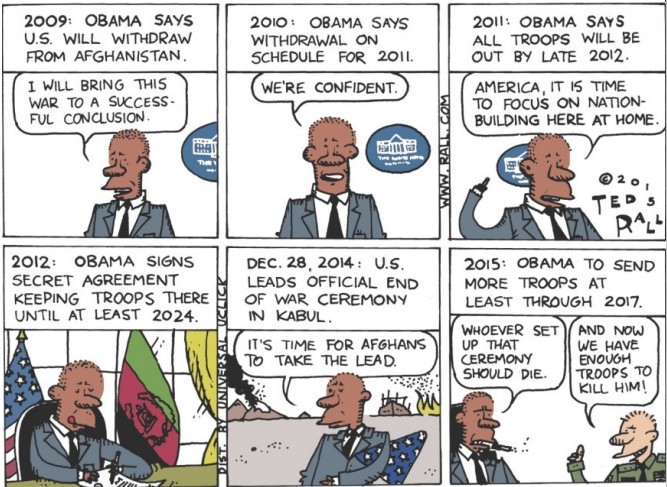
Imagem associada para resolução da questão

Alternativas
Ano: 2016 Banca: IFF Órgão: IFF Prova: IF-TO - 2016 - IFF - Processo Seletivo e Vestibular - TO |
Q1338284 Inglês

Observe a charge a seguir e marque a alternativa correta.


Com relação ao tema, podemos afirmar que:

I- O quadrinho acima retrata o personagem Obama se deparando com uma dificuldade imensa em cessar a guerra do Afeganistão, ano após ano.

II- No primeiro quadrinho, o personagem usa o verbo modal Will, que é empregado para expressar uma ação que será tomada no futuro.

III- No primeiro quadrinho, o personagem usa o verbo modal Will, que é empregado para expressar uma ação no tempo presente progressivo.

IV- No segundo quadrinho, Obama afirma que tratados internacionais são assuntos confidenciais, pois podem colocar em risco a segurança mundial.

Com base nos enunciados, assinale a alternativa correta. 

Alternativas
Ano: 2016 Banca: VUNESP Órgão: FAMERP Prova: VUNESP - 2016 - FAMERP - Conhecimentos Gerais |
Q1335811 Inglês
Leia o texto para responder à questão.

The placebo effect: amazing and real

November 2, 2015
Robert H. Shmerling


    The placebo effect is a mysterious thing. I’ve long been fascinated by the idea that something as inert and harmless as a sugar pill could relieve a person’s pain or hasten their recovery just by the expectation that it would. Studies use placebos – an inactive treatment, such as a sugar pill – in an attempt to understand the true impact of the active drug. Comparing what happens to a group of patients taking the active drug with the results of those taking a placebo can help researchers understand just how good the active drug is.
    The word “placebo” comes from Latin and means “I shall please.” And “please” it does. In study after study, many patients who take a placebo show improvement in their symptoms or condition.

The placebo effect is for real

    Recent research on the placebo effect only confirms how powerful it can be – and that the benefits of a placebo treatment aren’t just “all in your head.” Measureable physiological changes can be observed in those taking a placebo, similar to those observed among people taking effective medications. In particular, blood pressure, heart rate, and blood test results have been shown to improve among subsets of research subjects who responded to a placebo.
    Of course, not everyone has a therapeutic response to a placebo. If that were the case, we wouldn’t need medications at all. Instead, we could simply wield the power of suggestion. Understanding why certain people improve with placebo treatment and others do not is the “holy grail” of placebo research.

Nocebo: Placebo’s evil twin

     The power of suggestion is a double-edged sword. If you expect a treatment to help you, it’s more likely to do so. And if you expect a treatment will be harmful, you are more likely to experience negative effects. That phenomenon is called the “nocebo effect” (from the Latin “I shall harm”). For example, if you tell a person that a headache is a common side effect of a particular medication, that person is more likely to report headaches even if they are actually taking a placebo. The power of expectation is formidable and probably plays a significant role in the benefits and the side effects of commonly prescribed medications.

(www.health.harvard.edu. Adaptado.)
can be exemplified by actually feeling the side effects of medication or placebo.
Alternativas
Ano: 2016 Banca: VUNESP Órgão: FAMERP Prova: VUNESP - 2016 - FAMERP - Conhecimentos Gerais |
Q1335810 Inglês
Leia o texto para responder à questão.

The placebo effect: amazing and real

November 2, 2015
Robert H. Shmerling


    The placebo effect is a mysterious thing. I’ve long been fascinated by the idea that something as inert and harmless as a sugar pill could relieve a person’s pain or hasten their recovery just by the expectation that it would. Studies use placebos – an inactive treatment, such as a sugar pill – in an attempt to understand the true impact of the active drug. Comparing what happens to a group of patients taking the active drug with the results of those taking a placebo can help researchers understand just how good the active drug is.
    The word “placebo” comes from Latin and means “I shall please.” And “please” it does. In study after study, many patients who take a placebo show improvement in their symptoms or condition.

The placebo effect is for real

    Recent research on the placebo effect only confirms how powerful it can be – and that the benefits of a placebo treatment aren’t just “all in your head.” Measureable physiological changes can be observed in those taking a placebo, similar to those observed among people taking effective medications. In particular, blood pressure, heart rate, and blood test results have been shown to improve among subsets of research subjects who responded to a placebo.
    Of course, not everyone has a therapeutic response to a placebo. If that were the case, we wouldn’t need medications at all. Instead, we could simply wield the power of suggestion. Understanding why certain people improve with placebo treatment and others do not is the “holy grail” of placebo research.

Nocebo: Placebo’s evil twin

     The power of suggestion is a double-edged sword. If you expect a treatment to help you, it’s more likely to do so. And if you expect a treatment will be harmful, you are more likely to experience negative effects. That phenomenon is called the “nocebo effect” (from the Latin “I shall harm”). For example, if you tell a person that a headache is a common side effect of a particular medication, that person is more likely to report headaches even if they are actually taking a placebo. The power of expectation is formidable and probably plays a significant role in the benefits and the side effects of commonly prescribed medications.

(www.health.harvard.edu. Adaptado.)
No trecho do quinto parágrafo “The power of suggestion is a double-edged sword.”, a expressão em destaque equivale, em português, a
Alternativas
Ano: 2016 Banca: VUNESP Órgão: FAMERP Prova: VUNESP - 2016 - FAMERP - Conhecimentos Gerais |
Q1335809 Inglês
Leia o texto para responder à questão.

The placebo effect: amazing and real

November 2, 2015
Robert H. Shmerling


    The placebo effect is a mysterious thing. I’ve long been fascinated by the idea that something as inert and harmless as a sugar pill could relieve a person’s pain or hasten their recovery just by the expectation that it would. Studies use placebos – an inactive treatment, such as a sugar pill – in an attempt to understand the true impact of the active drug. Comparing what happens to a group of patients taking the active drug with the results of those taking a placebo can help researchers understand just how good the active drug is.
    The word “placebo” comes from Latin and means “I shall please.” And “please” it does. In study after study, many patients who take a placebo show improvement in their symptoms or condition.

The placebo effect is for real

    Recent research on the placebo effect only confirms how powerful it can be – and that the benefits of a placebo treatment aren’t just “all in your head.” Measureable physiological changes can be observed in those taking a placebo, similar to those observed among people taking effective medications. In particular, blood pressure, heart rate, and blood test results have been shown to improve among subsets of research subjects who responded to a placebo.
    Of course, not everyone has a therapeutic response to a placebo. If that were the case, we wouldn’t need medications at all. Instead, we could simply wield the power of suggestion. Understanding why certain people improve with placebo treatment and others do not is the “holy grail” of placebo research.

Nocebo: Placebo’s evil twin

     The power of suggestion is a double-edged sword. If you expect a treatment to help you, it’s more likely to do so. And if you expect a treatment will be harmful, you are more likely to experience negative effects. That phenomenon is called the “nocebo effect” (from the Latin “I shall harm”). For example, if you tell a person that a headache is a common side effect of a particular medication, that person is more likely to report headaches even if they are actually taking a placebo. The power of expectation is formidable and probably plays a significant role in the benefits and the side effects of commonly prescribed medications.

(www.health.harvard.edu. Adaptado.)
No trecho do quarto parágrafo “Understanding why certain people improve with placebo treatment and others do not is the ‘holy grail’ of placebo research.”, a expressão em destaque tem sentido equivalente, em português, a
Alternativas
Ano: 2016 Banca: VUNESP Órgão: FAMERP Prova: VUNESP - 2016 - FAMERP - Conhecimentos Gerais |
Q1335808 Inglês
Leia o texto para responder à questão.

The placebo effect: amazing and real

November 2, 2015
Robert H. Shmerling


    The placebo effect is a mysterious thing. I’ve long been fascinated by the idea that something as inert and harmless as a sugar pill could relieve a person’s pain or hasten their recovery just by the expectation that it would. Studies use placebos – an inactive treatment, such as a sugar pill – in an attempt to understand the true impact of the active drug. Comparing what happens to a group of patients taking the active drug with the results of those taking a placebo can help researchers understand just how good the active drug is.
    The word “placebo” comes from Latin and means “I shall please.” And “please” it does. In study after study, many patients who take a placebo show improvement in their symptoms or condition.

The placebo effect is for real

    Recent research on the placebo effect only confirms how powerful it can be – and that the benefits of a placebo treatment aren’t just “all in your head.” Measureable physiological changes can be observed in those taking a placebo, similar to those observed among people taking effective medications. In particular, blood pressure, heart rate, and blood test results have been shown to improve among subsets of research subjects who responded to a placebo.
    Of course, not everyone has a therapeutic response to a placebo. If that were the case, we wouldn’t need medications at all. Instead, we could simply wield the power of suggestion. Understanding why certain people improve with placebo treatment and others do not is the “holy grail” of placebo research.

Nocebo: Placebo’s evil twin

     The power of suggestion is a double-edged sword. If you expect a treatment to help you, it’s more likely to do so. And if you expect a treatment will be harmful, you are more likely to experience negative effects. That phenomenon is called the “nocebo effect” (from the Latin “I shall harm”). For example, if you tell a person that a headache is a common side effect of a particular medication, that person is more likely to report headaches even if they are actually taking a placebo. The power of expectation is formidable and probably plays a significant role in the benefits and the side effects of commonly prescribed medications.

(www.health.harvard.edu. Adaptado.)
No trecho do quarto parágrafo “Instead, we could simply wield the power of suggestion.”, o termo em destaque equivale, em português, a
Alternativas
Ano: 2016 Banca: VUNESP Órgão: FAMERP Prova: VUNESP - 2016 - FAMERP - Conhecimentos Gerais |
Q1335807 Inglês
Leia o texto para responder à questão.

The placebo effect: amazing and real

November 2, 2015
Robert H. Shmerling


    The placebo effect is a mysterious thing. I’ve long been fascinated by the idea that something as inert and harmless as a sugar pill could relieve a person’s pain or hasten their recovery just by the expectation that it would. Studies use placebos – an inactive treatment, such as a sugar pill – in an attempt to understand the true impact of the active drug. Comparing what happens to a group of patients taking the active drug with the results of those taking a placebo can help researchers understand just how good the active drug is.
    The word “placebo” comes from Latin and means “I shall please.” And “please” it does. In study after study, many patients who take a placebo show improvement in their symptoms or condition.

The placebo effect is for real

    Recent research on the placebo effect only confirms how powerful it can be – and that the benefits of a placebo treatment aren’t just “all in your head.” Measureable physiological changes can be observed in those taking a placebo, similar to those observed among people taking effective medications. In particular, blood pressure, heart rate, and blood test results have been shown to improve among subsets of research subjects who responded to a placebo.
    Of course, not everyone has a therapeutic response to a placebo. If that were the case, we wouldn’t need medications at all. Instead, we could simply wield the power of suggestion. Understanding why certain people improve with placebo treatment and others do not is the “holy grail” of placebo research.

Nocebo: Placebo’s evil twin

     The power of suggestion is a double-edged sword. If you expect a treatment to help you, it’s more likely to do so. And if you expect a treatment will be harmful, you are more likely to experience negative effects. That phenomenon is called the “nocebo effect” (from the Latin “I shall harm”). For example, if you tell a person that a headache is a common side effect of a particular medication, that person is more likely to report headaches even if they are actually taking a placebo. The power of expectation is formidable and probably plays a significant role in the benefits and the side effects of commonly prescribed medications.

(www.health.harvard.edu. Adaptado.)
No trecho do quarto parágrafo “If that were the case, we wouldn’t need medications at all.”, a expressão em destaque pode ser substituída, sem alteração de sentido, por
Alternativas
Ano: 2016 Banca: VUNESP Órgão: FAMERP Prova: VUNESP - 2016 - FAMERP - Conhecimentos Gerais |
Q1335806 Inglês
Leia o texto para responder à questão.

The placebo effect: amazing and real

November 2, 2015
Robert H. Shmerling


    The placebo effect is a mysterious thing. I’ve long been fascinated by the idea that something as inert and harmless as a sugar pill could relieve a person’s pain or hasten their recovery just by the expectation that it would. Studies use placebos – an inactive treatment, such as a sugar pill – in an attempt to understand the true impact of the active drug. Comparing what happens to a group of patients taking the active drug with the results of those taking a placebo can help researchers understand just how good the active drug is.
    The word “placebo” comes from Latin and means “I shall please.” And “please” it does. In study after study, many patients who take a placebo show improvement in their symptoms or condition.

The placebo effect is for real

    Recent research on the placebo effect only confirms how powerful it can be – and that the benefits of a placebo treatment aren’t just “all in your head.” Measureable physiological changes can be observed in those taking a placebo, similar to those observed among people taking effective medications. In particular, blood pressure, heart rate, and blood test results have been shown to improve among subsets of research subjects who responded to a placebo.
    Of course, not everyone has a therapeutic response to a placebo. If that were the case, we wouldn’t need medications at all. Instead, we could simply wield the power of suggestion. Understanding why certain people improve with placebo treatment and others do not is the “holy grail” of placebo research.

Nocebo: Placebo’s evil twin

     The power of suggestion is a double-edged sword. If you expect a treatment to help you, it’s more likely to do so. And if you expect a treatment will be harmful, you are more likely to experience negative effects. That phenomenon is called the “nocebo effect” (from the Latin “I shall harm”). For example, if you tell a person that a headache is a common side effect of a particular medication, that person is more likely to report headaches even if they are actually taking a placebo. The power of expectation is formidable and probably plays a significant role in the benefits and the side effects of commonly prescribed medications.

(www.health.harvard.edu. Adaptado.)
De acordo com as informações do terceiro e quarto parágrafos,
Alternativas
Ano: 2016 Banca: VUNESP Órgão: FAMERP Prova: VUNESP - 2016 - FAMERP - Conhecimentos Gerais |
Q1335805 Inglês
Leia o texto para responder à questão.

The placebo effect: amazing and real

November 2, 2015
Robert H. Shmerling


    The placebo effect is a mysterious thing. I’ve long been fascinated by the idea that something as inert and harmless as a sugar pill could relieve a person’s pain or hasten their recovery just by the expectation that it would. Studies use placebos – an inactive treatment, such as a sugar pill – in an attempt to understand the true impact of the active drug. Comparing what happens to a group of patients taking the active drug with the results of those taking a placebo can help researchers understand just how good the active drug is.
    The word “placebo” comes from Latin and means “I shall please.” And “please” it does. In study after study, many patients who take a placebo show improvement in their symptoms or condition.

The placebo effect is for real

    Recent research on the placebo effect only confirms how powerful it can be – and that the benefits of a placebo treatment aren’t just “all in your head.” Measureable physiological changes can be observed in those taking a placebo, similar to those observed among people taking effective medications. In particular, blood pressure, heart rate, and blood test results have been shown to improve among subsets of research subjects who responded to a placebo.
    Of course, not everyone has a therapeutic response to a placebo. If that were the case, we wouldn’t need medications at all. Instead, we could simply wield the power of suggestion. Understanding why certain people improve with placebo treatment and others do not is the “holy grail” of placebo research.

Nocebo: Placebo’s evil twin

     The power of suggestion is a double-edged sword. If you expect a treatment to help you, it’s more likely to do so. And if you expect a treatment will be harmful, you are more likely to experience negative effects. That phenomenon is called the “nocebo effect” (from the Latin “I shall harm”). For example, if you tell a person that a headache is a common side effect of a particular medication, that person is more likely to report headaches even if they are actually taking a placebo. The power of expectation is formidable and probably plays a significant role in the benefits and the side effects of commonly prescribed medications.

(www.health.harvard.edu. Adaptado.)
No trecho do terceiro parágrafo “similar to those observed among people taking effective medications”, o termo em destaque refere-se a
Alternativas
Respostas
2841: D
2842: B
2843: E
2844: B
2845: E
2846: C
2847: A
2848: D
2849: D
2850: D
2851: E
2852: C
2853: B
2854: A
2855: B
2856: D
2857: B
2858: C
2859: B
2860: A
