Selecionar segmento
Estude com questões de diferentes segmentos
Atenção: Isso limpará todos os campos já preenchidos no filtro!
Foram encontradas 1.276 questões
Resolva questões gratuitamente!
Junte-se a mais de 4 milhões de concurseiros!


Ano: 2025
Banca:
IDCAP
Órgão:
PPSA
Prova:
IDCAP - 2025 - PPSA - Especialista em Petróleo e Gás - Gestão de Projetos e Contratos em Óleo e Gás |
Q3842154
Direito Administrativo
Segundo a Lei Federal nº 13.303/2016, é um critério
mínimo válido para contratação direta com exclusividade
do fornecedor na aquisição de materiais, equipamentos
ou itens para emprego em projetos:
Ano: 2025
Banca:
IDCAP
Órgão:
PPSA
Prova:
IDCAP - 2025 - PPSA - Especialista em Petróleo e Gás - Gestão de Projetos e Contratos em Óleo e Gás |
Q3842153
Engenharia de Petróleo
Segundo a resolução 867/2022, nos contratos em que
haja jazida de petróleo, gás natural ou outros
hidrocarbonetos fluidos que se estende além de um
bloco concedido, os gastos realizados pelo titular da
área, antes da data efetiva do acordo de individualização
da produção:
Ano: 2025
Banca:
IDCAP
Órgão:
PPSA
Prova:
IDCAP - 2025 - PPSA - Especialista em Petróleo e Gás - Gestão de Projetos e Contratos em Óleo e Gás |
Q3842152
Direito Administrativo
Em atendimento à Lei Federal nº 13.303/2016 e
desconsiderando uma situação emergencial ou
calamitosa, são condições obrigatórias no processo de
contratação direta para aquisição de materiais e
equipamentos para os projetos:
Ano: 2025
Banca:
IDCAP
Órgão:
PPSA
Prova:
IDCAP - 2025 - PPSA - Especialista em Petróleo e Gás - Gestão de Projetos e Contratos em Óleo e Gás |
Q3842151
Raciocínio Lógico
Os operadores lógicos se classificam em disjunção,
conjunção e negação. A conjunção utiliza um operador
com o seguinte tipo e prioridade, respectivamente:
Ano: 2025
Banca:
IDCAP
Órgão:
PPSA
Prova:
IDCAP - 2025 - PPSA - Especialista em Petróleo e Gás - Gestão de Projetos e Contratos em Óleo e Gás |
Q3842150
Engenharia de Petróleo
Nos regimes de cessão onerosa, a contrapartida pela
aquisição parcial dos ativos já adquiridos, construídos ou
instalados pela cessionária é a (o):
Ano: 2025
Banca:
IDCAP
Órgão:
PPSA
Prova:
IDCAP - 2025 - PPSA - Especialista em Petróleo e Gás - Gestão de Projetos e Contratos em Óleo e Gás |
Q3842149
Noções de Informática
No Power BI Desktop, se quisermos que a data
20/01/2025 seja mostrada exatamente como janeiro de
2025, utilizamos para a personalização dos dados o
formato:
Ano: 2025
Banca:
IDCAP
Órgão:
PPSA
Prova:
IDCAP - 2025 - PPSA - Especialista em Petróleo e Gás - Gestão de Projetos e Contratos em Óleo e Gás |
Q3842148
Legislação Federal
Nos contratos de óleo e gás em regime de partilha de
produção, sem participação especial, a alíquota de
royalties estabelecida por lei, considerando que a base
de cálculo da ANP é a receita bruta mensal de cada
campo produtor, é:
Ano: 2025
Banca:
IDCAP
Órgão:
PPSA
Prova:
IDCAP - 2025 - PPSA - Especialista em Petróleo e Gás - Gestão de Projetos e Contratos em Óleo e Gás |
Q3842147
Direito Administrativo
Os direitos, nos contratos de cessão onerosa, garantem
à cessionária o exercício das atividades atinentes à:
Ano: 2025
Banca:
IDCAP
Órgão:
PPSA
Prova:
IDCAP - 2025 - PPSA - Especialista em Petróleo e Gás - Gestão de Projetos e Contratos em Óleo e Gás |
Q3842146
Gerência de Projetos
O portão 2 na abordagem FEL separa duas fases que
ocorrem em sequência na direção da evolução do
projeto. São elas, respectivamente:
Ano: 2025
Banca:
IDCAP
Órgão:
PPSA
Prova:
IDCAP - 2025 - PPSA - Especialista em Petróleo e Gás - Gestão de Projetos e Contratos em Óleo e Gás |
Q3842145
Gerência de Projetos
Nos contratos da PPSA, podem existir cláusulas
relacionadas ao acordo de nível de serviço (SLA) para
acompanhamento da evolução de projetos. Em um
contrato de serviços por SLA, usualmente estão
descritas as seguintes métricas:
Ano: 2025
Banca:
IDCAP
Órgão:
PPSA
Prova:
IDCAP - 2025 - PPSA - Especialista em Petróleo e Gás - Gestão de Projetos e Contratos em Óleo e Gás |
Q3842144
Direito Administrativo
Nos contratos de partilha de produção, o controle na fase
de contratação e o reconhecimento de custos por parte
da PPSA são importantes para a União com o intuito de:
Ano: 2025
Banca:
IDCAP
Órgão:
PPSA
Prova:
IDCAP - 2025 - PPSA - Especialista em Petróleo e Gás - Gestão de Projetos e Contratos em Óleo e Gás |
Q3842143
Engenharia de Petróleo
Um gestor está gerindo atividades como contratado sob
o regime de partilha de produção. A parcela da produção
bruta mensal de petróleo e gás natural à qual esse
gestor faz jus provém diretamente do (a):
Ano: 2025
Banca:
IDCAP
Órgão:
PPSA
Prova:
IDCAP - 2025 - PPSA - Especialista em Petróleo e Gás - Gestão de Projetos e Contratos em Óleo e Gás |
Q3842142
Banco de Dados
Dos modelos de dados seguintes, aquele que se
caracteriza por possuir nós representando vértices e
relacionamentos representando arestas é:
Ano: 2025
Banca:
IDCAP
Órgão:
PPSA
Prova:
IDCAP - 2025 - PPSA - Especialista em Petróleo e Gás - Gestão de Projetos e Contratos em Óleo e Gás |
Q3842141
Legislação Federal
Pelo Estatuto da PPSA para contratos de partilha de
produção, o Conselho Fiscal, em processos de rotina,
deve obrigatoriamente contratar:
Ano: 2025
Banca:
IDCAP
Órgão:
PPSA
Prova:
IDCAP - 2025 - PPSA - Especialista em Petróleo e Gás - Gestão de Projetos e Contratos em Óleo e Gás |
Q3842140
Noções de Informática
Nas opções seguintes, aquela que possui um sistema
operacional, um software aplicativo e uma linguagem de programação é, respectivamente:
Ano: 2025
Banca:
IDCAP
Órgão:
PPSA
Prova:
IDCAP - 2025 - PPSA - Especialista em Petróleo e Gás - Gestão de Projetos e Contratos em Óleo e Gás |
Q3842139
Banco de Dados
Por meio de uma análise em um gráfico no Power BI, um
especialista percebeu que terá de trabalhar com valores
negativos. Existe um gráfico adequado para esta
situação que exibe um valor total acumulado e suas
alterações à medida que os valores são alterados e,
nesse caso, pode-se acompanhar o resultado por meio
da variação dos valores e ainda verificar a sua relevância
e como ela incide sobre o total. Nessa situação o
especialista escolheria o gráfico:
Ano: 2025
Banca:
IDCAP
Órgão:
PPSA
Prova:
IDCAP - 2025 - PPSA - Especialista em Petróleo e Gás - Gestão de Projetos e Contratos em Óleo e Gás |
Q3842138
Engenharia de Produção
Na abordagem FEL durante um projeto de CAPEX, o
layout do processo final, a especificação detalhada de
equipamentos de processo, o memorial técnico descritivo
e os comparativos técnico-comerciais de equipamentos
de processos envolvendo diferentes fornecedores, são
realizados tipicamente na fase de:
Ano: 2025
Banca:
IDCAP
Órgão:
PPSA
Prova:
IDCAP - 2025 - PPSA - Especialista em Petróleo e Gás - Gestão de Projetos e Contratos em Óleo e Gás |
Q3842137
Auditoria
Nos contratos de partilha de produção, a auditoria do
Custo em Óleo será realizada pela gestora a qualquer
tempo, diretamente ou por meio de consultoria
especializada. O prazo máximo para realização da
auditoria e a antecedência mínima para notificação
prévia ao operador são, respectivamente:
Ano: 2025
Banca:
IDCAP
Órgão:
PPSA
Prova:
IDCAP - 2025 - PPSA - Especialista em Petróleo e Gás - Gestão de Projetos e Contratos em Óleo e Gás |
Q3842136
Gerência de Projetos
De acordo com as boas práticas de gerenciamento de
projetos, para realizar um controle físico-orçamentário
eficiente em projetos de petróleo e gás, é essencial que
os dados sejam monitorados:
Ano: 2025
Banca:
IDCAP
Órgão:
PPSA
Prova:
IDCAP - 2025 - PPSA - Especialista em Petróleo e Gás - Gestão de Projetos e Contratos em Óleo e Gás |
Q3842135
Noções de Informática
Texto associado
O texto seguinte servirá de base para responder à questão.
No Power BI, o Treemap exibe dados hierárquicos por meio de retângulos aninhados que são organizados por tamanho, conforme seguinte visualização.
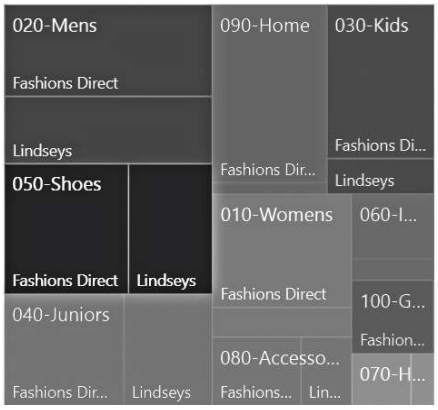
Fonte: Documentação Microsoft
O tamanho desses retângulos é determinado pelo (a):

 Conheça nossos planos