Questões de Concurso
Para nível médio
Foram encontradas 16.126 questões
Resolva questões gratuitamente!
Junte-se a mais de 4 milhões de concurseiros!


Read text I and answer the question that follow it.
TEXT I
The Growing Complexity of Airspace
The aviation industry has witnessed unprecedented growth in recent years. The number of flights, both commercial and private, has surged, resulting in a more congested airspace. This increased traffic volume places immense strain on air traffic controllers, who must manage a complex web of aircraft movements with precision and efficiency.
Moreover, the integration of unmanned aerial vehicles (UAVs or drones) into the airspace adds another layer of complexity. While drones offer various benefits, their unregulated use poses significant risks to commercial aviation. Harmonizing the operations of manned and unmanned aircraft is a major challenge that requires careful consideration and robust regulations.
Despite advancements in aviation technology, the air traffic control system still relies heavily on outdated infrastructure and systems. Many air traffic control centers operate with aging equipment that is prone to failures and lacks the capacity to handle the increasing volume of traffic. This infrastructure gap can lead to delays, inefficiencies, and safety concerns.
Furthermore, the integration of new technologies, such as advanced automation and data analytics, has been slow. While these technologies hold the potential to revolutionize air traffic management, their implementation has been hindered by various factors, including cost, interoperability, and cybersecurity concerns.
Air traffic control is a high-pressure job that demands exceptional focus, decision-making skills, and situational awareness. While air traffic controllers undergo rigorous training, human error remains a significant risk factor. Factors such as fatigue, stress, and workload can contribute to mistakes that have serious consequences. […]
The increasing reliance on technology in the aviation industry has made it a prime target for cyberattacks. Air traffic control systems are critical infrastructure and must be protected from malicious actors. A successful cyberattack could have catastrophic consequences, including loss of life and economic damage. […]
Addressing the problems facing air traffic control requires a multi-faceted approach involving collaboration between government agencies, aviation industry stakeholders, and technology providers.
Adapted from https://birminghamjournal.co.uk/ problems-with-air-traffic-control-today/
Read text I and answer the question that follow it.
TEXT I
The Growing Complexity of Airspace
The aviation industry has witnessed unprecedented growth in recent years. The number of flights, both commercial and private, has surged, resulting in a more congested airspace. This increased traffic volume places immense strain on air traffic controllers, who must manage a complex web of aircraft movements with precision and efficiency.
Moreover, the integration of unmanned aerial vehicles (UAVs or drones) into the airspace adds another layer of complexity. While drones offer various benefits, their unregulated use poses significant risks to commercial aviation. Harmonizing the operations of manned and unmanned aircraft is a major challenge that requires careful consideration and robust regulations.
Despite advancements in aviation technology, the air traffic control system still relies heavily on outdated infrastructure and systems. Many air traffic control centers operate with aging equipment that is prone to failures and lacks the capacity to handle the increasing volume of traffic. This infrastructure gap can lead to delays, inefficiencies, and safety concerns.
Furthermore, the integration of new technologies, such as advanced automation and data analytics, has been slow. While these technologies hold the potential to revolutionize air traffic management, their implementation has been hindered by various factors, including cost, interoperability, and cybersecurity concerns.
Air traffic control is a high-pressure job that demands exceptional focus, decision-making skills, and situational awareness. While air traffic controllers undergo rigorous training, human error remains a significant risk factor. Factors such as fatigue, stress, and workload can contribute to mistakes that have serious consequences. […]
The increasing reliance on technology in the aviation industry has made it a prime target for cyberattacks. Air traffic control systems are critical infrastructure and must be protected from malicious actors. A successful cyberattack could have catastrophic consequences, including loss of life and economic damage. […]
Addressing the problems facing air traffic control requires a multi-faceted approach involving collaboration between government agencies, aviation industry stakeholders, and technology providers.
Adapted from https://birminghamjournal.co.uk/ problems-with-air-traffic-control-today/
Read text I and answer the question that follow it.
TEXT I
The Growing Complexity of Airspace
The aviation industry has witnessed unprecedented growth in recent years. The number of flights, both commercial and private, has surged, resulting in a more congested airspace. This increased traffic volume places immense strain on air traffic controllers, who must manage a complex web of aircraft movements with precision and efficiency.
Moreover, the integration of unmanned aerial vehicles (UAVs or drones) into the airspace adds another layer of complexity. While drones offer various benefits, their unregulated use poses significant risks to commercial aviation. Harmonizing the operations of manned and unmanned aircraft is a major challenge that requires careful consideration and robust regulations.
Despite advancements in aviation technology, the air traffic control system still relies heavily on outdated infrastructure and systems. Many air traffic control centers operate with aging equipment that is prone to failures and lacks the capacity to handle the increasing volume of traffic. This infrastructure gap can lead to delays, inefficiencies, and safety concerns.
Furthermore, the integration of new technologies, such as advanced automation and data analytics, has been slow. While these technologies hold the potential to revolutionize air traffic management, their implementation has been hindered by various factors, including cost, interoperability, and cybersecurity concerns.
Air traffic control is a high-pressure job that demands exceptional focus, decision-making skills, and situational awareness. While air traffic controllers undergo rigorous training, human error remains a significant risk factor. Factors such as fatigue, stress, and workload can contribute to mistakes that have serious consequences. […]
The increasing reliance on technology in the aviation industry has made it a prime target for cyberattacks. Air traffic control systems are critical infrastructure and must be protected from malicious actors. A successful cyberattack could have catastrophic consequences, including loss of life and economic damage. […]
Addressing the problems facing air traffic control requires a multi-faceted approach involving collaboration between government agencies, aviation industry stakeholders, and technology providers.
Adapted from https://birminghamjournal.co.uk/ problems-with-air-traffic-control-today/
Read text I and answer the question that follow it.
TEXT I
The Growing Complexity of Airspace
The aviation industry has witnessed unprecedented growth in recent years. The number of flights, both commercial and private, has surged, resulting in a more congested airspace. This increased traffic volume places immense strain on air traffic controllers, who must manage a complex web of aircraft movements with precision and efficiency.
Moreover, the integration of unmanned aerial vehicles (UAVs or drones) into the airspace adds another layer of complexity. While drones offer various benefits, their unregulated use poses significant risks to commercial aviation. Harmonizing the operations of manned and unmanned aircraft is a major challenge that requires careful consideration and robust regulations.
Despite advancements in aviation technology, the air traffic control system still relies heavily on outdated infrastructure and systems. Many air traffic control centers operate with aging equipment that is prone to failures and lacks the capacity to handle the increasing volume of traffic. This infrastructure gap can lead to delays, inefficiencies, and safety concerns.
Furthermore, the integration of new technologies, such as advanced automation and data analytics, has been slow. While these technologies hold the potential to revolutionize air traffic management, their implementation has been hindered by various factors, including cost, interoperability, and cybersecurity concerns.
Air traffic control is a high-pressure job that demands exceptional focus, decision-making skills, and situational awareness. While air traffic controllers undergo rigorous training, human error remains a significant risk factor. Factors such as fatigue, stress, and workload can contribute to mistakes that have serious consequences. […]
The increasing reliance on technology in the aviation industry has made it a prime target for cyberattacks. Air traffic control systems are critical infrastructure and must be protected from malicious actors. A successful cyberattack could have catastrophic consequences, including loss of life and economic damage. […]
Addressing the problems facing air traffic control requires a multi-faceted approach involving collaboration between government agencies, aviation industry stakeholders, and technology providers.
Adapted from https://birminghamjournal.co.uk/ problems-with-air-traffic-control-today/
Read text I and answer the question that follow it.
TEXT I
The Growing Complexity of Airspace
The aviation industry has witnessed unprecedented growth in recent years. The number of flights, both commercial and private, has surged, resulting in a more congested airspace. This increased traffic volume places immense strain on air traffic controllers, who must manage a complex web of aircraft movements with precision and efficiency.
Moreover, the integration of unmanned aerial vehicles (UAVs or drones) into the airspace adds another layer of complexity. While drones offer various benefits, their unregulated use poses significant risks to commercial aviation. Harmonizing the operations of manned and unmanned aircraft is a major challenge that requires careful consideration and robust regulations.
Despite advancements in aviation technology, the air traffic control system still relies heavily on outdated infrastructure and systems. Many air traffic control centers operate with aging equipment that is prone to failures and lacks the capacity to handle the increasing volume of traffic. This infrastructure gap can lead to delays, inefficiencies, and safety concerns.
Furthermore, the integration of new technologies, such as advanced automation and data analytics, has been slow. While these technologies hold the potential to revolutionize air traffic management, their implementation has been hindered by various factors, including cost, interoperability, and cybersecurity concerns.
Air traffic control is a high-pressure job that demands exceptional focus, decision-making skills, and situational awareness. While air traffic controllers undergo rigorous training, human error remains a significant risk factor. Factors such as fatigue, stress, and workload can contribute to mistakes that have serious consequences. […]
The increasing reliance on technology in the aviation industry has made it a prime target for cyberattacks. Air traffic control systems are critical infrastructure and must be protected from malicious actors. A successful cyberattack could have catastrophic consequences, including loss of life and economic damage. […]
Addressing the problems facing air traffic control requires a multi-faceted approach involving collaboration between government agencies, aviation industry stakeholders, and technology providers.
Adapted from https://birminghamjournal.co.uk/ problems-with-air-traffic-control-today/
Read text I and answer the question that follow it.
TEXT I
The Growing Complexity of Airspace
The aviation industry has witnessed unprecedented growth in recent years. The number of flights, both commercial and private, has surged, resulting in a more congested airspace. This increased traffic volume places immense strain on air traffic controllers, who must manage a complex web of aircraft movements with precision and efficiency.
Moreover, the integration of unmanned aerial vehicles (UAVs or drones) into the airspace adds another layer of complexity. While drones offer various benefits, their unregulated use poses significant risks to commercial aviation. Harmonizing the operations of manned and unmanned aircraft is a major challenge that requires careful consideration and robust regulations.
Despite advancements in aviation technology, the air traffic control system still relies heavily on outdated infrastructure and systems. Many air traffic control centers operate with aging equipment that is prone to failures and lacks the capacity to handle the increasing volume of traffic. This infrastructure gap can lead to delays, inefficiencies, and safety concerns.
Furthermore, the integration of new technologies, such as advanced automation and data analytics, has been slow. While these technologies hold the potential to revolutionize air traffic management, their implementation has been hindered by various factors, including cost, interoperability, and cybersecurity concerns.
Air traffic control is a high-pressure job that demands exceptional focus, decision-making skills, and situational awareness. While air traffic controllers undergo rigorous training, human error remains a significant risk factor. Factors such as fatigue, stress, and workload can contribute to mistakes that have serious consequences. […]
The increasing reliance on technology in the aviation industry has made it a prime target for cyberattacks. Air traffic control systems are critical infrastructure and must be protected from malicious actors. A successful cyberattack could have catastrophic consequences, including loss of life and economic damage. […]
Addressing the problems facing air traffic control requires a multi-faceted approach involving collaboration between government agencies, aviation industry stakeholders, and technology providers.
Adapted from https://birminghamjournal.co.uk/ problems-with-air-traffic-control-today/
Read text I and answer the question that follow it.
TEXT I
The Growing Complexity of Airspace
The aviation industry has witnessed unprecedented growth in recent years. The number of flights, both commercial and private, has surged, resulting in a more congested airspace. This increased traffic volume places immense strain on air traffic controllers, who must manage a complex web of aircraft movements with precision and efficiency.
Moreover, the integration of unmanned aerial vehicles (UAVs or drones) into the airspace adds another layer of complexity. While drones offer various benefits, their unregulated use poses significant risks to commercial aviation. Harmonizing the operations of manned and unmanned aircraft is a major challenge that requires careful consideration and robust regulations.
Despite advancements in aviation technology, the air traffic control system still relies heavily on outdated infrastructure and systems. Many air traffic control centers operate with aging equipment that is prone to failures and lacks the capacity to handle the increasing volume of traffic. This infrastructure gap can lead to delays, inefficiencies, and safety concerns.
Furthermore, the integration of new technologies, such as advanced automation and data analytics, has been slow. While these technologies hold the potential to revolutionize air traffic management, their implementation has been hindered by various factors, including cost, interoperability, and cybersecurity concerns.
Air traffic control is a high-pressure job that demands exceptional focus, decision-making skills, and situational awareness. While air traffic controllers undergo rigorous training, human error remains a significant risk factor. Factors such as fatigue, stress, and workload can contribute to mistakes that have serious consequences. […]
The increasing reliance on technology in the aviation industry has made it a prime target for cyberattacks. Air traffic control systems are critical infrastructure and must be protected from malicious actors. A successful cyberattack could have catastrophic consequences, including loss of life and economic damage. […]
Addressing the problems facing air traffic control requires a multi-faceted approach involving collaboration between government agencies, aviation industry stakeholders, and technology providers.
Adapted from https://birminghamjournal.co.uk/ problems-with-air-traffic-control-today/
Read text I and answer the question that follow it.
TEXT I
The Growing Complexity of Airspace
The aviation industry has witnessed unprecedented growth in recent years. The number of flights, both commercial and private, has surged, resulting in a more congested airspace. This increased traffic volume places immense strain on air traffic controllers, who must manage a complex web of aircraft movements with precision and efficiency.
Moreover, the integration of unmanned aerial vehicles (UAVs or drones) into the airspace adds another layer of complexity. While drones offer various benefits, their unregulated use poses significant risks to commercial aviation. Harmonizing the operations of manned and unmanned aircraft is a major challenge that requires careful consideration and robust regulations.
Despite advancements in aviation technology, the air traffic control system still relies heavily on outdated infrastructure and systems. Many air traffic control centers operate with aging equipment that is prone to failures and lacks the capacity to handle the increasing volume of traffic. This infrastructure gap can lead to delays, inefficiencies, and safety concerns.
Furthermore, the integration of new technologies, such as advanced automation and data analytics, has been slow. While these technologies hold the potential to revolutionize air traffic management, their implementation has been hindered by various factors, including cost, interoperability, and cybersecurity concerns.
Air traffic control is a high-pressure job that demands exceptional focus, decision-making skills, and situational awareness. While air traffic controllers undergo rigorous training, human error remains a significant risk factor. Factors such as fatigue, stress, and workload can contribute to mistakes that have serious consequences. […]
The increasing reliance on technology in the aviation industry has made it a prime target for cyberattacks. Air traffic control systems are critical infrastructure and must be protected from malicious actors. A successful cyberattack could have catastrophic consequences, including loss of life and economic damage. […]
Addressing the problems facing air traffic control requires a multi-faceted approach involving collaboration between government agencies, aviation industry stakeholders, and technology providers.
Adapted from https://birminghamjournal.co.uk/ problems-with-air-traffic-control-today/
Read text I and answer the question that follow it.
TEXT I
The Growing Complexity of Airspace
The aviation industry has witnessed unprecedented growth in recent years. The number of flights, both commercial and private, has surged, resulting in a more congested airspace. This increased traffic volume places immense strain on air traffic controllers, who must manage a complex web of aircraft movements with precision and efficiency.
Moreover, the integration of unmanned aerial vehicles (UAVs or drones) into the airspace adds another layer of complexity. While drones offer various benefits, their unregulated use poses significant risks to commercial aviation. Harmonizing the operations of manned and unmanned aircraft is a major challenge that requires careful consideration and robust regulations.
Despite advancements in aviation technology, the air traffic control system still relies heavily on outdated infrastructure and systems. Many air traffic control centers operate with aging equipment that is prone to failures and lacks the capacity to handle the increasing volume of traffic. This infrastructure gap can lead to delays, inefficiencies, and safety concerns.
Furthermore, the integration of new technologies, such as advanced automation and data analytics, has been slow. While these technologies hold the potential to revolutionize air traffic management, their implementation has been hindered by various factors, including cost, interoperability, and cybersecurity concerns.
Air traffic control is a high-pressure job that demands exceptional focus, decision-making skills, and situational awareness. While air traffic controllers undergo rigorous training, human error remains a significant risk factor. Factors such as fatigue, stress, and workload can contribute to mistakes that have serious consequences. […]
The increasing reliance on technology in the aviation industry has made it a prime target for cyberattacks. Air traffic control systems are critical infrastructure and must be protected from malicious actors. A successful cyberattack could have catastrophic consequences, including loss of life and economic damage. […]
Addressing the problems facing air traffic control requires a multi-faceted approach involving collaboration between government agencies, aviation industry stakeholders, and technology providers.
Adapted from https://birminghamjournal.co.uk/ problems-with-air-traffic-control-today/
( ) The air transport sector has experienced a slowdown lately.
( ) The uncontrolled use of drones has raised safety risks for air travel.
( ) Traffic control infrastructure remains in need of much upgrading.
The statements are, respectively
Desejando identificar quantas vezes o status “Concluído” aparece no intervalo A2:A100, um empregado utilizou a seguinte fórmula: =SOMASE(A2:A100;"Concluído")
Após analisar o resultado obtido, concluiu que a fórmula escolhida não realizava a contagem pretendida.
A razão para essa conclusão reside no fato de que
Nesse contexto, a conduta do supervisor está alinhada ao entendimento de que sistemas de IA podem
Nesse contexto, recomenda-se que, antes de fornecer dados pessoais ou realizar pagamentos pela internet, o usuário adote medidas que auxiliem na verificação da confiabilidade do site acessado.
No Google Chrome, o ícone que permite acessar informações relacionadas ao site atualmente visitado, incluindo dados da conexão e permissões concedidas ao endereço acessado, é:

Considerando exclusivamente os ícones apresentados na figura e suas funcionalidades, faça a associação dos números às respectivas funções, descritas a seguir.
• Aceitar a alteração selecionada ou todas as alterações do documento.
• Ativar ou desativar o recurso de Controle de Alterações.
• Comparar documentos ou identificar diferenças entre versões de um documento.
• Criar um novo comentário no ponto em que o cursor estiver posicionado.
Essas funções correspondem, respectivamente, aos ícones
Durante análise técnica, verificou-se que o computador utilizava uma memória interna de alta velocidade posicionada entre a CPU e a memória RAM, responsável por armazenar temporariamente cópias de dados frequentemente acessados pelo processador, reduzindo o tempo de processamento das operações.
Nesse contexto, a memória descrita corresponde à

A região do diagrama destacada em cinza representa o conjunto de pilotos que têm idade
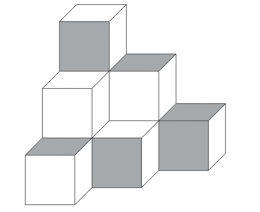
Na figura, nem todas as caixas são diretamente visíveis, mas é possível notar que algumas delas possuem uma ou mais faces pintadas de cinza.
O número total de caixas da pilha que, em princípio, poderiam ter todas as suas faces pintadas de branco é, no máximo, igual a
Portanto, 1/7 da massa de tal aeronave corresponde a
Ou seja, no dia de ontem,
O piloto conseguirá reduzir o tempo de viagem conforme solicitado, se a velocidade média de cruzeiro passar a ser de
Os dados referentes aos funcionários da filial de Minas Gerais não foram inseridos na tabela.
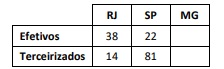
Sabe-se que o total de funcionários efetivos e o total de funcionários terceirizados nas três filiais são iguais.
Na filial de Minas Gerais, a diferença entre o número de funcionários efetivos e o número de funcionários terceirizados é igual a

 Conheça nossos planos