Selecionar segmento
Estude com questões de diferentes segmentos
Atenção: Isso limpará todos os campos já preenchidos no filtro!
Foram encontradas 4.080 questões
Resolva questões gratuitamente!
Junte-se a mais de 4 milhões de concurseiros!


Ano: 2021
Banca:
CESPE / CEBRASPE
Órgão:
SEED-PR
Prova:
CESPE / CEBRASPE - 2021 - SEED-PR - Professor - Inglês |
Q1689507
Inglês
Texto associado
There is ample evidence that reading not only strengthens second language vocabulary, but also expands it as readers meet words, or the same word, in different contexts. After all, that is the way lexical vocabulary is acquired in real life, through hearing it in our first languages.
Text 3A1-II
There is ample evidence that reading not only strengthens second language vocabulary, but also expands it as readers meet words, or the same word, in different contexts. After all, that is the way lexical vocabulary is acquired in real life, through hearing it in our first languages.
Apart from learning vocabulary, learners also learn new
structures, which can form a strong scaffolding both for learning
other new structures and introducing grammatical items to a
class.
In listening to each other read, discuss points in groups,
debate, or answer and their rationale, second language learners
will sharpen both listening and speaking skills.
There is no magic bullet, no single explanation for what
teachers can do to ensure that their students learn to read a
second or foreign language. Practice and plenty of it may be the
only way out.
J. Kembo. Using short texts to teach English as second language. Rongo University, Kenya. Universal Journal of Educational Research 4(12): 2735-2743, 2016 (adapted).
In the first sentence of the first paragraph of text 3A1-II, the
word “as” conveys an idea of
Ano: 2021
Banca:
CESPE / CEBRASPE
Órgão:
SEED-PR
Prova:
CESPE / CEBRASPE - 2021 - SEED-PR - Professor - Inglês |
Q1689506
Inglês
Texto associado
There is ample evidence that reading not only strengthens second language vocabulary, but also expands it as readers meet words, or the same word, in different contexts. After all, that is the way lexical vocabulary is acquired in real life, through hearing it in our first languages.
Text 3A1-II
There is ample evidence that reading not only strengthens second language vocabulary, but also expands it as readers meet words, or the same word, in different contexts. After all, that is the way lexical vocabulary is acquired in real life, through hearing it in our first languages.
Apart from learning vocabulary, learners also learn new
structures, which can form a strong scaffolding both for learning
other new structures and introducing grammatical items to a
class.
In listening to each other read, discuss points in groups,
debate, or answer and their rationale, second language learners
will sharpen both listening and speaking skills.
There is no magic bullet, no single explanation for what
teachers can do to ensure that their students learn to read a
second or foreign language. Practice and plenty of it may be the
only way out.
J. Kembo. Using short texts to teach English as second language. Rongo University, Kenya. Universal Journal of Educational Research 4(12): 2735-2743, 2016 (adapted).
In the very beginning of the second paragraph of text 3A1-II,
“Apart from” can be correctly replaced with
Ano: 2021
Banca:
CESPE / CEBRASPE
Órgão:
SEED-PR
Prova:
CESPE / CEBRASPE - 2021 - SEED-PR - Professor - Inglês |
Q1689505
Inglês
Texto associado
There is ample evidence that reading not only strengthens second language vocabulary, but also expands it as readers meet words, or the same word, in different contexts. After all, that is the way lexical vocabulary is acquired in real life, through hearing it in our first languages.
Text 3A1-II
There is ample evidence that reading not only strengthens second language vocabulary, but also expands it as readers meet words, or the same word, in different contexts. After all, that is the way lexical vocabulary is acquired in real life, through hearing it in our first languages.
Apart from learning vocabulary, learners also learn new
structures, which can form a strong scaffolding both for learning
other new structures and introducing grammatical items to a
class.
In listening to each other read, discuss points in groups,
debate, or answer and their rationale, second language learners
will sharpen both listening and speaking skills.
There is no magic bullet, no single explanation for what
teachers can do to ensure that their students learn to read a
second or foreign language. Practice and plenty of it may be the
only way out.
J. Kembo. Using short texts to teach English as second language. Rongo University, Kenya. Universal Journal of Educational Research 4(12): 2735-2743, 2016 (adapted).
The main idea expressed in text 3A1-II is that reading is an
important activity for those who
Ano: 2021
Banca:
CESPE / CEBRASPE
Órgão:
SEED-PR
Prova:
CESPE / CEBRASPE - 2021 - SEED-PR - Professor - Inglês |
Q1689504
Inglês
Texto associado
Text 3A1-I

Bill Watterson. Calvin and Hobbes. Internet: <https://www.gocomics.com>
In the last box of the comic strip (text 3A1-I), the word
“eventually” in “Maybe we can eventually make language a
complete impediment to understanding” can be correctly
replaced with
Ano: 2021
Banca:
CESPE / CEBRASPE
Órgão:
SEED-PR
Prova:
CESPE / CEBRASPE - 2021 - SEED-PR - Professor - Inglês |
Q1689503
Inglês
Texto associado
Text 3A1-I
Bill Watterson. Calvin and Hobbes. Internet: <https://www.gocomics.com>
In text 3A1-I, following the process which he himself describes,
Calvin transforms an adjective into the following verb form:
Ano: 2021
Banca:
CESPE / CEBRASPE
Órgão:
SEED-PR
Prova:
CESPE / CEBRASPE - 2021 - SEED-PR - Professor - Inglês |
Q1689502
Inglês
Texto associado
Text 3A1-I
Bill Watterson. Calvin and Hobbes. Internet: <https://www.gocomics.com>
In text 3A1-I, in the sentence “It got verbed”, the pronoun “It”
refers to
Ano: 2021
Banca:
CESPE / CEBRASPE
Órgão:
SEED-PR
Prova:
CESPE / CEBRASPE - 2021 - SEED-PR - Professor - Educação Física |
Q1689501
Educação Física
A respeito do kendô e da esgrima, julgue os próximos itens.
I Na esgrima, um fio preso na roupa e na espada do esgrimista, conectado a um aparelho, permite a marcação de quantas vezes cada esgrimista toca a arma no adversário.
II O kendô, arte marcial japonesa datada do século XIV, deu origem ao kenjutsu.
III A esgrima é considerada um esporte de combate pelo fato de que o contato corporal entre os oponentes é permitido em determinadas situações.
Assinale a opção correta.
I Na esgrima, um fio preso na roupa e na espada do esgrimista, conectado a um aparelho, permite a marcação de quantas vezes cada esgrimista toca a arma no adversário.
II O kendô, arte marcial japonesa datada do século XIV, deu origem ao kenjutsu.
III A esgrima é considerada um esporte de combate pelo fato de que o contato corporal entre os oponentes é permitido em determinadas situações.
Assinale a opção correta.
Ano: 2021
Banca:
CESPE / CEBRASPE
Órgão:
SEED-PR
Prova:
CESPE / CEBRASPE - 2021 - SEED-PR - Professor - Educação Física |
Q1689500
Educação Física
Considerando que as lutas podem ser classificadas em lutas de aproximação, lutas que mantêm a distância e lutas com instrumento
mediador, assinale a opção correta.
Ano: 2021
Banca:
CESPE / CEBRASPE
Órgão:
SEED-PR
Prova:
CESPE / CEBRASPE - 2021 - SEED-PR - Professor - Educação Física |
Q1689499
Educação Física
O muaythai
Ano: 2021
Banca:
CESPE / CEBRASPE
Órgão:
SEED-PR
Prova:
CESPE / CEBRASPE - 2021 - SEED-PR - Professor - Educação Física |
Q1689498
Educação Física
Segundo os Parâmetros Curriculares Nacionais, as lutas
são “disputas em que os oponentes devem ser subjugados, com
técnicas e estratégias de desequilíbrio, imobilização ou exclusão
de determinado espaço na combinação de ações de ataque e
defesa. Caracterizam-se por uma regulamentação específica a fim
de punir atitudes de violência e deslealdade”.
Tendo o texto precedente como referência inicial, assinale a opção que apresenta uma afirmação a respeito do processo de evolução das lutas para práticas esportivas.
Tendo o texto precedente como referência inicial, assinale a opção que apresenta uma afirmação a respeito do processo de evolução das lutas para práticas esportivas.
Ano: 2021
Banca:
CESPE / CEBRASPE
Órgão:
SEED-PR
Prova:
CESPE / CEBRASPE - 2021 - SEED-PR - Professor - Educação Física |
Q1689497
Educação Física
No que se refere à capoeira, julgue os seguintes itens.
I A capoeira foi criada no Brasil por africanos escravizados — em 2014, a roda de capoeira foi reconhecida como Patrimônio Imaterial e Cultural da Humanidade.
II A capoeira é considerada uma prática corporal eclética, pois pode ser tratada, por exemplo, como luta, dança, jogo, educação, arte, esporte.
III Na Base Nacional Curricular Comum (BNCC 2017), a capoeira é considerada uma luta, pois seus objetivos de aprendizagem são estruturados nesse viés.
IV A capoeira, sendo um jogo, mesmo que informal, voltado para a interação e o intercâmbio cultural, necessita de regras rígidas: a improvisação e a imprevisibilidade não têm espaço na capoeira, pois dificultariam sua disseminação e seu entendimento.
Estão certos apenas os itens
I A capoeira foi criada no Brasil por africanos escravizados — em 2014, a roda de capoeira foi reconhecida como Patrimônio Imaterial e Cultural da Humanidade.
II A capoeira é considerada uma prática corporal eclética, pois pode ser tratada, por exemplo, como luta, dança, jogo, educação, arte, esporte.
III Na Base Nacional Curricular Comum (BNCC 2017), a capoeira é considerada uma luta, pois seus objetivos de aprendizagem são estruturados nesse viés.
IV A capoeira, sendo um jogo, mesmo que informal, voltado para a interação e o intercâmbio cultural, necessita de regras rígidas: a improvisação e a imprevisibilidade não têm espaço na capoeira, pois dificultariam sua disseminação e seu entendimento.
Estão certos apenas os itens
Ano: 2021
Banca:
CESPE / CEBRASPE
Órgão:
SEED-PR
Prova:
CESPE / CEBRASPE - 2021 - SEED-PR - Professor - Educação Física |
Q1689496
Educação Física
A capoeira é uma representação cultural que mistura
esporte, luta, dança, cultura popular, música e brincadeira.
Caracteriza-se por movimentos ágeis e complexos, com a
utilização de pés, mãos e elementos ginástico-acrobáticos.
Diferencia-se das outras lutas por ser acompanhada de música.
Um dos movimentos mais utilizados na capoeira é o aú,
movimento denominado estrelinha na ginástica artística. Esse é
um movimento de locomoção do capoeirista na roda, que o
permite aproximar-se ou afastar-se do oponente. Ele é tamb ém
utilizado no início da roda. A sequência de imagens a seguir
ilustra a execução do aú, que compreende movimentos de
abdução de quadril, flexão lateral de tronco, adução do primeiro
braço a tocar no solo e abdução do outro braço.
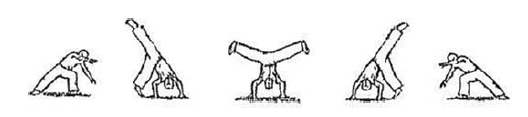
Em se tratando da execução do aú, o melhor ponto de visualização dos movimentos
Em se tratando da execução do aú, o melhor ponto de visualização dos movimentos
Ano: 2021
Banca:
CESPE / CEBRASPE
Órgão:
SEED-PR
Prova:
CESPE / CEBRASPE - 2021 - SEED-PR - Professor - Educação Física |
Q1689495
Educação Física
Em uma luta de judô, um lutador, após fazer a pegada no
quimono do seu oponente, na altura do pescoço, em uma clara
tentativa de diminuir a distância para realizar uma entrada,
puxou-o em sua direção, fazendo uma flexão do seu cotovelo.
Sabendo-se que a inserção do bíceps braquial se dá no osso rádio, é correto afirmar que no trabalho do músculo bíceps braquial do lutador que puxou seu oponente, formou-se uma alavanca
Sabendo-se que a inserção do bíceps braquial se dá no osso rádio, é correto afirmar que no trabalho do músculo bíceps braquial do lutador que puxou seu oponente, formou-se uma alavanca
Ano: 2021
Banca:
CESPE / CEBRASPE
Órgão:
SEED-PR
Prova:
CESPE / CEBRASPE - 2021 - SEED-PR - Professor - Educação Física |
Q1689494
Educação Física
Uma professora do 8.º ano do ensino fundamental
organiza, em um campo aberto e amplo, um circuito composto de
quatro estações e que receberão pequenos grupos de alunos. A
primeira estação possui entre dois grossos troncos de árvore uma
fita de slackline e uma corda montada como “falsa baiana”. A
segunda estação possui um conjunto de obstáculos constituídos
por bancos, arcos e cones e que precisam ser ultrapassados. A
terceira estação possui no solo a projeção de um muro de
escalada no qual os alunos devem passar várias vezes sem repetir
o uso das pegadas (alteração de percurso). Por fim, a quarta
estação apresenta dois skates que devem ser usados em um
mesmo percurso, mas sempre de forma diferente, ora em pé
(remando com os membros inferiores), ora sentado (remando
com os membros superiores).
As práticas ilustradas nesse circuito são representações de vivências em aulas de educação física das
As práticas ilustradas nesse circuito são representações de vivências em aulas de educação física das
Ano: 2021
Banca:
CESPE / CEBRASPE
Órgão:
SEED-PR
Prova:
CESPE / CEBRASPE - 2021 - SEED-PR - Professor - Educação Física |
Q1689493
Educação Física
Texto associado
Uma professora pede aos alunos que se organizem em equipes com seis integrantes cada uma. O espaço permite que os jogos ocorram simultaneamente. Ela organiza os campos de modo que um wicket (garrafa PET ou cone) fique distante aproximadamente 10 metros de outro. Ela usa um giz para demarcar o crease de cada rebatedor. A equipe atacante participa do jogo com dois jogadores de cada vez, os quais ficam de posse de bastões. A equipe defensora deve contar com seis jogadores: dois deles são os lançadores, que se posicionam atrás de cada wicket. Os demais ficam espalhados pelo campo de jogo para a recuperação da bola. Quando os atacantes rebatem uma bola, é possível efetuar a troca de crease, cada qual equivalendo a um ponto. Os defensores podem eliminar os rebatedores: a) quando a bola bater no wicket (não é necessário derrubá-lo); b) quando algum defensor pegar a bola no ar, sem que ela toque o solo, depois da rebatida de um atacante; c) quando a bola acertar o wicket com o adversário fora do seu crease; d) quando a bola acertar a perna do rebatedor ao ser arremessada na direção do wicket.
Texto 2A2-II
Uma professora pede aos alunos que se organizem em equipes com seis integrantes cada uma. O espaço permite que os jogos ocorram simultaneamente. Ela organiza os campos de modo que um wicket (garrafa PET ou cone) fique distante aproximadamente 10 metros de outro. Ela usa um giz para demarcar o crease de cada rebatedor. A equipe atacante participa do jogo com dois jogadores de cada vez, os quais ficam de posse de bastões. A equipe defensora deve contar com seis jogadores: dois deles são os lançadores, que se posicionam atrás de cada wicket. Os demais ficam espalhados pelo campo de jogo para a recuperação da bola. Quando os atacantes rebatem uma bola, é possível efetuar a troca de crease, cada qual equivalendo a um ponto. Os defensores podem eliminar os rebatedores: a) quando a bola bater no wicket (não é necessário derrubá-lo); b) quando algum defensor pegar a bola no ar, sem que ela toque o solo, depois da rebatida de um atacante; c) quando a bola acertar o wicket com o adversário fora do seu crease; d) quando a bola acertar a perna do rebatedor ao ser arremessada na direção do wicket.
Suraya Darido et.al. Práticas corporais: educação física,
6º a 9º anos. São Paulo: Moderna, 2018 (com adaptações).
A modalidade esportiva abordada no texto 2A2-II é o
Ano: 2021
Banca:
CESPE / CEBRASPE
Órgão:
SEED-PR
Prova:
CESPE / CEBRASPE - 2021 - SEED-PR - Professor - Educação Física |
Q1689492
Educação Física
Texto associado
Uma professora pede aos alunos que se organizem em equipes com seis integrantes cada uma. O espaço permite que os jogos ocorram simultaneamente. Ela organiza os campos de modo que um wicket (garrafa PET ou cone) fique distante aproximadamente 10 metros de outro. Ela usa um giz para demarcar o crease de cada rebatedor. A equipe atacante participa do jogo com dois jogadores de cada vez, os quais ficam de posse de bastões. A equipe defensora deve contar com seis jogadores: dois deles são os lançadores, que se posicionam atrás de cada wicket. Os demais ficam espalhados pelo campo de jogo para a recuperação da bola. Quando os atacantes rebatem uma bola, é possível efetuar a troca de crease, cada qual equivalendo a um ponto. Os defensores podem eliminar os rebatedores: a) quando a bola bater no wicket (não é necessário derrubá-lo); b) quando algum defensor pegar a bola no ar, sem que ela toque o solo, depois da rebatida de um atacante; c) quando a bola acertar o wicket com o adversário fora do seu crease; d) quando a bola acertar a perna do rebatedor ao ser arremessada na direção do wicket.
Texto 2A2-II
Uma professora pede aos alunos que se organizem em equipes com seis integrantes cada uma. O espaço permite que os jogos ocorram simultaneamente. Ela organiza os campos de modo que um wicket (garrafa PET ou cone) fique distante aproximadamente 10 metros de outro. Ela usa um giz para demarcar o crease de cada rebatedor. A equipe atacante participa do jogo com dois jogadores de cada vez, os quais ficam de posse de bastões. A equipe defensora deve contar com seis jogadores: dois deles são os lançadores, que se posicionam atrás de cada wicket. Os demais ficam espalhados pelo campo de jogo para a recuperação da bola. Quando os atacantes rebatem uma bola, é possível efetuar a troca de crease, cada qual equivalendo a um ponto. Os defensores podem eliminar os rebatedores: a) quando a bola bater no wicket (não é necessário derrubá-lo); b) quando algum defensor pegar a bola no ar, sem que ela toque o solo, depois da rebatida de um atacante; c) quando a bola acertar o wicket com o adversário fora do seu crease; d) quando a bola acertar a perna do rebatedor ao ser arremessada na direção do wicket.
Suraya Darido et.al. Práticas corporais: educação física,
6º a 9º anos. São Paulo: Moderna, 2018 (com adaptações).
A prática ilustrada no texto 2A2-II retrata o esporte
Ano: 2021
Banca:
CESPE / CEBRASPE
Órgão:
SEED-PR
Prova:
CESPE / CEBRASPE - 2021 - SEED-PR - Professor - Educação Física |
Q1689491
Educação Física
A respeito do conhecimento do esporte, suas categorias e sua
tematização nas aulas de educação física na escola, assinale a
opção correta.
Ano: 2021
Banca:
CESPE / CEBRASPE
Órgão:
SEED-PR
Prova:
CESPE / CEBRASPE - 2021 - SEED-PR - Professor - Educação Física |
Q1689490
Educação Física
O movimento, o simples movimento corporal, aquele que
se vê nos atos, ainda não revela o homem. O que está faltando,
numa concepção de educação física que privilegie, acima de
tudo, o humano, é ver além do percebido (...). É ver no rumo do
movimento, sempre na direção de buscar, no mundo, as partes
que faltam ao homem para ser humano. Portanto, uma educação
física humanista não poderia viver sob qualquer miopia em
relação ao gesto corporal. Não há por que desenvolver
habilidades (correr, saltar, girar, etc.) que não sejam
significativas, isto é, que não sejam uma promoção de relações
aperfeiçoadas do sujeito com o mundo, de modo a produzir as
ações que o tornem cada vez mais humano, isto é, mais presente,
mais consciente, testemunha do mundo em que vive.
João Batista Freire. Educação de corpo inteiro. São Paulo: Scipione, 1997. (com adaptações).
Acerca do conhecimento e da função pedagógica do jogo nas aulas de educação física, assinale a opção correta.
João Batista Freire. Educação de corpo inteiro. São Paulo: Scipione, 1997. (com adaptações).
Acerca do conhecimento e da função pedagógica do jogo nas aulas de educação física, assinale a opção correta.
Ano: 2021
Banca:
CESPE / CEBRASPE
Órgão:
SEED-PR
Prova:
CESPE / CEBRASPE - 2021 - SEED-PR - Professor - Educação Física |
Q1689489
Educação Física
Há princípios operacionais em situações de ataque
(conservação da posse de bola, invasão do terreno adversário e
finalização ao alvo) e de defesa (recuperação da bola,
impedimento do avanço do adversário e da bola ao seu terreno e
proteção do alvo).
Suraya Darido et.al. Práticas corporais: educação física, 6º a 9º anos. São Paulo: Moderna, 2018.
Esses princípios operacionais são características do esporte
Suraya Darido et.al. Práticas corporais: educação física, 6º a 9º anos. São Paulo: Moderna, 2018.
Esses princípios operacionais são características do esporte
Ano: 2021
Banca:
CESPE / CEBRASPE
Órgão:
SEED-PR
Prova:
CESPE / CEBRASPE - 2021 - SEED-PR - Professor - Educação Física |
Q1689488
Educação Física
Jogos e brincadeiras populares devem compor as práticas
pedagógicas de professores de educação física na escola.
Assinale a opção cujo conteúdo da prática pedagógica em aulas
de educação física corresponda ao desenvolvimento de jogos e
brincadeiras populares.

 Conheça nossos planos