Selecionar segmento
Estude com questões de diferentes segmentos
Atenção: Isso limpará todos os campos já preenchidos no filtro!
Foram encontradas 1.000 questões
Resolva questões gratuitamente!
Junte-se a mais de 4 milhões de concurseiros!


Ano: 2023
Banca:
OBJETIVA
Órgão:
Prefeitura de Nonoai - RS
Prova:
OBJETIVA - 2023 - Prefeitura de Nonoai - RS - Pedagogo |
Q4228336
Pedagogia
Sobre o significado do tema gerador, pelas ideias de
Paulo Freire, assinalar a alternativa INCORRETA:
Ano: 2023
Banca:
OBJETIVA
Órgão:
Prefeitura de Nonoai - RS
Prova:
OBJETIVA - 2023 - Prefeitura de Nonoai - RS - Pedagogo |
Q4228335
Pedagogia
Danilo Gandin definiu o marco referencial do plano de
ação, que irá distinguir o que é necessário e o que é possível,
tendo em vista a exequibilidade das várias ações. O marco
referencial é constituído de três aspectos que estão
integrados. Sobre isso, numerar a 2ª coluna de acordo com a
1ª e, após, assinalar a alternativa que apresenta a sequência
CORRETA:
(1) Marco situacional. (2) Marco doutrinal. (3) Marco operativo.
(_) Estabelece o que se pretende alcançar. (_) Distingue como é a realidade global. (_) Analisa como deve ser a nossa ação para alcançar o que se pretende.
(1) Marco situacional. (2) Marco doutrinal. (3) Marco operativo.
(_) Estabelece o que se pretende alcançar. (_) Distingue como é a realidade global. (_) Analisa como deve ser a nossa ação para alcançar o que se pretende.
Ano: 2023
Banca:
OBJETIVA
Órgão:
Prefeitura de Nonoai - RS
Prova:
OBJETIVA - 2023 - Prefeitura de Nonoai - RS - Pedagogo |
Q4228334
Pedagogia
A Didática Magna marcou o início da sistematização da
pedagogia e da didática no(a):
Ano: 2023
Banca:
OBJETIVA
Órgão:
Prefeitura de Nonoai - RS
Prova:
OBJETIVA - 2023 - Prefeitura de Nonoai - RS - Pedagogo |
Q4228333
Pedagogia
O taylorismo é uma referência de uma concepção de
currículo:
Ano: 2023
Banca:
OBJETIVA
Órgão:
Prefeitura de Nonoai - RS
Prova:
OBJETIVA - 2023 - Prefeitura de Nonoai - RS - Pedagogo |
Q4228332
Pedagogia
Sobre a Teoria Histórico-Cultural, de Vygotsky, assinalar
a alternativa INCORRETA:
Ano: 2023
Banca:
OBJETIVA
Órgão:
Prefeitura de Nonoai - RS
Prova:
OBJETIVA - 2023 - Prefeitura de Nonoai - RS - Pedagogo |
Q4228331
Pedagogia
Considerando-se a perspectiva da Pedagogia da
Autonomia, de Paulo Freire, ensinar exige:
Ano: 2023
Banca:
OBJETIVA
Órgão:
Prefeitura de Nonoai - RS
Prova:
OBJETIVA - 2023 - Prefeitura de Nonoai - RS - Pedagogo |
Q4228330
Pedagogia
Sobre o projeto político pedagógico das escolas, marcar
C para as afirmativas Certas, E para as Erradas e, após,
assinalar a alternativa que apresenta a sequência CORRETA:
(_) Deve ser construído e, em seguida, arquivado apenas para cumprimento de tarefa burocrática.
(_) É um projeto temporário de reflexão dos problemas da escola.
(_) É um documento que garante a autonomia para as escolas em relação à proposta de orientação de suas práticas educacionais.
(_) É um guia que orienta a comunidade escolar na implementação de ações cujo objetivo é auxiliar na aprendizagem.
(_) Deve ser construído e, em seguida, arquivado apenas para cumprimento de tarefa burocrática.
(_) É um projeto temporário de reflexão dos problemas da escola.
(_) É um documento que garante a autonomia para as escolas em relação à proposta de orientação de suas práticas educacionais.
(_) É um guia que orienta a comunidade escolar na implementação de ações cujo objetivo é auxiliar na aprendizagem.
Ano: 2023
Banca:
OBJETIVA
Órgão:
Prefeitura de Nonoai - RS
Prova:
OBJETIVA - 2023 - Prefeitura de Nonoai - RS - Professor - Educação Infantil |
Q4228329
Pedagogia
Contemplar o cuidado na esfera da instituição da
educação infantil significa:
I. Compreendê-lo como parte integrante da educação, embora possa exigir conhecimentos, habilidades e instrumentos que extrapolam a dimensão pedagógica.
II. A integração de vários campos de conhecimentos e a cooperação de profissionais de diferentes áreas.
III. Atender com prioridade os cuidados com os aspectos biológicos do corpo, como a qualidade da alimentação e dos cuidados com a saúde, em detrimento aos cuidados relacionais, que envolvem a dimensão afetiva.
Estão CORRETOS:
I. Compreendê-lo como parte integrante da educação, embora possa exigir conhecimentos, habilidades e instrumentos que extrapolam a dimensão pedagógica.
II. A integração de vários campos de conhecimentos e a cooperação de profissionais de diferentes áreas.
III. Atender com prioridade os cuidados com os aspectos biológicos do corpo, como a qualidade da alimentação e dos cuidados com a saúde, em detrimento aos cuidados relacionais, que envolvem a dimensão afetiva.
Estão CORRETOS:
Ano: 2023
Banca:
OBJETIVA
Órgão:
Prefeitura de Nonoai - RS
Prova:
OBJETIVA - 2023 - Prefeitura de Nonoai - RS - Professor - Educação Infantil |
Q4228328
Pedagogia
Em relação ao desenvolvimento da oralidade, analisar as
sentenças abaixo:
A ampliação da capacidade das crianças de utilizar a fala de forma cada vez mais competente em diferentes contextos se dá na medida em que elas vivenciam experiências padronizadas. Portanto, eleger a linguagem oral como conteúdo exige o planejamento da ação pedagógica de forma a treinar situações de fala, escuta e aplicação da linguagem (1ª parte). O canto, a música e a escuta de histórias propiciam o desenvolvimento da oralidade. A leitura pelo professor de textos escritos, em voz alta, em situações que permitem a atenção e a escuta das crianças, seja na sala, no parque debaixo de uma árvore, antes de dormir ou em uma atividade específica para tal fim, fornece às crianças um repertório rico em oralidade e em sua relação com a escrita (2ª parte).
A sentença está:
A ampliação da capacidade das crianças de utilizar a fala de forma cada vez mais competente em diferentes contextos se dá na medida em que elas vivenciam experiências padronizadas. Portanto, eleger a linguagem oral como conteúdo exige o planejamento da ação pedagógica de forma a treinar situações de fala, escuta e aplicação da linguagem (1ª parte). O canto, a música e a escuta de histórias propiciam o desenvolvimento da oralidade. A leitura pelo professor de textos escritos, em voz alta, em situações que permitem a atenção e a escuta das crianças, seja na sala, no parque debaixo de uma árvore, antes de dormir ou em uma atividade específica para tal fim, fornece às crianças um repertório rico em oralidade e em sua relação com a escrita (2ª parte).
A sentença está:
Ano: 2023
Banca:
OBJETIVA
Órgão:
Prefeitura de Nonoai - RS
Prova:
OBJETIVA - 2023 - Prefeitura de Nonoai - RS - Professor - Educação Infantil |
Q4228327
Pedagogia
A partir da experiência empírica que realiza, a criança
constrói o conhecimento físico que se refere à exploração
dos objetos para apreender suas propriedades e
características básicas. Isso é chamado de abstração simples.
Para a abstração do número, utiliza-se a expressão abstração
reflexiva. Em relação à abstração reflexiva, assinalar a
alternativa CORRETA:
Ano: 2023
Banca:
OBJETIVA
Órgão:
Prefeitura de Nonoai - RS
Prova:
OBJETIVA - 2023 - Prefeitura de Nonoai - RS - Professor - Educação Infantil |
Q4228326
Pedagogia
São considerados pressupostos básicos para uma
proposta de avaliação mediadora em Educação Infantil,
dentre eles:
I. Uma proposta pedagógica que leve em conta a diversidade de interesses e as possibilidades de exploração do mundo pela criança, respeitando sua própria identidade sociocultural e proporcionando-lhe um ambiente interativo, rico em materiais e situações a serem experienciadas.
II. Um professor curioso e investigador do mundo da criança, agindo como mediador de suas conquistas, acompanhando-a e lhe oferecendo novos desafios.
III. Um processo de observação e registro das atividades realizadas pelas crianças, que embase a promoção delas para o próximo nível de ensino.
Estão CORRETOS:
I. Uma proposta pedagógica que leve em conta a diversidade de interesses e as possibilidades de exploração do mundo pela criança, respeitando sua própria identidade sociocultural e proporcionando-lhe um ambiente interativo, rico em materiais e situações a serem experienciadas.
II. Um professor curioso e investigador do mundo da criança, agindo como mediador de suas conquistas, acompanhando-a e lhe oferecendo novos desafios.
III. Um processo de observação e registro das atividades realizadas pelas crianças, que embase a promoção delas para o próximo nível de ensino.
Estão CORRETOS:
Ano: 2023
Banca:
OBJETIVA
Órgão:
Prefeitura de Nonoai - RS
Prova:
OBJETIVA - 2023 - Prefeitura de Nonoai - RS - Professor - Educação Infantil |
Q4228324
Pedagogia
De acordo com as ideias expressas na teoria vigotskyana,
sobre o brincar, analisar a sentença abaixo:
A criança desenvolve-se pela experiência social, nas interações que estabelece, desde cedo, com a experiência sócio-histórica dos adultos e do mundo por eles criado. Dessa forma, a brincadeira é uma atividade humana na qual as crianças são introduzidas constituindo-se em um modo de assimilar e recriar a experiência sociocuItural dos adultos (1ª parte). A brincadeira cria para as crianças uma zona de desenvolvimento proximal que se refere ao nível atual de desenvolvimento que a criança se encontra e, assim, cabe ao professor oferecer materiais diversos e em quantidades suficientes para que possam desenvolver suas ideias (2ª parte).
A sentença está:
A criança desenvolve-se pela experiência social, nas interações que estabelece, desde cedo, com a experiência sócio-histórica dos adultos e do mundo por eles criado. Dessa forma, a brincadeira é uma atividade humana na qual as crianças são introduzidas constituindo-se em um modo de assimilar e recriar a experiência sociocuItural dos adultos (1ª parte). A brincadeira cria para as crianças uma zona de desenvolvimento proximal que se refere ao nível atual de desenvolvimento que a criança se encontra e, assim, cabe ao professor oferecer materiais diversos e em quantidades suficientes para que possam desenvolver suas ideias (2ª parte).
A sentença está:
Ano: 2023
Banca:
OBJETIVA
Órgão:
Prefeitura de Nonoai - RS
Prova:
OBJETIVA - 2023 - Prefeitura de Nonoai - RS - Professor - Educação Infantil |
Q4228322
Pedagogia
Considerando-se os direitos de aprendizagem e
desenvolvimento, a Base Nacional Comum Curricular
(BNCC) estabelece cinco campos de experiências, nos quais
as crianças podem aprender e se desenvolver. Nesse
sentido, assinalar a alternativa que NÃO corresponde a um
desses campos de experiência:
Ano: 2023
Banca:
OBJETIVA
Órgão:
Prefeitura de Nonoai - RS
Prova:
OBJETIVA - 2023 - Prefeitura de Nonoai - RS - Professor - Matemática |
Q4228321
Matemática
Certa pirâmide com base quadrada possui altura igual
12 cm. Sabendo-se que o volume dessa pirâmide é igual a
16 cm³, qual a medida do lado do quadrado que é base
dessa pirâmide?
Ano: 2023
Banca:
OBJETIVA
Órgão:
Prefeitura de Nonoai - RS
Prova:
OBJETIVA - 2023 - Prefeitura de Nonoai - RS - Professor - Matemática |
Q4228320
Matemática
Assinalar a alternativa que apresenta a quantidade total
de anagramas da palavra ABACAXI que começam com a letra
X:
Ano: 2023
Banca:
OBJETIVA
Órgão:
Prefeitura de Nonoai - RS
Prova:
OBJETIVA - 2023 - Prefeitura de Nonoai - RS - Professor - Matemática |
Q4228319
Matemática
Considerando-se a função 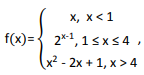 analisar os itens abaixo:
I. A função f(x) é contínua em todo o seu domínio.
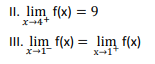
Estão CORRETOS:
Ano: 2023
Banca:
OBJETIVA
Órgão:
Prefeitura de Nonoai - RS
Prova:
OBJETIVA - 2023 - Prefeitura de Nonoai - RS - Professor - Matemática |
Q4228318
Matemática
Sejam a, b, c números naturais diferentes de zero tais
que a + b + c = 52, MMC (a, b, c) = 48 e MDC (a, b, c) = 4
Nessas condições, assinalar a alternativa CORRETA:
Ano: 2023
Banca:
OBJETIVA
Órgão:
Prefeitura de Nonoai - RS
Prova:
OBJETIVA - 2023 - Prefeitura de Nonoai - RS - Professor - Matemática |
Q4228317
Estatística
Uma empresa está em busca da contratação de um novo
vendedor. Ao final da concorrência, sobraram dois
candidatos para uma única vaga. Ambos trabalhavam como
vendedor para outra empresa, então, como critério de
desempate, a empresa contratante resolveu analisar a
regularidade e a quantidade das vendas dos últimos quatro
meses de cada candidato, em milhares de unidades, tendo
como base a tabela abaixo:

Considerando-se que a empresa irá analisar o desvio padrão das vendas de cada candidato nesse período, assinalar a alternativa que apresenta o vendedor mais indicado:
Considerando-se que a empresa irá analisar o desvio padrão das vendas de cada candidato nesse período, assinalar a alternativa que apresenta o vendedor mais indicado:
Ano: 2023
Banca:
OBJETIVA
Órgão:
Prefeitura de Nonoai - RS
Prova:
OBJETIVA - 2023 - Prefeitura de Nonoai - RS - Professor - Matemática |
Q4228316
Matemática
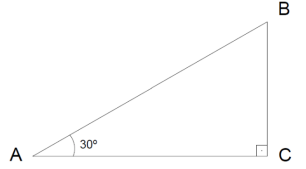
Três cidades diferentes, A, B e C são interligadas por
estradas conforme a figura abaixo. Sabendo-se que a
distância entre as cidades AC é de 30km, que o ângulo entre
AB e AC é de 30° e que o triângulo ABC é retângulo em C,
assinalar a alternativa que corresponde ao tamanho da
estrada entre B e C. (Dado: tg 30° = 0,58)
Ano: 2023
Banca:
OBJETIVA
Órgão:
Prefeitura de Nonoai - RS
Prova:
OBJETIVA - 2023 - Prefeitura de Nonoai - RS - Professor - Matemática |
Q4228315
Matemática
O esboço do gráfico da função polinomial de grau três,
denotada por f, é apresentado na figura abaixo.
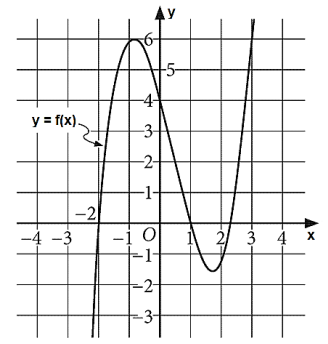
Considerando o espaço amostral formado pelas raízes da equação f(x) = 0, qual a probabilidade de se sortear uma das raízes dessa equação e essa raiz ser um número primo?
Considerando o espaço amostral formado pelas raízes da equação f(x) = 0, qual a probabilidade de se sortear uma das raízes dessa equação e essa raiz ser um número primo?

 Conheça nossos planos