Questões de Concurso
Para prefeitura de uberaba - mg
Foram encontradas 1.536 questões
Resolva questões gratuitamente!
Junte-se a mais de 4 milhões de concurseiros!


Ano: 2016
Banca:
FUNDEP (Gestão de Concursos)
Órgão:
Prefeitura de Uberaba - MG
Prova:
FUNDEP (Gestão de Concursos) - 2016 - Prefeitura de Uberaba - MG - Especialista de Serviços Públicos - Biólogo |
Q1112272
Biologia
Analise a imagem a seguir.
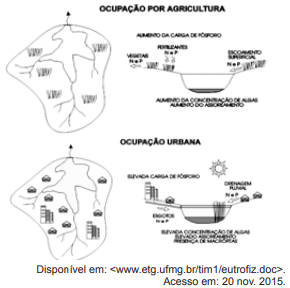
Essas imagens ilustram a evolução de um processo de grande importância ambiental.
É CORRETO afirmar que a denominação desse
processo é:
Ano: 2016
Banca:
FUNDEP (Gestão de Concursos)
Órgão:
Prefeitura de Uberaba - MG
Prova:
FUNDEP (Gestão de Concursos) - 2016 - Prefeitura de Uberaba - MG - Especialista de Serviços Públicos - Biólogo |
Q1112271
Biologia
A conservação in situ apresenta algumas vantagens.
Nesse contexto, é INCORRETO afirmar que esse tipo de
conservação:
Ano: 2016
Banca:
FUNDEP (Gestão de Concursos)
Órgão:
Prefeitura de Uberaba - MG
Prova:
FUNDEP (Gestão de Concursos) - 2016 - Prefeitura de Uberaba - MG - Especialista de Serviços Públicos - Biólogo |
Q1112270
Biologia
O processo no qual sequências de DNA são cortadas
por enzimas de restrição, ligadas a outras sequências,
incluindo as regulatórias e inseridas em uma célula que
deve regenerar um novo vegetal, é denominado:
Ano: 2016
Banca:
FUNDEP (Gestão de Concursos)
Órgão:
Prefeitura de Uberaba - MG
Prova:
FUNDEP (Gestão de Concursos) - 2016 - Prefeitura de Uberaba - MG - Especialista de Serviços Públicos - Biólogo |
Q1112269
Biologia
Leia o trecho a seguir.
“Durante uma queimada, nem todos os nutrientes
vão obrigatoriamente para a superfície do solo, sob a
forma de cinzas. Grande parte deles é perdida para a
atmosfera como fumaça. Cerca de 95% do N presente
na fitomassa combustível volatiliza-se, retornando à
atmosfera como gás. A metade dos outros nutrientes,
como fósforo, potássio, cálcio, magnésio e enxofre, entra
em suspensão no ar sob a forma de micropartículas de
cinza, constituindo a parte visível da fumaça.”
Disponível em: .
Acesso em: 20 nov. 2015. (Adaptação).
Com base nessas informações e considerando essa temática, é CORRETO afirmar que a ação da queimada e dos nutrientes perdidos para a atmosfera:
Com base nessas informações e considerando essa temática, é CORRETO afirmar que a ação da queimada e dos nutrientes perdidos para a atmosfera:
Ano: 2016
Banca:
FUNDEP (Gestão de Concursos)
Órgão:
Prefeitura de Uberaba - MG
Prova:
FUNDEP (Gestão de Concursos) - 2016 - Prefeitura de Uberaba - MG - Especialista de Serviços Públicos - Biólogo |
Q1112268
Biologia
Leia o trecho a seguir.
“As características adaptadas ao fogo presentes nas
plantas de alguns grupos estudados – como casca
espessa e raízes profundas e grossas – levaram os
cientistas a concluir que os incêndios naturais ocorridos
são talvez os ingredientes decisivos que culminaram
com a riqueza de espécies do bioma. Essa conclusão
se junta a outras evidências científicas que apontam
a importância de fenômenos específicos em uma
dada região para a formação de biomas com grande
biodiversidade.”
Disponível em:<http://cienciahoje.uol.com.br/noticias/2009/11>. Acesso em: 20 nov. 2015 (Adaptação).
Com base nesse trecho, é CORRETO afirmar que ele está relacionado com o bioma:
Disponível em:<http://cienciahoje.uol.com.br/noticias/2009/11>. Acesso em: 20 nov. 2015 (Adaptação).
Com base nesse trecho, é CORRETO afirmar que ele está relacionado com o bioma:
Ano: 2016
Banca:
FUNDEP (Gestão de Concursos)
Órgão:
Prefeitura de Uberaba - MG
Prova:
FUNDEP (Gestão de Concursos) - 2016 - Prefeitura de Uberaba - MG - Especialista de Serviços Públicos - Biólogo |
Q1112267
Biologia
Observe a imagem a seguir.
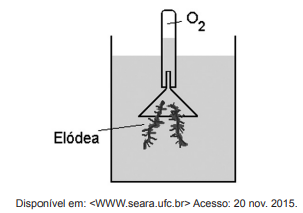
A imagem ilustra uma determinada etapa de um
importante processo biológico. Em relação a esse tipo
de sistema, pode-se afirmar que:
Ano: 2016
Banca:
FUNDEP (Gestão de Concursos)
Órgão:
Prefeitura de Uberaba - MG
Prova:
FUNDEP (Gestão de Concursos) - 2016 - Prefeitura de Uberaba - MG - Especialista de Serviços Públicos - Biólogo |
Q1112266
Biologia
Analise a imagem a seguir.
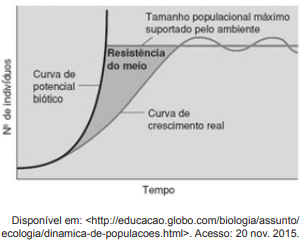
Com base nesses dados e considerando essa temática,
é INCORRETO afirmar que os fatores que contribuem
para a resistência do meio são:
Ano: 2016
Banca:
FUNDEP (Gestão de Concursos)
Órgão:
Prefeitura de Uberaba - MG
Prova:
FUNDEP (Gestão de Concursos) - 2016 - Prefeitura de Uberaba - MG - Especialista de Serviços Públicos - Biólogo |
Q1112265
Biologia
Analise a imagem a seguir, que apresenta algumas
simbologias utilizadas para o estudo da filogenia.  Após análise, é INCORRETO afirmar:
Após análise, é INCORRETO afirmar:
Ano: 2016
Banca:
FUNDEP (Gestão de Concursos)
Órgão:
Prefeitura de Uberaba - MG
Prova:
FUNDEP (Gestão de Concursos) - 2016 - Prefeitura de Uberaba - MG - Especialista de Serviços Públicos - Biólogo |
Q1112264
Biologia
Analise a imagem a seguir, que representa uma fase do desenvolvimento embrionário.
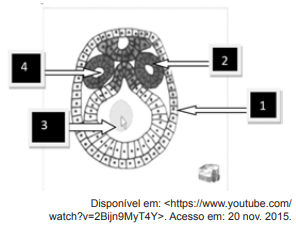
Após análise, é CORRETO afirmar que:
Ano: 2016
Banca:
FUNDEP (Gestão de Concursos)
Órgão:
Prefeitura de Uberaba - MG
Prova:
FUNDEP (Gestão de Concursos) - 2016 - Prefeitura de Uberaba - MG - Especialista de Serviços Públicos - Biólogo |
Q1112263
Biologia
Analise a imagem a seguir. 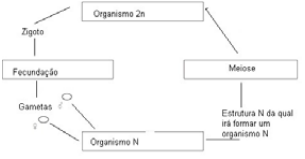 Após a análise, é CORRETO afirmar que o esquema do
ciclo reprodutivo pertence ao seguinte grupo de ser vivo:
Após a análise, é CORRETO afirmar que o esquema do
ciclo reprodutivo pertence ao seguinte grupo de ser vivo:
Após a análise, é CORRETO afirmar que o esquema do
ciclo reprodutivo pertence ao seguinte grupo de ser vivo:
Ano: 2016
Banca:
FUNDEP (Gestão de Concursos)
Órgão:
Prefeitura de Uberaba - MG
Prova:
FUNDEP (Gestão de Concursos) - 2016 - Prefeitura de Uberaba - MG - Professor - Inglês |
Q1112257
Inglês
Texto associado
INSTRUCTIONS: Read the following text carefully and
then answer the question.
What are the origins of the English Language?
The history of English is conventionally, if perhaps too
neatly, divided into three periods usually called Old
English (or Anglo-Saxon), Middle English, and Modern
English. The earliest period begins with the migration of
certain Germanic tribes from the continent to Britain in
the fifth century A.D., though no records of their language survive from before the seventh century, and it continues
until the end of the eleventh century or a bit later. By
that time Latin, Old Norse (the language of the Viking
invaders), and especially the Anglo-Norman French of
the dominant class after the Norman Conquest in 1066
had begun to have a substantial impact on the lexicon,
and the well-developed inflectional system that typifies
the grammar of Old English had begun to break down.
The period of Middle English extends roughly from the
twelfth century through the fifteenth. The influence of
French (and Latin, often by way of French) upon the
lexicon continued throughout this period, the loss of
some inflections and the reduction of others (often to
a final unstressed vowel spelled -e) accelerated, and
many changes took place within the phonological and
grammatical systems of the language.
The period of Modern English extends from the sixteenth
century to our own day. The early part of this period saw
the completion of a revolution in the phonology of English
that had begun in late Middle English and that effectively
redistributed the occurrence of the vowel phonemes to
something approximating their present pattern.
Other important early developments include the stabilizing
effect on spelling of the printing press and the beginning
of the direct influence of Latin and, to a lesser extent,
Greek on the lexicon. Later, as English came into contact
with other cultures around the world and distinctive
dialects of English developed in the many areas which
Britain had colonized, numerous other languages made
small but interesting contributions to our word-stock.
The historical aspect of English really encompasses
more than the three stages of development just under
consideration. English has what might be called a
prehistory as well. As we have seen, our language did
not simply spring into existence; it was brought from
the Continent by Germanic tribes who had no form of
writing and hence left no records. Philologists know that
they must have spoken a dialect of a language that can
be called West Germanic and that other dialects of this
unknown language must have included the ancestors of
such languages as German, Dutch, Low German, and
Frisian. They know this because of certain systematic
similarities which these languages share with each other
but do not share with, say, Danish. However, they have
had somehow to reconstruct what that language was like
in its lexicon, phonology, grammar, and semantics as best
they can through sophisticated techniques of comparison
developed chiefly during the last century.
Similarly, because ancient and modern languages
like Old Norse and Gothic or Icelandic and Norwegian
have points in common with Old English and Old High
German or Dutch and English that they do not share with
French or Russian, it is clear that there was an earlier
unrecorded language that can be called simply Germanic
and that must be reconstructed in the same way.
Still earlier, Germanic was just a dialect (the ancestors of
Greek, Latin, and Sanskrit were three other such dialects)
of a language conventionally designated Indo-European,
and thus English is just one relatively young member of
an ancient family of languages whose descendants cover
a fair portion of the globe.
Available on: <http://www.merriam-webster.com/help/faq/ history.htm> (Edited).
Read this sentence from the text.
“Later, as English came into contact with other cultures around the world and distinctive dialects of English developed in the many areas which Britain had colonized, numerous other languages made small but interesting contributions to our word-stock.”
The word “word-stock” could be replaced without change of meaning by
“Later, as English came into contact with other cultures around the world and distinctive dialects of English developed in the many areas which Britain had colonized, numerous other languages made small but interesting contributions to our word-stock.”
The word “word-stock” could be replaced without change of meaning by
Ano: 2016
Banca:
FUNDEP (Gestão de Concursos)
Órgão:
Prefeitura de Uberaba - MG
Prova:
FUNDEP (Gestão de Concursos) - 2016 - Prefeitura de Uberaba - MG - Professor - Inglês |
Q1112256
Inglês
Texto associado
INSTRUCTIONS: Read the following text carefully and
then answer the question.
What are the origins of the English Language?
The history of English is conventionally, if perhaps too
neatly, divided into three periods usually called Old
English (or Anglo-Saxon), Middle English, and Modern
English. The earliest period begins with the migration of
certain Germanic tribes from the continent to Britain in
the fifth century A.D., though no records of their language survive from before the seventh century, and it continues
until the end of the eleventh century or a bit later. By
that time Latin, Old Norse (the language of the Viking
invaders), and especially the Anglo-Norman French of
the dominant class after the Norman Conquest in 1066
had begun to have a substantial impact on the lexicon,
and the well-developed inflectional system that typifies
the grammar of Old English had begun to break down.
The period of Middle English extends roughly from the
twelfth century through the fifteenth. The influence of
French (and Latin, often by way of French) upon the
lexicon continued throughout this period, the loss of
some inflections and the reduction of others (often to
a final unstressed vowel spelled -e) accelerated, and
many changes took place within the phonological and
grammatical systems of the language.
The period of Modern English extends from the sixteenth
century to our own day. The early part of this period saw
the completion of a revolution in the phonology of English
that had begun in late Middle English and that effectively
redistributed the occurrence of the vowel phonemes to
something approximating their present pattern.
Other important early developments include the stabilizing
effect on spelling of the printing press and the beginning
of the direct influence of Latin and, to a lesser extent,
Greek on the lexicon. Later, as English came into contact
with other cultures around the world and distinctive
dialects of English developed in the many areas which
Britain had colonized, numerous other languages made
small but interesting contributions to our word-stock.
The historical aspect of English really encompasses
more than the three stages of development just under
consideration. English has what might be called a
prehistory as well. As we have seen, our language did
not simply spring into existence; it was brought from
the Continent by Germanic tribes who had no form of
writing and hence left no records. Philologists know that
they must have spoken a dialect of a language that can
be called West Germanic and that other dialects of this
unknown language must have included the ancestors of
such languages as German, Dutch, Low German, and
Frisian. They know this because of certain systematic
similarities which these languages share with each other
but do not share with, say, Danish. However, they have
had somehow to reconstruct what that language was like
in its lexicon, phonology, grammar, and semantics as best
they can through sophisticated techniques of comparison
developed chiefly during the last century.
Similarly, because ancient and modern languages
like Old Norse and Gothic or Icelandic and Norwegian
have points in common with Old English and Old High
German or Dutch and English that they do not share with
French or Russian, it is clear that there was an earlier
unrecorded language that can be called simply Germanic
and that must be reconstructed in the same way.
Still earlier, Germanic was just a dialect (the ancestors of
Greek, Latin, and Sanskrit were three other such dialects)
of a language conventionally designated Indo-European,
and thus English is just one relatively young member of
an ancient family of languages whose descendants cover
a fair portion of the globe.
Available on: <http://www.merriam-webster.com/help/faq/ history.htm> (Edited).
Prepositions express a relation in time between two
events or a relation in space between two (or more)
things or people. They can also express a variety of
abstract relations.
Read this sentence from the text.
“The earliest period begins with the migration of certain Germanic tribes from the continent to Britain in the fifth century A.D. [...]”
“From” is one of the most common prepositions in English and it was used in this example to indicate the starting point in a movement. Choose the following alternative in which the preposition “from” is being used to express the same idea as in the example above.
Read this sentence from the text.
“The earliest period begins with the migration of certain Germanic tribes from the continent to Britain in the fifth century A.D. [...]”
“From” is one of the most common prepositions in English and it was used in this example to indicate the starting point in a movement. Choose the following alternative in which the preposition “from” is being used to express the same idea as in the example above.
Ano: 2016
Banca:
FUNDEP (Gestão de Concursos)
Órgão:
Prefeitura de Uberaba - MG
Prova:
FUNDEP (Gestão de Concursos) - 2016 - Prefeitura de Uberaba - MG - Professor - Inglês |
Q1112255
Inglês
Texto associado
INSTRUCTIONS: Read the following text carefully and
then answer the question.
What are the origins of the English Language?
The history of English is conventionally, if perhaps too
neatly, divided into three periods usually called Old
English (or Anglo-Saxon), Middle English, and Modern
English. The earliest period begins with the migration of
certain Germanic tribes from the continent to Britain in
the fifth century A.D., though no records of their language survive from before the seventh century, and it continues
until the end of the eleventh century or a bit later. By
that time Latin, Old Norse (the language of the Viking
invaders), and especially the Anglo-Norman French of
the dominant class after the Norman Conquest in 1066
had begun to have a substantial impact on the lexicon,
and the well-developed inflectional system that typifies
the grammar of Old English had begun to break down.
The period of Middle English extends roughly from the
twelfth century through the fifteenth. The influence of
French (and Latin, often by way of French) upon the
lexicon continued throughout this period, the loss of
some inflections and the reduction of others (often to
a final unstressed vowel spelled -e) accelerated, and
many changes took place within the phonological and
grammatical systems of the language.
The period of Modern English extends from the sixteenth
century to our own day. The early part of this period saw
the completion of a revolution in the phonology of English
that had begun in late Middle English and that effectively
redistributed the occurrence of the vowel phonemes to
something approximating their present pattern.
Other important early developments include the stabilizing
effect on spelling of the printing press and the beginning
of the direct influence of Latin and, to a lesser extent,
Greek on the lexicon. Later, as English came into contact
with other cultures around the world and distinctive
dialects of English developed in the many areas which
Britain had colonized, numerous other languages made
small but interesting contributions to our word-stock.
The historical aspect of English really encompasses
more than the three stages of development just under
consideration. English has what might be called a
prehistory as well. As we have seen, our language did
not simply spring into existence; it was brought from
the Continent by Germanic tribes who had no form of
writing and hence left no records. Philologists know that
they must have spoken a dialect of a language that can
be called West Germanic and that other dialects of this
unknown language must have included the ancestors of
such languages as German, Dutch, Low German, and
Frisian. They know this because of certain systematic
similarities which these languages share with each other
but do not share with, say, Danish. However, they have
had somehow to reconstruct what that language was like
in its lexicon, phonology, grammar, and semantics as best
they can through sophisticated techniques of comparison
developed chiefly during the last century.
Similarly, because ancient and modern languages
like Old Norse and Gothic or Icelandic and Norwegian
have points in common with Old English and Old High
German or Dutch and English that they do not share with
French or Russian, it is clear that there was an earlier
unrecorded language that can be called simply Germanic
and that must be reconstructed in the same way.
Still earlier, Germanic was just a dialect (the ancestors of
Greek, Latin, and Sanskrit were three other such dialects)
of a language conventionally designated Indo-European,
and thus English is just one relatively young member of
an ancient family of languages whose descendants cover
a fair portion of the globe.
Available on: <http://www.merriam-webster.com/help/faq/ history.htm> (Edited).
Read the following sentence from the text.
“The history of English is conventionally, if perhaps too neatly, divided into three periods usually called Old English (or Anglo-Saxon), Middle English, and Modern English.”
Adverbs can be used in different positions in a sentence. For example, adjuncts of indefinite frequency such as “usually” most typically occupy mid position when they take the form of adverb phrases.
Choose the following alternative which presents an adverb of indefinite frequency being used in its most typical position.
“The history of English is conventionally, if perhaps too neatly, divided into three periods usually called Old English (or Anglo-Saxon), Middle English, and Modern English.”
Adverbs can be used in different positions in a sentence. For example, adjuncts of indefinite frequency such as “usually” most typically occupy mid position when they take the form of adverb phrases.
Choose the following alternative which presents an adverb of indefinite frequency being used in its most typical position.
Ano: 2016
Banca:
FUNDEP (Gestão de Concursos)
Órgão:
Prefeitura de Uberaba - MG
Prova:
FUNDEP (Gestão de Concursos) - 2016 - Prefeitura de Uberaba - MG - Professor - Inglês |
Q1112254
Inglês
Texto associado
INSTRUCTIONS: Read the following text carefully and
then answer the question.
What are the origins of the English Language?
The history of English is conventionally, if perhaps too
neatly, divided into three periods usually called Old
English (or Anglo-Saxon), Middle English, and Modern
English. The earliest period begins with the migration of
certain Germanic tribes from the continent to Britain in
the fifth century A.D., though no records of their language survive from before the seventh century, and it continues
until the end of the eleventh century or a bit later. By
that time Latin, Old Norse (the language of the Viking
invaders), and especially the Anglo-Norman French of
the dominant class after the Norman Conquest in 1066
had begun to have a substantial impact on the lexicon,
and the well-developed inflectional system that typifies
the grammar of Old English had begun to break down.
The period of Middle English extends roughly from the
twelfth century through the fifteenth. The influence of
French (and Latin, often by way of French) upon the
lexicon continued throughout this period, the loss of
some inflections and the reduction of others (often to
a final unstressed vowel spelled -e) accelerated, and
many changes took place within the phonological and
grammatical systems of the language.
The period of Modern English extends from the sixteenth
century to our own day. The early part of this period saw
the completion of a revolution in the phonology of English
that had begun in late Middle English and that effectively
redistributed the occurrence of the vowel phonemes to
something approximating their present pattern.
Other important early developments include the stabilizing
effect on spelling of the printing press and the beginning
of the direct influence of Latin and, to a lesser extent,
Greek on the lexicon. Later, as English came into contact
with other cultures around the world and distinctive
dialects of English developed in the many areas which
Britain had colonized, numerous other languages made
small but interesting contributions to our word-stock.
The historical aspect of English really encompasses
more than the three stages of development just under
consideration. English has what might be called a
prehistory as well. As we have seen, our language did
not simply spring into existence; it was brought from
the Continent by Germanic tribes who had no form of
writing and hence left no records. Philologists know that
they must have spoken a dialect of a language that can
be called West Germanic and that other dialects of this
unknown language must have included the ancestors of
such languages as German, Dutch, Low German, and
Frisian. They know this because of certain systematic
similarities which these languages share with each other
but do not share with, say, Danish. However, they have
had somehow to reconstruct what that language was like
in its lexicon, phonology, grammar, and semantics as best
they can through sophisticated techniques of comparison
developed chiefly during the last century.
Similarly, because ancient and modern languages
like Old Norse and Gothic or Icelandic and Norwegian
have points in common with Old English and Old High
German or Dutch and English that they do not share with
French or Russian, it is clear that there was an earlier
unrecorded language that can be called simply Germanic
and that must be reconstructed in the same way.
Still earlier, Germanic was just a dialect (the ancestors of
Greek, Latin, and Sanskrit were three other such dialects)
of a language conventionally designated Indo-European,
and thus English is just one relatively young member of
an ancient family of languages whose descendants cover
a fair portion of the globe.
Available on: <http://www.merriam-webster.com/help/faq/ history.htm> (Edited).
According to the text, there was an earlier unrecorded
language called simply Germanic.
Which fact from the text supports this claim?
Which fact from the text supports this claim?
Ano: 2016
Banca:
FUNDEP (Gestão de Concursos)
Órgão:
Prefeitura de Uberaba - MG
Prova:
FUNDEP (Gestão de Concursos) - 2016 - Prefeitura de Uberaba - MG - Professor - Inglês |
Q1112253
Inglês
Texto associado
INSTRUCTIONS: Read the following text carefully and
then answer the question.
What are the origins of the English Language?
The history of English is conventionally, if perhaps too
neatly, divided into three periods usually called Old
English (or Anglo-Saxon), Middle English, and Modern
English. The earliest period begins with the migration of
certain Germanic tribes from the continent to Britain in
the fifth century A.D., though no records of their language survive from before the seventh century, and it continues
until the end of the eleventh century or a bit later. By
that time Latin, Old Norse (the language of the Viking
invaders), and especially the Anglo-Norman French of
the dominant class after the Norman Conquest in 1066
had begun to have a substantial impact on the lexicon,
and the well-developed inflectional system that typifies
the grammar of Old English had begun to break down.
The period of Middle English extends roughly from the
twelfth century through the fifteenth. The influence of
French (and Latin, often by way of French) upon the
lexicon continued throughout this period, the loss of
some inflections and the reduction of others (often to
a final unstressed vowel spelled -e) accelerated, and
many changes took place within the phonological and
grammatical systems of the language.
The period of Modern English extends from the sixteenth
century to our own day. The early part of this period saw
the completion of a revolution in the phonology of English
that had begun in late Middle English and that effectively
redistributed the occurrence of the vowel phonemes to
something approximating their present pattern.
Other important early developments include the stabilizing
effect on spelling of the printing press and the beginning
of the direct influence of Latin and, to a lesser extent,
Greek on the lexicon. Later, as English came into contact
with other cultures around the world and distinctive
dialects of English developed in the many areas which
Britain had colonized, numerous other languages made
small but interesting contributions to our word-stock.
The historical aspect of English really encompasses
more than the three stages of development just under
consideration. English has what might be called a
prehistory as well. As we have seen, our language did
not simply spring into existence; it was brought from
the Continent by Germanic tribes who had no form of
writing and hence left no records. Philologists know that
they must have spoken a dialect of a language that can
be called West Germanic and that other dialects of this
unknown language must have included the ancestors of
such languages as German, Dutch, Low German, and
Frisian. They know this because of certain systematic
similarities which these languages share with each other
but do not share with, say, Danish. However, they have
had somehow to reconstruct what that language was like
in its lexicon, phonology, grammar, and semantics as best
they can through sophisticated techniques of comparison
developed chiefly during the last century.
Similarly, because ancient and modern languages
like Old Norse and Gothic or Icelandic and Norwegian
have points in common with Old English and Old High
German or Dutch and English that they do not share with
French or Russian, it is clear that there was an earlier
unrecorded language that can be called simply Germanic
and that must be reconstructed in the same way.
Still earlier, Germanic was just a dialect (the ancestors of
Greek, Latin, and Sanskrit were three other such dialects)
of a language conventionally designated Indo-European,
and thus English is just one relatively young member of
an ancient family of languages whose descendants cover
a fair portion of the globe.
Available on: <http://www.merriam-webster.com/help/faq/ history.htm> (Edited).
The history of English language also includes some sort
of prehistoric period. All the following alternatives about
this period are correct, EXCEPT:
Ano: 2016
Banca:
FUNDEP (Gestão de Concursos)
Órgão:
Prefeitura de Uberaba - MG
Prova:
FUNDEP (Gestão de Concursos) - 2016 - Prefeitura de Uberaba - MG - Professor - Inglês |
Q1112252
Inglês
Texto associado
INSTRUCTIONS: Read the following text carefully and
then answer the question.
What are the origins of the English Language?
The history of English is conventionally, if perhaps too
neatly, divided into three periods usually called Old
English (or Anglo-Saxon), Middle English, and Modern
English. The earliest period begins with the migration of
certain Germanic tribes from the continent to Britain in
the fifth century A.D., though no records of their language survive from before the seventh century, and it continues
until the end of the eleventh century or a bit later. By
that time Latin, Old Norse (the language of the Viking
invaders), and especially the Anglo-Norman French of
the dominant class after the Norman Conquest in 1066
had begun to have a substantial impact on the lexicon,
and the well-developed inflectional system that typifies
the grammar of Old English had begun to break down.
The period of Middle English extends roughly from the
twelfth century through the fifteenth. The influence of
French (and Latin, often by way of French) upon the
lexicon continued throughout this period, the loss of
some inflections and the reduction of others (often to
a final unstressed vowel spelled -e) accelerated, and
many changes took place within the phonological and
grammatical systems of the language.
The period of Modern English extends from the sixteenth
century to our own day. The early part of this period saw
the completion of a revolution in the phonology of English
that had begun in late Middle English and that effectively
redistributed the occurrence of the vowel phonemes to
something approximating their present pattern.
Other important early developments include the stabilizing
effect on spelling of the printing press and the beginning
of the direct influence of Latin and, to a lesser extent,
Greek on the lexicon. Later, as English came into contact
with other cultures around the world and distinctive
dialects of English developed in the many areas which
Britain had colonized, numerous other languages made
small but interesting contributions to our word-stock.
The historical aspect of English really encompasses
more than the three stages of development just under
consideration. English has what might be called a
prehistory as well. As we have seen, our language did
not simply spring into existence; it was brought from
the Continent by Germanic tribes who had no form of
writing and hence left no records. Philologists know that
they must have spoken a dialect of a language that can
be called West Germanic and that other dialects of this
unknown language must have included the ancestors of
such languages as German, Dutch, Low German, and
Frisian. They know this because of certain systematic
similarities which these languages share with each other
but do not share with, say, Danish. However, they have
had somehow to reconstruct what that language was like
in its lexicon, phonology, grammar, and semantics as best
they can through sophisticated techniques of comparison
developed chiefly during the last century.
Similarly, because ancient and modern languages
like Old Norse and Gothic or Icelandic and Norwegian
have points in common with Old English and Old High
German or Dutch and English that they do not share with
French or Russian, it is clear that there was an earlier
unrecorded language that can be called simply Germanic
and that must be reconstructed in the same way.
Still earlier, Germanic was just a dialect (the ancestors of
Greek, Latin, and Sanskrit were three other such dialects)
of a language conventionally designated Indo-European,
and thus English is just one relatively young member of
an ancient family of languages whose descendants cover
a fair portion of the globe.
Available on: <http://www.merriam-webster.com/help/faq/ history.htm> (Edited).
The printing press had an important role in the history
of English. How did the printing press affect the English
language?
Ano: 2016
Banca:
FUNDEP (Gestão de Concursos)
Órgão:
Prefeitura de Uberaba - MG
Prova:
FUNDEP (Gestão de Concursos) - 2016 - Prefeitura de Uberaba - MG - Professor - Inglês |
Q1112251
Inglês
Texto associado
INSTRUCTIONS: Read the following text carefully and
then answer the question.
What are the origins of the English Language?
The history of English is conventionally, if perhaps too
neatly, divided into three periods usually called Old
English (or Anglo-Saxon), Middle English, and Modern
English. The earliest period begins with the migration of
certain Germanic tribes from the continent to Britain in
the fifth century A.D., though no records of their language survive from before the seventh century, and it continues
until the end of the eleventh century or a bit later. By
that time Latin, Old Norse (the language of the Viking
invaders), and especially the Anglo-Norman French of
the dominant class after the Norman Conquest in 1066
had begun to have a substantial impact on the lexicon,
and the well-developed inflectional system that typifies
the grammar of Old English had begun to break down.
The period of Middle English extends roughly from the
twelfth century through the fifteenth. The influence of
French (and Latin, often by way of French) upon the
lexicon continued throughout this period, the loss of
some inflections and the reduction of others (often to
a final unstressed vowel spelled -e) accelerated, and
many changes took place within the phonological and
grammatical systems of the language.
The period of Modern English extends from the sixteenth
century to our own day. The early part of this period saw
the completion of a revolution in the phonology of English
that had begun in late Middle English and that effectively
redistributed the occurrence of the vowel phonemes to
something approximating their present pattern.
Other important early developments include the stabilizing
effect on spelling of the printing press and the beginning
of the direct influence of Latin and, to a lesser extent,
Greek on the lexicon. Later, as English came into contact
with other cultures around the world and distinctive
dialects of English developed in the many areas which
Britain had colonized, numerous other languages made
small but interesting contributions to our word-stock.
The historical aspect of English really encompasses
more than the three stages of development just under
consideration. English has what might be called a
prehistory as well. As we have seen, our language did
not simply spring into existence; it was brought from
the Continent by Germanic tribes who had no form of
writing and hence left no records. Philologists know that
they must have spoken a dialect of a language that can
be called West Germanic and that other dialects of this
unknown language must have included the ancestors of
such languages as German, Dutch, Low German, and
Frisian. They know this because of certain systematic
similarities which these languages share with each other
but do not share with, say, Danish. However, they have
had somehow to reconstruct what that language was like
in its lexicon, phonology, grammar, and semantics as best
they can through sophisticated techniques of comparison
developed chiefly during the last century.
Similarly, because ancient and modern languages
like Old Norse and Gothic or Icelandic and Norwegian
have points in common with Old English and Old High
German or Dutch and English that they do not share with
French or Russian, it is clear that there was an earlier
unrecorded language that can be called simply Germanic
and that must be reconstructed in the same way.
Still earlier, Germanic was just a dialect (the ancestors of
Greek, Latin, and Sanskrit were three other such dialects)
of a language conventionally designated Indo-European,
and thus English is just one relatively young member of
an ancient family of languages whose descendants cover
a fair portion of the globe.
Available on: <http://www.merriam-webster.com/help/faq/ history.htm> (Edited).
Analyze what has been stated in the text about the
different periods in the history of English.
I. The history of English is usually divided into Old English, Middle English, and Modern English. II. The Anglo-Saxon period has left no records at all. III. There were great changes in phonology between the end of Middle English and the beginning of Modern English.
Then consider the following statements and choose the CORRECT alternative.
I. The history of English is usually divided into Old English, Middle English, and Modern English. II. The Anglo-Saxon period has left no records at all. III. There were great changes in phonology between the end of Middle English and the beginning of Modern English.
Then consider the following statements and choose the CORRECT alternative.
Ano: 2016
Banca:
FUNDEP (Gestão de Concursos)
Órgão:
Prefeitura de Uberaba - MG
Prova:
FUNDEP (Gestão de Concursos) - 2016 - Prefeitura de Uberaba - MG - Professor - Inglês |
Q1112250
Inglês
Texto associado
INSTRUCTIONS: Read the following text carefully and
then answer the question.
Why learn a foreign language?
Benefits of bilingualism
Learning a foreign language is more than just a boost to
your CV or handy for travelling.
By Anne Merritt
(EFL lecturer currently based in South Korea)
Physiological studies have found that speaking two or
more languages is a great asset to the cognitive process.
The brains of bilingual people operate differently than
single language speakers, and these differences offer
several mental benefits.
You become smarter
Speaking a foreign language improves the functionality
of your brain by challenging it to recognize, negotiate
meaning, and communicate in different language systems.
This skill boosts your ability to negotiate meaning in
other problem-solving tasks as well. Students who study
foreign languages tend to score better on standardized
tests than their monolingual peers, particularly in the
categories of math, reading, and vocabulary.
You build multitasking skills
Multilingual people, especially children, are skilled at
switching between two systems of speech, writing, and
structure. According to a study from the Pennsylvania
State University, this “juggling” skill makes them good
multitaskers, because they can easily switch between
different structures. In one study, participants used a
driving simulator while doing separate, distracting tasks at
the same time. The research found that people who spoke
more than one language made fewer errors in their driving.
You stave off Alzheimer’s and dementia
For monolingual adults, the mean age for the first signs
of dementia is 71.4. For adults who speak two or more
languages, the mean age for those first signs is 75.5. Studies
considered factors such as education level, income level,
gender, and physical health, but the results were consistent.
Your memory improves
Educators often liken the brain to a muscle, because
it functions better with exercise. Learning a language
involves memorizing rules and vocabulary, which helps
strengthen that mental “muscle.” This exercise improves
overall memory, which means that multiple language
speakers are better at remembering lists or sequences.
Studies show that bilinguals are better at retaining
shopping lists, names, and directions.
Your decision-making skills improve
According to a study from the University of Chicago,
bilinguals tend to make more rational decisions. Any
language contains nuance and subtle implications in its
vocabulary, and these biases can subconsciously influence
your judgment. Bilinguals are more confident with their
choices after thinking it over in the second language and
seeing whether their initial conclusions still stand up.
Available on: <http://www.telegraph.co.uk/education/educationopinion/10126883/Why-learn-a-foreign-languageBenefits-of-bilingualism.html> (Edited).
The present perfect is used to refer to events taking
place in a past time-frame that connects with the present.
Therefore it can, for instance, be used to refer to events
that happened in an unspecified time:
“Physiological studies have found that speaking two or more languages is a great asset to the cognitive process.”
Take into consideration the rules for employing the present perfect tense, then choose the following alternative in which this tense is CORRECTLY used.
“Physiological studies have found that speaking two or more languages is a great asset to the cognitive process.”
Take into consideration the rules for employing the present perfect tense, then choose the following alternative in which this tense is CORRECTLY used.
Ano: 2016
Banca:
FUNDEP (Gestão de Concursos)
Órgão:
Prefeitura de Uberaba - MG
Prova:
FUNDEP (Gestão de Concursos) - 2016 - Prefeitura de Uberaba - MG - Professor - Inglês |
Q1112249
Inglês
Texto associado
INSTRUCTIONS: Read the following text carefully and
then answer the question.
Why learn a foreign language?
Benefits of bilingualism
Learning a foreign language is more than just a boost to
your CV or handy for travelling.
By Anne Merritt
(EFL lecturer currently based in South Korea)
Physiological studies have found that speaking two or
more languages is a great asset to the cognitive process.
The brains of bilingual people operate differently than
single language speakers, and these differences offer
several mental benefits.
You become smarter
Speaking a foreign language improves the functionality
of your brain by challenging it to recognize, negotiate
meaning, and communicate in different language systems.
This skill boosts your ability to negotiate meaning in
other problem-solving tasks as well. Students who study
foreign languages tend to score better on standardized
tests than their monolingual peers, particularly in the
categories of math, reading, and vocabulary.
You build multitasking skills
Multilingual people, especially children, are skilled at
switching between two systems of speech, writing, and
structure. According to a study from the Pennsylvania
State University, this “juggling” skill makes them good
multitaskers, because they can easily switch between
different structures. In one study, participants used a
driving simulator while doing separate, distracting tasks at
the same time. The research found that people who spoke
more than one language made fewer errors in their driving.
You stave off Alzheimer’s and dementia
For monolingual adults, the mean age for the first signs
of dementia is 71.4. For adults who speak two or more
languages, the mean age for those first signs is 75.5. Studies
considered factors such as education level, income level,
gender, and physical health, but the results were consistent.
Your memory improves
Educators often liken the brain to a muscle, because
it functions better with exercise. Learning a language
involves memorizing rules and vocabulary, which helps
strengthen that mental “muscle.” This exercise improves
overall memory, which means that multiple language
speakers are better at remembering lists or sequences.
Studies show that bilinguals are better at retaining
shopping lists, names, and directions.
Your decision-making skills improve
According to a study from the University of Chicago,
bilinguals tend to make more rational decisions. Any
language contains nuance and subtle implications in its
vocabulary, and these biases can subconsciously influence
your judgment. Bilinguals are more confident with their
choices after thinking it over in the second language and
seeing whether their initial conclusions still stand up.
Available on: <http://www.telegraph.co.uk/education/educationopinion/10126883/Why-learn-a-foreign-languageBenefits-of-bilingualism.html> (Edited).
Read this phrase from the text and analyze its structure.
“You stave off Alzheimer’s and dementia”
The element “stave off” is a phrasal verb and means “to prevent something unpleasant from happening for a period of time”. “Stave off” could be replaced without change of meaning by all the following phrasal verbs, EXCEPT:
“You stave off Alzheimer’s and dementia”
The element “stave off” is a phrasal verb and means “to prevent something unpleasant from happening for a period of time”. “Stave off” could be replaced without change of meaning by all the following phrasal verbs, EXCEPT:
Ano: 2016
Banca:
FUNDEP (Gestão de Concursos)
Órgão:
Prefeitura de Uberaba - MG
Prova:
FUNDEP (Gestão de Concursos) - 2016 - Prefeitura de Uberaba - MG - Professor - Inglês |
Q1112248
Inglês
Texto associado
INSTRUCTIONS: Read the following text carefully and
then answer the question.
Why learn a foreign language?
Benefits of bilingualism
Learning a foreign language is more than just a boost to
your CV or handy for travelling.
By Anne Merritt
(EFL lecturer currently based in South Korea)
Physiological studies have found that speaking two or
more languages is a great asset to the cognitive process.
The brains of bilingual people operate differently than
single language speakers, and these differences offer
several mental benefits.
You become smarter
Speaking a foreign language improves the functionality
of your brain by challenging it to recognize, negotiate
meaning, and communicate in different language systems.
This skill boosts your ability to negotiate meaning in
other problem-solving tasks as well. Students who study
foreign languages tend to score better on standardized
tests than their monolingual peers, particularly in the
categories of math, reading, and vocabulary.
You build multitasking skills
Multilingual people, especially children, are skilled at
switching between two systems of speech, writing, and
structure. According to a study from the Pennsylvania
State University, this “juggling” skill makes them good
multitaskers, because they can easily switch between
different structures. In one study, participants used a
driving simulator while doing separate, distracting tasks at
the same time. The research found that people who spoke
more than one language made fewer errors in their driving.
You stave off Alzheimer’s and dementia
For monolingual adults, the mean age for the first signs
of dementia is 71.4. For adults who speak two or more
languages, the mean age for those first signs is 75.5. Studies
considered factors such as education level, income level,
gender, and physical health, but the results were consistent.
Your memory improves
Educators often liken the brain to a muscle, because
it functions better with exercise. Learning a language
involves memorizing rules and vocabulary, which helps
strengthen that mental “muscle.” This exercise improves
overall memory, which means that multiple language
speakers are better at remembering lists or sequences.
Studies show that bilinguals are better at retaining
shopping lists, names, and directions.
Your decision-making skills improve
According to a study from the University of Chicago,
bilinguals tend to make more rational decisions. Any
language contains nuance and subtle implications in its
vocabulary, and these biases can subconsciously influence
your judgment. Bilinguals are more confident with their
choices after thinking it over in the second language and
seeing whether their initial conclusions still stand up.
Available on: <http://www.telegraph.co.uk/education/educationopinion/10126883/Why-learn-a-foreign-languageBenefits-of-bilingualism.html> (Edited).
Read this sentence from the text and analyze its structure.
“The research found that people who spoke more than one language made fewer errors in their driving.”
This sentence presents an example of a possessive determiner. In general, determiners can assume the form of a pronoun. In this case, the possessive determiner “their” would have the following form as a possessive pronoun:
“The research found that people who spoke more than one language made fewer errors in their driving.”
This sentence presents an example of a possessive determiner. In general, determiners can assume the form of a pronoun. In this case, the possessive determiner “their” would have the following form as a possessive pronoun:

 Conheça nossos planos