Questões de Concurso
Para prefeitura de campo novo do parecis - mt
Foram encontradas 330 questões
Resolva questões gratuitamente!
Junte-se a mais de 4 milhões de concurseiros!


TEXT I
Is English language teaching for you? A guide to a new career
Marie Therese Swabey
June 14, 2021
Whether you’re just starting out or thinking of a career change, teaching English as a foreign language is one of the most rewarding professional journeys you can embark on.
In English language teaching, there is a lot of career potential. As you develop your skills and take on more responsibilities, you can enjoy a long-term career. Many professionals become senior teachers or teacher trainers, or move into management or materials writing.
Why become an English language teacher?
There are lots of reasons you might want to become an English language teacher. For a start, you can make a real difference in people’s lives. According to a 2019 survey by Wall Street English, 18% of professionals who have learned English report that they feel happier at work; 12% say they feel happier in general; and half of English speakers earn 25% more because of their language skills.
Moreover, English language teaching is an immensely flexible profession. You can decide whether to take a public or private job, or offer lessons on your own. Your working conditions are flexible too. You might prefer to work in a local school or academy, but many English language teaching jobs also allow you to work online from home. And if you’re feeling adventurous, there are lots of opportunities to live and work abroad, in a new country and culture. If you do travel further afield, you might even learn a new language of your own.
English language teaching is a career that encourages creativity. You’ll become an expert at designing lessons and making learning materials to meet the needs of your students. Best of all ... it’s fun! You spend your day with interesting, engaging people who are keen to learn. What could be better than that?
What do English language teachers do every day?
It probably goes without saying that language educators teach students English on a day-to-day basis. But there are plenty of other aspects to the job as well.
English language teachers assess their learners through quick tests and official exams. They use this information to define learning objectives, and then plan courses and classes that meet their students’ needs.
Language teachers use a range of coursebooks and English language teaching materials, including a variety of audio, visual and digital tools. At the same time, they find and create teaching and learning materials of their own.
In the process of developing learners’ reading, listening, speaking andwriting abilities, teachers also help students develop confidence in presenting and communicating ideas. Furthermore, language teachers encourage students to develop important 21st century skills, such as creativity, collaboration, leadership, autonomous learning and adaptability. These skills are transferable and will help learners in many areas throughout their lives.
What do you need to become an English language teacher?
Being a good English teacher requires more than just being able to speak the language fluently. You’ll also need a comprehensive knowledge of English grammar, pronunciation and vocabulary, combined with excellent communication skills. Teachers of young learners will also need to have an understanding of how to teach engaging, effective classes to children.
It helps if you are comfortable speaking in front of other people, managing groups of learners, and able to plan and organise your time. And it’s important to have a friendly, sympathetic nature and a good degree of cultural sensitivity. After all, you’ll be working with people from all over the world and all walks of life.
Where can you teach?
There are opportunities to teach the English language almost everywhere. For example, you can teach English in an Englishspeaking country such as the UK, the US, Canada, Australia, New Zealand or Ireland. You’ll find many private and public programmes and classes for people who have come to work or study, and who need to improve their English.
Alternatively, you can teach English in schools and universities in countries where English is the official language – but not always how people communicate on a daily basis. Nigeria, Malta, India and Sierra Leone are examples. You might also prefer to teach in non-English-speaking countries, where you’ll have the opportunity to immerse yourself in the local culture and learn a new language too.
In terms of teaching environments, there are opportunities to teach in private academies, public schools, universities, offices, private homes and online.
Who do you teach?
There is an extensive list of people who want to learn to speak English. Many teachers start out with a variety of class types to find out which they like best. Your options include (but are not limited to):
- • adults in private groups or one-to-one classes
- • adults in language schools, colleges or universities
- • professionals such as business people, medical professionals, pilots, etc. who require English for a specific purpose
- • students who are preparing for an official exam
- • people who have moved to an English-speaking country and need to improve their English
- • young learners in one-to-one classes or groups, or online
- • young learners in private language schools, or in secondary/ primary schools.
Adapted from: https://www.cambridgeenglish.org/blog/is-english-language-teachingfor-you. Accessed on May 2, 2024
TEXT I
Is English language teaching for you? A guide to a new career
Marie Therese Swabey
June 14, 2021
Whether you’re just starting out or thinking of a career change, teaching English as a foreign language is one of the most rewarding professional journeys you can embark on.
In English language teaching, there is a lot of career potential. As you develop your skills and take on more responsibilities, you can enjoy a long-term career. Many professionals become senior teachers or teacher trainers, or move into management or materials writing.
Why become an English language teacher?
There are lots of reasons you might want to become an English language teacher. For a start, you can make a real difference in people’s lives. According to a 2019 survey by Wall Street English, 18% of professionals who have learned English report that they feel happier at work; 12% say they feel happier in general; and half of English speakers earn 25% more because of their language skills.
Moreover, English language teaching is an immensely flexible profession. You can decide whether to take a public or private job, or offer lessons on your own. Your working conditions are flexible too. You might prefer to work in a local school or academy, but many English language teaching jobs also allow you to work online from home. And if you’re feeling adventurous, there are lots of opportunities to live and work abroad, in a new country and culture. If you do travel further afield, you might even learn a new language of your own.
English language teaching is a career that encourages creativity. You’ll become an expert at designing lessons and making learning materials to meet the needs of your students. Best of all ... it’s fun! You spend your day with interesting, engaging people who are keen to learn. What could be better than that?
What do English language teachers do every day?
It probably goes without saying that language educators teach students English on a day-to-day basis. But there are plenty of other aspects to the job as well.
English language teachers assess their learners through quick tests and official exams. They use this information to define learning objectives, and then plan courses and classes that meet their students’ needs.
Language teachers use a range of coursebooks and English language teaching materials, including a variety of audio, visual and digital tools. At the same time, they find and create teaching and learning materials of their own.
In the process of developing learners’ reading, listening, speaking andwriting abilities, teachers also help students develop confidence in presenting and communicating ideas. Furthermore, language teachers encourage students to develop important 21st century skills, such as creativity, collaboration, leadership, autonomous learning and adaptability. These skills are transferable and will help learners in many areas throughout their lives.
What do you need to become an English language teacher?
Being a good English teacher requires more than just being able to speak the language fluently. You’ll also need a comprehensive knowledge of English grammar, pronunciation and vocabulary, combined with excellent communication skills. Teachers of young learners will also need to have an understanding of how to teach engaging, effective classes to children.
It helps if you are comfortable speaking in front of other people, managing groups of learners, and able to plan and organise your time. And it’s important to have a friendly, sympathetic nature and a good degree of cultural sensitivity. After all, you’ll be working with people from all over the world and all walks of life.
Where can you teach?
There are opportunities to teach the English language almost everywhere. For example, you can teach English in an Englishspeaking country such as the UK, the US, Canada, Australia, New Zealand or Ireland. You’ll find many private and public programmes and classes for people who have come to work or study, and who need to improve their English.
Alternatively, you can teach English in schools and universities in countries where English is the official language – but not always how people communicate on a daily basis. Nigeria, Malta, India and Sierra Leone are examples. You might also prefer to teach in non-English-speaking countries, where you’ll have the opportunity to immerse yourself in the local culture and learn a new language too.
In terms of teaching environments, there are opportunities to teach in private academies, public schools, universities, offices, private homes and online.
Who do you teach?
There is an extensive list of people who want to learn to speak English. Many teachers start out with a variety of class types to find out which they like best. Your options include (but are not limited to):
- • adults in private groups or one-to-one classes
- • adults in language schools, colleges or universities
- • professionals such as business people, medical professionals, pilots, etc. who require English for a specific purpose
- • students who are preparing for an official exam
- • people who have moved to an English-speaking country and need to improve their English
- • young learners in one-to-one classes or groups, or online
- • young learners in private language schools, or in secondary/ primary schools.
Adapted from: https://www.cambridgeenglish.org/blog/is-english-language-teachingfor-you. Accessed on May 2, 2024
TEXT I
Is English language teaching for you? A guide to a new career
Marie Therese Swabey
June 14, 2021
Whether you’re just starting out or thinking of a career change, teaching English as a foreign language is one of the most rewarding professional journeys you can embark on.
In English language teaching, there is a lot of career potential. As you develop your skills and take on more responsibilities, you can enjoy a long-term career. Many professionals become senior teachers or teacher trainers, or move into management or materials writing.
Why become an English language teacher?
There are lots of reasons you might want to become an English language teacher. For a start, you can make a real difference in people’s lives. According to a 2019 survey by Wall Street English, 18% of professionals who have learned English report that they feel happier at work; 12% say they feel happier in general; and half of English speakers earn 25% more because of their language skills.
Moreover, English language teaching is an immensely flexible profession. You can decide whether to take a public or private job, or offer lessons on your own. Your working conditions are flexible too. You might prefer to work in a local school or academy, but many English language teaching jobs also allow you to work online from home. And if you’re feeling adventurous, there are lots of opportunities to live and work abroad, in a new country and culture. If you do travel further afield, you might even learn a new language of your own.
English language teaching is a career that encourages creativity. You’ll become an expert at designing lessons and making learning materials to meet the needs of your students. Best of all ... it’s fun! You spend your day with interesting, engaging people who are keen to learn. What could be better than that?
What do English language teachers do every day?
It probably goes without saying that language educators teach students English on a day-to-day basis. But there are plenty of other aspects to the job as well.
English language teachers assess their learners through quick tests and official exams. They use this information to define learning objectives, and then plan courses and classes that meet their students’ needs.
Language teachers use a range of coursebooks and English language teaching materials, including a variety of audio, visual and digital tools. At the same time, they find and create teaching and learning materials of their own.
In the process of developing learners’ reading, listening, speaking andwriting abilities, teachers also help students develop confidence in presenting and communicating ideas. Furthermore, language teachers encourage students to develop important 21st century skills, such as creativity, collaboration, leadership, autonomous learning and adaptability. These skills are transferable and will help learners in many areas throughout their lives.
What do you need to become an English language teacher?
Being a good English teacher requires more than just being able to speak the language fluently. You’ll also need a comprehensive knowledge of English grammar, pronunciation and vocabulary, combined with excellent communication skills. Teachers of young learners will also need to have an understanding of how to teach engaging, effective classes to children.
It helps if you are comfortable speaking in front of other people, managing groups of learners, and able to plan and organise your time. And it’s important to have a friendly, sympathetic nature and a good degree of cultural sensitivity. After all, you’ll be working with people from all over the world and all walks of life.
Where can you teach?
There are opportunities to teach the English language almost everywhere. For example, you can teach English in an Englishspeaking country such as the UK, the US, Canada, Australia, New Zealand or Ireland. You’ll find many private and public programmes and classes for people who have come to work or study, and who need to improve their English.
Alternatively, you can teach English in schools and universities in countries where English is the official language – but not always how people communicate on a daily basis. Nigeria, Malta, India and Sierra Leone are examples. You might also prefer to teach in non-English-speaking countries, where you’ll have the opportunity to immerse yourself in the local culture and learn a new language too.
In terms of teaching environments, there are opportunities to teach in private academies, public schools, universities, offices, private homes and online.
Who do you teach?
There is an extensive list of people who want to learn to speak English. Many teachers start out with a variety of class types to find out which they like best. Your options include (but are not limited to):
- • adults in private groups or one-to-one classes
- • adults in language schools, colleges or universities
- • professionals such as business people, medical professionals, pilots, etc. who require English for a specific purpose
- • students who are preparing for an official exam
- • people who have moved to an English-speaking country and need to improve their English
- • young learners in one-to-one classes or groups, or online
- • young learners in private language schools, or in secondary/ primary schools.
Adapted from: https://www.cambridgeenglish.org/blog/is-english-language-teachingfor-you. Accessed on May 2, 2024
TEXT I
Is English language teaching for you? A guide to a new career
Marie Therese Swabey
June 14, 2021
Whether you’re just starting out or thinking of a career change, teaching English as a foreign language is one of the most rewarding professional journeys you can embark on.
In English language teaching, there is a lot of career potential. As you develop your skills and take on more responsibilities, you can enjoy a long-term career. Many professionals become senior teachers or teacher trainers, or move into management or materials writing.
Why become an English language teacher?
There are lots of reasons you might want to become an English language teacher. For a start, you can make a real difference in people’s lives. According to a 2019 survey by Wall Street English, 18% of professionals who have learned English report that they feel happier at work; 12% say they feel happier in general; and half of English speakers earn 25% more because of their language skills.
Moreover, English language teaching is an immensely flexible profession. You can decide whether to take a public or private job, or offer lessons on your own. Your working conditions are flexible too. You might prefer to work in a local school or academy, but many English language teaching jobs also allow you to work online from home. And if you’re feeling adventurous, there are lots of opportunities to live and work abroad, in a new country and culture. If you do travel further afield, you might even learn a new language of your own.
English language teaching is a career that encourages creativity. You’ll become an expert at designing lessons and making learning materials to meet the needs of your students. Best of all ... it’s fun! You spend your day with interesting, engaging people who are keen to learn. What could be better than that?
What do English language teachers do every day?
It probably goes without saying that language educators teach students English on a day-to-day basis. But there are plenty of other aspects to the job as well.
English language teachers assess their learners through quick tests and official exams. They use this information to define learning objectives, and then plan courses and classes that meet their students’ needs.
Language teachers use a range of coursebooks and English language teaching materials, including a variety of audio, visual and digital tools. At the same time, they find and create teaching and learning materials of their own.
In the process of developing learners’ reading, listening, speaking andwriting abilities, teachers also help students develop confidence in presenting and communicating ideas. Furthermore, language teachers encourage students to develop important 21st century skills, such as creativity, collaboration, leadership, autonomous learning and adaptability. These skills are transferable and will help learners in many areas throughout their lives.
What do you need to become an English language teacher?
Being a good English teacher requires more than just being able to speak the language fluently. You’ll also need a comprehensive knowledge of English grammar, pronunciation and vocabulary, combined with excellent communication skills. Teachers of young learners will also need to have an understanding of how to teach engaging, effective classes to children.
It helps if you are comfortable speaking in front of other people, managing groups of learners, and able to plan and organise your time. And it’s important to have a friendly, sympathetic nature and a good degree of cultural sensitivity. After all, you’ll be working with people from all over the world and all walks of life.
Where can you teach?
There are opportunities to teach the English language almost everywhere. For example, you can teach English in an Englishspeaking country such as the UK, the US, Canada, Australia, New Zealand or Ireland. You’ll find many private and public programmes and classes for people who have come to work or study, and who need to improve their English.
Alternatively, you can teach English in schools and universities in countries where English is the official language – but not always how people communicate on a daily basis. Nigeria, Malta, India and Sierra Leone are examples. You might also prefer to teach in non-English-speaking countries, where you’ll have the opportunity to immerse yourself in the local culture and learn a new language too.
In terms of teaching environments, there are opportunities to teach in private academies, public schools, universities, offices, private homes and online.
Who do you teach?
There is an extensive list of people who want to learn to speak English. Many teachers start out with a variety of class types to find out which they like best. Your options include (but are not limited to):
- • adults in private groups or one-to-one classes
- • adults in language schools, colleges or universities
- • professionals such as business people, medical professionals, pilots, etc. who require English for a specific purpose
- • students who are preparing for an official exam
- • people who have moved to an English-speaking country and need to improve their English
- • young learners in one-to-one classes or groups, or online
- • young learners in private language schools, or in secondary/ primary schools.
Adapted from: https://www.cambridgeenglish.org/blog/is-english-language-teachingfor-you. Accessed on May 2, 2024
TEXT I
Is English language teaching for you? A guide to a new career
Marie Therese Swabey
June 14, 2021
Whether you’re just starting out or thinking of a career change, teaching English as a foreign language is one of the most rewarding professional journeys you can embark on.
In English language teaching, there is a lot of career potential. As you develop your skills and take on more responsibilities, you can enjoy a long-term career. Many professionals become senior teachers or teacher trainers, or move into management or materials writing.
Why become an English language teacher?
There are lots of reasons you might want to become an English language teacher. For a start, you can make a real difference in people’s lives. According to a 2019 survey by Wall Street English, 18% of professionals who have learned English report that they feel happier at work; 12% say they feel happier in general; and half of English speakers earn 25% more because of their language skills.
Moreover, English language teaching is an immensely flexible profession. You can decide whether to take a public or private job, or offer lessons on your own. Your working conditions are flexible too. You might prefer to work in a local school or academy, but many English language teaching jobs also allow you to work online from home. And if you’re feeling adventurous, there are lots of opportunities to live and work abroad, in a new country and culture. If you do travel further afield, you might even learn a new language of your own.
English language teaching is a career that encourages creativity. You’ll become an expert at designing lessons and making learning materials to meet the needs of your students. Best of all ... it’s fun! You spend your day with interesting, engaging people who are keen to learn. What could be better than that?
What do English language teachers do every day?
It probably goes without saying that language educators teach students English on a day-to-day basis. But there are plenty of other aspects to the job as well.
English language teachers assess their learners through quick tests and official exams. They use this information to define learning objectives, and then plan courses and classes that meet their students’ needs.
Language teachers use a range of coursebooks and English language teaching materials, including a variety of audio, visual and digital tools. At the same time, they find and create teaching and learning materials of their own.
In the process of developing learners’ reading, listening, speaking andwriting abilities, teachers also help students develop confidence in presenting and communicating ideas. Furthermore, language teachers encourage students to develop important 21st century skills, such as creativity, collaboration, leadership, autonomous learning and adaptability. These skills are transferable and will help learners in many areas throughout their lives.
What do you need to become an English language teacher?
Being a good English teacher requires more than just being able to speak the language fluently. You’ll also need a comprehensive knowledge of English grammar, pronunciation and vocabulary, combined with excellent communication skills. Teachers of young learners will also need to have an understanding of how to teach engaging, effective classes to children.
It helps if you are comfortable speaking in front of other people, managing groups of learners, and able to plan and organise your time. And it’s important to have a friendly, sympathetic nature and a good degree of cultural sensitivity. After all, you’ll be working with people from all over the world and all walks of life.
Where can you teach?
There are opportunities to teach the English language almost everywhere. For example, you can teach English in an Englishspeaking country such as the UK, the US, Canada, Australia, New Zealand or Ireland. You’ll find many private and public programmes and classes for people who have come to work or study, and who need to improve their English.
Alternatively, you can teach English in schools and universities in countries where English is the official language – but not always how people communicate on a daily basis. Nigeria, Malta, India and Sierra Leone are examples. You might also prefer to teach in non-English-speaking countries, where you’ll have the opportunity to immerse yourself in the local culture and learn a new language too.
In terms of teaching environments, there are opportunities to teach in private academies, public schools, universities, offices, private homes and online.
Who do you teach?
There is an extensive list of people who want to learn to speak English. Many teachers start out with a variety of class types to find out which they like best. Your options include (but are not limited to):
- • adults in private groups or one-to-one classes
- • adults in language schools, colleges or universities
- • professionals such as business people, medical professionals, pilots, etc. who require English for a specific purpose
- • students who are preparing for an official exam
- • people who have moved to an English-speaking country and need to improve their English
- • young learners in one-to-one classes or groups, or online
- • young learners in private language schools, or in secondary/ primary schools.
Adapted from: https://www.cambridgeenglish.org/blog/is-english-language-teachingfor-you. Accessed on May 2, 2024
TEXT I
Is English language teaching for you? A guide to a new career
Marie Therese Swabey
June 14, 2021
Whether you’re just starting out or thinking of a career change, teaching English as a foreign language is one of the most rewarding professional journeys you can embark on.
In English language teaching, there is a lot of career potential. As you develop your skills and take on more responsibilities, you can enjoy a long-term career. Many professionals become senior teachers or teacher trainers, or move into management or materials writing.
Why become an English language teacher?
There are lots of reasons you might want to become an English language teacher. For a start, you can make a real difference in people’s lives. According to a 2019 survey by Wall Street English, 18% of professionals who have learned English report that they feel happier at work; 12% say they feel happier in general; and half of English speakers earn 25% more because of their language skills.
Moreover, English language teaching is an immensely flexible profession. You can decide whether to take a public or private job, or offer lessons on your own. Your working conditions are flexible too. You might prefer to work in a local school or academy, but many English language teaching jobs also allow you to work online from home. And if you’re feeling adventurous, there are lots of opportunities to live and work abroad, in a new country and culture. If you do travel further afield, you might even learn a new language of your own.
English language teaching is a career that encourages creativity. You’ll become an expert at designing lessons and making learning materials to meet the needs of your students. Best of all ... it’s fun! You spend your day with interesting, engaging people who are keen to learn. What could be better than that?
What do English language teachers do every day?
It probably goes without saying that language educators teach students English on a day-to-day basis. But there are plenty of other aspects to the job as well.
English language teachers assess their learners through quick tests and official exams. They use this information to define learning objectives, and then plan courses and classes that meet their students’ needs.
Language teachers use a range of coursebooks and English language teaching materials, including a variety of audio, visual and digital tools. At the same time, they find and create teaching and learning materials of their own.
In the process of developing learners’ reading, listening, speaking andwriting abilities, teachers also help students develop confidence in presenting and communicating ideas. Furthermore, language teachers encourage students to develop important 21st century skills, such as creativity, collaboration, leadership, autonomous learning and adaptability. These skills are transferable and will help learners in many areas throughout their lives.
What do you need to become an English language teacher?
Being a good English teacher requires more than just being able to speak the language fluently. You’ll also need a comprehensive knowledge of English grammar, pronunciation and vocabulary, combined with excellent communication skills. Teachers of young learners will also need to have an understanding of how to teach engaging, effective classes to children.
It helps if you are comfortable speaking in front of other people, managing groups of learners, and able to plan and organise your time. And it’s important to have a friendly, sympathetic nature and a good degree of cultural sensitivity. After all, you’ll be working with people from all over the world and all walks of life.
Where can you teach?
There are opportunities to teach the English language almost everywhere. For example, you can teach English in an Englishspeaking country such as the UK, the US, Canada, Australia, New Zealand or Ireland. You’ll find many private and public programmes and classes for people who have come to work or study, and who need to improve their English.
Alternatively, you can teach English in schools and universities in countries where English is the official language – but not always how people communicate on a daily basis. Nigeria, Malta, India and Sierra Leone are examples. You might also prefer to teach in non-English-speaking countries, where you’ll have the opportunity to immerse yourself in the local culture and learn a new language too.
In terms of teaching environments, there are opportunities to teach in private academies, public schools, universities, offices, private homes and online.
Who do you teach?
There is an extensive list of people who want to learn to speak English. Many teachers start out with a variety of class types to find out which they like best. Your options include (but are not limited to):
- • adults in private groups or one-to-one classes
- • adults in language schools, colleges or universities
- • professionals such as business people, medical professionals, pilots, etc. who require English for a specific purpose
- • students who are preparing for an official exam
- • people who have moved to an English-speaking country and need to improve their English
- • young learners in one-to-one classes or groups, or online
- • young learners in private language schools, or in secondary/ primary schools.
Adapted from: https://www.cambridgeenglish.org/blog/is-english-language-teachingfor-you. Accessed on May 2, 2024
TEXT I
Is English language teaching for you? A guide to a new career
Marie Therese Swabey
June 14, 2021
Whether you’re just starting out or thinking of a career change, teaching English as a foreign language is one of the most rewarding professional journeys you can embark on.
In English language teaching, there is a lot of career potential. As you develop your skills and take on more responsibilities, you can enjoy a long-term career. Many professionals become senior teachers or teacher trainers, or move into management or materials writing.
Why become an English language teacher?
There are lots of reasons you might want to become an English language teacher. For a start, you can make a real difference in people’s lives. According to a 2019 survey by Wall Street English, 18% of professionals who have learned English report that they feel happier at work; 12% say they feel happier in general; and half of English speakers earn 25% more because of their language skills.
Moreover, English language teaching is an immensely flexible profession. You can decide whether to take a public or private job, or offer lessons on your own. Your working conditions are flexible too. You might prefer to work in a local school or academy, but many English language teaching jobs also allow you to work online from home. And if you’re feeling adventurous, there are lots of opportunities to live and work abroad, in a new country and culture. If you do travel further afield, you might even learn a new language of your own.
English language teaching is a career that encourages creativity. You’ll become an expert at designing lessons and making learning materials to meet the needs of your students. Best of all ... it’s fun! You spend your day with interesting, engaging people who are keen to learn. What could be better than that?
What do English language teachers do every day?
It probably goes without saying that language educators teach students English on a day-to-day basis. But there are plenty of other aspects to the job as well.
English language teachers assess their learners through quick tests and official exams. They use this information to define learning objectives, and then plan courses and classes that meet their students’ needs.
Language teachers use a range of coursebooks and English language teaching materials, including a variety of audio, visual and digital tools. At the same time, they find and create teaching and learning materials of their own.
In the process of developing learners’ reading, listening, speaking andwriting abilities, teachers also help students develop confidence in presenting and communicating ideas. Furthermore, language teachers encourage students to develop important 21st century skills, such as creativity, collaboration, leadership, autonomous learning and adaptability. These skills are transferable and will help learners in many areas throughout their lives.
What do you need to become an English language teacher?
Being a good English teacher requires more than just being able to speak the language fluently. You’ll also need a comprehensive knowledge of English grammar, pronunciation and vocabulary, combined with excellent communication skills. Teachers of young learners will also need to have an understanding of how to teach engaging, effective classes to children.
It helps if you are comfortable speaking in front of other people, managing groups of learners, and able to plan and organise your time. And it’s important to have a friendly, sympathetic nature and a good degree of cultural sensitivity. After all, you’ll be working with people from all over the world and all walks of life.
Where can you teach?
There are opportunities to teach the English language almost everywhere. For example, you can teach English in an Englishspeaking country such as the UK, the US, Canada, Australia, New Zealand or Ireland. You’ll find many private and public programmes and classes for people who have come to work or study, and who need to improve their English.
Alternatively, you can teach English in schools and universities in countries where English is the official language – but not always how people communicate on a daily basis. Nigeria, Malta, India and Sierra Leone are examples. You might also prefer to teach in non-English-speaking countries, where you’ll have the opportunity to immerse yourself in the local culture and learn a new language too.
In terms of teaching environments, there are opportunities to teach in private academies, public schools, universities, offices, private homes and online.
Who do you teach?
There is an extensive list of people who want to learn to speak English. Many teachers start out with a variety of class types to find out which they like best. Your options include (but are not limited to):
- • adults in private groups or one-to-one classes
- • adults in language schools, colleges or universities
- • professionals such as business people, medical professionals, pilots, etc. who require English for a specific purpose
- • students who are preparing for an official exam
- • people who have moved to an English-speaking country and need to improve their English
- • young learners in one-to-one classes or groups, or online
- • young learners in private language schools, or in secondary/ primary schools.
Adapted from: https://www.cambridgeenglish.org/blog/is-english-language-teachingfor-you. Accessed on May 2, 2024
TEXT I
Is English language teaching for you? A guide to a new career
Marie Therese Swabey
June 14, 2021
Whether you’re just starting out or thinking of a career change, teaching English as a foreign language is one of the most rewarding professional journeys you can embark on.
In English language teaching, there is a lot of career potential. As you develop your skills and take on more responsibilities, you can enjoy a long-term career. Many professionals become senior teachers or teacher trainers, or move into management or materials writing.
Why become an English language teacher?
There are lots of reasons you might want to become an English language teacher. For a start, you can make a real difference in people’s lives. According to a 2019 survey by Wall Street English, 18% of professionals who have learned English report that they feel happier at work; 12% say they feel happier in general; and half of English speakers earn 25% more because of their language skills.
Moreover, English language teaching is an immensely flexible profession. You can decide whether to take a public or private job, or offer lessons on your own. Your working conditions are flexible too. You might prefer to work in a local school or academy, but many English language teaching jobs also allow you to work online from home. And if you’re feeling adventurous, there are lots of opportunities to live and work abroad, in a new country and culture. If you do travel further afield, you might even learn a new language of your own.
English language teaching is a career that encourages creativity. You’ll become an expert at designing lessons and making learning materials to meet the needs of your students. Best of all ... it’s fun! You spend your day with interesting, engaging people who are keen to learn. What could be better than that?
What do English language teachers do every day?
It probably goes without saying that language educators teach students English on a day-to-day basis. But there are plenty of other aspects to the job as well.
English language teachers assess their learners through quick tests and official exams. They use this information to define learning objectives, and then plan courses and classes that meet their students’ needs.
Language teachers use a range of coursebooks and English language teaching materials, including a variety of audio, visual and digital tools. At the same time, they find and create teaching and learning materials of their own.
In the process of developing learners’ reading, listening, speaking andwriting abilities, teachers also help students develop confidence in presenting and communicating ideas. Furthermore, language teachers encourage students to develop important 21st century skills, such as creativity, collaboration, leadership, autonomous learning and adaptability. These skills are transferable and will help learners in many areas throughout their lives.
What do you need to become an English language teacher?
Being a good English teacher requires more than just being able to speak the language fluently. You’ll also need a comprehensive knowledge of English grammar, pronunciation and vocabulary, combined with excellent communication skills. Teachers of young learners will also need to have an understanding of how to teach engaging, effective classes to children.
It helps if you are comfortable speaking in front of other people, managing groups of learners, and able to plan and organise your time. And it’s important to have a friendly, sympathetic nature and a good degree of cultural sensitivity. After all, you’ll be working with people from all over the world and all walks of life.
Where can you teach?
There are opportunities to teach the English language almost everywhere. For example, you can teach English in an Englishspeaking country such as the UK, the US, Canada, Australia, New Zealand or Ireland. You’ll find many private and public programmes and classes for people who have come to work or study, and who need to improve their English.
Alternatively, you can teach English in schools and universities in countries where English is the official language – but not always how people communicate on a daily basis. Nigeria, Malta, India and Sierra Leone are examples. You might also prefer to teach in non-English-speaking countries, where you’ll have the opportunity to immerse yourself in the local culture and learn a new language too.
In terms of teaching environments, there are opportunities to teach in private academies, public schools, universities, offices, private homes and online.
Who do you teach?
There is an extensive list of people who want to learn to speak English. Many teachers start out with a variety of class types to find out which they like best. Your options include (but are not limited to):
- • adults in private groups or one-to-one classes
- • adults in language schools, colleges or universities
- • professionals such as business people, medical professionals, pilots, etc. who require English for a specific purpose
- • students who are preparing for an official exam
- • people who have moved to an English-speaking country and need to improve their English
- • young learners in one-to-one classes or groups, or online
- • young learners in private language schools, or in secondary/ primary schools.
Adapted from: https://www.cambridgeenglish.org/blog/is-english-language-teachingfor-you. Accessed on May 2, 2024
TEXT I
Is English language teaching for you? A guide to a new career
Marie Therese Swabey
June 14, 2021
Whether you’re just starting out or thinking of a career change, teaching English as a foreign language is one of the most rewarding professional journeys you can embark on.
In English language teaching, there is a lot of career potential. As you develop your skills and take on more responsibilities, you can enjoy a long-term career. Many professionals become senior teachers or teacher trainers, or move into management or materials writing.
Why become an English language teacher?
There are lots of reasons you might want to become an English language teacher. For a start, you can make a real difference in people’s lives. According to a 2019 survey by Wall Street English, 18% of professionals who have learned English report that they feel happier at work; 12% say they feel happier in general; and half of English speakers earn 25% more because of their language skills.
Moreover, English language teaching is an immensely flexible profession. You can decide whether to take a public or private job, or offer lessons on your own. Your working conditions are flexible too. You might prefer to work in a local school or academy, but many English language teaching jobs also allow you to work online from home. And if you’re feeling adventurous, there are lots of opportunities to live and work abroad, in a new country and culture. If you do travel further afield, you might even learn a new language of your own.
English language teaching is a career that encourages creativity. You’ll become an expert at designing lessons and making learning materials to meet the needs of your students. Best of all ... it’s fun! You spend your day with interesting, engaging people who are keen to learn. What could be better than that?
What do English language teachers do every day?
It probably goes without saying that language educators teach students English on a day-to-day basis. But there are plenty of other aspects to the job as well.
English language teachers assess their learners through quick tests and official exams. They use this information to define learning objectives, and then plan courses and classes that meet their students’ needs.
Language teachers use a range of coursebooks and English language teaching materials, including a variety of audio, visual and digital tools. At the same time, they find and create teaching and learning materials of their own.
In the process of developing learners’ reading, listening, speaking andwriting abilities, teachers also help students develop confidence in presenting and communicating ideas. Furthermore, language teachers encourage students to develop important 21st century skills, such as creativity, collaboration, leadership, autonomous learning and adaptability. These skills are transferable and will help learners in many areas throughout their lives.
What do you need to become an English language teacher?
Being a good English teacher requires more than just being able to speak the language fluently. You’ll also need a comprehensive knowledge of English grammar, pronunciation and vocabulary, combined with excellent communication skills. Teachers of young learners will also need to have an understanding of how to teach engaging, effective classes to children.
It helps if you are comfortable speaking in front of other people, managing groups of learners, and able to plan and organise your time. And it’s important to have a friendly, sympathetic nature and a good degree of cultural sensitivity. After all, you’ll be working with people from all over the world and all walks of life.
Where can you teach?
There are opportunities to teach the English language almost everywhere. For example, you can teach English in an Englishspeaking country such as the UK, the US, Canada, Australia, New Zealand or Ireland. You’ll find many private and public programmes and classes for people who have come to work or study, and who need to improve their English.
Alternatively, you can teach English in schools and universities in countries where English is the official language – but not always how people communicate on a daily basis. Nigeria, Malta, India and Sierra Leone are examples. You might also prefer to teach in non-English-speaking countries, where you’ll have the opportunity to immerse yourself in the local culture and learn a new language too.
In terms of teaching environments, there are opportunities to teach in private academies, public schools, universities, offices, private homes and online.
Who do you teach?
There is an extensive list of people who want to learn to speak English. Many teachers start out with a variety of class types to find out which they like best. Your options include (but are not limited to):
- • adults in private groups or one-to-one classes
- • adults in language schools, colleges or universities
- • professionals such as business people, medical professionals, pilots, etc. who require English for a specific purpose
- • students who are preparing for an official exam
- • people who have moved to an English-speaking country and need to improve their English
- • young learners in one-to-one classes or groups, or online
- • young learners in private language schools, or in secondary/ primary schools.
Adapted from: https://www.cambridgeenglish.org/blog/is-english-language-teachingfor-you. Accessed on May 2, 2024
Essa plataforma de armazenamento é denominada Google:
As planilhas (a) e (b) fazem parte de um mesmo arquivo criado no Excel 2013 BR (x64) em um notebook Intel com Windows 11 BR, tendo sido realizados os procedimentos descritos a seguir.
I. Em (a) na planilha PARECIS_1, foi inserida uma fórmula em D5, usando a função MAIOR, que determina o maior valor entre todos os números nas células A4, A5 e A6.
II. Em (b) na planilha PARECIS_2, em C8, foi inserida uma fórmula que transfere o valor mostrado em D5 de PARECIS_1.
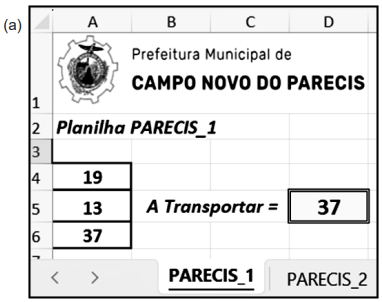
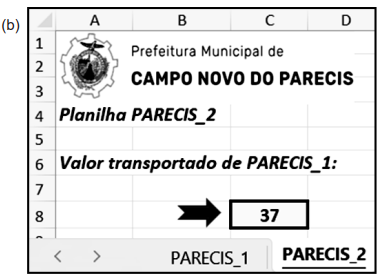
Nesse contexto, as fórmulas inseridas em D5 de PARECIS_1 e
em C8 de PARECIS_2 são, respectivamente:
Estudo da Universidade de Galway confirma que pessoas se sentem mais cansadas após videoconferências
Estudo da Universidade de Galway confirma que pessoas se sentem mais cansadas após videoconferências
Estudo da Universidade de Galway confirma que pessoas se sentem mais cansadas após videoconferências
Estudo da Universidade de Galway confirma que pessoas se sentem mais cansadas após videoconferências
Estudo da Universidade de Galway confirma que pessoas se sentem mais cansadas após videoconferências
Estudo da Universidade de Galway confirma que pessoas se sentem mais cansadas após videoconferências

 Conheça nossos planos