Selecionar segmento
Estude com questões de diferentes segmentos
Atenção: Isso limpará todos os campos já preenchidos no filtro!
Foram encontradas 1.952 questões
Resolva questões gratuitamente!
Junte-se a mais de 4 milhões de concurseiros!


Ano: 2026
Banca:
IV - UFG
Órgão:
Prefeitura de Senador Canedo - GO
Prova:
IV - UFG - 2026 - Prefeitura de Senador Canedo - GO - Professor - Artes |
Q4139604
Legislação dos Municípios do Estado de Goiás
A Lei Orgânica do Município de Senador Canedo orienta a
educação para o pleno desenvolvimento da pessoa, a
convivência comunitária e o acesso aos bens culturais (art.
86; arts. 93 a 97). Considerando essas diretrizes, o ensino
de Arte deve priorizar
Ano: 2026
Banca:
IV - UFG
Órgão:
Prefeitura de Senador Canedo - GO
Prova:
IV - UFG - 2026 - Prefeitura de Senador Canedo - GO - Professor - Artes |
Q4139603
Educação Artística
No campo da formação docente em Artes Visuais, os
fundamentos e metodologias de ensino articulam conteúdos
conceituais, factuais, procedimentais e atitudinais,
orientando para práticas significativas nas relações de
ensinar e aprender. Nessa perspectiva, uma proposta
metodológica alinhada às perspectivas contemporâneas
deve priorizar
Ano: 2026
Banca:
IV - UFG
Órgão:
Prefeitura de Senador Canedo - GO
Prova:
IV - UFG - 2026 - Prefeitura de Senador Canedo - GO - Professor - Artes |
Q4139602
Artes Visuais
Leia o texto a seguir.
Na BNCC, o componente Arte - 6º ao 9º apresenta na unidade temática "Artes Integradas" e no objeto de conhecimento "Arte e tecnologia", a seguinte habilidade: “(EF69AR35) Identificar e manipular diferentes tecnologias e recursos digitais para acessar, apreciar, produzir, registrar e compartilhar práticas e repertórios artísticos, de modo reflexivo, ético e responsável.”
Disponível em: https://basenacionalcomum.mec.gov.br/abase/#fundamental/arte-noensino-fundamental-anos-finais-unidades-tematicas-objetos-deconhecimento-e-habilidades. Acesso em: nov. 2025.
Nessa perspectiva, as relações entre arte e tecnologia promovem a ampliação das formas de criação e do fazer artístico, indicando um movimento de
Na BNCC, o componente Arte - 6º ao 9º apresenta na unidade temática "Artes Integradas" e no objeto de conhecimento "Arte e tecnologia", a seguinte habilidade: “(EF69AR35) Identificar e manipular diferentes tecnologias e recursos digitais para acessar, apreciar, produzir, registrar e compartilhar práticas e repertórios artísticos, de modo reflexivo, ético e responsável.”
Disponível em: https://basenacionalcomum.mec.gov.br/abase/#fundamental/arte-noensino-fundamental-anos-finais-unidades-tematicas-objetos-deconhecimento-e-habilidades. Acesso em: nov. 2025.
Nessa perspectiva, as relações entre arte e tecnologia promovem a ampliação das formas de criação e do fazer artístico, indicando um movimento de
Ano: 2026
Banca:
IV - UFG
Órgão:
Prefeitura de Senador Canedo - GO
Prova:
IV - UFG - 2026 - Prefeitura de Senador Canedo - GO - Professor - Artes |
Q4139601
Educação Artística
Leia o texto a seguir.
No Ensino Fundamental – Anos Finais, é preciso assegurar aos alunos a ampliação de suas interações com manifestações artísticas e culturais nacionais e internacionais, de diferentes épocas e contextos. Essas práticas podem ocupar os mais diversos espaços da escola, espraiando-se para o seu entorno e favorecendo as relações com a comunidade.
Disponível em: https://basenacionalcomum.mec.gov.br/abase/#fundamental/arte-no-ensinofundamental-anos-finais-unidades-tematicas-objetos-de-conhecimento-ehabilidades. Acesso em: nov. 2025.
Com base no trecho apresentado, a dimensão do espaço escolar que está sendo enfatizada é
No Ensino Fundamental – Anos Finais, é preciso assegurar aos alunos a ampliação de suas interações com manifestações artísticas e culturais nacionais e internacionais, de diferentes épocas e contextos. Essas práticas podem ocupar os mais diversos espaços da escola, espraiando-se para o seu entorno e favorecendo as relações com a comunidade.
Disponível em: https://basenacionalcomum.mec.gov.br/abase/#fundamental/arte-no-ensinofundamental-anos-finais-unidades-tematicas-objetos-de-conhecimento-ehabilidades. Acesso em: nov. 2025.
Com base no trecho apresentado, a dimensão do espaço escolar que está sendo enfatizada é
Ano: 2026
Banca:
IV - UFG
Órgão:
Prefeitura de Senador Canedo - GO
Prova:
IV - UFG - 2026 - Prefeitura de Senador Canedo - GO - Professor - Artes |
Q4139600
Pedagogia
A cultura visual propõe aproximar a escola das imagens que
permeiam o cotidiano da comunidade escolar. Essa
aproximação incentiva práticas pedagógicas que
questionam e problematizam os sentidos atribuídos às
imagens, bem como as relações de poder e as disputas
simbólicas presentes nas visualidades contemporâneas.
Nessa perspectiva, espera-se a promoção de posturas
responsáveis diante das imagens que circulam em
diferentes contextos e
Ano: 2026
Banca:
IV - UFG
Órgão:
Prefeitura de Senador Canedo - GO
Prova:
IV - UFG - 2026 - Prefeitura de Senador Canedo - GO - Professor - Artes |
Q4139599
Educação Artística
As visualidades presentes no espaço escolar, como murais,
cartazes, objetos pedagógicos, ambientações, produções
de estudantes e referências culturais cotidianas, constituem
práticas de significação que perpassam o currículo e
influenciam diretamente as formas de aprender e ensinar
Arte. Essas manifestações não se limitam apenas à função
decorativa, mas assumem papel fundamental
Ano: 2026
Banca:
IV - UFG
Órgão:
Prefeitura de Senador Canedo - GO
Prova:
IV - UFG - 2026 - Prefeitura de Senador Canedo - GO - Professor - Artes |
Q4139598
Educação Artística
Nos conteúdos procedimentais da área de artes, cada
processo artístico apresenta modos específicos de
produção ao estabelecer relações particulares com os
recursos expressivos disponíveis. Por exemplo, no campo
das artes visuais, a escolha da técnica utilizada, como a
aquarela em vez do óleo, não é aleatória. Ao optar pela
aquarela, é possível buscar efeitos de transparência que
dialogam com determinada poética ou tradição cultural.
Assim, a seleção do material e do procedimento está
intrinsecamente ligada às intenções
Ano: 2026
Banca:
IV - UFG
Órgão:
Prefeitura de Senador Canedo - GO
Prova:
IV - UFG - 2026 - Prefeitura de Senador Canedo - GO - Professor - Artes |
Q4139597
Artes Plásticas
O tombamento do conjunto arquitetônico da cidade de Goiás
(GO) exemplifica como a proteção legal atua na
preservação do patrimônio cultural. Esse mecanismo
assegura que elementos essenciais da identidade local
permaneçam preservados, permitindo que futuras gerações
tenham acesso a esses bens, que
Ano: 2026
Banca:
IV - UFG
Órgão:
Prefeitura de Senador Canedo - GO
Prova:
IV - UFG - 2026 - Prefeitura de Senador Canedo - GO - Professor - Artes |
Q4139596
Educação Artística
A integração entre o ensino de arte e a educação patrimonial
revela-se essencial para que estudantes e comunidade
reconheçam o valor da preservação de bens culturais,
sejam eles materiais, como edificações históricas, ou
imateriais, como manifestações efêmeras a exemplo do
grafite. Essa convergência evidencia
Ano: 2026
Banca:
IV - UFG
Órgão:
Prefeitura de Senador Canedo - GO
Prova:
IV - UFG - 2026 - Prefeitura de Senador Canedo - GO - Professor - Artes |
Q4139595
Educação Artística
No diálogo entre as poéticas visuais contemporâneas e o
ensino de arte, destaca-se a centralidade dos processos
participativos, sensoriais e investigativos, com ênfase
Ano: 2026
Banca:
IV - UFG
Órgão:
Prefeitura de Senador Canedo - GO
Prova:
IV - UFG - 2026 - Prefeitura de Senador Canedo - GO - Professor - Artes |
Q4139594
Pedagogia
No contexto da ecologia das mídias, o diálogo entre
docentes e discentes pode evidenciar situações que exigem
reflexão crítica. Esses momentos destacam a importância
de observar e compreender os entre-lugares que emergem
nas salas de aula, pois são nesses espaços que se
manifestam discussões sobre questões éticas, teóricas e
práticas. Nessa perspectiva, os entre-lugares configuram
ambientes propícios
Ano: 2026
Banca:
IV - UFG
Órgão:
Prefeitura de Senador Canedo - GO
Prova:
IV - UFG - 2026 - Prefeitura de Senador Canedo - GO - Professor - Artes |
Q4139593
Educação Artística
No cenário das mudanças educacionais ocorridas ao longo
do século XX, destaca-se o Movimento Escolinhas de Arte,
que exerceu influência sobre artistas e educadores ao
propor espaços de criação que valorizavam a liberdade
expressiva e colocavam a criança no centro do processo
pedagógico. As práticas pedagógicas desenvolvidas no
âmbito desse movimento estavam vinculadas aos ideais da
escola
Ano: 2026
Banca:
IV - UFG
Órgão:
Prefeitura de Senador Canedo - GO
Prova:
IV - UFG - 2026 - Prefeitura de Senador Canedo - GO - Professor - Artes |
Q4139592
História
No início do século XX, a Escola de Aprendizes e Artífices,
de responsabilidade do Estado brasileiro, esteve voltada à
formação profissional de
Ano: 2026
Banca:
IV - UFG
Órgão:
Prefeitura de Senador Canedo - GO
Prova:
IV - UFG - 2026 - Prefeitura de Senador Canedo - GO - Professor - Artes |
Q4139591
Artes Visuais
Texto associado
Texto 3
Projeto Cultural “Nossas Raízes” leva tradição Huni Kuî
aos CMEIs de Senador Canedo
Iniciativa valorizou a ancestralidade indígena com
apresentações culturais e distribuição de livros sobre a cultura
Huni Kuî na rede municipal de ensino
Postada em 7 de agosto de 2025
em Secult
O Projeto Cultural “Nossas Raízes” realizou sua estreia em
Senador Canedo no dia 07 de agosto, às 15h, com uma
programação voltada à valorização da cultura indígena. A
iniciativa contou com o apoio da Prefeitura, por meio da
Secretaria Municipal de Esporte, Cultura e Turismo (SECULT).
Criado durante a turnê cultural da Tribo Huni Kuî, o projeto foi
idealizado no contexto da Lei Aldir Blanc e teve seu primeiro
reconhecimento oficial em parceria com o município, por meio
do representante cultural Francenildo Biló da Silva Kaxinawa.
Após a estreia, o projeto seguiu com ações nos Centros
Municipais de Educação Infantil (CMEIs), promovendo
vivências culturais e a doação de livros infantis ilustrativos sobre
a história, os costumes e os saberes do povo Huni Kuî. As
atividades buscaram fortalecer a identidade cultural, promover
o respeito à ancestralidade e ampliar o conhecimento sobre os
povos originários entre as crianças da rede municipal.
A iniciativa reforça o compromisso de Senador Canedo com a
educação e a diversidade cultural, integrando ações que
valorizam os saberes tradicionais e o diálogo entre culturas.
Texto: Bianca Nascimento
Foto: Milenna Medrado
Disponível em: https://senadorcanedo.go.gov.br/projeto-cultural-nossas-raizesleva-tradicao-huni-kui-aos-cmeis-de-senador-canedo/. Acesso em: nov. 2025.
A história e cultura afro-brasileira e indígena são
fundamentais para a formação social, econômica e política
do Brasil, conforme estabelece a Lei nº 11.645/2008. Os
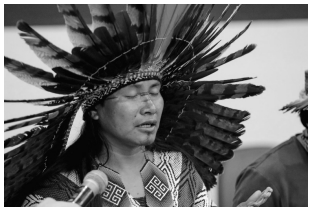
grafismos, como os observados nos acessórios da pessoa
indígena que ilustra a matéria, permeiam o cotidiano
brasileiro, presentes em símbolos africanos conhecidos
como Adinkras, encontrados em grades de ferro, portões,
janelas e outros ornamentos arquitetônicos. O estudo
desses sistemas visuais é relevante, pois comunicam
Ano: 2026
Banca:
IV - UFG
Órgão:
Prefeitura de Senador Canedo - GO
Prova:
IV - UFG - 2026 - Prefeitura de Senador Canedo - GO - Professor - Artes |
Q4139590
Artes Visuais
Texto associado
Texto 3
Projeto Cultural “Nossas Raízes” leva tradição Huni Kuî
aos CMEIs de Senador Canedo
Iniciativa valorizou a ancestralidade indígena com
apresentações culturais e distribuição de livros sobre a cultura
Huni Kuî na rede municipal de ensino
Postada em 7 de agosto de 2025
em Secult
O Projeto Cultural “Nossas Raízes” realizou sua estreia em
Senador Canedo no dia 07 de agosto, às 15h, com uma
programação voltada à valorização da cultura indígena. A
iniciativa contou com o apoio da Prefeitura, por meio da
Secretaria Municipal de Esporte, Cultura e Turismo (SECULT).
Criado durante a turnê cultural da Tribo Huni Kuî, o projeto foi
idealizado no contexto da Lei Aldir Blanc e teve seu primeiro
reconhecimento oficial em parceria com o município, por meio
do representante cultural Francenildo Biló da Silva Kaxinawa.
Após a estreia, o projeto seguiu com ações nos Centros
Municipais de Educação Infantil (CMEIs), promovendo
vivências culturais e a doação de livros infantis ilustrativos sobre
a história, os costumes e os saberes do povo Huni Kuî. As
atividades buscaram fortalecer a identidade cultural, promover
o respeito à ancestralidade e ampliar o conhecimento sobre os
povos originários entre as crianças da rede municipal.
A iniciativa reforça o compromisso de Senador Canedo com a
educação e a diversidade cultural, integrando ações que
valorizam os saberes tradicionais e o diálogo entre culturas.
Texto: Bianca Nascimento
Foto: Milenna Medrado
Disponível em: https://senadorcanedo.go.gov.br/projeto-cultural-nossas-raizesleva-tradicao-huni-kui-aos-cmeis-de-senador-canedo/. Acesso em: nov. 2025.
No campo da arte contemporânea, práticas como pintura
corporal (observadas na imagem que ilustra a matéria),
escariação, perfuração corporal e inclusão de adornos em
lábios, orelhas e nariz, presentes em diferentes povos
originários, encontram correspondência na categoria
denominada
Ano: 2026
Banca:
IV - UFG
Órgão:
Prefeitura de Senador Canedo - GO
Prova:
IV - UFG - 2026 - Prefeitura de Senador Canedo - GO - Professor - Artes |
Q4139589
Educação Artística
Texto associado
Texto 3
Projeto Cultural “Nossas Raízes” leva tradição Huni Kuî
aos CMEIs de Senador Canedo
Iniciativa valorizou a ancestralidade indígena com
apresentações culturais e distribuição de livros sobre a cultura
Huni Kuî na rede municipal de ensino
Postada em 7 de agosto de 2025
em Secult
O Projeto Cultural “Nossas Raízes” realizou sua estreia em
Senador Canedo no dia 07 de agosto, às 15h, com uma
programação voltada à valorização da cultura indígena. A
iniciativa contou com o apoio da Prefeitura, por meio da
Secretaria Municipal de Esporte, Cultura e Turismo (SECULT).
Criado durante a turnê cultural da Tribo Huni Kuî, o projeto foi
idealizado no contexto da Lei Aldir Blanc e teve seu primeiro
reconhecimento oficial em parceria com o município, por meio
do representante cultural Francenildo Biló da Silva Kaxinawa.
Após a estreia, o projeto seguiu com ações nos Centros
Municipais de Educação Infantil (CMEIs), promovendo
vivências culturais e a doação de livros infantis ilustrativos sobre
a história, os costumes e os saberes do povo Huni Kuî. As
atividades buscaram fortalecer a identidade cultural, promover
o respeito à ancestralidade e ampliar o conhecimento sobre os
povos originários entre as crianças da rede municipal.
A iniciativa reforça o compromisso de Senador Canedo com a
educação e a diversidade cultural, integrando ações que
valorizam os saberes tradicionais e o diálogo entre culturas.
Texto: Bianca Nascimento
Foto: Milenna Medrado
Disponível em: https://senadorcanedo.go.gov.br/projeto-cultural-nossas-raizesleva-tradicao-huni-kui-aos-cmeis-de-senador-canedo/. Acesso em: nov. 2025.
No que se refere ao cocar que ornamenta a pessoa
indígena, ele é uma produção de
Ano: 2026
Banca:
IV - UFG
Órgão:
Prefeitura de Senador Canedo - GO
Prova:
IV - UFG - 2026 - Prefeitura de Senador Canedo - GO - Professor - Artes |
Q4139588
Artes Visuais
A tradição da Folia de Reis se destaca por performances que
reúnem canto, música, dança e trajes típicos. O cortejo é
liderado por uma bandeira, elemento central que reúne
imagens sacras, ex-votos, fitas coloridas e ornamentos
variados. Essa composição visual e simbólica tem como
principal referência estética o
Ano: 2026
Banca:
IV - UFG
Órgão:
Prefeitura de Senador Canedo - GO
Prova:
IV - UFG - 2026 - Prefeitura de Senador Canedo - GO - Professor - Artes |
Q4139587
Educação Artística
A cidade de Goiânia, capital de Goiás, possui um importante
conjunto arquitetônico Art Déco. Suas construções
destacam-se pelas linhas geométricas, ritmos verticais e
formas estilizadas. Tais características contrastam com as
linhas orgânicas, curvas assimétricas e forte ornamentação
próprias do
Ano: 2026
Banca:
IV - UFG
Órgão:
Prefeitura de Senador Canedo - GO
Prova:
IV - UFG - 2026 - Prefeitura de Senador Canedo - GO - Professor - Artes |
Q4139586
História
Na tradição medieval cristã oriental, a produção de
mosaicos figura como forma significativa de expressão
artística. Esses mosaicos são caracterizados pelo uso
expressivo de cores, frontalidade das figuras e hierarquia
simbólica rigorosa, enfatizando a centralidade dos temas
religiosos. Essa abordagem tem como principal referência a
arte
Ano: 2026
Banca:
IV - UFG
Órgão:
Prefeitura de Senador Canedo - GO
Prova:
IV - UFG - 2026 - Prefeitura de Senador Canedo - GO - Professor - Artes |
Q4139585
Educação Artística
A pintura renascentista, desenvolvida em um contexto de
resgate dos valores humanistas e do conhecimento racional,
destaca-se, do ponto de vista formal, pela predominância da
característica linear, ou seja, o uso da linha, em oposição à
técnica pictórica, que privilegia a mancha. Essa
característica também pode ser observada no

 Conheça nossos planos