Foram encontradas 688 questões
Resolva questões gratuitamente!
Junte-se a mais de 4 milhões de concurseiros!


According to the fourth paragraph, Kate quit studying chemistry.
The verb QUIT in this context means:
When Kate was in high school, she was good at:
I. Estimular a formulação, no âmbito federal, estadual e municipal, de programas governamentais destinados a assegurar a igualdade de direitos em todos os níveis, incluindo saúde, educação e treinamento profissional, trabalho, segurança social, propriedade e crédito rural, cultura, política e justiça. II. Incentivar a capacitação dos professores do ensino fundamental e médio para a aplicação dos Parâmetros Curriculares Nacionais - PCN no que se refere às questões de promoção da igualdade de gênero e de com bate à discriminação contra a mulher. III. Apoiar programas de capacitação de profissionais de educação, policiais, juízes e operadores do direito em geral para promover a compreensão e a consciência ética sobre as diferenças individuais e a eliminação dos estereótipos depreciativos com relação aos LGBT. IV. Evitar programas de orientação familiar e escolar para a resolução de conflitos relacionados à livre orientação sexual, a fim de não interferir no projeto educativo e ideológico das famílias.
Está correto apenas o que se afirma em:
Texto 07
Zygmunt Bauman, o pensador da
modernidade liquida
Na época atual, o ritmo incessante das
transformações gera angústias e incertezas e dá
lugar a uma nova lógica, pautada pelo
individualismo e pelo consumo
“Fluidez é a qualidade de líquidos e gases. (...) Os líquidos, diferentemente dos sólidos, não mantêm sua forma com facilidade. (...) Os fluidos se movem facilmente. Eles “fluem", “escorrem", “ esvaem-se”, “respingam”, “transbordam", “vazam”, “inundam" (...) Essas são razões para considerar “fluidez" ou “liquidez” como metáforas adequadas quando queremos captar a natureza da presente fase (...) na história da humanidade.
’’ O trecho acima faz parte do prefácio de Modernidade Líquida, uma das principais obras do polonês Zygmunt Bauman (1925-), professor emérito das universidades de Leeds (Inglaterra) e Varsóvia (Polônia) e um dos mais importantes sociólogos da atualidade. Com um olhar simples e crítico, Bauman lança um olhar crítico para as transformações sociais e econômicas trazidas pelo capitalismo globalizado.
Conceito central do pensamento do autor, a "modernidade líquida” seria o momento histórico que vivemos atualmente, em que as instituições, as ideias e as relações estabelecidas entre as pessoas se transformam de maneira muito rápida e imprevisível: “Tudo é temporário, a modernidade (...)- tal como os líquidos - caracteriza-se pela incapacidade de manter a forma".
Para melhor compreender a modernidade líquida, é preciso voltar ao período que a antecedeu, chamado por Bauman de modernidade sólida, que está associada aos conceitos de comunidade e laços de identificação entre as pessoas, que trazem a ideia de perenidade e a sensação de segurança. Na era sólida, os valores se transformavam em ritmo lento e previsível. Assim, tínhamos algumas certezas e a sensação de controle sobre o mundo - sobre a natureza, a tecnologia, a economia, por exemplo.
Alguns acontecimentos da segunda metade do século XX, como a instabilidade econômica mundial, o surgimento de novas tecnologias e a globalização, contribuíram para a perda da ideia de controle sobre os processos do mundo, trazendo incertezas quanto a nossa capacidade de nos adequar aos novos padrões sociais, que se liquefazem e mudam constantemente. Nessa passagem do mundo sólido ao líquido, Bauman chama atenção para a liquefação das formas sociais: o trabalho, a família, o engajamento político, o amor, a amizade e, por fim, a própria identidade. Essa situação produz angústia, ansiedade constante e o medo líquido: temor do desemprego, da violência, do terrorismo, de ficar para trás, de não se encaixar nesse novo mundo, que muda num ritmo hiperveloz. Assim, duas das características da modernidade líquida são a substituição da ideia de coletividade e de solidariedade pelo individualismo; e a transformação do cidadão em consumidor. Nesse contexto, as relações afetivas se dão por meio de laços momentâneos e volúveis e se tornam superficiais e pouco seguras (amor líquido). No lugar da vida em comunidade e do contato próximo e pessoal privilegiam-se as chamadas conexões, relações interpessoais que podem ser desfeitas com a mesma facilidade com que são estabelecidas, assim como mercadorias que podem ser adquiridas e descartadas . Exemplos disso seriam os relacionamentos virtuais em redes.
A modernidade líquida, no entanto, não se confunde com a pós-modernidade, conceito do qual Bauman é crítico. De acordo com ele, não há pós-modernidade (no sentido de ruptura ou separação), mas sim uma continuação da modernidade (o núcleo capitalista se mantém) com uma lógica diferente - a fixidez da época anterior é substituída pela volatilidade, sob o domínio do imediato, do individualismo e do consumo.
Fonte: Revista Guia do Estudante, Atualidades, ed.23, Editora Abril. 1 “semestre 2016
Na frase, O trecho acima faz parte do PREFÁCIO de Modernidade Líquida, uma das principais obras do polonês Zygmunt Bauman (1925-), professor emérito das universidades de Leeds (Inglaterra) e Varsóvia (Polônia) e um dos mais importantes sociólogos da atualidade [...]
O termo destacado pode ser substituído, sem alteração de sentido, por:
Texto 07
Zygmunt Bauman, o pensador da
modernidade liquida
Na época atual, o ritmo incessante das
transformações gera angústias e incertezas e dá
lugar a uma nova lógica, pautada pelo
individualismo e pelo consumo
“Fluidez é a qualidade de líquidos e gases. (...) Os líquidos, diferentemente dos sólidos, não mantêm sua forma com facilidade. (...) Os fluidos se movem facilmente. Eles “fluem", “escorrem", “ esvaem-se”, “respingam”, “transbordam", “vazam”, “inundam" (...) Essas são razões para considerar “fluidez" ou “liquidez” como metáforas adequadas quando queremos captar a natureza da presente fase (...) na história da humanidade.
’’ O trecho acima faz parte do prefácio de Modernidade Líquida, uma das principais obras do polonês Zygmunt Bauman (1925-), professor emérito das universidades de Leeds (Inglaterra) e Varsóvia (Polônia) e um dos mais importantes sociólogos da atualidade. Com um olhar simples e crítico, Bauman lança um olhar crítico para as transformações sociais e econômicas trazidas pelo capitalismo globalizado.
Conceito central do pensamento do autor, a "modernidade líquida” seria o momento histórico que vivemos atualmente, em que as instituições, as ideias e as relações estabelecidas entre as pessoas se transformam de maneira muito rápida e imprevisível: “Tudo é temporário, a modernidade (...)- tal como os líquidos - caracteriza-se pela incapacidade de manter a forma".
Para melhor compreender a modernidade líquida, é preciso voltar ao período que a antecedeu, chamado por Bauman de modernidade sólida, que está associada aos conceitos de comunidade e laços de identificação entre as pessoas, que trazem a ideia de perenidade e a sensação de segurança. Na era sólida, os valores se transformavam em ritmo lento e previsível. Assim, tínhamos algumas certezas e a sensação de controle sobre o mundo - sobre a natureza, a tecnologia, a economia, por exemplo.
Alguns acontecimentos da segunda metade do século XX, como a instabilidade econômica mundial, o surgimento de novas tecnologias e a globalização, contribuíram para a perda da ideia de controle sobre os processos do mundo, trazendo incertezas quanto a nossa capacidade de nos adequar aos novos padrões sociais, que se liquefazem e mudam constantemente. Nessa passagem do mundo sólido ao líquido, Bauman chama atenção para a liquefação das formas sociais: o trabalho, a família, o engajamento político, o amor, a amizade e, por fim, a própria identidade. Essa situação produz angústia, ansiedade constante e o medo líquido: temor do desemprego, da violência, do terrorismo, de ficar para trás, de não se encaixar nesse novo mundo, que muda num ritmo hiperveloz. Assim, duas das características da modernidade líquida são a substituição da ideia de coletividade e de solidariedade pelo individualismo; e a transformação do cidadão em consumidor. Nesse contexto, as relações afetivas se dão por meio de laços momentâneos e volúveis e se tornam superficiais e pouco seguras (amor líquido). No lugar da vida em comunidade e do contato próximo e pessoal privilegiam-se as chamadas conexões, relações interpessoais que podem ser desfeitas com a mesma facilidade com que são estabelecidas, assim como mercadorias que podem ser adquiridas e descartadas . Exemplos disso seriam os relacionamentos virtuais em redes.
A modernidade líquida, no entanto, não se confunde com a pós-modernidade, conceito do qual Bauman é crítico. De acordo com ele, não há pós-modernidade (no sentido de ruptura ou separação), mas sim uma continuação da modernidade (o núcleo capitalista se mantém) com uma lógica diferente - a fixidez da época anterior é substituída pela volatilidade, sob o domínio do imediato, do individualismo e do consumo.
Fonte: Revista Guia do Estudante, Atualidades, ed.23, Editora Abril. 1 “semestre 2016
O difícil é TRANSFORMAR esse potencial em algo prático, um produto útil e simples de usar.
Quanto à predicação do verbo em destaque, assinale a alternativa que NÃO corresponde à sua classificação correta:
Texto 07
Zygmunt Bauman, o pensador da
modernidade liquida
Na época atual, o ritmo incessante das
transformações gera angústias e incertezas e dá
lugar a uma nova lógica, pautada pelo
individualismo e pelo consumo
“Fluidez é a qualidade de líquidos e gases. (...) Os líquidos, diferentemente dos sólidos, não mantêm sua forma com facilidade. (...) Os fluidos se movem facilmente. Eles “fluem", “escorrem", “ esvaem-se”, “respingam”, “transbordam", “vazam”, “inundam" (...) Essas são razões para considerar “fluidez" ou “liquidez” como metáforas adequadas quando queremos captar a natureza da presente fase (...) na história da humanidade.
’’ O trecho acima faz parte do prefácio de Modernidade Líquida, uma das principais obras do polonês Zygmunt Bauman (1925-), professor emérito das universidades de Leeds (Inglaterra) e Varsóvia (Polônia) e um dos mais importantes sociólogos da atualidade. Com um olhar simples e crítico, Bauman lança um olhar crítico para as transformações sociais e econômicas trazidas pelo capitalismo globalizado.
Conceito central do pensamento do autor, a "modernidade líquida” seria o momento histórico que vivemos atualmente, em que as instituições, as ideias e as relações estabelecidas entre as pessoas se transformam de maneira muito rápida e imprevisível: “Tudo é temporário, a modernidade (...)- tal como os líquidos - caracteriza-se pela incapacidade de manter a forma".
Para melhor compreender a modernidade líquida, é preciso voltar ao período que a antecedeu, chamado por Bauman de modernidade sólida, que está associada aos conceitos de comunidade e laços de identificação entre as pessoas, que trazem a ideia de perenidade e a sensação de segurança. Na era sólida, os valores se transformavam em ritmo lento e previsível. Assim, tínhamos algumas certezas e a sensação de controle sobre o mundo - sobre a natureza, a tecnologia, a economia, por exemplo.
Alguns acontecimentos da segunda metade do século XX, como a instabilidade econômica mundial, o surgimento de novas tecnologias e a globalização, contribuíram para a perda da ideia de controle sobre os processos do mundo, trazendo incertezas quanto a nossa capacidade de nos adequar aos novos padrões sociais, que se liquefazem e mudam constantemente. Nessa passagem do mundo sólido ao líquido, Bauman chama atenção para a liquefação das formas sociais: o trabalho, a família, o engajamento político, o amor, a amizade e, por fim, a própria identidade. Essa situação produz angústia, ansiedade constante e o medo líquido: temor do desemprego, da violência, do terrorismo, de ficar para trás, de não se encaixar nesse novo mundo, que muda num ritmo hiperveloz. Assim, duas das características da modernidade líquida são a substituição da ideia de coletividade e de solidariedade pelo individualismo; e a transformação do cidadão em consumidor. Nesse contexto, as relações afetivas se dão por meio de laços momentâneos e volúveis e se tornam superficiais e pouco seguras (amor líquido). No lugar da vida em comunidade e do contato próximo e pessoal privilegiam-se as chamadas conexões, relações interpessoais que podem ser desfeitas com a mesma facilidade com que são estabelecidas, assim como mercadorias que podem ser adquiridas e descartadas . Exemplos disso seriam os relacionamentos virtuais em redes.
A modernidade líquida, no entanto, não se confunde com a pós-modernidade, conceito do qual Bauman é crítico. De acordo com ele, não há pós-modernidade (no sentido de ruptura ou separação), mas sim uma continuação da modernidade (o núcleo capitalista se mantém) com uma lógica diferente - a fixidez da época anterior é substituída pela volatilidade, sob o domínio do imediato, do individualismo e do consumo.
Fonte: Revista Guia do Estudante, Atualidades, ed.23, Editora Abril. 1 “semestre 2016
“O resultado SERIAum aplicativo”, diz Jó Ueyama, da USP. “Entre outras coisas, AJUDARIA a prevenir doenças ligadas ao estresse.”
A forma verbal em destaque, nos dois casos, apresenta a noção aspectual de ação:
Texto 07
Zygmunt Bauman, o pensador da
modernidade liquida
Na época atual, o ritmo incessante das
transformações gera angústias e incertezas e dá
lugar a uma nova lógica, pautada pelo
individualismo e pelo consumo
“Fluidez é a qualidade de líquidos e gases. (...) Os líquidos, diferentemente dos sólidos, não mantêm sua forma com facilidade. (...) Os fluidos se movem facilmente. Eles “fluem", “escorrem", “ esvaem-se”, “respingam”, “transbordam", “vazam”, “inundam" (...) Essas são razões para considerar “fluidez" ou “liquidez” como metáforas adequadas quando queremos captar a natureza da presente fase (...) na história da humanidade.
’’ O trecho acima faz parte do prefácio de Modernidade Líquida, uma das principais obras do polonês Zygmunt Bauman (1925-), professor emérito das universidades de Leeds (Inglaterra) e Varsóvia (Polônia) e um dos mais importantes sociólogos da atualidade. Com um olhar simples e crítico, Bauman lança um olhar crítico para as transformações sociais e econômicas trazidas pelo capitalismo globalizado.
Conceito central do pensamento do autor, a "modernidade líquida” seria o momento histórico que vivemos atualmente, em que as instituições, as ideias e as relações estabelecidas entre as pessoas se transformam de maneira muito rápida e imprevisível: “Tudo é temporário, a modernidade (...)- tal como os líquidos - caracteriza-se pela incapacidade de manter a forma".
Para melhor compreender a modernidade líquida, é preciso voltar ao período que a antecedeu, chamado por Bauman de modernidade sólida, que está associada aos conceitos de comunidade e laços de identificação entre as pessoas, que trazem a ideia de perenidade e a sensação de segurança. Na era sólida, os valores se transformavam em ritmo lento e previsível. Assim, tínhamos algumas certezas e a sensação de controle sobre o mundo - sobre a natureza, a tecnologia, a economia, por exemplo.
Alguns acontecimentos da segunda metade do século XX, como a instabilidade econômica mundial, o surgimento de novas tecnologias e a globalização, contribuíram para a perda da ideia de controle sobre os processos do mundo, trazendo incertezas quanto a nossa capacidade de nos adequar aos novos padrões sociais, que se liquefazem e mudam constantemente. Nessa passagem do mundo sólido ao líquido, Bauman chama atenção para a liquefação das formas sociais: o trabalho, a família, o engajamento político, o amor, a amizade e, por fim, a própria identidade. Essa situação produz angústia, ansiedade constante e o medo líquido: temor do desemprego, da violência, do terrorismo, de ficar para trás, de não se encaixar nesse novo mundo, que muda num ritmo hiperveloz. Assim, duas das características da modernidade líquida são a substituição da ideia de coletividade e de solidariedade pelo individualismo; e a transformação do cidadão em consumidor. Nesse contexto, as relações afetivas se dão por meio de laços momentâneos e volúveis e se tornam superficiais e pouco seguras (amor líquido). No lugar da vida em comunidade e do contato próximo e pessoal privilegiam-se as chamadas conexões, relações interpessoais que podem ser desfeitas com a mesma facilidade com que são estabelecidas, assim como mercadorias que podem ser adquiridas e descartadas . Exemplos disso seriam os relacionamentos virtuais em redes.
A modernidade líquida, no entanto, não se confunde com a pós-modernidade, conceito do qual Bauman é crítico. De acordo com ele, não há pós-modernidade (no sentido de ruptura ou separação), mas sim uma continuação da modernidade (o núcleo capitalista se mantém) com uma lógica diferente - a fixidez da época anterior é substituída pela volatilidade, sob o domínio do imediato, do individualismo e do consumo.
Fonte: Revista Guia do Estudante, Atualidades, ed.23, Editora Abril. 1 “semestre 2016
Texto 07
Zygmunt Bauman, o pensador da
modernidade liquida
Na época atual, o ritmo incessante das
transformações gera angústias e incertezas e dá
lugar a uma nova lógica, pautada pelo
individualismo e pelo consumo
“Fluidez é a qualidade de líquidos e gases. (...) Os líquidos, diferentemente dos sólidos, não mantêm sua forma com facilidade. (...) Os fluidos se movem facilmente. Eles “fluem", “escorrem", “ esvaem-se”, “respingam”, “transbordam", “vazam”, “inundam" (...) Essas são razões para considerar “fluidez" ou “liquidez” como metáforas adequadas quando queremos captar a natureza da presente fase (...) na história da humanidade.
’’ O trecho acima faz parte do prefácio de Modernidade Líquida, uma das principais obras do polonês Zygmunt Bauman (1925-), professor emérito das universidades de Leeds (Inglaterra) e Varsóvia (Polônia) e um dos mais importantes sociólogos da atualidade. Com um olhar simples e crítico, Bauman lança um olhar crítico para as transformações sociais e econômicas trazidas pelo capitalismo globalizado.
Conceito central do pensamento do autor, a "modernidade líquida” seria o momento histórico que vivemos atualmente, em que as instituições, as ideias e as relações estabelecidas entre as pessoas se transformam de maneira muito rápida e imprevisível: “Tudo é temporário, a modernidade (...)- tal como os líquidos - caracteriza-se pela incapacidade de manter a forma".
Para melhor compreender a modernidade líquida, é preciso voltar ao período que a antecedeu, chamado por Bauman de modernidade sólida, que está associada aos conceitos de comunidade e laços de identificação entre as pessoas, que trazem a ideia de perenidade e a sensação de segurança. Na era sólida, os valores se transformavam em ritmo lento e previsível. Assim, tínhamos algumas certezas e a sensação de controle sobre o mundo - sobre a natureza, a tecnologia, a economia, por exemplo.
Alguns acontecimentos da segunda metade do século XX, como a instabilidade econômica mundial, o surgimento de novas tecnologias e a globalização, contribuíram para a perda da ideia de controle sobre os processos do mundo, trazendo incertezas quanto a nossa capacidade de nos adequar aos novos padrões sociais, que se liquefazem e mudam constantemente. Nessa passagem do mundo sólido ao líquido, Bauman chama atenção para a liquefação das formas sociais: o trabalho, a família, o engajamento político, o amor, a amizade e, por fim, a própria identidade. Essa situação produz angústia, ansiedade constante e o medo líquido: temor do desemprego, da violência, do terrorismo, de ficar para trás, de não se encaixar nesse novo mundo, que muda num ritmo hiperveloz. Assim, duas das características da modernidade líquida são a substituição da ideia de coletividade e de solidariedade pelo individualismo; e a transformação do cidadão em consumidor. Nesse contexto, as relações afetivas se dão por meio de laços momentâneos e volúveis e se tornam superficiais e pouco seguras (amor líquido). No lugar da vida em comunidade e do contato próximo e pessoal privilegiam-se as chamadas conexões, relações interpessoais que podem ser desfeitas com a mesma facilidade com que são estabelecidas, assim como mercadorias que podem ser adquiridas e descartadas . Exemplos disso seriam os relacionamentos virtuais em redes.
A modernidade líquida, no entanto, não se confunde com a pós-modernidade, conceito do qual Bauman é crítico. De acordo com ele, não há pós-modernidade (no sentido de ruptura ou separação), mas sim uma continuação da modernidade (o núcleo capitalista se mantém) com uma lógica diferente - a fixidez da época anterior é substituída pela volatilidade, sob o domínio do imediato, do individualismo e do consumo.
Fonte: Revista Guia do Estudante, Atualidades, ed.23, Editora Abril. 1 “semestre 2016
A realidade humana é QUE talvez seja meio engraçada. A partir de 1960, o movimento da contracultura ensinou às grandes multinacionais e agências de publicidade QUE dava lucro desenvolver e disseminar entre as pessoas a noção de individualismo como um estilo de vida.
Sobre a partícula QUE, em destaque nos dois trechos, pode-se afirmar que:
Texto 07
Zygmunt Bauman, o pensador da
modernidade liquida
Na época atual, o ritmo incessante das
transformações gera angústias e incertezas e dá
lugar a uma nova lógica, pautada pelo
individualismo e pelo consumo
“Fluidez é a qualidade de líquidos e gases. (...) Os líquidos, diferentemente dos sólidos, não mantêm sua forma com facilidade. (...) Os fluidos se movem facilmente. Eles “fluem", “escorrem", “ esvaem-se”, “respingam”, “transbordam", “vazam”, “inundam" (...) Essas são razões para considerar “fluidez" ou “liquidez” como metáforas adequadas quando queremos captar a natureza da presente fase (...) na história da humanidade.
’’ O trecho acima faz parte do prefácio de Modernidade Líquida, uma das principais obras do polonês Zygmunt Bauman (1925-), professor emérito das universidades de Leeds (Inglaterra) e Varsóvia (Polônia) e um dos mais importantes sociólogos da atualidade. Com um olhar simples e crítico, Bauman lança um olhar crítico para as transformações sociais e econômicas trazidas pelo capitalismo globalizado.
Conceito central do pensamento do autor, a "modernidade líquida” seria o momento histórico que vivemos atualmente, em que as instituições, as ideias e as relações estabelecidas entre as pessoas se transformam de maneira muito rápida e imprevisível: “Tudo é temporário, a modernidade (...)- tal como os líquidos - caracteriza-se pela incapacidade de manter a forma".
Para melhor compreender a modernidade líquida, é preciso voltar ao período que a antecedeu, chamado por Bauman de modernidade sólida, que está associada aos conceitos de comunidade e laços de identificação entre as pessoas, que trazem a ideia de perenidade e a sensação de segurança. Na era sólida, os valores se transformavam em ritmo lento e previsível. Assim, tínhamos algumas certezas e a sensação de controle sobre o mundo - sobre a natureza, a tecnologia, a economia, por exemplo.
Alguns acontecimentos da segunda metade do século XX, como a instabilidade econômica mundial, o surgimento de novas tecnologias e a globalização, contribuíram para a perda da ideia de controle sobre os processos do mundo, trazendo incertezas quanto a nossa capacidade de nos adequar aos novos padrões sociais, que se liquefazem e mudam constantemente. Nessa passagem do mundo sólido ao líquido, Bauman chama atenção para a liquefação das formas sociais: o trabalho, a família, o engajamento político, o amor, a amizade e, por fim, a própria identidade. Essa situação produz angústia, ansiedade constante e o medo líquido: temor do desemprego, da violência, do terrorismo, de ficar para trás, de não se encaixar nesse novo mundo, que muda num ritmo hiperveloz. Assim, duas das características da modernidade líquida são a substituição da ideia de coletividade e de solidariedade pelo individualismo; e a transformação do cidadão em consumidor. Nesse contexto, as relações afetivas se dão por meio de laços momentâneos e volúveis e se tornam superficiais e pouco seguras (amor líquido). No lugar da vida em comunidade e do contato próximo e pessoal privilegiam-se as chamadas conexões, relações interpessoais que podem ser desfeitas com a mesma facilidade com que são estabelecidas, assim como mercadorias que podem ser adquiridas e descartadas . Exemplos disso seriam os relacionamentos virtuais em redes.
A modernidade líquida, no entanto, não se confunde com a pós-modernidade, conceito do qual Bauman é crítico. De acordo com ele, não há pós-modernidade (no sentido de ruptura ou separação), mas sim uma continuação da modernidade (o núcleo capitalista se mantém) com uma lógica diferente - a fixidez da época anterior é substituída pela volatilidade, sob o domínio do imediato, do individualismo e do consumo.
Fonte: Revista Guia do Estudante, Atualidades, ed.23, Editora Abril. 1 “semestre 2016
Era cômico, mas eficiente: A VENDA DE CARROS AUMENTAVA.
As redes sociais como Facebook, Instagram, Twitter e Tumblr só querem uma única coisa de nós: QUE AS UTILIZEM OS CADA VEZ MAIS, QUE AS TORNEMOS UMA PARTE INDISPENSÁVEL DE NOSSA VIDA.
Os trechos destacados acima apresentam um traço comum: o fato de ocorrerem após o mesmo sinal gráfico. No entanto, veiculam ideias distintas, o que permite a afirmação de que, nos trechos:
Texto 07
Zygmunt Bauman, o pensador da
modernidade liquida
Na época atual, o ritmo incessante das
transformações gera angústias e incertezas e dá
lugar a uma nova lógica, pautada pelo
individualismo e pelo consumo
“Fluidez é a qualidade de líquidos e gases. (...) Os líquidos, diferentemente dos sólidos, não mantêm sua forma com facilidade. (...) Os fluidos se movem facilmente. Eles “fluem", “escorrem", “ esvaem-se”, “respingam”, “transbordam", “vazam”, “inundam" (...) Essas são razões para considerar “fluidez" ou “liquidez” como metáforas adequadas quando queremos captar a natureza da presente fase (...) na história da humanidade.
’’ O trecho acima faz parte do prefácio de Modernidade Líquida, uma das principais obras do polonês Zygmunt Bauman (1925-), professor emérito das universidades de Leeds (Inglaterra) e Varsóvia (Polônia) e um dos mais importantes sociólogos da atualidade. Com um olhar simples e crítico, Bauman lança um olhar crítico para as transformações sociais e econômicas trazidas pelo capitalismo globalizado.
Conceito central do pensamento do autor, a "modernidade líquida” seria o momento histórico que vivemos atualmente, em que as instituições, as ideias e as relações estabelecidas entre as pessoas se transformam de maneira muito rápida e imprevisível: “Tudo é temporário, a modernidade (...)- tal como os líquidos - caracteriza-se pela incapacidade de manter a forma".
Para melhor compreender a modernidade líquida, é preciso voltar ao período que a antecedeu, chamado por Bauman de modernidade sólida, que está associada aos conceitos de comunidade e laços de identificação entre as pessoas, que trazem a ideia de perenidade e a sensação de segurança. Na era sólida, os valores se transformavam em ritmo lento e previsível. Assim, tínhamos algumas certezas e a sensação de controle sobre o mundo - sobre a natureza, a tecnologia, a economia, por exemplo.
Alguns acontecimentos da segunda metade do século XX, como a instabilidade econômica mundial, o surgimento de novas tecnologias e a globalização, contribuíram para a perda da ideia de controle sobre os processos do mundo, trazendo incertezas quanto a nossa capacidade de nos adequar aos novos padrões sociais, que se liquefazem e mudam constantemente. Nessa passagem do mundo sólido ao líquido, Bauman chama atenção para a liquefação das formas sociais: o trabalho, a família, o engajamento político, o amor, a amizade e, por fim, a própria identidade. Essa situação produz angústia, ansiedade constante e o medo líquido: temor do desemprego, da violência, do terrorismo, de ficar para trás, de não se encaixar nesse novo mundo, que muda num ritmo hiperveloz. Assim, duas das características da modernidade líquida são a substituição da ideia de coletividade e de solidariedade pelo individualismo; e a transformação do cidadão em consumidor. Nesse contexto, as relações afetivas se dão por meio de laços momentâneos e volúveis e se tornam superficiais e pouco seguras (amor líquido). No lugar da vida em comunidade e do contato próximo e pessoal privilegiam-se as chamadas conexões, relações interpessoais que podem ser desfeitas com a mesma facilidade com que são estabelecidas, assim como mercadorias que podem ser adquiridas e descartadas . Exemplos disso seriam os relacionamentos virtuais em redes.
A modernidade líquida, no entanto, não se confunde com a pós-modernidade, conceito do qual Bauman é crítico. De acordo com ele, não há pós-modernidade (no sentido de ruptura ou separação), mas sim uma continuação da modernidade (o núcleo capitalista se mantém) com uma lógica diferente - a fixidez da época anterior é substituída pela volatilidade, sob o domínio do imediato, do individualismo e do consumo.
Fonte: Revista Guia do Estudante, Atualidades, ed.23, Editora Abril. 1 “semestre 2016
A colocação pronominal proclítica é, em alguns casos, motivada; em outros, pode ser considerada opcional. A partir da análise do pronome nos fragmentos a seguir, assinale a alternativa correta:
1. “Essa situação produz angústia, ansiedade constante e o medo líquido: temor do desemprego, da violência, do terrorismo, de ficar para trás, de não SE encaixar nesse novo mundo, que muda num ritmo hiperveloz.”
2. “Na era sólida, os valores SE transformavam em ritmo lento e previsível."
3. “Tudo é temporário, a modernidade (...) - tal como os líquidos - caracteriza-SE pela incapacidade de manter a forma”.
Texto 07
Zygmunt Bauman, o pensador da
modernidade liquida
Na época atual, o ritmo incessante das
transformações gera angústias e incertezas e dá
lugar a uma nova lógica, pautada pelo
individualismo e pelo consumo
“Fluidez é a qualidade de líquidos e gases. (...) Os líquidos, diferentemente dos sólidos, não mantêm sua forma com facilidade. (...) Os fluidos se movem facilmente. Eles “fluem", “escorrem", “ esvaem-se”, “respingam”, “transbordam", “vazam”, “inundam" (...) Essas são razões para considerar “fluidez" ou “liquidez” como metáforas adequadas quando queremos captar a natureza da presente fase (...) na história da humanidade.
’’ O trecho acima faz parte do prefácio de Modernidade Líquida, uma das principais obras do polonês Zygmunt Bauman (1925-), professor emérito das universidades de Leeds (Inglaterra) e Varsóvia (Polônia) e um dos mais importantes sociólogos da atualidade. Com um olhar simples e crítico, Bauman lança um olhar crítico para as transformações sociais e econômicas trazidas pelo capitalismo globalizado.
Conceito central do pensamento do autor, a "modernidade líquida” seria o momento histórico que vivemos atualmente, em que as instituições, as ideias e as relações estabelecidas entre as pessoas se transformam de maneira muito rápida e imprevisível: “Tudo é temporário, a modernidade (...)- tal como os líquidos - caracteriza-se pela incapacidade de manter a forma".
Para melhor compreender a modernidade líquida, é preciso voltar ao período que a antecedeu, chamado por Bauman de modernidade sólida, que está associada aos conceitos de comunidade e laços de identificação entre as pessoas, que trazem a ideia de perenidade e a sensação de segurança. Na era sólida, os valores se transformavam em ritmo lento e previsível. Assim, tínhamos algumas certezas e a sensação de controle sobre o mundo - sobre a natureza, a tecnologia, a economia, por exemplo.
Alguns acontecimentos da segunda metade do século XX, como a instabilidade econômica mundial, o surgimento de novas tecnologias e a globalização, contribuíram para a perda da ideia de controle sobre os processos do mundo, trazendo incertezas quanto a nossa capacidade de nos adequar aos novos padrões sociais, que se liquefazem e mudam constantemente. Nessa passagem do mundo sólido ao líquido, Bauman chama atenção para a liquefação das formas sociais: o trabalho, a família, o engajamento político, o amor, a amizade e, por fim, a própria identidade. Essa situação produz angústia, ansiedade constante e o medo líquido: temor do desemprego, da violência, do terrorismo, de ficar para trás, de não se encaixar nesse novo mundo, que muda num ritmo hiperveloz. Assim, duas das características da modernidade líquida são a substituição da ideia de coletividade e de solidariedade pelo individualismo; e a transformação do cidadão em consumidor. Nesse contexto, as relações afetivas se dão por meio de laços momentâneos e volúveis e se tornam superficiais e pouco seguras (amor líquido). No lugar da vida em comunidade e do contato próximo e pessoal privilegiam-se as chamadas conexões, relações interpessoais que podem ser desfeitas com a mesma facilidade com que são estabelecidas, assim como mercadorias que podem ser adquiridas e descartadas . Exemplos disso seriam os relacionamentos virtuais em redes.
A modernidade líquida, no entanto, não se confunde com a pós-modernidade, conceito do qual Bauman é crítico. De acordo com ele, não há pós-modernidade (no sentido de ruptura ou separação), mas sim uma continuação da modernidade (o núcleo capitalista se mantém) com uma lógica diferente - a fixidez da época anterior é substituída pela volatilidade, sob o domínio do imediato, do individualismo e do consumo.
Fonte: Revista Guia do Estudante, Atualidades, ed.23, Editora Abril. 1 “semestre 2016
"Para melhor compreender a modernidade líquida, é preciso voltar ao período QUE A ANTECEDEU, chamado por Bauman de modernidade sólida, QUE ESTÁ A S S O C IA D A AOS C O N C EITO S DE COMUNIDADE E LAÇOS DE IDENTIFICAÇÃO ENTRE AS PESSOAS, que trazem a ideia de perenidade e a sensação de segurança.”
Na sequência em destaque, o autor busca atribuir um sentido para a palavra história por meio dos trechos destacados. Esses trechos apresentam, em relação ao termo antecedente, na sequência textual, uma formulação do seguinte tipo:
Texto 07
Zygmunt Bauman, o pensador da
modernidade liquida
Na época atual, o ritmo incessante das
transformações gera angústias e incertezas e dá
lugar a uma nova lógica, pautada pelo
individualismo e pelo consumo
“Fluidez é a qualidade de líquidos e gases. (...) Os líquidos, diferentemente dos sólidos, não mantêm sua forma com facilidade. (...) Os fluidos se movem facilmente. Eles “fluem", “escorrem", “ esvaem-se”, “respingam”, “transbordam", “vazam”, “inundam" (...) Essas são razões para considerar “fluidez" ou “liquidez” como metáforas adequadas quando queremos captar a natureza da presente fase (...) na história da humanidade.
’’ O trecho acima faz parte do prefácio de Modernidade Líquida, uma das principais obras do polonês Zygmunt Bauman (1925-), professor emérito das universidades de Leeds (Inglaterra) e Varsóvia (Polônia) e um dos mais importantes sociólogos da atualidade. Com um olhar simples e crítico, Bauman lança um olhar crítico para as transformações sociais e econômicas trazidas pelo capitalismo globalizado.
Conceito central do pensamento do autor, a "modernidade líquida” seria o momento histórico que vivemos atualmente, em que as instituições, as ideias e as relações estabelecidas entre as pessoas se transformam de maneira muito rápida e imprevisível: “Tudo é temporário, a modernidade (...)- tal como os líquidos - caracteriza-se pela incapacidade de manter a forma".
Para melhor compreender a modernidade líquida, é preciso voltar ao período que a antecedeu, chamado por Bauman de modernidade sólida, que está associada aos conceitos de comunidade e laços de identificação entre as pessoas, que trazem a ideia de perenidade e a sensação de segurança. Na era sólida, os valores se transformavam em ritmo lento e previsível. Assim, tínhamos algumas certezas e a sensação de controle sobre o mundo - sobre a natureza, a tecnologia, a economia, por exemplo.
Alguns acontecimentos da segunda metade do século XX, como a instabilidade econômica mundial, o surgimento de novas tecnologias e a globalização, contribuíram para a perda da ideia de controle sobre os processos do mundo, trazendo incertezas quanto a nossa capacidade de nos adequar aos novos padrões sociais, que se liquefazem e mudam constantemente. Nessa passagem do mundo sólido ao líquido, Bauman chama atenção para a liquefação das formas sociais: o trabalho, a família, o engajamento político, o amor, a amizade e, por fim, a própria identidade. Essa situação produz angústia, ansiedade constante e o medo líquido: temor do desemprego, da violência, do terrorismo, de ficar para trás, de não se encaixar nesse novo mundo, que muda num ritmo hiperveloz. Assim, duas das características da modernidade líquida são a substituição da ideia de coletividade e de solidariedade pelo individualismo; e a transformação do cidadão em consumidor. Nesse contexto, as relações afetivas se dão por meio de laços momentâneos e volúveis e se tornam superficiais e pouco seguras (amor líquido). No lugar da vida em comunidade e do contato próximo e pessoal privilegiam-se as chamadas conexões, relações interpessoais que podem ser desfeitas com a mesma facilidade com que são estabelecidas, assim como mercadorias que podem ser adquiridas e descartadas . Exemplos disso seriam os relacionamentos virtuais em redes.
A modernidade líquida, no entanto, não se confunde com a pós-modernidade, conceito do qual Bauman é crítico. De acordo com ele, não há pós-modernidade (no sentido de ruptura ou separação), mas sim uma continuação da modernidade (o núcleo capitalista se mantém) com uma lógica diferente - a fixidez da época anterior é substituída pela volatilidade, sob o domínio do imediato, do individualismo e do consumo.
Fonte: Revista Guia do Estudante, Atualidades, ed.23, Editora Abril. 1 “semestre 2016
“Conceito central do pensamento do autor, a 'modernidade líquida’ seria o momento histórico que vivemos atualmente, EM QUE as instituições, as ideias e as relações estabelecidas entre as pessoas se transformam de maneira muito rápida e imprevisível.”
Sobre o termo em destaque, pode-se afirmar que exerce;
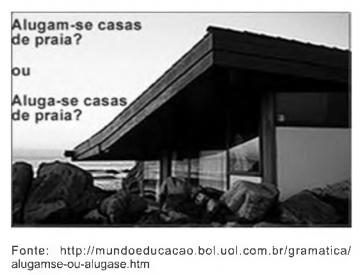
Sobre o que pressupõe a gramática normativa, pode-se afirmar que:
Texto 06
FAMÍLIA
Três meninos e duas meninas,
sendo uma ainda de colo.
A cozinheira preta, a copeira mulata,
o papagaio, o gato, o cachorro,
as galinhas gordas no palmo de horta
e a mulher que trata de tudo.
A espreguiçadeira, a cama, a gangorra,
o cigarro, o trabalho, a reza,
a goiabada na sobremesa de domingo,
o palito nos dentes contentes,
o gramofone rouco toda a noite
e a mulher QUE TRATA DE TUDO.
O agiota, o leiteiro, o turco,
o médico uma vez por mês,
o bilhete todas as semanas
branco! mas a esperança sempre verde.
A mulher que trata de tudo
e a felicidade.
ANDRADE, Carlos Drummond de. Alguma Poesia.

 Conheça nossos planos