Foram encontradas 8.894 questões
Resolva questões gratuitamente!
Junte-se a mais de 4 milhões de concurseiros!


I. Pressionou F5 para iniciar o Modo de Apresentação.
II. Pressionou ENTER.
III. Clicou no botão de ação.
IV. Pressionou ENTER.
V. Pressionou Seta para Cima.
Assinale a alternativa que apresenta a sequência dos slides no Modo de Apresentação.
Leia o texto a seguir para responder a questão.
What is the difference between access point and router?
The router acts as a hub that sets up a local area network and manages all of the devices and communication in it. An access point, on the other hand, is a sub-device within the local area network that provides another location for devices to connect from and enables more devices to be on the network.
Wireless routers can function as access points, but not all access points can work as routers. While routers manage local area networks, communicate with outside network systems, acquire, distribute, and dispatch data in multiple directions, establish a point of connectivity, and ensure security, access points typically only provide access to the router’s established network.
(www.ligowave.com/difference-between-access-point-and-
-router#:~:text=Main%20Differences.&text=While%20routers%20manage%20local%20area,to%20the%20router%27s%20established%20network.
Adaptado)
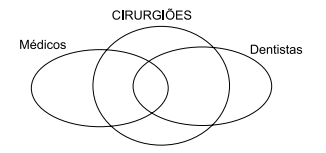 A partir das informações fornecidas no diagrama, é logicamente verdadeiro afirmar que
I. Encriptografa o seu tráfego;
II. Oculta o endereço ip;
III. Oculta sites que o usuário visita.
O tipo de rede que possui, necessariamente, as características listadas se refere à rede
I. Aplicação
II. Enlace
III. Transporte
IV. Acesso à Rede
V. Dados
A. Reúne os protocolos com função de transporte de dados fim-a-fim: UDP e TCP.
B. Responsável pela comunicação entre máquinas por meio do protocolo IP. Outros protocolos também podem ser utilizados, tais como ICMP e IGMP.
C. Responsável pelo mapeamento entre um endereço de identificação do nível de rede para um endereço físico ou lógico. Os protocolos deste nível possibilitam, por exemplo, a utilização do endereço físico (MAС Address) para distinguir uma máquina da outra.
D. Apesar de a rede de computadores ter o propósito final de trafegar dados, a arquitetura TCP/IP não possui esse tipo de camada representada em sua topologia.
E. Reúne os protocolos dos serviços de comunicação, sejam eles básicos ou para finalidades específicas. Exemplos de protocolos básicos: DHCP e DNS. Exemplos de protocolos para finalidades específicas: HТТР, SMTP, IMAP, TELNET etc.
Assinale a alternativa que apresenta a correspondência correta.

 Conheça nossos planos