Foram encontradas 24.416 questões
Resolva questões gratuitamente!
Junte-se a mais de 4 milhões de concurseiros!


Leia o texto para responder à questão.
Qual o tamanho da nossa desigualdade salarial?
Mesmo nas empresas preocupadas com a equidade salarial entre gêneros, as mulheres não alcançam os níveis mais altos da hierarquia corporativa
Fernanda Abilel | 21 de dezembro de 2023
O tema da equidade salarial entre gêneros TEM/TÊM ganhado cada vez mais força e destaque em todo o mundo. Aqui no Brasil, a Lei nº 14.611/2023 vem trazendo ainda mais luz ao tema, uma vez que determina mecanismos de transparência salarial e de critérios remuneratórios a serem reportados semestralmente pelas empresas com 100 ou mais empregados, prevendo aumento nas penalizações em caso de irregularidades.
No dia 23/11/2023, FOI DIVULGADO/FORAM DIVULGADAS novas informações sobre os dados a serem disponibilizados nestes reportes, que INCLUI/INCLUEM verbas remuneratórias fixas e variáveis, além do código do CBO (Classificação Brasileira de Ocupações), que será a base para as comparações. É sabido que este código é bastante restritivo e acaba por concentrar funções de naturezas distintas dentro das empresas, mas é importante separar as categorizações entre áreas de linha (diretamente responsáveis por geração de resultado), de suporte e de perfil híbrido para evitar comparações incoerentes.
Ao longo do ano, acompanhamos publicações relativas a um relatório do IBGE (Instituto Brasileiro de Geografia e Estatística) que aponta diferenças salariais entre homens e mulheres na casa de 22%. Essa é uma diferença média nos ganhos que ACABA/ACABAM unificando perfis muito distintos de funções, sendo importante estratificar esses números para clarificar as origens desta desigualdade.
Analisando um extrato do mercado
Apesar de saber que existem muitas realidades distintas entre as empresas de todo o país e de já ter participado de diversas discussões sobre o viés na gestão salarial de homens e mulheres, em meus 20 anos na área de remuneração, eu vi mais buscas por isonomia de tratativas do que descaso com relação ao tema. Por isso considero esta análise detalhada de extrema importância.
[...]
Apesar de ser apenas uma pequena amostra do mercado (e sim, sabemos que algumas empresas estão longe desta realidade), os resultados foram ao encontro das minhas estimativas quando segmentados entre os 3 perfis de categorias acima definidos.
Média salarial, a grande quebra de paradigma
Mulheres ganham, em média, 6% abaixo da remuneração dos homens em áreas de linha e em áreas híbridas, e 5% abaixo nas áreas de apoio.
No nível executivo, as mulheres ficaram com remuneração média 2% acima dos homens nas áreas de linha, 6% abaixo nas áreas de perfil híbrido e 1% acima nas áreas de apoio. Mais uma vez, reforço que este é um recorte de empresas preocupadas com este tema o suficiente para se utilizarem de um sistema de gestão de cargos e remuneração, mas não deixa de ser uma realidade.
No nível gerencial, mulheres ficaram com remuneração 12% abaixo dos homens nas áreas de linha, 5% acima nas áreas híbridas e 6% abaixo nas áreas de apoio. Quando descemos para cargos de contribuição individual, esta diferença se reduz ainda mais.
Onde estão as mulheres?
Neste quesito não há surpresa alguma nem para mim e nem para vocês. Mesmo neste extrato de empresas preocupadas com equidade salarial, as mulheres não alcançam os níveis mais altos das hierarquias. O ________ poderia ser debatido aqui à exaustão, mas o que os números frios nos dizem é que
• temos 43% de mulheres em áreas de linha, 54% de mulheres em áreas de perfil híbrido e 69% de mulheres em áreas de apoio. Aqui já temos uma gradação clara de mulheres figurando com mais ênfase em áreas cuja remuneração é naturalmente menor, ________ estão mais distantes da geração de resultados.
• no nível executivo, encontramos somente 5% de mulheres nas áreas de linha (somente uma CEO na amostra analisada). E esse é o número que mais perturba e que melhor explica a diferença média na remuneração.
• já nas áreas híbridas, elas representaram 60% e nas áreas de apoio, 44%.
• no nível gerencial, temos 44% de mulheres nas áreas de linha, 27% nas áreas híbridas e 48% nas áreas de apoio.
Para combater a desigualdade salarial de gênero, temos ainda muito que caminhar…
Não é só uma questão de homens e mulheres
Outro elemento essencial dentro do tema de equidade e inclusão diz respeito à cor. Apesar de ouvirmos muito sobre iniciativas nesta direção, este parece ser um tema em que se avançou muito pouco.
Na amostra de empresas que estudamos, temos a seguinte segmentação (terminologias de classificação utilizadas pelo IBGE):
• 64% das pessoas se declararam brancas, 31% pretas ou pardas e 5%, amarelas ou indígenas.
• No nível executivo, 90% das pessoas são brancas e 10% pretas ou pardas.
• No nível gerencial, 81% das pessoas são brancas, 19% pretas ou pardas e 1% amarelas ou indígenas.
Estes números são uma tristeza… mas não são uma surpresa.
Eu só gostaria de fechar esta análise reforçando mais uma vez que esta amostra, como qualquer outro recorte, é somente um extrato que permite uma análise segmentada do mercado. Não tenho a pretensão de ditar uma nova e revolucionária “verdade absoluta” sobre equidade salarial, mas quero dizer que é necessário mergulhar mais fundo nos números para que seja possível endereçar os problemas reais de cada organização.
Fernanda Abilel é professora na FGV e sócia-fundadora da How2Pay, consultoria focada no desenho de estratégias de remuneração.
ABILEL, Fernanda. Qual o tamanho da nossa desigualdade salarial? Forbes Brasil, 21 de dezembro de 2023. Colunas. Disponível em: https://forbes.com.br/carreira/2023/12/fernanda-abilel-qual-o-tamanho-da-nossadesigualdade-salarial/. Acesso em: 23 dez. 2023. Adaptado.
Leia o texto para responder à questão.
Qual o tamanho da nossa desigualdade salarial?
Mesmo nas empresas preocupadas com a equidade salarial entre gêneros, as mulheres não alcançam os níveis mais altos da hierarquia corporativa
Fernanda Abilel | 21 de dezembro de 2023
O tema da equidade salarial entre gêneros TEM/TÊM ganhado cada vez mais força e destaque em todo o mundo. Aqui no Brasil, a Lei nº 14.611/2023 vem trazendo ainda mais luz ao tema, uma vez que determina mecanismos de transparência salarial e de critérios remuneratórios a serem reportados semestralmente pelas empresas com 100 ou mais empregados, prevendo aumento nas penalizações em caso de irregularidades.
No dia 23/11/2023, FOI DIVULGADO/FORAM DIVULGADAS novas informações sobre os dados a serem disponibilizados nestes reportes, que INCLUI/INCLUEM verbas remuneratórias fixas e variáveis, além do código do CBO (Classificação Brasileira de Ocupações), que será a base para as comparações. É sabido que este código é bastante restritivo e acaba por concentrar funções de naturezas distintas dentro das empresas, mas é importante separar as categorizações entre áreas de linha (diretamente responsáveis por geração de resultado), de suporte e de perfil híbrido para evitar comparações incoerentes.
Ao longo do ano, acompanhamos publicações relativas a um relatório do IBGE (Instituto Brasileiro de Geografia e Estatística) que aponta diferenças salariais entre homens e mulheres na casa de 22%. Essa é uma diferença média nos ganhos que ACABA/ACABAM unificando perfis muito distintos de funções, sendo importante estratificar esses números para clarificar as origens desta desigualdade.
Analisando um extrato do mercado
Apesar de saber que existem muitas realidades distintas entre as empresas de todo o país e de já ter participado de diversas discussões sobre o viés na gestão salarial de homens e mulheres, em meus 20 anos na área de remuneração, eu vi mais buscas por isonomia de tratativas do que descaso com relação ao tema. Por isso considero esta análise detalhada de extrema importância.
[...]
Apesar de ser apenas uma pequena amostra do mercado (e sim, sabemos que algumas empresas estão longe desta realidade), os resultados foram ao encontro das minhas estimativas quando segmentados entre os 3 perfis de categorias acima definidos.
Média salarial, a grande quebra de paradigma
Mulheres ganham, em média, 6% abaixo da remuneração dos homens em áreas de linha e em áreas híbridas, e 5% abaixo nas áreas de apoio.
No nível executivo, as mulheres ficaram com remuneração média 2% acima dos homens nas áreas de linha, 6% abaixo nas áreas de perfil híbrido e 1% acima nas áreas de apoio. Mais uma vez, reforço que este é um recorte de empresas preocupadas com este tema o suficiente para se utilizarem de um sistema de gestão de cargos e remuneração, mas não deixa de ser uma realidade.
No nível gerencial, mulheres ficaram com remuneração 12% abaixo dos homens nas áreas de linha, 5% acima nas áreas híbridas e 6% abaixo nas áreas de apoio. Quando descemos para cargos de contribuição individual, esta diferença se reduz ainda mais.
Onde estão as mulheres?
Neste quesito não há surpresa alguma nem para mim e nem para vocês. Mesmo neste extrato de empresas preocupadas com equidade salarial, as mulheres não alcançam os níveis mais altos das hierarquias. O ________ poderia ser debatido aqui à exaustão, mas o que os números frios nos dizem é que
• temos 43% de mulheres em áreas de linha, 54% de mulheres em áreas de perfil híbrido e 69% de mulheres em áreas de apoio. Aqui já temos uma gradação clara de mulheres figurando com mais ênfase em áreas cuja remuneração é naturalmente menor, ________ estão mais distantes da geração de resultados.
• no nível executivo, encontramos somente 5% de mulheres nas áreas de linha (somente uma CEO na amostra analisada). E esse é o número que mais perturba e que melhor explica a diferença média na remuneração.
• já nas áreas híbridas, elas representaram 60% e nas áreas de apoio, 44%.
• no nível gerencial, temos 44% de mulheres nas áreas de linha, 27% nas áreas híbridas e 48% nas áreas de apoio.
Para combater a desigualdade salarial de gênero, temos ainda muito que caminhar…
Não é só uma questão de homens e mulheres
Outro elemento essencial dentro do tema de equidade e inclusão diz respeito à cor. Apesar de ouvirmos muito sobre iniciativas nesta direção, este parece ser um tema em que se avançou muito pouco.
Na amostra de empresas que estudamos, temos a seguinte segmentação (terminologias de classificação utilizadas pelo IBGE):
• 64% das pessoas se declararam brancas, 31% pretas ou pardas e 5%, amarelas ou indígenas.
• No nível executivo, 90% das pessoas são brancas e 10% pretas ou pardas.
• No nível gerencial, 81% das pessoas são brancas, 19% pretas ou pardas e 1% amarelas ou indígenas.
Estes números são uma tristeza… mas não são uma surpresa.
Eu só gostaria de fechar esta análise reforçando mais uma vez que esta amostra, como qualquer outro recorte, é somente um extrato que permite uma análise segmentada do mercado. Não tenho a pretensão de ditar uma nova e revolucionária “verdade absoluta” sobre equidade salarial, mas quero dizer que é necessário mergulhar mais fundo nos números para que seja possível endereçar os problemas reais de cada organização.
Fernanda Abilel é professora na FGV e sócia-fundadora da How2Pay, consultoria focada no desenho de estratégias de remuneração.
ABILEL, Fernanda. Qual o tamanho da nossa desigualdade salarial? Forbes Brasil, 21 de dezembro de 2023. Colunas. Disponível em: https://forbes.com.br/carreira/2023/12/fernanda-abilel-qual-o-tamanho-da-nossadesigualdade-salarial/. Acesso em: 23 dez. 2023. Adaptado.
Leia o texto para responder à questão.
Qual o tamanho da nossa desigualdade salarial?
Mesmo nas empresas preocupadas com a equidade salarial entre gêneros, as mulheres não alcançam os níveis mais altos da hierarquia corporativa
Fernanda Abilel | 21 de dezembro de 2023
O tema da equidade salarial entre gêneros TEM/TÊM ganhado cada vez mais força e destaque em todo o mundo. Aqui no Brasil, a Lei nº 14.611/2023 vem trazendo ainda mais luz ao tema, uma vez que determina mecanismos de transparência salarial e de critérios remuneratórios a serem reportados semestralmente pelas empresas com 100 ou mais empregados, prevendo aumento nas penalizações em caso de irregularidades.
No dia 23/11/2023, FOI DIVULGADO/FORAM DIVULGADAS novas informações sobre os dados a serem disponibilizados nestes reportes, que INCLUI/INCLUEM verbas remuneratórias fixas e variáveis, além do código do CBO (Classificação Brasileira de Ocupações), que será a base para as comparações. É sabido que este código é bastante restritivo e acaba por concentrar funções de naturezas distintas dentro das empresas, mas é importante separar as categorizações entre áreas de linha (diretamente responsáveis por geração de resultado), de suporte e de perfil híbrido para evitar comparações incoerentes.
Ao longo do ano, acompanhamos publicações relativas a um relatório do IBGE (Instituto Brasileiro de Geografia e Estatística) que aponta diferenças salariais entre homens e mulheres na casa de 22%. Essa é uma diferença média nos ganhos que ACABA/ACABAM unificando perfis muito distintos de funções, sendo importante estratificar esses números para clarificar as origens desta desigualdade.
Analisando um extrato do mercado
Apesar de saber que existem muitas realidades distintas entre as empresas de todo o país e de já ter participado de diversas discussões sobre o viés na gestão salarial de homens e mulheres, em meus 20 anos na área de remuneração, eu vi mais buscas por isonomia de tratativas do que descaso com relação ao tema. Por isso considero esta análise detalhada de extrema importância.
[...]
Apesar de ser apenas uma pequena amostra do mercado (e sim, sabemos que algumas empresas estão longe desta realidade), os resultados foram ao encontro das minhas estimativas quando segmentados entre os 3 perfis de categorias acima definidos.
Média salarial, a grande quebra de paradigma
Mulheres ganham, em média, 6% abaixo da remuneração dos homens em áreas de linha e em áreas híbridas, e 5% abaixo nas áreas de apoio.
No nível executivo, as mulheres ficaram com remuneração média 2% acima dos homens nas áreas de linha, 6% abaixo nas áreas de perfil híbrido e 1% acima nas áreas de apoio. Mais uma vez, reforço que este é um recorte de empresas preocupadas com este tema o suficiente para se utilizarem de um sistema de gestão de cargos e remuneração, mas não deixa de ser uma realidade.
No nível gerencial, mulheres ficaram com remuneração 12% abaixo dos homens nas áreas de linha, 5% acima nas áreas híbridas e 6% abaixo nas áreas de apoio. Quando descemos para cargos de contribuição individual, esta diferença se reduz ainda mais.
Onde estão as mulheres?
Neste quesito não há surpresa alguma nem para mim e nem para vocês. Mesmo neste extrato de empresas preocupadas com equidade salarial, as mulheres não alcançam os níveis mais altos das hierarquias. O ________ poderia ser debatido aqui à exaustão, mas o que os números frios nos dizem é que
• temos 43% de mulheres em áreas de linha, 54% de mulheres em áreas de perfil híbrido e 69% de mulheres em áreas de apoio. Aqui já temos uma gradação clara de mulheres figurando com mais ênfase em áreas cuja remuneração é naturalmente menor, ________ estão mais distantes da geração de resultados.
• no nível executivo, encontramos somente 5% de mulheres nas áreas de linha (somente uma CEO na amostra analisada). E esse é o número que mais perturba e que melhor explica a diferença média na remuneração.
• já nas áreas híbridas, elas representaram 60% e nas áreas de apoio, 44%.
• no nível gerencial, temos 44% de mulheres nas áreas de linha, 27% nas áreas híbridas e 48% nas áreas de apoio.
Para combater a desigualdade salarial de gênero, temos ainda muito que caminhar…
Não é só uma questão de homens e mulheres
Outro elemento essencial dentro do tema de equidade e inclusão diz respeito à cor. Apesar de ouvirmos muito sobre iniciativas nesta direção, este parece ser um tema em que se avançou muito pouco.
Na amostra de empresas que estudamos, temos a seguinte segmentação (terminologias de classificação utilizadas pelo IBGE):
• 64% das pessoas se declararam brancas, 31% pretas ou pardas e 5%, amarelas ou indígenas.
• No nível executivo, 90% das pessoas são brancas e 10% pretas ou pardas.
• No nível gerencial, 81% das pessoas são brancas, 19% pretas ou pardas e 1% amarelas ou indígenas.
Estes números são uma tristeza… mas não são uma surpresa.
Eu só gostaria de fechar esta análise reforçando mais uma vez que esta amostra, como qualquer outro recorte, é somente um extrato que permite uma análise segmentada do mercado. Não tenho a pretensão de ditar uma nova e revolucionária “verdade absoluta” sobre equidade salarial, mas quero dizer que é necessário mergulhar mais fundo nos números para que seja possível endereçar os problemas reais de cada organização.
Fernanda Abilel é professora na FGV e sócia-fundadora da How2Pay, consultoria focada no desenho de estratégias de remuneração.
ABILEL, Fernanda. Qual o tamanho da nossa desigualdade salarial? Forbes Brasil, 21 de dezembro de 2023. Colunas. Disponível em: https://forbes.com.br/carreira/2023/12/fernanda-abilel-qual-o-tamanho-da-nossadesigualdade-salarial/. Acesso em: 23 dez. 2023. Adaptado.
Leia o texto para responder à questão.
Qual o tamanho da nossa desigualdade salarial?
Mesmo nas empresas preocupadas com a equidade salarial entre gêneros, as mulheres não alcançam os níveis mais altos da hierarquia corporativa
Fernanda Abilel | 21 de dezembro de 2023
O tema da equidade salarial entre gêneros TEM/TÊM ganhado cada vez mais força e destaque em todo o mundo. Aqui no Brasil, a Lei nº 14.611/2023 vem trazendo ainda mais luz ao tema, uma vez que determina mecanismos de transparência salarial e de critérios remuneratórios a serem reportados semestralmente pelas empresas com 100 ou mais empregados, prevendo aumento nas penalizações em caso de irregularidades.
No dia 23/11/2023, FOI DIVULGADO/FORAM DIVULGADAS novas informações sobre os dados a serem disponibilizados nestes reportes, que INCLUI/INCLUEM verbas remuneratórias fixas e variáveis, além do código do CBO (Classificação Brasileira de Ocupações), que será a base para as comparações. É sabido que este código é bastante restritivo e acaba por concentrar funções de naturezas distintas dentro das empresas, mas é importante separar as categorizações entre áreas de linha (diretamente responsáveis por geração de resultado), de suporte e de perfil híbrido para evitar comparações incoerentes.
Ao longo do ano, acompanhamos publicações relativas a um relatório do IBGE (Instituto Brasileiro de Geografia e Estatística) que aponta diferenças salariais entre homens e mulheres na casa de 22%. Essa é uma diferença média nos ganhos que ACABA/ACABAM unificando perfis muito distintos de funções, sendo importante estratificar esses números para clarificar as origens desta desigualdade.
Analisando um extrato do mercado
Apesar de saber que existem muitas realidades distintas entre as empresas de todo o país e de já ter participado de diversas discussões sobre o viés na gestão salarial de homens e mulheres, em meus 20 anos na área de remuneração, eu vi mais buscas por isonomia de tratativas do que descaso com relação ao tema. Por isso considero esta análise detalhada de extrema importância.
[...]
Apesar de ser apenas uma pequena amostra do mercado (e sim, sabemos que algumas empresas estão longe desta realidade), os resultados foram ao encontro das minhas estimativas quando segmentados entre os 3 perfis de categorias acima definidos.
Média salarial, a grande quebra de paradigma
Mulheres ganham, em média, 6% abaixo da remuneração dos homens em áreas de linha e em áreas híbridas, e 5% abaixo nas áreas de apoio.
No nível executivo, as mulheres ficaram com remuneração média 2% acima dos homens nas áreas de linha, 6% abaixo nas áreas de perfil híbrido e 1% acima nas áreas de apoio. Mais uma vez, reforço que este é um recorte de empresas preocupadas com este tema o suficiente para se utilizarem de um sistema de gestão de cargos e remuneração, mas não deixa de ser uma realidade.
No nível gerencial, mulheres ficaram com remuneração 12% abaixo dos homens nas áreas de linha, 5% acima nas áreas híbridas e 6% abaixo nas áreas de apoio. Quando descemos para cargos de contribuição individual, esta diferença se reduz ainda mais.
Onde estão as mulheres?
Neste quesito não há surpresa alguma nem para mim e nem para vocês. Mesmo neste extrato de empresas preocupadas com equidade salarial, as mulheres não alcançam os níveis mais altos das hierarquias. O ________ poderia ser debatido aqui à exaustão, mas o que os números frios nos dizem é que
• temos 43% de mulheres em áreas de linha, 54% de mulheres em áreas de perfil híbrido e 69% de mulheres em áreas de apoio. Aqui já temos uma gradação clara de mulheres figurando com mais ênfase em áreas cuja remuneração é naturalmente menor, ________ estão mais distantes da geração de resultados.
• no nível executivo, encontramos somente 5% de mulheres nas áreas de linha (somente uma CEO na amostra analisada). E esse é o número que mais perturba e que melhor explica a diferença média na remuneração.
• já nas áreas híbridas, elas representaram 60% e nas áreas de apoio, 44%.
• no nível gerencial, temos 44% de mulheres nas áreas de linha, 27% nas áreas híbridas e 48% nas áreas de apoio.
Para combater a desigualdade salarial de gênero, temos ainda muito que caminhar…
Não é só uma questão de homens e mulheres
Outro elemento essencial dentro do tema de equidade e inclusão diz respeito à cor. Apesar de ouvirmos muito sobre iniciativas nesta direção, este parece ser um tema em que se avançou muito pouco.
Na amostra de empresas que estudamos, temos a seguinte segmentação (terminologias de classificação utilizadas pelo IBGE):
• 64% das pessoas se declararam brancas, 31% pretas ou pardas e 5%, amarelas ou indígenas.
• No nível executivo, 90% das pessoas são brancas e 10% pretas ou pardas.
• No nível gerencial, 81% das pessoas são brancas, 19% pretas ou pardas e 1% amarelas ou indígenas.
Estes números são uma tristeza… mas não são uma surpresa.
Eu só gostaria de fechar esta análise reforçando mais uma vez que esta amostra, como qualquer outro recorte, é somente um extrato que permite uma análise segmentada do mercado. Não tenho a pretensão de ditar uma nova e revolucionária “verdade absoluta” sobre equidade salarial, mas quero dizer que é necessário mergulhar mais fundo nos números para que seja possível endereçar os problemas reais de cada organização.
Fernanda Abilel é professora na FGV e sócia-fundadora da How2Pay, consultoria focada no desenho de estratégias de remuneração.
ABILEL, Fernanda. Qual o tamanho da nossa desigualdade salarial? Forbes Brasil, 21 de dezembro de 2023. Colunas. Disponível em: https://forbes.com.br/carreira/2023/12/fernanda-abilel-qual-o-tamanho-da-nossadesigualdade-salarial/. Acesso em: 23 dez. 2023. Adaptado.
Leia o texto para responder à questão.
Qual o tamanho da nossa desigualdade salarial?
Mesmo nas empresas preocupadas com a equidade salarial entre gêneros, as mulheres não alcançam os níveis mais altos da hierarquia corporativa
Fernanda Abilel | 21 de dezembro de 2023
O tema da equidade salarial entre gêneros TEM/TÊM ganhado cada vez mais força e destaque em todo o mundo. Aqui no Brasil, a Lei nº 14.611/2023 vem trazendo ainda mais luz ao tema, uma vez que determina mecanismos de transparência salarial e de critérios remuneratórios a serem reportados semestralmente pelas empresas com 100 ou mais empregados, prevendo aumento nas penalizações em caso de irregularidades.
No dia 23/11/2023, FOI DIVULGADO/FORAM DIVULGADAS novas informações sobre os dados a serem disponibilizados nestes reportes, que INCLUI/INCLUEM verbas remuneratórias fixas e variáveis, além do código do CBO (Classificação Brasileira de Ocupações), que será a base para as comparações. É sabido que este código é bastante restritivo e acaba por concentrar funções de naturezas distintas dentro das empresas, mas é importante separar as categorizações entre áreas de linha (diretamente responsáveis por geração de resultado), de suporte e de perfil híbrido para evitar comparações incoerentes.
Ao longo do ano, acompanhamos publicações relativas a um relatório do IBGE (Instituto Brasileiro de Geografia e Estatística) que aponta diferenças salariais entre homens e mulheres na casa de 22%. Essa é uma diferença média nos ganhos que ACABA/ACABAM unificando perfis muito distintos de funções, sendo importante estratificar esses números para clarificar as origens desta desigualdade.
Analisando um extrato do mercado
Apesar de saber que existem muitas realidades distintas entre as empresas de todo o país e de já ter participado de diversas discussões sobre o viés na gestão salarial de homens e mulheres, em meus 20 anos na área de remuneração, eu vi mais buscas por isonomia de tratativas do que descaso com relação ao tema. Por isso considero esta análise detalhada de extrema importância.
[...]
Apesar de ser apenas uma pequena amostra do mercado (e sim, sabemos que algumas empresas estão longe desta realidade), os resultados foram ao encontro das minhas estimativas quando segmentados entre os 3 perfis de categorias acima definidos.
Média salarial, a grande quebra de paradigma
Mulheres ganham, em média, 6% abaixo da remuneração dos homens em áreas de linha e em áreas híbridas, e 5% abaixo nas áreas de apoio.
No nível executivo, as mulheres ficaram com remuneração média 2% acima dos homens nas áreas de linha, 6% abaixo nas áreas de perfil híbrido e 1% acima nas áreas de apoio. Mais uma vez, reforço que este é um recorte de empresas preocupadas com este tema o suficiente para se utilizarem de um sistema de gestão de cargos e remuneração, mas não deixa de ser uma realidade.
No nível gerencial, mulheres ficaram com remuneração 12% abaixo dos homens nas áreas de linha, 5% acima nas áreas híbridas e 6% abaixo nas áreas de apoio. Quando descemos para cargos de contribuição individual, esta diferença se reduz ainda mais.
Onde estão as mulheres?
Neste quesito não há surpresa alguma nem para mim e nem para vocês. Mesmo neste extrato de empresas preocupadas com equidade salarial, as mulheres não alcançam os níveis mais altos das hierarquias. O ________ poderia ser debatido aqui à exaustão, mas o que os números frios nos dizem é que
• temos 43% de mulheres em áreas de linha, 54% de mulheres em áreas de perfil híbrido e 69% de mulheres em áreas de apoio. Aqui já temos uma gradação clara de mulheres figurando com mais ênfase em áreas cuja remuneração é naturalmente menor, ________ estão mais distantes da geração de resultados.
• no nível executivo, encontramos somente 5% de mulheres nas áreas de linha (somente uma CEO na amostra analisada). E esse é o número que mais perturba e que melhor explica a diferença média na remuneração.
• já nas áreas híbridas, elas representaram 60% e nas áreas de apoio, 44%.
• no nível gerencial, temos 44% de mulheres nas áreas de linha, 27% nas áreas híbridas e 48% nas áreas de apoio.
Para combater a desigualdade salarial de gênero, temos ainda muito que caminhar…
Não é só uma questão de homens e mulheres
Outro elemento essencial dentro do tema de equidade e inclusão diz respeito à cor. Apesar de ouvirmos muito sobre iniciativas nesta direção, este parece ser um tema em que se avançou muito pouco.
Na amostra de empresas que estudamos, temos a seguinte segmentação (terminologias de classificação utilizadas pelo IBGE):
• 64% das pessoas se declararam brancas, 31% pretas ou pardas e 5%, amarelas ou indígenas.
• No nível executivo, 90% das pessoas são brancas e 10% pretas ou pardas.
• No nível gerencial, 81% das pessoas são brancas, 19% pretas ou pardas e 1% amarelas ou indígenas.
Estes números são uma tristeza… mas não são uma surpresa.
Eu só gostaria de fechar esta análise reforçando mais uma vez que esta amostra, como qualquer outro recorte, é somente um extrato que permite uma análise segmentada do mercado. Não tenho a pretensão de ditar uma nova e revolucionária “verdade absoluta” sobre equidade salarial, mas quero dizer que é necessário mergulhar mais fundo nos números para que seja possível endereçar os problemas reais de cada organização.
Fernanda Abilel é professora na FGV e sócia-fundadora da How2Pay, consultoria focada no desenho de estratégias de remuneração.
ABILEL, Fernanda. Qual o tamanho da nossa desigualdade salarial? Forbes Brasil, 21 de dezembro de 2023. Colunas. Disponível em: https://forbes.com.br/carreira/2023/12/fernanda-abilel-qual-o-tamanho-da-nossadesigualdade-salarial/. Acesso em: 23 dez. 2023. Adaptado.
Leia o texto para responder à questão.
Qual o tamanho da nossa desigualdade salarial?
Mesmo nas empresas preocupadas com a equidade salarial entre gêneros, as mulheres não alcançam os níveis mais altos da hierarquia corporativa
Fernanda Abilel | 21 de dezembro de 2023
O tema da equidade salarial entre gêneros TEM/TÊM ganhado cada vez mais força e destaque em todo o mundo. Aqui no Brasil, a Lei nº 14.611/2023 vem trazendo ainda mais luz ao tema, uma vez que determina mecanismos de transparência salarial e de critérios remuneratórios a serem reportados semestralmente pelas empresas com 100 ou mais empregados, prevendo aumento nas penalizações em caso de irregularidades.
No dia 23/11/2023, FOI DIVULGADO/FORAM DIVULGADAS novas informações sobre os dados a serem disponibilizados nestes reportes, que INCLUI/INCLUEM verbas remuneratórias fixas e variáveis, além do código do CBO (Classificação Brasileira de Ocupações), que será a base para as comparações. É sabido que este código é bastante restritivo e acaba por concentrar funções de naturezas distintas dentro das empresas, mas é importante separar as categorizações entre áreas de linha (diretamente responsáveis por geração de resultado), de suporte e de perfil híbrido para evitar comparações incoerentes.
Ao longo do ano, acompanhamos publicações relativas a um relatório do IBGE (Instituto Brasileiro de Geografia e Estatística) que aponta diferenças salariais entre homens e mulheres na casa de 22%. Essa é uma diferença média nos ganhos que ACABA/ACABAM unificando perfis muito distintos de funções, sendo importante estratificar esses números para clarificar as origens desta desigualdade.
Analisando um extrato do mercado
Apesar de saber que existem muitas realidades distintas entre as empresas de todo o país e de já ter participado de diversas discussões sobre o viés na gestão salarial de homens e mulheres, em meus 20 anos na área de remuneração, eu vi mais buscas por isonomia de tratativas do que descaso com relação ao tema. Por isso considero esta análise detalhada de extrema importância.
[...]
Apesar de ser apenas uma pequena amostra do mercado (e sim, sabemos que algumas empresas estão longe desta realidade), os resultados foram ao encontro das minhas estimativas quando segmentados entre os 3 perfis de categorias acima definidos.
Média salarial, a grande quebra de paradigma
Mulheres ganham, em média, 6% abaixo da remuneração dos homens em áreas de linha e em áreas híbridas, e 5% abaixo nas áreas de apoio.
No nível executivo, as mulheres ficaram com remuneração média 2% acima dos homens nas áreas de linha, 6% abaixo nas áreas de perfil híbrido e 1% acima nas áreas de apoio. Mais uma vez, reforço que este é um recorte de empresas preocupadas com este tema o suficiente para se utilizarem de um sistema de gestão de cargos e remuneração, mas não deixa de ser uma realidade.
No nível gerencial, mulheres ficaram com remuneração 12% abaixo dos homens nas áreas de linha, 5% acima nas áreas híbridas e 6% abaixo nas áreas de apoio. Quando descemos para cargos de contribuição individual, esta diferença se reduz ainda mais.
Onde estão as mulheres?
Neste quesito não há surpresa alguma nem para mim e nem para vocês. Mesmo neste extrato de empresas preocupadas com equidade salarial, as mulheres não alcançam os níveis mais altos das hierarquias. O ________ poderia ser debatido aqui à exaustão, mas o que os números frios nos dizem é que
• temos 43% de mulheres em áreas de linha, 54% de mulheres em áreas de perfil híbrido e 69% de mulheres em áreas de apoio. Aqui já temos uma gradação clara de mulheres figurando com mais ênfase em áreas cuja remuneração é naturalmente menor, ________ estão mais distantes da geração de resultados.
• no nível executivo, encontramos somente 5% de mulheres nas áreas de linha (somente uma CEO na amostra analisada). E esse é o número que mais perturba e que melhor explica a diferença média na remuneração.
• já nas áreas híbridas, elas representaram 60% e nas áreas de apoio, 44%.
• no nível gerencial, temos 44% de mulheres nas áreas de linha, 27% nas áreas híbridas e 48% nas áreas de apoio.
Para combater a desigualdade salarial de gênero, temos ainda muito que caminhar…
Não é só uma questão de homens e mulheres
Outro elemento essencial dentro do tema de equidade e inclusão diz respeito à cor. Apesar de ouvirmos muito sobre iniciativas nesta direção, este parece ser um tema em que se avançou muito pouco.
Na amostra de empresas que estudamos, temos a seguinte segmentação (terminologias de classificação utilizadas pelo IBGE):
• 64% das pessoas se declararam brancas, 31% pretas ou pardas e 5%, amarelas ou indígenas.
• No nível executivo, 90% das pessoas são brancas e 10% pretas ou pardas.
• No nível gerencial, 81% das pessoas são brancas, 19% pretas ou pardas e 1% amarelas ou indígenas.
Estes números são uma tristeza… mas não são uma surpresa.
Eu só gostaria de fechar esta análise reforçando mais uma vez que esta amostra, como qualquer outro recorte, é somente um extrato que permite uma análise segmentada do mercado. Não tenho a pretensão de ditar uma nova e revolucionária “verdade absoluta” sobre equidade salarial, mas quero dizer que é necessário mergulhar mais fundo nos números para que seja possível endereçar os problemas reais de cada organização.
Fernanda Abilel é professora na FGV e sócia-fundadora da How2Pay, consultoria focada no desenho de estratégias de remuneração.
ABILEL, Fernanda. Qual o tamanho da nossa desigualdade salarial? Forbes Brasil, 21 de dezembro de 2023. Colunas. Disponível em: https://forbes.com.br/carreira/2023/12/fernanda-abilel-qual-o-tamanho-da-nossadesigualdade-salarial/. Acesso em: 23 dez. 2023. Adaptado.
Leia o texto para responder à questão.
Qual o tamanho da nossa desigualdade salarial?
Mesmo nas empresas preocupadas com a equidade salarial entre gêneros, as mulheres não alcançam os níveis mais altos da hierarquia corporativa
Fernanda Abilel | 21 de dezembro de 2023
O tema da equidade salarial entre gêneros TEM/TÊM ganhado cada vez mais força e destaque em todo o mundo. Aqui no Brasil, a Lei nº 14.611/2023 vem trazendo ainda mais luz ao tema, uma vez que determina mecanismos de transparência salarial e de critérios remuneratórios a serem reportados semestralmente pelas empresas com 100 ou mais empregados, prevendo aumento nas penalizações em caso de irregularidades.
No dia 23/11/2023, FOI DIVULGADO/FORAM DIVULGADAS novas informações sobre os dados a serem disponibilizados nestes reportes, que INCLUI/INCLUEM verbas remuneratórias fixas e variáveis, além do código do CBO (Classificação Brasileira de Ocupações), que será a base para as comparações. É sabido que este código é bastante restritivo e acaba por concentrar funções de naturezas distintas dentro das empresas, mas é importante separar as categorizações entre áreas de linha (diretamente responsáveis por geração de resultado), de suporte e de perfil híbrido para evitar comparações incoerentes.
Ao longo do ano, acompanhamos publicações relativas a um relatório do IBGE (Instituto Brasileiro de Geografia e Estatística) que aponta diferenças salariais entre homens e mulheres na casa de 22%. Essa é uma diferença média nos ganhos que ACABA/ACABAM unificando perfis muito distintos de funções, sendo importante estratificar esses números para clarificar as origens desta desigualdade.
Analisando um extrato do mercado
Apesar de saber que existem muitas realidades distintas entre as empresas de todo o país e de já ter participado de diversas discussões sobre o viés na gestão salarial de homens e mulheres, em meus 20 anos na área de remuneração, eu vi mais buscas por isonomia de tratativas do que descaso com relação ao tema. Por isso considero esta análise detalhada de extrema importância.
[...]
Apesar de ser apenas uma pequena amostra do mercado (e sim, sabemos que algumas empresas estão longe desta realidade), os resultados foram ao encontro das minhas estimativas quando segmentados entre os 3 perfis de categorias acima definidos.
Média salarial, a grande quebra de paradigma
Mulheres ganham, em média, 6% abaixo da remuneração dos homens em áreas de linha e em áreas híbridas, e 5% abaixo nas áreas de apoio.
No nível executivo, as mulheres ficaram com remuneração média 2% acima dos homens nas áreas de linha, 6% abaixo nas áreas de perfil híbrido e 1% acima nas áreas de apoio. Mais uma vez, reforço que este é um recorte de empresas preocupadas com este tema o suficiente para se utilizarem de um sistema de gestão de cargos e remuneração, mas não deixa de ser uma realidade.
No nível gerencial, mulheres ficaram com remuneração 12% abaixo dos homens nas áreas de linha, 5% acima nas áreas híbridas e 6% abaixo nas áreas de apoio. Quando descemos para cargos de contribuição individual, esta diferença se reduz ainda mais.
Onde estão as mulheres?
Neste quesito não há surpresa alguma nem para mim e nem para vocês. Mesmo neste extrato de empresas preocupadas com equidade salarial, as mulheres não alcançam os níveis mais altos das hierarquias. O ________ poderia ser debatido aqui à exaustão, mas o que os números frios nos dizem é que
• temos 43% de mulheres em áreas de linha, 54% de mulheres em áreas de perfil híbrido e 69% de mulheres em áreas de apoio. Aqui já temos uma gradação clara de mulheres figurando com mais ênfase em áreas cuja remuneração é naturalmente menor, ________ estão mais distantes da geração de resultados.
• no nível executivo, encontramos somente 5% de mulheres nas áreas de linha (somente uma CEO na amostra analisada). E esse é o número que mais perturba e que melhor explica a diferença média na remuneração.
• já nas áreas híbridas, elas representaram 60% e nas áreas de apoio, 44%.
• no nível gerencial, temos 44% de mulheres nas áreas de linha, 27% nas áreas híbridas e 48% nas áreas de apoio.
Para combater a desigualdade salarial de gênero, temos ainda muito que caminhar…
Não é só uma questão de homens e mulheres
Outro elemento essencial dentro do tema de equidade e inclusão diz respeito à cor. Apesar de ouvirmos muito sobre iniciativas nesta direção, este parece ser um tema em que se avançou muito pouco.
Na amostra de empresas que estudamos, temos a seguinte segmentação (terminologias de classificação utilizadas pelo IBGE):
• 64% das pessoas se declararam brancas, 31% pretas ou pardas e 5%, amarelas ou indígenas.
• No nível executivo, 90% das pessoas são brancas e 10% pretas ou pardas.
• No nível gerencial, 81% das pessoas são brancas, 19% pretas ou pardas e 1% amarelas ou indígenas.
Estes números são uma tristeza… mas não são uma surpresa.
Eu só gostaria de fechar esta análise reforçando mais uma vez que esta amostra, como qualquer outro recorte, é somente um extrato que permite uma análise segmentada do mercado. Não tenho a pretensão de ditar uma nova e revolucionária “verdade absoluta” sobre equidade salarial, mas quero dizer que é necessário mergulhar mais fundo nos números para que seja possível endereçar os problemas reais de cada organização.
Fernanda Abilel é professora na FGV e sócia-fundadora da How2Pay, consultoria focada no desenho de estratégias de remuneração.
ABILEL, Fernanda. Qual o tamanho da nossa desigualdade salarial? Forbes Brasil, 21 de dezembro de 2023. Colunas. Disponível em: https://forbes.com.br/carreira/2023/12/fernanda-abilel-qual-o-tamanho-da-nossadesigualdade-salarial/. Acesso em: 23 dez. 2023. Adaptado.
Leia o texto para responder à questão.
Qual o tamanho da nossa desigualdade salarial?
Mesmo nas empresas preocupadas com a equidade salarial entre gêneros, as mulheres não alcançam os níveis mais altos da hierarquia corporativa
Fernanda Abilel | 21 de dezembro de 2023
O tema da equidade salarial entre gêneros TEM/TÊM ganhado cada vez mais força e destaque em todo o mundo. Aqui no Brasil, a Lei nº 14.611/2023 vem trazendo ainda mais luz ao tema, uma vez que determina mecanismos de transparência salarial e de critérios remuneratórios a serem reportados semestralmente pelas empresas com 100 ou mais empregados, prevendo aumento nas penalizações em caso de irregularidades.
No dia 23/11/2023, FOI DIVULGADO/FORAM DIVULGADAS novas informações sobre os dados a serem disponibilizados nestes reportes, que INCLUI/INCLUEM verbas remuneratórias fixas e variáveis, além do código do CBO (Classificação Brasileira de Ocupações), que será a base para as comparações. É sabido que este código é bastante restritivo e acaba por concentrar funções de naturezas distintas dentro das empresas, mas é importante separar as categorizações entre áreas de linha (diretamente responsáveis por geração de resultado), de suporte e de perfil híbrido para evitar comparações incoerentes.
Ao longo do ano, acompanhamos publicações relativas a um relatório do IBGE (Instituto Brasileiro de Geografia e Estatística) que aponta diferenças salariais entre homens e mulheres na casa de 22%. Essa é uma diferença média nos ganhos que ACABA/ACABAM unificando perfis muito distintos de funções, sendo importante estratificar esses números para clarificar as origens desta desigualdade.
Analisando um extrato do mercado
Apesar de saber que existem muitas realidades distintas entre as empresas de todo o país e de já ter participado de diversas discussões sobre o viés na gestão salarial de homens e mulheres, em meus 20 anos na área de remuneração, eu vi mais buscas por isonomia de tratativas do que descaso com relação ao tema. Por isso considero esta análise detalhada de extrema importância.
[...]
Apesar de ser apenas uma pequena amostra do mercado (e sim, sabemos que algumas empresas estão longe desta realidade), os resultados foram ao encontro das minhas estimativas quando segmentados entre os 3 perfis de categorias acima definidos.
Média salarial, a grande quebra de paradigma
Mulheres ganham, em média, 6% abaixo da remuneração dos homens em áreas de linha e em áreas híbridas, e 5% abaixo nas áreas de apoio.
No nível executivo, as mulheres ficaram com remuneração média 2% acima dos homens nas áreas de linha, 6% abaixo nas áreas de perfil híbrido e 1% acima nas áreas de apoio. Mais uma vez, reforço que este é um recorte de empresas preocupadas com este tema o suficiente para se utilizarem de um sistema de gestão de cargos e remuneração, mas não deixa de ser uma realidade.
No nível gerencial, mulheres ficaram com remuneração 12% abaixo dos homens nas áreas de linha, 5% acima nas áreas híbridas e 6% abaixo nas áreas de apoio. Quando descemos para cargos de contribuição individual, esta diferença se reduz ainda mais.
Onde estão as mulheres?
Neste quesito não há surpresa alguma nem para mim e nem para vocês. Mesmo neste extrato de empresas preocupadas com equidade salarial, as mulheres não alcançam os níveis mais altos das hierarquias. O ________ poderia ser debatido aqui à exaustão, mas o que os números frios nos dizem é que
• temos 43% de mulheres em áreas de linha, 54% de mulheres em áreas de perfil híbrido e 69% de mulheres em áreas de apoio. Aqui já temos uma gradação clara de mulheres figurando com mais ênfase em áreas cuja remuneração é naturalmente menor, ________ estão mais distantes da geração de resultados.
• no nível executivo, encontramos somente 5% de mulheres nas áreas de linha (somente uma CEO na amostra analisada). E esse é o número que mais perturba e que melhor explica a diferença média na remuneração.
• já nas áreas híbridas, elas representaram 60% e nas áreas de apoio, 44%.
• no nível gerencial, temos 44% de mulheres nas áreas de linha, 27% nas áreas híbridas e 48% nas áreas de apoio.
Para combater a desigualdade salarial de gênero, temos ainda muito que caminhar…
Não é só uma questão de homens e mulheres
Outro elemento essencial dentro do tema de equidade e inclusão diz respeito à cor. Apesar de ouvirmos muito sobre iniciativas nesta direção, este parece ser um tema em que se avançou muito pouco.
Na amostra de empresas que estudamos, temos a seguinte segmentação (terminologias de classificação utilizadas pelo IBGE):
• 64% das pessoas se declararam brancas, 31% pretas ou pardas e 5%, amarelas ou indígenas.
• No nível executivo, 90% das pessoas são brancas e 10% pretas ou pardas.
• No nível gerencial, 81% das pessoas são brancas, 19% pretas ou pardas e 1% amarelas ou indígenas.
Estes números são uma tristeza… mas não são uma surpresa.
Eu só gostaria de fechar esta análise reforçando mais uma vez que esta amostra, como qualquer outro recorte, é somente um extrato que permite uma análise segmentada do mercado. Não tenho a pretensão de ditar uma nova e revolucionária “verdade absoluta” sobre equidade salarial, mas quero dizer que é necessário mergulhar mais fundo nos números para que seja possível endereçar os problemas reais de cada organização.
Fernanda Abilel é professora na FGV e sócia-fundadora da How2Pay, consultoria focada no desenho de estratégias de remuneração.
ABILEL, Fernanda. Qual o tamanho da nossa desigualdade salarial? Forbes Brasil, 21 de dezembro de 2023. Colunas. Disponível em: https://forbes.com.br/carreira/2023/12/fernanda-abilel-qual-o-tamanho-da-nossadesigualdade-salarial/. Acesso em: 23 dez. 2023. Adaptado.
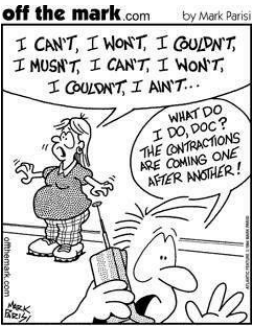
(Disponible in: https://br.pinterest.com)
Analyse the set of sentences to indicate the option that does NOT fit them.
1. Not only did they arrive late but they talked throughout the film.
2. Rarely do we find such talent.
3. Never have I been so happy to see someone.
4. Barely had she got back in bed when her alarm went off.
5. Seldom has she taken a day off work.
6. No sooner had the game started than the captain was taken ill.
7. Only later did they discover they hadn't been told the truth.
8. Under no circumstances should children travel without an adult
9. Little do people realise how hard it is to be a chef.
10. In no way did we agree to this.
Examine the set of sentences to answer question.
1. Sam has stayed in Los Angeles for two years, and completed his course.
2. Raj has just gone out to the market since we’ve run out of coffee.
3. We have been to many amazing foreign countries.
4. My brothers have waited for hours at the train station last week.
5. My last birthday was the worst day I have ever had.
6. Sheila has been working on that project for over a month.
7. Hasn’t he been trying to get into Jawaha University? Is there any progress?
8. As the weather was fine, the old man sat down to read outdoors.
9. I can’t get in my house because I lost my keys, and my wife isn’t home.
10. Scientists have recently discovered a new breed of monkey.
Read the text to answer question.
The nature of “Language Input” for Language Acquisition
“INPUT” is a vital concept within language acquisition, especially within second language acquisition. Theoretical models in research on language acquisition typically require the explanation of how INPUT is treated by the learners and the impact on language acquisition.The presence of INPUT, however, does not guarantee acquisition. This is generally understood. Watching 20 hours of Korean drama does not necessarily lead to acquisition of Korean – if that worked, we would have loads of proficient Korean speakers around the world now. Notwithstanding that, we also understand that the absence of target language INPUT also implies no language acquisition will take place for the target language. This should also be easily understood. It cannot be the case that a person who has never listened to a word of Yiddish, to be able to speak Yiddish suddenly.
There are various theories on the psycholinguistic processes of how INPUT generates acquisition. Nevertheless, most scholars agree that INPUT needs to be converted to “INTAKE” before acquisition can take place. Using the analogy of the Korean drama earlier, we may also have heard of examples of learners who seemed to have acquire new understanding and able to use Korean at a slightly different level after watching numerous Korean dramas. Yet, the same experience does not always hold for all others. In that sense, for those who have improved or level up, INPUT has become INTAKE in their minds.
Technically speaking, INPUT is akin to data (in fact, some scholars define input as primary linguistic data) available in the environment that the learner has opportunity of access, and intake refers to the data that the learner actually takes in and process. Just as in data science where processed raw data then becomes useful information, LANGUAGE INPUT that is processed can then become information for acquisition – the psychological region where “new information is matched against prior knowledge” (Gass, 1997:5), enabling the learner to confirm/reject any previous hypothesis or form new hypothesis about the target language. Note that this can be implicit and is unknown to the learner.
The key question then is: What types of LANGUAGE INPUT can then have a higher opportunity of becoming INTAKE? This is one question of inquiry that research has yet to provide very conclusive answers, although there are many influencing factors. As such, the various types of LANGUAGE INPUT to be discussed contribute in different manners to acquisition. We should take note of these types to construct relevant languaging experiences for our learners.
(Disponible in: https://www.languageeducatorsassemble.com/types-of-language-input. Adapted.)
I. INPUT is basic linguistic information affordable in the ambience that the learner has the chance of accessing.
II. Several instances of INTAKE are instrumental in different ways to foster language acquisition.
III. INPUT may come through languaging in the daily lives of the learners, where the target language is used for all sort of purposes beyond education.

(Disponible in: https://mortalreader.wordpress.com/2016/09/17/milk-and-honey-rupi-kaur)
When Rupi Kaur emigrated to Canada from Punjab, India, she was four. On Instagram, 2009, she started writing and performing poetry and became a worldwide success. Regarding text content, her poem’s core idea is:
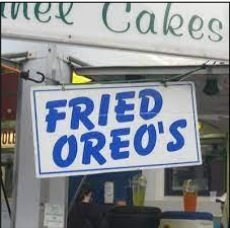
(Disponible in: https://www.quora.com)
Having the image’s clues as references, apostrophe use meets a compatible description in:
I. É preciso construir um espaço pedagógico que fortaleça a diversidade cultural, dando um sentido mais democrático aos conteúdos escolares.
II. É necessário identificar o conceito de multiculturalismo utilizado nas propostas curriculares.
III. Deve-se discutir e diferenciar as noções de cultura culta e culturas dominadas.
IV. Deve-se criar escolas multiculturais e escolas cultas; as escolas cultas abrangem o saber tradicional, os métodos e as filosofias transmitidas ao longo da história.
Está correto o que se afirma em

 Conheça nossos planos