Questões de Concurso
Comentadas para see-mg
Foram encontradas 1.678 questões
Resolva questões gratuitamente!
Junte-se a mais de 4 milhões de concurseiros!


Ano: 2023
Banca:
FGV
Órgão:
SEE-MG
Prova:
FGV - 2023 - SEE-MG - Professor de Educação Básica (PEB) - Língua Inglesa |
Q2291646
Inglês
Texto associado
READ TEXT III AND ANSWER QUESTION
Text III
English as an Additional Language:
Enhancing Critical Digital Literacy
EAL classrooms are spaces to build communicative
competence in the English language. That language has a unique
role for many people around the world. For those without
financial resources who do not live in English dominant countries,
the digital sphere is perhaps the only space in which authentic
use of the language is likely to take place. For learners situated in
inner circle countries, effective use of the language can make the
difference between social, economic and political exclusion, or
inclusion. This is also true for a lesser extent in outer circle
countries. For those in expanding circle countries, English is
becoming a language of the global elite in political, economic,
and academic life. In all of these circles, it is often used as a lingua
franca. Sociocultural theory states that true competence in
encoding and decoding language can only exist when there is an
understanding of the cultural realities attached to the
communication when it is used. Digital media provide the vector
of communication for a tremendous number of communicative
acts in all of the circles, but communication in the digital medium
carries special attributes that are not necessarily obvious or
transparent. Therefore, it seems imperative to arm language
users with an understanding of communication issues the digital
realm as well as an understanding of the implication of
communication in this space. Furthermore, there is an ethical
responsibility to empower language users from a variety of
background with equal agency and therefore equal voice. Doing
so requires more than just technical skills, but also skills of
critique and critical language awareness, productive ability, and
an understanding of agency and rights claims that stretch from
the linguistic to the economic and political. By reimagining Critical
Language Awareness as a component of a multiliteracy approach
that encompasses the full spectrum of analogue to digital
communication in English, teachers, students, and policy makers
can work toward making language studies as relevant, authentic,
and empowering as possible.
Adapted from: (PDF) English as an Additional Language: Enhancing Critical Digital
Literacy (researchgate.net)
The extract “For those in expanding circle countries, English is
becoming a language of the global elite” means that in these
contexts English
Ano: 2023
Banca:
FGV
Órgão:
SEE-MG
Prova:
FGV - 2023 - SEE-MG - Professor de Educação Básica (PEB) - Língua Inglesa |
Q2291645
Inglês
Texto associado
READ TEXT III AND ANSWER QUESTION
Text III
English as an Additional Language:
Enhancing Critical Digital Literacy
EAL classrooms are spaces to build communicative
competence in the English language. That language has a unique
role for many people around the world. For those without
financial resources who do not live in English dominant countries,
the digital sphere is perhaps the only space in which authentic
use of the language is likely to take place. For learners situated in
inner circle countries, effective use of the language can make the
difference between social, economic and political exclusion, or
inclusion. This is also true for a lesser extent in outer circle
countries. For those in expanding circle countries, English is
becoming a language of the global elite in political, economic,
and academic life. In all of these circles, it is often used as a lingua
franca. Sociocultural theory states that true competence in
encoding and decoding language can only exist when there is an
understanding of the cultural realities attached to the
communication when it is used. Digital media provide the vector
of communication for a tremendous number of communicative
acts in all of the circles, but communication in the digital medium
carries special attributes that are not necessarily obvious or
transparent. Therefore, it seems imperative to arm language
users with an understanding of communication issues the digital
realm as well as an understanding of the implication of
communication in this space. Furthermore, there is an ethical
responsibility to empower language users from a variety of
background with equal agency and therefore equal voice. Doing
so requires more than just technical skills, but also skills of
critique and critical language awareness, productive ability, and
an understanding of agency and rights claims that stretch from
the linguistic to the economic and political. By reimagining Critical
Language Awareness as a component of a multiliteracy approach
that encompasses the full spectrum of analogue to digital
communication in English, teachers, students, and policy makers
can work toward making language studies as relevant, authentic,
and empowering as possible.
Adapted from: (PDF) English as an Additional Language: Enhancing Critical Digital
Literacy (researchgate.net)
Analyse the assertions below based on Text III:
I. Digital literacy involves issues that go beyond technical skills.
II. English as a lingua franca is not used by outer circle countries.
III. Awareness of cultural realities is needed when communicating in English.
Choose the correct answer:
I. Digital literacy involves issues that go beyond technical skills.
II. English as a lingua franca is not used by outer circle countries.
III. Awareness of cultural realities is needed when communicating in English.
Choose the correct answer:
Ano: 2023
Banca:
FGV
Órgão:
SEE-MG
Prova:
FGV - 2023 - SEE-MG - Professor de Educação Básica (PEB) - Língua Inglesa |
Q2291643
Inglês
Texto associado
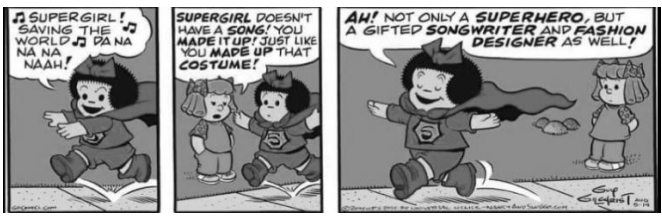
READ TEXT II AND ANSWER QUESTION
Text II
From: https://www.facebook.com/photo
In Text II, the verb that is similar in meaning to “made it up” is
Ano: 2023
Banca:
FGV
Órgão:
SEE-MG
Prova:
FGV - 2023 - SEE-MG - Professor de Educação Básica (PEB) - Língua Inglesa |
Q2291642
Inglês
Texto associado
READ TEXT II AND ANSWER QUESTION
Text II
From: https://www.facebook.com/photo
The correct form of reporting the first sentence of the speech in
the second panel is:
Ano: 2023
Banca:
FGV
Órgão:
SEE-MG
Prova:
FGV - 2023 - SEE-MG - Professor de Educação Básica (PEB) - Língua Inglesa |
Q2291641
Inglês
Texto associado
READ TEXT II AND ANSWER QUESTION
Text II
From: https://www.facebook.com/photo
In the third panel, Nancy, who is speaking, takes the girl’s
comment as a(n)
Ano: 2023
Banca:
FGV
Órgão:
SEE-MG
Prova:
FGV - 2023 - SEE-MG - Professor de Educação Básica (PEB) - Língua Inglesa |
Q2291640
Inglês
Texto associado
READ TEXT II AND ANSWER QUESTION
Text II
From: https://www.facebook.com/photo
Text II is a
Ano: 2023
Banca:
FGV
Órgão:
SEE-MG
Prova:
FGV - 2023 - SEE-MG - Professor de Educação Básica (PEB) - Língua Inglesa |
Q2291639
Inglês
Texto associado
READ TEXT I AND ANSWER QUESTION
Text I
English Language Learning In Brazil
According to the BNCC1
, learning English enables students to
engage and participate in a globalized and pluralistic world. It
allows students to develop a critical mindset and exercise their
citizenship rights while expanding the possibilities of interaction
and mobility. In this sense, the BNCC outlines three critical
implications for the English curriculum. The first is the globalized
nature of English, in which the concepts of language, territory
and culture are reconsidered since English speakers are no longer
found only in countries where English is the official language. The
second implication concerns broadening the definition of literacy,
bringing the concept of “multi-literacies” to the Brazilian
curriculum as students expand their linguistic knowledge, and
English becomes a symbolic asset for Brazilians to express
themselves in a different language. Finally, the third implication
concerns different teaching approaches, which implies embracing
the culture and traditions of the language, not only the formal
grammatical standards, breaking with aspects related to
“correctness”, “accuracy”, and “proficiency”.
[…]
Even in a challenging context, it is clear that Brazil has made
significant progress by approving a new and flexible curriculum
for upper secondary schools and putting English mandatory in the
standard part of the curriculum. However, major efforts are still
required to ensure the smooth implementation of this reform,
which the pandemic and the difficulties in coordination across
the national and subnational levels have already hindered.
1BNCC: Base Nacional Comum Curricular
Adapted from: https://www.thedialogue.org/analysis/english-language-learning-inbrazil/
The excerpt “major efforts are still required” (2nd paragraph)
is in the
Ano: 2023
Banca:
FGV
Órgão:
SEE-MG
Prova:
FGV - 2023 - SEE-MG - Professor de Educação Básica (PEB) - Língua Inglesa |
Q2291638
Inglês
Texto associado
READ TEXT I AND ANSWER QUESTION
Text I
English Language Learning In Brazil
According to the BNCC1
, learning English enables students to
engage and participate in a globalized and pluralistic world. It
allows students to develop a critical mindset and exercise their
citizenship rights while expanding the possibilities of interaction
and mobility. In this sense, the BNCC outlines three critical
implications for the English curriculum. The first is the globalized
nature of English, in which the concepts of language, territory
and culture are reconsidered since English speakers are no longer
found only in countries where English is the official language. The
second implication concerns broadening the definition of literacy,
bringing the concept of “multi-literacies” to the Brazilian
curriculum as students expand their linguistic knowledge, and
English becomes a symbolic asset for Brazilians to express
themselves in a different language. Finally, the third implication
concerns different teaching approaches, which implies embracing
the culture and traditions of the language, not only the formal
grammatical standards, breaking with aspects related to
“correctness”, “accuracy”, and “proficiency”.
[…]
Even in a challenging context, it is clear that Brazil has made
significant progress by approving a new and flexible curriculum
for upper secondary schools and putting English mandatory in the
standard part of the curriculum. However, major efforts are still
required to ensure the smooth implementation of this reform,
which the pandemic and the difficulties in coordination across
the national and subnational levels have already hindered.
1BNCC: Base Nacional Comum Curricular
Adapted from: https://www.thedialogue.org/analysis/english-language-learning-inbrazil/
The word “citizenship” (1st paragraph) is formed by
Ano: 2023
Banca:
FGV
Órgão:
SEE-MG
Prova:
FGV - 2023 - SEE-MG - Professor de Educação Básica (PEB) - Língua Inglesa |
Q2291637
Inglês
Texto associado
READ TEXT I AND ANSWER QUESTION
Text I
English Language Learning In Brazil
According to the BNCC1
, learning English enables students to
engage and participate in a globalized and pluralistic world. It
allows students to develop a critical mindset and exercise their
citizenship rights while expanding the possibilities of interaction
and mobility. In this sense, the BNCC outlines three critical
implications for the English curriculum. The first is the globalized
nature of English, in which the concepts of language, territory
and culture are reconsidered since English speakers are no longer
found only in countries where English is the official language. The
second implication concerns broadening the definition of literacy,
bringing the concept of “multi-literacies” to the Brazilian
curriculum as students expand their linguistic knowledge, and
English becomes a symbolic asset for Brazilians to express
themselves in a different language. Finally, the third implication
concerns different teaching approaches, which implies embracing
the culture and traditions of the language, not only the formal
grammatical standards, breaking with aspects related to
“correctness”, “accuracy”, and “proficiency”.
[…]
Even in a challenging context, it is clear that Brazil has made
significant progress by approving a new and flexible curriculum
for upper secondary schools and putting English mandatory in the
standard part of the curriculum. However, major efforts are still
required to ensure the smooth implementation of this reform,
which the pandemic and the difficulties in coordination across
the national and subnational levels have already hindered.
1BNCC: Base Nacional Comum Curricular
Adapted from: https://www.thedialogue.org/analysis/english-language-learning-inbrazil/
In the excerpt “since English speakers are no longer found” (1st
paragraph), “since” is used to
Ano: 2023
Banca:
FGV
Órgão:
SEE-MG
Prova:
FGV - 2023 - SEE-MG - Professor de Educação Básica (PEB) - Língua Inglesa |
Q2291636
Inglês
Texto associado
READ TEXT I AND ANSWER QUESTION
Text I
English Language Learning In Brazil
According to the BNCC1
, learning English enables students to
engage and participate in a globalized and pluralistic world. It
allows students to develop a critical mindset and exercise their
citizenship rights while expanding the possibilities of interaction
and mobility. In this sense, the BNCC outlines three critical
implications for the English curriculum. The first is the globalized
nature of English, in which the concepts of language, territory
and culture are reconsidered since English speakers are no longer
found only in countries where English is the official language. The
second implication concerns broadening the definition of literacy,
bringing the concept of “multi-literacies” to the Brazilian
curriculum as students expand their linguistic knowledge, and
English becomes a symbolic asset for Brazilians to express
themselves in a different language. Finally, the third implication
concerns different teaching approaches, which implies embracing
the culture and traditions of the language, not only the formal
grammatical standards, breaking with aspects related to
“correctness”, “accuracy”, and “proficiency”.
[…]
Even in a challenging context, it is clear that Brazil has made
significant progress by approving a new and flexible curriculum
for upper secondary schools and putting English mandatory in the
standard part of the curriculum. However, major efforts are still
required to ensure the smooth implementation of this reform,
which the pandemic and the difficulties in coordination across
the national and subnational levels have already hindered.
1BNCC: Base Nacional Comum Curricular
Adapted from: https://www.thedialogue.org/analysis/english-language-learning-inbrazil/
By holding that English has a “globalized nature” (1st paragraph),
the text implies that it
Ano: 2023
Banca:
FGV
Órgão:
SEE-MG
Prova:
FGV - 2023 - SEE-MG - Professor de Educação Básica (PEB) - Língua Inglesa |
Q2291635
Inglês
Texto associado
READ TEXT I AND ANSWER QUESTION
Text I
English Language Learning In Brazil
According to the BNCC1
, learning English enables students to
engage and participate in a globalized and pluralistic world. It
allows students to develop a critical mindset and exercise their
citizenship rights while expanding the possibilities of interaction
and mobility. In this sense, the BNCC outlines three critical
implications for the English curriculum. The first is the globalized
nature of English, in which the concepts of language, territory
and culture are reconsidered since English speakers are no longer
found only in countries where English is the official language. The
second implication concerns broadening the definition of literacy,
bringing the concept of “multi-literacies” to the Brazilian
curriculum as students expand their linguistic knowledge, and
English becomes a symbolic asset for Brazilians to express
themselves in a different language. Finally, the third implication
concerns different teaching approaches, which implies embracing
the culture and traditions of the language, not only the formal
grammatical standards, breaking with aspects related to
“correctness”, “accuracy”, and “proficiency”.
[…]
Even in a challenging context, it is clear that Brazil has made
significant progress by approving a new and flexible curriculum
for upper secondary schools and putting English mandatory in the
standard part of the curriculum. However, major efforts are still
required to ensure the smooth implementation of this reform,
which the pandemic and the difficulties in coordination across
the national and subnational levels have already hindered.
1BNCC: Base Nacional Comum Curricular
Adapted from: https://www.thedialogue.org/analysis/english-language-learning-inbrazil/
Text I aims at
Ano: 2023
Banca:
FGV
Órgão:
SEE-MG
Prova:
FGV - 2023 - SEE-MG - Professor de Educação Básica (PEB) - Língua Inglesa |
Q2291634
Inglês
Texto associado
READ TEXT I AND ANSWER QUESTION
Text I
English Language Learning In Brazil
According to the BNCC1
, learning English enables students to
engage and participate in a globalized and pluralistic world. It
allows students to develop a critical mindset and exercise their
citizenship rights while expanding the possibilities of interaction
and mobility. In this sense, the BNCC outlines three critical
implications for the English curriculum. The first is the globalized
nature of English, in which the concepts of language, territory
and culture are reconsidered since English speakers are no longer
found only in countries where English is the official language. The
second implication concerns broadening the definition of literacy,
bringing the concept of “multi-literacies” to the Brazilian
curriculum as students expand their linguistic knowledge, and
English becomes a symbolic asset for Brazilians to express
themselves in a different language. Finally, the third implication
concerns different teaching approaches, which implies embracing
the culture and traditions of the language, not only the formal
grammatical standards, breaking with aspects related to
“correctness”, “accuracy”, and “proficiency”.
[…]
Even in a challenging context, it is clear that Brazil has made
significant progress by approving a new and flexible curriculum
for upper secondary schools and putting English mandatory in the
standard part of the curriculum. However, major efforts are still
required to ensure the smooth implementation of this reform,
which the pandemic and the difficulties in coordination across
the national and subnational levels have already hindered.
1BNCC: Base Nacional Comum Curricular
Adapted from: https://www.thedialogue.org/analysis/english-language-learning-inbrazil/
Based on Text I, mark the statements below as true (T) or false
(F).
( ) The BNCC suggests that grammatical rules should obliterate cultural aspects.
( ) The text supports the view that English language teaching should be compulsory in secondary schools.
( ) Some factors, including the pandemic, have affected the implementation of the curriculum reform mentioned.
The statements are, respectively,
( ) The BNCC suggests that grammatical rules should obliterate cultural aspects.
( ) The text supports the view that English language teaching should be compulsory in secondary schools.
( ) Some factors, including the pandemic, have affected the implementation of the curriculum reform mentioned.
The statements are, respectively,
Ano: 2023
Banca:
FGV
Órgão:
SEE-MG
Prova:
FGV - 2023 - SEE-MG - Professor de Educação Básica (PEB) - História |
Q2291549
Conhecimentos Gerais
O Sistema Único de Saúde (SUS) foi consolidado no território
nacional na Constituição de 1988, que prevê:
Art. 196. A saúde é direito de todos e dever do Estado, garantido mediante políticas sociais e econômicas que visem à redução do risco de doença e de outros agravos e ao acesso universal e igualitário às ações e serviços para sua promoção, proteção e recuperação.
Fonte: Texto original da Constituição da República Federativa do Brasil de 1988.
Uma novidade determinada pela implementação do SUS em relação ao sistema de saúde anterior foi
Art. 196. A saúde é direito de todos e dever do Estado, garantido mediante políticas sociais e econômicas que visem à redução do risco de doença e de outros agravos e ao acesso universal e igualitário às ações e serviços para sua promoção, proteção e recuperação.
Fonte: Texto original da Constituição da República Federativa do Brasil de 1988.
Uma novidade determinada pela implementação do SUS em relação ao sistema de saúde anterior foi
Ano: 2023
Banca:
FGV
Órgão:
SEE-MG
Prova:
FGV - 2023 - SEE-MG - Professor de Educação Básica (PEB) - História |
Q2291548
História
O tráfico mercantil do ópio remonta ao contexto do século XIX de
investidas imperiais europeias nos territórios asiáticos.
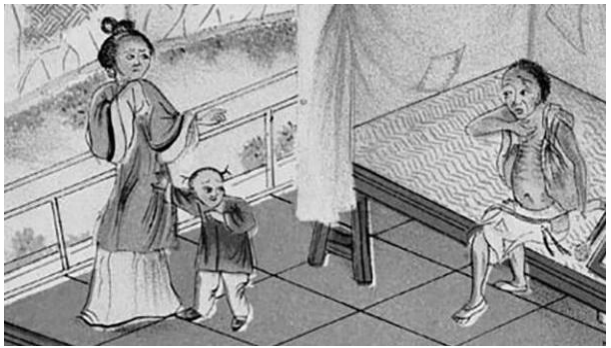
The Chinese Opium Smoker (London: S. W. Partridge & Co., ca 1880). Widener Library, Harvard University.
As afirmativas a seguir mencionam corretamente episódios do associados ao tráfico de ópio no século XIX envolvendo China e Grã-Bretanha, à exceção de uma. Assinale-a.
The Chinese Opium Smoker (London: S. W. Partridge & Co., ca 1880). Widener Library, Harvard University.
As afirmativas a seguir mencionam corretamente episódios do associados ao tráfico de ópio no século XIX envolvendo China e Grã-Bretanha, à exceção de uma. Assinale-a.
Ano: 2023
Banca:
FGV
Órgão:
SEE-MG
Prova:
FGV - 2023 - SEE-MG - Professor de Educação Básica (PEB) - História |
Q2291547
Conhecimentos Gerais
Leia os trechos a seguir:
I. Emenda Constitucional número 4:
Art. 22. Poder-se-á complementar a organização do sistema parlamentar de governo ora instituído, mediante leis votadas, nas duas casas do Congresso Nacional, pela maioria absoluta dos seus membros.
Art. 25. A lei votada nos termos do art. 22 poderá dispor sobre a realização de plebiscito que decida da manutenção do sistema parlamentar ou volta ao sistema presidencial, devendo, em tal hipótese, fazer-se a consulta plebiscitaria nove meses antes do termo do atual período presidencial.
Fonte: Legislação Brasileira – Câmara dos Deputados
II. Emenda Constitucional número 6:
Art. 1º Fica revogada a Emenda Constitucional nº 4 e restabelecido o sistema presidencial de governo instituído pela Constituição Federal de 1946, salvo o disposto no seu art. 61.
Fonte: Legislação Brasileira – Câmara dos Deputados
Os fragmentos reproduzidos são emendas da
I. Emenda Constitucional número 4:
Art. 22. Poder-se-á complementar a organização do sistema parlamentar de governo ora instituído, mediante leis votadas, nas duas casas do Congresso Nacional, pela maioria absoluta dos seus membros.
Art. 25. A lei votada nos termos do art. 22 poderá dispor sobre a realização de plebiscito que decida da manutenção do sistema parlamentar ou volta ao sistema presidencial, devendo, em tal hipótese, fazer-se a consulta plebiscitaria nove meses antes do termo do atual período presidencial.
Fonte: Legislação Brasileira – Câmara dos Deputados
II. Emenda Constitucional número 6:
Art. 1º Fica revogada a Emenda Constitucional nº 4 e restabelecido o sistema presidencial de governo instituído pela Constituição Federal de 1946, salvo o disposto no seu art. 61.
Fonte: Legislação Brasileira – Câmara dos Deputados
Os fragmentos reproduzidos são emendas da
Ano: 2023
Banca:
FGV
Órgão:
SEE-MG
Prova:
FGV - 2023 - SEE-MG - Professor de Educação Básica (PEB) - História |
Q2291546
História
A respeito da Primavera Árabe, avalie se as afirmativas a seguir
são verdadeiras (V) ou falsas (F)
( ) O movimento, que influenciou países do Oriente Médio e o Norte da África, teve seu início na Síria com a Revolução de Jasmim, após a morte de Mohamed Bouazizi.
( ) Uma das primeiras consequências do movimento foi a deposição do presidente da Tunísia Zine El Adibin Ben Ali após décadas de governo ditatorial.
( ) A não adesão do Egito ao movimento foi justificada pelo controle dos meios de comunicação por parte do ditador Hosni Mubarak, o que inviabilizou organizações de protestos.
As afirmativas são, respectivamente,
( ) O movimento, que influenciou países do Oriente Médio e o Norte da África, teve seu início na Síria com a Revolução de Jasmim, após a morte de Mohamed Bouazizi.
( ) Uma das primeiras consequências do movimento foi a deposição do presidente da Tunísia Zine El Adibin Ben Ali após décadas de governo ditatorial.
( ) A não adesão do Egito ao movimento foi justificada pelo controle dos meios de comunicação por parte do ditador Hosni Mubarak, o que inviabilizou organizações de protestos.
As afirmativas são, respectivamente,
Ano: 2023
Banca:
FGV
Órgão:
SEE-MG
Prova:
FGV - 2023 - SEE-MG - Professor de Educação Básica (PEB) - História |
Q2291545
História
Para iniciar as discussões sobre a participação dos Estados Unidos
na Guerra do Vietnã, o docente de História utiliza os dois
documentos a seguir:
I Foto de jovem mulher encarando a Guarda Nacional Americana em frente ao Pentágono (Washington), em 1967
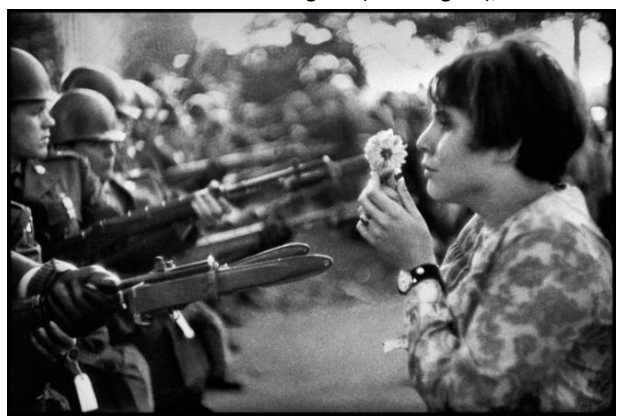
Washington, DC, EUA, 1967 | Marc Riboud / Magnum Photos
II. Trechos da música “Mestre de Guerra” de Bob Dylan (1963).
Para onde foram todas as flores? Todas foram colhidas pelas meninas Para onde foram todas as meninas? Todas foram por seus maridos Para onde foram todos os maridos? Todos foram ser soldados Para onde foram todos os soldados? Todos foram para cemitérios Para onde foram todos os cemitérios? Todos foram para as flores
Assinale a afirmativa que identifica corretamente um objetivo didático relacionado ao uso dos documentos propostos.
I Foto de jovem mulher encarando a Guarda Nacional Americana em frente ao Pentágono (Washington), em 1967
Washington, DC, EUA, 1967 | Marc Riboud / Magnum Photos
II. Trechos da música “Mestre de Guerra” de Bob Dylan (1963).
Para onde foram todas as flores? Todas foram colhidas pelas meninas Para onde foram todas as meninas? Todas foram por seus maridos Para onde foram todos os maridos? Todos foram ser soldados Para onde foram todos os soldados? Todos foram para cemitérios Para onde foram todos os cemitérios? Todos foram para as flores
Assinale a afirmativa que identifica corretamente um objetivo didático relacionado ao uso dos documentos propostos.
Ano: 2023
Banca:
FGV
Órgão:
SEE-MG
Prova:
FGV - 2023 - SEE-MG - Professor de Educação Básica (PEB) - História |
Q2291544
História
Leia os documentos a seguir.
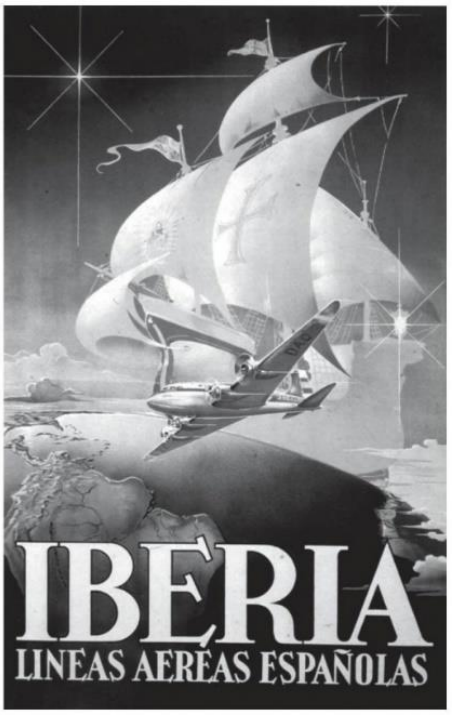
I. Propaganda da “Iberia – Linhas aéreas espanholas”, nacionalizada em 1944, elaborada por ocasião do lançamento da linha para América do Sul.
II. Como penhor desta nova etapa de aproximação cultural entre Espanha e os povos americanos, o Estado inaugura hoje simbolicamente o início da construção do Museu da América que muito em breve será emblema comemorativo e ao mesmo tempo indício perpetuo da nossa comunidade espiritual. Toda a vida histórica e presente das nações irmãs se refletirá nas salas deste Museu para que nossa juventude tenha sempre em mente a gigantesca contribuição para a história da civilização mundial. Contribuição gigantesca, na verdade, que só o estudo poderá libertar das brumas sinistras de uma lenda produzida pelos inimigos da Espanha.
Discurso pronunciado por S. E. Generalíssimo Franco, Chefe do Estado espanhol com motivo da inauguração do presente curso escolar e da Cidade Universitária de Madri no dia 12 de outubro de 1943.
Assinale a opção que interpreta corretamente os documentos I e II em relação ao seu contexto de produção e circulação: a Ditadura de Francisco Franco na Espanha.
I. Propaganda da “Iberia – Linhas aéreas espanholas”, nacionalizada em 1944, elaborada por ocasião do lançamento da linha para América do Sul.
II. Como penhor desta nova etapa de aproximação cultural entre Espanha e os povos americanos, o Estado inaugura hoje simbolicamente o início da construção do Museu da América que muito em breve será emblema comemorativo e ao mesmo tempo indício perpetuo da nossa comunidade espiritual. Toda a vida histórica e presente das nações irmãs se refletirá nas salas deste Museu para que nossa juventude tenha sempre em mente a gigantesca contribuição para a história da civilização mundial. Contribuição gigantesca, na verdade, que só o estudo poderá libertar das brumas sinistras de uma lenda produzida pelos inimigos da Espanha.
Discurso pronunciado por S. E. Generalíssimo Franco, Chefe do Estado espanhol com motivo da inauguração do presente curso escolar e da Cidade Universitária de Madri no dia 12 de outubro de 1943.
Assinale a opção que interpreta corretamente os documentos I e II em relação ao seu contexto de produção e circulação: a Ditadura de Francisco Franco na Espanha.
Ano: 2023
Banca:
FGV
Órgão:
SEE-MG
Prova:
FGV - 2023 - SEE-MG - Professor de Educação Básica (PEB) - História |
Q2291543
História
Relacione os pensadores listados a seguir às respectivas ideias
ilustradas sobre formas de governo.
1. François-Marie Arouet Voltaire
2. Jean -Jacques Rousseau
3. Charle-Louis de Secondat Montesquieu
( ) Existem em cada Estado três tipos de poder: o poder legislativo, o poder executivo das coisas que dependem do direito das gentes e o poder executivo daquelas que dependem do direito civil.
( ) Alguns disseram que, se usássemos da indulgência paternal para com nossos irmãos errantes que rezam a Deus em mau francês, estaríamos colocando armas em suas mãos; mas parece-me que não é correto o raciocínio: Esses homens insurgiram-se quando lhes fiz o mal; portanto se insurgirão quando lhes fizer o bem.
( ) O ato de associação encerra um compromisso recíproco do público com os particulares, que cada indivíduo, contratando consigo mesmo, acha-se comprometido numa dupla relação, a saber: como membro do soberano em face do soberano.
Assinale a opção que apresenta a relação correta, na ordem apresentada.
1. François-Marie Arouet Voltaire
2. Jean -Jacques Rousseau
3. Charle-Louis de Secondat Montesquieu
( ) Existem em cada Estado três tipos de poder: o poder legislativo, o poder executivo das coisas que dependem do direito das gentes e o poder executivo daquelas que dependem do direito civil.
( ) Alguns disseram que, se usássemos da indulgência paternal para com nossos irmãos errantes que rezam a Deus em mau francês, estaríamos colocando armas em suas mãos; mas parece-me que não é correto o raciocínio: Esses homens insurgiram-se quando lhes fiz o mal; portanto se insurgirão quando lhes fizer o bem.
( ) O ato de associação encerra um compromisso recíproco do público com os particulares, que cada indivíduo, contratando consigo mesmo, acha-se comprometido numa dupla relação, a saber: como membro do soberano em face do soberano.
Assinale a opção que apresenta a relação correta, na ordem apresentada.
Ano: 2023
Banca:
FGV
Órgão:
SEE-MG
Prova:
FGV - 2023 - SEE-MG - Professor de Educação Básica (PEB) - História |
Q2291542
História
Observe a imagem a seguir:
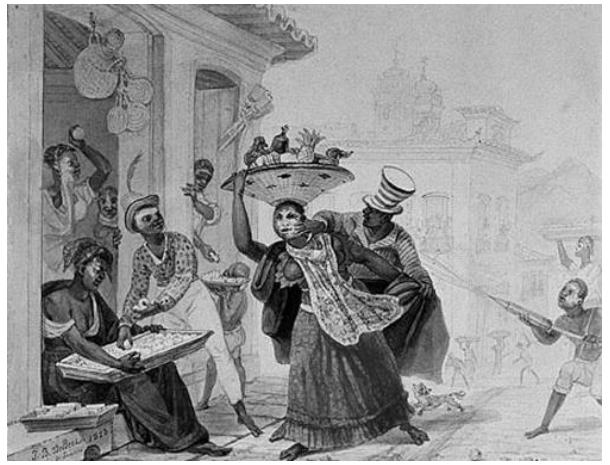
Cena de Carnaval. Gravura de Jean Baptiste Debret (1823).
A análise da gravura foi proposta por um docente como atividade didática sobre a sociedade e a cultura brasileira em perspectiva histórica, tendo o carnaval como objeto de estudo.
A respeito dessa atividade, é correto afirmar que
Cena de Carnaval. Gravura de Jean Baptiste Debret (1823).
A análise da gravura foi proposta por um docente como atividade didática sobre a sociedade e a cultura brasileira em perspectiva histórica, tendo o carnaval como objeto de estudo.
A respeito dessa atividade, é correto afirmar que
 Conheça nossos planos