Questões de Concurso
Para instituto ágata
Foram encontradas 3.349 questões
Resolva questões gratuitamente!
Junte-se a mais de 4 milhões de concurseiros!


De acordo com o Instituto Nacional de Pesquisas Espaciais (INPE), foram registrados 8 100 hectares de áreas desmatadas na Amazônia no mês de abril de 2025. Sabe-se que um campo de futebol tem 110 metros de comprimento e 75 metros de largura. Sabe-se também que 1 hectare equivale a 10 000 m2 .
Dessa maneira, as áreas desmatadas nesse período correspondem a aproximadamente
Numa escola, foi apresentado para a equipe de professores o resultado, em pontuação, dos estudantes do 3º ano do nível médio que participaram de um teste em que a menor nota é zero e a maior é 10, como mostra a tabela.
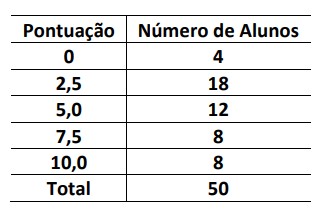
A média de pontuação da turma foi de
Uma indústria siderúrgica apresentou variação do preço unitário de suas ações na bolsa de valores, durante todo o mês de julho de 2025, segundo o gráfico.
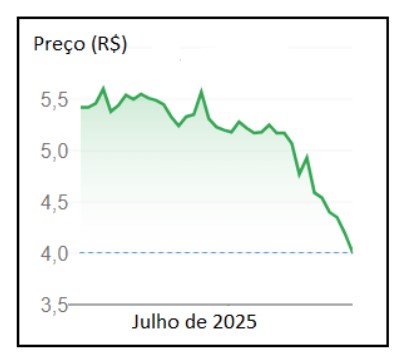
Essa variação representou uma redução de preço, em percentual, de aproximadamente
Na festa de confraternização de fim de ano de uma empresa, 12 mulheres usam vestido branco, 8 usam vermelho e 4 usam vestido azul. Foi proposto um sorteio em que uma delas, escolhida aleatoriamente, ganharia um televisor de 50 polegadas.
Qual a probabilidade de uma mulher usando vestido vermelho ser sorteada?
Se a nossa existência não tem por fim imediato a dor, pode-se dizer que não tem razão alguma de ser no mundo. Porque é absurdo admitir que a dor sem fim que nasce da miséria inerente à vida e enche o mundo seja apenas um puro acidente, e não o próprio fim. Cada desgraça particular parece, é certo, uma exceção, mas a desgraça geral é a regra.
Assim como um regato corre sem ímpetos enquanto não encontra obstáculos, do mesmo modo, na natureza animal, a vida corre inconsciente e descuidosa quando coisa alguma se lhe opõe à vontade. Se a atenção desperta, é porque a vontade não era livre e se produziu algum choque. Tudo o que se ergue em frente da nossa vontade, tudo o que a contraria ou lhe resiste, isto é, tudo o que há de desagradável e de doloroso, sentimo-lo ato contínuo e muito nitidamente. Não nos atentamos à saúde geral do nosso corpo, mas notamos o ponto ligeiro onde o sapato nos molesta; não apreciamos o conjunto próspero dos nossos negócios, e só pensamos numa ninharia insignificante que nos desgosta. – O bem-estar e a felicidade são, portanto, negativos, só a dor é positiva.
Não conheço nada mais absurdo que a maior parte dos sistemas metafísicos, que explicam o mal como uma coisa negativa; só ele, pelo contrário, é positivo, visto que se faz sentir… O bem, a felicidade, a satisfação são negativos, porque não fazem senão suprimir um desejo e terminar um desgosto.
Acrescente-se a isso que, em geral, achamos as alegrias abaixo da nossa expectativa, ao passo que as dores a excedem sobremaneira.
Se quereis num momento esclarecer-vos a esse respeito, e saber se o prazer é superior ao desgosto, ou se apenas se compensam, comparai a impressão do animal que devora outro com a impressão do que é devorado.
SCHOPENHAUER, Arthur. As dores do mundo. Tradução de Jair Barboza. São Paulo: Martins Fontes, 2005. p. 1.
Se a nossa existência não tem por fim imediato a dor, pode-se dizer que não tem razão alguma de ser no mundo. Porque é absurdo admitir que a dor sem fim que nasce da miséria inerente à vida e enche o mundo seja apenas um puro acidente, e não o próprio fim. Cada desgraça particular parece, é certo, uma exceção, mas a desgraça geral é a regra.
Assim como um regato corre sem ímpetos enquanto não encontra obstáculos, do mesmo modo, na natureza animal, a vida corre inconsciente e descuidosa quando coisa alguma se lhe opõe à vontade. Se a atenção desperta, é porque a vontade não era livre e se produziu algum choque. Tudo o que se ergue em frente da nossa vontade, tudo o que a contraria ou lhe resiste, isto é, tudo o que há de desagradável e de doloroso, sentimo-lo ato contínuo e muito nitidamente. Não nos atentamos à saúde geral do nosso corpo, mas notamos o ponto ligeiro onde o sapato nos molesta; não apreciamos o conjunto próspero dos nossos negócios, e só pensamos numa ninharia insignificante que nos desgosta. – O bem-estar e a felicidade são, portanto, negativos, só a dor é positiva.
Não conheço nada mais absurdo que a maior parte dos sistemas metafísicos, que explicam o mal como uma coisa negativa; só ele, pelo contrário, é positivo, visto que se faz sentir… O bem, a felicidade, a satisfação são negativos, porque não fazem senão suprimir um desejo e terminar um desgosto.
Acrescente-se a isso que, em geral, achamos as alegrias abaixo da nossa expectativa, ao passo que as dores a excedem sobremaneira.
Se quereis num momento esclarecer-vos a esse respeito, e saber se o prazer é superior ao desgosto, ou se apenas se compensam, comparai a impressão do animal que devora outro com a impressão do que é devorado.
SCHOPENHAUER, Arthur. As dores do mundo. Tradução de Jair Barboza. São Paulo: Martins Fontes, 2005. p. 1.
Se a nossa existência não tem por fim imediato a dor, pode-se dizer que não tem razão alguma de ser no mundo. Porque é absurdo admitir que a dor sem fim que nasce da miséria inerente à vida e enche o mundo seja apenas um puro acidente, e não o próprio fim. Cada desgraça particular parece, é certo, uma exceção, mas a desgraça geral é a regra.
Assim como um regato corre sem ímpetos enquanto não encontra obstáculos, do mesmo modo, na natureza animal, a vida corre inconsciente e descuidosa quando coisa alguma se lhe opõe à vontade. Se a atenção desperta, é porque a vontade não era livre e se produziu algum choque. Tudo o que se ergue em frente da nossa vontade, tudo o que a contraria ou lhe resiste, isto é, tudo o que há de desagradável e de doloroso, sentimo-lo ato contínuo e muito nitidamente. Não nos atentamos à saúde geral do nosso corpo, mas notamos o ponto ligeiro onde o sapato nos molesta; não apreciamos o conjunto próspero dos nossos negócios, e só pensamos numa ninharia insignificante que nos desgosta. – O bem-estar e a felicidade são, portanto, negativos, só a dor é positiva.
Não conheço nada mais absurdo que a maior parte dos sistemas metafísicos, que explicam o mal como uma coisa negativa; só ele, pelo contrário, é positivo, visto que se faz sentir… O bem, a felicidade, a satisfação são negativos, porque não fazem senão suprimir um desejo e terminar um desgosto.
Acrescente-se a isso que, em geral, achamos as alegrias abaixo da nossa expectativa, ao passo que as dores a excedem sobremaneira.
Se quereis num momento esclarecer-vos a esse respeito, e saber se o prazer é superior ao desgosto, ou se apenas se compensam, comparai a impressão do animal que devora outro com a impressão do que é devorado.
SCHOPENHAUER, Arthur. As dores do mundo. Tradução de Jair Barboza. São Paulo: Martins Fontes, 2005. p. 1.
Observe os trechos retirados de As Dores do Mundo, e analise a função gramatical dos termos destacados:
1. “Se a nossa existência não tem por fim imediato a dor...”
2. “Não nos atentamos à saúde geral do nosso corpo...”
3. “Se quereis num momento esclarecer-vos a esse respeito...”
Assinale a alternativa que apresenta corretamente a análise funcional dos termos destacados.
Se a nossa existência não tem por fim imediato a dor, pode-se dizer que não tem razão alguma de ser no mundo. Porque é absurdo admitir que a dor sem fim que nasce da miséria inerente à vida e enche o mundo seja apenas um puro acidente, e não o próprio fim. Cada desgraça particular parece, é certo, uma exceção, mas a desgraça geral é a regra.
Assim como um regato corre sem ímpetos enquanto não encontra obstáculos, do mesmo modo, na natureza animal, a vida corre inconsciente e descuidosa quando coisa alguma se lhe opõe à vontade. Se a atenção desperta, é porque a vontade não era livre e se produziu algum choque. Tudo o que se ergue em frente da nossa vontade, tudo o que a contraria ou lhe resiste, isto é, tudo o que há de desagradável e de doloroso, sentimo-lo ato contínuo e muito nitidamente. Não nos atentamos à saúde geral do nosso corpo, mas notamos o ponto ligeiro onde o sapato nos molesta; não apreciamos o conjunto próspero dos nossos negócios, e só pensamos numa ninharia insignificante que nos desgosta. – O bem-estar e a felicidade são, portanto, negativos, só a dor é positiva.
Não conheço nada mais absurdo que a maior parte dos sistemas metafísicos, que explicam o mal como uma coisa negativa; só ele, pelo contrário, é positivo, visto que se faz sentir… O bem, a felicidade, a satisfação são negativos, porque não fazem senão suprimir um desejo e terminar um desgosto.
Acrescente-se a isso que, em geral, achamos as alegrias abaixo da nossa expectativa, ao passo que as dores a excedem sobremaneira.
Se quereis num momento esclarecer-vos a esse respeito, e saber se o prazer é superior ao desgosto, ou se apenas se compensam, comparai a impressão do animal que devora outro com a impressão do que é devorado.
SCHOPENHAUER, Arthur. As dores do mundo. Tradução de Jair Barboza. São Paulo: Martins Fontes, 2005. p. 1.
Se a nossa existência não tem por fim imediato a dor, pode-se dizer que não tem razão alguma de ser no mundo. Porque é absurdo admitir que a dor sem fim que nasce da miséria inerente à vida e enche o mundo seja apenas um puro acidente, e não o próprio fim. Cada desgraça particular parece, é certo, uma exceção, mas a desgraça geral é a regra.
Assim como um regato corre sem ímpetos enquanto não encontra obstáculos, do mesmo modo, na natureza animal, a vida corre inconsciente e descuidosa quando coisa alguma se lhe opõe à vontade. Se a atenção desperta, é porque a vontade não era livre e se produziu algum choque. Tudo o que se ergue em frente da nossa vontade, tudo o que a contraria ou lhe resiste, isto é, tudo o que há de desagradável e de doloroso, sentimo-lo ato contínuo e muito nitidamente. Não nos atentamos à saúde geral do nosso corpo, mas notamos o ponto ligeiro onde o sapato nos molesta; não apreciamos o conjunto próspero dos nossos negócios, e só pensamos numa ninharia insignificante que nos desgosta. – O bem-estar e a felicidade são, portanto, negativos, só a dor é positiva.
Não conheço nada mais absurdo que a maior parte dos sistemas metafísicos, que explicam o mal como uma coisa negativa; só ele, pelo contrário, é positivo, visto que se faz sentir… O bem, a felicidade, a satisfação são negativos, porque não fazem senão suprimir um desejo e terminar um desgosto.
Acrescente-se a isso que, em geral, achamos as alegrias abaixo da nossa expectativa, ao passo que as dores a excedem sobremaneira.
Se quereis num momento esclarecer-vos a esse respeito, e saber se o prazer é superior ao desgosto, ou se apenas se compensam, comparai a impressão do animal que devora outro com a impressão do que é devorado.
SCHOPENHAUER, Arthur. As dores do mundo. Tradução de Jair Barboza. São Paulo: Martins Fontes, 2005. p. 1.
Leia o texto abaixo para responder às questão:
Governo institui nova Política Nacional de Educação Especial Inclusiva
O governo federal publicou nesta terça-feira (21/10/25) um decreto que institui a Política Nacional de Educação Especial Inclusiva e, paralelamente, cria a Rede Nacional de Educação Especial Inclusiva. O objetivo do documento é fortalecer a inclusão escolar de estudantes com deficiência, transtorno do espectro autista (TEA) e aqueles com altas habilidades ou superdotação.
A nova política visa garantir que esses alunos sejam incluídos em turmas regulares e escolas comuns em todos os níveis de ensino. Segundo o pedagogo e ativista pelo direito das pessoas com deficiência, Ivan Baron, o decreto estabelece um marco que organiza as iniciativas da área para combater a discriminação e a evasão escolar desse público.
Princípios e Suporte Especializado
Entre os princípios fundamentais da nova política estão a garantia de acessibilidade e o desenvolvimento de tecnologias assistivas. Baron considerou que o decreto reflete um investimento do Ministério da Educação (MEC) na implementação de salas de recursos multifuncionais e na formação de professores.
O pedagogo destaca que a política oferece um reforço crucial para que alunos com deficiência estudem nas turmas regulares, atuando no suporte para o atendimento educacional especializado. O atendimento educacional especializado é definido pelo decreto como uma atividade pedagógica complementar ou suplementar à escolarização. Esse serviço deve estar integrado ao projeto político-pedagógico das escolas e contar com a participação da família e dos estudantes. O texto enfatiza que a matrícula neste serviço especializado não substitui a matrícula na classe comum.
Foco na Formação e Governança
A nova política estabelece que os professores do atendimento especializado devem possuir formação inicial para a docência e, preferencialmente, formação específica em educação especial inclusiva.
Ivan Baron avaliou que o decreto inova ao criar a rede de governança e ao definir com mais clareza o papel do professor do atendimento especializado e dos profissionais de apoio. A criação da Rede Nacional de Educação Especial Inclusiva é vista pelo ativista como a garantia de que as diretrizes se concretizem nas escolas. “Ou seja, não é só papel”, afirmou Baron, indicando um compromisso com a implementação prática da inclusão.
(Por Luiz Claudio Ferreira. https://www.msn.com/pt-br/noticias/noticias/governo-institui-nova-pol%C3%ADtica-nacional-de-educa%C3%A7%C3%A3oespecial-inclusiva. 23/10/2025)
Leia o texto abaixo para responder às questão:
Governo institui nova Política Nacional de Educação Especial Inclusiva
O governo federal publicou nesta terça-feira (21/10/25) um decreto que institui a Política Nacional de Educação Especial Inclusiva e, paralelamente, cria a Rede Nacional de Educação Especial Inclusiva. O objetivo do documento é fortalecer a inclusão escolar de estudantes com deficiência, transtorno do espectro autista (TEA) e aqueles com altas habilidades ou superdotação.
A nova política visa garantir que esses alunos sejam incluídos em turmas regulares e escolas comuns em todos os níveis de ensino. Segundo o pedagogo e ativista pelo direito das pessoas com deficiência, Ivan Baron, o decreto estabelece um marco que organiza as iniciativas da área para combater a discriminação e a evasão escolar desse público.
Princípios e Suporte Especializado
Entre os princípios fundamentais da nova política estão a garantia de acessibilidade e o desenvolvimento de tecnologias assistivas. Baron considerou que o decreto reflete um investimento do Ministério da Educação (MEC) na implementação de salas de recursos multifuncionais e na formação de professores.
O pedagogo destaca que a política oferece um reforço crucial para que alunos com deficiência estudem nas turmas regulares, atuando no suporte para o atendimento educacional especializado. O atendimento educacional especializado é definido pelo decreto como uma atividade pedagógica complementar ou suplementar à escolarização. Esse serviço deve estar integrado ao projeto político-pedagógico das escolas e contar com a participação da família e dos estudantes. O texto enfatiza que a matrícula neste serviço especializado não substitui a matrícula na classe comum.
Foco na Formação e Governança
A nova política estabelece que os professores do atendimento especializado devem possuir formação inicial para a docência e, preferencialmente, formação específica em educação especial inclusiva.
Ivan Baron avaliou que o decreto inova ao criar a rede de governança e ao definir com mais clareza o papel do professor do atendimento especializado e dos profissionais de apoio. A criação da Rede Nacional de Educação Especial Inclusiva é vista pelo ativista como a garantia de que as diretrizes se concretizem nas escolas. “Ou seja, não é só papel”, afirmou Baron, indicando um compromisso com a implementação prática da inclusão.
(Por Luiz Claudio Ferreira. https://www.msn.com/pt-br/noticias/noticias/governo-institui-nova-pol%C3%ADtica-nacional-de-educa%C3%A7%C3%A3oespecial-inclusiva. 23/10/2025)
Leia o texto abaixo para responder às questão:
Governo institui nova Política Nacional de Educação Especial Inclusiva
O governo federal publicou nesta terça-feira (21/10/25) um decreto que institui a Política Nacional de Educação Especial Inclusiva e, paralelamente, cria a Rede Nacional de Educação Especial Inclusiva. O objetivo do documento é fortalecer a inclusão escolar de estudantes com deficiência, transtorno do espectro autista (TEA) e aqueles com altas habilidades ou superdotação.
A nova política visa garantir que esses alunos sejam incluídos em turmas regulares e escolas comuns em todos os níveis de ensino. Segundo o pedagogo e ativista pelo direito das pessoas com deficiência, Ivan Baron, o decreto estabelece um marco que organiza as iniciativas da área para combater a discriminação e a evasão escolar desse público.
Princípios e Suporte Especializado
Entre os princípios fundamentais da nova política estão a garantia de acessibilidade e o desenvolvimento de tecnologias assistivas. Baron considerou que o decreto reflete um investimento do Ministério da Educação (MEC) na implementação de salas de recursos multifuncionais e na formação de professores.
O pedagogo destaca que a política oferece um reforço crucial para que alunos com deficiência estudem nas turmas regulares, atuando no suporte para o atendimento educacional especializado. O atendimento educacional especializado é definido pelo decreto como uma atividade pedagógica complementar ou suplementar à escolarização. Esse serviço deve estar integrado ao projeto político-pedagógico das escolas e contar com a participação da família e dos estudantes. O texto enfatiza que a matrícula neste serviço especializado não substitui a matrícula na classe comum.
Foco na Formação e Governança
A nova política estabelece que os professores do atendimento especializado devem possuir formação inicial para a docência e, preferencialmente, formação específica em educação especial inclusiva.
Ivan Baron avaliou que o decreto inova ao criar a rede de governança e ao definir com mais clareza o papel do professor do atendimento especializado e dos profissionais de apoio. A criação da Rede Nacional de Educação Especial Inclusiva é vista pelo ativista como a garantia de que as diretrizes se concretizem nas escolas. “Ou seja, não é só papel”, afirmou Baron, indicando um compromisso com a implementação prática da inclusão.
(Por Luiz Claudio Ferreira. https://www.msn.com/pt-br/noticias/noticias/governo-institui-nova-pol%C3%ADtica-nacional-de-educa%C3%A7%C3%A3oespecial-inclusiva. 23/10/2025)
Leia o texto abaixo para responder às questão:
Governo institui nova Política Nacional de Educação Especial Inclusiva
O governo federal publicou nesta terça-feira (21/10/25) um decreto que institui a Política Nacional de Educação Especial Inclusiva e, paralelamente, cria a Rede Nacional de Educação Especial Inclusiva. O objetivo do documento é fortalecer a inclusão escolar de estudantes com deficiência, transtorno do espectro autista (TEA) e aqueles com altas habilidades ou superdotação.
A nova política visa garantir que esses alunos sejam incluídos em turmas regulares e escolas comuns em todos os níveis de ensino. Segundo o pedagogo e ativista pelo direito das pessoas com deficiência, Ivan Baron, o decreto estabelece um marco que organiza as iniciativas da área para combater a discriminação e a evasão escolar desse público.
Princípios e Suporte Especializado
Entre os princípios fundamentais da nova política estão a garantia de acessibilidade e o desenvolvimento de tecnologias assistivas. Baron considerou que o decreto reflete um investimento do Ministério da Educação (MEC) na implementação de salas de recursos multifuncionais e na formação de professores.
O pedagogo destaca que a política oferece um reforço crucial para que alunos com deficiência estudem nas turmas regulares, atuando no suporte para o atendimento educacional especializado. O atendimento educacional especializado é definido pelo decreto como uma atividade pedagógica complementar ou suplementar à escolarização. Esse serviço deve estar integrado ao projeto político-pedagógico das escolas e contar com a participação da família e dos estudantes. O texto enfatiza que a matrícula neste serviço especializado não substitui a matrícula na classe comum.
Foco na Formação e Governança
A nova política estabelece que os professores do atendimento especializado devem possuir formação inicial para a docência e, preferencialmente, formação específica em educação especial inclusiva.
Ivan Baron avaliou que o decreto inova ao criar a rede de governança e ao definir com mais clareza o papel do professor do atendimento especializado e dos profissionais de apoio. A criação da Rede Nacional de Educação Especial Inclusiva é vista pelo ativista como a garantia de que as diretrizes se concretizem nas escolas. “Ou seja, não é só papel”, afirmou Baron, indicando um compromisso com a implementação prática da inclusão.
(Por Luiz Claudio Ferreira. https://www.msn.com/pt-br/noticias/noticias/governo-institui-nova-pol%C3%ADtica-nacional-de-educa%C3%A7%C3%A3oespecial-inclusiva. 23/10/2025)
Leia o texto abaixo para responder às questão:
Governo institui nova Política Nacional de Educação Especial Inclusiva
O governo federal publicou nesta terça-feira (21/10/25) um decreto que institui a Política Nacional de Educação Especial Inclusiva e, paralelamente, cria a Rede Nacional de Educação Especial Inclusiva. O objetivo do documento é fortalecer a inclusão escolar de estudantes com deficiência, transtorno do espectro autista (TEA) e aqueles com altas habilidades ou superdotação.
A nova política visa garantir que esses alunos sejam incluídos em turmas regulares e escolas comuns em todos os níveis de ensino. Segundo o pedagogo e ativista pelo direito das pessoas com deficiência, Ivan Baron, o decreto estabelece um marco que organiza as iniciativas da área para combater a discriminação e a evasão escolar desse público.
Princípios e Suporte Especializado
Entre os princípios fundamentais da nova política estão a garantia de acessibilidade e o desenvolvimento de tecnologias assistivas. Baron considerou que o decreto reflete um investimento do Ministério da Educação (MEC) na implementação de salas de recursos multifuncionais e na formação de professores.
O pedagogo destaca que a política oferece um reforço crucial para que alunos com deficiência estudem nas turmas regulares, atuando no suporte para o atendimento educacional especializado. O atendimento educacional especializado é definido pelo decreto como uma atividade pedagógica complementar ou suplementar à escolarização. Esse serviço deve estar integrado ao projeto político-pedagógico das escolas e contar com a participação da família e dos estudantes. O texto enfatiza que a matrícula neste serviço especializado não substitui a matrícula na classe comum.
Foco na Formação e Governança
A nova política estabelece que os professores do atendimento especializado devem possuir formação inicial para a docência e, preferencialmente, formação específica em educação especial inclusiva.
Ivan Baron avaliou que o decreto inova ao criar a rede de governança e ao definir com mais clareza o papel do professor do atendimento especializado e dos profissionais de apoio. A criação da Rede Nacional de Educação Especial Inclusiva é vista pelo ativista como a garantia de que as diretrizes se concretizem nas escolas. “Ou seja, não é só papel”, afirmou Baron, indicando um compromisso com a implementação prática da inclusão.
(Por Luiz Claudio Ferreira. https://www.msn.com/pt-br/noticias/noticias/governo-institui-nova-pol%C3%ADtica-nacional-de-educa%C3%A7%C3%A3oespecial-inclusiva. 23/10/2025)

 Conheça nossos planos