Questões de Concurso
Para objetiva
Foram encontradas 44.139 questões
Resolva questões gratuitamente!
Junte-se a mais de 4 milhões de concurseiros!


Ano: 2024
Banca:
OBJETIVA
Órgão:
FEAS de Curitiba - PR
Prova:
OBJETIVA - 2024 - FEAS de Curitiba - PR - Médico Pneumologista |
Q2560501
Medicina
A Paracoccidioidomicose (PCM) é uma doença endêmica
na América do Sul. No Brasil, as regiões sudeste e sul têm o
maior número de casos. Sobre essa micose sistêmica,
assinalar a alternativa INCORRETA:
Ano: 2024
Banca:
OBJETIVA
Órgão:
FEAS de Curitiba - PR
Prova:
OBJETIVA - 2024 - FEAS de Curitiba - PR - Médico Pneumologista |
Q2560500
Medicina
Sobre a tuberculose, doença infectocontagiosa que mata
mais de 1 milhão de pessoas no mundo anualmente,
assinalar a alternativa CORRETA:
Ano: 2024
Banca:
OBJETIVA
Órgão:
FEAS de Curitiba - PR
Prova:
OBJETIVA - 2024 - FEAS de Curitiba - PR - Médico Pneumologista |
Q2560499
Medicina
A doença pulmonar obstrutiva crônica (DPOC) afeta
milhões de pessoas no mundo, sendo a 3ª causa de morte
na atualidade. O tabagismo é o principal fator de risco.
Sobre os demais fatores de risco relacionados à DPOC,
analisar os itens abaixo:
I. Queima de biomassa intradomiciliar.
II. Tabagismo materno e baixo peso ao nascer.
III. Deficiência de alfa-1 antitripsina.
Está(ão) CORRETO(S):
I. Queima de biomassa intradomiciliar.
II. Tabagismo materno e baixo peso ao nascer.
III. Deficiência de alfa-1 antitripsina.
Está(ão) CORRETO(S):
Ano: 2024
Banca:
OBJETIVA
Órgão:
FEAS de Curitiba - PR
Prova:
OBJETIVA - 2024 - FEAS de Curitiba - PR - Médico Pneumologista |
Q2560498
Medicina
As políticas de controle do tabagismo introduzidas no
Brasil nas últimas décadas determinaram uma redução
significativa nas taxas de consumo. Ainda assim, o fumo do
tabaco é um enorme problema de saúde pública, com
impacto no sistema de saúde e anos de vida perdidos por
incapacidade. Sobre a dependência e tratamento do
tabagismo, assinalar a alternativa CORRETA:
Ano: 2024
Banca:
OBJETIVA
Órgão:
FEAS de Curitiba - PR
Prova:
OBJETIVA - 2024 - FEAS de Curitiba - PR - Médico Pediatra |
Q2560497
Medicina
Um escolar apresenta queixas há dois meses de dor
abdominal e episódios intermitentes de diarreia sem a
presença de muco, pus ou sangue. O exame físico não
apresentou anormalidades. O pediatra solicitou exame
parasitológico de fezes que mostrou a presença de cistos de
Giardia lamblia e larvas de Strongyloides stercoralis. Entre os
seguintes, o melhor tratamento nesse caso é:
Ano: 2024
Banca:
OBJETIVA
Órgão:
FEAS de Curitiba - PR
Prova:
OBJETIVA - 2024 - FEAS de Curitiba - PR - Médico Pediatra |
Q2560496
Medicina
Em uma consulta pediátrica, uma mãe levou uma
fotografia de sua filha de 4 anos em que chamou a atenção
um aspecto esbranquiçado em um olho quando usado o
flash da máquina. Mãe informa que a criança nasceu a
termo e pesando 3.510g. Na avaliação oftalmológica, foi
observada uma leucocoria retrocristaliana, também
conhecida como brilho do olho de gato. Entre as seguintes, a
principal hipótese diagnóstica nesse caso é:
Ano: 2024
Banca:
OBJETIVA
Órgão:
FEAS de Curitiba - PR
Prova:
OBJETIVA - 2024 - FEAS de Curitiba - PR - Médico Pediatra |
Q2560495
Medicina
A síndrome que afeta o neurodesenvolvimento e se
caracteriza por limitações persistentes na interação e na
comunicação social, combinada a um repertório de
interesses e comportamentos restritos e repetitivos, com
prejuízo das atividades lúdicas e imaginativas, é chamada de:
Ano: 2024
Banca:
OBJETIVA
Órgão:
FEAS de Curitiba - PR
Prova:
OBJETIVA - 2024 - FEAS de Curitiba - PR - Médico Pediatra |
Q2560494
Medicina
Paciente de 3 anos de idade, sexo feminino, chega à
emergência pediátrica com relato de ter iniciado há seis dias
coriza nasal, espirros, um episódio de febre baixa e tosse
seca. Evoluiu há 24 horas com febre entre 38,5°C e 39,5°C,
secreção nasal espessa e tosse produtiva. Ao exame físico do
aparelho respiratório, evidenciou-se saturação 95% a 96%,
com FR = 50irpm. Orofaringe e otoscopia sem alteração. O
raio X mostrou imagem consolidativa em base de pulmão
direito. Encontrava-se hidratado, tolerando os
medicamentos por via oral. Entre as seguintes, a melhor
terapêutica antibiótica a ser instituída nesse caso é:
Ano: 2024
Banca:
OBJETIVA
Órgão:
FEAS de Curitiba - PR
Prova:
OBJETIVA - 2024 - FEAS de Curitiba - PR - Médico Pediatra |
Q2560493
Medicina
Na rotina do alojamento conjunto, examina-se um
recém-nascido de 36 semanas de idade gestacional, nascido
de parto cesáreo, masculino, com peso de nascimento
2.850g e Apgar 9 e 10. Ao examiná-lo no segundo dia de
vida, ele está pesando 2.550g e ictérico em hipogástrico até
as coxas. Coleta-se exame das bilirrubinas com bilirrubina
total de 10,5mg/dl. Mãe e bebê apresentam tipagem
sanguínea do tipo B+. Entre as seguintes, a melhor conduta
na condição do paciente é:
Ano: 2024
Banca:
OBJETIVA
Órgão:
FEAS de Curitiba - PR
Prova:
OBJETIVA - 2024 - FEAS de Curitiba - PR - Médico Pediatra |
Q2560490
Medicina
O profissional é chamado para atender uma sala de
parto de uma mãe sem pré-natal completo. Nasce bebê a
termo, peso de nascimento 3500g, masculino, apgar 9 e 10.
Exame físico normal. Todos os exames solicitados para mãe
na chegada eram normais, exceto o antígeno de superfície
da hepatite B positivo. Com base nessas informações, está
CORRETO o profissional prescrever para o bebê:
I. Vacina contra o vírus hepatite B.
II. Imunoglobulina específica contra o vírus hepatite B.
III. Isolamento binômio mãe-filho até a alta.
Está(ão) CORRETO(S):
I. Vacina contra o vírus hepatite B.
II. Imunoglobulina específica contra o vírus hepatite B.
III. Isolamento binômio mãe-filho até a alta.
Está(ão) CORRETO(S):
Ano: 2024
Banca:
OBJETIVA
Órgão:
FEAS de Curitiba - PR
Prova:
OBJETIVA - 2024 - FEAS de Curitiba - PR - Médico Pediatra |
Q2560488
Medicina
Em relação ao polietilenoglicol 3350/4000, pode-se
afirmar que:
Ano: 2024
Banca:
OBJETIVA
Órgão:
FEAS de Curitiba - PR
Prova:
OBJETIVA - 2024 - FEAS de Curitiba - PR - Médico Pediatra |
Q2560486
Medicina
Na consulta ambulatorial, o profissional atende um
menino de 5 anos que reside na área rural. Mãe informa que
tem dor abdominal, tosse e discreta falta de ar há 1 semana.
Ao exame físico, o profissional observa lesões cutâneas
serpinginosas eritemato-crostosa no pé esquerdo, em fase
de cicatrização. A genitora informa que essas lesões
apareceram há 15 dias e eram pruriginosas. Na ausculta
cardiorrespiratória, crepitações finas. Hemograma solicitado
mostrou eosinofilia e anemia. A síndrome pode estar
relacionada à infestação de:
Ano: 2024
Banca:
OBJETIVA
Órgão:
FEAS de Curitiba - PR
Prova:
OBJETIVA - 2024 - FEAS de Curitiba - PR - Médico Pediatra |
Q2560485
Medicina
O profissional é chamado para atender uma sala de
parto. Trata-se de uma gestante de idade gestacional 38
semanas e 4 dias, pré-natal sem intercorrências. Apresenta
exames de ultrassom e ecocardiograma fetal normal da
gestação. O bebê nasce sob parto vaginal sem episiotomia,
vigoroso, e o obstetra coloca-o sobre a mãe. O profissional
sugere ao obstetra que faça o clampeamento do cordão
quando completar 60 segundos após o nascimento. Essa
técnica traz benefícios ao bebê, porém tem mais risco de:
Ano: 2024
Banca:
OBJETIVA
Órgão:
FEAS de Curitiba - PR
Prova:
OBJETIVA - 2024 - FEAS de Curitiba - PR - Médico Pediatra |
Q2560484
Medicina
Sobre a ordenha e conservação do aleitamento materno,
assinalar a alternativa CORRETA:
Ano: 2024
Banca:
OBJETIVA
Órgão:
FEAS de Curitiba - PR
Prova:
OBJETIVA - 2024 - FEAS de Curitiba - PR - Médico Ortopedista/Traumatologista |
Q2560483
Medicina
M., 23 anos, apresentou o raio-X abaixo para o seu médico:
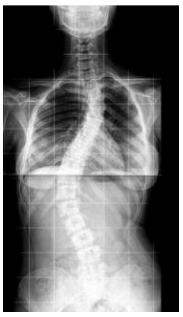
É CORRETO afirmar que ele tem:
Ano: 2024
Banca:
OBJETIVA
Órgão:
FEAS de Curitiba - PR
Prova:
OBJETIVA - 2024 - FEAS de Curitiba - PR - Médico Ortopedista/Traumatologista |
Q2560482
Medicina
A., 70 anos, foi examinada, e o médico constatou
suspeita de osteoartrose. Qual o exame responsável por
efetuar o diagnóstico?
Ano: 2024
Banca:
OBJETIVA
Órgão:
FEAS de Curitiba - PR
Prova:
OBJETIVA - 2024 - FEAS de Curitiba - PR - Médico Ortopedista/Traumatologista |
Q2560481
Medicina
Após examinar J., 65 anos, e analisar seus exames, foi
constatado que ele está com gota. A respeito dessa doença,
analisar os itens abaixo:
I. Os médicos diagnosticam gota quando cristais de ácido úrico são observados no líquido removido de uma articulação inflamada.
II. Os médicos tratam crises de gota aguda com medicamentos que diminuem a inflamação e aliviam a dor.
III. Ocorre devido à diminuição da eliminação de ácido úrico pelos rins ou pelo sistema gastrointestinal.
Estão CORRETOS:
I. Os médicos diagnosticam gota quando cristais de ácido úrico são observados no líquido removido de uma articulação inflamada.
II. Os médicos tratam crises de gota aguda com medicamentos que diminuem a inflamação e aliviam a dor.
III. Ocorre devido à diminuição da eliminação de ácido úrico pelos rins ou pelo sistema gastrointestinal.
Estão CORRETOS:
Ano: 2024
Banca:
OBJETIVA
Órgão:
FEAS de Curitiba - PR
Prova:
OBJETIVA - 2024 - FEAS de Curitiba - PR - Médico Ortopedista/Traumatologista |
Q2560480
Medicina
J., 20 anos, sofreu uma lesão ligamentar de 1º grau.
Sendo assim, é CORRETO afirmar que ela sofreu uma:
Ano: 2024
Banca:
OBJETIVA
Órgão:
FEAS de Curitiba - PR
Prova:
OBJETIVA - 2024 - FEAS de Curitiba - PR - Médico Ortopedista/Traumatologista |
Q2560479
Medicina
A respeito da embriologia do sistema
musculoesquelético, assinalar a alternativa INCORRETA:
Ano: 2024
Banca:
OBJETIVA
Órgão:
FEAS de Curitiba - PR
Prova:
OBJETIVA - 2024 - FEAS de Curitiba - PR - Médico Ortopedista/Traumatologista |
Q2560478
Medicina
M., 46 anos, foi diagnosticada com osteonecrose após
uma lesão. Assinalar a alternativa que NÃO corresponde a
um possível tratamento para ela:

 Conheça nossos planos