Questões de Concurso
Sobre inglês
Foram encontradas 25.430 questões
Resolva questões gratuitamente!
Junte-se a mais de 4 milhões de concurseiros!


Match them to their characteristics.
Column 1 Methods 1. The Audiolingual Method. 2. The Direct Method. 3. The Grammar Translation Method. 4. The Silent Way
Column 2 Characteristics ( ) It’s used to teach a number of different languages not just English, and the main idea of this Method is that it only uses the target language that the students are trying to learn. ( ) It is based on a behaviorist theory that things are able to be learned by constant reinforcement. ( ) The main of this way of teaching is for the teacher to say very little, so students can take control of their learning. ( ) This method of teaching English is grammar heavy and relies a lot on translation.
Choose the alternative which presents the correct sequence from top to botton.
( ) Method is an overall plan for systematic presentation of language based upon a selected approach.
( ) The Method that is focused on grammatical rules is called the Direct Method.
( ) Communicative competence is the approach of Communicative Language Teaching.
( ) Language learning is usually based on learning styles and its focus is on the students’ motivation.
( ) The Audiolingual Method has its emphasis on the oral skills and on the exhaustive repetition of structural exercises.
Choose the alternative which presents the correct sequence from top to botton.
The Amazon Forest
The Amazon is often called the lungs of the earth and produces 20% of the world’s oxygen. For this reason, many people are trying to stop deforestation in the rainforest. Brazil, for example, is working hard to help the rainforest survive.
A few years ago, the Brazilian government put forward a plan called ARPA (Amazon Region Protected Areas). It had the support of many international agencies, including the World Bank, and the German Development Bank, KfW. The main aim was to build new areas of protected rainforest, maintain areas of the rainforest that hadn’t yet been destroyed, and stop deforestation. Deforestation contributes greatly to global warming because carbon dioxide is released into the atmosphere when trees get cut down and burned.
One of the first areas to be recognized as part of ARPA was the Tumucumaque Mountains National Park. It is 38,800 km2 and is the same size as Switzerland, a small country in Central Europe. It’s the world’s largest protected tropical national park, and the second largest national park. It is home to certain species of jaguar, eagle, and lizard, which can only survive in the rainforest. Many of these species are under threat from climate change and deforestation.
In order to work in the park, conservationists need
a reliable map. However, no map existed, and they
didn’t have enough knowledge to make one on their
own. They came up with the idea of involving local
tribes to help them, combining modern and ancient
methods to produce a map. The tribes learned to use
global positioning system handsets (GPS), in conjunction with their local knowledge of the area, which
included fishing and hunting grounds, and places of
historical or mythical importance. Aerial photos were
a 20useful aid in the process as well. This method of
map-making is now the key to the future of rainforests,
in Brazil and the rest of the world too.
( ) Methodology: Pedagogical practices using theoretical underpinnings and related research only.
( ) Approach: Positions and beliefs about the nature of language, the nature of language learning, and the applicability of both to pedagogical settings.
( ) Method: A generalized set of classroom specification for accomplishing linguistic objectives.
( ) Techniques: an specific type of task used in the language classroom for realizing lesson objectives.
Choose the alternative which presents the correct sequence, from top to bottom.
Resumos relacionados
Advérbios e conjunções em inglês para concursos públicos
O estudo de advérbios e conjunções na língua inglesa é fundamental para quem deseja se destacar em provas de concursos públicos. Esses elementos desempenham papéis essenciais na construção de frases, influenciando diretamente o sentido e a coesão textual, habilidades bastante exigidas nas questões de interpretação e compreensão de textos em inglês.
Artigos (Articles) em inglês: uso em concursos públicos
Artigos (Articles) são palavras essenciais na gramática da língua inglesa, usadas para indicar se um substantivo está sendo mencionado de forma específica ou geral. Eles desempenham papel fundamental em provas de concursos, pois ajudam na compreensão e interpretação dos textos, além de serem frequentemente cobrados em questões envolvendo uso correto de estruturas gramaticais.
The Amazon Forest
The Amazon is often called the lungs of the earth and produces 20% of the world’s oxygen. For this reason, many people are trying to stop deforestation in the rainforest. Brazil, for example, is working hard to help the rainforest survive.
A few years ago, the Brazilian government put forward a plan called ARPA (Amazon Region Protected Areas). It had the support of many international agencies, including the World Bank, and the German Development Bank, KfW. The main aim was to build new areas of protected rainforest, maintain areas of the rainforest that hadn’t yet been destroyed, and stop deforestation. Deforestation contributes greatly to global warming because carbon dioxide is released into the atmosphere when trees get cut down and burned.
One of the first areas to be recognized as part of ARPA was the Tumucumaque Mountains National Park. It is 38,800 km2 and is the same size as Switzerland, a small country in Central Europe. It’s the world’s largest protected tropical national park, and the second largest national park. It is home to certain species of jaguar, eagle, and lizard, which can only survive in the rainforest. Many of these species are under threat from climate change and deforestation.
In order to work in the park, conservationists need
a reliable map. However, no map existed, and they
didn’t have enough knowledge to make one on their
own. They came up with the idea of involving local
tribes to help them, combining modern and ancient
methods to produce a map. The tribes learned to use
global positioning system handsets (GPS), in conjunction with their local knowledge of the area, which
included fishing and hunting grounds, and places of
historical or mythical importance. Aerial photos were
a 20useful aid in the process as well. This method of
map-making is now the key to the future of rainforests,
in Brazil and the rest of the world too.
Effective readers, often unconsciously select and use reading strategies while they are reading.
When reading, they are likely to come across words that are unfamiliar - words that you don’t know the meaning.
Which strategy the learner should use to facilitate his/ her understanding?
The Amazon Forest
The Amazon is often called the lungs of the earth and produces 20% of the world’s oxygen. For this reason, many people are trying to stop deforestation in the rainforest. Brazil, for example, is working hard to help the rainforest survive.
A few years ago, the Brazilian government put forward a plan called ARPA (Amazon Region Protected Areas). It had the support of many international agencies, including the World Bank, and the German Development Bank, KfW. The main aim was to build new areas of protected rainforest, maintain areas of the rainforest that hadn’t yet been destroyed, and stop deforestation. Deforestation contributes greatly to global warming because carbon dioxide is released into the atmosphere when trees get cut down and burned.
One of the first areas to be recognized as part of ARPA was the Tumucumaque Mountains National Park. It is 38,800 km2 and is the same size as Switzerland, a small country in Central Europe. It’s the world’s largest protected tropical national park, and the second largest national park. It is home to certain species of jaguar, eagle, and lizard, which can only survive in the rainforest. Many of these species are under threat from climate change and deforestation.
In order to work in the park, conservationists need
a reliable map. However, no map existed, and they
didn’t have enough knowledge to make one on their
own. They came up with the idea of involving local
tribes to help them, combining modern and ancient
methods to produce a map. The tribes learned to use
global positioning system handsets (GPS), in conjunction with their local knowledge of the area, which
included fishing and hunting grounds, and places of
historical or mythical importance. Aerial photos were
a 20useful aid in the process as well. This method of
map-making is now the key to the future of rainforests,
in Brazil and the rest of the world too.
1. The (‘s) in “The Amazon is often called the lungs of the earth and produces 20% of the world’s oxygen.”, is the contraction for the verb to be (is).
2. In “In order to work in the park, conservationists need a reliable map. However, no map existed, and they didn’t have enough knowledge to make one on their own.”, the underlined pronouns refer to ‘conservationists’
3. The phrasal verb ‘cut down’, in the second paragraph, means to reduce the amount.
4. The negative form of “They came up with the idea of involving local tribes to help them, combining modern and ancient methods to produce a map.” is They didn’t come up with the idea of involving local tribes to help them, combining modern and ancient methods to not produce a map.
Choose the alternative which presents the correct sentences.
The Amazon Forest
The Amazon is often called the lungs of the earth and produces 20% of the world’s oxygen. For this reason, many people are trying to stop deforestation in the rainforest. Brazil, for example, is working hard to help the rainforest survive.
A few years ago, the Brazilian government put forward a plan called ARPA (Amazon Region Protected Areas). It had the support of many international agencies, including the World Bank, and the German Development Bank, KfW. The main aim was to build new areas of protected rainforest, maintain areas of the rainforest that hadn’t yet been destroyed, and stop deforestation. Deforestation contributes greatly to global warming because carbon dioxide is released into the atmosphere when trees get cut down and burned.
One of the first areas to be recognized as part of ARPA was the Tumucumaque Mountains National Park. It is 38,800 km2 and is the same size as Switzerland, a small country in Central Europe. It’s the world’s largest protected tropical national park, and the second largest national park. It is home to certain species of jaguar, eagle, and lizard, which can only survive in the rainforest. Many of these species are under threat from climate change and deforestation.
In order to work in the park, conservationists need
a reliable map. However, no map existed, and they
didn’t have enough knowledge to make one on their
own. They came up with the idea of involving local
tribes to help them, combining modern and ancient
methods to produce a map. The tribes learned to use
global positioning system handsets (GPS), in conjunction with their local knowledge of the area, which
included fishing and hunting grounds, and places of
historical or mythical importance. Aerial photos were
a 20useful aid in the process as well. This method of
map-making is now the key to the future of rainforests,
in Brazil and the rest of the world too.
The Amazon Forest
The Amazon is often called the lungs of the earth and produces 20% of the world’s oxygen. For this reason, many people are trying to stop deforestation in the rainforest. Brazil, for example, is working hard to help the rainforest survive.
A few years ago, the Brazilian government put forward a plan called ARPA (Amazon Region Protected Areas). It had the support of many international agencies, including the World Bank, and the German Development Bank, KfW. The main aim was to build new areas of protected rainforest, maintain areas of the rainforest that hadn’t yet been destroyed, and stop deforestation. Deforestation contributes greatly to global warming because carbon dioxide is released into the atmosphere when trees get cut down and burned.
One of the first areas to be recognized as part of ARPA was the Tumucumaque Mountains National Park. It is 38,800 km2 and is the same size as Switzerland, a small country in Central Europe. It’s the world’s largest protected tropical national park, and the second largest national park. It is home to certain species of jaguar, eagle, and lizard, which can only survive in the rainforest. Many of these species are under threat from climate change and deforestation.
In order to work in the park, conservationists need
a reliable map. However, no map existed, and they
didn’t have enough knowledge to make one on their
own. They came up with the idea of involving local
tribes to help them, combining modern and ancient
methods to produce a map. The tribes learned to use
global positioning system handsets (GPS), in conjunction with their local knowledge of the area, which
included fishing and hunting grounds, and places of
historical or mythical importance. Aerial photos were
a 20useful aid in the process as well. This method of
map-making is now the key to the future of rainforests,
in Brazil and the rest of the world too.
Coluna 1 Words
1. survive
2. support
3. reliable
4. threat
Coluna 2 Definitions
( ) a person or thing with trustworthy qualities.
( ) continue to live or exist.
( ) a thing or a person likely to cause damage.
( ) give assistance to, especially financially.
Choose the alternative which presents the correct sequence, from top to bottom.
The Amazon Forest
The Amazon is often called the lungs of the earth and produces 20% of the world’s oxygen. For this reason, many people are trying to stop deforestation in the rainforest. Brazil, for example, is working hard to help the rainforest survive.
A few years ago, the Brazilian government put forward a plan called ARPA (Amazon Region Protected Areas). It had the support of many international agencies, including the World Bank, and the German Development Bank, KfW. The main aim was to build new areas of protected rainforest, maintain areas of the rainforest that hadn’t yet been destroyed, and stop deforestation. Deforestation contributes greatly to global warming because carbon dioxide is released into the atmosphere when trees get cut down and burned.
One of the first areas to be recognized as part of ARPA was the Tumucumaque Mountains National Park. It is 38,800 km2 and is the same size as Switzerland, a small country in Central Europe. It’s the world’s largest protected tropical national park, and the second largest national park. It is home to certain species of jaguar, eagle, and lizard, which can only survive in the rainforest. Many of these species are under threat from climate change and deforestation.
In order to work in the park, conservationists need
a reliable map. However, no map existed, and they
didn’t have enough knowledge to make one on their
own. They came up with the idea of involving local
tribes to help them, combining modern and ancient
methods to produce a map. The tribes learned to use
global positioning system handsets (GPS), in conjunction with their local knowledge of the area, which
included fishing and hunting grounds, and places of
historical or mythical importance. Aerial photos were
a 20useful aid in the process as well. This method of
map-making is now the key to the future of rainforests,
in Brazil and the rest of the world too.
The Amazon Forest
The Amazon is often called the lungs of the earth and produces 20% of the world’s oxygen. For this reason, many people are trying to stop deforestation in the rainforest. Brazil, for example, is working hard to help the rainforest survive.
A few years ago, the Brazilian government put forward a plan called ARPA (Amazon Region Protected Areas). It had the support of many international agencies, including the World Bank, and the German Development Bank, KfW. The main aim was to build new areas of protected rainforest, maintain areas of the rainforest that hadn’t yet been destroyed, and stop deforestation. Deforestation contributes greatly to global warming because carbon dioxide is released into the atmosphere when trees get cut down and burned.
One of the first areas to be recognized as part of ARPA was the Tumucumaque Mountains National Park. It is 38,800 km2 and is the same size as Switzerland, a small country in Central Europe. It’s the world’s largest protected tropical national park, and the second largest national park. It is home to certain species of jaguar, eagle, and lizard, which can only survive in the rainforest. Many of these species are under threat from climate change and deforestation.
In order to work in the park, conservationists need
a reliable map. However, no map existed, and they
didn’t have enough knowledge to make one on their
own. They came up with the idea of involving local
tribes to help them, combining modern and ancient
methods to produce a map. The tribes learned to use
global positioning system handsets (GPS), in conjunction with their local knowledge of the area, which
included fishing and hunting grounds, and places of
historical or mythical importance. Aerial photos were
a 20useful aid in the process as well. This method of
map-making is now the key to the future of rainforests,
in Brazil and the rest of the world too.
The Amazon Forest
The Amazon is often called the lungs of the earth and produces 20% of the world’s oxygen. For this reason, many people are trying to stop deforestation in the rainforest. Brazil, for example, is working hard to help the rainforest survive.
A few years ago, the Brazilian government put forward a plan called ARPA (Amazon Region Protected Areas). It had the support of many international agencies, including the World Bank, and the German Development Bank, KfW. The main aim was to build new areas of protected rainforest, maintain areas of the rainforest that hadn’t yet been destroyed, and stop deforestation. Deforestation contributes greatly to global warming because carbon dioxide is released into the atmosphere when trees get cut down and burned.
One of the first areas to be recognized as part of ARPA was the Tumucumaque Mountains National Park. It is 38,800 km2 and is the same size as Switzerland, a small country in Central Europe. It’s the world’s largest protected tropical national park, and the second largest national park. It is home to certain species of jaguar, eagle, and lizard, which can only survive in the rainforest. Many of these species are under threat from climate change and deforestation.
In order to work in the park, conservationists need
a reliable map. However, no map existed, and they
didn’t have enough knowledge to make one on their
own. They came up with the idea of involving local
tribes to help them, combining modern and ancient
methods to produce a map. The tribes learned to use
global positioning system handsets (GPS), in conjunction with their local knowledge of the area, which
included fishing and hunting grounds, and places of
historical or mythical importance. Aerial photos were
a 20useful aid in the process as well. This method of
map-making is now the key to the future of rainforests,
in Brazil and the rest of the world too.
The Amazon Forest
The Amazon is often called the lungs of the earth and produces 20% of the world’s oxygen. For this reason, many people are trying to stop deforestation in the rainforest. Brazil, for example, is working hard to help the rainforest survive.
A few years ago, the Brazilian government put forward a plan called ARPA (Amazon Region Protected Areas). It had the support of many international agencies, including the World Bank, and the German Development Bank, KfW. The main aim was to build new areas of protected rainforest, maintain areas of the rainforest that hadn’t yet been destroyed, and stop deforestation. Deforestation contributes greatly to global warming because carbon dioxide is released into the atmosphere when trees get cut down and burned.
One of the first areas to be recognized as part of ARPA was the Tumucumaque Mountains National Park. It is 38,800 km2 and is the same size as Switzerland, a small country in Central Europe. It’s the world’s largest protected tropical national park, and the second largest national park. It is home to certain species of jaguar, eagle, and lizard, which can only survive in the rainforest. Many of these species are under threat from climate change and deforestation.
In order to work in the park, conservationists need
a reliable map. However, no map existed, and they
didn’t have enough knowledge to make one on their
own. They came up with the idea of involving local
tribes to help them, combining modern and ancient
methods to produce a map. The tribes learned to use
global positioning system handsets (GPS), in conjunction with their local knowledge of the area, which
included fishing and hunting grounds, and places of
historical or mythical importance. Aerial photos were
a 20useful aid in the process as well. This method of
map-making is now the key to the future of rainforests,
in Brazil and the rest of the world too.
According to the text, we can infer that:
1. The Tumucumaque Mountains National Park is the world’s lungs.
2. The Amazon produces a significant proportion of the world’s oxygen.
3. The Tumucumaque Mountains National Park is the home to animals from all over the world.
4. ARPA’s aim is to protect and continue the development of the rainforest.
Choose the alternative which presents the correct sentences.
The Amazon Forest
The Amazon is often called the lungs of the earth and produces 20% of the world’s oxygen. For this reason, many people are trying to stop deforestation in the rainforest. Brazil, for example, is working hard to help the rainforest survive.
A few years ago, the Brazilian government put forward a plan called ARPA (Amazon Region Protected Areas). It had the support of many international agencies, including the World Bank, and the German Development Bank, KfW. The main aim was to build new areas of protected rainforest, maintain areas of the rainforest that hadn’t yet been destroyed, and stop deforestation. Deforestation contributes greatly to global warming because carbon dioxide is released into the atmosphere when trees get cut down and burned.
One of the first areas to be recognized as part of ARPA was the Tumucumaque Mountains National Park. It is 38,800 km2 and is the same size as Switzerland, a small country in Central Europe. It’s the world’s largest protected tropical national park, and the second largest national park. It is home to certain species of jaguar, eagle, and lizard, which can only survive in the rainforest. Many of these species are under threat from climate change and deforestation.
In order to work in the park, conservationists need
a reliable map. However, no map existed, and they
didn’t have enough knowledge to make one on their
own. They came up with the idea of involving local
tribes to help them, combining modern and ancient
methods to produce a map. The tribes learned to use
global positioning system handsets (GPS), in conjunction with their local knowledge of the area, which
included fishing and hunting grounds, and places of
historical or mythical importance. Aerial photos were
a 20useful aid in the process as well. This method of
map-making is now the key to the future of rainforests,
in Brazil and the rest of the world too.
According to the text, are these sentences ( T ) true or ( F ) false?
( ) Deforestation means protecting the rainforest.
( ) Conservationists went fishing during the project.
( ) Some species can only survive in the rainforest.
( ) The Tumucumaque Mountains National Park is the same size as Switzerland.
( ) Local tribes gave the conservationists a map.
Choose the alternative which presents the correct sequence, from top to bottom.
Donald M. Murray. Teach Writing as a Process Not Product. The Leaflet, November 1972, pp. 11-14. Based on the text above, choose the correct option.
This Is Just To Say
I have eaten
the plums
that were in
the icebox
and which
you were probably
saving
for breakfast
Forgive me
they were delicious
so sweet
and so cold
William Carlos Williams. This Is Just to Say. The Collected Poems. Volume I,
1909-1939, 1983. In: Internet:<https://www.poetryfoundation.org>.
Considering the ideas and linguistic characteristics of the poem
presented above, choose the correct option.
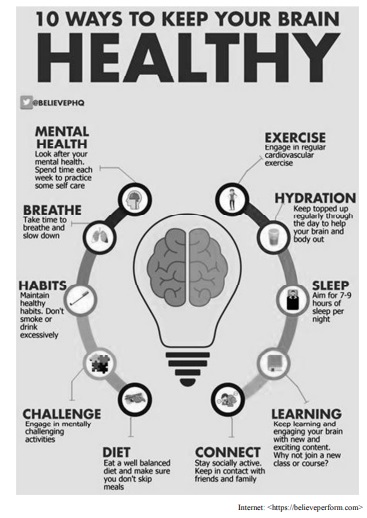
According to the previous infographic, it is correct to affirm that
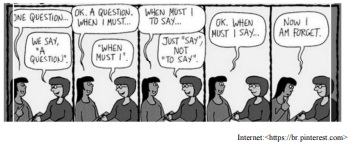
Taking the comic strip above into consideration, choose the correct option.
Based on the information above and on formal grammar rules, choose the option that provides a sentence in which the relative pronoun is used correctly.

 Conheça nossos planos