Foram encontradas 1.047 questões
Resolva questões gratuitamente!
Junte-se a mais de 4 milhões de concurseiros!


Text IV
Diversity and Inclusive Teaching
Teaching to engage diversity, to include all learners, and to seek equity is essential for preparing civically engaged adults and for creating a campus and society that recognizes the contributions of all people. Teaching for diversity refers to acknowledging a range of differences in the classroom. Teaching for inclusion signifies embracing difference. Teaching for equity allows the differences to transform the way we think, teach, learn and act such that all experiences and ways of being are handled with fairness and justice. These ideas complement each other and enhance educational opportunities for all students when simultaneously engaged. […]
Inclusive teaching strategies are intended to ensure that all students feel supported such that they freely learn and explore new ideas, feel safe to express their views in a civil manner, and are respected as individuals and members of groups. Intentionally incorporating inclusive teaching strategies helps students view themselves as people who belong to the community of learners in a classroom and university.
Adapted from https://ctal.udel.edu/resources-2/inclusive-teaching/
Text IV
Diversity and Inclusive Teaching
Teaching to engage diversity, to include all learners, and to seek equity is essential for preparing civically engaged adults and for creating a campus and society that recognizes the contributions of all people. Teaching for diversity refers to acknowledging a range of differences in the classroom. Teaching for inclusion signifies embracing difference. Teaching for equity allows the differences to transform the way we think, teach, learn and act such that all experiences and ways of being are handled with fairness and justice. These ideas complement each other and enhance educational opportunities for all students when simultaneously engaged. […]
Inclusive teaching strategies are intended to ensure that all students feel supported such that they freely learn and explore new ideas, feel safe to express their views in a civil manner, and are respected as individuals and members of groups. Intentionally incorporating inclusive teaching strategies helps students view themselves as people who belong to the community of learners in a classroom and university.
Adapted from https://ctal.udel.edu/resources-2/inclusive-teaching/
Text IV
Diversity and Inclusive Teaching
Teaching to engage diversity, to include all learners, and to seek equity is essential for preparing civically engaged adults and for creating a campus and society that recognizes the contributions of all people. Teaching for diversity refers to acknowledging a range of differences in the classroom. Teaching for inclusion signifies embracing difference. Teaching for equity allows the differences to transform the way we think, teach, learn and act such that all experiences and ways of being are handled with fairness and justice. These ideas complement each other and enhance educational opportunities for all students when simultaneously engaged. […]
Inclusive teaching strategies are intended to ensure that all students feel supported such that they freely learn and explore new ideas, feel safe to express their views in a civil manner, and are respected as individuals and members of groups. Intentionally incorporating inclusive teaching strategies helps students view themselves as people who belong to the community of learners in a classroom and university.
Adapted from https://ctal.udel.edu/resources-2/inclusive-teaching/
I. The concepts discussed in the text must not be combined. II. Polite self-expression is encouraged by inclusive teaching. III. Inclusion is a target that should be met.
Choose the correct answer:
Resumos relacionados
Advérbios e conjunções em inglês para concursos públicos
O estudo de advérbios e conjunções na língua inglesa é fundamental para quem deseja se destacar em provas de concursos públicos. Esses elementos desempenham papéis essenciais na construção de frases, influenciando diretamente o sentido e a coesão textual, habilidades bastante exigidas nas questões de interpretação e compreensão de textos em inglês.
Artigos (Articles) em inglês: uso em concursos públicos
Artigos (Articles) são palavras essenciais na gramática da língua inglesa, usadas para indicar se um substantivo está sendo mencionado de forma específica ou geral. Eles desempenham papel fundamental em provas de concursos, pois ajudam na compreensão e interpretação dos textos, além de serem frequentemente cobrados em questões envolvendo uso correto de estruturas gramaticais.
Text III
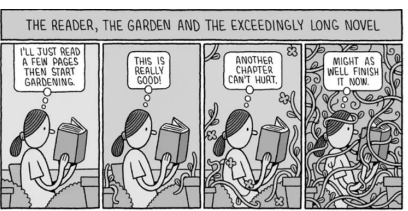
From: https://streetlibrary.org.au/reading-in-the-garden-tom-gauld-cartoon/
Text III
From: https://streetlibrary.org.au/reading-in-the-garden-tom-gauld-cartoon/
Text III
From: https://streetlibrary.org.au/reading-in-the-garden-tom-gauld-cartoon/
Text III
From: https://streetlibrary.org.au/reading-in-the-garden-tom-gauld-cartoon/
Text III
From: https://streetlibrary.org.au/reading-in-the-garden-tom-gauld-cartoon/
Text III
From: https://streetlibrary.org.au/reading-in-the-garden-tom-gauld-cartoon/
Text III
From: https://streetlibrary.org.au/reading-in-the-garden-tom-gauld-cartoon/
Text III
From: https://streetlibrary.org.au/reading-in-the-garden-tom-gauld-cartoon/
Text II
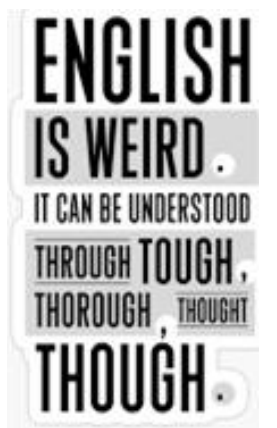
From: https://images.app.goo.gl/dCFurjmcnZzU7AHS6
Text II
From: https://images.app.goo.gl/dCFurjmcnZzU7AHS6
Text II
From: https://images.app.goo.gl/dCFurjmcnZzU7AHS6
Text II
From: https://images.app.goo.gl/dCFurjmcnZzU7AHS6
Text II
From: https://images.app.goo.gl/dCFurjmcnZzU7AHS6
Text I
The BNCC and Twenty-First Century Skills
The most ambitious feature of the BNCC, which only appeared in the document’s third version, was to establish ten core competencies that all students should develop throughout basic education, starting in early childhood. These competencies include lifelong learning, critical thinking, aesthetic sensibilities, communication skills, digital literacy, entrepreneurship, self-care, empathy, citizenship and ethics. The core competencies broaden the goals of basic education well-beyond academic skills to twenty-first century skills widely regarded as essential to preparing the next generations for the challenges of the 4th industrial revolution.
As ambitious as it was, the BNCC was criticized for the lack of explicit links between the ten core competencies and the subject specific competencies and skills, leaving cities and states with the responsibility of making these links themselves. In addition to this, the core competencies are not generally integrated into teacher training programs and are often de-prioritized for the more basic literacy and numeracy needs. In this context, the Ministry of Education and its partners in the third sector have developed orientations, produced videos and online courses aimed at filling this gap, and helped cities and states integrate the ten core competencies in their curricula.
[…]
Ensuring all Brazilian students master the ten core competencies laid out by the BNCC by the end of high school is a long-term, extremely ambitious goal. Before we can set a timeframe for when we will be able to achieve this feat, we need to know where we stand. Due to the core competencies’ complexity, each involves several skills, attitudes and sometimes values, it is unclear whether we will be capable of measuring all ten of them and by when. Until then we are in the company of the OECD, which is already tackling this challenge and will likely pave the way for Brazil in this respect
Note: BNCC: Base Nacional Comum Curricular;
OECD: The Organization for Economic Cooperation and Development.
Adapted from https://link.springer.com/chapter/10.1007/978-3-030-41882-3_2
Text I
The BNCC and Twenty-First Century Skills
The most ambitious feature of the BNCC, which only appeared in the document’s third version, was to establish ten core competencies that all students should develop throughout basic education, starting in early childhood. These competencies include lifelong learning, critical thinking, aesthetic sensibilities, communication skills, digital literacy, entrepreneurship, self-care, empathy, citizenship and ethics. The core competencies broaden the goals of basic education well-beyond academic skills to twenty-first century skills widely regarded as essential to preparing the next generations for the challenges of the 4th industrial revolution.
As ambitious as it was, the BNCC was criticized for the lack of explicit links between the ten core competencies and the subject specific competencies and skills, leaving cities and states with the responsibility of making these links themselves. In addition to this, the core competencies are not generally integrated into teacher training programs and are often de-prioritized for the more basic literacy and numeracy needs. In this context, the Ministry of Education and its partners in the third sector have developed orientations, produced videos and online courses aimed at filling this gap, and helped cities and states integrate the ten core competencies in their curricula.
[…]
Ensuring all Brazilian students master the ten core competencies laid out by the BNCC by the end of high school is a long-term, extremely ambitious goal. Before we can set a timeframe for when we will be able to achieve this feat, we need to know where we stand. Due to the core competencies’ complexity, each involves several skills, attitudes and sometimes values, it is unclear whether we will be capable of measuring all ten of them and by when. Until then we are in the company of the OECD, which is already tackling this challenge and will likely pave the way for Brazil in this respect
Note: BNCC: Base Nacional Comum Curricular;
OECD: The Organization for Economic Cooperation and Development.
Adapted from https://link.springer.com/chapter/10.1007/978-3-030-41882-3_2
Text I
The BNCC and Twenty-First Century Skills
The most ambitious feature of the BNCC, which only appeared in the document’s third version, was to establish ten core competencies that all students should develop throughout basic education, starting in early childhood. These competencies include lifelong learning, critical thinking, aesthetic sensibilities, communication skills, digital literacy, entrepreneurship, self-care, empathy, citizenship and ethics. The core competencies broaden the goals of basic education well-beyond academic skills to twenty-first century skills widely regarded as essential to preparing the next generations for the challenges of the 4th industrial revolution.
As ambitious as it was, the BNCC was criticized for the lack of explicit links between the ten core competencies and the subject specific competencies and skills, leaving cities and states with the responsibility of making these links themselves. In addition to this, the core competencies are not generally integrated into teacher training programs and are often de-prioritized for the more basic literacy and numeracy needs. In this context, the Ministry of Education and its partners in the third sector have developed orientations, produced videos and online courses aimed at filling this gap, and helped cities and states integrate the ten core competencies in their curricula.
[…]
Ensuring all Brazilian students master the ten core competencies laid out by the BNCC by the end of high school is a long-term, extremely ambitious goal. Before we can set a timeframe for when we will be able to achieve this feat, we need to know where we stand. Due to the core competencies’ complexity, each involves several skills, attitudes and sometimes values, it is unclear whether we will be capable of measuring all ten of them and by when. Until then we are in the company of the OECD, which is already tackling this challenge and will likely pave the way for Brazil in this respect
Note: BNCC: Base Nacional Comum Curricular;
OECD: The Organization for Economic Cooperation and Development.
Adapted from https://link.springer.com/chapter/10.1007/978-3-030-41882-3_2
Text I
The BNCC and Twenty-First Century Skills
The most ambitious feature of the BNCC, which only appeared in the document’s third version, was to establish ten core competencies that all students should develop throughout basic education, starting in early childhood. These competencies include lifelong learning, critical thinking, aesthetic sensibilities, communication skills, digital literacy, entrepreneurship, self-care, empathy, citizenship and ethics. The core competencies broaden the goals of basic education well-beyond academic skills to twenty-first century skills widely regarded as essential to preparing the next generations for the challenges of the 4th industrial revolution.
As ambitious as it was, the BNCC was criticized for the lack of explicit links between the ten core competencies and the subject specific competencies and skills, leaving cities and states with the responsibility of making these links themselves. In addition to this, the core competencies are not generally integrated into teacher training programs and are often de-prioritized for the more basic literacy and numeracy needs. In this context, the Ministry of Education and its partners in the third sector have developed orientations, produced videos and online courses aimed at filling this gap, and helped cities and states integrate the ten core competencies in their curricula.
[…]
Ensuring all Brazilian students master the ten core competencies laid out by the BNCC by the end of high school is a long-term, extremely ambitious goal. Before we can set a timeframe for when we will be able to achieve this feat, we need to know where we stand. Due to the core competencies’ complexity, each involves several skills, attitudes and sometimes values, it is unclear whether we will be capable of measuring all ten of them and by when. Until then we are in the company of the OECD, which is already tackling this challenge and will likely pave the way for Brazil in this respect
Note: BNCC: Base Nacional Comum Curricular;
OECD: The Organization for Economic Cooperation and Development.
Adapted from https://link.springer.com/chapter/10.1007/978-3-030-41882-3_2
 Conheça nossos planos