Selecionar segmento
Estude com questões de diferentes segmentos
Atenção: Isso limpará todos os campos já preenchidos no filtro!
Foram encontradas 21.689 questões
Resolva questões gratuitamente!
Junte-se a mais de 4 milhões de concurseiros!


Ano: 2010
Banca:
FGV
Órgão:
BADESC
Provas:
FGV - 2010 - BADESC - Engenheiro
|
FGV - 2010 - BADESC - Contador |
FGV - 2010 - BADESC - Economista |
FGV - 2010 - BADESC - Analista Administrativo |
Q74034
Noções de Informática
BROffice.org 3.1 é um pacote integrado no contexto do software livre para a edição de textos, planilhas, apresentações, gráficos e banco de dados, dentre outros recursos, podendo ser empregado nas áreas administrativa, educacional e financeira.
Além do Writer como processador de textos, o Calc como software para manipulação de planilhas e Impress como programa para apresentações, o BROffice.org 3.1 também oferece softwares para:
I. gerenciar bancos de dados, criar consultas e relatórios e rastrear e gerenciar informações.
II. criar e editar desenhos, fluxogramas e logotipos.
III. criar e ditar fórmulas científicas e equações.
Os softwares que atendem aos requisitos indicados nas afirmativas I, II e III são, respectivamente:
Além do Writer como processador de textos, o Calc como software para manipulação de planilhas e Impress como programa para apresentações, o BROffice.org 3.1 também oferece softwares para:
I. gerenciar bancos de dados, criar consultas e relatórios e rastrear e gerenciar informações.
II. criar e editar desenhos, fluxogramas e logotipos.
III. criar e ditar fórmulas científicas e equações.
Os softwares que atendem aos requisitos indicados nas afirmativas I, II e III são, respectivamente:
Ano: 2010
Banca:
FGV
Órgão:
BADESC
Provas:
FGV - 2010 - BADESC - Engenheiro
|
FGV - 2010 - BADESC - Contador |
FGV - 2010 - BADESC - Economista |
FGV - 2010 - BADESC - Analista Administrativo |
Q74031
Noções de Informática
A conexão de dispositivos de entrada e/ou saída de dados e consequente configuração em notebooks e microcomputadores do tipo desktop, é realizada por meio da utilização de conectores específicos.
A impressora Multifuncional ilustrada na figura a seguir, utiliza conectores USB tipo A do lado do microcomputador e USB do tipo B do lado da impressora.
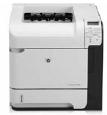
As imagens para esses conectores são, respectivamente:
A impressora Multifuncional ilustrada na figura a seguir, utiliza conectores USB tipo A do lado do microcomputador e USB do tipo B do lado da impressora.
As imagens para esses conectores são, respectivamente:
Ano: 2010
Banca:
CESPE / CEBRASPE
Órgão:
ANEEL
Provas:
CESPE / CEBRASPE - 2010 - ANEEL - Todos os Cargos - Nível Superior
|
CESPE / CEBRASPE - 2010 - ANEEL - Especialista em Regulação de Serviços Públicos de Energia - Área 1 |
CESPE / CEBRASPE - 2010 - ANEEL - Especialista em Regulação de Serviços Públicos de Energia - Área 2 |
CESPE / CEBRASPE - 2010 - ANEEL - Especialista em Regulação de Serviços Públicos de Energia - Área 3 |
CESPE / CEBRASPE - 2010 - ANEEL - Especialista em Regulação de Serviços Públicos de Energia - Área 4 |
CESPE / CEBRASPE - 2010 - ANEEL - Especialista em Regulação de Serviços Públicos de Energia - Área 5 |
CESPE / CEBRASPE - 2010 - ANEEL - Analista Administrativo - Área 2 |
Q70801
Inglês
Texto associado
Europe and North Africa could be powered solely by
renewable electricity by 2050 through the implementation of a
"SuperSmart Grid", according to a report issued this week by global
advisory firm PricewaterhouseCoopers (PwC).
According to Energy Source, the achievement of 100 per
cent renewable electricity would address energy security and supply
concerns, while decarbonizing electricity generation and reducing
energy poverty, according to the study.
The proposed SuperSmart Grid would allow load and
demand management for power independently of where and when
the electricity is generated.
The system would capitalize on natural resources and
established weather patterns and would incorporate: southern
Europe and North Africa's solar power potential; the hydro
capability of Scandinavia and the European Alps; onshore and
offshore wind farms in the Baltic and the North Sea; Europe's
potential for tidal and wave power; and biomass generation across
the continent.
According to Gus Schellekens, director of sustainability
and climate change at PricewaterhouseCoopers, Europe is now at
a crossroads, where the choice and ability to achieve renewable
power at scale is evident. "Opportunities to use clean and affordable
natural sources of electricity have been flirted with over the past
150 years. This study lays out a clear framework of how this time
could be different", he says.
The dominant source of European power is fossil fuels (55
per cent), while nuclear power provides 30 per cent and 15 per cent
is derived from renewable sources. According to the PwC study, a
renewables-powered Europe would change the landscape for
consumers and business. Electro-mobility could be introduced on
a mass scale, eliminating the carbon costs of day-to-day transport
for people and goods.

renewable electricity by 2050 through the implementation of a
"SuperSmart Grid", according to a report issued this week by global
advisory firm PricewaterhouseCoopers (PwC).
According to Energy Source, the achievement of 100 per
cent renewable electricity would address energy security and supply
concerns, while decarbonizing electricity generation and reducing
energy poverty, according to the study.
The proposed SuperSmart Grid would allow load and
demand management for power independently of where and when
the electricity is generated.
The system would capitalize on natural resources and
established weather patterns and would incorporate: southern
Europe and North Africa's solar power potential; the hydro
capability of Scandinavia and the European Alps; onshore and
offshore wind farms in the Baltic and the North Sea; Europe's
potential for tidal and wave power; and biomass generation across
the continent.
According to Gus Schellekens, director of sustainability
and climate change at PricewaterhouseCoopers, Europe is now at
a crossroads, where the choice and ability to achieve renewable
power at scale is evident. "Opportunities to use clean and affordable
natural sources of electricity have been flirted with over the past
150 years. This study lays out a clear framework of how this time
could be different", he says.
The dominant source of European power is fossil fuels (55
per cent), while nuclear power provides 30 per cent and 15 per cent
is derived from renewable sources. According to the PwC study, a
renewables-powered Europe would change the landscape for
consumers and business. Electro-mobility could be introduced on
a mass scale, eliminating the carbon costs of day-to-day transport
for people and goods.
It is possible to infer from the text that
electro-mobility introduced on a mass scale can make everyday transport for people and goods cheaper.
electro-mobility introduced on a mass scale can make everyday transport for people and goods cheaper.
Ano: 2010
Banca:
CESPE / CEBRASPE
Órgão:
ANEEL
Provas:
CESPE / CEBRASPE - 2010 - ANEEL - Todos os Cargos - Nível Superior
|
CESPE / CEBRASPE - 2010 - ANEEL - Especialista em Regulação de Serviços Públicos de Energia - Área 1 |
CESPE / CEBRASPE - 2010 - ANEEL - Especialista em Regulação de Serviços Públicos de Energia - Área 2 |
CESPE / CEBRASPE - 2010 - ANEEL - Especialista em Regulação de Serviços Públicos de Energia - Área 3 |
CESPE / CEBRASPE - 2010 - ANEEL - Especialista em Regulação de Serviços Públicos de Energia - Área 4 |
CESPE / CEBRASPE - 2010 - ANEEL - Especialista em Regulação de Serviços Públicos de Energia - Área 5 |
CESPE / CEBRASPE - 2010 - ANEEL - Analista Administrativo - Área 2 |
Q70800
Inglês
Texto associado
Europe and North Africa could be powered solely by
renewable electricity by 2050 through the implementation of a
"SuperSmart Grid", according to a report issued this week by global
advisory firm PricewaterhouseCoopers (PwC).
According to Energy Source, the achievement of 100 per
cent renewable electricity would address energy security and supply
concerns, while decarbonizing electricity generation and reducing
energy poverty, according to the study.
The proposed SuperSmart Grid would allow load and
demand management for power independently of where and when
the electricity is generated.
The system would capitalize on natural resources and
established weather patterns and would incorporate: southern
Europe and North Africa's solar power potential; the hydro
capability of Scandinavia and the European Alps; onshore and
offshore wind farms in the Baltic and the North Sea; Europe's
potential for tidal and wave power; and biomass generation across
the continent.
According to Gus Schellekens, director of sustainability
and climate change at PricewaterhouseCoopers, Europe is now at
a crossroads, where the choice and ability to achieve renewable
power at scale is evident. "Opportunities to use clean and affordable
natural sources of electricity have been flirted with over the past
150 years. This study lays out a clear framework of how this time
could be different", he says.
The dominant source of European power is fossil fuels (55
per cent), while nuclear power provides 30 per cent and 15 per cent
is derived from renewable sources. According to the PwC study, a
renewables-powered Europe would change the landscape for
consumers and business. Electro-mobility could be introduced on
a mass scale, eliminating the carbon costs of day-to-day transport
for people and goods.
renewable electricity by 2050 through the implementation of a
"SuperSmart Grid", according to a report issued this week by global
advisory firm PricewaterhouseCoopers (PwC).
According to Energy Source, the achievement of 100 per
cent renewable electricity would address energy security and supply
concerns, while decarbonizing electricity generation and reducing
energy poverty, according to the study.
The proposed SuperSmart Grid would allow load and
demand management for power independently of where and when
the electricity is generated.
The system would capitalize on natural resources and
established weather patterns and would incorporate: southern
Europe and North Africa's solar power potential; the hydro
capability of Scandinavia and the European Alps; onshore and
offshore wind farms in the Baltic and the North Sea; Europe's
potential for tidal and wave power; and biomass generation across
the continent.
According to Gus Schellekens, director of sustainability
and climate change at PricewaterhouseCoopers, Europe is now at
a crossroads, where the choice and ability to achieve renewable
power at scale is evident. "Opportunities to use clean and affordable
natural sources of electricity have been flirted with over the past
150 years. This study lays out a clear framework of how this time
could be different", he says.
The dominant source of European power is fossil fuels (55
per cent), while nuclear power provides 30 per cent and 15 per cent
is derived from renewable sources. According to the PwC study, a
renewables-powered Europe would change the landscape for
consumers and business. Electro-mobility could be introduced on
a mass scale, eliminating the carbon costs of day-to-day transport
for people and goods.
It is possible to infer from the text that
the use of not dirty and inexpensive natural sources of electricity has been considered during the last 150 years.
the use of not dirty and inexpensive natural sources of electricity has been considered during the last 150 years.
Ano: 2010
Banca:
CESPE / CEBRASPE
Órgão:
ANEEL
Provas:
CESPE / CEBRASPE - 2010 - ANEEL - Todos os Cargos - Nível Superior
|
CESPE / CEBRASPE - 2010 - ANEEL - Especialista em Regulação de Serviços Públicos de Energia - Área 1 |
CESPE / CEBRASPE - 2010 - ANEEL - Especialista em Regulação de Serviços Públicos de Energia - Área 2 |
CESPE / CEBRASPE - 2010 - ANEEL - Especialista em Regulação de Serviços Públicos de Energia - Área 3 |
CESPE / CEBRASPE - 2010 - ANEEL - Especialista em Regulação de Serviços Públicos de Energia - Área 4 |
CESPE / CEBRASPE - 2010 - ANEEL - Especialista em Regulação de Serviços Públicos de Energia - Área 5 |
CESPE / CEBRASPE - 2010 - ANEEL - Analista Administrativo - Área 2 |
Q70799
Inglês
Texto associado
Europe and North Africa could be powered solely by
renewable electricity by 2050 through the implementation of a
"SuperSmart Grid", according to a report issued this week by global
advisory firm PricewaterhouseCoopers (PwC).
According to Energy Source, the achievement of 100 per
cent renewable electricity would address energy security and supply
concerns, while decarbonizing electricity generation and reducing
energy poverty, according to the study.
The proposed SuperSmart Grid would allow load and
demand management for power independently of where and when
the electricity is generated.
The system would capitalize on natural resources and
established weather patterns and would incorporate: southern
Europe and North Africa's solar power potential; the hydro
capability of Scandinavia and the European Alps; onshore and
offshore wind farms in the Baltic and the North Sea; Europe's
potential for tidal and wave power; and biomass generation across
the continent.
According to Gus Schellekens, director of sustainability
and climate change at PricewaterhouseCoopers, Europe is now at
a crossroads, where the choice and ability to achieve renewable
power at scale is evident. "Opportunities to use clean and affordable
natural sources of electricity have been flirted with over the past
150 years. This study lays out a clear framework of how this time
could be different", he says.
The dominant source of European power is fossil fuels (55
per cent), while nuclear power provides 30 per cent and 15 per cent
is derived from renewable sources. According to the PwC study, a
renewables-powered Europe would change the landscape for
consumers and business. Electro-mobility could be introduced on
a mass scale, eliminating the carbon costs of day-to-day transport
for people and goods.
renewable electricity by 2050 through the implementation of a
"SuperSmart Grid", according to a report issued this week by global
advisory firm PricewaterhouseCoopers (PwC).
According to Energy Source, the achievement of 100 per
cent renewable electricity would address energy security and supply
concerns, while decarbonizing electricity generation and reducing
energy poverty, according to the study.
The proposed SuperSmart Grid would allow load and
demand management for power independently of where and when
the electricity is generated.
The system would capitalize on natural resources and
established weather patterns and would incorporate: southern
Europe and North Africa's solar power potential; the hydro
capability of Scandinavia and the European Alps; onshore and
offshore wind farms in the Baltic and the North Sea; Europe's
potential for tidal and wave power; and biomass generation across
the continent.
According to Gus Schellekens, director of sustainability
and climate change at PricewaterhouseCoopers, Europe is now at
a crossroads, where the choice and ability to achieve renewable
power at scale is evident. "Opportunities to use clean and affordable
natural sources of electricity have been flirted with over the past
150 years. This study lays out a clear framework of how this time
could be different", he says.
The dominant source of European power is fossil fuels (55
per cent), while nuclear power provides 30 per cent and 15 per cent
is derived from renewable sources. According to the PwC study, a
renewables-powered Europe would change the landscape for
consumers and business. Electro-mobility could be introduced on
a mass scale, eliminating the carbon costs of day-to-day transport
for people and goods.
Based on the text, judge the items below.
Wind farms located far away from the coast are also supposed to take part in the project.
Wind farms located far away from the coast are also supposed to take part in the project.
Ano: 2010
Banca:
CESPE / CEBRASPE
Órgão:
ANEEL
Provas:
CESPE / CEBRASPE - 2010 - ANEEL - Todos os Cargos - Nível Superior
|
CESPE / CEBRASPE - 2010 - ANEEL - Especialista em Regulação de Serviços Públicos de Energia - Área 1 |
CESPE / CEBRASPE - 2010 - ANEEL - Especialista em Regulação de Serviços Públicos de Energia - Área 2 |
CESPE / CEBRASPE - 2010 - ANEEL - Especialista em Regulação de Serviços Públicos de Energia - Área 3 |
CESPE / CEBRASPE - 2010 - ANEEL - Especialista em Regulação de Serviços Públicos de Energia - Área 4 |
CESPE / CEBRASPE - 2010 - ANEEL - Especialista em Regulação de Serviços Públicos de Energia - Área 5 |
CESPE / CEBRASPE - 2010 - ANEEL - Analista Administrativo - Área 2 |
Q70798
Inglês
Texto associado
Europe and North Africa could be powered solely by
renewable electricity by 2050 through the implementation of a
"SuperSmart Grid", according to a report issued this week by global
advisory firm PricewaterhouseCoopers (PwC).
According to Energy Source, the achievement of 100 per
cent renewable electricity would address energy security and supply
concerns, while decarbonizing electricity generation and reducing
energy poverty, according to the study.
The proposed SuperSmart Grid would allow load and
demand management for power independently of where and when
the electricity is generated.
The system would capitalize on natural resources and
established weather patterns and would incorporate: southern
Europe and North Africa's solar power potential; the hydro
capability of Scandinavia and the European Alps; onshore and
offshore wind farms in the Baltic and the North Sea; Europe's
potential for tidal and wave power; and biomass generation across
the continent.
According to Gus Schellekens, director of sustainability
and climate change at PricewaterhouseCoopers, Europe is now at
a crossroads, where the choice and ability to achieve renewable
power at scale is evident. "Opportunities to use clean and affordable
natural sources of electricity have been flirted with over the past
150 years. This study lays out a clear framework of how this time
could be different", he says.
The dominant source of European power is fossil fuels (55
per cent), while nuclear power provides 30 per cent and 15 per cent
is derived from renewable sources. According to the PwC study, a
renewables-powered Europe would change the landscape for
consumers and business. Electro-mobility could be introduced on
a mass scale, eliminating the carbon costs of day-to-day transport
for people and goods.
renewable electricity by 2050 through the implementation of a
"SuperSmart Grid", according to a report issued this week by global
advisory firm PricewaterhouseCoopers (PwC).
According to Energy Source, the achievement of 100 per
cent renewable electricity would address energy security and supply
concerns, while decarbonizing electricity generation and reducing
energy poverty, according to the study.
The proposed SuperSmart Grid would allow load and
demand management for power independently of where and when
the electricity is generated.
The system would capitalize on natural resources and
established weather patterns and would incorporate: southern
Europe and North Africa's solar power potential; the hydro
capability of Scandinavia and the European Alps; onshore and
offshore wind farms in the Baltic and the North Sea; Europe's
potential for tidal and wave power; and biomass generation across
the continent.
According to Gus Schellekens, director of sustainability
and climate change at PricewaterhouseCoopers, Europe is now at
a crossroads, where the choice and ability to achieve renewable
power at scale is evident. "Opportunities to use clean and affordable
natural sources of electricity have been flirted with over the past
150 years. This study lays out a clear framework of how this time
could be different", he says.
The dominant source of European power is fossil fuels (55
per cent), while nuclear power provides 30 per cent and 15 per cent
is derived from renewable sources. According to the PwC study, a
renewables-powered Europe would change the landscape for
consumers and business. Electro-mobility could be introduced on
a mass scale, eliminating the carbon costs of day-to-day transport
for people and goods.
Based on the text, judge the items below.
Europe would contribute with some different sources of energy.
Europe would contribute with some different sources of energy.
Ano: 2010
Banca:
CESPE / CEBRASPE
Órgão:
ANEEL
Provas:
CESPE / CEBRASPE - 2010 - ANEEL - Todos os Cargos - Nível Superior
|
CESPE / CEBRASPE - 2010 - ANEEL - Especialista em Regulação de Serviços Públicos de Energia - Área 1 |
CESPE / CEBRASPE - 2010 - ANEEL - Especialista em Regulação de Serviços Públicos de Energia - Área 2 |
CESPE / CEBRASPE - 2010 - ANEEL - Especialista em Regulação de Serviços Públicos de Energia - Área 3 |
CESPE / CEBRASPE - 2010 - ANEEL - Especialista em Regulação de Serviços Públicos de Energia - Área 4 |
CESPE / CEBRASPE - 2010 - ANEEL - Especialista em Regulação de Serviços Públicos de Energia - Área 5 |
CESPE / CEBRASPE - 2010 - ANEEL - Analista Administrativo - Área 2 |
Q70797
Inglês
Texto associado
Europe and North Africa could be powered solely by
renewable electricity by 2050 through the implementation of a
"SuperSmart Grid", according to a report issued this week by global
advisory firm PricewaterhouseCoopers (PwC).
According to Energy Source, the achievement of 100 per
cent renewable electricity would address energy security and supply
concerns, while decarbonizing electricity generation and reducing
energy poverty, according to the study.
The proposed SuperSmart Grid would allow load and
demand management for power independently of where and when
the electricity is generated.
The system would capitalize on natural resources and
established weather patterns and would incorporate: southern
Europe and North Africa's solar power potential; the hydro
capability of Scandinavia and the European Alps; onshore and
offshore wind farms in the Baltic and the North Sea; Europe's
potential for tidal and wave power; and biomass generation across
the continent.
According to Gus Schellekens, director of sustainability
and climate change at PricewaterhouseCoopers, Europe is now at
a crossroads, where the choice and ability to achieve renewable
power at scale is evident. "Opportunities to use clean and affordable
natural sources of electricity have been flirted with over the past
150 years. This study lays out a clear framework of how this time
could be different", he says.
The dominant source of European power is fossil fuels (55
per cent), while nuclear power provides 30 per cent and 15 per cent
is derived from renewable sources. According to the PwC study, a
renewables-powered Europe would change the landscape for
consumers and business. Electro-mobility could be introduced on
a mass scale, eliminating the carbon costs of day-to-day transport
for people and goods.
renewable electricity by 2050 through the implementation of a
"SuperSmart Grid", according to a report issued this week by global
advisory firm PricewaterhouseCoopers (PwC).
According to Energy Source, the achievement of 100 per
cent renewable electricity would address energy security and supply
concerns, while decarbonizing electricity generation and reducing
energy poverty, according to the study.
The proposed SuperSmart Grid would allow load and
demand management for power independently of where and when
the electricity is generated.
The system would capitalize on natural resources and
established weather patterns and would incorporate: southern
Europe and North Africa's solar power potential; the hydro
capability of Scandinavia and the European Alps; onshore and
offshore wind farms in the Baltic and the North Sea; Europe's
potential for tidal and wave power; and biomass generation across
the continent.
According to Gus Schellekens, director of sustainability
and climate change at PricewaterhouseCoopers, Europe is now at
a crossroads, where the choice and ability to achieve renewable
power at scale is evident. "Opportunities to use clean and affordable
natural sources of electricity have been flirted with over the past
150 years. This study lays out a clear framework of how this time
could be different", he says.
The dominant source of European power is fossil fuels (55
per cent), while nuclear power provides 30 per cent and 15 per cent
is derived from renewable sources. According to the PwC study, a
renewables-powered Europe would change the landscape for
consumers and business. Electro-mobility could be introduced on
a mass scale, eliminating the carbon costs of day-to-day transport
for people and goods.
Based on the text, judge the items below.
The complete substitution of the current sources would be directed to energy security and supply concerns as well as decarbonizing electricity generation and reducing energy poverty.
The complete substitution of the current sources would be directed to energy security and supply concerns as well as decarbonizing electricity generation and reducing energy poverty.
Ano: 2010
Banca:
CESPE / CEBRASPE
Órgão:
ANEEL
Provas:
CESPE / CEBRASPE - 2010 - ANEEL - Todos os Cargos - Nível Superior
|
CESPE / CEBRASPE - 2010 - ANEEL - Especialista em Regulação de Serviços Públicos de Energia - Área 1 |
CESPE / CEBRASPE - 2010 - ANEEL - Especialista em Regulação de Serviços Públicos de Energia - Área 2 |
CESPE / CEBRASPE - 2010 - ANEEL - Especialista em Regulação de Serviços Públicos de Energia - Área 3 |
CESPE / CEBRASPE - 2010 - ANEEL - Especialista em Regulação de Serviços Públicos de Energia - Área 4 |
CESPE / CEBRASPE - 2010 - ANEEL - Especialista em Regulação de Serviços Públicos de Energia - Área 5 |
CESPE / CEBRASPE - 2010 - ANEEL - Analista Administrativo - Área 2 |
Q70796
Inglês
Texto associado
Europe and North Africa could be powered solely by
renewable electricity by 2050 through the implementation of a
"SuperSmart Grid", according to a report issued this week by global
advisory firm PricewaterhouseCoopers (PwC).
According to Energy Source, the achievement of 100 per
cent renewable electricity would address energy security and supply
concerns, while decarbonizing electricity generation and reducing
energy poverty, according to the study.
The proposed SuperSmart Grid would allow load and
demand management for power independently of where and when
the electricity is generated.
The system would capitalize on natural resources and
established weather patterns and would incorporate: southern
Europe and North Africa's solar power potential; the hydro
capability of Scandinavia and the European Alps; onshore and
offshore wind farms in the Baltic and the North Sea; Europe's
potential for tidal and wave power; and biomass generation across
the continent.
According to Gus Schellekens, director of sustainability
and climate change at PricewaterhouseCoopers, Europe is now at
a crossroads, where the choice and ability to achieve renewable
power at scale is evident. "Opportunities to use clean and affordable
natural sources of electricity have been flirted with over the past
150 years. This study lays out a clear framework of how this time
could be different", he says.
The dominant source of European power is fossil fuels (55
per cent), while nuclear power provides 30 per cent and 15 per cent
is derived from renewable sources. According to the PwC study, a
renewables-powered Europe would change the landscape for
consumers and business. Electro-mobility could be introduced on
a mass scale, eliminating the carbon costs of day-to-day transport
for people and goods.
renewable electricity by 2050 through the implementation of a
"SuperSmart Grid", according to a report issued this week by global
advisory firm PricewaterhouseCoopers (PwC).
According to Energy Source, the achievement of 100 per
cent renewable electricity would address energy security and supply
concerns, while decarbonizing electricity generation and reducing
energy poverty, according to the study.
The proposed SuperSmart Grid would allow load and
demand management for power independently of where and when
the electricity is generated.
The system would capitalize on natural resources and
established weather patterns and would incorporate: southern
Europe and North Africa's solar power potential; the hydro
capability of Scandinavia and the European Alps; onshore and
offshore wind farms in the Baltic and the North Sea; Europe's
potential for tidal and wave power; and biomass generation across
the continent.
According to Gus Schellekens, director of sustainability
and climate change at PricewaterhouseCoopers, Europe is now at
a crossroads, where the choice and ability to achieve renewable
power at scale is evident. "Opportunities to use clean and affordable
natural sources of electricity have been flirted with over the past
150 years. This study lays out a clear framework of how this time
could be different", he says.
The dominant source of European power is fossil fuels (55
per cent), while nuclear power provides 30 per cent and 15 per cent
is derived from renewable sources. According to the PwC study, a
renewables-powered Europe would change the landscape for
consumers and business. Electro-mobility could be introduced on
a mass scale, eliminating the carbon costs of day-to-day transport
for people and goods.
Based on the text, judge the items below.
Europe and North Africa will be powered by renewable electricity in forty years' time.
Europe and North Africa will be powered by renewable electricity in forty years' time.
Ano: 2010
Banca:
CESPE / CEBRASPE
Órgão:
ANEEL
Provas:
CESPE / CEBRASPE - 2010 - ANEEL - Todos os Cargos - Nível Superior
|
CESPE / CEBRASPE - 2010 - ANEEL - Especialista em Regulação de Serviços Públicos de Energia - Área 1 |
CESPE / CEBRASPE - 2010 - ANEEL - Especialista em Regulação de Serviços Públicos de Energia - Área 2 |
CESPE / CEBRASPE - 2010 - ANEEL - Especialista em Regulação de Serviços Públicos de Energia - Área 3 |
CESPE / CEBRASPE - 2010 - ANEEL - Especialista em Regulação de Serviços Públicos de Energia - Área 4 |
CESPE / CEBRASPE - 2010 - ANEEL - Especialista em Regulação de Serviços Públicos de Energia - Área 5 |
CESPE / CEBRASPE - 2010 - ANEEL - Analista Administrativo - Área 2 |
Q70795
Direito Constitucional
Texto associado
Com relação ao disposto na Constituição Federal de 1988 (CF),
julgue os próximos itens.
julgue os próximos itens.
A CF atribuiu ao presidente da República a competência privativa para prover e extinguir os cargos públicos federais, na forma da lei.
Ano: 2010
Banca:
CESPE / CEBRASPE
Órgão:
ANEEL
Provas:
CESPE / CEBRASPE - 2010 - ANEEL - Todos os Cargos - Nível Superior
|
CESPE / CEBRASPE - 2010 - ANEEL - Especialista em Regulação de Serviços Públicos de Energia - Área 1 |
CESPE / CEBRASPE - 2010 - ANEEL - Especialista em Regulação de Serviços Públicos de Energia - Área 2 |
CESPE / CEBRASPE - 2010 - ANEEL - Especialista em Regulação de Serviços Públicos de Energia - Área 3 |
CESPE / CEBRASPE - 2010 - ANEEL - Especialista em Regulação de Serviços Públicos de Energia - Área 4 |
CESPE / CEBRASPE - 2010 - ANEEL - Especialista em Regulação de Serviços Públicos de Energia - Área 5 |
CESPE / CEBRASPE - 2010 - ANEEL - Analista Administrativo - Área 2 |
Q70794
Direito Constitucional
Texto associado
Com relação ao disposto na Constituição Federal de 1988 (CF),
julgue os próximos itens.
julgue os próximos itens.
De acordo com a CF, compete à União explorar, mediante autorização, concessão ou permissão, os serviços e as instalações de energia elétrica e o aproveitamento energético dos cursos de água, em articulação com os estados e municípios onde se situam os potenciais hidroenergéticos.
Ano: 2010
Banca:
CESPE / CEBRASPE
Órgão:
ANEEL
Provas:
CESPE / CEBRASPE - 2010 - ANEEL - Todos os Cargos - Nível Superior
|
CESPE / CEBRASPE - 2010 - ANEEL - Especialista em Regulação de Serviços Públicos de Energia - Área 1 |
CESPE / CEBRASPE - 2010 - ANEEL - Especialista em Regulação de Serviços Públicos de Energia - Área 2 |
CESPE / CEBRASPE - 2010 - ANEEL - Especialista em Regulação de Serviços Públicos de Energia - Área 3 |
CESPE / CEBRASPE - 2010 - ANEEL - Especialista em Regulação de Serviços Públicos de Energia - Área 4 |
CESPE / CEBRASPE - 2010 - ANEEL - Especialista em Regulação de Serviços Públicos de Energia - Área 5 |
CESPE / CEBRASPE - 2010 - ANEEL - Analista Administrativo - Área 2 |
Q70793
Direito Constitucional
Texto associado
Com relação ao disposto na Constituição Federal de 1988 (CF),
julgue os próximos itens.
julgue os próximos itens.
A CF assegura a criação de cooperativas, na forma da lei, independentemente de autorização, vedando a interferência estatal no seu funcionamento.
Ano: 2010
Banca:
CESPE / CEBRASPE
Órgão:
ANEEL
Provas:
CESPE / CEBRASPE - 2010 - ANEEL - Todos os Cargos - Nível Superior
|
CESPE / CEBRASPE - 2010 - ANEEL - Especialista em Regulação de Serviços Públicos de Energia - Área 1 |
CESPE / CEBRASPE - 2010 - ANEEL - Especialista em Regulação de Serviços Públicos de Energia - Área 2 |
CESPE / CEBRASPE - 2010 - ANEEL - Especialista em Regulação de Serviços Públicos de Energia - Área 3 |
CESPE / CEBRASPE - 2010 - ANEEL - Especialista em Regulação de Serviços Públicos de Energia - Área 4 |
CESPE / CEBRASPE - 2010 - ANEEL - Especialista em Regulação de Serviços Públicos de Energia - Área 5 |
CESPE / CEBRASPE - 2010 - ANEEL - Analista Administrativo - Área 2 |
Q70792
Direito Administrativo
Texto associado
Acerca dos servidores públicos, do regime jurídico único dos
servidores públicos civis da União e do processo administrativo,
julgue os itens a seguir.
servidores públicos civis da União e do processo administrativo,
julgue os itens a seguir.
A administração pública pode, independentemente de provocação do administrado, instaurar processo administrativo, como decorrência da aplicação do princípio da oficialidade.
Ano: 2010
Banca:
CESPE / CEBRASPE
Órgão:
ANEEL
Provas:
CESPE / CEBRASPE - 2010 - ANEEL - Todos os Cargos - Nível Superior
|
CESPE / CEBRASPE - 2010 - ANEEL - Especialista em Regulação de Serviços Públicos de Energia - Área 1 |
CESPE / CEBRASPE - 2010 - ANEEL - Especialista em Regulação de Serviços Públicos de Energia - Área 2 |
CESPE / CEBRASPE - 2010 - ANEEL - Especialista em Regulação de Serviços Públicos de Energia - Área 3 |
CESPE / CEBRASPE - 2010 - ANEEL - Especialista em Regulação de Serviços Públicos de Energia - Área 4 |
CESPE / CEBRASPE - 2010 - ANEEL - Especialista em Regulação de Serviços Públicos de Energia - Área 5 |
CESPE / CEBRASPE - 2010 - ANEEL - Analista Administrativo - Área 2 |
Q70791
Direito Administrativo
Texto associado
Acerca dos servidores públicos, do regime jurídico único dos
servidores públicos civis da União e do processo administrativo,
julgue os itens a seguir.
servidores públicos civis da União e do processo administrativo,
julgue os itens a seguir.
No que se refere aos vocábulos cargo, emprego e função pública, é correto afirmar que o servidor contratado por tempo determinado para atender a necessidade temporária de excepcional interesse público exerce função pública.
Ano: 2010
Banca:
CESPE / CEBRASPE
Órgão:
ANEEL
Provas:
CESPE / CEBRASPE - 2010 - ANEEL - Todos os Cargos - Nível Superior
|
CESPE / CEBRASPE - 2010 - ANEEL - Especialista em Regulação de Serviços Públicos de Energia - Área 1 |
CESPE / CEBRASPE - 2010 - ANEEL - Especialista em Regulação de Serviços Públicos de Energia - Área 2 |
CESPE / CEBRASPE - 2010 - ANEEL - Especialista em Regulação de Serviços Públicos de Energia - Área 3 |
CESPE / CEBRASPE - 2010 - ANEEL - Especialista em Regulação de Serviços Públicos de Energia - Área 4 |
CESPE / CEBRASPE - 2010 - ANEEL - Especialista em Regulação de Serviços Públicos de Energia - Área 5 |
CESPE / CEBRASPE - 2010 - ANEEL - Analista Administrativo - Área 2 |
Q70790
Direito Administrativo
Julgue o item que se segue, relativo ao instituto da licitação.
De acordo com a Lei de Licitações, é inexigível a licitação nos casos de guerra ou grave perturbação da ordem.
De acordo com a Lei de Licitações, é inexigível a licitação nos casos de guerra ou grave perturbação da ordem.
Ano: 2010
Banca:
CESPE / CEBRASPE
Órgão:
ANEEL
Provas:
CESPE / CEBRASPE - 2010 - ANEEL - Todos os Cargos - Nível Superior
|
CESPE / CEBRASPE - 2010 - ANEEL - Especialista em Regulação de Serviços Públicos de Energia - Área 1 |
CESPE / CEBRASPE - 2010 - ANEEL - Especialista em Regulação de Serviços Públicos de Energia - Área 2 |
CESPE / CEBRASPE - 2010 - ANEEL - Especialista em Regulação de Serviços Públicos de Energia - Área 3 |
CESPE / CEBRASPE - 2010 - ANEEL - Especialista em Regulação de Serviços Públicos de Energia - Área 4 |
CESPE / CEBRASPE - 2010 - ANEEL - Especialista em Regulação de Serviços Públicos de Energia - Área 5 |
CESPE / CEBRASPE - 2010 - ANEEL - Analista Administrativo - Área 2 |
Q70789
Direito Administrativo
Texto associado
Com relação aos princípios inerentes ao serviço público e às
características do contrato administrativo, julgue os seguintes itens.
características do contrato administrativo, julgue os seguintes itens.
Entre as cláusulas exorbitantes presentes no contrato administrativo, destaca-se a possibilidade de a administração pública alterar unilateralmente as cláusulas contratuais, independentemente de qualquer motivação.
Ano: 2010
Banca:
CESPE / CEBRASPE
Órgão:
ANEEL
Provas:
CESPE / CEBRASPE - 2010 - ANEEL - Todos os Cargos - Nível Superior
|
CESPE / CEBRASPE - 2010 - ANEEL - Especialista em Regulação de Serviços Públicos de Energia - Área 1 |
CESPE / CEBRASPE - 2010 - ANEEL - Especialista em Regulação de Serviços Públicos de Energia - Área 2 |
CESPE / CEBRASPE - 2010 - ANEEL - Especialista em Regulação de Serviços Públicos de Energia - Área 3 |
CESPE / CEBRASPE - 2010 - ANEEL - Especialista em Regulação de Serviços Públicos de Energia - Área 4 |
CESPE / CEBRASPE - 2010 - ANEEL - Especialista em Regulação de Serviços Públicos de Energia - Área 5 |
CESPE / CEBRASPE - 2010 - ANEEL - Analista Administrativo - Área 2 |
Q70788
Direito Administrativo
Texto associado
Com relação aos princípios inerentes ao serviço público e às
características do contrato administrativo, julgue os seguintes itens.
características do contrato administrativo, julgue os seguintes itens.
Aplica-se ao serviço público o princípio da mutabilidade do regime jurídico, segundo o qual é possível a ocorrência de mudanças no regime de execução do serviço para adequá-lo ao interesse público, que pode sofrer mudanças com o decurso do tempo.
Ano: 2010
Banca:
CESPE / CEBRASPE
Órgão:
ANEEL
Provas:
CESPE / CEBRASPE - 2010 - ANEEL - Todos os Cargos - Nível Superior
|
CESPE / CEBRASPE - 2010 - ANEEL - Especialista em Regulação de Serviços Públicos de Energia - Área 1 |
CESPE / CEBRASPE - 2010 - ANEEL - Especialista em Regulação de Serviços Públicos de Energia - Área 2 |
CESPE / CEBRASPE - 2010 - ANEEL - Especialista em Regulação de Serviços Públicos de Energia - Área 3 |
CESPE / CEBRASPE - 2010 - ANEEL - Especialista em Regulação de Serviços Públicos de Energia - Área 4 |
CESPE / CEBRASPE - 2010 - ANEEL - Especialista em Regulação de Serviços Públicos de Energia - Área 5 |
CESPE / CEBRASPE - 2010 - ANEEL - Analista Administrativo - Área 2 |
Q70787
Direito Administrativo
Texto associado
No que se refere aos poderes administrativos e aos princípios que
regem a administração pública, julgue os itens subsequentes.
regem a administração pública, julgue os itens subsequentes.
Com fundamento no poder disciplinar, a administração pública, ao ter conhecimento de prática de falta por servidor público, pode escolher entre a instauração ou não de procedimento destinado a promover a correspondente apuração da infração.
Ano: 2010
Banca:
CESPE / CEBRASPE
Órgão:
ANEEL
Provas:
CESPE / CEBRASPE - 2010 - ANEEL - Todos os Cargos - Nível Superior
|
CESPE / CEBRASPE - 2010 - ANEEL - Especialista em Regulação de Serviços Públicos de Energia - Área 1 |
CESPE / CEBRASPE - 2010 - ANEEL - Especialista em Regulação de Serviços Públicos de Energia - Área 2 |
CESPE / CEBRASPE - 2010 - ANEEL - Especialista em Regulação de Serviços Públicos de Energia - Área 3 |
CESPE / CEBRASPE - 2010 - ANEEL - Especialista em Regulação de Serviços Públicos de Energia - Área 4 |
CESPE / CEBRASPE - 2010 - ANEEL - Especialista em Regulação de Serviços Públicos de Energia - Área 5 |
CESPE / CEBRASPE - 2010 - ANEEL - Analista Administrativo - Área 2 |
Q70786
Direito Administrativo
Texto associado
No que se refere aos poderes administrativos e aos princípios que
regem a administração pública, julgue os itens subsequentes.
regem a administração pública, julgue os itens subsequentes.
O princípio da moralidade administrativa tem existência autônoma no ordenamento jurídico nacional e deve ser observado não somente pelo administrador público, como também pelo particular que se relaciona com a administração pública.
Ano: 2010
Banca:
CESPE / CEBRASPE
Órgão:
ANEEL
Provas:
CESPE / CEBRASPE - 2010 - ANEEL - Todos os Cargos - Nível Superior
|
CESPE / CEBRASPE - 2010 - ANEEL - Especialista em Regulação de Serviços Públicos de Energia - Área 1 |
CESPE / CEBRASPE - 2010 - ANEEL - Especialista em Regulação de Serviços Públicos de Energia - Área 2 |
CESPE / CEBRASPE - 2010 - ANEEL - Especialista em Regulação de Serviços Públicos de Energia - Área 3 |
CESPE / CEBRASPE - 2010 - ANEEL - Especialista em Regulação de Serviços Públicos de Energia - Área 4 |
CESPE / CEBRASPE - 2010 - ANEEL - Especialista em Regulação de Serviços Públicos de Energia - Área 5 |
CESPE / CEBRASPE - 2010 - ANEEL - Analista Administrativo - Área 2 |
Q70785
Noções de Informática
Texto associado
Julgue os itens subsequentes, a respeito de conceitos e ferramentas
de Internet.
de Internet.
Phishing é um tipo de ataque na Internet que tenta induzir, por meio de mensagens de e-mail ou sítios maliciosos, os usuários a informarem dados pessoais ou confidenciais.
Ano: 2010
Banca:
CESPE / CEBRASPE
Órgão:
ANEEL
Provas:
CESPE / CEBRASPE - 2010 - ANEEL - Todos os Cargos - Nível Superior
|
CESPE / CEBRASPE - 2010 - ANEEL - Especialista em Regulação de Serviços Públicos de Energia - Área 1 |
CESPE / CEBRASPE - 2010 - ANEEL - Especialista em Regulação de Serviços Públicos de Energia - Área 2 |
CESPE / CEBRASPE - 2010 - ANEEL - Especialista em Regulação de Serviços Públicos de Energia - Área 3 |
CESPE / CEBRASPE - 2010 - ANEEL - Especialista em Regulação de Serviços Públicos de Energia - Área 4 |
CESPE / CEBRASPE - 2010 - ANEEL - Especialista em Regulação de Serviços Públicos de Energia - Área 5 |
CESPE / CEBRASPE - 2010 - ANEEL - Analista Administrativo - Área 2 |
Q70784
Noções de Informática
Texto associado
Julgue os itens subsequentes, a respeito de conceitos e ferramentas
de Internet.
de Internet.
FTP é um protocolo de comunicação que permite o envio de arquivos anexos a mensagens de correio eletrônico, sem a necessidade de compactar esses arquivos.
 Conheça nossos planos