Questões de Concurso Público Prefeitura de São José dos Campos - SP 2026 para Professor II - Inglês
Foram encontradas 70 questões


Ano: 2026
Banca:
FGV
Órgão:
Prefeitura de São José dos Campos - SP
Prova:
FGV - 2026 - Prefeitura de São José dos Campos - SP - Professor II - Inglês |
Q3998585
Inglês
Texto associado
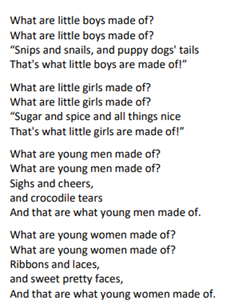
Read Text III and answer the following question.
Text III
Adapted from https://nurseryrhymescollections.com
/lyrics/what-are-little-boys-made-of.html
In this nursery rhyme, the phrase “Ribbons and laces” translates a
notion of:
Ano: 2026
Banca:
FGV
Órgão:
Prefeitura de São José dos Campos - SP
Prova:
FGV - 2026 - Prefeitura de São José dos Campos - SP - Professor II - Inglês |
Q3998586
Inglês
Texto associado
Read Text III and answer the following question.
Text III
Adapted from https://nurseryrhymescollections.com
/lyrics/what-are-little-boys-made-of.html
The verb phrase in “What are little boys made of?” is in the:
Ano: 2026
Banca:
FGV
Órgão:
Prefeitura de São José dos Campos - SP
Prova:
FGV - 2026 - Prefeitura de São José dos Campos - SP - Professor II - Inglês |
Q3998587
Inglês
Texto associado
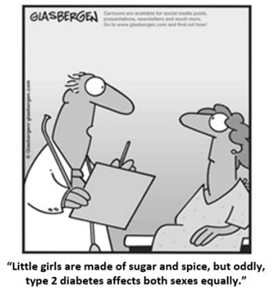
Read Text IV and answer the following question.
Text IV
From: https://www.linkedin.com/posts/randy-glasbergen-a5a67b7_want-to-sharecartoon-of-the-day-go-ahead-activity-7105889187869966336-s6Jl/
Text III
What are little boys made of?
What are little boys made of?
“Snips and snails, and puppy dogs' tails
That's what little boys are made of!”
What are little girls made of?
What are little girls made of?
“Sugar and spice and all things nice
That's what little girls are made of!”
What are young men made of?
What are young men made of?
Sighs and cheers, and crocodile tears
And that are what young men made of.
What are young women made of?
What are young women made of?
Ribbons and laces, and sweet pretty faces,
And that are what young women made of.
Adapted from https://nurseryrhymescollections.com /lyrics/what-are-little-boys-made-of.html
Both Text III and Text IV are built on:
What are little boys made of?
“Snips and snails, and puppy dogs' tails
That's what little boys are made of!”
What are little girls made of?
What are little girls made of?
“Sugar and spice and all things nice
That's what little girls are made of!”
What are young men made of?
What are young men made of?
Sighs and cheers, and crocodile tears
And that are what young men made of.
What are young women made of?
What are young women made of?
Ribbons and laces, and sweet pretty faces,
And that are what young women made of.
Adapted from https://nurseryrhymescollections.com /lyrics/what-are-little-boys-made-of.html
Both Text III and Text IV are built on:
Ano: 2026
Banca:
FGV
Órgão:
Prefeitura de São José dos Campos - SP
Prova:
FGV - 2026 - Prefeitura de São José dos Campos - SP - Professor II - Inglês |
Q3998588
Inglês
Texto associado
Read Text IV and answer the following question.
Text IV
From: https://www.linkedin.com/posts/randy-glasbergen-a5a67b7_want-to-sharecartoon-of-the-day-go-ahead-activity-7105889187869966336-s6Jl/
The adverb “oddly” means that the physician is expressing
something he finds:
Ano: 2026
Banca:
FGV
Órgão:
Prefeitura de São José dos Campos - SP
Prova:
FGV - 2026 - Prefeitura de São José dos Campos - SP - Professor II - Inglês |
Q3998589
Inglês
Texto associado
Read Text V and answer the question that follows.
Text V
Structural and pedagogical problems
hinder the use of technology
Three out of four teachers in Brazil show support for the use
of artificial intelligence (AI) as a teaching tool. They also say that
the technology has impacted education both positively, with faster
access to information, and negatively, as students lose their focus.
The data can be found in an unprecedented survey by Semesp
Institute, an organization that represents higher education
providers. The study was carried out between March 18 and 31
with 444 public and private school teachers from kindergarten to
high school located in all regions of Brazil.
In the study, 74.8 percent of respondents partially or totally
agree with the use of artificial intelligence in teaching. Despite this,
just over a third (39.2%) of them said they always use it as a
teaching tool.
Even though educators believe it is important to use AI, they
also report structural and pedagogical problems that prevent or
hinder its employment. Further issues were reported in
connection with its excessive use, especially by pupils. Among
these problems are the lack of internet at school, the lack of
training for teachers and also greater difficulty in holding students’
attention.
“I sense students have become more dependent on research
tools and immediate answers and have a hard time having
resilience and patience and acting as problem solvers,” an
anonymous teacher who took part in the survey said.
Another one said: “Technology has advanced, but sometimes
access to it at school is not satisfactory. Poor internet connection.
The computer lab is a restricted space. No Microsoft Office in the
mobile lab. The use of cell phones is impractical as students have
no internet. Now, even the internet is restricted to teachers.”
Just under half of the teachers (45.7%) declared that both
teachers and students have access to computers and the internet
where they teach. Another seven percent answered there is still
no access to technology in their schools.
Teachers also report that technology has made students lose
their focus. “The school can’t keep up with the use of new technologies at the speed that the students can, which leads to a
mismatch between the lesson taught and the lesson that the
students want. The unbridled use of social media and the high level
of exposure of young people to these networks have undermined
teachers’ contact with students,” one of the teachers stated.
From: https://agenciabrasil.ebc.com.br/en/educacao/noticia/2024-05/three-outfour-teachers-brazil-advocate-ai-teaching-tool
Regarding the use of technology in education, the title refers to
issues that:
Ano: 2026
Banca:
FGV
Órgão:
Prefeitura de São José dos Campos - SP
Prova:
FGV - 2026 - Prefeitura de São José dos Campos - SP - Professor II - Inglês |
Q3998590
Inglês
Texto associado
Read Text V and answer the question that follows.
Text V
Structural and pedagogical problems
hinder the use of technology
Three out of four teachers in Brazil show support for the use
of artificial intelligence (AI) as a teaching tool. They also say that
the technology has impacted education both positively, with faster
access to information, and negatively, as students lose their focus.
The data can be found in an unprecedented survey by Semesp
Institute, an organization that represents higher education
providers. The study was carried out between March 18 and 31
with 444 public and private school teachers from kindergarten to
high school located in all regions of Brazil.
In the study, 74.8 percent of respondents partially or totally
agree with the use of artificial intelligence in teaching. Despite this,
just over a third (39.2%) of them said they always use it as a
teaching tool.
Even though educators believe it is important to use AI, they
also report structural and pedagogical problems that prevent or
hinder its employment. Further issues were reported in
connection with its excessive use, especially by pupils. Among
these problems are the lack of internet at school, the lack of
training for teachers and also greater difficulty in holding students’
attention.
“I sense students have become more dependent on research
tools and immediate answers and have a hard time having
resilience and patience and acting as problem solvers,” an
anonymous teacher who took part in the survey said.
Another one said: “Technology has advanced, but sometimes
access to it at school is not satisfactory. Poor internet connection.
The computer lab is a restricted space. No Microsoft Office in the
mobile lab. The use of cell phones is impractical as students have
no internet. Now, even the internet is restricted to teachers.”
Just under half of the teachers (45.7%) declared that both
teachers and students have access to computers and the internet
where they teach. Another seven percent answered there is still
no access to technology in their schools.
Teachers also report that technology has made students lose
their focus. “The school can’t keep up with the use of new technologies at the speed that the students can, which leads to a
mismatch between the lesson taught and the lesson that the
students want. The unbridled use of social media and the high level
of exposure of young people to these networks have undermined
teachers’ contact with students,” one of the teachers stated.
From: https://agenciabrasil.ebc.com.br/en/educacao/noticia/2024-05/three-outfour-teachers-brazil-advocate-ai-teaching-tool
The opposite of “faster access” (1st paragraph) is:
Ano: 2026
Banca:
FGV
Órgão:
Prefeitura de São José dos Campos - SP
Prova:
FGV - 2026 - Prefeitura de São José dos Campos - SP - Professor II - Inglês |
Q3998591
Inglês
Texto associado
Read Text V and answer the question that follows.
Text V
Structural and pedagogical problems
hinder the use of technology
Three out of four teachers in Brazil show support for the use
of artificial intelligence (AI) as a teaching tool. They also say that
the technology has impacted education both positively, with faster
access to information, and negatively, as students lose their focus.
The data can be found in an unprecedented survey by Semesp
Institute, an organization that represents higher education
providers. The study was carried out between March 18 and 31
with 444 public and private school teachers from kindergarten to
high school located in all regions of Brazil.
In the study, 74.8 percent of respondents partially or totally
agree with the use of artificial intelligence in teaching. Despite this,
just over a third (39.2%) of them said they always use it as a
teaching tool.
Even though educators believe it is important to use AI, they
also report structural and pedagogical problems that prevent or
hinder its employment. Further issues were reported in
connection with its excessive use, especially by pupils. Among
these problems are the lack of internet at school, the lack of
training for teachers and also greater difficulty in holding students’
attention.
“I sense students have become more dependent on research
tools and immediate answers and have a hard time having
resilience and patience and acting as problem solvers,” an
anonymous teacher who took part in the survey said.
Another one said: “Technology has advanced, but sometimes
access to it at school is not satisfactory. Poor internet connection.
The computer lab is a restricted space. No Microsoft Office in the
mobile lab. The use of cell phones is impractical as students have
no internet. Now, even the internet is restricted to teachers.”
Just under half of the teachers (45.7%) declared that both
teachers and students have access to computers and the internet
where they teach. Another seven percent answered there is still
no access to technology in their schools.
Teachers also report that technology has made students lose
their focus. “The school can’t keep up with the use of new technologies at the speed that the students can, which leads to a
mismatch between the lesson taught and the lesson that the
students want. The unbridled use of social media and the high level
of exposure of young people to these networks have undermined
teachers’ contact with students,” one of the teachers stated.
From: https://agenciabrasil.ebc.com.br/en/educacao/noticia/2024-05/three-outfour-teachers-brazil-advocate-ai-teaching-tool
“Despite this” (2nd paragraph) is close in meaning to:
Ano: 2026
Banca:
FGV
Órgão:
Prefeitura de São José dos Campos - SP
Prova:
FGV - 2026 - Prefeitura de São José dos Campos - SP - Professor II - Inglês |
Q3998592
Inglês
Texto associado
Read Text V and answer the question that follows.
Text V
Structural and pedagogical problems
hinder the use of technology
Three out of four teachers in Brazil show support for the use
of artificial intelligence (AI) as a teaching tool. They also say that
the technology has impacted education both positively, with faster
access to information, and negatively, as students lose their focus.
The data can be found in an unprecedented survey by Semesp
Institute, an organization that represents higher education
providers. The study was carried out between March 18 and 31
with 444 public and private school teachers from kindergarten to
high school located in all regions of Brazil.
In the study, 74.8 percent of respondents partially or totally
agree with the use of artificial intelligence in teaching. Despite this,
just over a third (39.2%) of them said they always use it as a
teaching tool.
Even though educators believe it is important to use AI, they
also report structural and pedagogical problems that prevent or
hinder its employment. Further issues were reported in
connection with its excessive use, especially by pupils. Among
these problems are the lack of internet at school, the lack of
training for teachers and also greater difficulty in holding students’
attention.
“I sense students have become more dependent on research
tools and immediate answers and have a hard time having
resilience and patience and acting as problem solvers,” an
anonymous teacher who took part in the survey said.
Another one said: “Technology has advanced, but sometimes
access to it at school is not satisfactory. Poor internet connection.
The computer lab is a restricted space. No Microsoft Office in the
mobile lab. The use of cell phones is impractical as students have
no internet. Now, even the internet is restricted to teachers.”
Just under half of the teachers (45.7%) declared that both
teachers and students have access to computers and the internet
where they teach. Another seven percent answered there is still
no access to technology in their schools.
Teachers also report that technology has made students lose
their focus. “The school can’t keep up with the use of new technologies at the speed that the students can, which leads to a
mismatch between the lesson taught and the lesson that the
students want. The unbridled use of social media and the high level
of exposure of young people to these networks have undermined
teachers’ contact with students,” one of the teachers stated.
From: https://agenciabrasil.ebc.com.br/en/educacao/noticia/2024-05/three-outfour-teachers-brazil-advocate-ai-teaching-tool
The text concludes that uncontrolled exposure to social media has
shown to be:
Ano: 2026
Banca:
FGV
Órgão:
Prefeitura de São José dos Campos - SP
Prova:
FGV - 2026 - Prefeitura de São José dos Campos - SP - Professor II - Inglês |
Q3998593
Pedagogia
Texto associado
Read Text V and answer the question that follows.
Text V
Structural and pedagogical problems
hinder the use of technology
Three out of four teachers in Brazil show support for the use
of artificial intelligence (AI) as a teaching tool. They also say that
the technology has impacted education both positively, with faster
access to information, and negatively, as students lose their focus.
The data can be found in an unprecedented survey by Semesp
Institute, an organization that represents higher education
providers. The study was carried out between March 18 and 31
with 444 public and private school teachers from kindergarten to
high school located in all regions of Brazil.
In the study, 74.8 percent of respondents partially or totally
agree with the use of artificial intelligence in teaching. Despite this,
just over a third (39.2%) of them said they always use it as a
teaching tool.
Even though educators believe it is important to use AI, they
also report structural and pedagogical problems that prevent or
hinder its employment. Further issues were reported in
connection with its excessive use, especially by pupils. Among
these problems are the lack of internet at school, the lack of
training for teachers and also greater difficulty in holding students’
attention.
“I sense students have become more dependent on research
tools and immediate answers and have a hard time having
resilience and patience and acting as problem solvers,” an
anonymous teacher who took part in the survey said.
Another one said: “Technology has advanced, but sometimes
access to it at school is not satisfactory. Poor internet connection.
The computer lab is a restricted space. No Microsoft Office in the
mobile lab. The use of cell phones is impractical as students have
no internet. Now, even the internet is restricted to teachers.”
Just under half of the teachers (45.7%) declared that both
teachers and students have access to computers and the internet
where they teach. Another seven percent answered there is still
no access to technology in their schools.
Teachers also report that technology has made students lose
their focus. “The school can’t keep up with the use of new technologies at the speed that the students can, which leads to a
mismatch between the lesson taught and the lesson that the
students want. The unbridled use of social media and the high level
of exposure of young people to these networks have undermined
teachers’ contact with students,” one of the teachers stated.
From: https://agenciabrasil.ebc.com.br/en/educacao/noticia/2024-05/three-outfour-teachers-brazil-advocate-ai-teaching-tool
The Brazilian National Curriculum (BNCC) proposes that
technology and digital skills should be:
Ano: 2026
Banca:
FGV
Órgão:
Prefeitura de São José dos Campos - SP
Prova:
FGV - 2026 - Prefeitura de São José dos Campos - SP - Professor II - Inglês |
Q3998594
Inglês
Texto associado
Read Text V and answer the question that follows.
Text V
Structural and pedagogical problems
hinder the use of technology
Three out of four teachers in Brazil show support for the use
of artificial intelligence (AI) as a teaching tool. They also say that
the technology has impacted education both positively, with faster
access to information, and negatively, as students lose their focus.
The data can be found in an unprecedented survey by Semesp
Institute, an organization that represents higher education
providers. The study was carried out between March 18 and 31
with 444 public and private school teachers from kindergarten to
high school located in all regions of Brazil.
In the study, 74.8 percent of respondents partially or totally
agree with the use of artificial intelligence in teaching. Despite this,
just over a third (39.2%) of them said they always use it as a
teaching tool.
Even though educators believe it is important to use AI, they
also report structural and pedagogical problems that prevent or
hinder its employment. Further issues were reported in
connection with its excessive use, especially by pupils. Among
these problems are the lack of internet at school, the lack of
training for teachers and also greater difficulty in holding students’
attention.
“I sense students have become more dependent on research
tools and immediate answers and have a hard time having
resilience and patience and acting as problem solvers,” an
anonymous teacher who took part in the survey said.
Another one said: “Technology has advanced, but sometimes
access to it at school is not satisfactory. Poor internet connection.
The computer lab is a restricted space. No Microsoft Office in the
mobile lab. The use of cell phones is impractical as students have
no internet. Now, even the internet is restricted to teachers.”
Just under half of the teachers (45.7%) declared that both
teachers and students have access to computers and the internet
where they teach. Another seven percent answered there is still
no access to technology in their schools.
Teachers also report that technology has made students lose
their focus. “The school can’t keep up with the use of new technologies at the speed that the students can, which leads to a
mismatch between the lesson taught and the lesson that the
students want. The unbridled use of social media and the high level
of exposure of young people to these networks have undermined
teachers’ contact with students,” one of the teachers stated.
From: https://agenciabrasil.ebc.com.br/en/educacao/noticia/2024-05/three-outfour-teachers-brazil-advocate-ai-teaching-tool
The key goal of integrating technology into the Brazilian National
Curriculum is to:

 Conheça nossos planos