Questões de Concurso Sobre inglês

Questões Discursivas

Foram encontradas 25.365 questões

Q3642607 Inglês
Saving What’s Precious

The World Monuments Fund is an organization _____________works to preserve important historical and architectural sites ____________ the world. Every two years, the WMF releases a list of sites ______________ particular danger of becoming ruins, and in 2014, it chose 67 sites in 41 countries. As this is a problem I feel strongly about, I decided to find______________ more about some of these places ___________ my blog.

My first discovery was the Fort of Graca, in Elvas, Portugal. Built in the 18th century, this superb military building played an important role in several wars. However, the building’s strategic importance declined over the years and signs of decay are now appearing. Today, the WMF supports the continued maintenance of the fort, and plans to reuse it as a tourism center.

My research then led me to the Sankore Mosque in Timbuktu, Mali, West Africa. Built in the 14th century, the mosque was integral to the city’s importance as a spiritual and intellectual center in the 15th and 16th centuries. Today, the mosque is vulnerable to fighting and rapid urbanization in the region. The WMF hopes to draw attention to this, and to protect this precious monument.

My online journey then took me to the Christ Church Cathedral in Zanzibar, Tanzania, East Africa. Completed in 1879, the Cathedral’s exquisite design makes its history difficult to take in: it lies on the site of what was, until 1873, a major slave market. The Cathedral is now both a place of worship and a memorial to the slaves who suffered there. Recently, large cracks appeared in the Cathedral’s walls. However, with the help of the WMF, they are now repaired.

A very special site on my list was the Damiya Dolmen Field in Jordan, home to 300 stone tombs which date back to 3600 BC. The Damiya Field is in danger of collapse due to mining in the area. However, thanks to pressure from the WMF, the Jordanian government is taking steps to protect it.

Lastly, I found out about the 19th century Alhambra Palace in Santiago, Chile. It replicates parts of the 13th century Alhambra palace in Spain, and, until a major earthquake hit the country in 2010, existed as a cultural institution supporting artists. The effects of the earthquake, together with old age and weather, made the building unsafe and it is currently closed. The WMF hopes that its involvement with the palace can help it to open to the public once again.
Choose the alternative that presents in which paragraph of the text is the answer to the question: Why is the mosque now at risk?
Alternativas
Q3642606 Inglês
Saving What’s Precious

The World Monuments Fund is an organization _____________works to preserve important historical and architectural sites ____________ the world. Every two years, the WMF releases a list of sites ______________ particular danger of becoming ruins, and in 2014, it chose 67 sites in 41 countries. As this is a problem I feel strongly about, I decided to find______________ more about some of these places ___________ my blog.

My first discovery was the Fort of Graca, in Elvas, Portugal. Built in the 18th century, this superb military building played an important role in several wars. However, the building’s strategic importance declined over the years and signs of decay are now appearing. Today, the WMF supports the continued maintenance of the fort, and plans to reuse it as a tourism center.

My research then led me to the Sankore Mosque in Timbuktu, Mali, West Africa. Built in the 14th century, the mosque was integral to the city’s importance as a spiritual and intellectual center in the 15th and 16th centuries. Today, the mosque is vulnerable to fighting and rapid urbanization in the region. The WMF hopes to draw attention to this, and to protect this precious monument.

My online journey then took me to the Christ Church Cathedral in Zanzibar, Tanzania, East Africa. Completed in 1879, the Cathedral’s exquisite design makes its history difficult to take in: it lies on the site of what was, until 1873, a major slave market. The Cathedral is now both a place of worship and a memorial to the slaves who suffered there. Recently, large cracks appeared in the Cathedral’s walls. However, with the help of the WMF, they are now repaired.

A very special site on my list was the Damiya Dolmen Field in Jordan, home to 300 stone tombs which date back to 3600 BC. The Damiya Field is in danger of collapse due to mining in the area. However, thanks to pressure from the WMF, the Jordanian government is taking steps to protect it.

Lastly, I found out about the 19th century Alhambra Palace in Santiago, Chile. It replicates parts of the 13th century Alhambra palace in Spain, and, until a major earthquake hit the country in 2010, existed as a cultural institution supporting artists. The effects of the earthquake, together with old age and weather, made the building unsafe and it is currently closed. The WMF hopes that its involvement with the palace can help it to open to the public once again.
According to the text, analyze the following sentences:
1. The author thinks that military buildings don’t need help from the WMF.
2. The author thinks that the WMF can’t save the Sankore mosque because of fighting in the region.
3. The author thinks that the beauty of the Christ Church Cathedral makes the site’s past difficult to imagine.
4. The author thinks that the Alhambra Palace in Chile can never open to the public again.
Choose the alternative which presents the correct sentences.
Alternativas
Q3642605 Inglês
Saving What’s Precious

The World Monuments Fund is an organization _____________works to preserve important historical and architectural sites ____________ the world. Every two years, the WMF releases a list of sites ______________ particular danger of becoming ruins, and in 2014, it chose 67 sites in 41 countries. As this is a problem I feel strongly about, I decided to find______________ more about some of these places ___________ my blog.

My first discovery was the Fort of Graca, in Elvas, Portugal. Built in the 18th century, this superb military building played an important role in several wars. However, the building’s strategic importance declined over the years and signs of decay are now appearing. Today, the WMF supports the continued maintenance of the fort, and plans to reuse it as a tourism center.

My research then led me to the Sankore Mosque in Timbuktu, Mali, West Africa. Built in the 14th century, the mosque was integral to the city’s importance as a spiritual and intellectual center in the 15th and 16th centuries. Today, the mosque is vulnerable to fighting and rapid urbanization in the region. The WMF hopes to draw attention to this, and to protect this precious monument.

My online journey then took me to the Christ Church Cathedral in Zanzibar, Tanzania, East Africa. Completed in 1879, the Cathedral’s exquisite design makes its history difficult to take in: it lies on the site of what was, until 1873, a major slave market. The Cathedral is now both a place of worship and a memorial to the slaves who suffered there. Recently, large cracks appeared in the Cathedral’s walls. However, with the help of the WMF, they are now repaired.

A very special site on my list was the Damiya Dolmen Field in Jordan, home to 300 stone tombs which date back to 3600 BC. The Damiya Field is in danger of collapse due to mining in the area. However, thanks to pressure from the WMF, the Jordanian government is taking steps to protect it.

Lastly, I found out about the 19th century Alhambra Palace in Santiago, Chile. It replicates parts of the 13th century Alhambra palace in Spain, and, until a major earthquake hit the country in 2010, existed as a cultural institution supporting artists. The effects of the earthquake, together with old age and weather, made the building unsafe and it is currently closed. The WMF hopes that its involvement with the palace can help it to open to the public once again.
Based on the text, mark the statements below as ( T ) true or ( F ) false.
( ) The WMF makes a list of buildings in need of help every year.
( ) There are only 67 monuments worldwide that are currently in danger.
( ) The Sankore Mosque was especially important during the 15th and 16th centuries.
( ) The WMF helped to repair the walls of Christ Church Cathedral.
( ) The tombs in the Damiya Dolmen Field are 300 years old.
Choose the alternative which presents the correct sequence, from top to bottom.
Alternativas
Q3642604 Inglês
Saving What’s Precious

The World Monuments Fund is an organization _____________works to preserve important historical and architectural sites ____________ the world. Every two years, the WMF releases a list of sites ______________ particular danger of becoming ruins, and in 2014, it chose 67 sites in 41 countries. As this is a problem I feel strongly about, I decided to find______________ more about some of these places ___________ my blog.

My first discovery was the Fort of Graca, in Elvas, Portugal. Built in the 18th century, this superb military building played an important role in several wars. However, the building’s strategic importance declined over the years and signs of decay are now appearing. Today, the WMF supports the continued maintenance of the fort, and plans to reuse it as a tourism center.

My research then led me to the Sankore Mosque in Timbuktu, Mali, West Africa. Built in the 14th century, the mosque was integral to the city’s importance as a spiritual and intellectual center in the 15th and 16th centuries. Today, the mosque is vulnerable to fighting and rapid urbanization in the region. The WMF hopes to draw attention to this, and to protect this precious monument.

My online journey then took me to the Christ Church Cathedral in Zanzibar, Tanzania, East Africa. Completed in 1879, the Cathedral’s exquisite design makes its history difficult to take in: it lies on the site of what was, until 1873, a major slave market. The Cathedral is now both a place of worship and a memorial to the slaves who suffered there. Recently, large cracks appeared in the Cathedral’s walls. However, with the help of the WMF, they are now repaired.

A very special site on my list was the Damiya Dolmen Field in Jordan, home to 300 stone tombs which date back to 3600 BC. The Damiya Field is in danger of collapse due to mining in the area. However, thanks to pressure from the WMF, the Jordanian government is taking steps to protect it.

Lastly, I found out about the 19th century Alhambra Palace in Santiago, Chile. It replicates parts of the 13th century Alhambra palace in Spain, and, until a major earthquake hit the country in 2010, existed as a cultural institution supporting artists. The effects of the earthquake, together with old age and weather, made the building unsafe and it is currently closed. The WMF hopes that its involvement with the palace can help it to open to the public once again.
The words in bold However, Today, then and Lastly are being used in the text as part of speech to:
Alternativas
Q3642603 Inglês
Saving What’s Precious

The World Monuments Fund is an organization _____________works to preserve important historical and architectural sites ____________ the world. Every two years, the WMF releases a list of sites ______________ particular danger of becoming ruins, and in 2014, it chose 67 sites in 41 countries. As this is a problem I feel strongly about, I decided to find______________ more about some of these places ___________ my blog.

My first discovery was the Fort of Graca, in Elvas, Portugal. Built in the 18th century, this superb military building played an important role in several wars. However, the building’s strategic importance declined over the years and signs of decay are now appearing. Today, the WMF supports the continued maintenance of the fort, and plans to reuse it as a tourism center.

My research then led me to the Sankore Mosque in Timbuktu, Mali, West Africa. Built in the 14th century, the mosque was integral to the city’s importance as a spiritual and intellectual center in the 15th and 16th centuries. Today, the mosque is vulnerable to fighting and rapid urbanization in the region. The WMF hopes to draw attention to this, and to protect this precious monument.

My online journey then took me to the Christ Church Cathedral in Zanzibar, Tanzania, East Africa. Completed in 1879, the Cathedral’s exquisite design makes its history difficult to take in: it lies on the site of what was, until 1873, a major slave market. The Cathedral is now both a place of worship and a memorial to the slaves who suffered there. Recently, large cracks appeared in the Cathedral’s walls. However, with the help of the WMF, they are now repaired.

A very special site on my list was the Damiya Dolmen Field in Jordan, home to 300 stone tombs which date back to 3600 BC. The Damiya Field is in danger of collapse due to mining in the area. However, thanks to pressure from the WMF, the Jordanian government is taking steps to protect it.

Lastly, I found out about the 19th century Alhambra Palace in Santiago, Chile. It replicates parts of the 13th century Alhambra palace in Spain, and, until a major earthquake hit the country in 2010, existed as a cultural institution supporting artists. The effects of the earthquake, together with old age and weather, made the building unsafe and it is currently closed. The WMF hopes that its involvement with the palace can help it to open to the public once again.
Using a Reading technique, skim the article and mark the alternative that contains the purpose of the text.
Alternativas
Q3641232 Inglês

TEXT:

What's the best way to learn receptive skills?

Miranda Hamilton

July 26, 2021


We often think of speaking and writing as the most challenging of the four language skills but what about the receptive skills? With reading, learners have time to think, but listening in another language presents a very different set of challenges for the learner. How often have we heard learners complain ‘it’s too fast, teacher!’? So how can you help?


Some guides are designed to help teachers understand the subskills of listening, with activities, tips and strategies to help you develop your learners’ listening skills as they prepare for their exams.


Here are just a few of the ideas from the guides for you to try with your learners. They will work at all levels.


How many words?


This micro listening is a great activity to try towards the end of your listening lesson, when learners have already heard the recording, so they know the speakers’ voices and the topic.


• Select a short phrase, of around 10 words, from the listening you have just completed. Set up the audio so you are ready to press ‘Play’.

• Tell the learners to listen and count the number of words they hear. You will need to play the audio several times. Pairs discuss. Take a range of answers from the class, but don’t tell them the answer just yet.

• Write the phrase on the board and count the number of words with the class. Who was the closest?

• Now ask them to listen and read the phrase at the same time. This time they have to decide which words they hear most clearly, in other words, you want them to notice the stressed words. Ask why they think they heard these words most clearly. Explain that stressed words carry the key information.


This micro listening activity helps raise learners’ awareness of sounds, helping them notice the stressed words and preparing them to listen for key information.


Support every learner

In mixed-ability classes, put a few simple strategies in place so the whole class can listen to the same recording, and take part in the same activity. This means that no learner feels lost or left behind.


• Make the gap-fill or sentence-completion task more achievable and supply the first letter of the missing word. Alternatively supply the first and the final letter and indicate how many letters the missing word has.

• Provide an additional layer of support for weaker learners by giving them the audio script. They can read the script as they listen and use it to help them find the correct answers.


Prepare to listen, prepare to understand


Don’t be in too much of a hurry to hand out the listening task and press ‘Play’. Time spent in class before listening means learners are better prepared to understand.


• Before you listen, have a class discussion around the topic of the listening. This gives learners the opportunity not only to practice their speaking, but also to practice listening to one another. A good discussion will make them think about the main ideas they might hear when they listen. • Useful vocabulary always comes out of a class discussion, creating a very natural way to pre-teach vocabulary before they listen. Useful language linked to a discussion is easier to learn because learners have a context, which makes it easier to remember than pre-teaching vocabulary from a wordlist.

• Take your time to discuss the task and check understanding. Encourage the class to reflect on their discussion and predict the answers. Remember to write their predictions on the board. Did they guess correctly? It doesn’t matter if they did or not, what matters is that they are prepared and ready to listen to see if they were right.


Feeling prepared to listen means learners feel confident and ready to understand, both in the classroom and in their exam.


Adapted from: https://www.cambridgeenglish.org/blog/whats-the-best-way-tolearn-receptive-skills


A expressão idiomática usada para se referir a alguém que fica até tarde da noite estudando para se preparar para um exame é: 
Alternativas
Q3641231 Inglês

TEXT:

What's the best way to learn receptive skills?

Miranda Hamilton

July 26, 2021


We often think of speaking and writing as the most challenging of the four language skills but what about the receptive skills? With reading, learners have time to think, but listening in another language presents a very different set of challenges for the learner. How often have we heard learners complain ‘it’s too fast, teacher!’? So how can you help?


Some guides are designed to help teachers understand the subskills of listening, with activities, tips and strategies to help you develop your learners’ listening skills as they prepare for their exams.


Here are just a few of the ideas from the guides for you to try with your learners. They will work at all levels.


How many words?


This micro listening is a great activity to try towards the end of your listening lesson, when learners have already heard the recording, so they know the speakers’ voices and the topic.


• Select a short phrase, of around 10 words, from the listening you have just completed. Set up the audio so you are ready to press ‘Play’.

• Tell the learners to listen and count the number of words they hear. You will need to play the audio several times. Pairs discuss. Take a range of answers from the class, but don’t tell them the answer just yet.

• Write the phrase on the board and count the number of words with the class. Who was the closest?

• Now ask them to listen and read the phrase at the same time. This time they have to decide which words they hear most clearly, in other words, you want them to notice the stressed words. Ask why they think they heard these words most clearly. Explain that stressed words carry the key information.


This micro listening activity helps raise learners’ awareness of sounds, helping them notice the stressed words and preparing them to listen for key information.


Support every learner

In mixed-ability classes, put a few simple strategies in place so the whole class can listen to the same recording, and take part in the same activity. This means that no learner feels lost or left behind.


• Make the gap-fill or sentence-completion task more achievable and supply the first letter of the missing word. Alternatively supply the first and the final letter and indicate how many letters the missing word has.

• Provide an additional layer of support for weaker learners by giving them the audio script. They can read the script as they listen and use it to help them find the correct answers.


Prepare to listen, prepare to understand


Don’t be in too much of a hurry to hand out the listening task and press ‘Play’. Time spent in class before listening means learners are better prepared to understand.


• Before you listen, have a class discussion around the topic of the listening. This gives learners the opportunity not only to practice their speaking, but also to practice listening to one another. A good discussion will make them think about the main ideas they might hear when they listen. • Useful vocabulary always comes out of a class discussion, creating a very natural way to pre-teach vocabulary before they listen. Useful language linked to a discussion is easier to learn because learners have a context, which makes it easier to remember than pre-teaching vocabulary from a wordlist.

• Take your time to discuss the task and check understanding. Encourage the class to reflect on their discussion and predict the answers. Remember to write their predictions on the board. Did they guess correctly? It doesn’t matter if they did or not, what matters is that they are prepared and ready to listen to see if they were right.


Feeling prepared to listen means learners feel confident and ready to understand, both in the classroom and in their exam.


Adapted from: https://www.cambridgeenglish.org/blog/whats-the-best-way-tolearn-receptive-skills


O texto apresenta propostas de atividades para serem realizadas em aula ao trabalhar a compreensão oral, resultando em uma melhor preparação para um exame. A forma correta de fazer uma collocation para se referir ao ato de o aluno fazer um exame é:
Alternativas
Q3641230 Inglês

TEXT:

What's the best way to learn receptive skills?

Miranda Hamilton

July 26, 2021


We often think of speaking and writing as the most challenging of the four language skills but what about the receptive skills? With reading, learners have time to think, but listening in another language presents a very different set of challenges for the learner. How often have we heard learners complain ‘it’s too fast, teacher!’? So how can you help?


Some guides are designed to help teachers understand the subskills of listening, with activities, tips and strategies to help you develop your learners’ listening skills as they prepare for their exams.


Here are just a few of the ideas from the guides for you to try with your learners. They will work at all levels.


How many words?


This micro listening is a great activity to try towards the end of your listening lesson, when learners have already heard the recording, so they know the speakers’ voices and the topic.


• Select a short phrase, of around 10 words, from the listening you have just completed. Set up the audio so you are ready to press ‘Play’.

• Tell the learners to listen and count the number of words they hear. You will need to play the audio several times. Pairs discuss. Take a range of answers from the class, but don’t tell them the answer just yet.

• Write the phrase on the board and count the number of words with the class. Who was the closest?

• Now ask them to listen and read the phrase at the same time. This time they have to decide which words they hear most clearly, in other words, you want them to notice the stressed words. Ask why they think they heard these words most clearly. Explain that stressed words carry the key information.


This micro listening activity helps raise learners’ awareness of sounds, helping them notice the stressed words and preparing them to listen for key information.


Support every learner

In mixed-ability classes, put a few simple strategies in place so the whole class can listen to the same recording, and take part in the same activity. This means that no learner feels lost or left behind.


• Make the gap-fill or sentence-completion task more achievable and supply the first letter of the missing word. Alternatively supply the first and the final letter and indicate how many letters the missing word has.

• Provide an additional layer of support for weaker learners by giving them the audio script. They can read the script as they listen and use it to help them find the correct answers.


Prepare to listen, prepare to understand


Don’t be in too much of a hurry to hand out the listening task and press ‘Play’. Time spent in class before listening means learners are better prepared to understand.


• Before you listen, have a class discussion around the topic of the listening. This gives learners the opportunity not only to practice their speaking, but also to practice listening to one another. A good discussion will make them think about the main ideas they might hear when they listen. • Useful vocabulary always comes out of a class discussion, creating a very natural way to pre-teach vocabulary before they listen. Useful language linked to a discussion is easier to learn because learners have a context, which makes it easier to remember than pre-teaching vocabulary from a wordlist.

• Take your time to discuss the task and check understanding. Encourage the class to reflect on their discussion and predict the answers. Remember to write their predictions on the board. Did they guess correctly? It doesn’t matter if they did or not, what matters is that they are prepared and ready to listen to see if they were right.


Feeling prepared to listen means learners feel confident and ready to understand, both in the classroom and in their exam.


Adapted from: https://www.cambridgeenglish.org/blog/whats-the-best-way-tolearn-receptive-skills


No trecho “Don’t be in too much of a hurry to hand out the listening task…”, a definição correta para o phrasal verb em destaque é:
Alternativas
Q3641229 Inglês

TEXT:

What's the best way to learn receptive skills?

Miranda Hamilton

July 26, 2021


We often think of speaking and writing as the most challenging of the four language skills but what about the receptive skills? With reading, learners have time to think, but listening in another language presents a very different set of challenges for the learner. How often have we heard learners complain ‘it’s too fast, teacher!’? So how can you help?


Some guides are designed to help teachers understand the subskills of listening, with activities, tips and strategies to help you develop your learners’ listening skills as they prepare for their exams.


Here are just a few of the ideas from the guides for you to try with your learners. They will work at all levels.


How many words?


This micro listening is a great activity to try towards the end of your listening lesson, when learners have already heard the recording, so they know the speakers’ voices and the topic.


• Select a short phrase, of around 10 words, from the listening you have just completed. Set up the audio so you are ready to press ‘Play’.

• Tell the learners to listen and count the number of words they hear. You will need to play the audio several times. Pairs discuss. Take a range of answers from the class, but don’t tell them the answer just yet.

• Write the phrase on the board and count the number of words with the class. Who was the closest?

• Now ask them to listen and read the phrase at the same time. This time they have to decide which words they hear most clearly, in other words, you want them to notice the stressed words. Ask why they think they heard these words most clearly. Explain that stressed words carry the key information.


This micro listening activity helps raise learners’ awareness of sounds, helping them notice the stressed words and preparing them to listen for key information.


Support every learner

In mixed-ability classes, put a few simple strategies in place so the whole class can listen to the same recording, and take part in the same activity. This means that no learner feels lost or left behind.


• Make the gap-fill or sentence-completion task more achievable and supply the first letter of the missing word. Alternatively supply the first and the final letter and indicate how many letters the missing word has.

• Provide an additional layer of support for weaker learners by giving them the audio script. They can read the script as they listen and use it to help them find the correct answers.


Prepare to listen, prepare to understand


Don’t be in too much of a hurry to hand out the listening task and press ‘Play’. Time spent in class before listening means learners are better prepared to understand.


• Before you listen, have a class discussion around the topic of the listening. This gives learners the opportunity not only to practice their speaking, but also to practice listening to one another. A good discussion will make them think about the main ideas they might hear when they listen. • Useful vocabulary always comes out of a class discussion, creating a very natural way to pre-teach vocabulary before they listen. Useful language linked to a discussion is easier to learn because learners have a context, which makes it easier to remember than pre-teaching vocabulary from a wordlist.

• Take your time to discuss the task and check understanding. Encourage the class to reflect on their discussion and predict the answers. Remember to write their predictions on the board. Did they guess correctly? It doesn’t matter if they did or not, what matters is that they are prepared and ready to listen to see if they were right.


Feeling prepared to listen means learners feel confident and ready to understand, both in the classroom and in their exam.


Adapted from: https://www.cambridgeenglish.org/blog/whats-the-best-way-tolearn-receptive-skills


 No trecho “Make the gap-fill or sentence-completion task more achievable and supply the first letter of the missing word.”, o sufixo da palavra em destaque foi utilizado na formação de um:
Alternativas
Q3641228 Inglês

TEXT:

What's the best way to learn receptive skills?

Miranda Hamilton

July 26, 2021


We often think of speaking and writing as the most challenging of the four language skills but what about the receptive skills? With reading, learners have time to think, but listening in another language presents a very different set of challenges for the learner. How often have we heard learners complain ‘it’s too fast, teacher!’? So how can you help?


Some guides are designed to help teachers understand the subskills of listening, with activities, tips and strategies to help you develop your learners’ listening skills as they prepare for their exams.


Here are just a few of the ideas from the guides for you to try with your learners. They will work at all levels.


How many words?


This micro listening is a great activity to try towards the end of your listening lesson, when learners have already heard the recording, so they know the speakers’ voices and the topic.


• Select a short phrase, of around 10 words, from the listening you have just completed. Set up the audio so you are ready to press ‘Play’.

• Tell the learners to listen and count the number of words they hear. You will need to play the audio several times. Pairs discuss. Take a range of answers from the class, but don’t tell them the answer just yet.

• Write the phrase on the board and count the number of words with the class. Who was the closest?

• Now ask them to listen and read the phrase at the same time. This time they have to decide which words they hear most clearly, in other words, you want them to notice the stressed words. Ask why they think they heard these words most clearly. Explain that stressed words carry the key information.


This micro listening activity helps raise learners’ awareness of sounds, helping them notice the stressed words and preparing them to listen for key information.


Support every learner

In mixed-ability classes, put a few simple strategies in place so the whole class can listen to the same recording, and take part in the same activity. This means that no learner feels lost or left behind.


• Make the gap-fill or sentence-completion task more achievable and supply the first letter of the missing word. Alternatively supply the first and the final letter and indicate how many letters the missing word has.

• Provide an additional layer of support for weaker learners by giving them the audio script. They can read the script as they listen and use it to help them find the correct answers.


Prepare to listen, prepare to understand


Don’t be in too much of a hurry to hand out the listening task and press ‘Play’. Time spent in class before listening means learners are better prepared to understand.


• Before you listen, have a class discussion around the topic of the listening. This gives learners the opportunity not only to practice their speaking, but also to practice listening to one another. A good discussion will make them think about the main ideas they might hear when they listen. • Useful vocabulary always comes out of a class discussion, creating a very natural way to pre-teach vocabulary before they listen. Useful language linked to a discussion is easier to learn because learners have a context, which makes it easier to remember than pre-teaching vocabulary from a wordlist.

• Take your time to discuss the task and check understanding. Encourage the class to reflect on their discussion and predict the answers. Remember to write their predictions on the board. Did they guess correctly? It doesn’t matter if they did or not, what matters is that they are prepared and ready to listen to see if they were right.


Feeling prepared to listen means learners feel confident and ready to understand, both in the classroom and in their exam.


Adapted from: https://www.cambridgeenglish.org/blog/whats-the-best-way-tolearn-receptive-skills


No trecho “This micro listening activity helps raise learners’ awareness of sounds”, a tradução correta para o substantivo “awareness” é:
Alternativas
Q3641227 Inglês

TEXT:

What's the best way to learn receptive skills?

Miranda Hamilton

July 26, 2021


We often think of speaking and writing as the most challenging of the four language skills but what about the receptive skills? With reading, learners have time to think, but listening in another language presents a very different set of challenges for the learner. How often have we heard learners complain ‘it’s too fast, teacher!’? So how can you help?


Some guides are designed to help teachers understand the subskills of listening, with activities, tips and strategies to help you develop your learners’ listening skills as they prepare for their exams.


Here are just a few of the ideas from the guides for you to try with your learners. They will work at all levels.


How many words?


This micro listening is a great activity to try towards the end of your listening lesson, when learners have already heard the recording, so they know the speakers’ voices and the topic.


• Select a short phrase, of around 10 words, from the listening you have just completed. Set up the audio so you are ready to press ‘Play’.

• Tell the learners to listen and count the number of words they hear. You will need to play the audio several times. Pairs discuss. Take a range of answers from the class, but don’t tell them the answer just yet.

• Write the phrase on the board and count the number of words with the class. Who was the closest?

• Now ask them to listen and read the phrase at the same time. This time they have to decide which words they hear most clearly, in other words, you want them to notice the stressed words. Ask why they think they heard these words most clearly. Explain that stressed words carry the key information.


This micro listening activity helps raise learners’ awareness of sounds, helping them notice the stressed words and preparing them to listen for key information.


Support every learner

In mixed-ability classes, put a few simple strategies in place so the whole class can listen to the same recording, and take part in the same activity. This means that no learner feels lost or left behind.


• Make the gap-fill or sentence-completion task more achievable and supply the first letter of the missing word. Alternatively supply the first and the final letter and indicate how many letters the missing word has.

• Provide an additional layer of support for weaker learners by giving them the audio script. They can read the script as they listen and use it to help them find the correct answers.


Prepare to listen, prepare to understand


Don’t be in too much of a hurry to hand out the listening task and press ‘Play’. Time spent in class before listening means learners are better prepared to understand.


• Before you listen, have a class discussion around the topic of the listening. This gives learners the opportunity not only to practice their speaking, but also to practice listening to one another. A good discussion will make them think about the main ideas they might hear when they listen. • Useful vocabulary always comes out of a class discussion, creating a very natural way to pre-teach vocabulary before they listen. Useful language linked to a discussion is easier to learn because learners have a context, which makes it easier to remember than pre-teaching vocabulary from a wordlist.

• Take your time to discuss the task and check understanding. Encourage the class to reflect on their discussion and predict the answers. Remember to write their predictions on the board. Did they guess correctly? It doesn’t matter if they did or not, what matters is that they are prepared and ready to listen to see if they were right.


Feeling prepared to listen means learners feel confident and ready to understand, both in the classroom and in their exam.


Adapted from: https://www.cambridgeenglish.org/blog/whats-the-best-way-tolearn-receptive-skills


No trecho “Write the phrase on the board and count the number of words with the class.”, os verbos foram empregados no:
Alternativas
Q3641226 Inglês

TEXT:

What's the best way to learn receptive skills?

Miranda Hamilton

July 26, 2021


We often think of speaking and writing as the most challenging of the four language skills but what about the receptive skills? With reading, learners have time to think, but listening in another language presents a very different set of challenges for the learner. How often have we heard learners complain ‘it’s too fast, teacher!’? So how can you help?


Some guides are designed to help teachers understand the subskills of listening, with activities, tips and strategies to help you develop your learners’ listening skills as they prepare for their exams.


Here are just a few of the ideas from the guides for you to try with your learners. They will work at all levels.


How many words?


This micro listening is a great activity to try towards the end of your listening lesson, when learners have already heard the recording, so they know the speakers’ voices and the topic.


• Select a short phrase, of around 10 words, from the listening you have just completed. Set up the audio so you are ready to press ‘Play’.

• Tell the learners to listen and count the number of words they hear. You will need to play the audio several times. Pairs discuss. Take a range of answers from the class, but don’t tell them the answer just yet.

• Write the phrase on the board and count the number of words with the class. Who was the closest?

• Now ask them to listen and read the phrase at the same time. This time they have to decide which words they hear most clearly, in other words, you want them to notice the stressed words. Ask why they think they heard these words most clearly. Explain that stressed words carry the key information.


This micro listening activity helps raise learners’ awareness of sounds, helping them notice the stressed words and preparing them to listen for key information.


Support every learner

In mixed-ability classes, put a few simple strategies in place so the whole class can listen to the same recording, and take part in the same activity. This means that no learner feels lost or left behind.


• Make the gap-fill or sentence-completion task more achievable and supply the first letter of the missing word. Alternatively supply the first and the final letter and indicate how many letters the missing word has.

• Provide an additional layer of support for weaker learners by giving them the audio script. They can read the script as they listen and use it to help them find the correct answers.


Prepare to listen, prepare to understand


Don’t be in too much of a hurry to hand out the listening task and press ‘Play’. Time spent in class before listening means learners are better prepared to understand.


• Before you listen, have a class discussion around the topic of the listening. This gives learners the opportunity not only to practice their speaking, but also to practice listening to one another. A good discussion will make them think about the main ideas they might hear when they listen. • Useful vocabulary always comes out of a class discussion, creating a very natural way to pre-teach vocabulary before they listen. Useful language linked to a discussion is easier to learn because learners have a context, which makes it easier to remember than pre-teaching vocabulary from a wordlist.

• Take your time to discuss the task and check understanding. Encourage the class to reflect on their discussion and predict the answers. Remember to write their predictions on the board. Did they guess correctly? It doesn’t matter if they did or not, what matters is that they are prepared and ready to listen to see if they were right.


Feeling prepared to listen means learners feel confident and ready to understand, both in the classroom and in their exam.


Adapted from: https://www.cambridgeenglish.org/blog/whats-the-best-way-tolearn-receptive-skills


Diferentemente do senso comum, a autora considera as habilidades linguísticas receptivas as mais desafiadoras. As habilidades consideradas como receptivas são:
Alternativas
Q3641225 Inglês

TEXT:

What's the best way to learn receptive skills?

Miranda Hamilton

July 26, 2021


We often think of speaking and writing as the most challenging of the four language skills but what about the receptive skills? With reading, learners have time to think, but listening in another language presents a very different set of challenges for the learner. How often have we heard learners complain ‘it’s too fast, teacher!’? So how can you help?


Some guides are designed to help teachers understand the subskills of listening, with activities, tips and strategies to help you develop your learners’ listening skills as they prepare for their exams.


Here are just a few of the ideas from the guides for you to try with your learners. They will work at all levels.


How many words?


This micro listening is a great activity to try towards the end of your listening lesson, when learners have already heard the recording, so they know the speakers’ voices and the topic.


• Select a short phrase, of around 10 words, from the listening you have just completed. Set up the audio so you are ready to press ‘Play’.

• Tell the learners to listen and count the number of words they hear. You will need to play the audio several times. Pairs discuss. Take a range of answers from the class, but don’t tell them the answer just yet.

• Write the phrase on the board and count the number of words with the class. Who was the closest?

• Now ask them to listen and read the phrase at the same time. This time they have to decide which words they hear most clearly, in other words, you want them to notice the stressed words. Ask why they think they heard these words most clearly. Explain that stressed words carry the key information.


This micro listening activity helps raise learners’ awareness of sounds, helping them notice the stressed words and preparing them to listen for key information.


Support every learner

In mixed-ability classes, put a few simple strategies in place so the whole class can listen to the same recording, and take part in the same activity. This means that no learner feels lost or left behind.


• Make the gap-fill or sentence-completion task more achievable and supply the first letter of the missing word. Alternatively supply the first and the final letter and indicate how many letters the missing word has.

• Provide an additional layer of support for weaker learners by giving them the audio script. They can read the script as they listen and use it to help them find the correct answers.


Prepare to listen, prepare to understand


Don’t be in too much of a hurry to hand out the listening task and press ‘Play’. Time spent in class before listening means learners are better prepared to understand.


• Before you listen, have a class discussion around the topic of the listening. This gives learners the opportunity not only to practice their speaking, but also to practice listening to one another. A good discussion will make them think about the main ideas they might hear when they listen. • Useful vocabulary always comes out of a class discussion, creating a very natural way to pre-teach vocabulary before they listen. Useful language linked to a discussion is easier to learn because learners have a context, which makes it easier to remember than pre-teaching vocabulary from a wordlist.

• Take your time to discuss the task and check understanding. Encourage the class to reflect on their discussion and predict the answers. Remember to write their predictions on the board. Did they guess correctly? It doesn’t matter if they did or not, what matters is that they are prepared and ready to listen to see if they were right.


Feeling prepared to listen means learners feel confident and ready to understand, both in the classroom and in their exam.


Adapted from: https://www.cambridgeenglish.org/blog/whats-the-best-way-tolearn-receptive-skills


De acordo com a autora do texto, as habilidades linguísticas que as pessoas consideram como as mais desafiadoras são as habilidades que envolvem:
Alternativas
Q3637161 Inglês

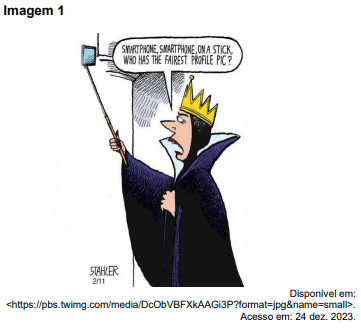
Read the following comic strip attentively and select the option that captures the comedy in it:


Imagem associada para resolução da questão


Alternativas
Q3637160 Inglês
Regarding the use of the -ing form in English grammar, all the following alternatives are correct, except:
Alternativas
Q3637159 Inglês
Connectives are words or phrases that link sentences together. Knowing that, which of the following options could replace the connective ‘but’, while keeping the sentence’s meaning, in “He’s happy to finally know his true origins but sad about what his biological mother went through.”? 
Alternativas
Q3637158 Inglês
Relative clauses are a specific type of subordinate clause, which can be classified as restrictive or nonrestrictive. Restrictive clauses are pretty much essential to the meaning of the sentences they belong to. Nonrestrictive clauses work the opposite way. With this information, mark the option that carries a nonrestrictive clause in its structure:
Alternativas
Q3637157 Inglês
We can use the -ing forms in many ways. Mark the option in which the -ing form is used as an adjective:
Alternativas
Q3637156 Inglês
In the 7th paragraph of “American man stolen as a baby in Chile meets mother at 42” the author gives us a little background on how babies adoptions worked back on Chile’s dictatorship. In the phrase “Some of the children came from rich families, who in many cases gave up babies born out of wedlock.”, the expression ‘out of wedlock’ means:
Alternativas
Q3637155 Inglês
We use present perfect to express things that started in the past but continue or impact the present time. Thus, which of the following sentences is using present perfect in its structure?
Alternativas
Respostas
9941: C
9942: B
9943: D
9944: A
9945: D
9946: B
9947: C
9948: A
9949: D
9950: B
9951: A
9952: C
9953: D
9954: C
9955: A
9956: B
9957: A
9958: C
9959: A
9960: D